Tips on Living with POTS

By Ellen Lenox Smith, Columnist

I suddenly had my life come to a halt when “POTS” hit me in my sixties. Some of you may not be familiar with what that is.

Postural Orthostatic Tachycardia Syndrome (POTS) is a form of dysautonomia, a condition that affects the nervous system, causing light-headedness, fainting, unstable blood pressure, abnormal heart rates, malnutrition, and sometimes even death.

According to Dysautonomia International,  between as many as three million Americans have some form of dysautonomia, and over 70 million around the world.

I had always lived with low blood pressure, but as the instability of my neck, due to Ehlers-Danlos syndrome progressed, I suddenly felt that standing or even just sitting up in bed might cause me to faint.

I reported the symptoms to my cardiologist, who worked with me on finding treatments, but that journey was not a simple one.

The first thing he encouraged me to do was to salt my food, to keep my blood pressure elevated. When that was not enough, he prescribed salt tablets.

Suddenly, I started gaining weight. There was no evidence of swelling in the extremities, the weight retention for me landed in my chest. However, I continued to faint and feel horrible.  

I reported back to the doctor and was encouraged to add more salt. I got scared when I gained another nine pounds and decided to stop taking salt, assuming that was the culprit. Soon after, I passed out, was sent to the hospital, and diagnosed with congestive heart failure.
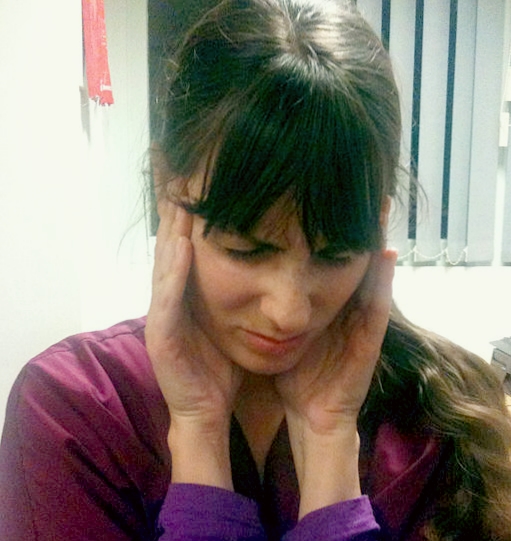
I came home after three days in the hospital and proceeded to melt out of my husband’s arms, hearing both legs snap as I fell to the ground. I woke up with terrible leg pain and now had to face two micro-fractures from the fall.  

When my cardiologist was contacted, he mentioned a medication that he thought he had prescribed for me, but I was certain he not ordered anything besides the salt. I admired his honesty in when he later admitted his mistake. He had confused me with another patient. Once I started the medication he intended for me to take, life started to return to me.

I wanted to share my story in hopes that a reader with POTS might find these tips helpful. It’s such a debilitating condition that I hate to think of anyone else suffering unnecessarily.

Here is what has helped to get my life back and blood pressure to almost normal:

1)  Sleep elevated at a 30 degree angle. You want to elevate the head of your bed under the frame, not just sleep with pillows to elevate. If you need to travel, you can take plastic containers often used by college students to elevate their beds to create storage. I use two containers on each side of the head.

2)  Keep hydrated. Drink plenty of water daily.

3)  Exercise to keep your circulation strong.

4)  My magic medication turned out to be Midodrine HCL, 5 MG tablets. Once I started taking them three times a day, I started to live with normal blood pressure! This specific medication may not be suitable for you, but there are other medications that may help. You should consult with a doctor before trying any of them.

I hope this might provide you with useful strategies to cope with POTS.  Don’t settle with being stuck in bed. Although finding the correct combination of medication takes time, I hope that it will bring some normalcy to your life.

Ellen Lenox Smith suffers from Ehlers Danlos syndrome and sarcoidosis. Ellen and her husband Stuart live in Rhode Island. They are co-directors for medical marijuana advocacy for the U.S. Pain Foundation and serve as board members for the Rhode Island Patient Advocacy Coalition.

For more information about medical marijuana, visit their website.

The information in this column should not be considered as professional medical advice, diagnosis or treatment. It is for informational purposes only and represents the author’s opinions alone. It does not inherently express or reflect the views, opinions and/or positions of Pain News Network.

New Molecules May Combat Immune System Disease

By Pat Anson, Editor

A team of international researchers may have unlocked an ancient secret in the human immune system that could lead to new treatments for rheumatoid arthritis, multiple sclerosis and inflammatory bowel disease (IBD).

"Innate immunity is so old it goes all the way down to frogs, fish and even insects," says Professor Matt Cooper of the University of Queensland’s Institute of Molecular Bioscience.

Cooper and colleagues at Kings College London and the U. S. National Institutes of Health say the human immune system is basically comprised of two parts: the adaptive immune system, which produces antibodies against infection, and a very ancient pathway, known as the innate immune system.

"It stops us getting infections, but it also drives a lot of inflammatory diseases,” explains Cooper.  "So, in one case it's keeping us alive by stopping the bugs getting us, but if it goes wrong, we start to get diseases like arthritis, multiple sclerosis and IBDs such as colitis.

"Researchers always thought key components of these pathways acted alone, but our teams have discovered they can communicate and work together."

IBD is a chronic and painful inflammation of the gastrointestinal tract. Inflammation affects the entire digestive tract in Crohn’s disease, but only the large intestine in ulcerative colitis.

The study findings, published in the journal Science, may have significant implications for treating millions of people who suffer from inflammatory diseases.

"Inflammation in diseases such as colitis occurs when the immune system is activated inappropriately, and causes symptoms including pain, diarrhea, fever and weight loss," said Cooper. "Current treatments are not always effective, possibly because they are only blocking one of the key pathways and inflammation still occurs through the other pathway."

Researchers have developed two small molecules that each block one pathway.

activated immune cells

"We have tested these molecules and the results show that they both reduce inflammation when administered separately," Cooper said. "This work is still in the early stages but we are hopeful our ongoing research will lead to more effective treatments for the millions of IBD sufferers.

"It may give other scientists opportunities to develop new drugs against these diseases."

A healthy immune system is activated when the body recognizes invading microbes and alerts immune cells, such as T cells. Disease begins when the immune response spirals out of control and begins attacking healthy tissue.  

Researchers at New York University’s Langone Medical Center are also working on a theory known as the "hygiene hypothesis" that may explain why there is an increase in inflammatory bowel disease worldwide. They believe intestinal parasites and bacteria that humans were long exposed to are beneficial and help balance the immune system.

Sanitary practices have sharply reduced these parasitic and bacterial infections in developed nations, which now have some of the highest rates of Crohn’s and colitis. Researchers believe the immune response to infections triggers the growth of Clostridia, a bacterium known to counter inflammation.

AMA Drops Pain as Vital Sign

By Pat Anson, Editor

The nation’s largest medical society is recommending that pain be removed as a “fifth vital sign” in professional medical standards – a move critics say will make it even more difficult for pain sufferers to have their pain properly diagnosed and treated.

Delegates at the annual meeting of the American Medical Association in Chicago also passed several other resolutions aimed at reducing opioid prescribing and increasing access to addiction treatment. The AMA represents over 200,000 physicians in the U.S. and is very influential in setting public health policy.

The AMA’s new president said physicians played a key role in starting the so-called opioid epidemic by overprescribing pain medication, and now must do their part to end it.

“We have taken ownership of that, and physicians have taken ownership of being part of the solution,” AMA president Andrew Gurman, MD, told Modern Healthcare.

The AMA’s main “solution” to the opioid problem is to stop asking patients about their pain.

Pain was first recognized as the fifth vital sign in the 1990's, giving pain equal status with blood pressure, heart rate, respiratory rate and temperature as vital signs. The policy encourages healthcare providers to ask patients about their pain.

But critics say pain is not a vital sign, but more of a symptom, and cannot be measured like a patient's temperature or blood pressure. They also claim The Joint Commission,  a non-profit that accredits hospitals and other U.S. healthcare organizations, sets pain management standards too high, which contributes to opioid overprescribing.

"Just as we now know (the) earth is not flat, we know that pain is not a vital sign. Let's remove that from the lexicon," James Milam, MD, an AMA delegate said in MedPage Today. "Whatever it's going to take to no longer include pain as a vital sign ... Let's just get rid of the whole concept and try to move on."

“I am astounded that physicians don't believe we should assess pain on a regular and ongoing basis. That is exactly what removing pain as a vital sign means,” said Lynn Webster, MD, past president of the American Academy of Pain Medicine and vice president of scientific affairs at PRA Health Sciences.

Webster says dropping pain as a vital sign would setback pain care three decades.

“The problem is that too many physicians and policymakers equate assessing pain with giving opioids,” he said in an email to Pain News Network. “It appears that advocates for removing pain as a 5th vital sign are suggesting that if we just ignore pain then we won't have to deal with pain and opioid abuse will disappear. That is not only fantastical thinking, it is harmful to millions of people in pain.” 

"This is a very unfortunate decision, one that creates the very real possibility that we will see a decrement in the quality of pain care delivered in various institutions," warned Bob Twillman, PhD, Executive Director of the Academy of Integrative Pain Management.

"The Joint Commission standards say you need to assess pain in every patient; record the results of that assessment; provide some kind of treatment; re-assess to see if the treatment was effective; and teach staff how to manage pain. They do not say we should ask patients how much pain they have on a 0-10 scale and give them opioids until the pain level is 4 or less. Not asking about pain does not make pain go away, and it does not relieve healthcare providers of their moral and ethical obligation to treat that pain effectively."

AMA Adopts PROP Policies

AMA delegates also passed a resolution urging The Joint Commission to stop requiring hospitals to ask patients about the quality of their pain care. Medicare has a funding formula that requires hospitals to prove they provide good care through patient satisfaction surveys.  The formula rewards hospitals that are rated highly by patients, while penalizing those that are not. 

"Judging health care facilities on an overly subjective measure – that is, how well it is perceived that they treat pain -- is an overly simplistic approach to measuring clinical effectiveness," said AMA Board chair Patrice Harris, MD, in a statement.

Passing the two resolutions means the AMA has essentially adopted the same policies as Physicians for Responsible Opioid Prescribing (PROP), which is also lobbying the Joint Commission to weaken its pain management standards.  PROP is funded by Phoenix House, which runs a chain of addiction treatment centers. 

“At a time when millions of individuals in pain are under siege, the AMA has made it clear they are no friend to people in pain as they are opposed to being accountable for the pain care they provide, “ said David Becker, a patient advocate and social worker. “The AMA has become regressive, vision less, and hard-hearted toward the suffering that millions of people in pain endure on a daily basis. It is clear that the AMA is in need of moral reform.”

A recent survey of over 1,200 patients by Pain News Network and the International Pain Foundation found that many were dissatisfied with their pain treatment in hospitals. Over half rated the quality of their pain care as either poor or very poor, and over 80% said hospital staff are not adequately trained in pain management.

The AMA House of Delegates also passed a resolution calling for greater access to naloxone, which reverses the effects of an opioid overdose, and adopted a policy urging health insurers to increase coverage of non-opioid and non-pharmacological pain treatments.

Insurers must cover non-opioid and non-pharmacologic therapies that have proved effective. Insurers must take a broader view to give patients and physicians more choices," said Harris. “These policies will save lives. That's the bottom line.”

We Are Not Mad Junkies

By Christopher Horton, Guest Columnist

I'm 57, Australian, and a member of the chronically persecuted pain sufferer's club.

My membership came with an accident during a sea rescue. I was a rescue captain for 15 years, got smashed up at sea and have had 6 laminectomies. My legs were paralyzed at first, but after several surgeries I am able to walk again, but tough going. I've had enough surgery to be frightened of anymore.

Once upon a time I thought I was immortal. I have surfed 20 foot high waves and could hold my breath for nearly 5 minutes. I was also a truck and heavy machinery mechanic, trawler fisherman, logging engineer, and rode motor bikes. Now some days my motivation is very low.

I was well known for what I did by my local doctor, but time goes by and inevitably he moved on and new doctors had to be found.

At one time I took Physeptone (methadone) with morphine, but one day due to the refusal of yet another new doctor because of me moving town, the morphine was stopped. 

It’s a crazy world where you hear the doctors say do no harm and are afraid to help us, but bend over backwards for substance abuse patients. The same problems exist over and over, even with pain specialists I have needed to see to get approval for continued supplies of medications. I just deal with more than usual pain and no problem with addiction issues.

CHRISTOPHER HORTON

My neck gets this locked up sensation, a click and then I feel faint, headache, back ache and blood pressure sky rockets so high my doctor gets this strange look on his face. Dreadful medications that have other physical effects. All these things and if another surgery could help, I don't know if I could, it scares me. I shudder at the thought of it and getting older.

I don't talk about this much it's been a long road. I'm lucky. I’ve been married for 40 years to a registered nurse. She's seen everything in her career and comes with me when I see doctors. She knows how to tell them what to do for me.

I agree 100% about abstaining from addiction but with chronic pain it becomes part of the dilemma. For the record I take no more medication now than I ever have, choosing to put up with some discomfort. I have no choice if I want to do things and not suffer too much.  I hope the medical profession can get over the stigma other people prescribe upon us. 

We are not mad junkies, just people trying to survive.

Christopher Horton lives in New South Wales, Australia.

Pain News Network invites other readers to share their stories with us.  Send them to:  editor@PainNewsNetwork.org

The information in this column should not be considered as professional medical advice, diagnosis or treatment. It is for informational purposes only and represent the author’s opinions alone. It does not inherently express or reflect the views, opinions and/or positions of Pain News Network.

Pain Companion: How to Release Pain

By Sarah Anne Shockley, Columnist

In all the discussions about pain medications, various approaches to healing and alternative treatments, we don’t want to overlook a key aspect of the nature of pain.

Chronic pain is a messenger. It is here because it has something to say.

Giving pain a voice helps it, in incremental stages, to complete, release and move on.

What does it mean to give pain a voice? You may already be familiar with journaling and finding someone to tell your pain story as ways to relieve the emotional ramifications of living with chronic pain. They are excellent and I highly recommend them, but that’s not what I’m talking about here.

Rather than expressing how you feel about pain, I recommend finding ways to let pain express itself. Think of it as allowing the part of you that is experiencing physical pain to express from within the pain and as the pain.

For example: the next time you decide to journal, instead of writing about your feelings and experiences, try taking a deep breath and stepping into the pain.

I know, at first you may think, yuck, why would I step into my pain? It’s already hard enough to live with it. But bear with me.

From the experience of being within the pain, begin to write what pain wants to say. Write as if you are the pain speaking. Write about what pain feels like to be in your body, what pain wants, and what pain is trying to accomplish by being there. Don’t try to figure this out in your head. Just go into a slightly altered state of consciousness and let the words flow, even if they seem like nonsense at first.

Ask your pain questions, and let it respond. Who are you? What are you? What are you doing in my body? What do you really want? How can I help? How can I soothe? How can I heal?

If it’s difficult to step out of your thinking mind and you find yourself trying too hard to come up with answers for pain, try writing with your non-dominant hand.

The first time you express yourself as pain may feel a little strange or silly, and you may come up blank at first. Just be patient. Pain isn’t used to being listened to in this way. It might take a moment for it to register that you actually want to hear what it has to say.

Experiment with other ways to let pain express too.  Instead of journaling, you can try speaking for pain. Designate a chair in the room as pain’s chair for a moment. Then go sit in it and speak into the room as pain (or do this from bed if you aren’t mobile right now). Just let the words flow.

Pain may surprise you. It may express as very angry about being stifled all the time. Or very tender. Or confused. Or incredibly sad.

Don’t try to analyze it while it’s happening. Just let pain express as pain wants to, however that is. Right now, even though pain feels like a nasty invader, it’s living in your body and it’s a part of your experience that needs to be heard. It’s part of you expressing as pain.

Another way to express pain is to use your voice to express pain as a sound. You might want to wait until you’re alone for this one.

Again, take a breath and go into the experience of pain in your body, and then begin to hum from that place. Experiment with very high and very low pitches. Let the hum express the sound of pain. Then, if you’re feeling adventurous, let the humming morph into other sounds: moans, groans, high pitched whines, sobs, sighs -- whatever sound wants to come from the pain in your body.

It’s most freeing to just let the sounds come out in whatever form they want to take, whether loud or soft. If you’re self conscious or there are others in the house you don’t want to disturb, you can make the sounds into a pillow. Just make sure you’re listening. You are the most important person to hear the sounds of your own pain. It is a way of witnessing, validating, and releasing the pain you’re in.

Do this for as long as you want (or until the dog starts howling). If you’re musically inclined, you might want to make up a song of lament or a song of freedom. Give pain the stage for a few moments.

This may strike you as naively over simplified, but I have found throughout my pain journey that the most potent remedies for ongoing pain are very straightforward and simple. Rest often. Reduce stress and stay as calm as possible. Release held or restricted breath and allow its life-giving and healing force to move more freely through you body. And give pain a voice.

Remember, probably no single thing you do to heal, soothe, express or release your pain is going to be the whole story of your healing. Chronic pain is multi-leveled and complex. Yet all of the simple, yet profound practices we put into effect on a daily basis have a positive cumulative effect. I can testify to that.

Sarah Anne Shockley suffers from Thoracic Outlet Syndrome, a painful condition that affects the nerves and arteries in the upper chest. Sarah is the author of The Pain Companion: Everyday Wisdom for Living With and Moving Beyond Chronic Pain.

 Sarah also writes for her blog, The Pain Companion.

The information in this column should not be considered as professional medical advice, diagnosis or treatment. It is for informational purposes only and represent the author’s opinions alone. It does not inherently express or reflect the views, opinions and/or positions of Pain News Network.

Study Finds Heart Disease Biggest Risk from Opioids

By Pat Anson, Editor

People who take opioid medication for chronic pain are far more likely to die prematurely from cardiovascular and respiratory problems than they are from accidental overdoses, according to researchers at Vanderbilt University.

Their study, published in JAMA, suggests that many opioid related deaths have been misclassified as overdoses and that public health policy should be more focused on the risks of opioids causing cardiovascular problems.

Researchers looked at a database of nearly 23,000 Medicaid patients in Tennessee who were prescribed either opioids; anti-seizure nerve medications such as pregabalin (Lyrica) and gabapentin (Neurontin); or a low dose antidepressant for chronic non-cancer pain.  

After four months, there were 185 deaths in the opioid group, a mortality rate that that was 1.6 times greater than the patients taking anti-seizure drugs or antidepressants. More than two-thirds of the excess deaths were due to causes other than accidental overdose.

Over twice as many patients died from cardiovascular and respiratory problems (89) than from overdoses (34).

“The increased risk of cardiovascular death could be related to adverse respiratory effects of long-acting opioids. Opioids can cause or exacerbate sleep-disordered breathing, including both obstructive and central sleep apnea,” wrote lead author Wayne Ray, PhD, of the Vanderbilt University School of Medicine.

“More than two-thirds of the excess deaths for patients in the long-acting opioid group were not coded as being due to unintentional overdose. If there is this degree of misclassification, then previous research on opioid mortality, most of which has focused on overdose deaths identified from death certificates, has substantially underestimated the true risks of opioids.”

The Centers for Disease Control and Prevention uses death certificate codes in its reports on mortality. The agency estimates that nearly 19,000 Americans died from overdoses of prescription pain medication in 2014. However, CDC researchers admit some of the overdoses may have been counted twice, and that some overdoses from illicit opioids such as heroin and fentanyl may have been counted as prescription drug deaths.

One weakness of the Vanderbilt study is that it only looked at mortality rates in the first few months of treatment and did not include deaths from long-term medication use.

“The study finding that prescription of long acting opioids was associated with increased cardiovascular and other non-overdose mortality adds to the already considerable known harms of the opioids and thus should be considered when assessing the benefits and harms of medications for chronic pain,” Ray wrote. “Nevertheless, for some individual patients, the therapeutic benefits from long-acting opioid therapy may outweigh the modest increase in mortality risk.”

The mortality rate for chronic pain patients who died in a hospital was higher for patients given antidepressants and anti-seizure drugs than it was for opioids.

The Media’s Biased Reporting on Opioids

By Lynn Webster, MD, Guest Columnist

Have you heard the news about hyperalgesia? “This is the idea that opioid medication, instead of calming pain, might actually make pain worse,” says Stephen Martin, MD, EdM, an Associate Professor of Family Medicine and Community Health at the University of Massachusetts Medical School, who wrote a guest post for HealthNewsReview.

In his post, he points out that media stories such as these greatly worry him:

Dr. Martin agonizes over such biased media reporting because, like me, his greatest concern is the well-being of patients. He worries that reports like these about opioids could adversely affect patients.

In conjunction with the new CDC Guidelines, these reports may increase anxiety among some patients who are able to function with their medications but now, with good reason, they may fear that their access to painkillers will be tapered or discontinued “for their own good,” because the medication might “cause addiction,” or — and this is a twist the media has recently picked up on — because the opioids could “increase pain.”

As Dr. Martin points out, “The study [the media is referencing] involved rats that had sutures tied around their sciatic nerves. The sciatic nerve was tied and the animals were left in pain for 10 days. Then, the researchers administered morphine directly to spinal cords of these rodents for 5 days.”

He concludes, “The next time a patient of mine becomes a rat, has its sciatic nerve constricted with sutures, and asks for 5 days of morphine near its spinal cord 10 days later, maybe I’ll take another look at this study. In the meantime, I’ll tell my patients to ignore the unbalanced news coverage that the research spawned. I am not saying that hyperalgesia doesn’t occur, but I don’t think it is as evident as suggested by this rat study.”

“Urgent Opioid Public Announcement!” ~ Dr. Drew Pinsky  

Then there’s Dr. Drew Pinsky‘s “urgent” public service announcement,” addressing the effects of rampant opioid addiction that has already claimed the lives of countless people across the world.” You can see it here.

The real shame is that you probably already have seen it because, as a TV personality, Dr. Drew has name recognition that encourages viewers and fans to tune in to hear his latest messages. They see him on television shows that feature his name as part of the title, and they trust him.

So when he makes a statement such as, “The United States represents 5% of the world’s population, and yet we consume 80% of the pain medication – medicine that was not designed to be used for longer than 2 weeks,” viewers tend to think that there must be something wrong with the fact that the U.S. prescribes such a high percentage of the medication.

What viewers must consider is this: there are many reasons why the U.S. has 5% of world population and consumes 80% of the opioids. The chief reason among them is people in most other areas of the world do not have access to opioids and die in tremendous pain:

  • There are billions of humans outside the U.S. who are in daily agonizing pain, many of whom can’t get any opioids to ease the pain from their cancers.
  • Even if other parts of world would provide opioids for only hospice and cancer patients, and for no other reasons, the U.S. would not consume anything close to 80% of the world’s opioids.

U.S.-based physicians may overprescribe opioids to some people, but clearly, most people in the world do not receive the benefit of opioid therapy to mitigate their suffering when they’re dying. Providing relief from intractable non cancer-related pain is not even a consideration in many other countries for economic reasons.

I hope Dr. Drew is not suggesting we move toward that position in the U.S. I refuse to believe he feels it is acceptable for hospice and cancer patients to die in excruciating pain. Dr Drew must believe that unbearable pain needs to be treated, even with opioids if no other treatment is effective.

As a celebrity journalist as well as a medical doctor, Dr. Drew has more responsibility to show leadership than others. This requires that he not promulgate spurious theories and fuel hysteria. I’d say his “urgent public service announcement” is particularly damaging  because a trusted public figure should know better than to record a message of hyperbole that could do harm.

Biased Opioid Reporting Makes for Compelling Headlines

Since media consumers already fear opioids (with good reason, especially in the wake of the opioid-related death of pop star Prince and other high profile individuals), it’s tempting for journalists to tell viewers and readers what it expects to hear, wants to hear, or most fears hearing.

So media outlets’ ratings and advertising rates increase as they feed half-truths and out-of-context headlines to the public.

Sometimes, I wonder whether the media understands the harm that its actions can cause. I am sure Dr. Pinsky, as a physician, would never want to inadvertently contribute to misinformation. Unfortunately, his public service announcement may do just that. It could hurt, rather than help, the cause that we share: to help patients.

Lynn R. Webster, MD, is past President of the American Academy of Pain Medicine, Vice President of scientific affairs at PRA Health Sciences, and the author of “The Painful Truth.”

This column is republished with permission from Dr. Webster’s blog.

The information in this column should not be considered as professional medical advice, diagnosis or treatment. It is for informational purposes only and represent the author’s opinions alone. It does not inherently express or reflect the views, opinions and/or positions of Pain News Network.

Sales Reps Charged in Fentanyl Kickback Scheme

By Pat Anson, Editor

We’ve been reporting recently about illicit fentanyl and how drug dealers were using the potent painkiller to make counterfeit pain medication and selling it on the street, resulting in dozens of overdose deaths.

But drug dealers aren’t the only ones peddling fentanyl illegally and killing people in the process.

Federal prosecutors say two sales reps for Insys Therapeutics broke the law by paying doctors to prescribe Subsys, an oral fentanyl spray sold by the Arizona drug maker. Some doctors were wined and dined at upscale restaurants in New York City, while others were taken to private tables at a strip club, given free booze, and who knows what else.

The sordid details were revealed in a federal indictment handed down last week, which resulted in the arrests of Jonathan Roper and Fernando Serrano.

It’s not the first and probably not the last time Insys has come under scrutiny for unscrupulous marketing tactics or for putting profits ahead of patients. Another former Insys sales representative pleaded guilty to federal kickback charges in February, and the company is under federal and state investigations in Oregon, California, Massachusetts, Connecticut, Arizona and Illinois.

Subsys was approved by the FDA for breakthrough cancer pain, but Insys allegedly pressured its sales representatives to woo or bribe doctors into prescribing Subsys off-label for conditions such as joint pain and post-traumatic stress disorder.

The spray is a lucrative product for Insys and it's biggest moneymaker. According to the Healthcare Bluebook, 30 spray bottles of Subsys cost about $7,300.

“This case should be something the medical industry and the general public should pay close attention to because it’s one of the reasons we’re experiencing an epidemic of overdoses and deaths in this country,” said FBI Assistant Director Diego Rodriguez.

“Not only did the defendants in this case allegedly bully sales reps into pushing this highly addictive drug, they paid doctors to prescribe it to patients.  The more prescriptions written, the more money the doctors made.  Instead of seeing a way to help people who are dealing with extreme pain, they allegedly saw a huge payday that potentially put people’s lives in danger.”

Since Subsys was introduced in 2012, the FDA’s Adverse Events Reporting System lists over 200 deaths linked to Subsys as the probable cause of an adverse reaction.

According to prosecutors, Roper and Serrano paid two unnamed doctors hundreds of thousands of dollars to make “educational presentations” to other physicians about Subsys. Many of the presentations were nothing more than “social gatherings at high-end restaurants in Manhattan” and some of the physicians were later taken to a strip club, according to prosecutors. Sign in sheets for the presentations were frequently forged to make them appear legitimate

According to the indictment, Serrano was instructed by his sales manager to "expect and demand" that the two doctors hired as speakers prescribe "large quantities" of Subsys. The doctors apparently obliged, prescribing over $5 million worth of Subsys in 2014, much of it billed to private insurers or Medicare.

According to Open Payments, a government website that tracks industry payments to doctors, Insys paid over $7 million to doctors in 2014 for food, beverages, travel, lodging and speaker fees; over ten times what the company reported spending on research.  You can see if your doctor took money from Insys and how much by clicking here.

“Jonathan Roper and Fernando Serrano corruptly induced doctors to prescribe millions of dollars’ worth of Fentanyl through thousands of dollars in kickbacks disguised as phony educational programs.  As alleged, Roper and Serrano helped feed this devastating surge of opioid addictions by tapping into another age-old addiction, greed,” said U.S. Attorney Preet Bharara.

Roper and Serrano are each charged with one count of conspiracy to violate the federal Anti-Kickback Statute and one count of violating the Anti-Kickback Statute.  Each of the two counts carries a maximum term of five years in prison. 

Why Doctors Don’t Do What Works

By Barby Ingle, Columnist

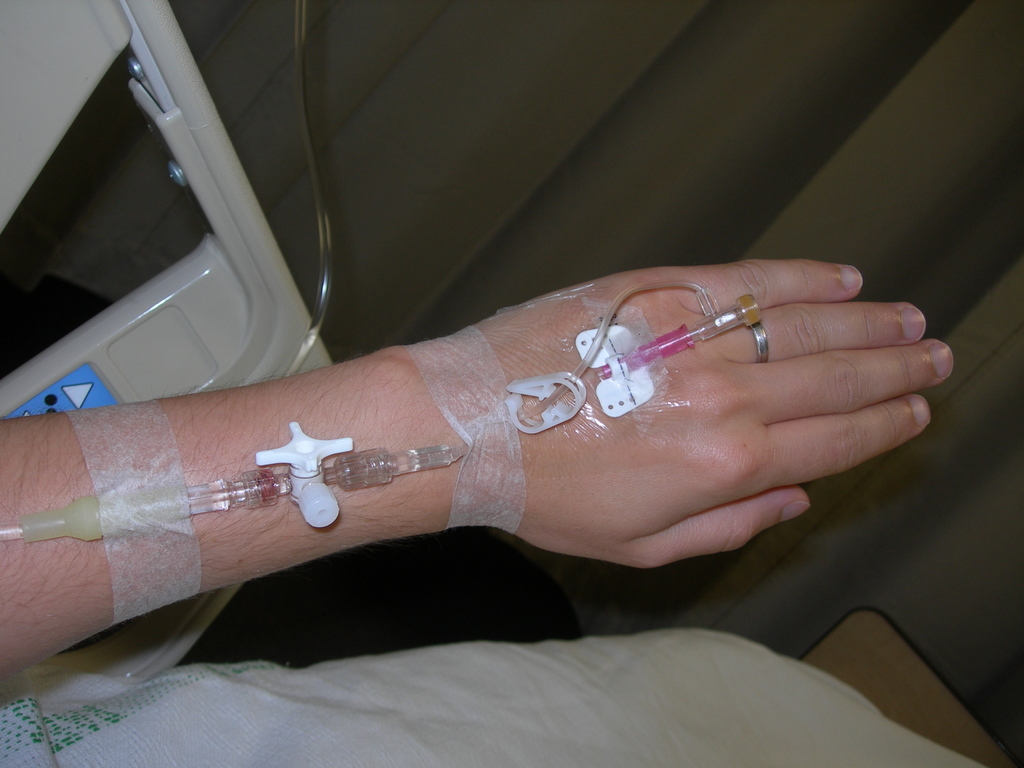
Let’s examine infusion therapies. There are multiple types, including intravenous ketamine, plasma, stem cell, immunoglobulin and lidocaine.

I have tried many of these and know from personal experience that they can work. I have also been by the side of friends who have undergone infusions with great success, including some who have gone into remission.

Infusion therapy is being performed for patients with all kinds of neuropathy conditions and it helps many recipients. It is just hard to find a doctor who will perform infusions for anything outside of IV-chemotherapy for cancer patients. Why?

Right off the bat, let’s consider costs. In the case of intravenous immunoglobulin, it is very expensive to make, so insurance companies fight it a lot and that discourages doctors from offering it.

IV-lidocaine offers some relief, but is short lasting. In the case of IV-ketamine, it is an inexpensive drug and insurance companies are covering it in many cases, depending on documentation and the protocol being used.

I know that many doctors are underpaid. They are getting cutback by insurance companies and on treatment reimbursements with Medicare. Malpractice insurance rates are very high and many doctors still have thousands of dollars in student loans to pay. Those that have their own practice make less because of the overhead costs of location and staffing.

As a former business owner, I see the valid points the doctors are making. As a patient, I wish I could fix these reasons so that more patients could be helped.

Since learning about IV therapies myself back in 2007, I started asking around for names of doctors who are performing them as viable treatment option for chronic pain diseases. What I found was that the list was very small. I started asking questions of pain doctors specifically. I did not do this as “patient Barby,” but as director of the International Pain Foundation.

Some of these doctors have seen me over the past 10 years go from “wheels to heels.” They cannot believe their eyes when they see me now. Yet they still give reasons and obstacles for not wanting to offer infusion treatments.

Many have very small offices. Even at pain management and surgical facilities, the patient takes up a spot in the recovery room or infusion room for half a day. That becomes prohibitive for doctors to deal with because it cuts down the number of patients they can treat and the amount of money they can make.

In medical school, doctors have to choose a specialty. They get general studies that include a little info on this and a little on that, but unless a doctor is interested in studying the specialty that includes your condition, they may not have ever heard of it. Even if they did study your particular condition, they may have gotten only four hours of training on it.

Looking at it from the other side, doctors do have little time for treating patients, and they have required continuing education hours that they also have to fit in. Some tend to stick to classes that reflect their area of interest, so they are not getting a wide variety of knowledge that, as patients, we tend to believe occurs. I learned the hard way that doctors are not created equal. If an illness or condition is not their specialty, they do not invest in it.

When you have an IV-ketamine infusion, a certified nurse needs to be present and monitor you the entire time. He or she can’t just come and go. Taking one staff member away for four hours at a time increases a doctor’s overhead expenses. Most doctors could not survive this type of set up. They need to see more patients.

Not only are you taking vital staff away when getting an IV infusion, you are using space. If you are taking up a chair in the recovery room at a doctor’s facility for hours, the doctor is unable to fill that chair with other paying patients. Not just paying patients, but patients who also need help, just as much as you do.

When insurance companies start to compensate doctors appropriately for IV therapies, it will resolve many of these issues and more doctors will offer infusions. I pray that it becomes widespread as an option.

In 2007, I was at a medical conference where Dr. Robert Schwartzman was speaking on infusion therapy and he said, “It will soon be the standard treatment for RSD patients.”

“Soon” in medical terms can often be 8 to 10 years. It is about time that we get better access to proper and timely care.

Barby Ingle suffers from Reflex Sympathetic Dystrophy (RSD) and endometriosis. Barby is a chronic pain educator, patient advocate, and president of the International Pain Foundation. She is also a motivational speaker and best-selling author on pain topics.

More information about Barby can be found at her website.

The information in this column should not be considered as professional medical advice, diagnosis or treatment. It is for informational purposes only and represents the author’s opinions alone. It does not inherently express or reflect the views, opinions and/or positions of Pain News Network.

Californians Busted for Selling Fake Painkillers

By Pat Anson, Editor

Three people have been arrested in San Francisco in what appears to be a widening investigation into sales of counterfeit pain medication.

Federal prosecutors say 39-year old Kia Zolfaghari and his wife, Candelaria Dagandan Vazquez, ran an illegal fentanyl pill manufacturing operation out of their San Francisco apartment. The pills were disguised to look like oxycodone.

The couple, along with King Edward Harris II of Oxnard, were arrested Friday in an undercover sting operation.

The complaint alleges that Zolfaghari sold over 1,500 fentanyl-laced pills, over the course of six transactions, to a confidential source working with law enforcement.  The complaint further alleges that Harris, 34, of Oxnard, brokered these narcotics sales in a series of recorded calls with the confidential source and hand-delivered two of those purchases to the confidential source,” the U.S. attorney’s office said in a statement. 

“Zolfaghari also sold the fentanyl-laced pills to customers through an online marketplace.  The complaint alleges that Zolfaghari’s wife, Vazquez, 38, of San Francisco, conspired with him to carry out his drug trafficking operation, and delivered packages of pills for mailing, purchased packaging supplies, and accepted payments for narcotics via her bank account.”

Fentanyl is a synthetic opioid that is 50 to 100 times more potent than morphine and can be lethal in very small doses.

It is prescribed legally to treat severe pain, but is also being manufactured illegally and sold on the street.

Fentanyl pills disguised to look like painkillers such as oxycodone and Norco are increasingly being found in the U.S. and Canada. Fake pain pills are blamed for at least 14 deaths in California and 9 in Florida.  Some pills were purchased off the street by pain patients who were unable to get prescription medication through a doctor.

Massachusetts and Rhode Island recently reported an “alarming” rise in fentanyl overdoses. Over half the opioid overdose deaths in those states are now blamed on illicit fentanyl, not prescription pain medication.

A Minnesota medical examiner this month also blamed fentanyl for the accidental overdose of pop icon Prince. It’s not known if the fentanyl involved in Prince’s death was prescribed legally or obtained through other sources..

A Canadian couple were charged Friday with running an illegal fentanyl pill operation in British Columbia. Leslie John McCulloch and Rebekka Rae White were arrested in March after the Royal Canadian Mounted Police raided a warehouse in West Kelowna, B.C. and found pill producing equipment. The couple is currently out on bail.

Fentanyl is blamed for over 170 overdose deaths in B.C. alone so far this year.

The fentanyl scourge has become so serious that the U.S. Drug Enforcement Administration has released a training video warning law enforcement officers that they could die just by handling a small amount of the drug.

The video features two New Jersey police officers who inhaled powdered fentanyl while collecting the drug as evidence during a raid. “I thought that was it. I thought I was dying. It felt like my body was shutting down,” said one detective.

In the video, acting DEA Deputy Administrator Jack Riley warns officers to avoid testing suspect fentanyl on the scene and to even keep their police dogs away from the drug because it is just too dangerous.To watch the video, click here.

Pain Patients Need a Champion

By Pat Akerberg, Columnist

As the national debate shines a spotlight on the opiate addiction and overdose problem, the divide widens between how the CDC/FDA/DEA and chronic pain sufferers see it. 

Is it an opiate problem alone that can be regulated or a pain management problem that needs to be addressed? The government and pain patients are both fighting to preserve life, but their vantage points on the risks and benefits of opioids are very different. 

As protectionists, our Goliath-like government agencies are reacting to tragic deaths caused by opioid overdoses with a "War on Drugs" approach. They have mobilized around a clear direction, ownership, and action plan – stringent prescribing guidelines that force physicians and pharmacists to curtail and deter patient access to these medications. 

But for millions of chronic pain sufferers, protective of their own survival, those guidelines now put them at risk of their pain being undertreated or untreated.  

Already marginalized by chronic pain, they can’t afford to lose more quality of life or the will to press on if the benefits of those medications are abruptly taken away. The human right of self-preservation and the oath to do no harm are at issue.  

Even though pain sufferers are unified in their opposition to many of these measures, without a clear direction or representation they haven't had any influence. Their input has been largely excluded by the government’s closed process, a top-down stance many view as misguided and cruel. 

With sporadic grassroots efforts, pain patients are pushing back -- sporadic because many are already overwhelmed trying to cope with their medical challenges.

When people who are affected by a blanket change push back, it’s because something was sorely missed by the change drivers.  The guidelines weren't communicated well, didn’t include input from the people affected, and minimized issues that could have many serious unintended consequences. Many in the pain community feel betrayed and abandoned.

While the David-like courage and bravery of patients moves me, I’m also one of many frustrated chronic pain sufferers concerned about making headway without a proactive approach. 

Maybe it’s time we borrow from the best change management practices used successfully in business.  These practices effectively mobilize the energies of those needed to make change happen.  Progress occurs only when several key factors are fully defined to get from “current reality” to “future state." Those critical factors involve:

  1. A clear definition of our unmet pain management needs
  2. A realistic assessment of our current pain management reality
  3. A compelling vision for future pain care  
  4. A transition plan to get there

When any one of these critical success factors falls short, no amount of reactionary rhetoric or emotional expressions from us will substitute for our own proactive pain management platform.  Our efforts to fight back will sputter up against a bureaucratic wall. 

The deficiencies in the change approach our regulators took frustrated our expectations that we’d be heard and understood, with empathy and dignity.

Expectations can backfire if they’re unrealistic.  When they operate unchecked, it means that we have assumptions, predictions, and underlying beliefs that something will happen or play out the way we hope and need them to. We’re attached to an outcome when we hold onto those expectations. 

But life isn’t perfect and systemic change doesn’t happen overnight.  Eventually we are bound to have an experience like this one in which the gap between our expectations and reality results in a disappointing thud.  A self-help quote describes that occurrence well: “expectations are the partner of disappointment.”

Trying to change their hearts and minds about us, we’ve worked to convince the regulatory, profit-seeking, and career promoting stakeholders that we’re credible and responsible, not addicts or malingerers.

But the more dramatic our attempts have been, the more we’re viewed skeptically. Taking that personally, we feel misunderstood, thrown to the wolves and without impact.  In self-defense, sufferers continue to dial up reactionary and passionate protests, hoping regulators will someday see that their guidelines don’t solve our pain management needs.  

Since hope alone isn’t a strategy, we should redirect our energies and stop giving our power away while emotionally bargaining over the legitimacy of our pain management concerns. We also need to stop seeking compassionate understanding and consideration from entities ill equipped and unlikely to offer them. 

The “recovery” community sums up that advice as, “you don’t go to a hardware store expecting to buy bread.”  Better to save our hopes for our families, friends, and support groups where the odds favor us. 

Likewise, in the context of systemic change regarding chronic pain management, our expectations have a better shot of being met by a credible coalition that represents us.  

First and foremost, a strong change initiative needs a champion who owns the challenge and drives a clear and comprehensive change management platform that sets the conditions for success.  Without that credible representation, we have no seat at the table, nor any accountability.

Our very real pain management needs present a clear role for advocacy groups to step up and represent.  There’s no shortage of would-be sponsors for us to recruit.  Pain Pathways estimates there are 21 pain advocacy groups, along with 39 other disease related advocacy groups. 

The arrow of purposeful action and accountability points to an urgent unmet need – a coalition willing to champion a change agenda that best represents our interests, including ways we can champion and support it. 

The regulatory agencies have their plan with solid representation.  Let’s face it, without our own platform we sit in pain, frustratingly sidelined.

Let’s regroup and start shopping elsewhere for bread.

Pat Akerberg suffers from trigeminal neuralgia, a rare facial pain disorder. Pat is a member of the TNA Facial Pain Association and is a supporter of the Trigeminal Neuralgia Research Foundation.

Pat draws from her extensive background as an organizational effectiveness consultant who coached and developed top executives, mobilized change initiatives, and directed communications.

The information in this column should not be considered as professional medical advice, diagnosis or treatment. It is for informational purposes only and represents the author’s opinions alone. It does not inherently express or reflect the views, opinions and/or positions of Pain News Network.
Migraines Linked to Low Levels of Vitamin D

By Pat Anson, Editor

Low levels of Vitamin D have been associated with fibromyalgia, rheumatoid arthritis, multiple sclerosis and other chronic pain conditions. And new research suggests the “sunshine vitamin” may play a role in preventing migraines.

Researchers at Cincinnati Children's Hospital Medical Center found that a high percentage of children, teens and young adults with migraines appear to have mild deficiencies in vitamin D, riboflavin and coenzyme Q10. The latter is a vitamin-like substance found in cells that is used to produce energy for cell growth and maintenance.

"Further studies are needed to elucidate whether vitamin supplementation is effective in migraine patients in general, and whether patients with mild deficiency are more likely to benefit from supplementation," says Suzanne Hagler, MD, a Headache Medicine fellow in the division of Neurology at Cincinnati Children's Hospital Medical Center. She presented her findings at the annual meeting of the American Headache Society in San Diego.

Hagler studied a database of patients with migraines who had their blood levels checked for vitamin D, riboflavin, coenzyme Q10 and folate, all of which have been linked to migraines in previous and sometimes conflicting studies.

Many of the patients were put on migraine medications and received vitamin supplementation, if their blood levels were low. Because few received vitamins alone, the researchers were unable to determine if vitamin supplements by themselves were effective in preventing migraines.

Hagler found that girls and young woman were more likely than boys and young men to have coenzyme Q10 deficiencies. Boys and young men were more likely to have vitamin D deficiency. Patients with chronic migraines were more likely to have coenzyme Q10 and riboflavin deficiencies than those with episodic migraines.

Vitamin D helps control levels of calcium and phosphate in the blood and is essential for the formation of strong bones and teeth. Vitamin D also modulates cell growth, improves neuromuscular and immune function, and reduces inflammation

Sources of Vitamin D include oily fish and eggs, but it can be difficult to get enough through diet alone. Ultraviolet rays in sunlight are a principal source of Vitamin D for most people.

Danish researchers found that exposure to sunlight may delay the onset of multiple sclerosis (MS). Patients who spent time in the sun every day during the summer as teenagers developed the disease later in life than those who spent their summers indoors.

Low levels of serum vitamin D were found in over 1,800 fibromyalgia patients in a recent meta-analysis (a study of studies) published in the journal Pain Physician. Researchers at National Taiwan University Hospital found a “positive crude association” between chronic widespread pain and hypovitaminosis D.

Pain News Network columnist Crystal Lindell began taking Vitamin D supplements when her blood levels were found to be very low. Within a few months she was feeling better, exercising more, and losing weight. You can read Crystal’s story by clicking here.

The Untold Story About Opioids

By Jennifer Kain Kilgore, Columnist

Let’s discuss responsible opioid use.

There’s a hysterical firestorm burning across the nation regarding heroin, drug overdoses, opioids, and fentanyl. Much of this has been amplified and distorted by the media coverage. A lot of the terms used in front-page stories are scary and a lot of the numbers about people dying look threatening.

I can understand why people are concerned about addiction and overdoses. However, I want you to do something for me. I want you to humor me and allow your currently held convictions to be challenged.

Now, let’s pretend that heroin, overdoses, opioids, and fentanyl are separate issues for a moment.

Heroin overdoses are on the rise because it is cheap and easy to acquire. Heroin has become entangled with the chronic pain epidemic because many are said to have resorted to heroin when they could not access opioids, including some patients who are unable to get proper pain care.

Pain drives people to tremendous lengths, but the number of pain patients who go on to abuse medication is surprisingly low.

Still, the media often portrays pain patients as drug seekers.

Meanwhile, people are overdosing on fentanyl because it’s being mixed with other common street drugs. Three grains of fentanyl are considered a lethal dose, indicating its potency, and Mexican drug cartels have figured out that it’s much cheaper for their enterprise. It was a business decision that has led to many deaths.

Let’s pretend that the vast majority of chronic pain and illness patients are diligent and responsible. Let’s pretend all of these issues are separate. Let’s pretend that drug addiction and drug dependence are two different things.

I’m going to run you through my day as an opioid-dependent human being.

For your reference: I have chronic back and neck pain stemming from two separate car accidents. I broke my thoracic spine in four places, one of which healed incorrectly and calcified over a cluster of nerves. This means that every movement of my midsection feels like someone is hammering nails directly into my spine. The second car accident necessitated two cervical fusions. If I stretch my neck any more than necessary, I get headaches so intense that they send me back to bed.

Using a straight 1 to 10 scale, 1 being the best level of pain, 10 being the worst, I live my life at a constant 7/10. On good days I can get down to 5/10. So, imagine having someone standing behind you all day, every day, screaming into your ear and tasing you endlessly. That’s my typical day.

This is an example of what an opioid-dependent person looks like:

             7 am: I wake up. I’ll get dressed, put on my beloved Quell pain relief device (which, for the record, I bought myself during their Indiegogo campaign last year), and head downstairs for coffee. First I will drink UltraInflamX 360, an anti-inflammatory medical powder. It is expensive and lasts for 14 meals. If I don’t eat it, my esophagus is raw and painful because of eosinophilic esophagitis, an autoimmune condition that causes food-allergy-like responses, and GERD. Nobody is sure why I have these, except that all of the medications I take have the potential to destroy my gastrointestinal tract.

Then I take the following medications:

  1. Tramadol (synthetic opioid)
  2. Lyrica (nerve medication)
  3. Duloxetine (antidepressant used off-label for pain control)
  4. Prilosec (protects my GI tract and helps with GERD)
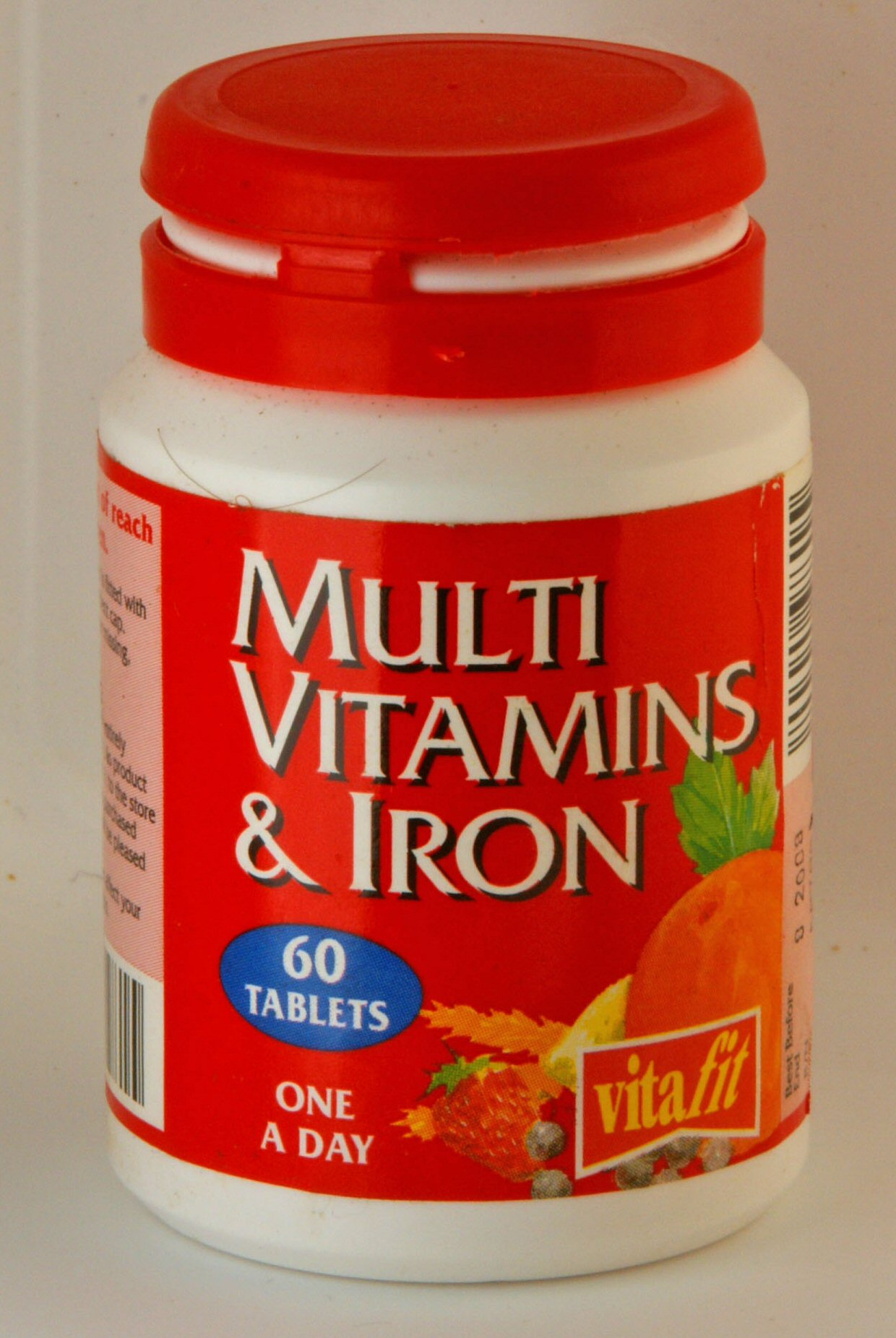
  5. Multivitamin (always a good idea)
  6. Calcium
  7. Vitamin K2
  8. Vitamin D3 (used to offset the bone-weakening properties of Prilosec)
  9. Turmeric (anti-inflammatory properties) 

            7:30 - 8 am: I drink coffee and catch up on emails. Typically, I sit in my recliner chair with a body-length heating pad. Today I also have an ice pack on my neck because I didn’t sleep last night. Being in complete spasm will do that to you.

            8 am - 12 pm: I work. I had to leave my law firm at the end of 2015 because I could not physically handle an office job. Now I work from my recliner and telecommute part-time for a few different companies. I am trying to transition into our home office and use a kneeling chair. During these three hours I get up multiple times, stretch, do gentle yoga, and think about lunch.

           Noon - 1 pm: Lunch. I used to take another Tramadol at the four-hour mark, but lately I have been trying to hold off most of the day. It is important to note here that opioid-dependent patients occasionally test how long we can go without meds (if we feel up to it). We don’t like being dependent. That is why I constantly test my boundaries. These days I can make it to 6 pm without a second pill. On bad days, I need to take one pill every four to six hours -- which is actually what my doctor instructed.

           1 pm - 2 pm: I take a walk outside while listening to podcasts or audiobooks. Since I can’t hold books comfortably (my neck doesn’t like it when I look down), I listen instead.

           2 pm - 4 pm: I try to do some more work. This can be hit or miss depending on how much pain I have on any given day. If I am in too much pain, I stretch or watch television from the recliner.

          4 pm - 6 pm: Power-down time. I sit in the recliner and read interesting articles, look at the news, and find cute animals online. Some days I’ll wear a soft cervical collar to take stress off my neck.

          6 pm - 8:30 pm: My husband comes home and we spend time together.

          8:30 pm - 9 pm: My husband reads while I begin the very long process of getting ready to sleep. This includes taping Lidocaine patches on my back. I can only put on three at a time and I have a lot of real estate to cover, so I place them on the loudest areas for that specific day. Then I take the following medications:

  1. Tramadol
  2. Duloxetine
  3. Lyrica
  4. Methocarbamol (muscle relaxer)
  5. Zyrtec (allergies) 

I also put Mederma on my cervical fusion scar in the hopes of making it fade. Then I sleep with two pillows under my knees so that my low back doesn’t keep me awake. When I sleep on my side, I keep a pillow between my legs. I have a cervical pillow for my neck. 

That’s it. That’s the extent of opioid dependence. I need opioids to get through the day, but my day is not focused around them. On bad days I occasionally take two Tramadol at once, which my doctor recommended if I’m having a lot of pain. The numbers of times I do that per month can be counted on one hand because I don’t want to abuse it and lose access.

Would I take something stronger if my doctor prescribed it? Absolutely. Having this pain and trying to live a normal life is like having someone screaming right in your ear all the time. It’s always there in the background, dictating every decision I make.

This is responsible opioid use and what the majority of chronic pain patients go through, though many are prescribed stronger painkillers than I am and need to take them more frequently. Many have asked me how I survive with just Tramadol. The answer? I have to, because what happens if it’s taken away? Then I have nothing.

I’ve learned to live with this constant pain because of the current political climate. My doctor won’t prescribe anything stronger because he said that eventually it’ll lose its efficacy. I can understand that. But nothing is being done to help chronic pain patients besides demonizing us in the media and taking away our only options.

You can’t remove that sole option without having something to replace it. And no, I’m not talking about “deep breathing” and “positive visualization,” both of which have been recommended. I do both. I don’t do them in place of Tramadol. They complement Tramadol.

Congress is now contemplating an opioid tax to fund addiction recovery programs -- a noble goal, but this makes it even more difficult for chronic pain patients. Do you know how much of my household’s monthly budget is spent on medication? Too much. Far too much.

This is not healthcare. This is extortion.

Our healthcare system is already ruined. Doctors refuse to prescribe medication that patients legitimately need for fear of losing their licenses. Insurance companies try to get out of paying by making already expensive conditions even more expensive to treat. I am a very expensive person to keep alive and functioning. Many, many people have it worse than I do.

The government and the medical system cannot take away our right to live. That is what opioid medication is for us: our right to live without pain. We must be separated from the current hysteria. There are millions of us in the United States alone.

We are not the monsters here. We are human beings who suffer indescribable agony on a daily basis, and we deserve to be protected.

 J. W. Kain is an attorney in the Greater Boston area who also works as a writer and editor in her spare time.  She has chronic back and neck pain after two car accidents.

You can read more about J.W. on her blog, Wear, Tear, & Care.  

The information in this column should not be considered as professional medical advice, diagnosis or treatment. It is for informational purposes only and represents the author’s opinions alone. It does not inherently express or reflect the views, opinions and/or positions of Pain News Network.

New Treatments Offer Hope to Migraine Sufferers

By Pat Anson, Editor

Findings from several new clinical studies could pave the way for new treatments that could someday prevent and lessen the severity of migraines.

Migraine is thought to affect a billion people worldwide and about 36 million adults in the United States, according to the American Migraine Foundation. Although there are many treatment options available, most migraine sufferers are not fully satisfied with their effectiveness.

Teva Pharmaceuticals (NYSE: TEVA) is developing a new injectable drug – called TEV-48125 – that is designed to be injected monthly in chronic migraine sufferers who have headaches at least 15 days per month.

"Chronic migraine affects about 1 percent of all adults, yet less than 5 percent of those people receive a correct diagnosis and appropriate treatment," said study author Marcelo Bigal, MD, of Teva Pharmaceuticals. "Most people who receive preventive medication for chronic migraine stop using them, and one reason for that is the drugs can take a long time to become effective.”

In findings published online in the journal Neurology, Bigal reported that TEV-48125 was effective in reducing the length of headaches three to seven days after the first injection. The drug contains an antibody that blocks the calcitonin gene-related peptide that plays a role in migraine pain.

Teva’s Phase II study involved 261 people with chronic migraine who were divided into three groups; one group received a monthly shot for three months with a low dose of TEV-48125, the second group received a high dose and the third group received a placebo shot. Participants then used an electronic diary to record the number and length of their headaches.

After one week, the average number of headache hours went down by 2.9 hours for people taking the placebo, 9.1 hours for people taking the low dose of TEV-48125 and 11.4 hours for those taking the high dose.

After two weeks, the number of days with moderate or severe headaches, fell by 0.8 days for patients getting the placebo, 1.3 days for the low dose and 1.5 days for the high dose of TEV-48125.

“If these results can be confirmed with larger studies, this could be exciting for people with migraine," said Bigal.

Amgen Injectable Migraine Drug

Amgen (NASDAQ: AMGN) and Novaratis (NYSE: NVS) are also developing a monthly injectable drug --- called erenumab – which contains an antibody that blocks a peptide receptor that is believed to transmit migraine pain signals.

In a Phase II study, 667 chronic migraine patients were injected with a placebo or two different doses (70 mg or 140 mg) of erenumab. At the start of the study, patients were experiencing about 18 migraine days per month.

Patients who received erenumab at either dose experienced an average 6.6-day reduction in migraine days, compared to a 4.2-day reduction in those who receive a placebo. Less than five percent of the  patients treated with erenumab had a side effect, such as injection site pain, upper respiratory tract infection and nausea.

Erenumab is currently under evaluation in several large global, randomized, double-blind, placebo-controlled trials to assess its safety and efficacy in migraine prevention. Amgen expects results from a Phase III study of erenumab in the second half of 2016. Depending on the findings, that could result in an early new drug application to the Food and Drug Administration.  

Clinical studies presented this week at the annual meeting of the American Headache Society also highlighted some promising new migraine treatments.

Alder BioPharmaceuticals presented data showing that a single injection of a drug called ALD403 reduces migraine for up to six months. In a recent Phase II study of patients with chronic migraine, ALD403 significantly reduced migraines by 75 percent in up to a third of patients. 

“A 75 percent reduction in migraine days for these patients means a reduction of 12 or more migraine days each month,” said Jeffrey T.L. Smith, MD, Senior Vice President at Alder. “This equates to giving patients back roughly two weeks of their lives after a single administration.”

Researchers at Montefiore Medical Center and Albert Einstein College of Medicine reported results from a placebo controlled study on the efficacy of ubrogepant in treating a single migraine attack. Patients who received ubrogepant reported a reduction in headache severity from severe or moderate to mild or none within two hours.

Ubrogepant is free of known cardiovascular risk and may provide an important treatment option for patients who suffer from cardiovascular disease. 

Migraine affect three times as many women as men. In addition to headache pain and nausea, migraine can also cause vomiting, blurriness or visual disturbances, and sensitivity to light and sound. About half of people living with migraine are undiagnosed.

Most Medical Marijuana Patients Benefit From Treatment

By Pat Anson, Editor

Over 90 percent of long term medical marijuana patients reported significant improvement in their pain and nausea while using cannabis, according to researchers at Israel’s Ben-Gurion University of the Negev.

Medical marijuana has been legal in Israel for over 10 years, but this was the first in-depth study of patients who have a cannabis prescription from Israel’s Ministry of Health.

"Although medical cannabis has been legal for a decade and is licensed to patients to relieve pain and other symptoms, there has been no information about the users themselves," said Pesach Shvartzman, a professor at Ben-Gurion’s Faculty of Health Sciences.

The study examined more than 2,000 cancer and non-cancer patients using medical marijuana. Almost all said they sought a cannabis prescription after trying conventional treatments that were ineffective. Patients were interviewed by telephone in the first three months of treatment and subsequently every four months for two years. 

Users reported that their pain, nausea, anxiety, appetite, and general feeling had improved. Fewer than one in 10 stopped using marijuana due to side effects or ineffectiveness after the first interview, and only six percent after the second interview.

About three out of four patients experienced minor side effects that included dry mouth, hunger, sleepiness or “high” sensations.

Three-quarters of the patients smoked marijuana, while one in five used a vaporizer or cannabis oil.

Israel still considers cannabis a “dangerous drug” and it is not registered as a medicine. However, the Ministry of Health says “there is evidence that cannabis could help patients suffering from certain medical conditions and alleviate their suffering.”

There are over 20,000 registered marijuana users in Israel. About 50 new users are approved each week by the Health Ministry.

Ministry of Health regulations allow for medical marijuana to be used to treat cancer symptoms and to reduce the side effects of chemotherapy. Eight farms have Ministry of Health permission to grow cannabis for medicinal use, and four companies have permission to deliver cannabis to cancer patients.