VA Studies Find Little Evidence for Medical Cannabis

By Pat Anson, Editor

There is not enough evidence to support the effectiveness and safety of cannabis and cannabinoid products in treating chronic pain or post-traumatic stress disorder (PTSD), according to a pair of new studies published in the Annals of Internal Medicine.

Researchers at the U.S. Department of Veterans Affairs reviewed 27 clinical studies on the benefits and harms of cannabis in treating chronic pain, and found most of the studies were small, many had methodological flaws, and the long-term effects of cannabis were unclear because there was little follow-up in most of the studies.

None of the studies directly compared cannabis with opioid pain medication and there was no good-quality data on how cannabis affects opioid use, according to researchers.

“Although cannabis is increasingly available for medical and recreational use, little methodologically rigorous evidence examines its effects in patients with chronic pain. Limited evidence suggests that it may alleviate neuropathic pain, but evidence in other pain populations is insufficient,” wrote lead author Shannon Nugent, PhD, VA Portland Health Care System.

“Even though we did not find strong, consistent evidence of benefit, clinicians will still need to engage in evidence-based discussions with patients managing chronic pain who are using or requesting to use cannabis.”
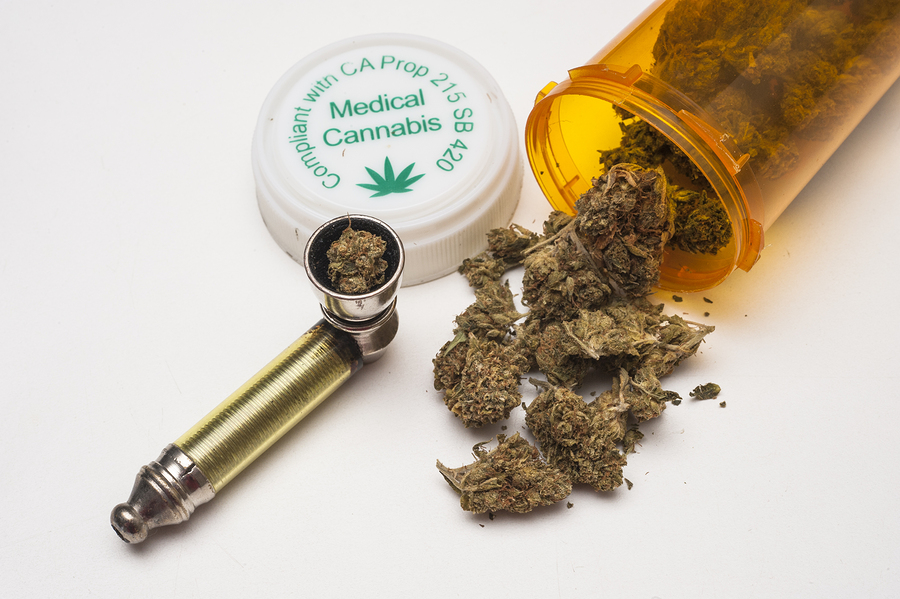
Medical marijuana is legal in 28 states and the District of Columbia, and many patients are using it for pain relief. Up to 80 percent of people who seek medical cannabis do so for pain management and nearly 40 percent of those on long-term opioid therapy for pain also use cannabis. Veterans Affairs policy currently doesn’t allow for cannabis use in the huge VA healthcare system, even in states where it is legal.

According to a 2014 Inspector General’s study, more than half of the veterans being treated at the VA have chronic pain, as well as other conditions that contribute to it, such as PTSD.

‘Very Scant Evidence’ on Cannabis for PTSD

More than a third of the patients who use cannabis in states where it is legal list PTSD as their primary reason. But, as with chronic pain, VA researchers found “very scant evidence” to support the use of cannabis to treat PTSD.

“Despite the limited research on benefits and harms, many states allow medicinal use of cannabis for PTSD. The popular press has reported many stories about individuals who had improvement in their PTSD symptoms with cannabis use, and cross-sectional studies have been done in which patients with more severe PTSD reported cannabis use as a coping strategy,” wrote lead author Maya O’Neil, PhD, VA Portland Health Care System.

“However, it is impossible to determine from these reports whether cannabis use is a marker for more severe symptoms or is effective at reducing symptoms, or whether the perceived beneficial effects are the result of the cannabis, placebo effects, or the natural course of symptoms.” 

Clinical evidence may be lacking, but supporters of medical marijuana say they’ve seen plenty of anecdotal evidence that cannabis works for both pain and PTSD.

“They claim no benefits are shown but with the number of people we have met with PTSD that have been able to function and improve with the use of cannabis, I would say the ‘proof is in the pudding.’ Seeing their lives improve tremendously says a lot about success,” said Ellen Lenox Smith, a PNN columnist who is co-director of cannabis advocacy for the U.S. Pain Foundation and a caregiver under Rhode Island’s medical marijuana program. 

“We have not met a person yet that has not been enjoying the improved quality of their life using cannabis for PTSD. We fought a long hard battle to have it included as a qualifying condition and it was worth the battle. Patients are finding peace and calm they were not experiencing before using cannabis. Sleep has improved and without a good night rest, anyone's next day is a terrible struggle.”

Like it or not, the “horse is out of the barn” when it comes to cannabis use, according to an editorial also published in the Annals of Internal Medicine.

“Even if future studies reveal a clear lack of substantial benefit of cannabis for pain or PTSD, legislation is unlikely to remove these conditions from the lists of indications for medical cannabis,” wrote Sachin Patel, MD, Vanderbilt Psychiatric Hospital.

“It will be up to front-line practicing physicians to learn about the harms and benefits of cannabis, educate their patients on these topics, and make evidence-based recommendations about using cannabis and related products for various health conditions. In parallel, the research community must pursue high-quality studies and disseminate the results to clinicians and the public.”

Opioid Overdoses Rise in Intensive Care

By Pat Anson Editor

Opioid overdose deaths in intensive care units (ICUs) have risen sharply in recent years -- primarily due to heroin --  according to a large new study involving 162 U.S. hospitals in 44 states.

The research findings, published in the Annals of the American Thoracic Society, analyzed data from over four million ICU patients from 2009 to 2015. Of those, 21,705 were patients who overdosed on opioids, most commonly heroin. Deaths from overdoses averaged 7 percent during the study period, but rose to 10 percent by 2015.

“Although our data are not definitive, they suggest that overdoses from heroin, rather than prescription opioids, appear to be a major contributor to the rise in critical care mortality for this population,” wrote lead author, Jennifer Stevens, MD, an associate director of the medical intensive care unit at Beth Israel Deaconess Medical Center and an assistant professor of medicine at Harvard Medical School.

“Not only did the number of opioid-related overdose patients requiring ICU care increase above and beyond the increasing supply of critical care admissions, the mortality among this population increased as well, leading us to estimate that there was a near doubling of ICU deaths.”

Researchers say ICU patients admitted for a heroin overdose were significantly more likely to die than those who overdosed on prescription opioids. Mortality was “not significantly associated” with overdoses linked to prescription painkillers.

The study also found that overdose patients admitted to ICUs required increasingly more sophisticated and costly intensive care, such as high-cost renal replacement therapy or dialysis. The cost of caring for these patients increased from $58,517 to $92,408 during the study period.

"This study tells us that the opioid epidemic has made people sicker and killed more people, in spite of all the care we can provide in the ICU, including mechanical ventilation, acute dialysis, life support and round-the-clock care," said Stevens.

Among the opioid overdose patients, 25 percent experienced aspiration pneumonia, 15 percent rhabdomyolosis (release of dead muscle fiber into the bloodstream), 8 percent anoxic brain injury and 6 percent experienced septic shock. Ten percent of the patients who overdosed needed mechanical ventilation. ICU’s in Massachusetts, Indiana and Pennsylvania had substantially higher overdose death rates.

A new study this week found the number of Americans who died from opioid overdoses – particularly from heroin – is significantly higher than previously reported. Researchers at the University of Virginia refined the overdose data from 2014 death certificates and estimated that overdose death rates nationally were 22 percent higher for heroin. Deaths involving heroin were substantially underreported in Pennsylvania, Indiana, New Jersey, Louisiana, and Alabama.

"The pace of the opioid epidemic continues to increase," said Stevens. "Those of us who work in hospital intensive care units need to make sure we have the tools we need to help patients with opioid use disorders when they are at their sickest, because there doesn't appear to be any end to this epidemic in sight."

I Am an Addict

By Stephanie Whitaker, Guest Columnist

I am an addict. I admit it and I'm not ashamed of it.

I am addicted to life. I am addicted to minimal pain. I am addicted to doing laundry, washing dishes, cleaning the house, cooking, and taking out the trash. I am addicted to grocery shopping and running errands. I am addicted to participating in my kids' activities, going camping, road trips, and visiting quirky little out of the way attractions few people know about.

I am addicted to eating out, going to the movies, and visiting various fairs throughout the year. I am addicted to hanging out with friends, staying up late, and talking about anything and everything.

STEPHANIE WHITAKER

I am addicted to animals, having them, loving them, knowing they will always be there for me and cuddling with me when I'm not feeling well. I am addicted to being dedicated and loyal to my friends, family, and a lover if I should ever have another.

I am addicted to working, being an inspiration to kids through various social groups, and participating in and attending fundraisers. I am addicted to life and everything that it has to offer. If being an addict to all of these things is wrong, I don't want to be right.

Unfortunately, that's not how my life is. I am consumed every minute of every day by pain, nausea, and fatigue. I have to allot my energy each day to do the bare minimum, so that I don't end up in bed for days at a time when I overdo it.

I have to take multiple medications and supplements many times a day to keep my body going. I have physical limitations, dietary restrictions, and minimal contact with the world outside of a doctor's office. Why? Because I am not being treated for the many chronic pain conditions that I have.

Why? Because I am not being treated for the many chronic pain conditions that I have. I am being treated as a drug addict, even though I've never done drugs, have no history of abuse, and have clean toxicology screens every time I walk into an appointment.

This is what is happening in our society because the politicians, CDC, FDA, DEA, big pharma, and insurance companies have decided that we are not worth treating. Our health is nothing but a mere commodity in our country, instead of a basic human right. We have had our dignity, pride, confidence, support networks, even family and friends stripped away because they are under the impression that if we need opioids then we are addicts.

If that were the case, then shouldn't diabetics be stripped of insulin, amputees be denied prosthetic devices, epileptics not receive their anti-seizure meds, cancer patients not get chemo, and kidney failures not get dialysis? What about babies not getting their formula or breast milk to grow and develop properly?

If people with these conditions are not being denied proper treatment to have a high quality of life, then why are we being singled out because we have chronic pain conditions that we didn't ask for or want? If we are addicts, then so is everyone else that needs some form of medication or therapy to survive, grow, be productive, and have a healthy quality of life.

Quit singling out pain patients. The majority of overdose deaths are not pain patients, but drug users that obtain their supply on the streets, not from the medical community. We deserve better.

Yes, I'm an addict. I miss and grieve the all of the things I am addicted to, and will not stop fighting to get them back!

Stephanie Whitaker lives with interstitial cystitis, pelvic floor dysfunction, fibromyalgia, overactive bladder, IBS-C, chronic fatigue, myofascial pain syndrome, pudendal nerve damage, and PTSD -- and all of the anxiety and depression that comes along with them. She is a mother of two who lives in Maryland. 

Pain News Network invites other readers to share their stories with us.  Send them to:  editor@PainNewsNetwork.org

The information in this column should not be considered as professional medical advice, diagnosis or treatment. It is for informational purposes only and represents the author’s opinions alone. It does not inherently express or reflect the views, opinions and/or positions of Pain News Network.

Brain Scans Link Fibromyalgia and Pelvic Pain

By Pat Anson, Editor

Fibromylagia and urological pelvic pain would seem to have little in common. The former causes widespread body pain, while the latter is marked by chronic inflammatory pain in the bladder or prostate.

But researchers at the University of Michigan have stumbled upon something that both conditions share – besides being difficult to treat.

While examining MRI brain scans of over 1,000 participants enrolled in the Multidisciplinary Approach to the Study of Chronic Pelvic Pain Research Network  -- also known as the MAPP study – they found that people with fibromyalgia or chronic urological pelvic pain both have increased “gray matter” in their brains. Gray matter is tissue in the brain that helps transfer signals between nerves.

"Interestingly, when we put these individuals into the brain imaging scanner, we found that those who had widespread pain had increased gray matter and brain connectivity within sensory and motor cortical areas, when compared to pain-free controls," says Richard Harris, PhD, an associate professor of anesthesiology and rheumatology at Michigan Medicine.

Harris and colleagues want to know if widespread pain, thought to be a marker of centralization in the nervous system, actually originates in the brain. So it was a bit of a surprise to find additional gray matter in the brains of people with urological pelvic pain, a condition that can be caused by interstitial cystitis or chronic prostatitis.

"What was surprising was these individuals with widespread pain, although they had the diagnosis of urological chronic pelvic pain, were actually identical to another chronic pain disorder: fibromyalgia," said Harris.

In addition to the MRI scans, study participants were also asked to draw on a body map where they were experiencing pain. Many of those with pelvic pain indicated they had widespread body pain.

"This study represents the fact that pelvic pain patients, a subset of them, have characteristics of fibromyalgia," Harris says. "Not only do they have widespread pain, but also they have brain markers indistinguishable from fibromyalgia patients."

Harris hopes the study will lead to new ways of treating chronic pain -- as there might be similarities across pain conditions if both show widespread pain.

"We think that this type of study will help treat these patients because if they have a central nerve biological component to their disorder, they're much more likely to benefit from targets that affect the central nervous system rather than from treatments that are aimed at the pelvic region," Harris said.

Trump Declares Opioid Crisis National Emergency

By Pat Anson, Editor

President Donald Trump said he would declare the opioid crisis a national emergency, just two days after his administration said a declaration wasn’t necessary.

"The opioid crisis is an emergency, and I am saying, officially right now, it is an emergency. It's a national emergency. We're going to spend a lot of time, a lot of effort and a lot of money on the opioid crisis,” Trump said outside the clubhouse of his golf course in Bedminster, New Jersey.  “We’re going to draw it up and we’re going to make it a national emergency. It is a serious problem the likes of which we have never had.”

In a brief statement after the President’s remarks, the White House said Trump had instructed the administration “to use all appropriate emergency and other authorities to respond to the crisis caused by the opioid epidemic.”

An estimated 142 Americans are dying every day from drug overdoses of all kinds, not just opioids. Prescription painkillers are often blamed as the cause of the problem, although deaths linked to opioid medication have leveled off in recent years. Heroin and illicit fentanyl are currently driving the overdose crisis and in some states are involved in over half of the overdose deaths.  

A White House commission last week urged the president to declare a national emergency, but administration officials indicated as recently as Tuesday that such a declaration wasn’t necessary because the administration was already treating the opioid crisis as an emergency.

“We believe at this point that the resources that we need or the focus that we need to bring to bear to the opioid crisis at this point can be addressed without the declaration of an emergency, although all things are on the table for the president,” said Health and Human Services Secretary Tom Price.

New Jersey Gov. Chris Christie, who chairs the opioid commission, applauded the apparent change of heart.

“It is a national emergency and the President has confirmed that through his words and actions today, and he deserves great credit for doing so. As I have said before, I am completely confident that the President will address this problem aggressively and do all he can to alleviate the suffering and loss of scores of families in every corner of our country,” Christie said in a statement.

“This declaration is only one of many steps we must take on the federal level to reduce the death toll and help people achieve long-term recovery – but it’s a start. I’m committed to working with the President and my fellow commissioners to end the opioid overdose epidemic,” said commission member and former congressman Patrick Kennedy.

It was not immediately clear what steps the administration will take now that an emergency has been declared. A 10-page interim report released by the opioid commission recommends increased access to addiction treatment, mandatory education for prescribers on the risks and benefits of opioids, and increased efforts to detect and stop the flow of illicit fentanyl into the country.

There are no specific recommendations aimed at reducing access to prescription opioids, although they could be added to the commission’s final report, which is due in October. Prescriptions for opioid medication – long a target of addiction treatment and anti-opioid activists – have been in decline for several years. The DEA has plans to reduce the supply of many painkillers even more in 2018.

Other measures recommended by the commission:

  • Grant waivers to states to eliminate barriers to mental health and addiction treatment
  • Increase availability of naloxone as an emergency treatment for opioid overdoses
  • Amend the Controlled Substance Act to require additional training in pain management for all prescribers
  • Prioritize funding to Homeland Security, FBI and DEA to quickly develop fentanyl detection sensors
  • Stop the flow of synthetic opioids through the U.S. Postal Service
  • Enhance the sharing of data between prescription drug monitoring programs (PDMPs)

No estimate was provided on the cost of any of these measures.

In a statement on Tuesday, President Trump suggested that law enforcement and abstinence should be used to address the opioid crisis. 

“The best way to prevent drug addiction and overdose is to prevent people from abusing drugs in the first place. If they don’t start, they won't have a problem.  If they do start, it's awfully tough to get off," Trump said, according to a White House transcript.

DEA Proposes Further Cuts in Opioid Supply

By Pat Anson, Editor

The U.S. Drug Enforcement Administration has proposed an additional 20 percent reduction in the manufacture of many opioid painkillers, including oxycodone, hydrocodone, codeine and morphine. The proposed cuts in the opioid supply, which would be effective in 2018, are in addition to those imposed by the DEA in 2017.   

“Demand for these opioid medicines has dropped,” the DEA said in a news release, citing sales data released by the QuintilesIMS Institute, which tracks prescription drug use. About 7 million fewer prescriptions were filled for hydrocodone in 2016, the fifth consecutive year that hydrocodone prescriptions have dropped.

“Physicians, pharmacists, and patients must recognize the inherent risks of these powerful medications, especially for long-term use,” said DEA Acting Administrator Chuck Rosenberg. “More states are mandating use of prescription drug monitoring programs, which is good, and that has prompted a decrease in opioid prescriptions.”

Many pain patients tell PNN that demand for opioid medicine has not dropped, but that doctors are increasingly reluctant to write opioid prescriptions because of increased oversight by the DEA, insurance companies, and federal and state regulators.  

“It is discrimination, plain and simple. I have a well-documented chronic pain condition. Social Security has deemed me 100 percent disabled,” wrote Lora Lemons. “No other chronic condition that requires medication to combat the disease is flagged the way pain producing diseases are.”

“I am prepared to commit suicide if my pain meds are drastically cut,” wrote a woman who has adhesive arachnoiditis, a chronic and disabling spinal condition. “We don't want to die, but the legislators in the federal and state governments are going to force it for those in intractable pain.”

“No other disease medication is scrutinized. We, as patients, are being denied, dismissed, overlooked and discriminated against by our physicians, due to all the scrutiny associated with treating chronic pain disease with opioid medications. Our doctors are afraid to treat us humanely and adequately,” said Candi Simonis.

Under federal law, the DEA sets production quotas for all manufacturers of opioid medication and other controlled substances. This year the agency reduced the amount of almost every Schedule II opioid medication by 25 percent or more. The 2017 quota for hydrocodone, which is sold under brand names like Vicodin, Lortab and Lorcet, was reduced by a third.

Despite those deep cuts, the DEA remains under political pressure to combat the overdose epidemic by reducing the opioid supply even further. Last month, a group of 16 U.S. senators wrote to Rosenberg saying additional cuts “are necessary to rein in this epidemic.”

The DEA published notice of its intent in the Federal Register and is accepting public comments on the proposal until September 6.

Click here to post your comment on the 2018 production quotas.

Study Finds Rain Not Linked to Joint Pain

By Pat Anson, Editor

The debate over weather’s influence on pain is heating up again, with the release of a new study that showed warmer temperatures -- not rainy conditions -- are associated with an increase in online searches about joint pain.

The apparent increase in knee and hip pain may be due to increased outdoor physical activity, according to researchers who reported their findings in PLOS ONE.

Investigators used Google Trends to analyze how often people used Google’s search engine to look up words and phrases associated with hip pain, knee pain and arthritis. Then they compared the results with local weather conditions at 45 U.S. cities. The weather data included temperature, precipitation, relative humidity and barometric pressure - conditions previously associated with increases in musculoskeletal pain.

Researchers found that as temperatures rose, Google searches about knee and hip pain rose steadily, too. But knee-pain searches peaked at 73 degrees Fahrenheit and became less frequent at higher temperatures. And searches for hip-pain peaked at 83 degrees and then tailed off.

Surprisingly, rain actually dampened search volumes for both knee and hip pain.

"We were surprised by how consistent the results were throughout the range of temperatures in cities across the country," said Scott Telfer, a researcher in orthopedics and sports medicine at the University of Washington School of Medicine.

Searches about arthritis, which was the study's main impetus, had no correlation with weather conditions.

"You hear people with arthritis say they can tell when the weather is changing," he said. "But with past studies there's only been vague associations, nothing very concrete, and our findings align with those."

What do the findings mean?

Because knee and hip-pain searches increased until it grew warm, and rainy days tended to slightly reduce searches for hip and knee pain, the researchers speculate that changes in outdoor physical activity may be primarily responsible for those searches.

"What we think is much more likely explanation is the fact that people are more active on nice days, so more prone to have overuse and acute injuries from that and to search online for relevant information,” Telfer said, adding that web searches are often the first response people have to health symptoms.

Researchers in Australia recently reported that cold, rainy weather has no impact on symptoms associated with back pain or osteoarthritis. Warmer temperatures did slightly increase the chances of lower back pain, but the amount of the increase was not considered clinically important. 

A previous study on back pain and weather by The George Institute for Global Health had similar findings, but received widespread criticism from the public, a sign of just how certain many people are that weather affects how much pain they feel.

“I know it is going to rain or have a thunderstorm before the weather person announces it on the news,” says Denee Hand, who suffers back pain from arachnoiditis, a chronic inflammation of the spinal membrane. She says the pain spreads down to her toes when the weather changes. 

“It is like my nervous system and muscles react to the coming weather and finally I get pain that feels like the tops of both my feet are being crushed,” she said in an email to PNN. “I have compression of the spinal cord with nerve damage to my nerves from the scar tissue and when the weather changes the scar tissue presses down against the damaged nerves.”

Researchers at the University of Manchester recently ended a study involving thousands of people who used smartphone apps to report their pain levels, giving investigators the ability to compare the pain data with real-time local weather. Researchers are now analyzing the database compiled over the last 15 months and will release their results next spring.

Trump: ‘Fire and Fury’ for North Korea, But Not Opioids

By Pat Anson, Editor

President Trump has decided not to declare a national emergency to combat the opioid crisis, despite a recommendation from a White House commission that he declare an emergency to speed up federal efforts to fight it. The decision was announced just minutes after the president threatened "fire and fury" against North Korea over its nuclear program.

Health and Human Services Secretary Tom Price said an emergency declaration wasn’t necessary because the administration was already treating the opioid crisis as an emergency. But he wouldn’t rule it out in the future.

“We believe at this point that the resources that we need or the focus that we need to bring to bear to the opioid crisis at this point can be addressed without the declaration of an emergency, although all things are on the table for the president,” Price said at a news conference.  

Last week, New Jersey Gov. Chris Christie, who chairs the president's opiod commission, made a personal plea to Trump to declare a national emergency, saying 142 Americans were dying every day from drug overdoses.

“If this scourge has not found you or your family yet, without bold action by everyone, it soon will. You, Mr. President, are the only person who can bring this type of intensity to the emergency and we believe you have the will to do so and to do so immediately,” Christie said.

“Our country needs you, Mr. President. We know you care deeply about this issue. We also know that you will use the authority of your office to deal with our nation’s problems.”

President Trump met with First Lady Melania Trump, Secretary Price and other administration officials for a briefing on the overdose crisis at the Trump National Golf Club in Bedminster, New Jersey. Gov. Christie was not present.

Trump did not mention a national emergency during the public portion of the briefing, but said drug abuse was a “tremendous problem and we’re going to get it taken care of.” He suggested that law enforcement and abstinence should be used to address it.

“The best way to prevent drug addiction and overdose is to prevent people from abusing drugs in the first place. If they don’t start, they won't have a problem.  If they do start, it's awfully tough to get off.  So we can keep them from going on, and maybe by talking to youth and telling them, ‘No good, really bad for you’ in every way.  But if they don’t start, it will never be a problem,” Trump said, according to a White House transcript.

The opioid briefing was quickly overshadowed by the looming crisis with North Korea, when a reporter asked the president about North Korea’s growing nuclear capabilities.

“North Korea best not make any more threats to the United States.  They will be met with fire and fury like the world has never seen,” Trump said. “He has been very threatening beyond a normal state.  And as I said, they will be met with fire, fury, and, frankly, power, the likes of which this world has never seen before.”

Neither Trump nor Secretary Price laid out any specific steps to combat the overdose crisis. Price said his department was still “talking about what should be done” and developing a strategy.

Trump said the administration was acting to stop the flow of illegal drugs by being “very, very strong on our southern border and, I would say, the likes of which this country certainly has never seen that kind of strength."

New Mexico Congresswoman Reintroduces Opioid Tax

By Pat Anson, Editor

A New Mexico congresswoman has reintroduced a bill that would require pharmaceutical companies to pay a tax on all opioid pain medication they make or import. The money raised would be earmarked for addiction treatment, prevention and research.

Democratic Rep. Michelle Lujan Grisham first introduced the Heroin and Opioid Abuse Prevention and Treatment Act last December. The bill went nowhere, but was quietly reintroduced by Lujan Grisham last month. It’s been referred to the House Committee on Ways and Means.

The legislation, which is very similar to a bill introduced last year by West Virginia Sen. Joe Manchin (D), would raise an estimated $2 billion annually by levying a one cent excise tax on every milligram of opioid pain medication. Excise taxes are not paid directly by consumers, but are levied on producers or merchants, who often pass the tax on to customers by including it in a product’s price.

Sen. Manchin’s bill – dubbed the LifeBOAT Act – would have placed the opioid tax directly on consumers. It was co-sponsored by several Democratic senators and endorsed by Democratic presidential nominee Hillary Clinton, but was not supported by any Republicans and died in the GOP controlled Senate.   

REP. MICHELLE LUJAN GRISHAM

Rep. Lujan Grisham says her legislation would create a “permanent source of funding” to treat addicts, prevent opioid addiction, and develop new pain management techniques. It is co-sponsored by Reps. David Cicilline (D-RI), Katherine Clark (D-MA), Raul Grijalva (D-AZ), and Collin Peterson (D-MN).

“The opioid epidemic has killed too many people, ripped too many families apart, and destroyed too many communities,” Rep. Lujan Grisham said in a press release when her bill was first introduced last year. “Our law enforcement agencies and health care providers are already overburdened and stretched to their limits. People are dying because they do not have the help they need. My bill will help fund the programs necessary to fight this epidemic.” 

In 2015, New Mexico had the eighth highest opioid death rate in the country – a rate that includes overdoses from illegal opioids such as heroin and illicit fentanyl, as well as prescription opioids. The state was recently awarded $9.5 million in federal funding to fight opioid and heroin abuse.

Rep. Lujan Grisham is a lawyer who served as New Mexico’s Secretary of Health under former Gov. Bill Richardson.  She was first elected to Congress in 2012 and was easily re-elected last year by a 2 to 1 margin. Lujan Grisham has announced plans to run for governor in 2018.

Why Heroin Overdoses Are Worse Than We Thought

By Pat Anson, Editor

The number of Americans who died from opioid overdoses – particularly from heroin – is significantly higher than previously reported, according to a new study published in the American Journal of Preventive Medicine.

Researchers at the University of Virginia refined the overdose data from 2014 death certificates and estimated that overdose death rates nationally were 24 percent higher for opioids and 22 percent higher for heroin. Deaths involving heroin were substantially underreported in Pennsylvania, Indiana, New Jersey, Louisiana, and Alabama.

A major weakness of the study is that it does not differentiate between opioid pain medication that was prescribed legally, and prescription opioids or illegal opioids that were obtained illicitly. All “opioids” are lumped together in one category.

Virtually every study about drug overdoses is flawed in some way, because each state has different rules and procedures for death certificates. The expertise of county coroners and medical examiners can also vary widely.

There were over 47,000 fatal overdoses nationwide among U.S. residents in 2014. However, about one-quarter of the death certificates failed to note the specific drug involved in an overdose.

“A crucial step to developing policy to combat the fatal drug epidemic is to have a clear understanding of geographic differences in heroin and opioid-related mortality rates. The information obtained directly from death certificates understates these rates because the drugs involved in the deaths are often not specified," said lead author Christopher Ruhm, PhD, Frank Batten School of Leadership and Public Policy, University of Virginia, Charlottesville.

Ruhm and his colleagues developed a more refined database that supplemented the death certificate data with additional geographic information from states and counties. The supplemental data had a substantial influence on state mortality rankings.   

For example, the opioid and heroin death rates in Pennsylvania, based solely on death certificates, were 8.5 and 3.9 deaths per 100,000 people, respectively. The corrected data doubled the death rates in Pennsylvania to 17.8 for opioids and 8.1 and for heroin.

“Geographic disparities in drug poisoning deaths are substantial and a correct assessment of them is almost certainly a prerequisite for designing policies to address the fatal drug epidemic,” said Ruhm.

The Centers for Disease Control and Prevention has also tried to refine the data from death certificates to make it more reliable.  A CDC study released last December used new software to scan the actual text of death certificates, including notes left by coroners. That study found that heroin, cocaine, fentanyl and anti-anxiety medication (benzodiazepines) were responsible for more overdose deaths in the United States than opioid pain medication.

A more reliable way to determine the cause of an overdose is through toxicology reports, which some states are now utilizing to better assess their drug problems. Pennsylvania recently found that fentanyl was involved in over half of its overdoses, followed by heroin, cocaine and anti-anxiety medications such as Xanax and Valium.  Opioid pain medication was ranked as the fifth most deadly drug. Toxicology reports have also determined that fentanyl is involved in over half the drug overdoses in Massachusetts.

Lessons About the Opioid Crisis from ‘Unbroken Brain’

By Roger Chriss, Columnist

The book “Unbroken Brain: A Revolutionary New Way of Understanding Addiction” by Maia Szalavitz offers invaluable insights about addiction. Her key point is that addiction should be seen as a learning disorder -- not a moral failing or brain disease.

Szalavitz says addiction treatment and drug policy should meet addicts where they are and deal with their reality, instead of using the moralistic or legalistic framework commonly seen in the opioid crisis.

Throughout the book, Szalavitz shares her own experiences with drug use in a way that does not mythologize addiction or recovery. Instead, her personal history highlights that there is no such thing as a typical addict and that addiction is not simply a moral failing or choice.

Szalavitz explains that addiction results from a complex combination of a person’s genetic makeup, early life experiences, and socio-cultural situation. Specifically, she states that: "There are three critical elements to it; the behavior has a psychological purpose; the specific learning pathways involved make it become nearly automatic and compulsive; and it doesn’t stop when it is no longer adaptive.”

She likens addiction to dysfunctional self-medication, an effort to self-soothe and regulate internal states that have gone horribly wrong. This means that addiction is not about a substance, but about a person.

“Drugs alone do not ‘hijack the brain.’ Instead, what matters is what people learn -- both before and after trying them,” Szalavitz writes. “Addiction is, first and foremost, a relationship between a person and a substance, not an inevitable pharmacological reaction.”

Further, she states that “by itself, nothing is addictive; drugs can only be addictive in the context of set, setting, dose, dosing pattern, and numerous other personal, biological, and cultural variables.”

And there are several major risk factors for addiction, including severe early childhood trauma or abuse, existing mental illness, and serious life challenges. Particular emphasis is given to a history of abuse.

“In fact, one third to one half of heroin injectors have experienced sexual abuse, with the usual abuse rates for women who inject roughly double those for men. And in 50% of these sexual abuse cases, the offense was not just a single incident but an ongoing series of attacks, typically conducted by a relative or family friend who should have been a source of support, not stress,” wrote Szalavitz.

She also states that addiction is not just about euphoria: “Research now suggests that there are at least two distinct varieties of pleasure, which are chemically and psychologically quite different in terms of those effects on motivation. These types were originally characterized by psychiatrist Donald Klein as the ‘pleasure of the hunt’ and the ‘pleasure of the feast’.”

This means that addiction is about far more than just dopamine levels: “If dopamine is what creates the sense of pleasure, animals shouldn’t be able to enjoy food without it. Yet they do.”

Lower Risk of Addiction to Opioid Medication

On the subject of opioid medication, Szalavitz notes that about one in seven people do not tolerate opioids well enough to take them repeatedly and therefore have essentially no risk of opioid use disorder. Because of this and the importance of “set and setting” to addiction, she explains, “medical use of drugs carries a far lower risk of addiction than recreational use does.”

Because addiction involves a person in a particular sociocultural situation, she writes that “People with decent jobs, strong relationships, and good mental health rarely give that all up for intoxicating drugs; instead, drugs are powerful primarily when the rest of your life is broken.”

Approaches to addiction treatment that don't recognize the above are unlikely to succeed. Detox regimens, short-term medication therapy, and abstinence-only programs like Alcoholics Anonymous are generally inadequate. For instance, Szalavitz found a 2006 Cochrane Review that summarized the data plainly: “No experimental studies unequivocally demonstrated the effectiveness of AA.”

Instead, Szalavitz emphasizes the value of harm reduction, a process whose aim is to "meet the addicts where they are" and support them unconditionally, even if this means clean needle exchanges and safe injection sites.

“Don’t focus on whether getting high is morally or socially acceptable; recognize that people always have and probably always will take drugs and this doesn’t make them irrational or subhuman,” she wrote.

But American policy toward illegal drugs and attitudes toward medications with psychotropic effects are grounded in a moralistic view. “More generally, in the West, unearned pleasure has been labeled as sinful—the opposite of valued,” Szalavitz writes, explaining why any medication that helps a person feel good, or just not feel as bad, is viewed negatively. This has led to all manner of misguided policy in the War on Drugs.

“One of the sad ironies of our current drug policy is that the same treatment providers who have been cheerleaders for the war on drugs and who advocate the ongoing criminalization of drug use also claim to want to destigmatize ‘the disease of addiction’,” she wrote.

“This approach is doomed to failure because “punishment cannot solve a problem defined by its resistance to punishment.” Moreover, it is cruelly counterproductive because “the uniquely moral nature of the way we treat addicts as both sick and criminal also reinforces stigma.” By contrast, understanding addiction as a learning disorder leads to harm reduction as the core of a more effective approach to treatment.

“Unbroken Brain” is not pedantic or moralistic. Indeed, Szalavitz says that part of the reason U.S. policy toward drug addiction has failed is that it is pedantic and moralistic. But she also says that people who now say that addiction is a "brain disease" are missing the point too. "Drug exposure alone doesn't cause addiction," she says in the conclusion of the book.

A person's situation and circumstances matter a lot in drug use and addiction. And treatment requires recognizing that even the most addicted person can still learn and make positive changes in their life when given the chance.

Roger Chriss lives with Ehlers Danlos syndrome and is a proud member of the Ehlers-Danlos Society.

Roger is a technical consultant in Washington state, where he specializes in mathematics and research.

The information in this column should not be considered as professional medical advice, diagnosis or treatment. It is for informational purposes only and represents the author’s opinions alone. It does not inherently express or reflect the views, opinions and/or positions of Pain News Network.

Fed Prosecutors to Target Doctors and Pharmacists

By Pat Anson, Editor

Attorney General Jeff Sessions has announced the formation of a special prosecution unit in the U.S. Justice Department to target opioid fraud and abuse.

The 12-member unit will not focus on the flourishing underground trade in heroin and illicit fentanyl, but will instead use healthcare data to identify doctors and pharmacies that prescribe or dispense large amounts of opioid pain medication, and prosecute those suspected of fraud or diversion.

“I have created this unit to focus specifically on opioid-related health care fraud using data to identify and prosecute individuals that are contributing to this opioid epidemic,” Sessions said in a speech at the Columbus Police Academy in Ohio.

“This sort of data analytics team can tell us important information about prescription opioids -- like which physicians are writing opioid prescriptions at a rate that far exceeds their peers; how many of a doctor's patients died within 60 days of an opioid prescription; the average age of the patients receiving these prescriptions; pharmacies that are dispensing disproportionately large amounts of opioids; and regional hot spots for opioid issues.”

For the next three years, Sessions said 12 experienced prosecutors will focus solely on investigating and prosecuting health care fraud related to prescription opioids, including pill mills and pharmacies that divert or dispense prescription opioids for illegitimate purposes.

The Opioid Fraud and Abuse Detection Unit will concentrate on 12 federal court districts around the country:

  1. Middle District of Florida
  2. Eastern District of Michigan
  3. Northern District of Alabama
  4. Eastern District of Tennessee
  5. District of Nevada
  6. Eastern District of Kentucky
  7. District of Maryland
  8. Western District of Pennsylvania
  9. Southern District of Ohio
  10. Eastern District of California
  11. Middle District of North Carolina
  12. Southern District of West Virginia

The Attorney General said preliminary data shows that nearly 60,000 Americans lost their lives to drug overdoses last year, but only in passing did he note that many of those deaths were caused by heroin and illicit fentanyl. In some states, such as Ohio, Pennsylvania and Massachusetts, more overdoses are linked to illicit fentanyl than any other drug. The CDC estimated that about one in four overdose deaths in 2015 involved prescription opioids.

Sessions said in recent years some government officials – who he did not identify -- have sent “mixed messages” about the harmful effects of drugs.

“We must not capitulate intellectually or morally to drug use. We must create a culture that is hostile to drug abuse. We know this can work. It has worked in the past for drugs, but also for cigarettes and seat belts. A campaign was mounted, it took time, and it was effective. We need to send such a clear message now,” Sessions said. “I issue a plea to all physicians, dentists, pharmacists: slow down. First do no harm.”

Last month the Justice Department announced the largest health care fraud takedown in history, resulting in the arrests of over 400 people around the country. Over 50 of the defendants were doctors charged with opioid-related crimes.

The department also announced the seizure and take down of AlphaBay – a large “dark net” website that hosted over 200,000 listings for synthetic opioids and other illegal drugs.

Sessions has long been a critic of marijuana legalization, but did not mention it in his Columbus speech. In May, he wrote a letter to congressional leaders asking them not to renew a federal law that prevents the Justice Department from interfering with state medical marijuana laws.

Pfizer Agrees to Support CDC Opioid Guideline

By Pat Anson, Editor

Since its release in March 2016, the CDC’s opioid prescribing guideline has had a chilling effect on chronic pain patients, as doctors, regulators, states and insurance companies have adopted the CDC’s "voluntary" recommendations as policies or even law.

As a result, it has become harder for many pain patients to get opioids prescribed or even find a doctor willing to treat them. We have tried to keep you informed and aware of these facts.

Now one of the world’s largest drug makers has agreed to not make any statements that conflict with the CDC guideline and to withdraw support for any organizations that challenge it. Pain News Network is among them.

In an agreement signed last month with the Santa Clara County, California Counsel’s Office, Pfizer promised to abide by strict standards in its marketing of opioids and to “not make or disseminate claims that are contrary to the ‘Recommendations’ of the Centers for Disease Control and Prevention Guideline for Prescribing Opioids for Chronic Pain.”

That voluntary guideline discourages primary care physicians from prescribing opioids for chronic pain, but has been widely implemented by many doctors, regardless of specialty.

Pfizer also agreed to stop funding patient advocacy groups, healthcare organizations or any charities that make “misleading statements” about opioids that are contrary to the CDC guidelines. Pfizer notified Pain News Network by email today that it was rescinding a $10,000 charitable grant awarded to PNN. Pfizer had sponsored PNN’s newsletter for the past year.  

"Kindly note Pfizer recently entered into an agreement with Santa Clara County, California that places limits on Pfizer’s ability to provide opioids-related funding to outside organizations.  After careful consideration, we regret to inform you that we are unable to support your request and must rescind the previous approval notification," the email said.

“This agreement is an important step in ensuring that doctors and patients in California receive accurate information about the risks and benefits of these highly addictive painkillers,” Santa Clara County Counsel James Williams said in a press release. “Such information is essential to curbing — and ultimately ending — the opioid epidemic plaguing Santa Clara County, the State of California, and many parts of the country.”

Santa Clara County was not pursuing any legal action against Pfizer, although it had filed a lawsuit against Purdue Pharma and four other opioid manufacturers, alleging that they falsely downplayed the risks of opioid painkillers and exaggerated their benefits.

“We applaud Pfizer’s willingness to work with us to combat the dramatic rise in opioid misuse, abuse, and addiction in California and the corresponding rise in overdose deaths, hospitalizations, and crime,” said Danny Chou, an Assistant County Counsel for the County of Santa Clara. “Pfizer has set a stringent standard that we expect all other opioid manufacturers to meet.”

Opioids make up only a tiny part of Pfizer’s business. The company sells just one opioid painkiller, an extended release and little known pain medication called Embeda.

As part of its agreement with Santa Clara County, Pfizer promised not to market opioids off-label for conditions they are not approved for and said it would “make clear” in its marketing that there are no studies supporting the use of opioids long-term for pain relief. Pfizer signed a nearly identical agreement with the city of Chicago last year to avoid litigation.

Interestingly, the CDC guideline suggests the use of gabapentin and pregabalin as alternatives to opioids for treating pain. Pfizer makes billions of dollars annually selling both of those drugs, under the brand names Neurontin and Lyrica.

In recent years, Pfizer has paid $945 million in fines to resolve criminal and civil charges that it marketed Neurontin off-label to treat conditions it was not approved for. Neurontin is only approved by the FDA to treat epilepsy and neuropathic pain caused by shingles, but it is widely prescribed off label to treat depression, ADHD, migraine, fibromyalgia and bipolar disorder. According to one estimate, over 90% of Neurontin sales are for off-label uses.

Lyrica is approved by the FDA to treat diabetic nerve pain, fibromyalgia, post-herpetic neuralgia caused by shingles and spinal cord injuries. Lyrica is also prescribed off-label to treat a wide variety of other chronic pain conditions, including lumbar spinal stenosis, the most common type of lower back pain in older adults.

Feds Bust Operators of Bogus Medical Clinics

By Pat Anson, Editor

Hardly a day goes by without the U.S. Drug Enforcement Administration announcing a new drug bust or the sentencing of someone for drug trafficking. The announcements have become so routine they’re often ignored by the news media.

But a drug bust in Los Angeles this week is worth sharing, if only because it shows that the underground market for prescription painkillers is booming and criminals are eager to take advantage of it.

The DEA announced the indictment of 14 defendants and released details of a brazen scheme that involved a string of sham medical clinics, fake prescriptions and kickbacks to doctors who were paid “for sitting at home.”

The feds estimate that at least two million prescription pills – most of them painkillers – were diverted and sold to customers looking for pain relief or to get high.

Indictments by a federal grand jury allege the suspects established seven bogus medical clinics in the Los Angeles area. The clinics would periodically open and then close, after illegally obtaining large quantities of oxycodone, hydrocodone, alprazolam (Xanax) and other prescription drugs from pharmacies using fake prescriptions. The drugs were then sold to street level drug dealers.

Prosecutors say the ringleader of the scheme -- Minas Matosyan, aka “Maserati Mike” -- hired corrupt doctors to write fraudulent prescriptions under their names in exchange for kickbacks.

“This investigation targeted a financially motivated racket that diverted deadly and addictive prescription painkillers to the black market,” said David Downing, DEA Special Agent in Charge of the Los Angeles Division.

“The two indictments charge 14 defendants who allegedly participated in an elaborate scheme they mistakenly hoped would conceal a high-volume drug trafficking operation,” said Acting U.S. Attorney Sandra R. Brown.

The indictments describe how Matosyan would “rent out recruited doctors to sham clinics.”  In one example described in court documents, Matosyan provided a corrupt doctor to a clinic owner in exchange for $120,000. When the clinic owner failed to pay the money and suggested that Matosyan “take back” the corrupt doctor, Matosyan demanded his money and said, “Doctors are like underwear to me. I don’t take back used things.”

In a recorded conversation, Matosyan also discussed how one doctor was paid “for sitting at home,” while thousands of narcotic pills were prescribed in that doctor’s name and Medicare was fraudulently billed more than $500,000 for the drugs.

Prosecutors say the identities of doctors who refused to participate in the scheme were sometimes stolen. In an intercepted telephone conversation, Matosyan offered one doctor a deal to “sit home making $20,000 a month doing nothing.” When the doctor refused the offer, the defendants allegedly created prescription pads in the doctor’s name and began selling fraudulent prescriptions for oxycodone without the doctor’s knowledge or consent. 

The conspirators also issued fake prescriptions and submitted fraudulent billings in the name of a doctor who was deceased.

The indictment alleges that criminal defense attorney Fred Minassian tried to deter the investigation. After a load of Vicodin was seized from one customer, Matosyan and Minassian allegedly conspired to create fake medical records to throw investigators off track.

Matosyan, Minassian and 10 other defendants were arrested and arraigned in federal court. Authorities are still looking for the two remaining fugitives.

While the DEA continues to bust drug dealers and unscrupulous doctors, the diversion of opioid medication by patients is actually quite rare. A DEA report last year found that less than one percent of legally prescribed painkillers are diverted. The agency also said the prescribing and abuse of opioid medication is also dropping, along with the number of admissions to treatment centers for painkiller addiction.

Smart Underwear May Prevent Back Pain

By Pat Anson, Editor

We have smartphones, smart cars, smart appliances and smart watches.

So perhaps it was inevitable that someone would invent smart underwear.

That’s exactly what a team of engineering students at Vanderbilt University in Tennessee have done, although their underwear isn’t designed to park your car, count your steps or check your blood pressure.

They’ve invented a bio-mechanical undergarment that helps prevent back pain by reducing stress on back muscles. The device consists of two sections, one for the chest and the other for the legs, which are connected by straps across the middle back, with natural rubber pieces at the lower back and glutes. It looks like something Ben Affleck might wear in the latest Batman movie.

"I'm sick of Tony Stark and Bruce Wayne being the only ones with performance-boosting supersuits. We, the masses, want our own," jokes Erik Zelik, an assistant professor of mechanical engineering at Vanderbilt who led the design team.

"The difference is that I'm not fighting crime. I'm fighting the odds that I'll strain my back this week trying to lift my 2-year-old."

Zelik experienced back pain after repeatedly lifting his toddler son, which got him thinking about wearable tech solutions. Low tech belts and braces designed to give support to tired back muscles have been on the market for years, but many are bulky, uncomfortable or just plain unattractive.

VANDERBILT UNIVERSITY

"People are often trying to capitalize on a huge societal problem with devices that are unproven or unviable," said Dr. Aaron Yang, who specializes in nonsurgical treatment of the back and neck at Vanderbilt University Medical Center. "This smart clothing concept is different. I see a lot of health care workers or other professionals with jobs that require standing or leaning for long periods. Smart clothing may help offload some of those forces and reduce muscle fatigue."

The new, as yet unnamed device is designed so that users engage it only when they need it – like moving furniture or lifting 2-year old toddlers. A simple double tap to the shirt tightens the straps. When the task is done, another double tap releases the straps so the user can sit down comfortably and go about their business.  

The device can also be controlled by an app, with users tapping their phones to engage the smart clothing wirelessly via Bluetooth.

Eight people tested the undergarment by leaning forward and lifting 25 and 55-pound weights at a series of different angles. The device reduced activity in their lower back extensor muscles by an average of 15 to 45 percent for each task.

"The next idea is: Can we use sensors embedded in the clothing to monitor stress on the low back, and if it gets too high, can we automatically engage this smart clothing?" Zelik said.

The team unveiled the undergarment last week at the Congress of the International Society of Biomechanics in Brisbane, Australia, where it won a Young Investigator Award for engineering student Erik Lamers, one of the team members. The device makes its U.S. debut next week at the American Society of Biomechanics conference in Boulder, Colorado

The smart clothing project is funded by a Vanderbilt University Discovery Grant, a National Science Foundation Graduate Research Fellowship and a National Institutes of Health Career Development Award.