Kratom Supporters Say Ban Would Worsen Opioid Crisis

By Pat Anson, Editor

Nine scientists are warning that a renewed effort to make the herbal supplement kratom an illegal Schedule I controlled substance would worsen the opioid crisis and lead to more overdoses.

“It is our collective judgment that placing kratom into Schedule I will potentially increase the number of deaths of Americans caused by opioids because many people who have found kratom to be their lifeline away from strong opioids will be vulnerable to resumption of that opioid use,” wrote lead author Jack Henningfield, PhD, in a letter to Acting DEA administrator Robert Patterson and White House advisor Kellyanne Conway.

“A ban on kratom that would be imposed by CSA Scheduling would put them at risk of relapse to opioid use with the potential consequence of overdose death. Similar unintended consequences are to be expected in some who would be forced to use opioids to manage acute or chronic pain.”

The letter was released by the American Kratom Association (AKA), a pro-kratom consumer group, in response to an FDA analysis this week stating that kratom contains risky chemical compounds that act as opioids.   

“Kratom should not be used to treat medical conditions, nor should it be used as an alternative to prescription opioids. There is no evidence to indicate that kratom is safe or effective for any medical use,” said FDA Commissioner Scott Gottlieb, MD, in a lengthy statement.

“As the scientific data and adverse event reports have clearly revealed, compounds in kratom make it so it isn’t just a plant – it’s an opioid. And it’s an opioid that’s associated with novel risks because of the variability in how it’s being formulated, sold and used recreationally and by those who are seeking to self-medicate for pain or who use kratom to treat opioid withdrawal symptoms."

Kratom comes from a tree that grows in southeast Asia, where it has been used for centuries for its medicinal properties. Kratom leaves are typically ground up into powder to make tea or used in capsules. Millions of Americans have discovered kratom in recent years, using it to treat chronic pain, anxiety, depression, and addiction.

In 2016, the Drug Enforcement Administration tried to list two of kratom’s active ingredients as Schedule I substances, which would have made it a felony to sell or possess kratom. The DEA suspended its plan after a public outcry and asked for a full medical evaluation of kratom from the FDA.
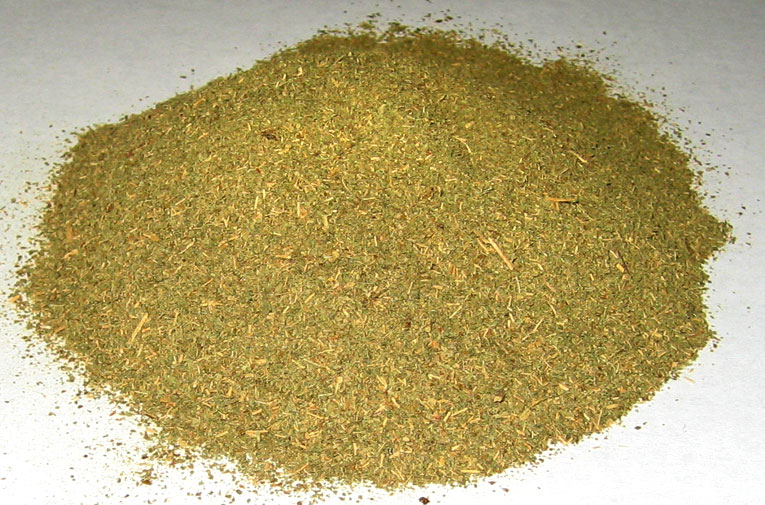
KRATOM POWDER

The new report from the FDA -- which links kratom to dozens of overdose deaths – seems likely to trigger a new effort by the DEA to make the herb an illegal controlled substance. That would be a serious mistake, according to the scientists engaged by the AKA, because it would stifle kratom research.

“Placing kratom into Schedule I of the CSA (Controlled Substances Act) will also have a profound and pervasive chilling effect on this needed additional research,” they wrote. “The federal government should be encouraging additional research into the potential benefits of kratom, as well as the possibility that extracts of kratom and/or new medicines that are similar to kratom’s active ingredients might serve as breakthroughs in pain relieving medicines that are so desperately needed.”

The letter was signed by scientists and researchers affiliated with the Johns Hopkins University School of Medicine, Columbia University, Temple University School of Medicine, University of Rochester Medical Center, University of British Columbia, and other academic and medical institutions.

Sessions Tells Pain Patients to ‘Tough It Out’

By Pat Anson, Editor

Take two aspirin and call me in the morning.

That old cliché is finding new life – at least in the mind of U.S. Attorney General Jeff Sessions --- who suggested twice this week that aspirin is the solution to the nation’s opioid crisis.

"I am operating on the assumption that this country prescribes too many opioids," Sessions said during a Wednesday visit to the U.S. Attorney’s office in Tampa. "People need to take some aspirin sometimes and tough it out.”

During his 25-minute speech, the Tampa Bay Times reported that Sessions veered away from his prepared remarks to cite the example of White House chief of staff Gen. John Kelly, who refused to take opioid painkillers after recent minor surgery.

"He goes, ‘I’m not taking any drugs,’" Sessions said, drawing a laugh while imitating Kelly. "But, I mean, a lot of people — you can get through these things."

"That remark reflects a failure to recognize the severity of pain of some patients," said Bob Twillman, PhD, executive director of the Academy of Integrative Pain Management.

JEFF SESSIONS

"It’s an unconscionable remark," Twillman told the Tampa Bay Times. "It further illustrates how out of touch parts of the administration are with opioids and pain management."

Sessions made similar statements Tuesday night at a Heritage Foundation event marking the birthday of President Ronald Reagan.

"Sometimes you just need to take two Bufferin or something and go to bed," said Sessions, who added that his goal in 2018 was to see a continuing decline in opioid prescriptions, which have been falling since 2010.

“We had a 7 percent decline last year in actual prescriptions of opioids. We think doctors are just prescribing too many,” he said. “These pills become so addictive. The DEA says a huge percentage of the heroin addiction starts with prescriptions. That may be an exaggerated number. They had it as high as 80 percent. We think a lot of this is starting with marijuana and other drugs too.”

Sessions was referring to a single but often-cited survey, which found that most heroin users in addiction treatment also abused prescription opioids. The fact is most addicts try a variety of different substances – such as tobacco, marijuana, alcohol and opioid medication – before moving on to heroin. It is rare for a legitimate patient on legally prescribed opioids to use heroin.  

The Drug Enforcement Administration – an agency that Sessions oversees – has ordered a reduction in the supply of prescription opioids in 2018. That’s in addition to steep cuts in opioid production quotas the DEA imposed in 2017.  The agency ignored dozens of public comments warning that further reductions this year in the opioid supply could create shortages.  

Medical Marijuana Not Reducing Demand for Rx Opioids

By Pat Anson, Editor

A new study by the RAND Corporation is throwing some shade on theories that medical marijuana reduces demand for prescription opioids and saves lives by lowering rates of opioid overdoses.

RAND researchers analyzed data from 1999 to 2010 and found a 20 percent decline in opioid overdose deaths associated with the passage of state medical marijuana laws. That is in line with previous studies. However, when researchers extended their analysis through 2013, they found that the association between medical marijuana and lower rates of opioid deaths completely disappeared.

Researchers say there are two possible explanations for this. First, states that recently adopted medical marijuana laws are more tightly regulating dispensaries -- which may have reduced access to cannabis. Second, beginning in 2010, the primary driver of the overdose crisis became illicit opioids such as heroin and fentanyl, not prescription opioids.

“This is a sign that medical marijuana, by itself, will not be the solution to the nation's opioid crisis," said Rosalie Liccardo Pacula, co-director of the RAND Drug Policy Research Center and co-author of the study published in the Journal of Health Economics.

"Before we embrace marijuana as a strategy to combat the opioid epidemic, we need to fully understand the mechanism through which these laws may be helping and see if that mechanism still matters in today's changing opioid crisis."

The RAND study also found little evidence that states with medical marijuana laws experience reductions in the volume of legally prescribed opioid medication.

"If anything, states that adopt medical marijuana laws... experience a relative increase in the legal distribution of prescription opioids. This result suggests that our findings are not driven by a decrease in the legal supply of opiioids," researchers found.

While many patients are using medical marijuana products to treat their pain, researchers say they do not represent a significant part of the opioid analgesic market.

"Either the patients are continuing to use their opioid pain medications in addition to marijuana, or this patient group represents a small share of the overall medical opioid using population," said Pacula.

Although 29 states and the District of Columbia have legalized medical marijuana and a handful of states allow its recreational use, marijuana remains illegal under federal law. Attorney General Jeff Sessions recently ordered U.S. Attorneys to resume enforcing federal laws that outlaw the cultivation, distribution and possession of marijuana. Session rescinded the Cole memo, a lenient policy adopted by the Justice Department in 2013 that instructed U.S. Attorneys not to investigate or prosecute marijuana cases in states that have legalized cannabis..

Darknet Markets and the Opioid Crisis

By Roger Chriss, Columnist

Darknet drug markets are far larger, more pervasive and more involved in the opioid crisis than is generally realized.

The U.S. Senate recently released a report stating that $800 million worth of fentanyl pills were illegally sold online to customers in the U.S. over a two-year period. Purchases were made from 43 states, with the most orders coming from Ohio, Pennsylvania and Florida.

Sellers are so sophisticated they accept multiple forms of payment, preferring Bitcoin because the cryptocurrency is hard to trace. But they are also using Western Union, MoneyGram, PayPal, credit cards, and prepaid gift cards.

But the Senate report barely scratches the surface of the online drug market.

Drugs have been available online since the beginning of the internet. Legend says that the first online purchase ever made was for a bag of marijuana in the 1970s in California.

By the 1990s, drug dealers and traffickers had adopted mobile communications to reach buyers and avoid detection, and the Open Vendor Database listed classified ads for a variety of substances.

The rise of Web 2.0 technology and online shopping led to the Silk Road, the first modern darknet market. Silk Road came online in February 2011 and gained immediate attention in the geek community. Gawker published an article about it in June 2011, and Wired.com also covered its increasing influence and ultimate downfall in 2013.

More darknet markets arose in the wake of Silk Road, including its immediate successors, Silk Road 2.0 and Silk Road Reloaded, as well as Utopia, Agora, and AlphaBay. All relied on internet protocols to anonymize their communications and cryptocurrencies like Bitcoin for relatively secure transactions.

The Tor anonymity network was developed in the mid-1990s by the U.S. Naval Research Lab to protect online intelligence communications. It was designed to be highly secure and easy to use, and is still primarily funded by the federal government. Its purpose is to safeguard journalists and dissidents, and to enable U.S. intelligence operations overseas. But because of how it works, it is well suited for illegal activities, too.

In other words, the internet now makes for an almost ideal operating environment for illegal drug markets. The globalization of the industrial marketplace, efficient international shipping and low-cost mobile communications enable some of these markets to function as efficiently and effectively as online retailers like Amazon.

Modern Darknet Markets

The modern darknet is now a major source of heroin, illicit fentanyl and other illegal opioids, as well as virtually every other illegal substance imaginable. The scale of this market is staggering, and its efficiency is stunning. Darknet markets look like familiar online merchants, complete with user reviews, shipping information and promotions, as well as excellent customer service. In practical terms, this means that a person who wants a particular substance can obtain it almost overnight with little more than a few clicks or taps.

The darknet is sufficiently sophisticated to have its own news sites, market information and discussion forums. Activity is tracked and discussed with precision and zeal.

Measuring the precise size of the darknet economy can be challenging. From 2013 to 2015,  Carnegie Mellon researchers estimate that darknet sales volume fluctuated between $100 million and $180 million annually. Importantly, sales volume remained about the same even after law enforcement crackdowns and arrests.

The darknet operates with relative impunity for a variety of reasons. Drugs are sourced from manufacturers in multiple countries, not just China, and substrates for these drugs are also sourced from multiple locations. Thus, the manufacturing supply chain is not vertically integrated and cannot be easily disrupted. Instead, it is highly diversified, making it robust against arrests, takedowns and product interdiction.

Transport and delivery of drugs involve not only the U.S. Postal Service, but every other mode of shipping. This includes conventional approaches like UPS and FedEx, as well as private courier services and livery companies. It extends to tunnels, boats, aerial drones and ad hoc transportation services arranged online.
 
In addition to darknet markets, there are also unlicensed online pharmacies, pill mills, and rogue physicians. It is not clear if the darknet is supplying street dealers, but it seems safe to assume that these illegal operations are interacting in mutually beneficial ways.

Attorney General Jeff Sessions recently announced the formation of the Joint Criminal Opioid Darknet Enforcement (J-CODE) unit, which is made up of federal agents and cyber experts whose aim is to dismantle darknet markets. This comes on the heels of the newly formed Opioid Fraud and Abuse Detection Unit, whose focus is opioid-related healthcare fraud.

While these efforts may help reduce the flow of illegal drugs, they will have to be highly innovative in their approach. Darknet markets have quickly recovered from previous law enforcement crackdowns and are more resilient than ever. Many are located outside U.S. jurisdiction, often with people in one nation, technology in another, and merchandise in yet another, making investigation and extradition very difficult.

In other words, defeating darknet markets is akin to eliminating a termite infestation when the nest is not on your property. New approaches will be needed, and addiction prevention and treatment become all the more important when the flow of illegal addictive substances cannot be readily slowed.

Darknet markets are playing an increasingly important role as a source of heroin and illicit fentanyl, the two key drivers in the opioid crisis. This is not surprising given the history of drugs online and the fact that opioid abuse and addiction usually starts with recreational use. A failure to recognize this -- exacerbated by efforts to shrink the supply of legal prescription opioids -- has hampered the response to the opioid crisis and is contributing to rising overdose fatalities.

Roger Chriss lives with Ehlers Danlos syndrome and is a proud member of the Ehlers-Danlos Society. Roger is a technical consultant in Washington state, where he specializes in mathematics and research.

The information in this column should not be considered as professional medical advice, diagnosis or treatment. It is for informational purposes only and represents the author’s opinions alone. It does not inherently express or reflect the views, opinions and/or positions of Pain News Network.

FDA Report Calls Kratom an Opioid

By Pat Anson, Editor

The herbal supplement kratom contains opioids and should not be used to treat any medical condition, according to a new analysis by the U.S. Food and Drug Administration. The report seems likely to trigger a renewed effort to classify kratom as an illegal Schedule I substance under the Controlled Substances Act.

“Kratom should not be used to treat medical conditions, nor should it be used as an alternative to prescription opioids. There is no evidence to indicate that kratom is safe or effective for any medical use. And claiming that kratom is benign because it’s ‘just a plant’ is shortsighted and dangerous,” said FDA Commissioner Scott Gottlieb, MD, in a lengthy statement.

“It’s an opioid that’s associated with novel risks because of the variability in how it’s being formulated, sold and used recreationally and by those who are seeking to self-medicate for pain or who use kratom to treat opioid withdrawal symptoms.”

Kratom comes from the leaves of a tree that grows in southeast Asia, where it has been used for centuries for its medicinal properties.  Millions of Americans have discovered kratom in recent years, using it to treat chronic pain, anxiety, depression, and addiction.

In 2016, the Drug Enforcement Administration attempted to list two of kratom’s active ingredients as Schedule I substances. The DEA suspended its plan after a public outcry, and said it would wait for a scheduling recommendation and medical evaluation of kratom from the FDA.

The new report may prompt the DEA to try again.  In a computer analysis using what the FDA calls Public Health Assessment via Structural Evaluation (PHASE) methodology, FDA researchers identified 25 chemical compounds in kratom that share structural similarities with opioid analgesics such as morphine. Like painkillers, the substances bind to mu-opioid receptors in the brain and – according to the computer models -- act the same way as opioids.

“The data from the PHASE model shows us that kratom compounds are predicted to affect the body just like opioids. Based on the scientific information in the literature and further supported by our computational modeling and the reports of its adverse effects in humans, we feel confident in calling compounds found in kratom, opioids,” Gottlieb said.

FDA Analysis Called ‘Junk Science'

Critics of the FDA analysis say it contains numerous errors and signs of confirmation bias.

"The failure of the FDA to justify its attempt to schedule kratom using traditional and well-accepted scientific methods has apparently driven the FDA to move into the world of junk science.  Using computer modeling is very susceptible to bias in the assumptions the are built into the computer algorithms.  In short, the old adage of 'garbage in – garbage out' applies to such dramatic testing standards," said Dave Herman, chairman of the American Kratom Association (AKA), a pro-kratom consumer group.

In addition to its analysis, the FDA released a detailed report on 36 deaths associated with kratom over the past several years. The agency admits all but one of the overdose deaths involved other drugs and “could not be fully assessed.” There was only one death involving a person who had no prior opioid use.  

“We’re continuing to investigate this report, but the information we have so far reinforces our concerns about the use of kratom. In addition, a few assessable cases with fatal outcomes raise concern that kratom is being used in combination with other drugs that affect the brain, including illicit drugs, prescription opioids, benzodiazepines and over-the-counter medications, like the anti-diarrheal medicine, loperamide,” Gottlieb said.

"It is more of the same useless rhetoric from FDA," says Jane Babin, a molecular biologist who authored a report last year for the AKA that discredited many of the reports linking overdoses to kratom.

"Bottom line:  36 deaths over 3, 5, 7 or more years that they can't prove were caused by kratom, versus 16,000 deaths from killer street opioids," Babin wrote in an email. 

In a survey of 6,150 kratom users by Pain News Network and the AKA, most reported they used kratom as a treatment for chronic pain, depression, anxiety or addiction. Many say the herb is safe, effective and has literally saved their lives

“Kratom is the one thing that has kept me from using opiates and other illegal substances. I've been able to stay clean for 3 years now. It's given me my life back,” one survey respondent wrote.

“Kratom is the only reason I was finally able to end my addiction to hydrocodone. It is nowhere near as potent as hydrocodone, and you can't overdose” said another.

“I've had several friends who have died from heroin overdose. If they knew about kratom they may still be alive today,” wrote another kratom user.

One of the dilemmas faced by the FDA and DEA is that kratom products are currently classified as dietary supplements, and there are few regulatory standards applied to their importation or ingredients. The only requirement for kratom vendors is that they don't make unsubstantiated health claims. Classifying kratom as a Schedule I controlled substance would radically change that, making it a felony to possess or sell kratom, and likely creating an underground black market for the herb.

Oska Pulse Reduces Knee, Shoulder and Back Pain

By Pat Anson, Editor

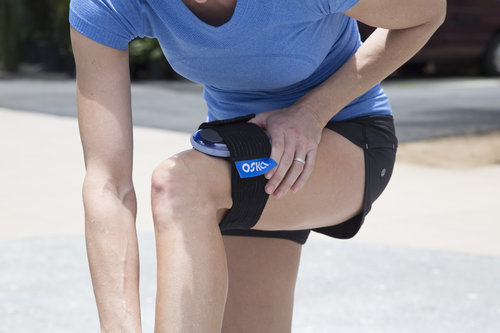
A wearable device that stimulates the release of natural pain-relieving endorphins provides significant relief to patients with chronic knee, shoulder or back pain, according to the results of small clinical trial.

The Oska Pulse uses Pulsed Electromagnetic Field technology (PEMF) to dilate blood vessels, which increases blood flow, reduces inflammation, and releases the body’s endorphins to reduce joint and muscle pain.

The double blind, placebo-controlled study involved 30 patients who were recruited from two San Diego area pain clinics. Participants were given either an Oska Pulse or a placebo device and asked to wear them several times a day for two weeks, while completing a daily log to track their pain, stress and usage.

The study findings, first published in Practical Pain Management, found that the majority of participants who used the Oska Pulse had a significant decrease in pain levels. Some also reported a decrease in stress.

oska wellness image

“There was significantly more reduction in pain in the OSKA Pulse group after 14 days of use than placebo. These results suggested that the OSKA Pulse may be an effective tool in pain attenuation,” wrote lead author Joseph Shurman, MD, an anesthesiologist at Scripps Memorial Hospital in La Jolla, CA.

“Data analyses showed interesting trends in subjective pain scores, including a slight increase in pain in the placebo group after day 7, while the OSKA Pulse group, on average, reported a decline in pain intensity.”

Previous studies have found that PEMF therapy can be used to treat a variety of chronic pain conditions, not just simple muscle aches and joint pain. A recent survey of Oska Pulse users found that half had some type of pain for more than five years.

"I've had RSD/CRPS in my left leg for 21 years and tried many meds and treatments over the years, including 10 years of ketamine infusions," said Tracey M., an Oska customer quoted in a news release. "I started using Oska Pulse nine months ago and my pain was reduced more than ever before. I recently danced at my daughter's wedding. Before Oska, I wasn't even sure if I'd be able to attend."

PNN columnist Arlene Grau, who lives with rheumatoid arthritis and fibromyalgia, was at first skeptical about the Oska Pulse. But after trying it for several days, she found the device gave her some temporary pain relief.

“I originally thought the Oska Pulse was not going to work for me, since I'm used to the TENS unit shocking my body and actually feeling something happening. You don’t really ‘feel’ anything when the Oska Pulse is on, but I felt a difference after every use,” Arlene said. “I wouldn't necessarily compare it to the relief I get from opioids, but it was enough to make me feel like I didn't need to take prescription drugs every 4 hours. Which is a triumph.”  

Before using the Oska Pulse, it is recommended that cancer patients, or those who are pregnant, nursing, or have a pacemaker or defibrillator, should consult with their physician.

The Oska Pulse is available on Amazon for $399.

A Pained Life: Tough Luck

By Carol Levy, Columnist

For the first time in almost 40 years, two doctors said the same words to me, the words I have always dreaded: “Tough luck.”

Their words were meant to be kind, but the meaning was the same: There is no cure.

That is the last thing I want to hear.  The last thing most of us want to hear.

I am a new patient of both doctors. They do not realize I am like a woman who fell overboard, clinging desperately to the side of the ship. I cling desperately to hope – the hope that someday, someone, something, will end the pain. It is what keeps me fighting.

It is that little sliver of hope, even after all this time, that there is an answer. And then I could work again. Do anything I want to do. And do it without pain.

For all intents and purposes, I have been mostly housebound for the last 39 years, except for 3 months in 1977 when I had my first and only completely successful surgery.  I got a job as soon as I was permitted. I made wonderful new friends. We went out every weekend and during the week too. It was glorious. And then, one day while at my desk, a trigeminal neuralgia pain tore into my temple. And my life was lost again to the demon pain.

I do get out of my apartment. I take a class 2 times a week at my local Y. I am active in politics and try to get to the  monthly meeting and other events. I go to the grocery, the bank and doctor's appointments. All of these make the eye usage and eye movement pain much worse, but I do them and get through them (sometimes with a little narcotic helper). But absent those times, I am home.

The pain comes even when I am doing nothing. Staying home does not give me control over it. But by staying in, I reduce the number of times I am actively inviting the pain to get worse. Little by little, unconsciously, I am miniaturizing my life, doing as few things as possible so I don't exacerbate the pain.

This is no way to live, so I still search.

My pain management doctor tries new medications. They have not helped so far. It does not stop me from continuing to up the doses, as prescribed, just in case. As he writes out the prescription he is clear: “Maybe one of these will reduce the pain but you can't expect more than that.”  

In other words, tough luck.

Meanwhile, my neurosurgeon has given me two last and final options. He can redo a procedure I had in 1980 that helped with the spontaneous pain (that could be triggered with the touch of a hair), until it failed 5 years later. Unfortunately, while doing the operation they removed bone in my neck. They took out way too much and my neck “fell down.” It is now held up with clamps in the front and back of the cervical spine, which are held in place by 12 pins.

Because of this, my new surgeon can’t go in where or the way he wants. It makes the outcome and risks much more unknown. There is only a 45% to 55% chance it will work, with a risk of paralysis among others. Almost equal odds.

The other option is worse, the odds are even: 50–50. Worse still, the operation is essentially psychosurgery. He would place a lesion in the frontal cortex of my brain. “You will still have pain, you'll just not perceive it as pain,” he explained.

So, what do I do? What do we do when faced with equally awful choices?

I honestly don't know.

I do know that learning to live with pain, what so many of us are told, is of no help when no one tells us how to do that. If they would, maybe “tough luck” would be an acceptable option.

Carol Jay Levy has lived with trigeminal neuralgia, a chronic facial pain disorder, for over 30 years. She is the author of  “A Pained Life, A Chronic Pain Journey.” 

Carol is the moderator of the Facebook support group “Women in Pain Awareness.” Her blog “The Pained Life” can be found here.

The information in this column should not be considered as professional medical advice, diagnosis or treatment. It is for informational purposes only and represent the author’s opinions alone. It does not inherently express or reflect the views, opinions and/or positions of Pain News Network.

How Trump and Congress Can Champion Stem Cells

By A. Rahman Ford, Columnist

For the second straight year, President Trump has endorsed making life-saving treatments like stem cell therapies more available to more Americans.

In his 2017 Joint Address to Congress, Trump highlighted the case of Megan Crowley, a young woman whose father had to launch his own drug company to help treat her Pompe Disease.  Also in attendance that evening was Sarah hughes, who was forced to travel to Mexico to use her own stem cells to treat her systemic idiopathic juvenile arthritis.

In reference to both cases, the president lamented the pain and death caused by the “slow and burdensome approval process at the Food and Drug Administration” that “keeps too many advances … from reaching those in need.”  He argued that regulatory restraints at the FDA should be “slashed” so that more Americans could benefit from life-saving therapies.

President Trump is keeping up the pressure.  During this week's State of the Union address, he continued his theme of a patient-centered, less restrictive approach to medical treatment. 

He did so by voicing his clear support for “Right to Try” legislation, which would increase the medical options of the critically ill by helping them avoid the unduly burdensome and bureaucratic spider’s web of the FDA. 

In a seeming reference to Sarah Hughes and other stem cell medical tourists, Trump stated unequivocally that “patients with terminally conditions … should have access to experimental treatments immediately” and they “should not have to go from country to country to seek a cure.”  He then urged Congress to pass the Right to Try Act, so that Americans can get help “right here at home.”

How Right to Try Works

The language of the Right to Try legislation is simple, straightforward and offers protections for patients and manufacturers.  Under the Senate version, an “eligible patient” who has been diagnosed with a terminal illness may be prescribed an experimental drug or biological product to treat their illness, so long as the patient has a qualified physician certify that he or she has exhausted all other treatment options and is unable to participate in a clinical trial. The patient must also provide informed consent to the physician and the physician may not be compensated by the manufacturer of a treatment for certifying the patient.  The patient, physician and manufacturer must all agree on the treatment.

Furthermore, the medical product in question must have successfully completed a Phase 1 clinical trial and must be enrolled in an FDA clinical trial.  The treatment must be authorized by state law, which means that the state must have a Right to Try law – which 38 states currently have.

The manufacturers receive protection under Right to Try legislation, in that there can be no legal liability for injury that may result as a consequence of the medical product’s use, and adverse events that may occur during treatment will not negatively impact any eventual approval of the product by the FDA. 

In an overwhelming and increasingly rare bipartisan display (94-1), the Senate has already passed the Right to Try Act.  The House version is currently awaiting approval.

Critics Deny Democratic Choice 

Critics of Right to Try make several claims to undermine the expansion of choices it would bring to critically ill patients.  Some physicians and medical ethicists claim that the true goal of Right to Try is to weaken the FDA as the only objective and appropriate gatekeeper of drug approval and access.  Some also claim that the legislation is redundant because the FDA already fills this need through its expanded access program. 

Still other critics try to dissuade patients by surreptitiously noting that “scary” conservative and libertarian think tanks like Freedom Partners and Americans for Prosperity, which are partially funded by the Koch brothers, favor passage of Right to Try legislation.  These criticisms warrant thoughtful consideration, but are not substantive enough to overcome overarching concerns of patients literally dying from their pain.    

Ultimately, Right to Try and stem cell therapy are issues that embody the deepening and broadening of healthcare choice -- a choice that should be embraced by an informed American citizenry, a forward-thinking medical establishment and government agencies that must be by and for the people. 

Carefully curated expansions of choice -- that privilege the humane while also giving due consideration to patient protection – serve as the foundation of all truly democratic institutions.  The FDA should accept that it can better serve people by acceding some of its authority and become more lean and nimble in the process.  Bigger is not always better.

Right to Try will not solve all the problems associated with stem cell therapy.  There is no way to predict with any precision how the law will operate legally or logistically, whether for stem cell therapies or other drugs and medical products.  Additionally, the Trump administration must revisit and revise the FDA’s stem cell guidance, specifically its limits on stem cells which are harvested, processed and administered to the same person to relieve conditions such as chronic pain.    

However, for advocates of stem cell therapy and health choice in general, Right to Try is a step in the right direction.

A. Rahman Ford, PhD, is a lawyer and research professional. He is a graduate of Rutgers University and the Howard University School of Law, where he served as Editor-in-Chief of the Howard Law Journal. He earned his PhD at the University of Pennsylvania.

Rahman lives with chronic inflammation in his digestive tract and is unable to eat solid food. He has received stem cell treatment in China.  

The information in this column should not be considered as professional medical advice, diagnosis or treatment. It is for informational purposes only and represent the author’s opinions alone. It does not inherently express or reflect the views, opinions and/or positions of Pain News Network.

High Dose Opioids Targeted Under New Medicare Rules

By Pat Anson, Editor

The Trump administration has proposed new rules that will make it harder for Medicare patients to obtain high doses of opioid pain medication. If adopted, critics say the regulations could force many high-dose pain patients to be abruptly tapered to lower doses, a risky procedure that could lead to severe pain and withdrawal symptoms, or even illegal drug use and suicide.

The rules proposed by the Centers for Medicare & Medicaid Services (CMS) would also make health insurers the final arbiters in deciding who gets high doses of opioid medication.

"We are proposing important new actions to reduce seniors' risk of being addicted to or overdoing it on opioids while still having access to important treatment options," said Demetrios Kouzoukas, CMS deputy administrator. “We believe these actions will reduce the oversupply of opioids in our communities."

Under the proposal for the 2019 Medicare Part D prescription drug program, a ceiling for opioid doses would be established at 90mg morphine equivalent units (MME).  Any prescription at or above that level would trigger a “hard edit” requiring pharmacists to talk with the insurer and doctor about the appropriateness of the dose.

Medicare officials claim the goal of the rule is to get patients, doctors and insurers to “engage in a dialogue” about the risks associated with opioids. But regardless of how that dialogue goes, ultimately the final decision on whether to override the hard edit would be left to insurers – known as plan sponsors.

"The trigger can only be overridden by the plan sponsor after efforts to consult with the prescribing physician," said Kouzoukas.

The 90mg MME ceiling was established in 2016 by the CDC’s much criticized opioid prescribing guidelines. Those “voluntary” guidelines were only meant as recommendations for primary care physicians, but have been widely adopted as rigid rules by other federal agencies, insurers, state regulators and prescribers.

High Dose Patients at Risk

CMS says 1.6 million Medicare beneficiaries met or exceeded opioid doses of 90mg MME for at least one day in 2016. Many suffer from chronic or intractable pain and have been on high doses for years.

“If this CMS proposal is adopted, it will accelerate an ongoing pattern of involuntary opioid tapers,” says Stefan Kertesz, MD, a practicing physician and professor of medicine at the University of Alabama at Birmingham School of Medicine. “I have great concern for today’s high dose patients, many of whom have complex disabilities. Their disabilities often reflect a combination of underlying physical disease, mental conditions, harm from the health care system and opioid dependence, even if those same opioids confer some degree of relief.

"Over the last year, I have received wave after wave of reports of traumatized patients, with outcomes that include suicidal ideation, medical deterioration, rupture of the primary care relationship, overdose to licit or illicit substances, and often enough, suicide.” 

Those suicides -- such as those of Bryan Spece and Jay Lawrence -- are rarely reported by the mainstream media or acknowledged by anti-opioid activists.

To reduce the risk of these “unintended consequences,” CMS would allow high dose patients to receive a temporary 7-day supply of opioids while they seek an exception to the 90mg MME rule. If approved, patients would then need to get a new prescription from their doctor. The 7-day supply would only be granted once.

Under the proposed rules, CMS would also create a new 7-day limit for initial prescriptions of opioids for acute, short-term pain. CMS would also start monitoring “high risk beneficiaries” who are prescribed opioids and “potentiator” drugs such as gabapentin (Neurontin) and pregabalin (Lyrica). Recent research has shown that combining the medications increases the risk of overdose.

CMS contracts with dozens of insurance companies to provide health coverage to about 54 million Americans through Medicare and nearly 70 million in Medicaid. CMS policy changes often have a sweeping impact throughout the U.S. healthcare system because so many insurers and patients are involved.

Public comments on the proposals must be submitted by Monday, March 5, 2018. To submit comments or questions electronically, go to www.regulations.gov, enter the docket number “CMS-2017-0163” in search  and follow the instructions for submitting a comment. 

The 2019 proposed rule changes may viewed by clicking here.

Vitamin D Supplements Could Ease Symptoms of IBS

By Pat Anson, Editor

A new study suggests that Vitamin D supplements may help ease stomach cramps, constipation and other painful symptoms of irritable bowel syndrome (IBS).

In a systematic review (a study of studies) involving hundreds of patients around the world, British researchers found that over half the patients with IBS had low levels of Vitamin D in their blood serum. Vitamin D supplements helped improve symptoms for some patients, although the findings were mixed.

"The available evidence suggests that low vitamin D status is common among the IBS population and merits assessment and rectification for general health reasons alone,” said Claire Williams of the University of Sheffield, lead author of the study published in the European Journal of Clinical Nutrition.

"An inverse correlation between serum vitamin D and IBS symptom severity is suggested and vitamin D interventions may benefit symptoms."

Williams and her colleagues cautioned that the evidence was not strong that supplements would help, and said larger studies were needed to build a case for Vitamin D as a treatment for IBS.

Britain’s National Health Service was also cautious about the findings.

“Although this possible link is worth investigating further, the evidence is currently very limited. The results seen in this study are an extremely mixed bag taken from studies of questionable quality," the NHS said in a review.

“The observational studies mainly just show that a number of these people with IBS also had a vitamin D deficiency. But you could select many other samples of people with IBS and find they have sufficient vitamin D levels, or other people who don't have IBS but who are vitamin D deficient.”

Both IBS and vitamin D deficiency are common in the western world. About 20% of adults in the UK are deficient in Vitamin D. Low levels of the “sunshine vitamin” have also been linked to fibromyalgia and multiple sclerosis

Most people get all the Vitamin D they need by being exposed to ultraviolet rays in sunlight. You can also get it by eating foods rich in Vitamin D, such as oily fish and eggs. Vitamin D has a wide range of positive health effects, such as strengthening bones and inhibiting the growth of some cancers.

Feds Target Doctors and Pharmacies in New Crackdown

By Pat Anson, Editor

Over the next few weeks, the Drug Enforcement Administration will step up investigations of pharmacies and doctors found to be dispensing or prescribing suspicious amounts of opioid pain medication.

The so-called “surge” -- announced by Attorney General Jeff Sessions – is the latest in a series of steps the Justice Department has taken to combat the opioid crisis.

“Over the next 45 days, DEA will surge Special Agents, Diversion Investigators, and Intelligence Research Specialists to focus on pharmacies and prescribers who are dispensing unusual or disproportionate amounts of drugs,” Sessions said during a Tuesday speech to law enforcement officials in Louisville, KY.

“DEA collects some 80 million transaction reports every year from manufacturers and distributors of prescription drugs.  These reports contain information like distribution figures and inventory.  DEA will aggregate these numbers to find patterns, trends, statistical outliers -- and put them into targeting packages,” Sessions said.

"That will help us make more arrests, secure more convictions -- and ultimately help us reduce the number of prescription drugs available for Americans to get addicted to or overdose from these dangerous drugs.”

But that kind of data mining of opioid prescriptions -- without examining the full context of who the medications were prescribed for or why – can be problematic and misleading.

For example, the DEA last year raided the offices of Dr. Forest Tennant, a prominent California pain physician, as well as two pharmacies regularly used by his patients. Tennant only treats intractable pain patients, many from out-of-state, and often prescribes high doses of opioids and other prescription drugs  because of their chronically poor health. Some of his patients are in palliative care and near death.

Those important facts were omitted or ignored by DEA investigators, who alleged in a search warrant that Tennant had “very suspicious prescribing patterns” and was part of a drug trafficking organization.

“It’s not like he’s just giving out high doses of medication and running a pill mill, like they said. That to me was the most asinine statement in that whole search warrant,” said Riley Holder, a disabled pharmacist with intractable pain who is one of Tennant’s patients.

Tennant has denied any wrongdoing and has not been charged with a crime.

Last August, Sessions ordered the formation of a new data analysis team, the Opioid Fraud and Abuse Detection Unit, to focus solely on opioid-related health care fraud.  He also assigned a dozen prosecutors to “hot spots” around the country where opioid addiction is common. In November, Sessions ordered all 94 U.S. Attorneys to designate an opioid coordinator to help spearhead anti-opioid strategies in their district.

FBI to Target Online Pharmacies

Sessions this week also announced the formation of a new FBI investigative team, called the Joint Criminal Opioid Darknet Enforcement (J-CODE) unit, which will focus on shutting down illegal online pharmacies. Dozens of FBI agents and intelligence analysts are being assigned to J-CODE.  

“Criminals think that they are safe on the darknet, but they are in for a rude awakening. We have already infiltrated their networks, and we are determined to bring them to justice,” Sessions said. “The J-CODE team will help us continue to shut down the online marketplaces that drug traffickers use and ultimately that will help us reduce addiction and overdoses across the nation.”

As PNN has reported, the online pharmacy business is booming. As many as 35,000 online pharmacies are operating worldwide, and over 90 percent are not in compliance with federal and state laws.  Many do not require a prescription, and about half are selling counterfeit painkillers and other fake medications. About 20 illegal online pharmacies are launched every day.

A staff report last week to the U.S. Senate's Subcommittee on Investigations found that it was relatively easy to find and order prescription drugs online. Senate investigators used Google search to find dozens of websites offering illegal opioids for purchase, including fentanyl and carfentanil. They also identified seven individuals who died from fentanyl-related overdoses after sending money and receiving packages from an online seller.

“I’m thrilled this is something the U.S. government is prioritizing and is starting to pay attention to,” says Libby Baney, Executive Director of the Alliance for Safe Online Pharmacies (ASOP), an industry supported non-profit. “The Internet is part of the problem right now when it comes to the opioid epidemic and it should be part of the solution.”

Baney told PNN that when illegal online pharmacies are shutdown, they often reappear under new domain names and website addresses. Many are also located in foreign countries and are outside the reach of U.S. law enforcement.

“It’s a game of whack-a-mole in some respects,” said Baney.  

Last year the Justice Department announced the seizure of the largest dark net marketplace in history, a site that hosted over 200,000 drug listings and was linked to numerous opioid overdoses, including the death of a 13-year old.

Montezuma's Revenge: FDA to Limit Diarrhea Pills

By Pat Anson, Editor

Federal efforts to combat the opioid crisis entered a surprising new phase today, with the Food and Drug Administration asking Johnson & Johnson and other drug makers to limit the number of anti-diarrhea pills they sell.

You read that right.

FDA commissioner Scott Gottlieb, MD, said the “unprecedented and novel action” was needed because Imodium and other over-the-counter formulations of loperamide are being abused by opioid addicts.  

The FDA wants J&J and other drug makers to limit the number of pills in loperamide packaging so that there are just enough to treat short-term diarrhea, such as traveler’s diarrhea. – also known as Montezuma’s Revenge.

“Abuse of loperamide has been increasing in the United States. When used at extremely high and dangerous doses, it’s seen by those suffering from opioid addiction as a potential alternative to manage opioid withdrawal symptoms or to achieve euphoric effects of opioid use,” Gottlieb said in a statement.

“When higher than recommended doses are taken we’ve received reports of serious heart problems and deaths with loperamide, particularly among people who are intentionally misusing or abusing high doses.”

Last year the FDA added a warning label to loperamide products cautioning consumers not to ingest high doses. The agency believes further safety measures are needed to make it harder for people to buy loperamide in large quantities. The FDA is suggesting that loperamide be sold in packages containing a two day supply of eight 2-milligram capsules. Imodium packages currently contain as many as 42 capsules.

“The abuse of loperamide requires the purchase of extremely large quantities. Often this is done through the purchase of large bottles of loperamide, which is a common configuration in which the pill form of the medication is currently packaged,” said Gottlieb. “Today’s action is intended to change how the product is packaged, to eliminate these large volume containers. We know that many of the bulk purchases of these large volumes are being made online through major online web retailers.”

The FDA is also considering changes in how opioid medication for acute short-term pain is packaged. Several states have enacted laws that require first time prescriptions for acute pain be limited to 5 or 7 days’ supply

“If more immediate release opioid drugs, in particular, were packaged in three or six-day blister packs; then more doctors may opt for these shorter durations of use. Additionally, provided the FDA concluded that there was sufficient scientific support for these shorter durations of use, this could provide the basis for further regulatory action to drive more appropriate prescribing,” Gottlieb said.

Some users of Imodium are unhappy the medication now comes in blister packs – saying the packages are too hard and frustrating to open at an urgent time of need.

“There's nothing worse than having diarrhea and you can't get the package open,” one woman wrote on the Imodium website. “The only way I can get it open is to find a pair of scissors and cut it open. I tried one time to tear it open with my teeth and ended up cutting my lip.”

“Your product inside the box is quite good. I just wonder who convinced Imodium powers that be to change the blister units in which the caplets are packaged. I have almost lost my religion trying to tear open at the suggested/new perforation. It is horrible!” another woman wrote.

“Had to make 3 trips to the bathroom while trying to get the caplet wrapper open, packaging needs changing,” said another reviewer.

Vietnam Veteran: 'I'm Done Fighting'

By Gregg Gaston, Guest Columnist

My story is one of hopelessness. I am 62 years old and a navy Vietnam veteran. I did my time in Vietnam and was discharged honorably as a Chief Petty Officer in 1985 but did not retire.

I went to Kuwait as a logistics advisor for the Kuwait Air Force, stayed there for two years and then returned to the U.S. Desert Storm happened two years after that and I received a phone call wanting to know if I wanted to go back to support the Kuwait Air Force in efforts to retake their homeland. Back I went and stayed through 1995.

In 2002, I developed chronic back pain and had back surgery a few years later. The surgery went badly from the start and was not successful. The pain only grew worse and I was eventually diagnosed with peripheral neuropathy and failed back surgery syndrome. 

Then came the Veterans Administration, which diagnosed me with presumptive Agent Orange exposure. The VA would only pay for treatments for the myriad of things related to Agent Orange, such as pain meds for my legs and medications for high blood pressure. This medicine was prescribed through the local civilian pain management clinic.

I tried every combination of painkillers you can imagine, including but not limited to hydrocodone, methadone, gabapentin and morphine.

My doctor wanted to implant a morphine pain pump, but I refused. 

GREG GASTON

Time passed, and things got worse at the VA. A new voucher system, changing regulations, scheduling problems and constantly changing doctors took its toll on me -- as well as trying to differentiate between what happened during which war. At that point I fired the VA and embarked on my journey into privatized medical care. 

I was exposed to sarin gas during Desert Storm, so by then my ailments included chronic back and neck problems, peripheral neuropathy, post-traumatic stress syndrome (PTSD) and extreme blood pressure problems. No drug completely relieved the pain, but I would take anything that helped even just a little. Over the years my doctors kept admitting they knew I needed more, but pressure from the government and the insurance companies limited what they could prescribe. 

Now we're into the present day and recently my doctor dropped me from three 50mg tramadol down to one 50mg tramadol per day. TRAMADOL for God's sake! I promptly told him where he could stick his tramadol. 

My doctor and I previously had a talk when I was hospitalized with two strokes on the same day. My directives to him were very simple. If you're not going to treat my pain, you're not going to treat anything. With that I stopped taking all my medications. I tried to explain about quality of life, which at this point I had none. It seemed to go over his head. Hospitals now only treat you for why you are in the emergency room, and even though you're admitted that's all they're treating. 

I've given up and am waiting now to die. I've lived a great life and have no expectations of my quality of life improving. 

I'd like to thank the VA, the other government agencies involved, legislatures and my local doctors for putting all their efforts into making things tough on people that are addicted or need pain medication.  

They have a problem which they don't know how to solve, so they’re taking the easy way out by taking all the meds away from EVERYONE. Screw those who really and legitimately need them. 

Common sense is fast disappearing. I'm done fighting, but I'll always be proud of my naval service and of my service to the State of Kuwait. Good luck to us all. 

Greg Gaston grew up in south Jersey and now lives in Texas. He has two daughters, six grandchildren and two great grandchildren.

Pain News Network invites other readers to share their stories with us. Send them to editor@painnewsnetwork.org

The information in this column should not be considered as professional medical advice, diagnosis or treatment. It is for informational purposes only and represents the author’s opinions alone. It does not inherently express or reflect the views, opinions and/or positions of Pain News Network.

Why Does Menopause Worsen Rheumatoid Arthritis?

By Pat Anson, Editor

A large new study is confirming what many women with rheumatoid arthritis (RA) already know – menopause and hormonal changes can significantly worsen their pain and other symptoms. But it's not clear why that happens.

Researchers at the University of Nebraska Medical Center enrolled over 8,000 women with RA – both young and old -- in their observational study. They found that post-menopausal women with RA had a significant increase in the level and rate of functional physical decline. Menopause was also associated with a worsening progression of the disease.

RA is a chronic and disabling autoimmune disease in which the body’s own defenses attack joint tissues, causing pain, inflammation and joint erosion. Women experience RA at a rate three times greater than men, have more severe symptoms and increased disability.

Previous studies have shown that women with RA experience changes in their disease during reproductive and hormonal changes. During pregnancy, women are less likely to develop RA, yet the disease is more likely to progress and flare during the post-partum period. Similarly, women who experience early menopause are more likely to develop RA compared to those who experience normal or late menopause.

Hormone levels of estrogen increase during pregnancy and decline during menopause – but the association with RA is not fully understood.

"Further study is needed as to why women with rheumatoid arthritis are suffering a greater decline in function after menopause," said the study's lead author, Elizabeth Mollard, PhD, an assistant professor in the College of Nursing at the University of Nebraska Medical Center.

"Not only is this decline causing suffering for women, it is costly to both individuals and the healthcare system as a whole. Research is specifically needed on the mechanism connecting these variables with the eventual goal of identifying interventions that can maintain or improve function in postmenopausal women with rheumatoid arthritis."

The study is published in the journal Rheumatology.

RA affects about 1.3 million Americans and about one percent of the global population. Until the late 1990s, one in three RA patients were permanently disabled within five years of disease onset.

Although there are still no cures for RA, in recent years there has been significant improvement in treatment, with disease control now possible for many patients who receive biologic drugs. Those treatments are expensive, with some biologic therapies costing $25,000 a year.

When Medical Tests Don’t Find a Cause

By Crystal Lindell, Columnist

One of the things doctors always tell you is that it’s really, really good news when a test comes back all clear. When nothing shows up on the MRI, bone scan, ultrasound or blood work -- that’s a good thing.

But let’s be honest. It sucks.

As a chronically sick person, I find I go through phases. There’s the “Let’s try every treatment and get every test” phase, which is usually followed by the “Everything and everybody sucks and I’m never going to get better so I should just kill myself” phase. Then comes the “Okay, I’m in a good place again, let’s see if we can fix this” phase. Repeat for infinity.

I recently started dabbling in the “Let’s try every treatment and get every test" phase again, and it’s meant seeing new specialists, trying new treatments and getting more tests done.

But, as per usual, nothing ever shows up on any of the tests. And it is the most maddening feeling when you see that your upper abdomen is again declared healthy by a machine that knows nothing about the you, especially when being touched by said machine was so excruciating that you had to push the tech away mid-test.

I’m coming up on my 5-year pain-niversary soon. That’s half a decade now that I’ve basically lived my life feeling like I had a broken rib — about 15 percent of my time on earth spent feeling mostly like I’m actually in hell. And nobody seems to have any idea why.

My primary care doctor, who I love, recently told me he sometimes finds himself sitting around contemplating my situation and wondering what could have possibly caused such a random pain in a random place. My doctor. Who works as an internal specialist at a university hospital. This is the man who has literally no idea what is wrong with me.

And something is wrong with me. I wake up most days feeling like a cinder block is crushing my ribs and I can’t take showers without also taking hydrocodone. I plan my life around when it’s going to rain, because rain makes the pain feel like a semi-truck covered in butcher knives crashed into my right side. And I can’t wear any bras that have even a hint of underwire.

But despite all that, nothing ever shows up. Ever. My bones are healthy. My liver is healthy. My bile ducts are healthy. My blood is healthy. My muscles are healthy. Everything is always healthy.

Except that it isn’t.

And all those tests coming back all clear are enough to make you think you’ve lost your mind. Is it possible to literally imagine crushing rib pain? Have I actually made it all up in my head? Is this all just some sort of awful illusion?

Even my doctor doesn’t seem to know.

So in addition to the painful and expensive treatments and the daily toll of pain, I also have to deal with the psychological burden of constantly reminding myself that, yes, I am sane and yes, all of this is real.

It’s exhausting.

And if my calculations are correct, based on life expectancy and my bad luck, I probably still have many half decades ahead of me filled with the same thing.

You learn to cope. You learn to manage. You learn how to avoid flares. But it doesn’t get easier. The pain doesn’t get less painful. It’s always there, like a raging siren only you can hear — on repeat for infinity.

Which is why the most important thing you can say to someone in pain, any kind of pain, is and always will be three simple words — I believe you.

Crystal Lindell is a journalist who lives in Illinois. She loves Taco Bell, watching "Burn Notice" episodes on Netflix and Snicker's Bites. She has had intercostal neuralgia since February 2013.

Crystal writes about it on her blog, “The Only Certainty is Bad Grammar.”

The information in this column should not be considered as professional medical advice, diagnosis or treatment. It is for informational purposes only and represent the author’s opinions alone. It does not inherently express or reflect the views, opinions and/or positions of Pain News Network.