WHO Criticized for Withdrawing Opioid Guidelines

By Pat Anson, PNN Editor

A coalition of international palliative care organizations is protesting a decision by the World Health Organization (WHO) to withdraw two guidelines for treating pain with opioid pain medication.

“We are extremely concerned that the withdrawal of these guidance documents will lead to confusion and possible extreme measures that will hinder access to patients with legitimate medical needs,” the coalition said in a joint statement released this week.

The guidelines were withdrawn after two U.S. congressmen released a report that accused WHO of being “corruptly influenced” by Purdue Pharma and other opioid manufactures when it developed the guidelines in 2011 and 2012. The guidelines for treating pain in adults and children state that opioids “are known to be safe and there is no need to fear accidental death or dependence.”

Reps. Katherine Clark (D-MA) and Hal Rogers (R-KY) said the WHO guidelines served as “marketing materials” for Purdue, the maker of OxyContin.

“We are highly troubled that, after igniting the opioid epidemic that cost the United States 50,000 lives in 2017 alone… Purdue is deliberately using the same playbook on an international scale,” the report said. “If the recommendations in these WHO guidelines are followed, there is significant risk of sparking a worldwide public health crisis.”

WHO withdrew the guidelines a month after the report was released, citing “new scientific evidence” that emerged since their publication.

WHO’s decision to withdraw the guidelines gave credibility to a congressional report based largely on innuendo, according to the statement released by over a hundred palliative care organizations, including the American Academy of Hospice and Palliative Medicine and the UK-based International Observatory on End of Life Care.

“The report contains serious factual inaccuracies and draws inaccurate and unfair conclusions. It includes misleading information, and by making false accusations of existing collaborations and alliances to advance pain relief and palliative care, concludes that there was corruption within WHO,” the coalition said. “No staff member of the offices of the U.S. representatives contacted any of the organizations or individuals mentioned in the document to seek our responses to the allegations made in the report.”

According to the coalition, the withdrawal of the guidelines could further impede the availability of pain medication in third world countries, where less than 2% of palliative care patients have access to opioids.

“Under-treatment of severe pain is reported in more than 150 countries,” the coalition said. “At least 5 billion people live in countries affected by the crisis of under-consumption, and more than 18 million annually die with untreated, excruciating pain.”

The coalition cited the case of a cancer patient in New Delhi, India, who wanted to die until she was able to obtain opioids through a CanSupport palliative care program.  

I am a functioning human being in charge of my life once again. This has been made possible thanks to the oral morphine that I now take.
— Cancer patient in New Delhi, India

“I was a human wreck. My family was at their wits end as to how to help me. Because of my excruciating pain, I could not sit, sleep, eat or drink, let alone speak or think. When the team first met me my first request to them was for an injection that would put me out of my misery,” the patient said.

“Today, I am a functioning human being in charge of my life once again. This has been made possible thanks to the oral morphine that I now take on a regular basis.”

The palliative care coalition said it was unfair to deny opioids to patients in third world countries because of abuse and addiction problems in the U.S. and other developed nations.  The coalition called on WHO to update and revise the guidelines “with all deliberate speed” and to reinstate them until the revisions are made.

‘Trapped in a Bottle’ Billboard Misses the Mark

By Dr. Lynn Webster, PNN Columnist

The mission of The Partnership for a Drug-Free New Jersey (PDFNJ) is to reduce substance use and misuse in New Jersey. The non-profit has received more than 200 advertising and public relations awards for its public service campaigns.

Much of the organization’s work is laudable, but their new "Trapped in a Bottle" campaign spreads misleading and harmful information about opioid medication.

Digital billboards of a man or woman trapped in a prescription bottle appeared in Times Square and on mass transit. The billboards end with a warning: “In just 5 days, opioid dependency can begin.”

Physical Dependence vs. Addiction

The ad talks about dependency, but it conflates dependency with addiction.

Physical dependence is a process that starts with exposure to the first pill. Discontinuance of an opioid may lead to withdrawal — but the hyperbolic ad can easily be mistaken to be about addiction rather than dependency.

Dependency is a normal neuroadaptation that takes place when certain brain receptors are exposed to drugs, including opioids. These drugs change the structure and function of a receptor with continual exposure, and that can result in physical dependence. If the drugs are abruptly stopped, that can cause withdrawal.

Using opioid medication for as little as five days will almost never induce withdrawal. And even if withdrawal occurs after taking a short course of opioids, it does not mean the person is addicted or has an opioid-use disorder.

The "5 days" concept is meaningless because it spreads unhelpful myths about opioids. I have prescribed opioids to thousands of patients and have never seen a patient experience withdrawal when stopping within a week or even two. Managed properly, the overwhelming majority of patients experience no negative effects from dependency.

Addiction, on the other hand, requires much more than simply ingesting a pill, and it does not occur in any specific number of days. The development of this disease is a process that involves multiple factors and occurs over time.

It is important to remember that addiction is not resident in the drug, but rather in human biology. Exposure to an opioid is a necessary, but by itself is insufficient to cause the disease.

For people who develop an addiction, opioids provide a reward, and the brain seeks to repeat the pleasurable experience. For a vulnerable person, one pill can be so rewarding that it drives pleasure-seeking behavior that can lead to addiction. But that does not happen in five days or on any other timetable.

This is not the first time PDFNJ has created over-the-top digital billboards to scare people away from using prescription opioids.

A 2016 billboard intended to frighten parents asked: "Would you give your child HEROIN to remove a wisdom tooth?"

This melodramatic question was followed with: “Ask your dentist how prescription drugs can lead to heroin abuse." The innuendo is neither educational nor informative.

It's understandable that an advertising agency would have trouble accurately conveying the problems of drug dependence and addiction when the news media also has difficulty communicating the facts.

Inaccurate Portrayal of the Opioid Crisis

In a recent WPIX article describing the “Trapped in a Bottle” campaign, Mary Murphy wrote that “drug overdoses killed more than 72,000 people in the United States in 2017, a new record driven by the deadly opioid crisis.”

Murphy used the statistic to help illustrate the harm of prescription opioids. But prescription opioids were involved in less than 20,000 of those drug deaths. If Murphy wanted to use a large number, she should have said there were 150,000 deaths from substance abuse in 2018. This would include alcohol-related deaths. Of course, alcohol delivers its poison in a bottle, too.

Murphy writes that a large percentage of drug overdoses can be attributed to heroin or fentanyl. Indeed, these are major sources of opioid deaths, but she fails to point out that neither heroin or illicit fentanyl are prescription opioids. Nor are they commonly found in a bottle. Again, her implication is that prescription opioids are at the heart of this crisis.

Concepts Video Productions, which is based in Towaco, New Jersey, produced the digital billboard. “Each year, we select a pro-bono project that will impact the world,” said Collette Liantonio, creative director of the production company.

The “Trapped in a Bottle” billboard, however, may do nothing for the world besides demonstrate how imperfectly most people understand the reason for the drug crisis and reinforce prevalent myths about it.

Perhaps Concepts Video Productions should consider creating a billboard that shows someone who is unable to find a job that pays a decent wage, and seeks to escape poverty and hopelessness with drugs. Economic and social woes, rather than prescription drugs, are at the core of our country's drug crisis.

Or perhaps Concepts Video Productions should create a giant digital billboard full of people with chronic pain who can’t get out of bed because their doctors refuse to prescribe the medication they need.

Using fear to solve the drug crisis will never be successful.

Moreover, knowing a drug's potential to lead to physical dependence or addiction will not prevent anyone from seeking a psychological experience to escape painful life experiences. The answer is to address the emotional and physical needs that create dependency or addiction in the first place.

Lynn R. Webster, MD, is a vice president of scientific affairs for PRA Health Sciences and consults with the pharmaceutical industry. Lynn is a former president of the American Academy of Pain Medicine, author of the award-winning book “The Painful Truth” and co-producer of the documentary “It Hurts Until You Die.”

You can find him on Twitter: @LynnRWebsterMD.

The information in this column should not be considered as professional medical advice, diagnosis or treatment. It is for informational purposes only and represents the author’s opinions alone. It does not inherently express or reflect the views, opinions and/or positions of Pain News Network.

Study: 40% of Primary Care Clinics Refuse to See Pain Patients

By Pat Anson, PNN Editor

Many chronic pain patients know firsthand how difficult it can be to find a new doctor. In PNN’s recent survey of nearly 6,000 patients, almost three out of four (72%) said it is harder to find a doctor willing to treat their chronic pain.

“Two doctors refused to see me. I have no quality of life and I'm confined to bed. No one will help me,” one patient told us.

“It's to the point mentioning you need pain relief makes health care professionals look at you as an addict. Hell, when I have tried to get help for my pain and told the doctor I don't want opioids, I still get a suspicious look,” another patient said.

Over a third of patients (34%) in our survey said they’ve been abandoned by doctors and 15 percent said they haven’t been able to find a doctor at all.

A novel study by researchers at the University of Michigan confirms many of our findings. Using a "secret shopper" method, researchers posing as the adult children of patients taking the opioid Percocet called primary care clinics in Michigan to see if they could schedule an appointment for their parent. The callers also said their "parent" was taking medications for high blood pressure and high cholesterol.

79 of the 194 clinics that were called – about 40 percent -- said they would not accept a new patient who was taking opioids, no matter what kind of health insurance they had.

Less than half of the clinics (41%) were willing to schedule an initial appointment and 17 percent said they needed more information before making a decision.

"We were hearing about patients with chronic pain becoming 'pain refugees', being abruptly tapered from their opioids or having their current physician stop refilling their prescription, leaving them to search for pain relief elsewhere," said lead researcher Pooja Lagisetty, MD, who published her findings in JAMA Network Open.

"However, there have been no studies to quantify the extent of the problem. These findings are concerning because it demonstrates just how difficult it may be for a patient with chronic pain searching for a primary care physician."

Lagisetty and her team did find that larger clinics and community health centers were more likely to accept new patients taking opioids, perhaps because they have more resources available to treat such patients.

Still, the overall findings are concerning because they mean many patients who need medical care -- not just for pain but for high blood pressure, diabetes and other common conditions -- are being turned away because of the stigma associated with opioids.

Without access to medical care, researchers say patients may turn to other means of obtaining opioids or to illicit substances. 

Our results suggest that there are significant barriers in accessing primary care for patients taking opioids for chronic pain.
— Pooja Lagisetty, MD, University of Michigan

“These findings may also reflect practitioners' discomfort with managing opioid therapy for chronic pain or treating patients with OUD (opioid use disorder) as a result of pressures to decrease overall opioid prescribing,” researchers found. “In addition, the findings may reflect frontline staff bias against what may be perceived as drug-seeking behavior and may not actually indicate prescriber decision-making or clinic-level policies.

“However, regardless of the reason for denial, our results suggest that there are significant barriers in accessing primary care for patients taking opioids for chronic pain.”

Lagisetty said the 2016 CDC opioid guideline – widely blamed by many patients for restricting access to opioid medication – is only part of the problem.

"States, including Michigan, have implemented many other policies that are only occasionally based on the guidelines, in an effort to restrict opioid prescribing," she said. "We hope to use this information to identify a way for us to fix the policies to have a more patient-centered approach to pain management.

"Everyone deserves equitable access to health care, irrespective of their medical conditions or what medications they may be taking."

Researchers Call Kratom a Public Health Threat

By Pat Anson, PNN Editor

The herb kratom poses a public health threat and should not be sold as a dietary supplement, according to a team of researchers who say kratom should be regulated like a prescription drug because it has “opioid-like” qualities.

"Although it is not as strong as some other prescription opioids, kratom does still act as an opioid in the body," said William Eggleston, PharmD, a professor of pharmacy practice at Binghamton University in New York. "In larger doses, it can cause slowed breathing and sedation, meaning that patients can develop the same toxicity they would if using another opioid product.

“Our findings suggest kratom is not reasonably expected to be safe and poses a public health threat due to its availability as an herbal supplement.”

Eggleston is lead author of a recent study published in the journal Pharmacotherapy that looked at the growing number of calls about kratom to U.S. Poison Control Centers. In recent years, millions of Americans have discovered kratom and use it to self-treat chronic pain, addiction, anxiety and depression.

Eggleston and his colleagues identified 2,312 kratom exposures in the National Poison Data System (NPDS) from 2011 to 2018, with 935 cases involving kratom as the only substance.

The chief complaint for many of the calls was that kratom caused agitation, tachycardia (rapid heartbeat), drowsiness, vomiting and confusion. Infrequent but serious side effects included seizure, withdrawal, hallucinations, respiratory depression, coma, and cardiac or respiratory arrest.

KRATOM CALLS TO U.S. POISON CONTROL CENTERS

SOURCE: AMERICAN ASSOCIATION OF POISON CONTROL CENTERS

‘Significant Toxicity’

“Despite kratom’s growing popularity as a safe and natural self-treatment option for patients with OUD, our findings suggest there are concerns for significant toxicity. Reports of kratom exposures to the NPDS are rising and have already been associated with serious opioid toxicities, including seizures, agitation, and death,” researchers reported.

“According to the United States Dietary Supplement Health and Education Act of 1994, herbal and dietary supplements must contain ingredients that are reasonably expected to be safe. Our findings repudiate the idea that kratom meets this criterion. Kratom’s opioid effects put patients at risk for withdrawal, respiratory depression, and death.”

But critics say calls to poison centers are anecdotal, misleading and a poor choice for research.

“The data drawn from the Poison Control Centers are notoriously unreliable, inasmuch as they are anecdotal reports from the public that are gathered and reported in an unscientific fashion,” said Max Karlin, a spokesman for the Kratom Information & Resource Center. “In the absence of good data, you just end up with a garbage-in, garbage-out situation.”

“All the Eggelston paper shows is that the anti-kratom bias is deeply entrenched in conventional medical, pharmacological and government sectors,” said Jane Babin, PhD, a molecular biologist, patent lawyer and consultant to the American Kratom Association (AKA). “It seems to be more of the same unscientific attack on kratom. I don’t see anything in this that warrants their conclusion.

“AKA now estimates that there are 16 million kratom users in the U.S. based on data from Indonesia on how much kratom is exported to the U.S. annually. 2,312 exposures out of 16 million users is a pretty low percentage of users who have anything to report to poison control.”

The 2,312 calls about kratom over an 8-year period pale in comparison to calls about other substances. In the first six months of this year alone, over 13,400 calls were made to U.S. poison centers about children ingesting hand sanitizers or laundry detergent packets.

Kratom Scheduling

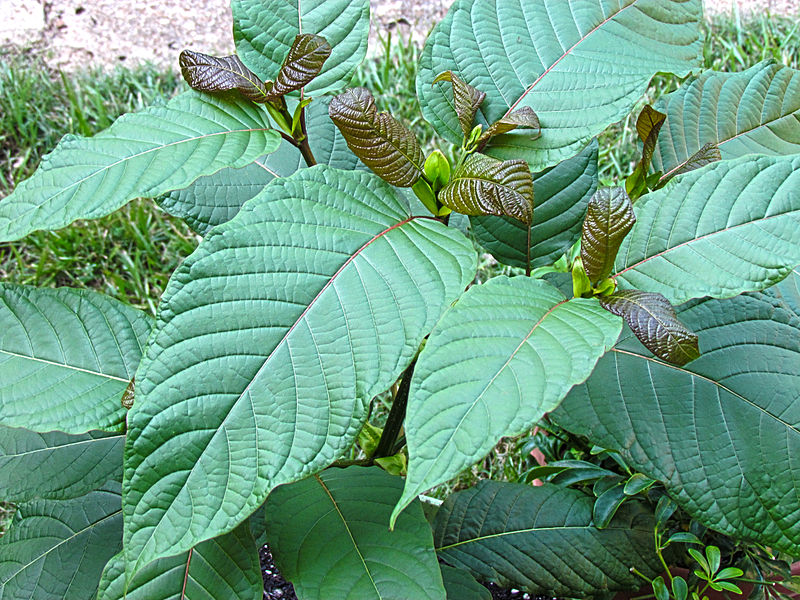
Kratom comes from the leaves of a tree that grows in southeast Asia, where it has been used for centuries as a natural stimulant and pain reliever. As a dietary supplement, kratom is loosely regulated in the United States, although federal agencies are engaged in a protracted public campaign against its use.

The FDA says kratom is addictive, has opioid-like qualities and is not approved for any medical condition. The agency has also released studies showing salmonella bacteria and heavy metals contaminating a relatively small number of kratom products. 

The CDC recently linked kratom to dozens of fatal overdoses -- although multiple substances were involved in nearly all of those deaths.

The Department of Health and Human Services (HHS) has recommended to the DEA that kratom be classified as a Schedule I controlled substance – alongside heroin and marijuana — which would effectively ban it nationwide.

“At some level, we do need to have better control over it,” says study co-author Lewis Nelson, MD, a Professor of Emergency Medicine at Rutgers New Jersey Medical School. “We know that (kratom) has two big uses out there. One of them is for people to get high and the other one is to treat opioid withdrawal. Those are the real reasons people use it.

“Whether its an opioid or not an opioid, people use it do things that they would typically do with opioids, like pain, get high, and treat withdrawal. I think empirically we know it has enough of an opioid-like character that it’s being marketed and used that way.”

Lewis said kratom should be scheduled as a controlled substance, but not under Schedule I. He thinks it may be more appropriate to classify kratom as a Schedule II or III drug, where it could still be available by prescription.

“I would like to see that. If they could show this drug has benefits and we could understand and moderate the risk, I don’t see why it couldn’t be used like any other drug,” said Lewis, who is a longtime critic of opioid prescribing.

Let’s create a safe product and let’s get it appropriately scheduled. Have it available by prescription. I don’t have a problem with that.
— Dr. Lewis Nelson

“Prove it works. Let’s create a safe product and let’s get it appropriately scheduled. Have it available by prescription. I don’t have a problem with that.”

But getting kratom approved by the FDA as a prescription drug would require years of clinical studies. Pharmaceutical companies may be reluctant to fund research on a natural substance that they may not be able to patent. And kratom users, long accustomed to buying it online or in smoke shops, dislike the idea of needing a doctor’s prescription.

In a 2016 PNN survey of over 6,400 kratom users, nearly 98 percent said they wanted kratom to remain available as a dietary supplement.  Over 70 percent said pharmaceutical companies should not be allowed to produce kratom-based drugs.  And nearly three out of four dispute the notion that it’s possible to get high from kratom.  

Lewis remains skeptical that people are not using kratom recreationally and that it should remain on the market as a dietary supplement.  

“I find it a little disingenuous to say we should leave this potentially unsafe drug on the market unregulated, just because some people already use it,” he told PNN.

Invisible Illness and Disability

By Mia Maysack, PNN Columnist

A final once over in the mirror. I straighten my navy-blue blazer and fastened the top button on the very first dress shirt I've ever owned, reflecting upon how grueling the process has been.

Pursuing a disability case was an absolute last option for me.  Being a contributing part of the workforce is something I not only enjoyed very much, but it made up part of my identity.

There were moments I was unsure if I'd even make it to this point, but I'm grateful to have an opportunity to exercise the right to represent myself at my disability hearing without a lawyer.

When sharing this viewpoint with others, I've mostly been advised against it but the route of legal assistance proved a dead end for me (see “Taking Control of My Disability Case”). Other recommendations included: Do not smile or dress nice, don't show much personality at all, or mention hobbies like volunteering because it could be considered contradictory to my claims.

Being differently enabled does not make me any less of a person so I refuse to act as such. It’s frustrating to feel as though you've got to convince others of your truth and, as hard as you try, they still may not “get it.”

I'm aware that my illnesses aren't visible to outsiders and because of that they are questioned. I showed up to provide an authentic glimpse as to what invisible illness can look like and how it has impacted my life.

I live in a constant state of post-infection intractable chronic migraine -- head pain that has never gone away since the year 2000. This pain is expected to be life-long and incurable.

There are also daily cluster headache attacks, which are an entirely different beast. The cherry on top comes in the form of my nerves being hyperactive, resulting in a diagnosis of fibromyalgia.

These conditions fluctuate. One day looks different than the next, but even at my absolute best there is still pain. Things can turn for the worse at any moment without warning and constant breaks are required for even simple tasks. I am not able to function optimally in a gainful work place environment, despite my countless attempts at trying.  

Between the nausea/vomiting, light sensitivity/vision disturbances, persistent fatigue, brain fogginess and the on-going discomfort, there hasn't been a single aspect of my life that has not been negatively impacted: relationships, activities of daily living, employment, higher education,  goals, dreams, aspirations....

I prolonged beginning the disability process due to the fact that I'm aware so many have it worse than me. I am thankful for my senses, mobility, the fact I can use the restroom on my own and feed myself, although there are periods daily when I can be entirely incapacitated.

Over the years, 34 prescriptions have been written for me -- all worsening matters as a result of the side effects. About 1,800 injections have been administered.

I now take full responsibility for my own wellness and have completely revamped my lifestyle to accommodate my conditions. I’ve also found a new passion for patient advocacy as a way to find a purpose in all of the agony, leading to the reality that I am my own best expert. It's empowering to be armed with knowledge on behalf of the millions who live with headache and migraine disorders.

While conveying this information at my hearing, I experienced more emotion than anticipated, especially when a friend took the stand to provide testimony as a witness. She reminisced on how we used to go dancing together and described how we could be so carefree. But over the years what seemed to have started as a slight hindrance turned into an everyday occurrence, rippling into less and less quality time spent. This took a toll on us both.  

I can only hope it came across that migraine matters, that it burdens us all, and everyone should care about disabilities because it only takes a slight change in circumstance to alter your life forever. I didn't choose to struggle every day with getting out of bed, to have much of my time flat out stolen, or to have many memories tainted by the relentlessness of my chronic pain.  

While awaiting word back on a decision, I cannot help but wonder. How many more times will they want to see and hear from me? I've already come thus far and I'm not giving up! 

Mia Maysack lives with chronic migraine, cluster headaches and fibromyalgia. Mia is the founder of Keepin’ Our Heads Up, a Facebook advocacy and support group, and Peace & Love, a wellness and life coaching practice for the chronically ill.

The information in this column should not be considered as professional medical advice, diagnosis or treatment. It is for informational purposes only and represents the author’s opinions alone. It does not inherently express or reflect the views, opinions and/or positions of Pain News Network.

Drug Maker Payments May Influence Gabapentinoid Prescribing

By Pat Anson, PNN Editor

There is growing attention being paid to doctors who accept money from pharmaceutical companies. A recent study, for example, found that doctors who receive direct payments from opioid manufacturers tend to prescribe more opioid medication than doctors who receive no such payments.

But another new study shows the same is true for doctors who prescribe an expensive class of non-opioid drugs that are widely used “off label” to treat chronic pain.

Researchers at Yale University and the University of Connecticut looked at Medicare Part D prescribing data for gabapentinoids from 2014 to 2016, comparing it with payments made to doctors from gabapentin manufacturers. Over the study period, about 51,000 physicians received $11.5 million from the drug makers, mostly for meals, beverages and gifts.

The researchers found that doctors who received the payments were more likely to prescribe a brand name gabapentinoid such as Lyrica (Pfizer), Gralise (Assertio) or Horizant (Arbor). These brand name drugs cost several hundred dollars for a one-month supply, compared to less than $20 for a one-month supply of a generic version. 

“Among physicians who prescribed gabapentinoids, receipt of payments from industry was associated with a higher likelihood of prescribing brand-name products than generic gabapentin,” researchers reported in JAMA Internal Medicine.

“Our findings raise concerns about the reasons some physicians prescribe brand-name gabapentinoids and not less-expensive generic alternatives.”

Generic drugs are generally just as effective as brand name drugs, but the differences in cost can be significant. For a Medicare beneficiary in 2016, about $2,500 a year was spent on a brand name gabapentin vs. just $89 for a generic version of the same drug.

“All of these studies have essentially the same finding -- that marketing to physicians is associated with increased sales of a company’s product and increased Medicare expenditures,” Robert Steinbrook, MD, UC San Francisco School of Medicine, wrote in a JAMA editorial.

“Association studies do not establish cause and effect, they do not account for other influences on prescribing, such as direct-to-consumer advertising, and they do not assess the appropriateness of prescriptions for individual patients. Nonetheless, the pattern is indisputable.”

Does your doctor accept industry payments? You can see for yourself on Medicare’s Open Payments database.

In addition to the costs involved, there is growing awareness that gabapentinoids are over-prescribed and not as effective for some chronic pain conditions.

The drugs were originally developed to prevent epileptic seizures, but their use has tripled over the past 15 years as more doctors prescribed them off label for a wide variety of pain conditions.

Our findings raise concerns about the reasons some physicians prescribe brand-name gabapentinoids and not less-expensive generic alternatives.
— JAMA Internal Medicine study

“Gabapentinoids have become frequent first-line alternatives in patients with chronic pain from whom opioids are being withheld or withdrawn, as well as in patients with acute pain who traditionally received short courses of low-dose opioid,” wrote Christopher Goodman, MD, and Allan Brett, MD, University of South Carolina School of Medicine, in a recent clinical review in JAMA Internal Medicine.

“The evidence to support off-label gabapentinoid use for most painful clinical conditions is limited. For some conditions, no well-performed controlled trials exist.”

Goodman and Brett said the 2016 CDC opioid guideline reinforces “an inflated view of gabapentinoid effectiveness” by asserting they are “first-line drugs” for neuropathic pain. Many patients who take gabapetinoids have side-effects such as dizziness or drowsiness, and there are increasing reports that the drugs are being abused and sold on the street.   

What’s Normal Now?

By Pat Akerberg, Guest Columnist

Trying to define what’s normal under any set of circumstances is tricky at best.  But whenever your personal version of normal has been hurled about and ripped apart by a medical tsunami, any sense of normalcy shatters.

Whether newly diagnosed or living with a progressive disorder, once our previous sense of normal falls apart, every unusual medical issue, complication or symptom that happens now begs the question: “Is this normal?”

That began in 2009 for me when trigeminal neuralgia (TN) hit. Then after a brain surgery to supposedly fix it failed miserably, my fragile normal collapsed like a house of cards. The disabling complications and surgical damage done forced me into premature retirement.

As my circumstances rapidly devolved, people tried to comfort me by defining the extreme changes in my world as my “new normal.” That likely comforted them more than it did me.

I’ve always bristled at the term “new normal” since TN struck. Why? Because “new” implies positive connotations of something fresh, without defects or problems. And the word “normal” suggests a typical or ordinary state that you can fit into.

Sounds nice. However, trying to characterize a rare, debilitating medical disorder or painful condition as orderly is like trying shove a distorted square peg into a round hole. Plus, a progressive neurological disorder like TN doesn’t offer some future state free from a flawed quality of life. When the nerve damage invariably progresses, complications follow. 

Medical Reality

That’s why I prefer to term my changing circumstances as my “medical reality” instead.  That descriptor fits my state of affairs better. 

When my medical reality changed dramatically, I initially started questioning whether the limitations I was experiencing might fit some other version of normal out there.

Examples of my questions follow. No doubt you have your own. I wondered if it was normal to:

  • Cancel plans and miss important occasions because my pain is so unpredictable

  • Family and friends to focus on how I look (“You don’t look sick”) versus the invisible suffering I endure

  • Watch some of them drift away when I wasn’t getting better

  • Find myself having to explain or defend my medical reality more than I’d like

  • Have occasional “brain fog” that causes me to question myself

  • Become exhausted dealing with constant pain and lack of sleep

  • Need more help with some things when I never did before

  • Have priorities, interests, motivations or some facets of my personality change

  • Question how relevant I am or indulge in pity parties on bad days

I can attest that these questions can dig deep at the identity level. From my experience, the best answers to them don’t just pop up readily either. Instead you have to live into them – so they are believable… so they are yours. Making them yours is the point.

It helps if you are able to connect with others who share your medical reality. Then you can share, compare notes and support each other.

Hard Won Answers

At times even your own medical professionals may not be able to answer what might constitute normal in your case. Though they may have familiarity with your diagnosis, how it plays out may vary widely from person to person.

Working with a qualified counselor or therapist can also go a long way towards discovering what is true for you.  It helped reinforce that I’m the one who has my best answers.

These are two of my hard-won answers that work for me when I get frustrated by limitations:

  1. It is what it is… for now.

  2. When I can, I do. When I can’t, I don’t.

After a period of wrestling with a former healthy version of normal and a medically altered one, a personal clarity emerges – normal has become medically relative. 

What’s normal for your unique medical circumstances isn’t relative to anyone who doesn’t share that same medical reality.  And vice versa.

Eventually I concluded that it wasn’t helpful to question my altered state or try to measure up to an old paradigm of normal. That shift in mindset translated to permission to pursue a host of ways for me to compensate, accommodate and re-frame my daily living to better fit my medical reality.

The strategies that took shape from that shift are geared towards improved functioning and minimizing stress.  They lead to more realistic plans or expectations and pinpoint the kinds of help you may need.

Self Preservation Skills

As you work your way through normalcy questions into ways to redefine them, my experience has been that a more formidable self takes shape – one better skilled at self-preservation. Progress to that end doesn’t necessarily follow a linear or predictable fashion. 

The good news is that you learn to shift focus toward what’s within your control – and away from what isn’t. From this more fitting “work-arounds” emerge.

These proactive countermeasures act like seeds that create fertile ground for hope to take root.  While hope may not be a strategy on its own, it often provides the intangible fuel to press on.

One thing is certain – judging yourself as coming up short compared to some phantom reality definition of normal adds no positive value to your life.  

So, rather than submitting to bogus notions that medical deficits can reduce the measure of your humanity, give yourself kudos instead as your spirit and determination prevail over them. 

Pat Akerberg suffers from trigeminal neuralgia, a rare facial pain disorder. Pat is a member of the TNA Facial Pain Association and serves as a moderator for their online support forum. She is also a supporter of the Trigeminal Neuralgia Research Foundation.

The information in this column should not be considered as professional medical advice, diagnosis or treatment. It is for informational purposes only and represents the author’s opinions alone. It does not inherently express or reflect the views, opinions and/or positions of Pain News Network.

Cannabis Effective in Treating Fibromyalgia

By Pat Anson, PNN Editor

Cannabis significantly reduces pain and improves quality of life for patients with fibromyalgia, according to Israeli researchers who conducted one of the first studies to look at the effectiveness of cannabis in treating fibromyalgia.

Nearly 300 patients diagnosed with fibromyalgia completed the 6-month study at a Tel Aviv clinic. Participants suffered from fibromyalgia symptoms for a median length of seven years and nine out of ten reported constant daily pain. Fibromyalgia is characterized by widespread body pain, fatigue, poor sleep, anxiety and depression. Standard treatments for fibromyalgia often prove to be ineffective.

"It is commonly accepted that chronic pain can be treated with cannabis, but there is scarce evidence to support the role of medical cannabis in the treatment of fibromyalgia specifically," says Lihi Bar-Lev Schleider, head research scientist at Tikun Olam, a cannabis producer that sponsored the study.

Patents began with a low dose of cannabis every 3-4 hours that was gradually increased until it had a therapeutic effect.

Participants were treated with two Tikun Olam strains of cannabis; the high-THC “Alaska” strain and the high-CBD “Avidekel” strain, which has virtually no THC.  Both strains are available as a tincture, topical oil or for use in a vaporizer.

Over 80 percent of the patients reported at least moderate improvement in their pain. At the start of the study, the median pain level for patients on a 1 to 10 scale was 9, but after six months the median pain level was reduced to 5.

In addition to lower pain intensity, nearly 93 percent of patients said they slept better and about 80 percent said there was improvement in their depression. Nearly two-thirds said their quality of life was good or very good. Appetite and sexual activity also improved.

The most common side effects were relatively minor, including dizziness, dry mouth and gastrointestinal symptoms.

“Our data indicates that medical cannabis could be a promising therapeutic option for the treatment of fibromyalgia, especially for those who failed on standard pharmacological therapies. We show that medical cannabis is effective and safe when titrated slowly and gradually,” researchers reported in the Journal of Clinical Medicine.

“Considering the low rates of addiction and serious adverse effects (especially compared to opioids), cannabis therapy should be considered to ease the symptom burden among those fibromyalgia patients who are not responding to standard care.”

During the study, about one out of five patients either stopped or reduced their use of opioid pain medication or benzodiazepines while taking cannabis.

Medical marijuana has been legal in Israel since the early 1990s. A recent survey found about 27 percent of Israeli adults have used cannabis in the past year, one of the highest rates in the world.

Teaching Children How to Cope with Pain

By Dr. Lynn Webster, PNN Columnist

Summer is upon us and so is trauma season. Emergency room visits for children with traumatic injuries can double during the summer. Potential injuries range from insect and animal bites to serious bicycle and ATV injuries.

This means parents will be on the front line, triaging each event to determine which injury needs medical treatment and which requires "only" emotional support.

A mother recently asked newspaper advice columnist Amy Dickinson about the best way to handle her toddler's pain. The mother was seeking suggestions from a stranger because she disagreed with her husband’s approach. She wanted to learn the "right" way to respond to her child's injuries.

The mother said she felt the need to provide the hurt child with ice packs and hugs, regardless of the extent of the injury, because that felt nurturing and productive.

On the other hand, the father thought his wife was making too big of a deal out of their child's pain. He believed that coddling children deprived them of the opportunity to grow into self-sufficient, resilient adults.

The columnist advised the mother that "tender gestures are an important part of parenting." Show your children that you care about their pain, Dickinson suggested, but don't turn each incident into a melodrama.

The mother's question grabbed my attention, because treating a child's pain is an omnipresent issue with far-reaching implications. By the time they reach age five, children have developed the way they will address adversity for the rest of their lives. Obviously, how a parent responds to a child’s injury -- their attitudes and behaviors -- is part of the culture that helps children form that foundation.

Options in Soothing a Child’s Pain

An overly doting, anxious parent can reinforce a hyperbolic response to pain that has little to do with the actual injury. A small "ouchie" can become a catastrophic event, and that may contribute to learned anxiety and the perception of greater pain.

On the other hand, ignoring an injury can lead to more aggressive attention-seeking behavior. Children need to know that an empathetic adult cares, even if the injury is relatively minor. Feeling safe positively influences a child's experience of adversity.

Children who have the emotional and cognitive ability to understand and determine their response to an injury generally suffer less. This is self-efficacy, and it allows the child to feel in control.

It's important to help children master their response to pain in age-appropriate ways. Of course, you comfort your pre-verbal children with a calm, measured voice and attitude. When children can communicate verbally, you can begin asking them whether their injury is a big one or small one. Then ask the children how they can make themselves feel better. This is how to nurture their resilience.

Accepting Pain

Experts who study why some people seem to handle pain better than others believe that acceptance plays a major role. There are two kinds of acceptance: acceptance with resignation and acceptance with resilience. 

Acceptance with resignation, or learned helplessness, steals hope more thoroughly than pain itself can do. A resigned person feels incapable of solving the problem and simply gives up.

Acceptance with resilience, on the other hand, makes it possible for a person to reinvent himself or herself to resolve the problem.

Children must learn how to accept pain with resilience so they can quickly, and without drama, move on from it. This requires a mutually caring relationship with the parent or guardian.

Big hurts, medium hurts, and small hurts may require different treatment, but not necessarily a different emotional response. Fundamentally, children must realize that everyday hurts are problems with solutions.

I recently watched my daughter instinctively demonstrate this behavior. My granddaughter, Gracie, fell and bumped her knee. The three-year-old began to cry. My daughter then asked Gracie: “is it a "big ouchie" or a "small ouchie?"

The question redirected Gracie’s attention. To my surprise, Gracie answered in a soft and shaky voice, “a small one.” Gracie received a hug from her mom and seemed to forget about the incident.

The Goal Is a Resilient Child

Pain is part of growing up. Parents cannot prevent injuries from occurring with their children, but they can model how to accept the injury with resilience.

To paraphrase Viktor Frankl, we have the power to choose our response to adversity. Relying on ourselves gives us control over our behaviors and happiness.

When parents can model self-efficacy without dismissing a child’s fears or insecurities; the result will be a resilient child who is able to experience pain as part of life, but not mistake it for life itself. 

Lynn R. Webster, MD, is a vice president of scientific affairs for PRA Health Sciences and consults with the pharmaceutical industry. Lynn is a former president of the American Academy of Pain Medicine, author of the award-winning book “The Painful Truth” and co-producer of the documentary “It Hurts Until You Die.”

You can find him on Twitter: @LynnRWebsterMD.

The information in this column should not be considered as professional medical advice, diagnosis or treatment. It is for informational purposes only and represents the author’s opinions alone. It does not inherently express or reflect the views, opinions and/or positions of Pain News Network.

Indonesia May Ban Kratom Exports

By Pat Anson, PNN Editor

A possible ban on the growth and export of kratom in Indonesia is raising alarm among kratom users in the U.S. and around the world.  About 95% of the world’s supply of kratom comes from Indonesia, where the herbal supplement has become a lucrative cash crop.

Kratom leaves are harvested from a tree that grows in southeast Asia, where it has been used for centuries as a natural stimulant and pain reliever. In recent years, millions of Americans have started using kratom to treat pain, addiction, anxiety and depression.

Kratom advocates say the U.S. Food and Drug Administration – which opposes the use of kratom for any medical condition – has been lobbying the Indonesian government to ban kratom farming. Current plans by the Indonesian Ministry of Health call for a 5-year transition period to allow kratom growers to shift to other crops.

“If this ban is allowed to go into effect, it will effectively end consumer access to kratom in the United States, and the FDA won’t have to do anything more to declare victory in the War on Kratom,” said C. M. “Mac” Haddow, a lobbyist for the American Kratom Association (AKA), a group of kratom vendors and consumers.

“Even if some black-market kratom gets into the United States after the Indonesian ban goes into effect, it will be so expensive that only the uber-rich will be able to afford it. And it will likely be extremely dangerous to consume because there will be no standards on growing, harvesting, and shipping.”

FDA Denies Involvement

An FDA spokesman said the agency has “inquired” about kratom in Indonesia, but denied making any effort to have it banned.

“The FDA has inquired to understand the current status of kratom under Indonesian law. However, the FDA has not advocated either formally or informally about a change in law in Indonesia or any other country relative to kratom,” the spokesman said in an email to PNN.

The AKA sent a delegation to Indonesia last month to meet with the Ministry of Health and other government officials. Among the attendees was Duncan Macrae, the founder of Kratom.com and one of the first commercial growers of kratom in Indonesia. Macrae told PNN the initial meeting went well.

“When we left Jakarta we were given the green light that there would always be a legitimate path to export kratom even though the Indonesian government will almost definitely regulate and make kratom illegal for domestic use in Indonesia,” Macrae wrote in an email. “Unfortunately, since there was some (in my opinion) unnecessary outreaching to other departments such as the Agriculture & Quarantine department and also the department of trade, this has stirred up another hornet’s nest.” 

According to the AKA, the Ministry of Agriculture sent a memo in the past week to various agencies in the Indonesian government recommending the ban on kratom be formalized at all levels of government.  

Macrae fears that kratom will also be classified as an illegal controlled substance in Indonesia, which would effectively ban its growth and export.  

Was the FDA involved? For sure yes! Unfortunately, this went through the U.S. embassy in Jakarta as well.
— Duncan Macrae, Kratom Supplier

“This means it has no scientific or medicinal use and will even prevent further research from being done on the plant in Indonesia,” said Macrae. “Was the FDA involved? For sure yes! Unfortunately, this went through the U.S. embassy in Jakarta as well.” 

A leading Indonesian politician called on the government to ignore the “world health mafia” and conduct research on the risks and benefits of kratom before banning it.

"Once again the government does not play a ban without doing deep professional research. It is tantamount to throwing away the nation's own assets. In the end Indonesia will only be an importer of finished products from kratom leaves," Daniel Johan, Deputy Chairperson of the House of Representatives, told a local news agency. "Indonesia must master its downstream products so that it is truly beneficial for the people of Indonesia and the world, so that we do not even enter the format of world health mafia war."

Kratom is already banned for domestic use in Indonesia, although the export of raw kratom product is allowed. In 2016, about 400 tons of kratom were shipped every month from Indonesia’s top growing region -- worth about $130 million annually, according to a report from Agence France-Presse. Most of those exports went to the U.S.

The FDA has linked kratom to dozens of fatal overdoses -- although multiple substances were involved in nearly all of those deaths. The FDA has also found salmonella bacteria and heavy metals in a relatively small number of kratom products. 

Last year, the Department of Health and Human Services (HHS) recommended to the DEA that kratom be classified as a Schedule I substance – which would effectively ban it nationwide. Currently, the DEA doesn't even list kratom in its annual report on drug threats. 

The AKA is planning to send another delegation to Indonesia this month to lobby against a kratom ban.

Opioid Addiction Rates Redux

By Roger Chriss, PNN Columnist

The Oklahoma opioid trial is garnering attention for what could be a pivotal role in determining the liability of Johnson & Johnson and other drug makers in the opioid crisis. A key point hinges on a seemingly simple question: What percentage of people on long-term opioid therapy develop addiction?

Dr. Timothy Fong, a UCLA psychiatrist and defense expert, refuted claims by prosecution witness Dr. Andrew Kolodny that people who take opioid pain medication over extended periods have a 25% chance of becoming addicted. Fong said other studies suggest that patients who take opioids over long periods might have addiction rates closer to 1 to 3 percent.  

There is an extensive literature on these estimates, including NIH studies and published research from leading experts. I covered some of them in a PNN column last year (see “How Common Is Opioid Addiction?”)

“The best and most recent estimate of the percentage of patients who will develop an addiction after being prescribed an opioid analgesic for long-term management of their chronic pain stands at around 8 percent,” NIDA director Nora Volkow, MD, told Opioid Watch.

Why are there so many different estimates? There is an important distinction between the incidence and prevalence of a medical condition. Briefly, incidence represents the probability of occurrence of a given medical condition in a population within a specified period of time. In contrast, prevalence gives the proportion of a particular population found to be affected by a medical condition.

The distinction is not just semantics and is critical in epidemiology. As explained in Physiopedia, “incidence conveys information about the risk of contracting the disease, whereas prevalence indicates how widespread the disease is.”

Besides obvious difficulties in determining incidence (the necessary clinical trials will never receive approval) and measuring prevalence (the required public health monitoring is well beyond our current capability), we instead have to rely on proxy measures derived from prescription drug databases, medical records and surveys.

We also have to make decisions about the “specified period of time” when determining incidence and the assessment of the “medical condition’ for prevalence.

There is no universally agreed upon time frame for the development of addiction or opioid use disorder after opioid initiation, whether medical or non-medical. Similarly, the definition of opioid use disorder has evolved over the years.

Further, in many cases incidence and prevalence are calculated based on assumptions made by researchers. For instance, in an Annual Review of Public Health article co-authored by Dr. Kolodny, a 2010 study is cited that found 26% of chronic pain patients met the criteria for opioid dependence and 35% met the criteria for opioid use disorder. This seems to be the source of the 25% claim used by Kolodny in the Oklahoma opioid trial.

But the 2010 study doesn’t distinguish between incidence and prevalence. It is also not clear how many of the surveyed pain patients had an opioid use disorder diagnosis before the onset of medical opioid therapy.

A similar critique can be levied against the authors of a 1980 letter in The New England Journal of Medicine that claimed opioid addiction was rare in pain patients. Some have claimed publication of the letter helped launch the opioid crisis. 

The problem with all of these studies is that they are retrospective in nature, limited to a particular patient population, and constrained by the diagnostic criteria in use at the time. And the estimates derived from such studies do not necessarily implicate or exonerate Johnson & Johnson.

Moreover, it is possible that addiction rates have varied over time and were influenced by factors that were not yet understood or even known. For example, recent research has found an association between opioid overdoses and drug diversion among family and friends, cold weather, altitude above sea level, and medical cannabis legalization.

The NIH work that Dr. Volkow refers to in her Opioid Watch interview works to account for all of these factors. So as Volkow stated last year, the “best and most recent estimate" stands at about eight percent. Improved public health surveillance, epidemiological research, and patient monitoring may shift this number up or down, and will increase confidence in the estimate.

Roger Chriss lives with Ehlers Danlos syndrome and is a proud member of the Ehlers-Danlos Society. Roger is a technical consultant in Washington state, where he specializes in mathematics and research.

The information in this column should not be considered as professional medical advice, diagnosis or treatment. It is for informational purposes only and represents the author’s opinions alone. It does not inherently express or reflect the views, opinions and/or positions of Pain News Network.

Disabled Workers and Chronic Pain Patients Need a Voice in Congress

By Amanda Siebe, Guest Columnist

I’ve always wanted to serve my community. Nine years ago, I thought the best way to do that would be as an EMT and firefighter. I wanted to be there for people in their hour of need to provide help and comfort. But in 2011, that goal came to an abrupt end.

While working as a restaurant manager, I fell and badly sprained my ankle. What should have been six weeks of recovery turned into full body Reflex Sympathetic Dystrophy (RSD). Because my employer placed more value on profits than they did on my health and safety, I continued to work in the kitchen, repeatedly slipping and falling before abandoning my crutches.

That simple injury ended up taking my dignity, financial stability, and eventually it will take my life. All because my employer didn’t have another manager to run the restaurant while I recovered.

Because of my disability, I never thought much about running for political office. But as I watched the lack of representation the disabled community has and felt the impact policies and funding cuts have on my life, I began to wonder: How could I not run?

I may not have the body that I once did, but my mind and passion are still sharp, as is the case with many disabled individuals. My wheelchair has not made me any less of a person or any less deserving of a representative who looks like me and understands my plight.

So here I am, taking a stand to say that while we may be disabled, we’re still worthy of quality life and pursuit of happiness.

I’m running in the 2020 election as a Democrat in Oregon’s 1st Congressional District to fight for the care and benefits we deserve and were promised.

Federalize Workers Compensation

AMANDA SIEBE

As a disabled worker, I was assured there was a safety net to catch us if we got hurt, but I quickly realized that’s not the case. We aren’t told that workers compensation is run by private insurers who have more loyalty to their shareholders than to injured workers. These companies increase profits by denying injured workers medical care, leaving them to suffer as they fight to justify every treatment, medication and benefit.

Currently, each state dictates the worker compensation laws these companies follow, resulting in injured workers getting better treatment in some states than in others. A worker in New York is no more valuable than a worker in Alabama. That’s wrong and must change.

We must end this system of profits over people. We need to federalize workers compensation and prevent lobbyists and private interest groups from ripping apart our safety net. Workers who give their time, bodies and lives to employers must receive the care and respect they deserve.

End Forced Tapering of Pain Patients

Patients with chronic and debilitating pain have been hit especially hard during the opioid crisis. Patients on stable doses of prescription opioids for years are being forcibly tapered and left to suffer. Less than 3% of chronic pain patients become addicted to opioid medication, but doctors are still taking many patients off of these drugs.

When patients are forcibly tapered without properly managing their pain, it forces some to turn to the bottle, the street or suicide for pain management. Thousands have already died as a result of losing their opioids. This must stop.

Increase Disability Payments

After my injury, I went from being the family breadwinner, earning about $50,000 a year, to trying to survive on $735 a month. Young disabled people are especially hard hit because we don’t have decades of high-earning work history to draw on, resulting in lower benefits. That’s if they can even get on SSDI. Those who become disabled before 45 often won’t get approved for disability or have to fight for years to get it.

We must stop using age as a determinate of disability. If disability doesn’t discriminate based on age, then neither should our government.

Currently, there are 554,000 homeless people in our country. Of those, 40% are disabled and 30% are elderly. The average Social Security Disability benefit is $880, while the average rent for a 1-bedroom apartment in Portland, Oregon is $1,400.

It’s no wonder when our government pays starvation wages as a benefit that so many disabled and elderly become homeless. We can reduce our nation’s homeless rate by over half just by making SSI and SSDI comparable to a living wage. We must ensure our most vulnerable citizens have a basic quality of life, too.

IMAGE BY NATALIE BEHRING

The disabled community needs many other things that have gone ignored by Congress. While the Americans With Disabilities Act of 1994 was a huge step forward, it hasn’t been updated in 25 years. We need the ADA to match the knowledge and technology of today.

Many people provide care to disabled family members while still holding down a full-time job. It’s time we paid these family caregivers, who save insurers and healthcare providers hundreds of billions of dollars each year. Paying them would give needy families financial stability and independence.

Medicare For All

We’re an important voice in the healthcare debate and we need to be part of the conversation. If we are to have Medicare For All, then it needs to cover all conditions, all medications and all medically necessary treatment for all patients. Medicare as it currently stands is underfunded and not good enough. We need to fight for universal healthcare coverage so patients no longer have to fight for proper care.

Even though 1 in 5 adults are disabled, we are sorely under-represented in Congress. We need representatives who understand the unique situations and problems we face. We’ve been forced to sit on the sidelines as others decide our care, benefits and future. It’s time we had a say.

For too long, we’ve been victims of circumstance — told that we can’t run for office because our bodies prevent us from giving everything we have. That’s a lie.

Running for Congress isn’t what I thought I’d do be doing with the time I have left, but everyone deserves representation. We’re a part of this country and it’s time we were treated as such. It’s time for the disabled community to unite and be represented. We deserve better. 

Amanda was diagnosed in 2012 with Reflex Sympathetic Dystrophy (RSD), also known as Complex Regional Pain Syndrome (CRPS). Since her diagnosis, she has advocated for chronic pain and disability rights. In 2016, Amanda was the recipient of the WEGO Health Advocate Rookie of the Year Award.

Amanda has dedicated her life to improving her community and has fought to teach her 11-year-old son, Keagan, the same. Further information about Amanda’s congressional campaign can be found on her website.

The information in this column is for informational purposes only and represent the author’s opinions alone. It does not inherently express or reflect the views, opinions and/or positions of Pain News Network.

Canadian Doctors Prescribe Opioids to Keep Patients Off Street Drugs

By Pat Anson, PNN Editor

So-called “safe injection sites” – supervised clinics where intravenous drug users can inject themselves -- remain controversial in the U.S. Efforts to establish such sites in San Francisco and Philadelphia are mired in political and legal opposition.

But supervised injection sites are already operating in several Canadian cities, where they are seen as an important resource in reducing the risk of overdose and getting drug users into treatment.

Some Canadian doctors, however, believe the injection sites leave out a key population – illicit drug users who don’t normally inject drugs. Rather than run the risk of those patients turning to risky street drugs, they are prescribing opioid medication to them.

“We have to be willing to step outside of our comfort zone and out of the medical establishment comfort zone and say that we need to keep people alive,” Dr. Andrea Sereda, a family physician at the London Intercommunity Health Centre in Ontario told Global News.

Sereda is prescribing hydromorphone tablets to about 100 patients, most of whom were homeless and using street drugs. So far there have been no fatal overdoses, half the patients have found housing, and they have regular contact with healthcare providers.

“It’s not just a prescription for pills, but it’s a relationship between myself and the patient and a commitment to make things better,” Sereda said. “That involves me taking a risk and giving them a prescription, but it also involves the patient committing to doing things that I recommend about their health and us working together.”

Sereda says her “safer supply” program is only intended for patients who have failed at addiction treatment programs where methadone or Suboxone are usually prescribed.

A similar pilot program recently began at a Vancouver clinic, where hydromorphone tablets are given to about 50 patients, who ingest them on site under staff supervision. At another clinic in Toronto, hydromorphone is prescribed to 10 patients who would normally rely on the black market, where drugs are often tainted with illicit fentanyl or its lethal chemical cousin, carfentanil.

“I’ve had people who, literally, their urine is just all carfentanil,” Dr. Nanky Rai, a physician at Parkdale Queen West Community Health Centre told Global News. “That’s really what terrified me into action.”

Other physicians are warming up to the idea. Last week over 400 healthcare providers and researchers sent an open letter to Ontario Premier Doug Ford asking that high dose injectable hydromorphone be made widely available to illicit drug users.

“We could rapidly implement hydromorphone prescribing,” Jessica Hales, a Toronto nurse practitioner, said in a statement. “Clients want this. Prescribers are eager to deliver it. But it is not covered under the Ontario Public Drug Plan, which is how almost all of my clients access prescription drugs.”

What About Pain Patients?

But patient advocates say the safe supply movement should be expanded to include pain patients who have lost access to opioid medication or had their doses drastically reduced.

“The Chronic Pain Association of Canada fully endorses the safe supply initiative, but asks why we’re helping one group while hurting the other, pointlessly. Safe supply is equally critical for the million or so unfortunate Canadians, including children, who suffer high-impact chronic pain and can no longer obtain the drugs they need,” Barry Ulmer, Executive Director of the Chronic Pain Association of Canada, said in a statement. 

“These patients have long been sustained by the pharmaceuticals and don’t abuse them. But now they’re routinely forced down or completely off their medications, blamed for overdoses they have no part in.”

Some pain patients are turning to street drugs. In PNN’s recent survey of nearly 6,000 chronic pain patients in the United States, eight out of ten said they are being prescribed a lower dose or that their opioid prescriptions were stopped. Many are turning to other substances for pain relief. About 15 percent have obtained opioid medication from family, friends or the black market, or used street drugs such as heroin and fentanyl.

“I know seven people personally that have gone to the streets to get pain relief. Four of them died because it was mixed with fentanyl. Two committed suicide,” one patient told us.

“I have been without a prescription for two years and have been getting medication on the street. I cannot afford this and I have no criminal history whatsoever. I have tried heroin for the first time in my life, out of desperation and thank God, did not like it,” wrote another patient.

Barry Ulmer says these patients need a safe supply too.

“Prescribing opiates safely to those with addiction makes sense. But simultaneously denying legitimate pain patients their medications doesn’t. It’s pointless — and cruel. Let’s give people with pain the same respect and care we give people with addiction,” he said.

Study Finds Antidepressants Make Tramadol Less Effective for Pain Relief

By Pat Anson, PNN Editor

Common antidepressants interact with the opioid medication tramadol to make it less effective for pain relief, according to a small new study from University Hospitals (UH) in Cleveland. The findings suggest that some patients who exceed their prescribed dose of tramadol may be under-medicated and are seeking more effective pain relief.

Prescriptions for tramadol – which is sold under the brand names Ultram and ConZip – have increased in recent years because it is widely perceived as a “safer” opioid with less rick of addiction. Many patients, however, say tramadol is not as effective as hydrocodone, oxycodone and other opioids.  

UH researchers reviewed the prescription records of 152 patients who received tramadol for at least 24 hours.

Those patients who were also taking the antidepressants Prozac (fluoxetine), Paxil (paroxetine) or Wellbutrin (bupropion) required three times more tramadol per day to control their breakthrough pain, compared to patients not taking the antidepressants.

Previous studies on healthy volunteers have shown effects on blood levels when combining tramadol with those particular antidepressants. However, this was the first study to document the effects of this interaction in a real-world setting with pain patients.

"We knew that there was a theoretical problem, but we didn't know what it meant as far as what's happening to pain control for patients," said Derek Frost, PharmD, a UH pharmacist and lead author of the study, which was published in the journal Pharmacotherapy.

Frost says millions of Americans may be suffering the ill effects of this drug-to-drug interaction.

"Tramadol relies on activation of the CYP2D6 enzyme to give you that pain control," Frost said. "This enzyme can be inhibited by medications that are strong CYP2D6 inhibitors, such as fluoxetine, paroxetine and bupropion.

“Many chronic pain patients are taking antidepressants, mainly selective serotonin reuptake inhibitors (SSRIs), which many of these CYP2D6 inhibitors fit into. There are a lot of patients who experience both, unfortunately. The likelihood that somebody on one of these offending agents and tramadol is relatively high."

Frost says the problem has a relatively easy fix.

"We have a lot of other antidepressants available that are in the same class of medication that don't inhibit this particular enzyme, such as Zoloft (sertraline), (Celexa) citalopram and Lexapro (escitalopram)," he said. "You also have other options for pain control - non-opioid medications such as NSAIDs. If we need to use opioids, a scheduled morphine or a scheduled oxycodone would avoid this interaction."

Tramadol is a synthetic opioid that was rescheduled by the Drug Enforcement Administration in 2014 as a Schedule IV controlled substance, a category that means it has a low potential for abuse. That same year, hydrocodone was rescheduled as a Schedule II drug, meaning it has a high potential for abuse. Many patients who were taking hydrocodone were switched to tramadol as a result of the rescheduling.

American Pain Society Files for Bankruptcy

By Pat Anson, PNN Editor

The American Pain Society (APS) filed for bankruptcy Friday after an overwhelming vote by its members to dissolve the financially troubled medical organization. In a membership vote last month, 93% voted in favor of a recommendation by the APS board of directors to file a voluntary petition for Chapter 7 bankruptcy.

The APS is a non-profit, research-based organization that focuses on the causes and treatment of acute and chronic pain. Although many of its members are researchers and academics who are investigating non-opioid treatments for pain, the APS was targeted as a defendant by Simmons Hanly Conroy and several other law firms seeking to recover billions of dollars in damages in opioid litigation cases.

In a press release, APS said efforts to resolve the “meritless” lawsuits without lengthy and expensive litigation were unsuccessful.

“It’s the perfect storm and now pointless to continue operations just to defend against superfluous lawsuits.  Our resources are being diverted to paying staff to comply with subpoenas and other requests for information and for payment of legal fees instead of funding research grants, sponsoring pain education programs, and public policy advocacy,” APS President William Maixner, DDS, said in a statement.

“As a result, the Board of Directors no longer believes APS can continue to fulfill its mission and meet the needs of our members and the pain care community.”

Press coverage of the APS often parroted what the opioid lawsuits alleged. The Guardian, for example, called the APS a “pawn of big pharma” and claimed the organization “pushed doctors to prescribe painkillers.”

The Guardian’s coverage was based largely on a report by Sen. Claire McCaskill (D-MO), who accepted over $400,000 in campaign donations from Simmons Hanly in her failed bid for re-election in 2018. APS is named as a defendant in several opioid lawsuits filed by Simmons Hanly, which stands to make hundreds of millions of dollars in contingency fees if the lawsuits are successful. The Guardian failed to mention any connection between Simmons Hanly and McCaskill.

The APS’ bankruptcy filing likely brings an end to its monthly publication, The Journal of Pain, which has been rated among the top five scientific journals in pain science. The current issue features research articles on diverse topics such as meditation for low back pain, diagnostic codes for fibromyalgia, whether opioids are effective for chronic noncancer pain, and the use of virtual reality to relieve arm pain.

“APS has been advocating for increased investment in research for many years, and it is particularly ironic that APS’s voice will go silent at this critical time in our history, when increased investment in pain research has finally become a reality in an effort to combat the opioid crisis,” said Roger Fillingim, PhD, an APS past president and professor of psychology at the University of Florida School of Dentistry.  

“There is a sad irony that the professional organization best poised to provide the spectrum of science to improve the prevention and treatment of pain and related substance abuse is defunct,” said APS President-elect Gary Walco, PhD, director of pain medicine at Seattle Children’s Hospital.

“Now, more than ever, our nation needs the collective efforts of leading scientists and clinicians who hold patients’ well-being at the highest premium.  The principal focus on punishing those in industry that may have contributed to the problem is shortsighted and far from sufficient.”

The APS is the second professional pain management organization to cease operations this year. In February, the Academy of Integrative Pain Management (AIPM) also shutdown. Opioid litigation has not only been costly for APS and AIPM, it has contributed to steep declines in financial support from pharmaceutical companies for other pain organizations, medical conferences and patient advocacy groups.