
Pain Relief Hard to Find for Sickle Cell Patients

By Sam Whitehead, WABE

India Hardy has lived with pain since she was a toddler — ranging from dull persistent aches to acute flare-ups that interrupt the flow of her normal life.

The pain is from sickle cell disease, a group of genetic conditions that affect about 100,000 people in the U.S., many of them of African or Hispanic descent.

Sitting in the afternoon heat on her mom’s porch in Athens, Georgia, Hardy recollected how a recent “crisis” derailed her normal morning routine.

“It was time for my daughter to get on the bus, and she’s too young to go on her own,” Hardy recalled. “I was in so much pain I couldn’t walk. So, she missed school that day.”

Sickle cell disease affects red blood cells, which travel throughout the body carrying oxygen to tissues. Healthy red blood cells are shaped like plump and flexible doughnuts, but in people with sickle cell disease, the red blood cells are deformed, forming C-shaped “sickles” that are rigid and sticky.

These sickle-shaped cells can cause blockages in the blood vessels, slowing or even stopping normal blood flow. An episode of blockage is known as a sickle cell “crisis” — tissues and organs can be damaged because of lack of oxygen, and the patient experiences severe spells of pain.

‘It’s Like Torture’

Hardy tries to manage these crises on her own. She’ll take a hot bath or apply heating pads to try to increase her blood flow. Hardy also has a variety of pain medications she can take at home.

When she has exhausted those options, she needs more medical help. Hardy would prefer to go to a specialized clinic for sickle cell patients, but the closest is almost two hours away, and she doesn’t have a car.

So, Hardy often goes to the emergency room at nearby St. Mary’s Hospital for relief. Until recently, the doctors there would give her injections of the opioid hydromorphone, which she says would stop her pain.

Then, some months ago, the emergency room changed its process: “Now they will actually put that shot in a bag which is full of fluids, so it’s like you’re getting small drips of pain medicine,” Hardy said. “It’s like torture.”

INDIA HARDY (JOHNATHON KELSO FOR WABE)

It’s the same for her brother, Rico, who also has sickle cell disease and has sought treatment at St. Mary’s. The diluted medicine doesn’t give the same pain relief as a direct injection, they say.

Concerns About Addiction

St. Mary’s staffers explain that they’re trying to strike a balance with their new treatment protocol between adequate pain treatment and the risk that opioid use can lead to drug dependence.

It’s a local change that reflects a national concern. More than 47,000 Americans died in 2017 from an overdose involving an opioid, according to the Centers for Disease Control and Prevention. Most of those deaths involve an illicit opioid such as heroin, but the rising death toll prompted many hospitals to rethink how they administer opioid medications, including how they treat people, such as Hardy, who suffer from episodes of severe pain.

“We have given sickle cell patients a pass [with the notion that] they don’t get addicted — which is completely false,” said Dr. Troy Johnson, who works in the emergency room at St. Mary’s. “For us to not address that addiction is doing them a disservice.”

Johnson proposed the ER’s shift to intravenous “drip delivery” of opioids for chronic pain patients because of personal experience. His son has sickle cell disease, and Johnson said he has seen firsthand how people with the disease are exposed to opioids when very young.

“We start creating people with addiction problems at a very early age in sickle cell disease,” Johnson said.

He brought his concerns to the director of the ER, Dr. Lewis Earnest, and found support for the change. Hospital officials say they also consulted national guidelines for treating sickle cell crises.

“We’re trying to alleviate suffering, but we’re also trying not to create addiction, and so we’re trying to find that balance,” Earnest said. “Some times it’s harder than others.”

St. Mary’s says the new IV-drip protocol is for all patients who come to the emergency room frequently for pain, and most of their sickle cell patients are fine with the change.

Caught in the Crossfire

The national guidelines cited by St. Mary’s also say doctors should reassess patient pain frequently and adjust levels of opioids as needed “until pain is under control per patient report.”

Some people who work closely with sickle cell patients, upon hearing about the new approach to pain management at St. Mary’s, called it “unusual.”

“When individuals living with sickle cell disease go to emergency departments, they are living in extreme amounts of pain,” said Dr. Biree Andemariam, chief medical officer of the Sickle Cell Disease Association of America.

It’s more common for ERs to give those patients direct “pushes” of pain medication via injection, she noted, not slower IV drips.

If anything, individuals with sickle cell disease in our country have really been caught in the crossfire when it comes to this opioid epidemic.
— Dr. Biree Andemariam

People with sickle cell disease aren’t fueling the opioid problem, Andemariam said. One study published in 2018 found that opioid use has remained stable among sickle cell patients over time.

“If anything, individuals with sickle cell disease in our country have really been caught in the crossfire when it comes to this opioid epidemic,” Andemariam said.

She suggested that ER doctors and nurses need more education on how to care for people with sickle cell, especially during the painful crisis episodes, which can lead to death.

A study of some 16,000 deaths from 1979 to 2005 related to sickle cell found that men in the group lived to be only 33, on average. Women didn’t fare much better, living to an average age of 37. The same study suggested that a lack of access to quality care is a factor in the short life spans of people with sickle cell disease.

Researchers who study sickle cell say the opioid epidemic has made it harder for patients with the condition to get the pain medication they need. The American College of Emergency Physicians is focusing on the problem, asking federal health officials to speak out about sickle cell pain and fund research on how to treat it without opioids.

“We in the physician community are looking for ways to make sure they get adequate pain relief,” said Dr. Jon Mark Hirshon, vice president of the group. “We recognize that the process is not perfect, but this is what we’re striving for — to make a difference.”

‘They Treat Us Like We’re Not Wanted’

In the meantime, India Hardy said she feels those imperfections in the process every time she suffers a pain crisis, and she’s not alone.

In addition to her brother, Hardy said she has another friend in Athens with sickle cell disease, and that friend has also reported difficulty in finding pain relief at the St. Mary’s emergency room.

“It’s just really frustrating, because you go to the hospital for help — expecting to get equal help, and you don’t,” Hardy said, her voice breaking. “They treat us like we’re not wanted there or that we’re holding their time up or taking up a bed that someone else could be using.”

Hardy filed a complaint with the hospital but said nothing has changed, at least not yet. She still gets pain medication through an IV drip when she goes to the St. Mary’s emergency room.

At this point, she’s considering leaving her relatives and friends behind in Athens to move closer to a sickle cell clinic. She hopes doctors there will do a better job of helping to control her pain.

This story is part of a partnership that includes WABE, NPR and Kaiser Health News, a national health policy news service.
Flushing Out the Truth About Disposing of Unused Pain Medication

By Dr. Lynn Webster, PNN Columnist

According to a 2016 survey, most Americans choose not to dispose of their leftover opioid pain medication because they want to keep it for potential future use. This is entirely understandable.

People have little incentive to dispose of their unused pain medication. It is expensive to replace drugs, and the person who owns the prescription has already paid for it. Also, a growing number of people are concerned that, should they someday need pain treatment, they will find it difficult to obtain opioid medication. They may even be accused of being a drug seeker if they ask for it.

So people don't necessarily have nefarious reasons for holding onto unused medication. However, leftover pain medication has been blamed for causing much of the opioid crisis because it can be easily diverted.

Leftover drugs can end up on the streets or in the wrong hands, such as family members or friends. In all cases, they can cause harm. Let's look at some numbers.

In 2013, nearly 9 billion pills containing hydrocodone were produced for prescription purposes. Other opioids added to the supply. Although this was several years ago and opioid production quotas have significantly reduced the supply of opioids, leftover pills are still a potential problem. Of those that are prescribed after surgery, more than 40% percent go unused.

Opioid drugs lose only about 1 percent of their potency per year. This means prescription opioids have a half-life of more than 50 years. These potent medications can remain viable (or toxic) for nearly a lifetime. 

At any given time, billions of opioid pills that still retain their potency are available for diversion and non-medical use. That is a problem.

Conflicting Information About Safe Disposal

A public education campaign may convince some people who are reluctant to give up their extra medication that it would be better for society if they get rid of the drugs. However, even if people were persuaded to dispose of their unused medication, they may not know how to do so safely.

A recent report by Time suggests that even pharmacists do not know how patients should dispose of their leftover drugs. Of 900 pharmacists surveyed, only 23 percent correctly told callers how to safely dispose of opioids according to FDA guidelines.

The pharmacists' confusion is understandable. Various authorities have delivered different messages over the years about the best way to dispose of unused drugs.

The FDA recognizes that there are environmental concerns about flushing medicines down the toilet. However, the agency also believes that the risks associated with narcotic medicine outweigh any potential risks associated with flushing. The FDA includes hydrocodone, oxycodone, methadone and other opioids on a lengthy list of medicines that should be flushed down a toilet if no other safe disposal options are available.

The FDA even recommends flushing unused fentanyl lozenges (ACTIQ). The disposal instructions are very complicated. They require both a pair of scissors and wire-cutting pliers, and are roughly as convoluted as Walter White's method of making crystal meth in television's "Breaking Bad." I suspect that not everyone who is prescribed ACTIQ would be willing or able to follow all of those steps.

Evidently, the FDA believes that the risk of harm from overdose is greater than the danger the drugs present to the environment and to our water supply. 

The Time story cites a 2017 U.S. Geological Survey and EPA report that found hundreds of drugs, including prescription opioids, in 38 streams across the country.

“Many of the drugs identified in the 2017 study are known to kill, harm the health of, or change the behavior of fish, insects and other wildlife. This, in turn, can impact the food chain, and eventually harm humans as well,” Time reported.

The FDA’s guidance on how to safely dispose of drugs can be confusing. Some medication is flushable, while other leftover drugs should be put in a sealed container or plastic bag with an “unappealing substance such as dirt, cat litter, or used coffee grounds” before being thrown out in the trash.

Take Back Programs

Drug take-back programs are intended to reduce the supply of excess prescription opioids and destroy the pills in an ecologically safe way. The FDA has a list of permanent take-back sites where people can dispose of unused medication. The DEA also has Drug Take Back Days, temporary collection sites for the safe disposal of prescription drugs.

However, not all take-back programs collect controlled substances. And it is estimated that fewer than 2 percent of unused drugs are returned. Also, these take-back programs are costly to implement.

The messaging around disposal of pain medication is conflicting. In a perfect world, all unused medication would be easily disposed of without causing negative consequences to the environment or the community. Also ideally, people in pain would not have to worry they might not receive a prescription for medication if they need one. Unfortunately, neither of those propositions is true. 

Lynn R. Webster, MD, is a vice president of scientific affairs for PRA Health Sciences and consults with the pharmaceutical industry. He is the author of the award-winning book, “The Painful Truth,” and co-producer of the documentary, It Hurts Until You Die.” You can find Lynn on Twitter: @LynnRWebsterMD.

Opinions expressed are those of the author alone and do not reflect the views or policy of PRA Health Sciences. 

Research Explores Cannabis as Treatment for MS, Alzheimer’s and Huntington’s Disease

By Pat Anson, PNN Editor

The University of Alberta is partnering with a Canadian cannabis company in three research projects exploring the use of medical cannabis for the treatment of multiple sclerosis, Alzheimer’s and Huntington’s diseases. 

Atlas Biotechnologies is investing nearly $300,000 over the next two years to fund the studies. Atlas operates a 38,000 square foot cannabis production facility near Edmonton and will supply customized blends of cannabis products to U of A researchers.

“People are touting (cannabis) for all kinds of things, but without solid scientific evidence,” said Ross Tsuyuki, PharmD, chair of the Department of Pharmacology at U of A. “But there likely are benefits for some conditions.”

The most well-known chemical compounds in cannabis are tetrahydrocannabinol (THC) and cannabidiol (CBD), but the plant has hundreds of other active biological chemicals, each with the potential of having therapeutic benefits. The goal of the research is to identify what specific compounds or combinations of compounds are effective.

“We've got to figure out the best combination of those compounds and how they're actually working in people,” Jeffrey Gossain, Atlas’ chief operating officer, told Folio, the University of Alberta's news site.  “A lot of people will tell you, 'My mom had cancer’ or, ‘My friend had an illness, and they took cannabis and it helped.’ But then for other people they don't have as effective results. 

“Part of the problem is that you don't really know what product they took, how they dosed it or the combinations of chemicals in the product that helped. It's not as simple as just saying, ‘The plant's got THC and CBD.’ You've got to get a lot more detailed than that.”

The research will examine whether CBD and other cannabinoids can relieve pain in patients with multiple sclerosis; if cannabis can reduce neuroinflammation and degeneration of the brain caused by Huntington's disease; and if cannabinoids have neuroprotective activity in models of Alzheimer’s disease.

“Alzheimer's disease, chronic pain, multiple sclerosis and Huntington's disease are all devastating conditions that don't have a lot of effective treatments,” said Tsuyuki. “If we find something, even if it works just a little, that could be an enormous advance for patients. But we have to do our homework first, and that is where we're starting.”

In addition to its partnership with the U of A, Atlas is collaborating with Harvard Medical School in developing cannabis products for pain and other neurological conditions.

A recent study found that medical cannabis is mildly effective in relieving pain and other symptoms in patients with multiple sclerosis (MS). Spanish researchers analyzed 17 clinical trials involving different combinations of THC and CBD, and found cannabis had limited effectiveness in relieving pain, muscle spasticity and bladder dysfunction.

MS is a chronic and incurable disease which attacks the body’s central nervous system, causing numbness in the limbs, difficulty walking, paralysis, loss of vision, fatigue and pain.

Research Links Auto Plant Closures to Opioid Overdoses

By Pat Anson, PNN Editor

A new study is adding to the growing body of evidence linking the opioid crisis to unemployment, depression, suicide and declining economic opportunities – the so-called epidemic of despair.

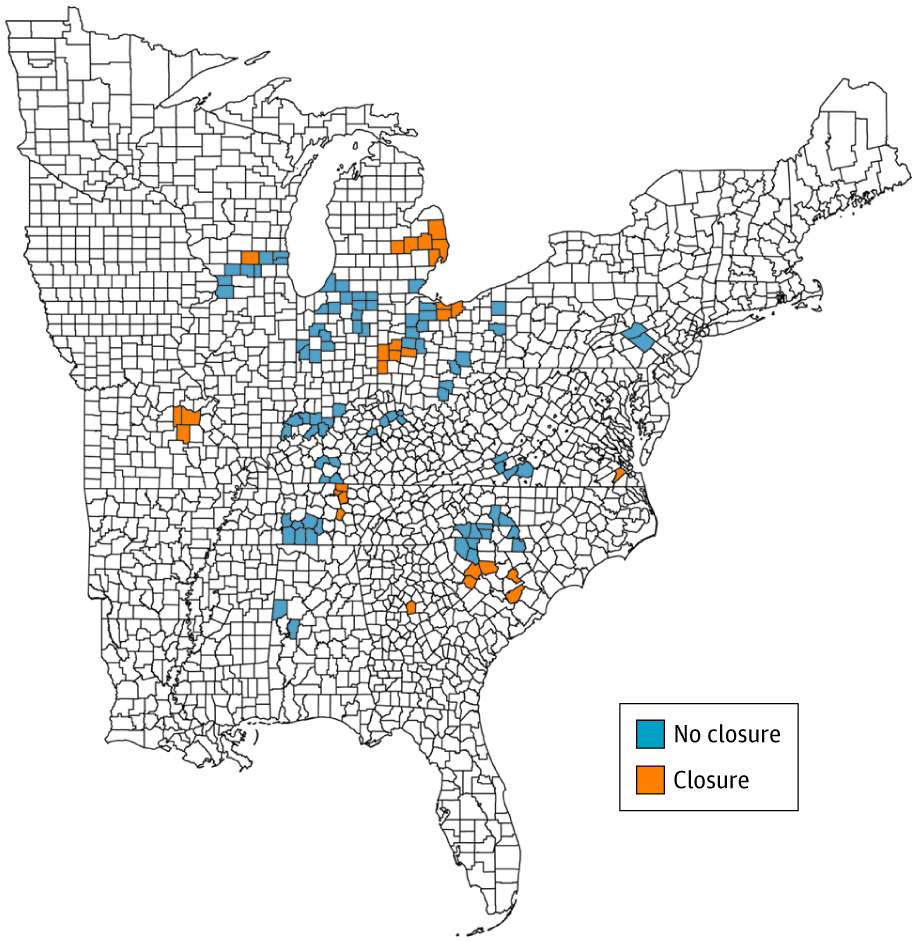
Researchers at the Perelman School of Medicine at the University of Pennsylvania and Massachusetts General Hospital looked at the closure of automotive assembly plants in the U.S from 1999 to 2016, primarily in the Midwest and Southeast. They found that opioid overdoses rose significantly in 29 counties where an auto plant shutdown.

Five years after the plants closed, opioid overdose rates among adults were 85 percent higher in counties where closures occurred compared to 83 counties where plants remained open.

"Major economic events, such as plant closures, can affect a person's view of how their life might be in the future. These changes can have a profound effect on a person's mental well-being, and could consequently influence the risk of substance use," said lead author Atheendar Venkataramani, MD, an assistant professor of Medical Ethics and Health Policy.

"Our findings confirm the general intuition that declining economic opportunity may have played a significant role in driving the opioid crisis."

The findings are published in JAMA Internal Medicine.

JAMA INTERNAL MEDICINE

The demographic group with the biggest increase in opioid overdose deaths after an auto plant closure was non-Hispanic white men between 18-34 years old, followed by non-Hispanic white men ages 35-65 years old. Opioid overdose rates also increased among young non-Hispanic white women.

Death rates involving heroin and other illicit opioids were higher for young white men and women than for prescription opioids, while older white men were more likely to die from prescription opioids.

"While we as clinicians recognize and take very seriously the issue of overprescribing, our study reinforces that addressing the opioid overdose crisis in a meaningful way requires concurrent and complimentary approaches to diagnosing and treating substance use disorders in regions of the countries hardest hit by structural economic change," Venkataramani said.

“Our findings should not be interpreted in such a way as to diminish the role of opioid supply, either from physician prescriptions or from illicitly made and supplied synthetic substances, in the US opioid overdose crisis.”

Princeton researchers Anne Case and Angus Deaton were the first to suggest in 2015 that the declining life expectancy of Americans was not caused by drug abuse alone, but linked to unemployment, poor finances, lack of education, divorce, depression and loss of social connections. They estimate that nearly half a million white Americans died due to a quiet epidemic of pain, suicide, alcohol abuse and opioid overdoses.

The epidemic of despair has also been cited as one of the reasons for the election of Donald Trump and for a “syndemic” of overdoses occurring in counties where the opioid crisis first erupted, particularly in mid-sized cities in Kentucky, Ohio and West Virginia. 

Humidity and Wind Affect Pain Levels, But Rain Doesn’t

By Pat Anson, PNN Editor

Many people with chronic pain strongly believe that rainy or cold weather aggravates their pain. Some even believe they can predict the weather based on their pain levels. 

But the results of a long-term study in the UK – recently published in the journal Digital Medicine -- show that weather conditions have only a modest effect on pain.

Researchers at the University of Manchester led a 15-month study of over 2,600 UK residents who recorded their daily pain levels with a smartphone app. The results were then compared with local weather conditions, based on the GPS locations of the participants’ phones.

Contrary to popular belief, rainfall was not associated with more pain. Results from the Cloudy with a Chance of Pain study showed that humid days were most likely to be painful, followed by days with low atmospheric pressure and strong winds. But the overall effect was modest, even when all three conditions were present.

“The analysis showed that on a damp and windy days with low pressure the chances of experiencing more pain, compared to an average day, was around 20%. This would mean that, if your chances of a painful day on an average weather day were 5 in 100, they would increase to 6 in 100 on a damp and windy day,” said lead author Will Dixon, PhD, Professor of Digital Epidemiology at the University of Manchester.

Dixon and his colleagues believe the study could be used to develop a “pain forecast” for people with chronic pain.

“This would allow people who suffer from chronic pain to plan their activities, completing harder tasks on days predicted to have lower levels of pain. The dataset will also provide information to scientists interested in understanding the mechanisms of pain, which could ultimately open the door to new treatments,” Dixon said.  

A 2017 study by Australian researchers at The George Institute for Global Health also found that damp weather increases pain. But because the symptoms disappeared as soon as the sun came out, researchers believe they could be influenced by psychological factors, not the weather itself. Previous studies on back pain, osteoarthritis and weather at The George Institute had similar findings.

The Greek philosopher Hippocrates in 400 B.C was one of the first to note that changes in the weather can affect pain levels. Although a large body of folklore has reinforced the belief that there is a link between weather and pain, the science behind it is mixed.

Do Selfless People Feel Less Pain?

By Pat Anson, PNN Editor

Are you selfless? Do you show concern for other people and take an interest in their well-being?

If the answer is yes, then your brain may be hardwired to feel less pain than people who tend to act more selfishly.

That’s the conclusion of a novel study conducted at China’s Peking University, where researchers performed MRI brain scans on nearly 300 people to learn about the biological reasons for altruistic behavior. They wanted to know why “performers” act selflessly in a crisis – such as food shortages or a natural disaster – even when there may not be a direct or indirect benefit from helping others.  

Their findings, published in the journal Proceedings of the National Academy of Sciences, showed that selfless behavior reduced activity in regions of the brain that process pain signals.  

“Our research has revealed that in adverse situations, such as those that are physically threatening, acting altruistically can relieve unpleasant feelings, such as physical pain, in human performers of altruistic acts from both the behavioral and neural perspectives,” wrote lead author Yilu Wang. “Acting altruistically relieved not only acutely induced physical pain among healthy adults but also chronic pain among cancer patients.”

Altruistic behavior has long been cherished in human society because it enables group members to collectively survive earthquakes, famines, floods and other crises. However, behaving selflessly also puts people at risk because it means giving away food, shelter and other resources.  

The MRI findings shed light on this paradox – and the psychological and biological mechanisms behind selfless behavior. 

“Engaging in altruistic behaviors is costly, but it contributes to the health and well-being of the performer of such behaviors,” Wang said. “Our findings suggest that incurring personal costs to help others may buffer the performers from unpleasant conditions.

“Whereas most of the previous theories and research have emphasized the long-term and indirect benefits for altruistic individuals, the present research demonstrated that participants under conditions of pain benefited from altruistic acts instantly.”

Heroic behavior isn’t necessary to reduce pain. Sometimes all it takes is a little empathy. 

According to a small 2017 study, just holding hands can reduce pain levels. Researchers found that when a woman was exposed to mild heat pain, her pain levels dropped when she held hands with a male partner. The more empathy the man showed, the more her pain subsided.     

Study Warns of Fake Cannabis Posts on Twitter

By Pat Anson, PNN Editor

Russian trolls and bots aren’t the only ones using social media to try to sway public opinion.

A USC analysis of thousands of cannabis-related posts on Twitter found that social media bots regularly make unsubstantiated health claims that suggest that cannabis can help treat pain, cancer, sleep, anxiety, depression, trauma and post-traumatic stress disorder. 

Researchers say their findings, published in the American Journal of Public Health, illustrate how false statements can be used to drown out facts and science on social media.

"We're in a period of time where these misleading messages are pervasive online," said lead author Jon-Patrick Allem, PhD, assistant professor of preventive medicine at USC’s Keck School of Medicine. "We want the public to be aware of the difference between a demonstrated, scientifically-backed piece of health information and claims that are simply made up."

In the United States, cannabis-based medicines are only approved to treat nausea and vomiting caused by chemotherapy, to stimulate appetite in patients experiencing weight loss, and to reduce seizures caused by childhood epilepsy. Many of the tweets made by bots suggest cannabis can help with a variety of other health problems, including foot pain and Crohn's disease.

For the study, researchers identified over 60,000 cannabis-related tweets posted from May 2018 to December 2018. Then they used an academic research tool called “Botometer” to analyze the posts to determine which ones came from real people and which ones were generated by bots that use software to automatically generate posts.

‘Content Polluters’

About 9,000 of the cannabis tweets appeared to come from bots, which were twice as likely to mention health and medical benefits of cannabis than non-bots. Researchers found no references to FDA approved uses for cannabis in the tweets.

The USC study did not look at the individuals or organizations behind the bot-generated posts about cannabis.

"Raising the issue of these false claims by social bots is an important first step in our line of research," Allem said. "The next step will be to examine the self-reported levels of exposure and beliefs in these claims and perceived risks and benefits of cannabis use, intentions to use and actual use."

Another recent study found that bots and other “content polluters” were active on Twitter in fueling the debate over the health benefits of vaccines.

“Content from these sources gives equal attention to pro- and antivaccination arguments. This is consistent with a strategy of promoting discord across a range of controversial topics—a known tactic employed by Russian troll accounts. Such strategies may undermine the public health: normalizing these debates may lead the public to question long-standing scientific consensus regarding vaccine efficacy,” said lead author David Broniatowski, PhD, School of Engineering and Applied Science at The George Washington University.

In 2018, Twitter suspended more than 70 million fake accounts that appeared to be using bots to make posts.

PNN’s Twitter account was recently suspended for 12 days for violating Twitter’s rules against “platform manipulation and spam.” The account was reinstated after we appealed. PNN does not use bots or promote any products or services in its tweets.

The 2019 Event With Major Impact for Millions of Pain Patients

By Dr. Lynn Webster, PNN Columnist

The demise of the American Pain Society (APS) in June of 2019 was a major blow to pain patients, their providers and pain research. For 42 years, APS enjoyed an unimpeachable reputation as an academic, scholarly organization and an icon of scientific integrity.

However, with an opportunity to make billions of dollars, opioid plaintiffs' attorneys targeted professional medical organizations like APS as complicit in creating the opioid crisis. They labeled them as front organizations for deceptive opioid manufacturers and distributors.

As implausible as the claims were, it was a real problem for APS and other professional organizations and individuals who care for patients with pain. There were more than a thousand lawsuits filed against myriad defendants. I don't know the exact number of claims filed against APS, but I was named in several hundred of them.  

The plaintiffs required records about, and responses to, each claim. Complying with that many demands proved to be such a financial burden that APS could not survive. I, too, have struggled to deal with these baseless attacks on my integrity and resources.

Law firms representing over 2,000 states, counties and municipalities, along with national media, have judged and found blameworthy those who have devoted their careers to helping people in pain.

Even deep-pocketed companies such as Purdue Pharma are not always able to weather the financial and administrative burden of responding to thousands of legal claims. The manufacturer of OxyContin, Purdue Pharma filed for bankruptcy in September 2019.

It strikes me as an injustice when small organizations like APS cannot defend themselves in court due to the overpowering financial and political forces alleging spurious conspiracies and dubious claims of wrongdoing. 

In the past decade, the number of doctors and other providers who have been criminally charged for prescribing controlled substances without a legitimate medical purpose has increased dramatically. Some were appropriately charged, but others were caught up in a social fever to cast blame for the destruction that substance abuse can cause.

Providers are easy targets. It is much simpler to accuse doctors and pharmacists of wrongdoing than it would be to try to correct social disparities that drive the demand for drugs of abuse. I have attempted to defend many such providers, who eventually decided to plea bargain because of the enormous legal costs they would incur if they continued their defense.

Justice for Some

Attorney Bryan Stevenson shines a light on the naked injustices that treat the rich and guilty better than the poor and innocent in his memoir, Just Mercy. Stevenson shows that racial prejudice fuels injustice, but the lack of resources to secure adequate defense makes the process painfully unfair and the outcome predestined. 

Another injustice was in the national news some years ago. You may remember that Richard Jewell was unfairly accused of a bombing at the 1996 Atlanta Olympics. The media essentially convicted Jewell before he was charged with anything. After several months of cruel media persecution and harassment, the truth emerged and Jewell was exonerated. A movie about what happened to Jewell is currently playing in theaters. 

Veteran newscaster Tom Brokaw recently apologized for suggesting to viewers that Jewell was guilty. NBC reportedly paid Jewell $500,000 for contributing to his suffering, but this is a rare consequence when such injustices occur. APS is not likely to receive either vindication or reparations.  

Groundless accusations, media hysteria and the enormous financial backing of a false narrative exploit the weaknesses of our civil and criminal justice systems. 

Two of the most powerful forces in America are the media and the government. When they join together to fight evil, they can strengthen a democracy and serve the people well. But if they combine forces to propagate a false narrative, it is nearly impossible for the innocent to survive the damage on a personal or professional level. The catastrophic results can undermine the integrity of our legal system and free press. 

The media's framing of an issue, whether factual or not, changes attitudes and even public policies if it is repeated often enough. The media has certainly carried the water for the plaintiffs against organizations like APS. 

Most disheartening is that, in the case of APS, the harm goes far beyond the organization and its members. One hundred million Americans with pain and their families are the ultimate victims of APS's collapse. The harm will not be confined to 2019 but will extend for decades into the future.  

Lynn R. Webster, MD, is a vice president of scientific affairs for PRA Health Sciences and consults with the pharmaceutical industry. He is the author of the award-winning book, “The Painful Truth,” and co-producer of the documentary, It Hurts Until You Die.” You can find Lynn on Twitter: @LynnRWebsterMD.

Opinions expressed are those of the author alone and do not reflect the views or policy of PRA Health Sciences. 

Minorities in Oregon Less Likely to Get Emergency Pain Care

By Pat Anson, PNN Editor

Oregon’s treatment of chronic pain patients came under fire this year when state health officials drafted a controversial plan to forcibly taper thousands of Medicaid patients on long-term opioid therapy. The proposal was scaled back after nationwide criticism from patient advocates and pain management experts, who said it would “exacerbate suffering for thousands of patients.”

Minorities in Oregon needing emergency treatment for pain may also be suffering unnecessarily, according to a new study by Portland State University researchers.

"We found evidence that the odds of receiving a lower quality of care from EMS providers are higher among racial minorities in Oregon, when compared to white patients in Oregon, after experiencing traumatic and painful injuries," said Jamie Kennel, a PhD student and lead author of the study published in the journal Medical Care.

PSU researchers analyzed nearly 26,000 health records of patients who received emergency care for traumatic injuries in Oregon between 2015 and 2017.

Only about one in five white patients received opioids or other types of pain medication from EMS responders in Oregon. But the odds were 32% lower for black patients, 24% lower for Asian patients and 21% lower for Latino patients. This was despite the fact that black and Latino patients reported higher average pain scores than white patients.

ODDS OF GETTING EMS PAIN MEDICATION

  • White Patients 20.1%

  • Latino Patients 17.2%

  • Asian Patients 14.2%

  • Black Patients 13.9%

"This is very large, concerning and should be motivating for change," said Kennel. "Like most healthcare providers, EMS providers don't desire to provide inequitable healthcare but often have never been exposed to evidence suggesting these disparities are taking place."  

The researchers also found that Asian and Latino patients were less likely to have their pain assessed – a simple procedure in which patients are asked to rate their pain on a scale of zero to 10.

While previous studies have found racial and ethnic disparities in medical care, this was the first to look at both pain assessment and pain medication during emergency care in a large statewide database. Researchers did not look at what caused the inequities in pain treatment, but speculated that racial stereotypes and difficulty in communicating with patients with limited English played a role.

“Although it has been shown conclusively that there are no medically significant biological differences between individuals of different races/ethnicities, there is evidence that medical providers nevertheless believe race/ethnicity to be a medically relevant factor and may be adjusting their clinical actions accordingly,” researchers concluded.  

"We hope that, when exposed to this new evidence, individual EMS providers will work with their agencies to better understand, and take steps to mitigate, this phenomenon in their community." 

A large 2016 study found that black patients who visit hospital emergency rooms are significantly less likely to receive opioid prescriptions than white patients. Opioids were prescribed for blacks at about half the rate for whites with back and abdominal pain.

Another large study of VA patients found that African-Americans on long-term opioid therapy were more likely to be drug tested and significantly more likely to have their opioid prescriptions stopped if an illicit drug was detected.

Emotional Awareness: How I Learned to Connect with Life and Disconnect from Pain

By Dr. David Hanscom, PNN Columnist

Last month I wrote about the importance of environmental awareness – being aware of your moods, anxiety and other senses and learning how to calm them through active meditation.

In this column we’ll look at emotional awareness – living a life full of rich relationships and satisfying endeavors. You must understand the nature of someone else’s emotional needs before you can interact with them in a meaningful way.

In the presence of chronic pain however, this is a problem. When you are in pain, you are justifiably angry, which can block emotional awareness. You are just trying to survive and don’t have the capacity or energy to reach out to others.

Another problem with pain-induced anger is that it not only disconnects you from others, but also from yourself. You are so used to being in this agitated state that you feel it is the norm.

I am quite aware of this scenario, as this was my experience. I was constantly agitated, but did not perceive it as anger. I thought I could hear what others were saying and see issues through their eyes. I was idealistic and thought I was right – but was so wrong.

It wasn’t until I had every layer stripped away in the midst of suffering from severe chronic pain, that I could see the problem. Meanwhile, I lost my marriage.

Self-Discovery

The problem with becoming emotionally aware is that you have to allow yourself to feel unpleasant emotions, such as anxiety, sadness, vulnerability, shame and so on. If you don’t allow yourself to feel the dark side of life (which is core to the human experience), then you won’t be able experience deep joy, happiness and love.

My strategy for most of my life was to suppress all negativity and keep my emotions on an even keel. One of my nicknames was “The Brick.” At the time, I thought it was a compliment because it meant I was tough.

It all worked until it didn’t. At age 37, I began to experience severe anxiety in the form of panic attacks. They came out of the blue and I had no idea what had hit me. I didn’t emerge from this hole for another 13 years.

Unless you actively choose a journey of self-discovery, you can’t connect with your true emotional state. You must commit to stepping outside of your mind and looking at yourself from a different perspective.

Ask yourself these questions: Am I open? Am I coachable? Can I really listen and feel?

That is a starting point. Once you get in touch with what’s going on in your mind, you can embark on a powerful journey. Allowing yourself to feel your emotions is a learned skill with many ways of accomplishing it. You will fail endlessly, but the key is remaining open and persistent.

Many people choose not to take this journey. But they make that choice at their own peril. It is what you’re not aware of that will run your life. The result may be a lot of physical and emotional suffering for the individual and especially for those close to him or her.

Why don’t more people pursue a path of self-discovery? It may be because in our culture most of us spend a lot of emotional energy trying to look good to people around us. We also try to look good to ourselves.  

Truly connecting with your emotions is an act of humility. Most people don’t want to do something so difficult and unpleasant. However, it’s also extremely rewarding and makes life so much easier in the end. It was the beginning of my recovery from my own chronic pain.

Dr. David Hanscom is a retired spinal surgeon. In his latest book -- “Do You Really Need Spine Surgery?”Hanscom explains why most spine operations are unnecessary and usually the result of age-related conditions that can be addressed through physical therapy and other non-surgical methods.

Kratom Smugglers Face Prison in Asia

By Pat Anson, PNN Editor

If you think kratom’s legal status is under siege in the United States, be glad you don’t live in Southeast Asia. Although the kratom tree (mitragyna speciose) is indigenous to the region and its leaves have been used for centuries as a natural stimulant and pain reliever, possessing kratom could get you sent to prison in some countries. 

Recently two Malaysian men were arrested at a port in Singapore for trying to smuggle several bottles of kratom tea hidden in a truck.

Kratom contains mitragynine and 7-hydroxymitragynine, two alkaloids that are Class A controlled substances in Singapore – which has some of the world’s toughest drug control policies.

If convicted, the men face a minimum of 5 years in prison and 5 strokes with a cane. The maximum penalty in Singapore for importing kratom is 30 years imprisonment and 15 strokes with a cane.

Singapore’s Immigration & Checkpoints Authority (ICA) announced the arrests on its Facebook page, where hundreds of people praised the agency for its diligence.

“Good job! This is why I enjoy Singapore so much,” wrote one poster. 

“Good job ICA for protecting the country,” said another.

SINGAPORE ICA

Decriminalization in Thailand

Kratom has been illegal in Thailand since 1943, but efforts are underway to decriminalize it. Justice Minister Somsak Thepsutin recently formed a committee to consider legalizing kratom-based medicines. If kratom is decriminalized, as many as 10,000 drug offenders in Thailand could have their convictions overturned, according to The Nation.

“I will proceed with this project as soon as possible because this will truly benefit society,” said Somsak, who believes kratom it is not strongly addictive and should not be classified as a narcotic.

"Kratom leaves do not match those characteristics," said the minister. "Those who use them can stop using it easily, and the leaves can be used as herb to relieve pain, fever, dysentery, or diarrhoea. Also, it is better than morphine thirteen times in killing pain.”

Kratom is also used recreationally in Thailand in a cocktail known as “4 x 100,” named after its four main ingredients: kratom leaves, cough syrup, Coca-Cola and ice. 

Indonesia Banning Exports

Over one and a half tons of kratom were recently seized in Turkey at the Istanbul Airport. A drug sniffing dog detected kratom powder in dozens of packages wrapped in plastic. The shipment was heading to the United States from Indonesia and had an estimated street value of $12 million.

“Subject to numerous health warnings, kratom has been banned in most of the countries in the world and is known being highly addictive and linked to numerous deaths,” a local media outlet reported.

Although domestic consumption of kratom is banned in Indonesia, the country is the world’s largest grower and exporter of kratom. Those exports could end in 2024, as Indonesia’s Ministry of Health has called for a 5-year transition period to allow kratom farmers to shift to other crops.

Earlier this year, kratom advocates claimed the U.S. Food and Drug Administration was lobbying the Indonesian government to ban kratom farming. The FDA told PNN the agency “inquired” about kratom’s legal status in Indonesia, but “has not advocated either formally or informally about a change in law in Indonesia or any other country relative to kratom.”

Kratom is illegal in six U.S. states -- Alabama, Arkansas, Indiana, Rhode Island, Vermont, and Wisconsin – and several cities and counties have enacted local ordinances banning sales. In the other 44 states, kratom is loosely regulated as a dietary supplement, although federal agencies are engaged in a protracted public campaign against its use.

The FDA says kratom is addictive, has opioid-like qualities and is not approved for any medical condition. The agency has released studies showing salmonella bacteria and heavy metals contaminating a relatively small number of kratom products.  Kratom has also been linked to dozens of fatal overdoses -- although multiple substances were involved in nearly all of those deaths.

Last year the Department of Health and Human Services (HHS) recommended to the DEA that kratom be classified as a Schedule I controlled substance – alongside heroin and marijuana — which would effectively ban it nationwide, just as it is in Singapore. Kratom is also illegal in Australia, Denmark, Latvia, Lithuania, Poland, Romania, Sweden and the UK.

New Drug Eliminates Migraine Pain in Some Patients

By Pat Anson, PNN Editor

The U.S. Food and Drug Administration has approved Ubrelvy (ubrogepant) tablets for the immediate treatment of migraine with or without aura. In clinical trials, the drug eliminated migraine pain in about one of every five patients.

Ubrelvy is the first oral medication that blocks a protein released during migraine attacks — calcitonin gene-related peptide (CGRP) — from binding to receptors in the brain. The FDA has previously approved injectable CGRP inhibitors for migraine prevention.

“Ubrelvy represents an important new option for the acute treatment of migraine in adults, as it is the first drug in its class approved for this indication. The FDA is pleased to approve a novel treatment for patients suffering from migraine and will continue to work with stakeholders to promote the development of new safe and effective migraine therapies,” said Billy Dunn, MD, acting director of the Office of Neuroscience in the FDA’s Center for Drug Evaluation and Research.

Migraine affects about a billion people worldwide and 36 million adults in the United States, according to the American Migraine Foundation. It affects three times as many women as men. In addition to headache pain, migraine can also cause nausea, vomiting, blurriness or visual disturbances, and sensitivity to light and sound.

The effectiveness of Ubrelvy was demonstrated in two Phase 3 placebo-controlled trials involving 1,439 adult patients with a history of migraine with or without aura.

In one study, over 19% of patients said they were pain-free within two hours of taking Ubrelvy and nearly 39% were relieved of nausea and hypersensitivity to light and sound. That compares to 12% and 28% of patients, respectively, who were relieved of symptoms while taking a placebo.

Ubrelvy was effective for up to 24 hours. It is not approved as a preventive treatment of migraine.

"As someone living with migraine for 14 years, my life seems to be on pause when I experience a migraine attack," Kristin Molacek, a clinical trial patient, said in a press release from Allergan, which developed Ubrelvy.

"During the clinical trial, my experience with Ubrelvy was positive. It relieved the migraine symptoms that bothered me the most without serious side effects. We have needed this type of on-demand oral relief for a very long time, and I look forward to having the ability to better manage my migraine attacks."

Allergan said Ubrelvy will be available in the first quarter of 2020. Ubrelvy is non-narcotic and does not have addiction potential. It has been approved with two dose strengths, 50 mg and 100 mg. Allergan did not say how much the medication will cost.

Medical Examiner: ‘I Can’t Remember Last Death From Prescribed Fentanyl’

By Pat Anson, PNN Editor

A recent statement from the San Diego County Medical Examiner’s Office caught our eye – because it offered a rare distinction between prescription fentanyl and counterfeit painkillers made with illicit fentanyl.

It’s an important point for millions of pain patients who use fentanyl responsibly.

“In the last decade when someone overdosed on fentanyl, it was often when someone was prescribed it, and perhaps put on too many fentanyl patches or altered the patches,” said Chief Deputy Medical Examiner Dr. Steven Campman. “I can’t even remember the last time I saw a death from misused prescribed fentanyl.”

Campman was talking about a 68% increase in fentanyl overdose deaths in San Diego. During the first six months of this year, 69 people overdosed on fentanyl -- compared to 41 the year before – and every one of those deaths was attributed to illicit fentanyl.

“Now, in the deaths we see, the fentanyl is illegally obtained as counterfeit oxycodone or alprazolam (Xanax). Illegal drug makers and dealers make pills to look like oxycodone or alprazolam, but the pills have fentanyl in them, and they are deadly,” Campman is quoted in a press release.

Fentanyl is a synthetic opioid 50 to 100 times more potent than morphine that’s been used for decades in palliative care and as an anesthetic during surgery. More recently, fentanyl has been used in transdermal skin patches, oral sprays and lozenges to treat severe pain.

COUNTERFEIT OXYCODONE

“Each of these new uses of fentanyl exposed millions of Americans to the drug without evidence of an inordinate degree of harm if it was used as directed,” Dr. Lynn Webster explained in a recent column.

Only in recent years has illicit fentanyl become a scourge on the black market and given a bad name to a medication that alleviates a lot of suffering. “Mexican Oxy” and other counterfeit pills made with illicit fentanyl have been linked to thousands of overdose deaths around the country. According to a recent analysis by the DEA, one in every four counterfeit pills have a potentially lethal dose of fentanyl.

“The drug isn’t designed to be put in a pill like that, and it takes very little of it to kill someone. And the illicit drug makers don’t have the kind of quality control measures that pharmaceutical companies have either,” Campman added.

Federal prosecutors have called San Diego the “fentanyl gateway” to the U.S. because the city is near ports of entry in southern California that are major transit points for Mexican drug cartels. In July, a drug courier was pulled over by an alert Texas trooper in Amarillo and found to be transporting 73 pounds of illicit fentanyl powder -- enough to kill 10 million people.

The underground fentanyl trade has also given rise to “Breaking Bad” style pill press operations.

In September, DEA agents found five pounds of pure fentanyl in the San Diego apartment of Gregory Bodemer, a former chemistry instructor at the U.S. Naval Academy, who died from an apparent overdose. Also found in the apartment was a pill press, powders, liquids and dyes used in the manufacture of counterfeit drugs.

Bodemer’s death is yet another example of how the opioid crisis has evolved from a prescription drug problem into a fentanyl crisis.

“This is how we are seeing the opioid epidemic here, mostly in the rise in fentanyl deaths,” Campman said.

How to Avoid the Holiday Blues

By Pat Anson, PNN Editor

For many of us, the holiday season wouldn’t be complete without Christmas cookies, jelly donuts, plum pudding, chocolate babka, or even the much-maligned fruit cake.

But if you're prone to depression or have an inflammatory condition, you might want to avoid those sweet treats. Or at least enjoy them in moderation.

New research by clinical psychologists at the University of Kansas suggests that dietary sugars found in many holiday foods can trigger metabolic, inflammatory and neurobiological processes that can lead to insomnia, digestive problems and depression – which all enhance physical pain.

"A large subset of people with depression have high levels of systemic inflammation,” said lead author Stephen Ilardi, PhD, an associate professor of clinical psychology at KU. "When we think about inflammatory disease we think about things like diabetes and rheumatoid arthritis - diseases with a high level of systemic inflammation. We don't normally think about depression being in that category, but it turns out that it really is.

“We also know that inflammatory hormones can directly push the brain into a state of severe depression. So, an inflamed brain is typically a depressed brain. And added sugars have a pro-inflammatory effect on the body and brain."

Depression Causes Sugar Cravings

Dwindling daylight in winter can worsen depression and prompt people to consume more sweets, which provide a temporary emotional lift.

"One common characteristic of winter-onset depression is craving sugar," Ilardi said. "So, we've got up to 30% of the population suffering from at least some symptoms of winter-onset depression, causing them to crave carbs - and now they're constantly confronted with holiday sweets.

"When we consume sweets, they act like a drug. They have an immediate mood-elevating effect, but in high doses they can also have a paradoxical, pernicious longer-term consequence of making mood worse, reducing well-being, elevating inflammation and causing weight gain."

The KU research team analyzed a wide range of studies on the physiological and psychological effects of sugar, including the Women's Health Initiative study, the NIH-AARP Diet and Health Study, and studies of Australian and Chinese soda-drinkers. Their research is published in the journal of Medical Hypotheses.

Ilardi says consuming high amounts of sugar could be as physically and psychologically harmful as drinking too much liquor.

"We have pretty good evidence that one alcoholic drink a day is safe, and it might have beneficial effect for some people," Ilardi said. "Alcohol is basically pure calories, pure energy, non-nutritive and super toxic at high doses. Sugars are very similar."

The average American gets about 14% of their calories from added sugars – the equivalent of 18 teaspoons of sugar each day. Most people know a high-sugar diet can lead to diabetes, obesity and cardiovascular problems.

Another way to look at sugar is to think of it as fuel for bacteria.  

"Our bodies host over 10 trillion microbes and many of them know how to hack into the brain," Ilardi said. "The symbiotic microbial species, the beneficial microbes, basically hack the brain to enhance our well-being. They want us to thrive so they can thrive.

“But there are also some opportunistic species that can be thought of as more purely parasitic - they don't have our best interest in mind at all. Many of those parasitic microbes thrive on added sugars, and they can produce chemicals that push the brain in a state of anxiety and stress and depression. They're also highly inflammatory."

Ilardi recommends eating a minimally processed diet rich in fruits, vegetables, fish and whole grains, while avoiding red meats, refined grains, fructose and other unhealthy foods. As for sugar, the KU researcher urges moderation -- not just during the holidays, but year-round.

New Think Tank Seeks to Reduce Pain and Improve Lives

By Stephen Ziegler, PhD, Guest Columnist

Millions of men, women and children in the United States and around the world are dying of cancer, and some die in severe pain because they have limited or no access to essential palliative medicines. Much of that suffering is avoidable.

Opioids and other palliative medicines are powerful drugs that are deemed essential by the World Health Organization. They provide comfort and relieve suffering at the end of life and for those who face serious medical conditions. Unfortunately, these very same drugs also have the potential for abuse, misuse, overdose and exploitation by the illicit market.

According to the 2017 Lancet Commission Report, governments around the world adopted “overly restrictive legislation” that focused more on preventing abuse than ensuring safe access to essential medicines. The problem is not limited to developing countries. Well-intentioned government policies to reduce opioid prescriptions across the United States have resulted in unintended harms for those who are recovering from painful surgeries or who were functioning well on opioid therapy.

Unfortunately, governments rarely investigate whether the drug control policies they create actually work and whether their policies are effective in preventing abuse while providing access to the drugs for those who need them.

But with your help we can change that.

I am proud to announce the creation of the Center for Effective Regulatory Policy and Safe Access (CERPSA), a new nonprofit think and do tank sponsored by the Colorado Nonprofit Development Center.  

CERPSA is a non-partisan, science-based research organization that focuses on the reduction of human pain and suffering by improving the regulation of - and safe access to - palliative medicines and treatments.  

Our mission is to eliminate unnecessary physical pain and suffering, and to help governments and communities create and maintain effective drug control policies that improve people's lives. We believe that there are good public health reasons for controlling drugs, whether in the form of prescription opioids, antibiotics, or even medical cannabis. We do not seek the elimination of regulation, only its dramatic improvement so that drug control policies can ensure access while at the same time prevent abuse.  

CERPSA represents a bold new effort to help reduce pain and improve people’s lives through research, education and outreach. Now more than ever, we need science-based initiatives that can fundamentally help change the way drugs are controlled.  

You can become part of the movement. Please join us by visiting our website and donating to CERPSA and help us reduce human pain and suffering in the nation and around the world. 

Dr. Ziegler has been trained as both a social scientist and attorney, has been involved in pain treatment and drug policy for almost two decades, and was both a Mayday Pain Scholar and Fellow.