
Does 7-OH Actually Work for Pain?

By Crystal Lindell

I have some bad news for pain patients: 7-OH is the new pain reliever we’ve been searching for.

It’s about as effective at treating pain as a mild opioid pain reliever, with almost no risk of an overdose if used wisely. And best of all, you can buy it the same way you buy alcohol and tobacco: Over-the-counter. No doctor or prescription required.

So why is this bad news? Well, multiple government agencies are working on making 7-OH illegal, including the FDA. Some states, like Florida, have already banned it, while in California, they’re taking it off store shelves.

While those efforts would be benign if 7-OH was just another snake oil treatment, they quickly turn dire when we’re talking about a substance that actually helps pain patients, many of whom have lost access to prescription opioids.

For those unfamiliar, 7-OH is short for 7-hydroxymitragynine, an alkaloid that occurs naturally in kratom in trace amounts. Some kratom vendors now sell concentrated versions of 7-OH to boost its potency as a pain reliever and mood enhancer.

One of my relatives credits 7-OH with giving him back the ability to play with his daughter. 7-OH has done for him what Advil never could: it helped his back pain so much that it allowed him to be a better father.

Another one of my friends credits 7-OH with allowing him to stay off street fentanyl. Seriously. It’s that effective at treating his pain and alleviating long-term opioid withdrawal symptoms.  

Another friend of mine who has been living in constant fear of losing access to her prescription hydrocodone says 7-OH has eased those fears. Because she now knows that if the unthinkable happens, she will still have access to pain relief. 7-OH works really well at treating her pain and lifting her mood. 

While opioid pain relievers can cause drowsiness, many people report that 7-OH actually gives them a small burst of energy – just as kratom does. 

My friends have told me that a small dose of 7-OH works about as good as 5 mg of hydrocodone, while larger doses rival the effectiveness of oxycodone.

When taken alone, 7-OH also doesn’t cause the same respiratory depression that large doses of opioids can, which means it doesn’t carry the same risk of overdose. Most deaths attributed to 7-OH actually involve other substances, such as alcohol or street drugs. 

There are definitely downsides to 7-OH though. 

One is that it does cause physical dependence pretty rapidly, especially if you take 7-OH on a regular basis. So, if you try to stop taking it abruptly, you may feel more irritable, have trouble sleeping, and you may have other symptoms like a restless leg. The best way to deal with that is to slowly taper off it if you want to stop using it. 

Second, a lack of regulations around 7-OH also means that you may have to trial and error your way into finding a reliable brand you can trust. For example, some brands put additives in the tablets that cause bad headaches, and some brands don’t put as much 7-OH into their tablets as they claim, making them ineffective.

The third major downside to 7-OH is that it’s expensive. Smoke shops and online retailers sell a 5-pack of chewable 7-OH tablets for at least $50, while one tablet sells for about $10. Insurance won’t pay for it.

Each chewable tablet is made to be broken into sections, and the packaging usually says that either a fourth or half a tablet can be considered one dose. 

However, how much you take depends greatly on your personal tolerance levels. Some people I know take a half tablet as a dose. But others I know take far less – about 1/16th of a tablet – because that’s more than enough to relieve their pain.

Unfortunately, one dose only lasts about four to six hours, which means you may need multiple tablets if you need to use it all day. You can see how fast that can add up financially when each tablet is $10. 

Part of me wishes that pharmaceutical companies would work on developing pain relievers that use 7-OH, and their advancements would help address safety issues by making doses more uniform. But my fear is that they would also make the 7-OH medication available only by prescription, thereby killing one of its best features: accessibility.  

If you are a chronic pain patient who’s looking for something over-the-counter to treat your pain, it might be worth giving 7-OH a try. 

And if you’re a government official trying to ban it, well, all I can say is, please don’t. Pain patients get relief from 7-OH – and one day, you may need it too.
Medicare May Stop Paying for Peripheral Nerve Blocks  

By Pat Anson

A public comment period will end soon on a proposal that could dramatically limit coverage of peripheral nerve blocks (PNB) and nerve ablation procedures for Medicare patients suffering from chronic nerve pain.

A PNB generally involves the injection of an anesthetic or corticosteroid into an injured area to block the transmission of pain signals. Under the proposal, all PNBs and nerve ablation procedures would no longer be covered for any pain condition, and the number of steroid injections and radiofrequency ablation procedures for nerve pain and trigeminal neuralgia would be limited.    

Five Medicare administrative contractors (MACs) representing 24 states made the proposal in September and public comments will be accepted until November 22. MACs are private insurers that process Medicare claims and determine what coverage is “reasonable and necessary.” 

In this case, they’ve determined that PNB’s and other nerve procedures have little or no benefit, and “therefore are not considered medically reasonable and necessary.” If approved, the proposal could be adopted by MACs in other states and become de facto Medicare policy nationwide.

Not surprisingly, there is opposition to the MAC proposal from healthcare providers who perform the procedures, who claim denial of coverage would force millions of chronic pain patients “to turn to opioids or less effective treatments.”       

“For decades, chronic pain patients have received treatment from PNBs and ablation techniques that provide rapid and durable pain relief, enhance function and quality of life, and decrease reliance on systemic pain medications, including opioids,” said Patrick Giam, MD, President of the American Society of Anesthesiologists. 

“We urge Medicare to consider the compelling clinical and functional evidence that supports coverage of PNBs and related procedures.” 

“Unless the MACs want more Americans to be unable to work, reliant on opioids, and suffering in pain, it’s hard to understand their motivation here,” Tricia Pendergrast, MD, an anesthesiology resident at the University of Michigan, wrote in a recent STAT News op/ed 

“Eliminating peripheral nerve block coverage will not result in meaningful cost savings from these patients, and may lead to more frequent emergency department and clinic visits, increased use of opioids and other pharmacologic interventions.” 

As an alternative to injections and nerve blocks, the MAC proposal suggest the use of anti-depressants, gabapentin, topical lidocaine and transcutaneous electrical nerve stimulation (TENS) as first-line treatments for neuropathic pain.

Pregabalin, tramadol, capsaicin patches, Botox injections, and psychotherapy would be considered second-line treatments. 

Opioids should only be considered as a third-line treatment, according to the MAC proposal, “as a last resort.”

Another effort to limit coverage of chronic pain treatments for Medicare patients begins in January. That is when Medicare is launching a 6-year pilot program in six states that will use artificial intelligence (AI) to review prior authorization claims for epidural steroid injections, cervical fusions, spinal cord stimulators, arthroscopic knee surgery, and other pain treatments. 

Medicare considers the treatments to be “low value,” potentially unsafe, and ripe for fraud and wasteful spending. 

The Wasteful and Inappropriate Service Reduction Model will cover Medicare patients in New Jersey, Ohio, Oklahoma, Texas, Arizona, and Washington who seek treatment for chronic pain, impotence, incontinence, and burns or wounds needing skin and tissue substitutes. 

Can Self-Hypnosis Relieve Hot Flashes?

By Crystal Lindell

A new study suggests that self-administered hypnosis significantly reduces hot flash symptoms for women going through menopause.

While previous research has shown that hypnosis can relieve hot flashes, depression, PTSD and even some types of chronic pain, those studies mainly focused on hypnosis given by a professional in a clinical setting.

The results from this study are noteworthy because they show that hypnosis can be effective even if it’s self-administered.

Hot flashes can cause sweating, discomfort, anxiety, fatigue, and sleep interference. Up to 80% of older women report hot flash symptoms from menopause, which can persist for 4 to 7 years.

The study, which was published in JAMA Network Open, included 250 postmenopausal women. One group received self-administered hypnosis, while the other group received a placebo “sham” hypnosis. 

Participants in the hypnosis intervention were given educational material on the use of hypnosis for the treatment of hot flashes and were asked to listen to 20-minute audio-recorded hypnosis sessions daily for 6 weeks. The audio recordings included hypnotic relaxation methods and mental imagery for “coolness” to counteract the “hot” sensations.

Those receiving the placebo hypnosis were asked to listen to white noise audio recordings labeled as “hypnosis” for 20 minutes each day. They were also given the same educational material.

Participants in both groups completed a daily diary on the frequency and severity of their hot flashes.

The results were striking. After six weeks, the hypnosis group experienced a significantly greater reduction in hot flash scores vs. the sham group (53.4% vs 40.9%).

The hypnosis group also reported a greater reduction in daily interference from hot flashes (49.3% vs 37.4%), and greater perceived benefits (90.3% vs 64.3%) compared with the sham hypnosis group.

“Self-administered clinical hypnosis was shown to be an effective, clinically significant intervention for the treatment of hot flashes due to its efficacy in reducing hot flash scores (ie, frequency and severity) by more than half and yielding improvements in participants’ perception of their quality of life,” wrote lead author Gary Elkins, PhD, a Professor of Psychology and Neuroscience at Baylor University.

While hormonal changes are the root cause of menopausal hot flashes, environmental factors can also play a role. According to the Mayo Clinic, hot flash triggers include hot weather or warm environments; wearing heavy clothing; drinking caffeinated or alcoholic beverages; eating spicy foods; feeling stressed; drinking hot beverages; taking hot showers or baths; and smoking cigarettes.

The wide range of triggers, including “feeling stressed” may help explain why hypnosis would be effective at treating hot flashes. And since stress is also a trigger for chronic pain flares, there are definitely implications here for the chronic pain community. 

Of course, there is always the fear that doctors will take too much from studies like this, and will use the results as a reason to deny patients treatments like medication. 

Ideally though, this type of research will instead be used to broaden the treatment options for various health conditions, offering the possibility to pair non-traditional treatments like hypnosis with more traditional options like pain medication. 

If a treatment works and it’s accessible, then it’s worth trying — even if that treatment is hypnosis. 

Central Sensitization and Hyperalgesia Are Bogus Medical Terms

By Dr. Forest Tennant

Some 15 years ago, “central sensitization” was a term I first started seeing when I was editor of Practical Pain Management. It was defined as experiencing a pain level above what was normally expected from arthritis, fibromyalgia, neuropathy, and other peripheral (outside the brain) pain conditions. 

When central sensitization was present, it was an indication to more aggressively treat the pain with opioids and/or other measures. Unfortunately, this simple, well-meaning term has been transformed by some unscrupulous practitioners to imply that patients with central sensitization don’t need opioids or other treatment.

Central sensitization also became synonymous with the term “hyperalgesia” – meaning the patient was overreacting or feeling too much pain for their condition. What’s more, opioids were supposedly the cause of hyperalgesia, so they need to be stopped. 

Let’s be very clear. Neither “central sensitization” nor “hyperalgesia” are bonafide medical conditions. A medical condition is one in which there is a common set of symptoms and physical findings, and the condition can be confirmed by a diagnostic test such as an MRI or blood test. 

Central sensitization and hyperalgesia are bogus medical conditions that can’t be objectively identified, quantified, or diagnosed. They are simply terms that sound scientific and authoritative, when in reality they have become fraudulent terms used to justify withholding opioids and other treatments.

It is time patients, families, and physicians reject these terms and the medical practitioners who use them.

Central sensitization is not to be confused with the term “central pain.” This is a serious condition that more likely than not requires opioids, along with great care and concern on the part of the medical practitioner.

“Central pain” initially referred to the emergence of pain after a stroke. Strokes can wipe out and destroy brain tissue that contain opioid receptors and the normal biologic apparatus which shuts down and relieves pain. One especially severe post-stroke pain condition is known as the Dejerine-Roussy Syndrome, which damages the thalamus. 

Opioid drugs, sometimes in high or unusual formulations, are required for post-stroke central pain.

Although central pain was first associated with strokes, it soon became appropriate to include brain tumors, hydrocephalus, and scarring from meningitis infections, since these conditions can also wipe out brain tissue and cause pain.

In recent times, central pain has come to include those pain patients who have developed neuroinflammation and tissue destruction in the brain concomitantly with a peripheral pain problem that may involve the joints, muscles, nerves, or spine.

It is interesting to note that central pain in the past was often called “secondary pain” as it tends to occur after someone has developed a peripheral pain condition. 

The first investigator to elucidate peripheral pain conditions with brain tissue destruction was Apkarian in 2004.He and his colleagues found decreased prefrontal gray matter deficiencies in the brain scans of persons with chronic back pain. 

Since that time, a plethora of brain scan and glial cell studies have found that persons with a peripheral pain condition may experience brain inflammation involving glial cells and tissue destruction — akin to what occurs after a stroke. 

Bona fide central pain is clinically typical and obvious. It is characterized by constant (24/7) pain and high pulse rates, hypertension, episodes of excess sweating, and cold hands and feet.

Prescription opioids, including long-acting opioids, may be required to control bonafide central pain. In addition to opioids, central pain has what is called descending pain, which requires dopamine stimulating drugs to adequately control it. 

The cause of central pain that accompanies or follows the development of a peripheral pain condition is now believed to be related to an autoimmune process and/or viral reactivation, especially from the Epstein-Barr virus.

In summary, central sensitization and hyperalgesia are not bonafide medical conditions. To use these bogus labels to justify the withholding of medications is unscientific, fraudulent and inhumane. 

These terms and the practitioners who use them should be summarily rejected. Central pain is a serious condition characterized by severe constant pain which often requires opioids for pain control. 

Forest Tennant, MD, DrPH, is retired from clinical practice but continues his research on the treatment of intractable pain and arachnoiditis. Readers interested in learning more about his research should visit the Tennant Foundation’s website, Arachnoiditis Hope. You can subscribe to its research bulletins here.   

The Tennant Foundation gives financial support to Pain News Network and sponsors PNN’s Patient Resources section. 

OTC Pain Relievers Just as Effective as Opioids After Wisdom Tooth Removal

By Pat Anson

A combination of acetaminophen and ibuprofen works just as well as a low dose of opioids in relieving pain in men and women after wisdom tooth removal, according to a new study in JAMA Network Open

The research builds on a previous study of over 1,800 patients, which compared the effectiveness of 400 mg of ibuprofen and 500 mg of acetaminophen to 5 mg of hydrocodone and 300 mg of acetaminophen in the first three days after surgery. That dose of hydrocodone is the equivalent of 5 morphine milligram equivalents (MME), which is considered a low dose under medical guidelines.

"We wanted to determine whether the pain medication's effects were consistent in males and females separately," lead author Janine Fredericks Younger, DMD, an associate professor at Rutgers School of Dental Medicine, said in a press release.

 "And what we found is that in both subgroups (males and females), the non-opioid was superior for that first day and night, and then no worse than the opioid for the rest of the post-op period."

Researchers performed a gender-specific analysis because women often report higher pain levels after surgery, raising questions about whether pain medications work differently for each sex.

"There's obviously different biological mechanisms, different hormones involved," said Cecile Feldman, DMD, Dean of Rutgers School of Dental Medicine and senior author of both studies. "But results confirm that the analgesic effect for both groups is the same."

Pain levels were low whether patients took acetaminophen-ibuprofen or the hydrocondone-acetaminophen combination. Pain ratings over three days were slightly lower for female patients taking non-opioids than those on the low dose of hydrocodone (2.83 vs 2.98). The same was true for male patients (2.24 vs 2.37).

Patient satisfaction and sleep quality were also slightly better in the non-opioid group, which also experienced less pain interference with daily activities.

"The results actually came in even stronger than we thought they would," Feldman said. "We expected to find the non-opioid to be non-inferior, so that at least it was no worse than opioids. We were surprised to see that it was actually superior." 

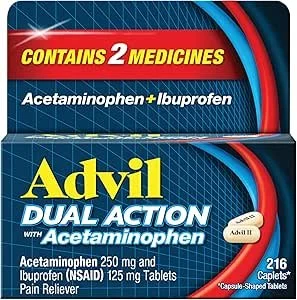
The first FDA-approved over-the-counter pain reliever that combines acetaminophen with ibuprofen was Advil Dual Action, although the doses are somewhat different than what was used in the Rutgers study.

Each capsule contains 250 mg of acetaminophen and 125 mg of ibuprofen, with up to six capsules per day recommended for toothaches, headaches and “minor aches and pain.”

Patients are cautioned not to take Advil Dual Action with other products containing acetaminophen, as that can cause liver damage. Acetaminophen overdoses are involved in hundreds of deaths and over 50,000 emergency room visits in the U.S. annually.

Wisdom tooth extraction is performed about 3.5 million times a year in the United States. Dental surgery is often the first exposure that a patient has to prescription opioids, although their use after dental procedures has declined in recent years as fears grew about opioid addiction.

Last year the American Dental Association (ADA) released new guidelines recommending that nonsteroidal anti-inflammatory drugs (NSAIDs) such as ibuprofen be taken alone or in combination with acetaminophen as first-line treatments for acute dental pain in adults and adolescents aged 12 and older. 

NSAIDs and acetaminophen work differently, with NSAIDs reducing pain and inflammation in damaged tissue, while acetaminophen acts in the central nervous system to block pain signals that are not caused by inflammation. Taking the two together is believed to boost their analgesic effect. 

The ADA says opioids should only be used when NSAIDs and acetaminophen don’t relieve pain enough or when NSAIDs are contradicted due to health issues, such as a patient having cardiovascular problems or a bleeding ulcer.     

The risk of long-term opioid use after a tooth extraction is relatively rare. A large study of over 70,000 teens and young adults who had their wisdom teeth removed found that only 1.3% were prescribed opioids long-term after their initial prescription by a dentist. 

"We feel pretty confident in saying that opioids should not be prescribed routinely for dental procedures," Feldman said. "Our non-opioid combination really should be the analgesic choice."

Arachnoiditis: My Not-So-Rare Disease

By Julie Titone

I first heard the word “arachnoiditis” from the spine surgeon who performed my lumbar fusion. This was a virtual office visit. I leaned into my laptop screen to say: “That sounds like a spider.”

“Yes,” he replied.

He had identified the source of my unexpected post-op pain: arachnoiditis, a chronic inflammatory disease that’s even creepier than it sounds. Its symptoms usually arise after spinal trauma due to surgery, injury or commonly prescribed injections. 

More doctors and patients should know about this small chance of a very big problem.

Arachnoiditis is so far incurable, difficult to treat, and can get worse over time. Patients experience lower body numbness and stinging pain that, at its worst, is likened to hot water dripping down the legs. The disease can lead to paralysis and bladder dysfunction. While arachnoiditis is said to be rare, it could simply be under-diagnosed.

The arachnoid is a membrane with a webbed appearance, hence its spidery name. It is part of the sheath that encloses the spinal fluid. Arachnoiditis is the inflammation of that easily annoyed membrane. 

Sometimes it causes free-floating spinal nerves to stick together and become locked down by scar tissue. This is known as adhesive arachnoiditis, the kind I’m describing here.

No one knows how many spinal surgeries result in arachnoiditis, but a common estimate is 3 to 6 percent. Propelled in part by the deteriorating backs of boomers like me, there were more than 340,000 such surgeries in 2023 in the United States. 

Just 4% of that adds up to 13,600 people suffering from arachnoiditis in a single year in a single country. The number doesn’t include cases that emerge after spinal injections of anesthesia or steroids, or after accidents that damage the spine.

‘They Stuck Me Eight Times’

Sara Lewis was a young Florida nurse when, on New Year’s Eve in 2008, she required an emergency Caesarean section. Attempts to give her anesthesia before the surgery did not go well.

“They stuck me eight times to get the spinal block in,” she recalled. 

Lewis left the hospital with a baby boy and excruciating pain. She went back to work, eventually switching to a less-demanding job. By 2014, she couldn’t work at all and didn’t yet have a proper diagnosis. By 2017, she had qualified for disability benefits. Lewis is only 44.

Many women choose epidurals to ease pain during normal vaginal deliveries. Unlike a spinal block, an epidural delivers anesthesia in a space outside the spinal fluid sac. Even that approach poses risk when done poorly.

Arachnoiditis sufferer Steve Lovelace would like women to consider that pain relief during childbirth might not be worth risking a lifetime of suffering. “I know so many women who have children and are in so much pain during what should be the most joyful part of their life,” he said.

Lovelace’s agony started with a freak tree-cutting accident in 1982 on an Oklahoma family farm. His 20-year-old torso was crushed, causing debilitating injuries that required multiple surgeries. 

Now 63 and medically retired from a radiology career, the pioneering para-triathlete has teamed up with Lewis to create the YouTube podcast Arachnoiditis Unfiltered. Given what they endure, they are remarkably chipper co-hosts. Their goals: awareness, prevention and a cure.

Lori Verton aims for those goals, too. Verton lives near Ontario, Canada. In 1999, she was driving out into the dark on a mission to buy milk for her kids. She was injured when her car hit a deer. When her whiplash symptoms didn’t improve, her doctor ordered a spinal tap.

“While I was on the table, I felt my left thigh go numb, my left foot drop, I was incontinent. I knew immediately something was wrong,” she recalled. “They said, ‘We’ve bruised some nerves, it will heal.’”

Heal it did not. She was increasingly disabled by pain and estimates it took five years and a dozen doctors to diagnose arachnoiditis. Largely bedridden at age 42, she went on disability. Having worked as a physiologist and medical researcher, Verton pondered how to put her skills to use. That led to the creation of the Arachnoiditis and Chronic Meningitis Collaborative Research Network.

‘No One Knew Anything About It’

Forrest Tennant, a retired physician, is widely associated with arachnoiditis. The disease is the focus of his small foundation and Arachnoiditis Hope website. 

I watched a video in which Dr. Tennant said one hallmark of arachnoiditis patients is they are always moving. I thought: Ah, he knows us. With pain focused on lower backs, buttocks and legs, many arachnoiditis patients can’t sit comfortably. Nor, if they can stand, can they stay in one spot for long. Some can barely sleep.

I asked Dr. Tennant what spurred his interest in the disease. He said it was the number of people with the same symptoms who were coming into his pain clinic, and the high suicide rate among them. 

“I found out no one was interested in the disease, no one knew anything about it. Patients were so grateful for any help they could get,” he told me.

Dr. Tennant said doctors from around the world contact him, seeking treatment advice. I don’t doubt it. I’ve read journal articles written by doctors from Poland, Brazil and China, scouring the medical literature for anything they can find on the subject. The authors of a recent case study described the literature on the disease as “vague and outdated.”

Dr. Tennant doesn’t dispute the value of injections for spinal pain, but said they can set people up for trouble, especially if they are repeated. He’s seen patients who had as many as 20 epidurals. 

When we talked, I added up my own spinal intrusions. The first was a Caesarean. My preemie baby was arriving upside down and backward, so there seemed no alternative to spinal anesthesia there. 

The second instance was a steroid injection aimed at reducing chronic pain that arose after hip replacement. It was a Hail Mary treatment that didn’t help. 

Finally, in 2024, I had that single-level lumbar fusion. Four doctors had predicted dire health consequences if I didn’t get my spine reinforced. One physician confirmed my arachnoiditis diagnosis. As that surgeon was leaving the exam room he turned and said, “What would bother me is not knowing.” 

In other words, not knowing why I developed arachnoiditis after my back surgery. Most patients don’t.

More Can Be Done

There’s a crying need for research into the causes of arachnoiditis. I find it hard to muster hope for significant advancement in the U.S., where federal health budgets have been slashed. 

Still, there’s much that could be done to prevent and identify the disease. Medical schools could call attention to arachnoiditis as a possible cause of pain. Patients could be asked routinely about their history of spinal injections and counseled on the risks of doing more. All radiologists could be trained to spot arachnoiditis. 

There could be a diagnostic code specific to the disease, making it easier to document and study. Spine surgeons, who know that arachnoiditis is consigning some patients to a lifetime of pain, could lead the charge to determine its cause.

Meanwhile, I’m depleted by stories like Matt’s. The 38-year-old Michigan man asked me not to share his last name, afraid that his disability could lead to job discrimination. 

On July 18, 2023 – he’ll never forget the date – Matt was given steroid injections on both sides of a bulging disk. His back pain immediately increased. Then it spread. Now, he said, “I pretty much avoid doing everything else I used to do in my life, because it hurts.”

As I cope with arachnoiditis, I ponder how to spread the word about it. Maybe this disease needs a simpler name. It definitely could use a champion – so far, no celebrity has joined forces with arachnoiditis patients. If only Spiderman would come to our rescue.

Julie Titone is a former newspaper journalist who also worked in academic and library communications. She is retired and lives in Everett, Washington. Julie’s website is julietitone.weebly.com.

This column first appeared in her Substack blog and is republished with permission. 

Eli Lilly Will Use AI to Speed Up New Drug Development

By Crystal Lindell

Eil Lilly is hoping its next major pharmaceutical breakthrough comes via artificial intelligence (AI). The company recently announced a partnership with NVIDIA, which makes high-performance computer chips that are essential for AI.

Lilly said the two companies “will work to build the most powerful supercomputer owned and operated by a pharmaceutical company.”

That supercomputer will power what Lilly calls “an AI factory” that will be used to run millions of experiments so it can test potential medicines, speed up drug development, and improve clinical trials. 

“Lilly is shifting from using AI as a tool to embracing it as a scientific collaborator," said Thomas Fuchs, Senior VP and Chief AI Officer at Lilly.

"By embedding intelligence into every layer of our workflows, we're opening the door to a new kind of enterprise: one that learns, adapts and improves with every data point. This isn't just about speed, but rather interrogating biology at scale, deepening our understanding of disease and translating that knowledge into meaningful advances for people.”

Lilly hopes to leverage the supercomputer to shorten drug development from years to months, which would help get new medicines to people faster.

For example, with advanced medical imaging, scientists can get a clearer view of how diseases progress, so they can develop new biomarkers for more personalized care.

"The AI industrial revolution will have its most profound impact on medicine, transforming how we understand biology," said Kimberly Powell, Vice President of Health Care at NVIDIA. "Modern AI factories are becoming the new instrument of science — enabling the shift from trial-and-error discovery to a more intentional design of medicines.”

One of the advantages of using AI in drug development is that it reduces the need for testing new medicines on animals, which has long been a sore point for animal rights activists.

"We are getting to the point where we don't actually need to do that (animal testing) anymore,"  Patrick Smith, President of Drug Development at Certara, told Reuters.

Analysts say AI-driven approaches to drug development could cut costs and timelines in half, which could lead to lower drug prices. It currently takes over a decade and $2 billion to bring a new drug to market.

NVIDIA and Lilly did not disclose financial terms of the deal. Lilly said some of NVIDIA’s equipment has already arrived at its Indianapolis data center. Lilly expects the supercomputer to be online by January.

Weight Stigma Deters Women From Seeing Doctors

By Crystal Lindell

It’s been happening since I hit puberty, and it never stopped. At every doctor’s appointment I get hit with some version of the infamous question: “Have you thought about trying to lose some weight?”

Sometimes the tone is nice, most of the time it’s condescending.

And my answer is always the same. Yes, I have tried to lose weight.. Of course, I f***ing have. I’m not allowed to exist in our society without constantly thinking about trying to lose weight.

The doctors talk to me like I just woke up in this body yesterday. Like the only thing I needed to finally lose weight was a rude conversation with them.  

The snide comments, dismissive attitude, and annoyed tone as they read your weight aloud are enough to make you want to avoid the doctor all together.

And now a new study puts some data behind that experience.

A team led by researchers at the University of Minnesota found that weight-related stigma does deter women from seeking medical care.

For the study, which was recently published in Medical Research Archives, the researchers surveyed nearly 400 women. The team only studied women because they experience weight stigma more often than men.

They asked participants if they experienced any shaming triggers during medical visits and if there were ways doctors could use to avoid those triggers.

Unsurprisingly, they found women often delay care because of the stigma of being weighed. Nearly a third said they had refused to be weighed at a medical appointment.

Only one in seven (14.2%) reported having positive feelings in healthcare settings, while nearly two-thirds (65.1%) felt negative emotions, using words like “scary,” “embarrassed,” and “disrespected.”

"Stop treating women as if they did something wrong for being heavier,” one woman said.

"I see people discriminated against because of their weight," said another.

"I really appreciate when providers focus on health behaviors rather than just weight," another woman said. 

The study authors suggest that doctors consider when it’s medically necessary to weigh patients. Other simple ways to help ease patient discomfort about weight include:

  • Making it clear that being weighed is optional

  • Posting a sign above the scale that weight does not determine health

  • Not using BMI to determine whether someone is overweight.

  • Having furniture and equipment that accommodates all body sizes

“These factors are ones that healthcare systems and providers have direct control over and can remedy to improve healthcare experiences and health outcomes,” said co-author Elizabeth O'Neill, PhD, an associate professor of social work at Washburn University. “Weight-inclusive practices can make a meaningful difference in women’s healthcare satisfaction and utilization.”

The researchers hope their findings will be used to implement policy and procedure changes in healthcare to create an environment that is welcoming for all people, regardless of how much they weigh.

Why Exercise Should Be Your First Treatment for Osteoarthritis

By Clodagh Toomey

Stiff knees, aching hips and the slow grind of chronic joint pain are often accepted as an unavoidable part of getting older. But while osteoarthritis is the world’s most common joint disease, experts say the way we treat and prevent it is badly out of step with the evidence.

The best medicine isn’t found in a pill bottle or an operating theatre – it’s movement. Yet across countries and health systems, too few patients are being guided toward the one therapy proven to protect their joints and ease their pain: exercise.

Exercise is one of the most effective treatments for chronic, disabling joint conditions such as osteoarthritis. Yet very few patients actually receive it.

Research across health systems in Ireland, the UK, Norway and the United States shows the same pattern: fewer than half of people with osteoarthritis are referred to exercise or physiotherapy by their primary care provider. More than 60% are given treatments that guidelines do not recommend, and around 40% are sent to a surgeon before non-surgical options have even been tried.

To understand why those figures are so troubling, it helps to understand what exercise does for joints. Osteoarthritis is by far the most common form of arthritis, already affecting more than 595 million people worldwide.

According to a global study in The Lancet, that number could approach one billion by 2050. Longer life expectancy, increasingly sedentary lifestyles and rising numbers of overweight or obese people are driving the trend.

Yet people who exercise regularly are physically and biologically protecting themselves from developing the disease and from suffering its worst effects.

The cartilage that covers the ends of our bones is a tough, protective layer with no blood supply of its own. It relies on movement.

Like a sponge, cartilage is compressed when we walk or load a joint, squeezing fluid out and then drawing fresh nutrients back in. Each step allows nutrients and natural lubricants to circulate and maintain joint health.

That is why the old idea of osteoarthritis as simple “wear and tear” is misleading. Joints are not car tires that inevitably grind down.

Osteoarthritis is better understood as a long process of wear and repair in which regular movement and exercise are critical to healing and to the health of the entire joint.

A Disease of the Whole Joint

We now know osteoarthritis is a whole-joint disease. It affects the joint fluid, the underlying bone, the ligaments, the surrounding muscles and even the nerves that support movement.

Therapeutic exercise targets all these elements. Muscle weakness, for instance, is one of the earliest signs of osteoarthritis and can be improved with resistance training. There is strong evidence that muscle weakness increases the risk of both developing the disease and seeing it progress.

Nerve and muscle control can also be trained through neuromuscular exercise programmes such as GLA:D® (Good Life with osteoArthritis: Denmark) for hip and knee osteoarthritis. Usually delivered in supervised group sessions by physiotherapists, these programmes focus on movement quality, balance and strength to improve joint stability and rebuild confidence.

Significant improvements in pain, joint function and quality of life have been recorded for up to 12 months after completing the programme.

Exercise is good medicine for the whole body: it has documented benefits across more than 26 chronic diseases. In osteoarthritis, it helps not only by strengthening cartilage and muscle but also by tackling the inflammation, metabolic changes and hormonal shifts that drive the disease.

Obesity is a major risk factor for osteoarthritis, and not merely because of the extra mechanical load on joints. High levels of inflammatory molecules in the blood and in joint tissues can degrade cartilage and accelerate disease.

For osteoarthritis, regular activity can counter this at a molecular level, lowering inflammatory markers, limiting cell damage and even altering gene expression.

Exercise First, Surgery Later

Currently there are no drugs that modify the course of osteoarthritis. Joint replacement surgery can be life-changing for some people, but it is major surgery and does not succeed for everyone.

Exercise should be tried first and continued throughout every stage of the disease. It carries far fewer side effects and brings many additional health benefits.

Osteoarthritis is not simply a matter of “worn out” joints. It is shaped by muscle strength, inflammation, metabolism and lifestyle.

Regular, targeted exercise addresses many of these factors at once – helping to protect cartilage, strengthen the whole joint and improve overall health. Before considering surgery, movement itself remains one of the most powerful treatments we have.

Clodagh Toomey, PhD, is a Physiotherapist and Associate Professor in the School of Allied Health at the University of Limerick in Ireland.

This article originally appeared in The Conversation and is republished with permission.

Opioid Prescribing Down Significantly for U.S. Nursing Home Residents

By Pat Anson

Opioid prescribing to U.S. nursing home residents declined significantly over the past decade, the latest sign that efforts to limit access to opioid medication are impacting patients who need them for pain relief.

Researchers at University of California San Francisco (UCSF) looked at health data for nearly 3 million Medicare beneficiaries and found that the likelihood of nursing home residents receiving a prescription opioid fell from 48% in 2011 to 33.5% in 2022. 

The chances of a resident receiving a high daily dose above 50 morphine milligram equivalents (MME) also declined, from 25.1% to 21.9%. 

Over half of nursing home residents have chronic pain from arthritis, osteoporosis, degenerative disc disease and other age-related conditions. The average age of residents in this study was 84.

“We weren’t expecting to see a decline, especially for people who are actually reporting high incidence of chronic pain,” first author Ulrike Muench, an associate professor at UCSF School of Nursing, told the San Francisco Chronicle. “It might be a good thing that opioids are used less, but at the same time it raises concerns about potentially untreated pain for individuals who are in need of pain medications.”

The study is believed to be the first to examine opioid prescribing to nursing home residents after the release of the CDC’s 2016 opioid guideline. Although that voluntary guideline was intended only for patients being treated for chronic pain by primary care providers, it essentially became the default guideline for all patients and doctors of every specialty.

Opioid prescriptions to nursing home residents were falling even before the CDC guideline was released, with the decline affecting every racial and ethnic group. 

Opioid Prescribing to U.S. Nursing Home Residents

JAMA INTERNAL MEDICINE

“These reductions parallel national patterns in primary care and may reflect implications of opioid-related policies, such as the 2016 Guideline, extending beyond their intended setting. Some residents may have benefitted from opioid reductions, but others may face barriers to adequate pain control,” researchers reported in JAMA Internal Medicine.    

“We also observed that minoritized residents were consistently less likely to receive opioids and higher daily MMEs, suggesting that prescribing decisions may not be based solely on clinical need.”

White nursing home residents were significantly more likely to be prescribed an opioid for pain than residents who are Black, Hispanic, Asian or Native American, even though minority residents are more likely to have severe pain.   

Previous studies have also documented declines in opioid prescribing to cancer patients, as well as seriously ill patients in palliative or hospice care  – groups that were supposed to be exempt from the CDC guideline.

A Patient–Provider Playbook to Improve Diagnosis of Autoimmune Diseases

By Tara Bruner

Millions of people across the United States experience joint pain, fatigue, or stiffness. These symptoms are commonly associated with autoimmune diseases such as rheumatoid arthritis (RA), which affect about 4.6% of the U.S. population. Diagnosing autoimmune conditions remains difficult, with studies indicating that up to 76% of patients receive at least one incorrect diagnosis before the underlying cause is identified.

Such delays in diagnosis can be frustrating and take a toll on both physical and mental health. Delays can also result in significant harm, as conditions like RA may cause irreversible joint damage if not treated promptly. However, advances in diagnostic technology and increased patient engagement are beginning to improve outcomes.

Why Rheumatic Diseases Are Hard to Diagnose

Rheumatic diseases include autoimmune and inflammatory disorders affecting the joints, muscles, tendons, and ligaments. Their early signs frequently resemble common health issues, such as the natural effects of aging, everyday stress, or minor aches and pains. This overlap often leads to the misdiagnosis of symptoms, complicating early detection. Autoimmune diseases don’t follow a script – and vague, shifting symptoms often defy simple explanations.

RA is also frequently confused with other conditions, including osteoarthritis, fibromyalgia, and depression. Research shows that about 20% of patients diagnosed with RA initially receive an incorrect diagnosis. On average, the interval between symptom onset and accurate diagnosis spans about 12 months or longer.

Limited access to rheumatology specialists, particularly in rural or underserved areas, can further delay evaluation. Primary care providers may initially adopt a conservative approach to treatment, recommending rest or symptomatic treatment before pursuing advanced diagnostics. This inadvertently extends the diagnostic timeline.

Collectively, these factors result in many patients being undiagnosed or misdiagnosed for extended periods, during which ongoing inflammation may cause progressive and potentially irreversible joint damage.

The Role of Early Testing

Selecting the right diagnostic test at the right time is crucial to shortening the often lengthy and frustrating journey toward an accurate diagnosis. Fortunately, recent advances in testing have expanded the tools available to healthcare provider, but a timely diagnosis still hinges on informed, collaborative discussions between patients and providers.

A productive clinical visit begins with patients clearly sharing their symptom history. This includes when symptoms began, their frequency, severity, morning stiffness, flare-up patterns, and any noticeable changes over time.

This firsthand context from patients helps providers determine which tests are most appropriate, such as those for rheumatoid factor (RF); anti-cyclic citrullinated peptide (anti-CCP) antibodies; and Inflammatory markers like C-reactive protein (CRP) and erythrocyte sedimentation rate (ESR).

Tests such as Thermo Fisher’s EliA™ autoimmunity assays provide clinicians with extra insight to support more precise diagnoses and can help tailor treatment recommendations. The assays monitor a wide range of autoimmune diseases by detecting and measuring antibodies in a patient's blood. These tests can aid in the diagnosis of conditions like RA, celiac disease, and thyroid disorders.

Providers should explain to patients what each test measures, what the results might indicate, and how those results will shape the treatment plan. Patients should be encouraged to ask questions about the purpose and limitations of testing, as well as next steps – whether that’s additional tests, follow-up appointments, or referrals to specialists like rheumatologists.

Because autoimmune diseases often present with vague or overlapping symptoms, test results alone may not be definitive. That’s why providers rely heavily on patient-reported symptom changes, triggers, and how those symptoms affect everyday life --- general insights that can help uncover patterns lab results might miss.

It’s important to note that even when test results rule out certain conditions, that information is still considered valuable. It narrows the diagnostic focus and helps maintain momentum toward finding answers. When there are cases of uncertainty or slow progress, seeking a second opinion is reasonable and sometimes essential.

Ultimately, effective diagnosis is a joint effort: patients contribute lived experience, while providers bring clinical expertise. This shared decision-making builds trust, accelerates diagnosis, and leads to earlier, more targeted treatment, which improves both short- and long-term outcomes.

Women Face Greater Diagnostic Delays

RA disproportionately affects women, who constitute nearly 80% of all cases. Despite this high prevalence, women are significantly more likely to be misdiagnosed or experience delays in receiving appropriate care. In fact, a study examining healthcare misdiagnoses  found that approximately two-thirds of those who reported being misdiagnosed were women, highlighting a systemic issue of diagnostic disparities.

The typical symptoms of fatigue, joint pain, and general discomfort are frequently dismissed in women or attributed to stress or hormonal changes, rather than recognized as signs of an underlying autoimmune condition. Hormonal fluctuations, particularly during childbearing years, can mask or mimic autoimmune symptoms, making timely diagnosis even more challenging.

These diagnostic delays can lead to serious consequences for women, including permanent joint damage, decreased mobility, and long-term physical impairment. Emotional distress caused by being dismissed or misunderstood exacerbates the overall disease burden and negatively impacts quality of life. Delays often result in the need for more intensive and costly treatments.

Recognizing and validating unexplained symptoms in women is crucial for a timely diagnosis and appropriate intervention, ultimately improving outcomes.

Advocating for Patients as Partners in Diagnosis

An accurate diagnosis doesn’t happen through testing alone. It requires patients to speak up, track patterns, push for clarity, and challenge delays.

Patients are not passive participants in their care. They are the key to faster, more accurate diagnoses. By documenting symptoms, asking hard questions, and refusing to accept vague answers, patients can help uncover critical insights that standard labs don’t reveal.

What changes outcomes is a patient who actively engages, and a provider who listens to them without bias or assumptions. Together, they form a partnership that prioritizes answers over assumptions and action over wait-and-see.

Clear communication, persistent advocacy, and a refusal to be dismissed – these are not optional. They are the foundation of faster diagnoses and better care.

The process to achieve faster autoimmune diagnosis requires patients to receive proactive primary care tests and to maintain open dialogue with their doctors.

The patient's personal understanding of their medical experience should receive equal recognition as well. The active involvement of patients, combined with advanced diagnostics, will enhances rheumatic disease treatment and produce superior long-term results.

Tara Bruner is a Physician Associate and Manager of Clinical Education for Thermo Fisher Scientific.

Rx Opioids Are Not a Cure… and Neither Is Anything Else

By Neen Monty

They deliver it like it’s some kind of mic drop.

“Opioids are not a cure,” they say.

But here’s the important thing: Almost nothing in medicine is a cure.

Insulin doesn’t cure diabetes. But it keeps people alive.

Methotrexate and Xeljanz don’t cure rheumatoid arthritis. They slow down disease progression though.

Intravenous immunoglobulin is not a cure for Chronic Inflammatory Demyelinating Polyneuropathy. But it slows down the demyelination of my nerves.

Prednisone is not a cure for autoimmune disease. But it reduces inflammation, which improves pain and quality of life.

Anti-inflammatories do not cure inflammatory arthritis, but they decrease pain, increase function and improve quality of life.

Metformin, thyroxine, even chemotherapy in many cases… none are cures.

They manage symptoms, reduce harm, and improve quality of life.

That’s medicine’s job.

Medicine is not purely about curing disease. In fact, it’s rarely about curing disease. That does not mean that all the wonderful things that medicine can do are worthless.

So why is pain relief held to a higher standard than every other kind of treatment?

Why are opioids dismissed simply because they don’t cure the underlying disease that causes the pain?

Pain relief is not a moral failing. It’s medicine doing what it’s meant to do: Alleviate suffering and restore function.

That’s what opioids do. Alleviate suffering, restore function and improve quality of life. Those are good things.

If you can move again, sleep again, think clearly again, participate in life again, isn’t that a good thing?

But no. Dismiss opioids because they’re not a cure.

Such a stupid point of view.

Now that we’ve shown that chronic pain patients hardly ever become addicted or overdose on their pain medication, people are really reaching for reasons to demonize opioids. Saying that opioids are not a cure is reaching pretty hard.

Opioids reduce pain temporarily. I am under no illusions. And I do wish there was a cure for my diseases. I really do. But there is no cure. There is only palliative treatment -- with opioids.

And so many people would like to take that pain relief away from me. People who have never experienced severe pain at 1am. So severe that sleep is impossible. So constant that it happens every night. And all day, every day.

Except for the few hours when I have pain medication to reduce that pain – while not curing it.

Opioids don’t cure pain any more than insulin cures diabetes. They treat a symptom. A devastating symptom – severe pain - that profoundly affects function and quality of life.

Reducing that pain, even temporarily, is not a failure.

That’s a treatment working.

It’s the best treatment we’ve got for severe pain, acute or chronic.

To say “opioids are not a cure” is to fundamentally misunderstand what they’re for.

You know, those glasses you wear won’t cure your shortsightedness. Let’s take your glasses away. They’re not a cure!

That wheelchair won’t cure paralysis. You don’t need a wheelchair.

We don’t apply this logic to any other condition or treatment. Only pain. Only opioids.

We don’t tell people with heart failure to throw away their meds because they don’t “fix” the heart.

We don’t tell people with asthma to stop their inhalers because they don’t “cure” the lungs.

We treat to relieve symptoms, to restore life and dignity, because that’s the ethical duty of medicine.

Relief of suffering is an outcome. Improved function is an outcome. But a cure is wishful thinking.

So the next time someone says, “Opioids are not a cure,” remember that neither is anything else we use to keep people alive, moving, and human.

And that’s okay. Because that’s the best we can do, in many situations.

Because the goal of medicine isn’t always to cure. It’s to care.

Neen Monty is a patient advocate in Australia who lives with rheumatoid arthritis and Chronic Inflammatory Demyelinating Polyneuropathy (CIDP), a progressive neurological disease that attacks the nerves.

Neen is dedicated to challenging misinformation and promoting access to safe, effective pain relief. She has created a website for Pain Patient Advocacy Australia to show that prescription opioids can be safe and effective, even when taken long term. You can subscribe to Neen’s free newsletter on Substack, “Arthritic Chick on Chronic Pain.”

Eli Lilly Abandons Another Experimental Non-Opioid Pain Reliever 

By Crystal Lindell

Eli Lilly's experimental non-opioid pain medication – named LY3857210 – had lackluster results in clinical trials, the latest setback for Big Pharma in developing alternatives to opioid analgesics.  

The pharmaceutical company told Fierce Biotech that the oral medication, which is a P2X7 inhibitor, "did not meet our high internal bar for success and is being removed from the pipeline for pain."

P2X7 inhibitors are being studied for their potential to relieve chronic pain and cancer-related pain by inhibiting inflammation and nerve signaling. 

But when Lilly tested LY3857210 in Phase 2 trials on patients with osteoarthritis and diabetic neuropathic pain, it performed no better than a placebo in relieving pain. 

The company originally purchased licensing for the drug from Asahi Kasei Pharma in 2021 for $20 million. The Japanese pharmaceutical company had already put the drug through Phase 1 testing when Eli Lilly stepped in.

Although it did not prove to be helpful for pain, Lilly said they were still exploring other uses for it.

In August of this year, Lilly also halted development of mazisotine, another non-opioid pain medication it was developing. Mazisotine blocks pain signals in peripheral nerves, but also had disappointing results in Phase 2 trials.

Lilly is still focused on finding non-opioid pain treatments. In May of this year, the company acquired SiteOne Therapeutics in a deal worth as much as $1 billion. At the time, SiteOne said it was “dedicated to the development of safe and effective pain therapeutics without the significant addiction potential and side effects of opioids.”

SiteOne had been working on a new class of non-opioid medications that target sodium channels in the peripheral nervous system to treat pain and other nerve conditions. Blocking pain signals in peripheral nerves before they reach the brain means the drug theoretically is less likely to lead to addiction or overdoses.

But that approach to pain relief has had mixed results. In August, Vertex Pharmaceuticals halted development of a drug called VX-993 after disappointing results in clinical trials.VX-993 is another non-opioid that blocks pain signals in peripheral nerves, but when given to patients recovering from bunionectomy surgery, it was only slightly more effective than a placebo.

VX-993 is similar to Journavx (suzetrigine), a non-opioid developed by Vertex that also works on peripheral nerves. Journavx was approved by the FDA in January to treat moderate to severe acute pain, despite results in clinical trials that showed it was no more effective than Vicodin.

Middle-Aged Adults Increasingly Identify as Cannabis Consumers

By Pat Anson

Cannabis use continues to grow among older Americans, according to a new study that found nearly one in five middle-aged adults consumed cannabis within the past year.  

The study by researchers at Columbia University is based on data from the 2022 Health and Retirement Study — a nationwide survey of older adults.

Researchers reported that 18.5% of adults aged 50 to 64, and 5.9% of adults over the age of 65 acknowledged using cannabis products. The findings are consistent with previous studies that found rising percentages of middle-aged and older adults consuming marijuana products. Smoking was the primary way used to consume cannabis in both groups.

About 25% of middle-aged adults and 20% of older adults said they used cannabis for medical purposes. Over 75% of respondents in both age groups supported the medical use of cannabis, but researchers sounded a note of caution about its growing acceptance.

“Cannabis use among both middle-aged and older U.S. adults is higher than previously reported in state and national-level studies, with many engaging in cannabis behaviors associated with increased harm. Greater public health and clinical efforts are needed for tailored prevention and intervention strategies,” Columbia researchers reported in the American Journal of Preventive Medicine.

While cannabis use is growing for therapeutic purposes, most medical organizations still frown on it. The American College of Physicians (ACP) recently released a new guideline that recommends against the use of medical cannabis for most patients with chronic noncancer pain.

The ACP said physicians should warn patients that the harms of cannabis use outweigh their potential benefits. Medical cannabis may produce small improvements in pain, function and disability, but the ACP warns it could lead to addiction and cognitive issues, as well as cardiovascular, gastrointestinal and pulmonary problems.

A large study in the UK recently found that cannabis use may actually benefit older adults by slowing the aging of brains and improving cognitive function. Normal aging typically involves a gradual decline in cognitive abilities, but when researchers compared the cognitive performance of cannabis users and non-users, they found that cannabis users had better cognitive function and had brain characteristics “typically associated with younger brains.“  

“It is not surprising that a growing percentage of adults consider cannabis to be a viable option in their later years,” said Paul Armentano , Deputy Director of NORML, a marijuana advocacy group.

“Many middle-aged and older adults struggle with pain, anxiety, restless sleep, and other conditions that cannabis products can mitigate. Many older adults are also well aware of the litany of adverse side effects associated with available prescription drugs, like opioids or sleep aids, and they see medical cannabis as a practical and potentially safer alternative.”

A recent analysis found that medical cannabis is most effective for managing neuropathic pain, but doesn’t work as well for migraine, headache and acute pain. The report by Green Health Docs, a company that connects patients with licensed medical marijuana doctors, is based in part on a survey of 1,450 patients who use medical cannabis.

The vast majority (86%) of those surveyed reported moderate-to-significant pain improvement. Many patients were able to reduce or stop using opioids and other prescribed analgesics once they started using medical cannabis.

Cutting Off SNAP Benefits Will Hurt People With Chronic Pain

By Crystal Lindell

The only thing worse than chronic pain is chronic pain with hunger. 

But that’s exactly the situation we are about to plunge millions of Americans into if SNAP benefits don’t go out in November. 

The food stamp program — more formally called the Supplemental Nutrition Assistance Program (SNAP) — provides money for groceries to those with a low income. And it looks to be one of the many casualties of the current federal government shutdown. 

The U.S. Department of Agriculture confirmed this week that they will not use emergency funds to cover November disbursements. So unless the government reopens or the Trump administration changes its mind, about 42 million low-income people won’t have enough money to buy all the food they need. 

And make no mistake, cutting off SNAP benefits in November will hurt people with chronic pain. While most people might not connect food aid with chronic pain, there is a significant overlap.

According to the CDC, over half of disabled Americans (52.4%) have chronic pain, while the most recent USDA data show that nearly four in five (79%) SNAP households includes a child or adult with a disability. Those households receive 83% of SNAP benefits.

But the statistics don’t tell the full story. There are many people who are in too much pain to work full-time jobs that would pay enough to cover their household expenses — yet they are not disabled enough to qualify as fully “disabled” by government standards.

Those people often rely on government programs like SNAP to make ends meet. 

There are a lot of people who think that too many people get SNAP, and that cutting off benefits or adopting tougher work requirements will cause a needed reset. 

But my experience is that not enough people get SNAP. In fact, I would support expanding the program to help as many “disabled but not technically disabled” people as possible. 

The number one thing I hear people say when they complain about programs like SNAP is essentially: “It’s not fair. I need it and don’t get it. Therefore fewer people should get it.”

But in reality, the conclusion should be the opposite. If you need a government aid program and can’t get it, the solution should be to expand access to that program – not to cut the program off for others. 

The average SNAP recipient gets $177 per month in food aid. Would you be able to buy enough food to survive on less than $6 a day?

I also worry that if SNAP benefits end next month, they might not ever go out again. Once you upend a social program, it’s easy to continue on that path. 

I believe it’s a sign of our deep cultural rot that cutting off SNAP is even a possibility. It’s telling that an anonymous donor volunteered to give the government $130 million dollars to fund military pay during the shutdown, but no such donor has appeared to contribute to SNAP aid. 

Our priorities have skewed so far in the wrong direction, that we now spend billions on the military to protect citizens we can’t even feed. What is even the point of that?

My hope is that society will prove me wrong – and that the moral rot I fear is still fresh enough to be hacked off. Push back from voters and advocacy groups could pressure the government to find a way to go forward with the November SNAP disbursement. 

Only time will tell whether America still values feeding people as much as it claims to want to protect them.