CRPS Patients Needed for Clinical Study

By Pat Anson, Editor

About 80,000 Americans each year are diagnosed with Complex Regional Pain Syndrome (CRPS), a poorly understood condition caused by injury or trauma that leads to throbbing and burning pain that never goes away. It often takes years and multiple doctors before a patient is diagnosed with CRPS – and by then the pain has often migrated to other parts of the body and has become chronic.

That’s the dilemma now faced by Axsome Therapeutics (NASDAQ: AXSM), a biopharmaceutical research company that hopes to win FDA approval for an experimental, non-opioid drug that would be the first medication of any kind approved for treating CRPS --- also known as Reflex Sympathetic Dystrophy (RSD).

Axsome is conducting a Phase 3 clinical study of the drug --- called AXS-02 --- in the United States, Canada, the United Kingdom and Australia.

The challenge? Although Axsome only needs about 190 patients for the CREATE-1 study, it’s having trouble finding enough eligible patients. They’re looking for patients who suffered their initial injury in the last year and who were diagnosed with CRPS in the last six months.

“We’re trying to find patients very early in the stages of CRPS,” says Randall Kaye, MD, chief medical officer of Axsome.  

It typically takes a year or more for a patient to get a CRSP diagnosis because its early symptoms are not all that different from acute pain caused by surgery, a broken bone or some other type of trauma. It takes an experienced doctor to recognize the early signs.

“These are patients who continue to have pain that just doesn’t quite follow the routine course. Even after about a week or two, something is different. The pain is too much or the quality of the pain is just different. They describe a burning sensation or there’s exquisite sensitivity to temperature,” says Kaye. “What happens to these patients is that they continue to see a variety of physicians before they’re given that label of CRPS.”
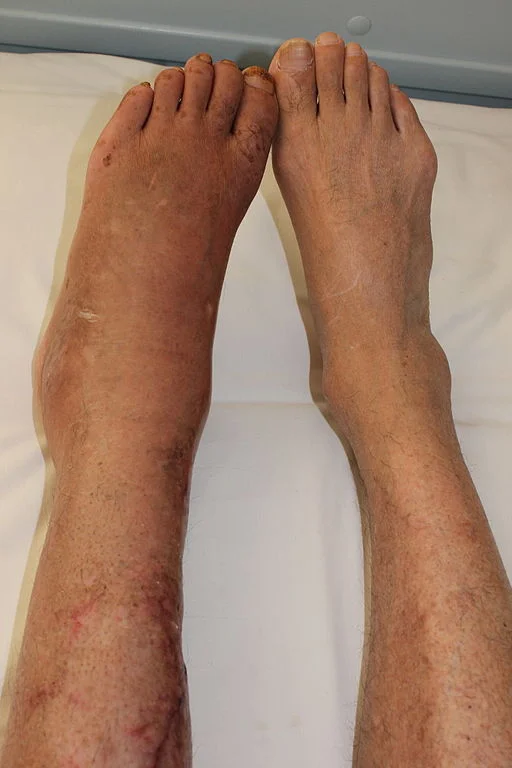
a CRPS PATIENT 6 MONTHS AFTER leg fracture

a CRPS PATIENT 6 MONTHS AFTER leg fracture

“I wish it was easy to diagnose Complex Regional Pain Syndrome,” says Barby Ingle, president of the International Pain Foundation (iPain), who was diagnosed with RSD/CRPS two years after a car accident that injured her shoulder. “I went from having RSD in my face and shoulder. It then spread to my right arm and hand, then my entire right side. By the time I was properly diagnosed I had full body including organ involvement.”

“I have personally spoken to thousands of patients who have been diagnosed with RSD/CRPS. Out of all of them, two were diagnosed within the first 3 months, most took over a year. For me, I saw 43 providers before receiving a proper diagnosis. Most pain providers were not educated and although providers are getting better education now, there are still major delays.”

Opioids and other pain medications only dull the pain of CRPS, but Axsome is hoping that AXS-02 can also treat the underlying condition that causes the disorder.

“I hope so,” says Kaye. “Instead of just relieving pain, we’re getting right at the underlying pathophysiology of the condition.”

AXS-02 is an oral formulation of zoledronic acid, an injectable bisphosphonate that inhibits the production of compounds that cause bone pain. Bisphosphonates have long been used to treat osteoporosis and Kaye believes they might also stop the progression of CRPS.

“It’s pretty straightforward. Patients take one tablet once a week for six weeks and they’re done,” Kaye told Pain News Network. “We don’t think there will be a reoccurrence based on the mechanism of action. But we want to be sure.”

Proving that AXS-02 can do more than just relieve symptoms of CRPS will take time. If it can find enough patients, Axsome hopes to finish the CREATE-1 study in mid-2017. Additional studies may then be needed. If the clinical results are positive, the Food and Drug Administration has granted “fast track” and “orphan drug” designation for AXS-02, which will speed up the application and approval process.

CRPS patients interested in applying for the CREATE-1 study should click here.    

Pain Pacifist: A Poem About Pain


"Pain Pacifist"

By Angelika Byczkowski


Pain warrior no longer,

I surrender,

give up the fight,

become a pacifist.

Pain is far too big,

too strong for me

to stand against,

curb or contain.


It spills over

the edge of my meds,

trampling barriers

of mind eroded

by long-sustained

assault, it gives

no pause, no rest,

no redemption.


I'm worn down,

too exhausted

to continue this

unending battle,

fighting my own

invisible torment,

running wild in

this broken body.


Dreams for the future

lie shattered, love

of life destroyed,

lost to pain, and

the way ahead

looks even worse,

I change my route,

try something new.


I declare a truce,

one-sided, still

it brings me moments

of gentle calm,

when a window

opens briefly,

gives me a glimpse

of possible peace.


Angelika Byczkowski suffers from Ehlers-Danlos Syndrome and fibromyalgia. Until she was disabled by progressive pain and fatigue, Angelika was a high tech IT maven at Apple and Yahoo. She lives in California’s Santa Cruz Mountains with her husband and various 4-legged kids.

When pain isn't keeping her flat on her back, she spends her limited energy researching and blogging about chronic pain, EDS, and fibromyalgia at EDS Info.

Pain News Network invites other readers to share their stories (and poems) with us. 

Send them to:  editor@PainNewsNetwork.org

What Does a Migraine Look Like?

By Pat Anson, Editor

Sometimes there’s an aura. Or bright lights. Or blurred vision.

About a billion people worldwide suffer from headaches caused by migraines, which affect three times as many women as men. Most non-sufferers understand the headache part, but explaining what a migraine looks like isn’t easy – which is why the makers of Excedrin invented a simulator to help people better understand  migraines and the impact they can have.

"Migraines are more than bad headaches – the pulsing pain can be debilitating, and the associated symptoms like nausea and extreme sensitivity to light and sound, really impact people's lives," said Dr. Elizabeth Seng, a New York based psychologist.

GSK Consumer Healthcare brought together several migraine sufferers and had them explain the symptoms they most often experience during a migraine episode, including aura, sensitivity to light and blurred vision. The symptoms were then replicated with the simulator and conducted in a controlled environment from everyday life – like riding the subway or going to a restaurant -- to give non-sufferers the chance to safely experience the full range of migraine symptoms

Many found the experience unsettling and nauseating, as you’ll see in this short video that Excedrin recently began airing on TV and over the Internet:

Excedrin partnered with Andy Cohen, a best-selling author, TV personality, producer and migraine sufferer, to help spread awareness about the impact migraines can have on relationships with friends, spouses and co-workers. He hopes the simulator will help non-sufferers better understand the migraine experience.

"Growing up with migraines, I experienced firsthand how debilitating an episode can be and how much it can affect relationships with loved ones," said Cohen. "In my experience, both personal and professional, I've seen how migraines can become a third party in relationships – creating tension in, sometimes, already murky waters."

Migraine affects about 36 million adults in the United States, according to the American Migraine Foundation. In addition to headache pain and nausea, migraine can cause vomiting, blurriness or visual disturbances, and sensitivity to light and sound. About half of people living with migraine are undiagnosed.

A Brush with Death and Fake Pain Pills

By Pat Anson, Editor

At least ten deaths and 42 overdoses have now been blamed on counterfeit pain pills in the Sacramento, California area.

The pills are disguised as Norco – the brand name of a common hydrocodone medication – but they are actually made with illicit fentanyl, a dangerous and sometimes deadly drug that is 50 times more potent than morphine.      

One of those fatal overdoses could have easily been a 25-year year old father of two, who we’ll call “David” to protect his identity.

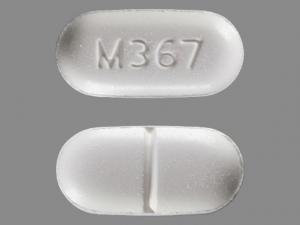
“I've had one of these so called super Norcos,” says David.  “It had the markings of a regular prescription, M367. I only took a half just in case because of the news from the day and luckily I did. It was unlike any high I've had. It made me dizzy.  I couldn't see straight or sleep.”

It’s not just street addicts who are being victimized by the fentanyl scam. Many are pain patients like David who turned to the black market for relief when they could no longer get opioid prescriptions legally.

David suffered a herniated disc several years ago. He was prescribed morphine for his pain and took it three times a day for six months before being abruptly cut off by his doctor. 

counterfeit norco pills

counterfeit norco pills

I tried everything to get more and more prescription drugs prescribed. After that I had no choice but to turn to the street. It's a huge problem here in Sacramento,” David told Pain News Network.

“Ever since middle school and high school I recall the widespread use of opiates and heroin. But now there is such a high demand for the pills because of the increased regulations on them and not being able to scam an early refill. It has caused the price to spike on the streets and as soon as the word gets out someone has them they are immediately sold for ridiculous prices. It’s not all addicts and not all pain patients. The doctors around here are cutting people down on the amount they are prescribed, causing them to have nowhere else to turn but the neighborhood dealer.”

After three years of buying street drugs, David knew he had a problem and entered a treatment program, where he was prescribed Suboxone, an opioid medication that’s widely used to treat addiction. The treatment worked well for several months, but then his health insurance with Covered California lapsed and he missed a re-enrollment period. David could no longer get treatment.

“The withdrawal from that (Suboxone) was about 3 weeks and felt like it was getting worse, so I really felt as if I had no choice but to ease the pain by once again turning to the streets to feel better. I told myself I'd only do it for a month then that turned into two months, now it's going on seven and I can't stop,” said David. “I got the Norco from a friend who is usually prescribed oxycodone but had run out and he too was forced to go out and find something to get him through till his refill was due.”

David bought 16 Norco pills for $5 each, not knowing he was actually getting fentanyl.

“Adding fentanyl of course to the Norco makes it much more powerful and deadly at the same time,” says John Burke, a former drug investigator for the Cincinnati Police Department who is now president of the International Health Facility Diversion Association. “Dealers brag about the potency of their products, and even brag when someone overdoses or even dies as proof of superior product. Screwed up thought process, but nevertheless that’s the world of illicit drug dealing.”

Burke says the counterfeit Norco most likely came from Mexico, where drug cartels manufacture fentanyl before smuggling it into the United States. Usually the fentanyl is mixed with heroin or cocaine to boost their potency. By disguising fentanyl as a legitimate pain medication, the dealers are tapping into a large and growing black market for opioids sought by addicts and pain patients.

“Putting fentanyl in pill form makes it less of a problem in hiding and transporting the drugs,” says Burke. “These pills probably bring more money, especially when the testimonials roll in as to how potent they are. Their drive is their bottom line.”

The bottom line for David is that he nearly overdosed and could have died. For the sake of his children, he’s gotten rid of the remaining Norco pills and is hoping to wean himself off opioids.

“I'm starting to taper myself down. I have to, this pill scare is enough to scare someone that has a lot to lose like myself,” he said.

Survey Finds Racial Bias in White Medical Students

By Pat Anson, Editor

New research has founds signs of racial bias and ignorance about issues involving pain management in a survey of white medical students.

Researchers at the University of Virginia asked 222 medical students and residents a series of hypothetical questions about treating pain in mock medical cases involving white and African-American patients suffering pain from a kidney stone or leg fracture. They were also asked whether statements about biological differences between blacks and whites were true or untrue.

Many of the students and residents were found to hold false beliefs, such as believing that black people's skin is thicker and that their blood coagulates faster than whites. 

Half of those surveyed endorsed at least one false belief; and those who did were more likely to report lower pain ratings for black patients and were less accurate in their treatment recommendations for blacks.

Medical students and residents who did not endorse false racial beliefs did not show the same treatment bias. 

"Many previous studies have shown that black Americans are undertreated for pain compared to white Americans, because physicians might assume black patients might abuse the medications or because they might not recognize the pain of their black patients in the first place." said Kelly Hoffman, a psychology PhD candidate who led the study. "Our findings show that beliefs about black-white differences in biology may contribute to this disparity."

The findings are published in the journal Proceedings of the National Academy of Sciences.

"We've known for a long time that there are huge disparities in how blacks and whites are assessed and treated by the medical community," Hoffman said. "Our study provides some insight to what might contribute to this -- false beliefs about biological differences between blacks and whites. These beliefs have been around for a long time in our history.

"What's so striking is that, today, these beliefs are not necessarily related to individual prejudice. Many people who reject stereotyping and prejudice nonetheless believe in these biological differences. And these beliefs could be really harmful; this study suggests that they could be contributing to racial disparities.

Previous research has shown that African-Americans are systematically undertreated for pain compared to white Americans, and that blacks are less likely to be prescribed opioid pain medication than whites.

A 2012 study published in The Journal of Pain found that blacks, especially young adults, had significantly more pain and disability whether they lived in lower or higher socioeconomic neighborhoods.

Pain and Parenting

By Barby Ingle, Columnist

A little over a year ago my brother and I published a book for children who have people in their life living with chronic pain. We both live in pain and he has children.

In preparing the book we did a lot of research on the language that children understand. For instance, using the word “hurt” instead of “pain” for children under six years of age helps them better comprehend chronic pain. Saying “Aunt Barby hurts” works better than “Aunt Barby has a migraine.”

When speaking with your child about chronic pain, try to create an open dialog that is age appropriate. Children need to be reassured about what is happening, especially when the child is the patient. For school-aged children, keep their teachers and counselors involved and offer them additional counseling and resources.

Young children have very active imaginations and when left to their own thoughts can make a situation much worse. I remember a time when I was young and a friend in school passed away. I had a cold the week before and went to school anyway. The teacher explained to the class that Chris had passed away after getting sick. For years afterward I thought I made him sick and that is why he died.

School-aged children think in black and white terms, so give realistic and honest answers like: “I don’t know when Christy will get better, but we can help make it easier for her if we do this.” 

Dealing with an adolescent child is a roller coaster for many parents and chronic pain makes that roller coaster ride even scarier. Many patients who are diagnosed in their teenage or early adult years will stop or slow development mentally and emotionally unless they are guided in managing their pain properly. They need understanding, support and encouragement from others, and to be engaged in social activities as much as possible.

It is best to answer their questions honestly and treat them with the ability to understand.  Get them professional help if they are acting out or asking questions you feel will be better answered by someone qualified in chronic pain and psychology.  

A big part of parenting and interacting with younger people with pain is our own guilt about their limitations. Instead of beating ourselves up, read them a bedtime story, watch a movie, or just spend time together. You may be surprised how proud your child is of how you are handling such a difficult situation as their caregiver. 

For parents in pain, the birth of a child is a wonderful and joyful event, but it raises a whole new set of concerns. For those who develop a pain condition after their child is used to life with fewer limitations and restrictions, this can bring on even more challenges and adjustments.

Some important questions to ask yourself are what if the pain grows worse? How will my child understand? How can I still parent them appropriately? And is there a difference if it’s mom or dad in pain? 

Have an open dialogue and communication that helps your children, grandchildren, nephews and nieces understand limitations and why a family member or parent is different. Children need to know they cannot catch your pain!

Children function better with a routine and knowing how things will get done – as in how they get to school or who will make their lunch. Make plans and stay organized. Get the family involved so that they know it will all be okay if mom or dad can’t manage things that day. Children of all ages need to be reassured about what is happening and that it will all work itself out. By planning, preparing, and helping, you can make it go that much smoother for the whole family.  

The bigger part of parenting with pain is our own guilt that we are short changing them somehow because of our limitations. With my older nephews, I didn’t have as close of a relationship with them for years due to not being able to manage expectations. Once I was able to set the expectation, it helped tremendously.

Yes, we may have to do things differently and maybe a few less things, but pick what matters and make it count.

And check out "Aunt Barby’s Invisible, Endless Owie" by Tim Ingle and Barby Ingle.

Barby Ingle suffers from Reflex Sympathetic Dystrophy (RSD) and endometriosis. Barby is a chronic pain educator, patient advocate, and president of the International Pain Foundation. She is also a motivational speaker and best-selling author on pain topics.

More information about Barby can be found at her website.

The information in this column should not be considered as professional medical advice, diagnosis or treatment. It is for informational purposes only and represents the author’s opinions alone. It does not inherently express or reflect the views, opinions and/or positions of Pain News Network.

The Good and Bad About a Pain-Free Statin

By Pat Anson, Editor

New research has confirmed what a lot of us already know about statins: the cholesterol fighting drugs may lower your risk of heart disease, but they can also cause painful muscle cramps, memory loss and other side effects.

In the first major trial of its kind, researchers at the Cleveland Clinic gave atorvastatin (Lipitor) or a placebo to nearly 500 patients with very high cholesterol levels, many of whom had a history of muscle related statin intolerance. Over 42 percent of the patients reported muscle pain or weakness on atorvastatin.  

Those patients were then enrolled in another phase of the study and given a non-statin drug called evolocumab, which inhibits a protein in the liver (PCSK9) that helps produce cholesterol.  

The good news? Evolocumab was very effective in lowering cholesterol and rarely produced muscle problems.

The bad news? Evolocumab would cost about $14,000 a year and is self-administered monthly by injection only. Double ouch.

ucm293331.jpg

"Statin intolerance has been a very challenging clinical problem," said Steven Nissen, MD, chairman of Cardiovascular Medicine at Cleveland Clinic. "The study showed that PCSK9 inhibitors can significantly lower cholesterol in patients with documented statin intolerance, providing an effective treatment for these difficult to manage patients."

While the study findings, published in JAMA, were mainly meant to test the efficacy of evolocumab, it’s nice to see the medical community acknowledge that statins have painful side-effects and that drug makers are trying to find alternatives.

I started taking statins over a decade ago on the recommendation of a family physician, because of mildly elevated cholesterol and a scary family history of coronary artery disease. Right away I started having painful leg cramps at night, and during the day I felt lethargic and less alert.  My doctor was a bit skeptical and switched me from one statin to another (Lipitor, Vytorin and finally Crestor), but the cramps and brain “fogginess” continued. When I stopped taking statins, the symptoms disappeared.

I’m certainly not alone. Muscle pain is reported by an estimated 5% to 29% of statin users, but there are no blood or diagnostic tests to document muscle-related statin intolerance. It’s also hard to fight conventional thinking (and extensive advertising) that statins are good for you, so a lot of patients are encouraged to keep on taking them, even if they do cause pain.

Only in 2014 did the Food and Drug Administration require warning labels on statins, cautioning that some statins can cause a muscle injury called myopathy, which is characterized by muscle pain or weakness. In rare instances, the FDA says statins can also cause liver injury, diabetes and memory loss.   

The first statin, lovastatin, was approved by the FDA in 1987 – meaning it took the agency nearly three decades to start warning about these side effects. It’s only through patient complaints that the FDA even learned about them, a concept that the American College of Emergency Physicians (ACEP) should probably brush up on.

As Pain News Network has reported, ACEP wants Medicare to stop requiring hospitals to ask patients about the quality of their pain care. That's not a good idea. And the painful history of statins is proof of that.

The Advantages of Having a Service Dog

By Ellen Lenox Smith, Columnist

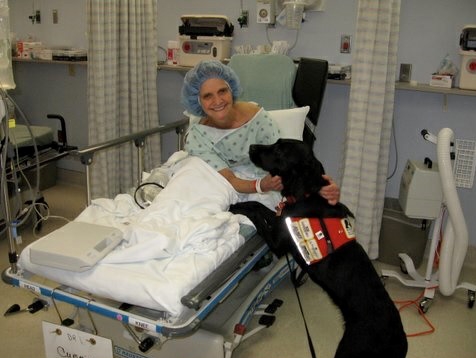
I chose to apply for a service dog after meeting someone else with Ehlers Danlos syndrome (EDS) who had been given one by the National Education for Assistance Dog Services (NEADS), also known as Dogs for Deaf and Disabled Americans.

At first, I was nervous that I would not be able to handle the responsibility, afford the cost, and that I would not qualify for a service dog. But the decision to apply and later bring “Maggie” into our lives was one of the best I’ve ever made.

Six days after coming home from a two week training program, Maggie saved my life. To this day, she senses when I have my breathing cut off and alerts me.

Maggie can somehow tell in the morning that I am headed for a bad night. She will look me in the eyes, nudge against me, lick my legs and not leave me alone. She was not trained to know this, but we somehow bonded so well in the first few weeks that she can sense when my oxygen levels are too low.

At night when she senses this, Maggie wakes me -- first by pacing on the bed, then whining, and if that does not work, she licks or nudges me until I awake.

I met Maggie when I was barely able to walk. She quickly helped me learn to live life in a wheelchair.

Imagine what it is like to drop an object and not be able to get down and pick it up. Maggie will pick up whatever she finds on the ground and bring it to me. She can retrieve the phone and pick up paper, pens, and almost any size object. She can even be sound asleep and hear me drop something and come right over to get it for me.

I also find her support with balance. Although NEADS does not train dogs to wear harnesses for balance, they do help you to utilize the dog for simple tasks, like getting up safely from a chair, out of a car and even off the toilet seat.

Maggie provides amazing pain relief and comfort, too. The heat from her body when she spoons against me, provides soothing comfort that goes way beyond any medication. To have her by my side helps me to gain confidence with my constantly slipping body.

I am always loved, cared for and never alone. As a service dog, Maggie can be by my side wherever I go -- whether it is the hospital, airport, train, pool, store, car, hotel, restaurant, and even the White House. She is welcome all places except a military base or private home. Those are the only places I must get permission for her to be with me.

Caring for Your Service Dog

I was concerned that I would not be able to care for my dog. But NEADS will train you to learn how to take care of the dog you are matched with no matter what your physical challenges might me. Do not stress about that - they will guide you and your dog through the process.

You will be taught how to care for the dog, how to feed, groom and exercise them, despite your obstacles.

Can You Afford a Service Dog?

An average NEADS dog costs over $42,000, but they only ask clients to raise a minimum of $8,000. I was so concerned I would never be able to raise the money for my dog, but NEADS put my mind at ease, explaining that they set up an online fundraising page for you to send out that tells your story and asks for support.

I sent the link to friends and also posted the story in local stores. In three months, all the money for Maggie was donated by people, many of whom I didn’t even know. Do not stress about the cost. NEADS will work that out if you qualify for a dog. They just ask that you help them defer the cost.

To apply for a dog, go to the NEADS website, fill out the application and then expect a call for an interview. Always feel free to contact their office to be sure the request has come through and to get an update on the status of your application.

I always encourage those that are considering a service dog to go ahead and apply, even if they have reservations, to get on the waiting list. The worst that can happen if you change your mind is that someone else gets the dog selected for you.

The wait can take from a few weeks to up to a year and a half. So why not get in line?

Ellen Lenox Smith suffers from Ehlers Danlos syndrome and sarcoidosis. Ellen and her husband Stuart live in Rhode Island. They are co-directors for medical marijuana advocacy for the U.S. Pain Foundation and serve as board members for the Rhode Island Patient Advocacy Coalition.

For more information about medical marijuana, visit their website.

The information in this column should not be considered as professional medical advice, diagnosis or treatment. It is for informational purposes only and represents the author’s opinions alone. It does not inherently express or reflect the views, opinions and/or positions of Pain News Network.

ER Doctors Lobby to Silence Pain Patients

By Pat Anson, Editor

A professional organization for emergency room physicians has joined in a lobbying effort to stop asking hospital patients about the quality of their pain care.

At issue is a Medicare funding formula that requires hospitals to prove they provide good care through patient satisfaction surveys. The formula rewards hospitals that are rated highly by patients, while penalizing those that are not. 

In a letter to Health and Human Services Secretary Sylvia Mathews Burwell, the head of the American College of Emergency Physicians (ACEP) claims that asking patients about their pain care could lead to overprescribing of opioid pain medication. To see the letter, click here.

“Patient experience/satisfaction surveys are important, particularly regarding issues of treating patients with dignity and respect, but questions about pain have resulted in unintended consequences and the pursuit of high patient-satisfaction scores may actually lead health professionals and institutions to practice bad medicine by honoring patient requests for unnecessary and even harmful treatments,” wrote Jay Kaplan, MD, President of ACEP, which represents over 30,000 emergency room physicians in the U.S.

“Any questions which provide an opportunity for patients to express dissatisfaction because they didn’t get the drugs they sought, provide disincentives for physicians to prescribe non-opioid analgesics which will negatively affect their scores.”

Only two questions are asked about pain in the 32-question survey known as the Hospital Consumer Assessment of Healthcare Providers and Systems (HCAHPS):

During this hospital stay, how often was your pain well-controlled?

During this hospital stay, how often did the hospital staff do everything they could to help you with your pain?

In his letter, Kaplan states “there is no objective diagnostic method that can validate or quantify pain” and until one is developed, both pain questions should be dropped from the survey.

“We are concerned that the current evaluation system may inappropriately penalize hospitals and physicians who, in the exercise of medical judgment, opt to limit opioid pain relievers to certain patients and instead reward those who prescribe opioids more frequently,” Kaplan wrote. “We urge the Department to undertake a robust examination of whether there is a connection between these measurements and potentially inappropriate prescribing patterns, and, until that is completed, we urge you to remove pain questions from the various CAHPS surveys.”

Kaplan’s letter is similar to one sent to Secretary Burwell in February by Sen. Susan Collins (R-Maine) and 25 of her colleagues in the U.S. Senate. To see that letter and the senators who signed it, click here.

“The evidence suggests that physicians may feel compelled to prescribe opioid pain relievers in order to improve hospital performance on quality measures,” wrote Sen. Collins.

Both Collins and Kaplan cite only one piece of “evidence” – a 2013 magazine article in The Atlantic  -- that mentions a small study of “drug seeking behavior” by emergency room patients. The article's author, who is a physician, also mentions anecdotal comments from colleagues and concludes “this problem is widespread.”  

Pain News Network and the International Pain Foundation recently conducted a survey of over 1,250 pain patients and found that what is actually widespread in hospitals is poor pain care. Over half the patients surveyed said the quality of their pain treatment was poor or very poor and over 80 percent said hospital staffs are not adequately trained in pain management. Nine out of ten patients said they should be asked about their pain care in hospital satisfaction surveys.

“Before eliminating patients' right to critique their pain care, a better idea would be to ask doctors what they know about pain!” wrote one patient. 

When Pain News Network provided ACEP with the survey results, a spokesperson declined to comment on the findings.

A top Medicare official recently wrote an article in JAMA defending the HCAHPS survey.

"It has been alleged that, in pursuit of better patient responses and higher reimbursement, HCAHPS compels clinicians to prescribe prescription opioids. However, there is no empirical evidence that failing to prescribe opioids lowers a hospital’s HCAHPS scores," wrote Lemeneh Tefera, MD, Quality Measurement and Value-Based Incentives Group, Centers for Medicare & Medicaid Services.

"Although opioids are sometimes appropriate, depending on the underlying cause, other nonpharmaceutical approaches and multiple nonopioid pain medications are available to treat pain. Nothing in the survey suggests that opioids are a preferred way to control pain. On the other hand, good nurse and physician communication are strongly associated with better HCAHPS scores."

“I find this notion that we would stop asking patients how well their pain was controlled in the hospital appalling,” said Cindy Steinberg, National Director of Policy and Advocacy for the U.S. Pain Foundation. “I find it perverse that we would be more concerned with whether doctors in a hospital setting felt ‘pressure’ to provide pain relief than whether patients felt the hospital staff did all they could to help them with their pain. What ever happened to the focus on ‘patient-centered’ care?"

DEA Warns of Fake Fentanyl Pain Pills

By Pat Anson, Editor

In the wake of nine deaths and dozens of overdoses in the Sacramento, California area in recent weeks, the U.S. Drug Enforcement Administration has issued a public safety alert about illicit fentanyl being disguised as opioid pain medication and sold on the black market.

Fentanyl is a synthetic opioid that is 50 to 100 times more potent than morphine and can be lethal in very small doses. Fentanyl is available by prescription to treat more severe types of chronic pain, but illicitly manufactured fentanyl is fast becoming a scourge across the U.S. and is blamed for thousands of fatal overdoses.

White fentanyl powder is usually mixed with heroin or cocaine to give those drugs an extra kick, but in Sacramento the drug was disguised as counterfeit Norco pills, a legal opioid pain medication that combines hydrocodone with acetaminophen.

“Public Health and Law Enforcement officials believe that the pills containing Fentanyl were likely sold on the street under the guise of being legitimate hydrocodone.  Additionally, the pills are marked to mimic the authentic hydrocodone product. However, the Sacramento County Department of Health and Human Services reports that test results show that some of the tested pills did not contain hydrocodone, but rather fentanyl,” the DEA said in a statement. 

IMAGE OF COUNTERFEIT NORCO

IMAGE OF COUNTERFEIT NORCO

“The DEA urges the public not to take a prescription drug unless prescribed by your own physician and obtained from a reputable pharmacy."

One of the overdose victims in California was David Alfaro, a 53-year old man who suffered chronic pain from a leg injury, according to a report by KCRA-TV.

"He bought what he thought was Norco, and it ended up being fentanyl -- and it killed him," said Marinda Conway, Alfaro’s common law wife. "He wasn't a heroin addict that was looking to substitute his addiction by buying street pills. He wasn't an opioid addict by any means.”

Conway said a single fake Norco pill was enough to kill Alfaro, although autopsy results are pending.

"This has been my fear with the new CDC guidelines that more people with pain will have less access to prescription medications; therefore taking matters into their own hands, self-medicating with medications bought on the street," said Paul Gileno, president of U.S. Pain Foundation, referring to recently adopted government guidelines that discourage primary care physicians from prescribing opioids for chronic pain.

"The CDC never thought about the unintended consequences from limiting access to legitimate patients needing care whose clinicians now feel unable to prescribe or treat appropriately. My worst nightmare is the possible repercussions looming in the future due to these hindering guidelines," Gileno said.

In a survey last fall of over 2,000 pain patients by Pain News Network,  70 percent predicted that use of heroin and other illegal drugs would increase if the CDC guidelines were adopted.

The DEA says illicit fentanyl is primarily manufactured in Mexico and China before being smuggled into the U.S. Because of the nature of the drug, it’s impossible to tell if fentanyl was prescribed legally and used for medical reasons or manufactured illegally and used recreationally. The CDC admits many fentanyl overdoses may have been misclassified as deaths caused by prescription painkillers.

Another Reason for Arthritis Patients to Quit Smoking

By Pat Anson, Editor

Rheumatoid arthritis sufferers who quit smoking can significantly reduce their risk of an early death, according to a British study published in the journal Arthritis Care and Research.

University of Manchester researchers studied a database of over 5,600 rheumatoid arthritis (RA) patients that included hospital admissions and death certificates. They found that the risk of death was almost two times higher in RA patients who smoked compared to those who never smoked.

The good news for smokers is that if they quit, the risk of death fell for each year they didn’t smoke. Former smokers have a risk similar to that of RA patients who had never smoked.

"This research provides important evidence that the risk of early death starts to decline in patients who stop smoking, and continues year on year,” said Deborah Symmons, Professor of Rheumatology and Musculoskeletal Epidemiology at The University of Manchester.

“We hope that this research can be used by public health professionals and rheumatologists to help more people quit smoking and reduce premature deaths, particularly for newly diagnosed patients with rheumatoid arthritis."

RA is a chronic autoimmune disease in which the body’s own defenses attack joint tissues, causing swelling, inflammation and bone erosion. Many health experts believe the inflammation triggered by RA in the joints may cause inflammation throughout the body, including the heart’s coronary arteries.

According to the Arthritis Foundation, more than 50 percent of premature deaths in people with rheumatoid arthritis result from cardiovascular disease. The heightened risk of heart disease applies to all forms of arthritis, including osteoarthritis, gout, lupus and psoriatic arthritis.

"Rheumatoid arthritis is a debilitating and painful condition affecting over 400,000 people in the UK, it can begin at any age and is unpredictable - one day you can feel fine and the next day be confined to bed, unable to get up to dress, even go to the toilet unaided,” said Stephen Simpson, Director of Research and Programmes for Arthritis Research UK.

"As a charity, we are committed to preventing, transforming and curing arthritis and musculoskeletal diseases, and this research shows that cutting out smoking is one intervention which can help this condition from developing."

There is already plenty of evidence to show an association between smoking and increased risk of death in the general population, but the habit is especially risky for chronic pain sufferers. Studies have found that smoking increases your chances of having several types of chronic pain conditions, such as degenerative disc disease.

A study of over 6,000 Kentucky women found that those who smoked had a greater chance of having fibromyalgia, sciatica, chronic neck pain, chronic back pain and joint pain than non-smokers. Women in the study who smoked daily more than doubled their odds of having chronic pain.

A large study in Norway found that smokers and former smokers were more sensitive to pain than non-smokers. Smokers had the lowest tolerance to pain, while men and women who had never smoked had the highest pain tolerance.

A recent study in Sweden published in JAMA Neurology found that smoking after a diagnosis of multiple sclerosis significantly accelerates progression of the disease.

Promising Results for New Rheumatoid Arthritis Drug

By Pat Anson, Editor

A new drug being developed by Eli Lilly significantly reduces pain, inflammation and other symptoms of rheumatoid arthritis, according to the findings of an international research team published in the New England Journal of Medicine. Nearly ten percent of the patients taking the drug Baricitinib went into full remission.

Rheumatoid arthritis (RA) is a chronic autoimmune disease in which the body’s own defenses attack joint tissues, causing pain, inflammation and bone erosion. Most RA treatments focus on suppressing the immune system to reduce inflammation and slow progression of the disease.

Baricitinib inhibits two enzymes, called Janus kinase 1 and 2, which are activated in the inflammatory response to RA.

“This is the first drug to demonstrate meaningful clinical benefit in patients who’ve failed virtually every other commercial drug for rheumatoid arthritis,” said lead author Mark Genovese, MD, a professor of immunology and rheumatology at Stanford University School of Medicine.

Researchers at Stanford and Medical University of Vienna in Austria enrolled 527 RA patients from 24 countries in the Phase 3 clinical study. The patients had been living with the autoimmune disease for 14 years, on average, had moderate to severe symptoms, and had not responded well to previous treatments. Patients were divided into three groups, one with a daily dosage of 2 mg of Baricitinib, one with 4 mg, and a control group given placebos.

After 24 weeks, the patients who received Baricitinib had significant improvements in their symptoms, suffering less pain, joint swelling and other signs of disease activity. The group with the 4 mg dose showed even better results than those with the 2 mg dose, compared to the placebo group.

"With Baricitinib, we will have a drug that works even if the currently employed medications are not sufficiently effective,” said co-author Joseph Smolen, manager of the University Clinic for Internal Medicine III at Medical University of Vienna. “Almost 10 % of the patients went into full remission (a cure-like state) within six months, and almost half of the patients demonstrated significant improvement of in disease activity and physical functioning. All this may constitute a new basis for the treatment of rheumatoid arthritis that could become available in the near future."

Another advantage of Baricitinib is that it can be taken orally once a day and does not have to be administered intravenously or through injections, unlike other RA medications. Some patients in the study had side effects, such as mild upper respiratory infections and shingles.

About 1.5 million Americans and 1% of adults worldwide have rheumatoid arthritis. About three of every four people with the disease are women.

New injectable biologic drugs often work in controlling RA initially, but lose their effectiveness over time or have unacceptable side effects. They are also notoriously expensive, with some of the newer drugs costing $20,000 annually.

According to a recent study, RA patients enrolled in Medicare Part D plans paid an average out-of-pocket cost of $835 a month for a biologic in 2013. Costs varied widely depending on the drug – from $269 a month for the biologic infliximab to $2,993 a month for anakinra.

The Baricitinib trial was sponsored by Eli Lilly, which has filed for approval of the drug with the U.S. Food and Drug Administration. Three other Lilly-sponsored studies have shown  Baricitinib was effective in newly diagnosed patients, and in head-to-head competition with the RA medications adalimumab and methotrexate. Baricitinib is also being studied in trials for atopic dermatitis and systemic lupus erythematosus.

White House Steps Up Anti-Opioid Campaign

By Pat Anson, Editor

The Obama administration has unveiled a series of new initiatives aimed at treating addiction and educating doctors about prescription opioid abuse – amid growing signs the nation’s drug abuse epidemic is being fueled more and more by illegal opioids such as heroin and illicit fentanyl.

The new campaign, unveiled at the National Rx Drug Abuse and Heroin Summit in Atlanta, expands on a $1.1 billion funding proposal the President sent to Congress last month to address the nation’s growing drug problem.

One change that could greatly expand access to addiction treatment is a proposed rule by the Department of Health and Human Services (HHS) to double the number of prescriptions that a doctor can write for buprenorphine, an opioid used to treat addiction. Doctors currently are limited to 100 buprenorphine patients, but the new rule would expand that to 200 patients. The number of doctors trained and licensed to prescribe buprenorphine will also be increased.

HHS and the Substance Abuse and Mental Health Services Administration (SAMHSA) will also release over $100 million to expand access to addiction treatment.

"Expanding access to medication-assisted treatment for opioid-use disorders has been a top priority for this administration. Research clearly shows that this approach, when combined with behavioral therapies, is more effective at sustaining recovery and preventing overdose," said Michael Botticelli, director of the White House Office of National Drug Control Policy.

The policy changes and funding support stand to greatly benefit addiction treatment centers such as Phoenix House, whose medical director has lobbied for expanded access to buprenorphine treatment. Andrew Kolodny, MD, is also the founder and Executive Director of Physicians for Responsible Opioid Prescribing (PROP) which had five board members, including Kolodny, advising the CDC about its new opioid prescribing guidelines.

While buprenorphine is considered a “safer” opioid and has long been used to treat addiction (under the brand name Suboxone), it is prized by some addicts and can be abused. A 2013 study by SAMHSA found a ten-fold increase in the number of emergency room visits involving buprenorphine. Over half of the hospitalizations were for non-medical use of buprenorphine – meaning many users took the drug to get high.

“One of the most effective medications for opioid addiction is a drug called buprenorphine or Suboxone,” said Kolodny in an interview on C-SPAN last October.

A request to Phoenix House and Kolodny for comment on the HHS buprenorphine proposal went unanswered.

The White House also announced this week that 60 medical schools will require students to take some form of prescriber education, modeled after the CDC’s opioid guidelines, in order to graduate.

The lack of pain education in medical schools has long been recognized as a problem. A 2012 study published in the Journal of Pain called pain education "lackluster" in the U.S. and Canada. Few schools required a course in pain education and many did not have any pain courses.

A recent survey by Pain News Network and the International Pain Foundation (IPain) found that 8 out of 10 patients feel that hospital staffs are not adequately trained in pain management. Over half rated the quality of their pain care in hospitals as either poor or very poor.

Some fear the new White House plan is focused more on addiction treatment and limiting access to opioids than it is on educating doctors about pain management.  

“What remains astonishing is the total deafness to the needs of people in pain. It is as if people in pain don't exist and that they are not important,” said Lynn Webster, MD, past president of the American Academy of Pain Medicine and vice president of scientific affairs at PRA Health Sciences.

“Focusing on opioid prescribing education in medical schools without also educating medical students about pain medicine is only going to further stigmatize people in pain and those who develop addictions. This is a true Back to the Future nightmare.  We will be practicing 1950's medicine for the most prevalent public health problems in America.  Absolutely astounding to me.”  

Six Fatal Fentanyl Overdoses in California

While the Obama Administration was announcing its new plan, health officials in Sacramento, California confirmed that six people died and over two dozen were hospitalized this month after ingesting a black market version of Norco, a widely prescribed opioid painkiller.

Legitimate Norco pills are a combination of hydrocodone and acetaminophen, but the “street” Norco was laced with fentanyl, a much more potent and potentially deadly opioid. Fentanyl is odorless and cannot be easily distinguished from other drugs.

“Some who have taken it stated that they were told that it was Norco.  However, results just released indicate that some of the pills that were retrieved have been tested and show that they did not contain Hydrocodone or Acetaminophen. The lab was able to identify the pills as containing Fentanyl instead.  This indicates that they are really Fentanyl pills that have been made to look like Norco,” the Sacramento County Division of Public Health said in a statement.

Fentanyl deaths have been rising around the country – at least 22 died from fentanyl overdoses in the Cleveland, Ohio area this month alone and dozens of deaths have been reported in West Virginia.

Last year the Drug Enforcement Administration issued a nationwide alert about the abuse, diversion and illegal manufacture of fentanyl. Thousands of people are believed to have died from fentanyl overdoses, but because of the nature of the drug it is impossible to tell whether it was prescribed legally and used for medical reasons or manufactured illegally and used recreationally. The CDC admits many fentanyl overdoses may have been misclassified as deaths caused by prescription painkillers.

Meanwhile, a report this week in Maine’s Portland Press Herald suggests that there is a correlation between rising heroin use and reduced access to prescription opioids. In recent years the number of people being treated for heroin addiction has nearly tripled in Maine, at a time when the number of prescriptions written for opioids dropped by 45 percent.

How Opioid Prescribing Guidelines Use Pseudoscience

By Michael Schatman and Jeffrey Fudin, Guest Columnists

Recently, we (along with our colleague, Dr. Jacqueline Pratt Cleary) published an open access article in the Journal of Pain Research, entitled The MEDD Myth: The Impact of Pseudoscience on Pain Research and Prescribing Guideline Development.”

In this work, we address the issue of how governmental and managed care opioid guideline prescribing committees use the flawed concept of morphine-equivalent daily dose (MEDD or MME) to arbitrarily place limits on the amount of opioids that a clinician “should” prescribe to any patient with chronic pain -- as if all patients were identical. 

The article cites excellent research that exposes the invalid concept of MEDD – and while guideline authors are fully aware of that lack of evidence, they are hypocritically fine with using MEDD as a device to thwart chronic opioid use. In the case of opioids for chronic non-cancer pain, there is at least some evidence.  But for MEDD, there is no evidence.   

One reason the MEDD concept is not legitimate is pharmacogenomic differences – that is, due to each of our unique genetic compositions, various individuals and geographical groups metabolize some opioid analgesics differently.  These differences are often enormous. 

For example, it may require Person “A” 20 milligrams of hydrocodone to achieve adequate pain relief, while Person “B” (of the same gender and weight) may require 60 milligrams of the same drug for the same type of chronic pain condition.  Does this make Person “B” an addict?  Of course not.

We believe that by arbitrarily limiting the “appropriate” amount of an opioid that a physician should prescribe to a patient (which all recent guidelines – including the CDC’s guideline – call for), physicians feel compelled to limit the amount of opioid analgesic therapy that they prescribe – irrespective of the amount of relief that a patient with chronic pain receives. 

Is this good pain medicine practice?  Hardly.  However, in the eyes of the anti-opioid zealots who have dominated recent opioid prescribing guideline committees, their agenda of taking opioids out of the picture altogether for patients with chronic pain is evidently more important than is patient well-being.

Aside from the pharmacogentic issues, we also have conversion issues because of simple mathematics.  We cite data that clearly shows there are no universally accepted opioid equivalents.  Even if there were no issues with genetic variability, there is still no consensus on how to mathematically convert one opioid to another. For example, the state of Washington may decide on a different MEDD equivalent than the one New York state chooses.

Will the anti-opioid zealots admit that they have a non-scientifically-based agenda to take opioids out of the American chronic pain management discussion?  No – because if they were to do so, they would be seen as cruel or uncaring.  Rather, they emphasize that their concerns are for the well-being of patients and society.  Their logic suggests that if clinicians stop prescribing opioid analgesics altogether, then the unfortunate number of opioid-related overdoses and deaths will decrease dramatically. 

Not surprisingly, they lack the data that supports this assertion, yet the data are clear that when this happens, heroin use increases proportionally. 

As scientists and practitioners who work with patients with chronic pain every day, we see the damage in which these guidelines result.  For example, while the guidelines are described as “voluntary” by the committees that write them, that is clearly not the case.  Although the zealots deny the existence of a chilling effect on prescribing, there are data that suggest that progressively fewer physicians are willing to prescribe opioids since these non-evidence-based guidelines have surfaced.  Despite being touted as voluntary, physicians fear regulatory sanction should they disobey them, and accordingly are taking opioids out of their treatment armamentaria. 

Are we suggesting that opioid therapy be considered the first-line treatment for chronic pain?  Certainly not.  Chronic opioid therapy should be considered only when other available treatments have proven ineffective. However, given the for-profit health insurance industry’s business ethic of cost-containment and profitability, insurance access to many treatments that may be superior to opioid therapy are out of reach for the vast majority of Americans. We also have to remember that 20% of Americans live in underserved areas in which more sophisticated and safer treatment options are completely inaccessible.

We are concerned about this ethical imbroglio, as it is extremely damaging to our patients who suffer from the disease of chronic pain.  To quote from our article, opioid prescribing guideline committees’ continued utilization of the antiquated and invalid concept of MEDD is “scientifically, ethically, and morally inexplicable.”

As a result of this highly unethical practice, “impressionist lawmakers and anti-opioid zealots are basing clinical policy decisions on flawed concepts that ultimately could adversely affect positive outcomes for legitimate pain patients.”

It’s difficult enough to suffer from chronic pain under the best circumstances.  What patients with pain and society in general certainly don’t need is a group of smug inexperienced pain policymakers, politicians, and managed care administrators impacting public policy by evoking pseudoscience. There is sufficient good science being published that demonstrates that their reliance upon the MEDD myth is highly disingenuous.

Michael E. Schatman, PhD, is a clinical psychologist who has spent the past 30 years working in multidisciplinary chronic pain management. Until recently, he served as the Executive Director of the Foundation for Ethics in Pain Care in Bellevue, WA.

Dr. Schatman is Editor-in-Chief of the Journal of Pain Research and Director of Research for the U.S. Pain Foundation.

Jeffrey Fudin, PharmD, is a Clinical Pharmacy Specialist and Director at the Pharmacy Pain Residency Programs at the Stratton Veterans Administration Medical Center in Albany, NY.  

Dr. Fudin is Diplomate to the American Academy of Pain Management and a Fellow of both the American College of Clinical Pharmacy and the American Society of Health-system Pharmacists. 

The information in this column should not be considered as professional medical advice, diagnosis or treatment. It is for informational purposes only and represent the author’s opinions alone. It does not inherently express or reflect the views, opinions and/or positions of Pain News Network.

Pain Patients Say Non-Opioid Meds ‘Do Not Help at All’

By Pat Anson, Editor

In recent weeks, several efforts have been launched to scale back the use of opioid pain medication in hospitals and emergency rooms.

The American Pain Society (APS) released new guidelines for post-surgical pain that encourage physicians to limit the use of opioids, and to give acetaminophen, non-steroidal anti-inflammatory drugs (NSAIDs), gabapentin (Neurontin), or pregabalin (Lyrica) to patients suffering from postoperative pain. Cognitive behavioral therapy and transcutaneous elective nerve stimulation (TENS) were also recommended by the APS for post-operative pain.

Similar measures were endorsed by an expert panel at the Jefferson College of Population Health in Philadelphia, which warned that relieving a patient’s post-surgical pain with opioids could lead to addiction.

“Clearly, giving patients what they want, or think they need, is not always in their best interest,” wrote lead author Janice Clark, RN, Jefferson College of Population Health.

But most pain patients aren’t getting what they want or what they need in hospitals -- pain relief --  according to an extensive survey of over 1,250 acute and chronic pain patients by Pain News Network and the International Pain Foundation (IPain).

Over half rated the quality of their pain care in hospitals as poor or very poor, and six out of ten patients said their post-surgical pain was not adequately controlled.

And many hospitals are already very reluctant to give patients opioids. Over half (53%) the patients in our survey say they were refused opioid pain medication while hospitalized.   

“If you end up in the emergency room you will NEVER be given opioid based pain meds. They use NSAIDs. That usually isn't good enough,” said a patient who suffers from rheumatoid arthritis and spinal stenosis.

“This obsession with preventing pain sufferers from receiving adequate care is cruel and unusual. Would you deny a diabetic access to medication to control their condition?”

WERE YOU EVER REFUSED OPIOID PAIN MEDICATION WHILE HOSPITALIZED?

“They didn't want to hand out an opiate but were sure happy to go get me some Xanax,” said a patient who was hospitalized for an undiagnosed heart problem, as well as back and rib pain. “Welcome to the American standard of schooling and healthcare.”

“I went to the ER for a broken arm, and they took x-rays and told me it was broken. I asked for pain meds, even asked for non-narcotic meds, and got NOTHING, not even an aspirin with a broken arm, nothing while they put a cast on it and nothing to fill when I left,” said another patient.

“The pharma companies are using everything they can to increase the drug costs and these newer drugs are less effective and much more expensive. Soon they'll be suggesting we not use anesthesia for amputations,” said another pain sufferer.

Patients overwhelmingly agreed in our survey that non-opioid medications and therapies were ineffective in relieving pain. Nearly two-thirds (65%) said they “did not help at all” and nearly one in four said they only “helped a little.”

Just 11% said non-opioid treatments were very effective or somewhat effective at relieving pain.

“If they intend to use ‘preferred treatments’ like NSAIDs and Lyrica/Neurontin, they should have a reason for using these more dangerous, less effective meds,” wrote one patient.

“They should know that Lyrica and Neurontin can take months to build in the patient's system in order to be effective, and that NSAIDs can cause heart problems, gastric bleeding, and other side effects which can cause a host of new problems for the patient.”

“Tylenol won't help me and I'm allergic to NSAIDs. Why not do something about the real druggies that ruined it for the real patients? They get their medicines! I won't go to the ER unless I'm dying!” wrote another patient.

WAS NON-OPIOID PAIN MEDICATION OR THERAPY EFFECTIVE IN RELIEVING YOUR PAIN?

“Advil or Tylenol just don't cut it. It's ridiculous that you would not be treated for chronic pain in and out of hospital setting,” said another pain sufferer.

“I'm not surprised there's a perception that pain care is poor, in hospital or out,” said David Juurlink, MD, an internist and clinical pharmacologist at Sunnybrook Health Sciences Centre in Toronto.

“It's important that patients understand that one major reason for this is that our available pain medications (principally acetaminophen, NSAIDs and opioids, but various other drugs as well), simply don't work well for many types of pain. I see this firsthand every day, and it highlights the need for research into novel drug therapies that treat pain safely and effectively,” said Juurlink, who is also a board member of Physicians for Responsible Opioid Prescribing (PROP) and was a consultant to the CDC during development of its opioid prescribing guidelines.

“It's especially important that people not conflate ‘poor pain care’ with ‘reluctance to use opioids,’ because opioids really are no better than our other options for treating pain -- chronic pain in particular -- and they can make pain worse in a very short period of time. This phenomenon (opioid-induced hyperalgesia) is something we're just starting to understand, but it's one of many reasons why patients can have pain that persists or even worsens despite therapy. It's one more reason why doctors and patients need to de-emphasize the role of opioids in managing pain.”

One patient in our survey wishes hospitals would allow medical marijuana to be used an alternative to opioids.

“It would be better and safer if cannabis was allowed in treating pain in hospitals,” they said. ”I don't use opioids every day because I use cannabis instead. When I am in hospital I am forced back on opioids and go through withdrawal when I leave the hospital. This would not be the case if I could keep using cannabis instead.”

Still another patient discovered a novel way to get opioids in the hospital: don’t ask for them.

“I ended up learning to ask for non-opioid painkillers. That way when the painkillers they gave me didn't work, they would actually suggest them,” he said.

To see the complete survey results, click here.