Why 'Mindful People' Feel Less Pain

By Pat Anson, Editor

Mindfulness meditation is a form of cognitive behavioral therapy (CBT) that is often recommended to chronic pain patients as a way to temporarily relieve their pain, anxiety and depression. 

Does it work? Pain sufferers report mixed results.

“I have tried CBT and mindfulness. They made me feel much worse emotionally, paradoxically enough, made me more acutely aware of the pain,” one reader told us.

“The quackery continues,” wrote another. “This is a modern day lobotomy experiment.”

“Mindful meditation is a wonderful tool in managing chronic pain and the depression that comes with it,” said another. “Those of us suffering daily need every tool in the shed.”

Researchers at Wake Forest University may have discovered why mindfulness works for some, but not for others. Their brains react differently to meditation.

"We now know that some people are more mindful than others, and those people seemingly feel less pain," said Fadel Zeidan, PhD, an assistant professor of neurobiology and anatomy at Wake Forest School of Medicine.

WAKE FOREST UNIVERSITY

In a study involving 76 healthy volunteers, Zeidan and his colleagues found that a part of the brain that processes self-related thoughts, feelings and emotions is more active in people who reported higher pain levels during mindfulness meditation.

While practicing mindfulness, MRI’s were taken of the volunteers’ brains as they were exposed to painful heat stimulation (120°F).

Analysis of the MRIs revealed that those who reported lower pain levels when exposed to heat had less activity in the posterior cingulate cortex. Conversely, those that reported higher pain levels had more activity in that critical part of the brain.

"The results from our study showed that mindful individuals are seemingly less caught up in the experience of pain, which was associated with lower pain reports," said Zeidan. "Now we have some new ammunition to target this brain region in the development of effective pain therapies. Importantly this work shows that we should consider one's level of mindfulness when calculating why and how one feels less or more pain." 

The study is being published in the journal PAIN.

A previous study by Zeidan found that mindfulness activates parts of the brain associated with pain control, while it deactivated another brain region (the thalamus) that regulates sensory information. By deactivating the thalamus, meditation may cause signals about pain to simply fade away.

In addition to relieving pain, there is increasing evidence that meditation and CBT are effective in treating mental health issues, such as anxiety, depression and stress. One study, published in the British Medical Journal, found that online mindfulness courses were often just as effective as face-to-face meetings with a therapist.

You can sample a relaxing online pain management meditation at Meditainment.com (click here to see it). The initial course is free.

Marijuana Use by Baby Boomers Growing

By Pat Anson, Editor

Marijuana use by middle-aged and older adults in the U.S. has grown significantly over the past decade, in part because more baby boomers are seeking relief from neuropathy and other painful conditions associated with aging.

In a survey of over 17,600 adults aged 50 and older, researchers found that 9 percent of adults aged 50-64 reported marijuana use in the past year, double the percentage that used it a decade earlier. Nearly 3 percent of adults 65 and older also reported marijuana use, seven times the number that used it a decade ago.

DRUG POLICY ALLIANCE

The 2015-2016 National Survey on Drug Use and Health asked respondents about their marijuana use, including when they first used it and whether they used it in the past year. The researchers also looked at several health issues, including substance use and chronic disease.

"Marijuana has been shown to have benefits in treating certain conditions that affect older adults, including neuropathic pain and nausea,” said lead author Benjamin Han, MD, MPH, a professor of Geriatric Medicine and Palliative Care at NYU School of Medicine.

“However, certain older adults may be at heightened risk for adverse effects associated with marijuana use, particularly if they have certain underlying chronic diseases or are also engaged in unhealthy substance use.”

Han and his colleagues say adults who used marijuana were more likely to also report alcohol use disorder, nicotine dependence, cocaine use, and misuse of prescription medications (including opioids and sedatives) than non-users.

The new findings, published online in the journal Drug and Alcohol Dependence, builds on an earlier study by the same researchers that found a significant increase in cannabis use among adults over 50.

Twenty-nine states and the District of Columbia have legalized medical marijuana and a handful of states allow its recreational use. Although today's marijuana users are more likely to be young adults, the baby boomer generation is unique, having more experience with recreational use of drugs than previous generations. Many baby boomers first tried marijuana when they were 21 or younger.

“The baby boomer generation grew up during a period of significant cultural change, including a surge in popularity of marijuana in the 1960s and 1970s. We're now in a new era of changing attitudes around marijuana, and as stigma declines and access improves, it appears that baby boomers -- many of whom have prior experience smoking marijuana -- are increasingly using it," said Han.

Many older adults who used marijuana in the past year (15% of users aged 50-64 and nearly 23% of those 65 and older) reported that a doctor had recommended it to them.

A recent survey by the American Association of Retired Persons (AARP) found that most older Americans think marijuana is effective for pain relief, anxiety and nausea and should be available to patients with a doctor’s recommendation.

Widely Used Painkiller Raises Risk of Heart Problems

By Pat Anson, Editor

The most widely used painkiller in the world should be banned as an over-the-counter drug because it significantly raises the risk of cardiovascular problems and gastrointestinal bleeding, according to a large new study published in the British Medical Journal (BMJ).

Diclofenac is not well-known in the United States, but it is the most widely used non-steroidal anti-inflammatory drug (NSAID) in the world. It is sold both as a prescription and over-the-counter medication under various brand names such as Voltaren, Cambia, Zorvolex and Solaraze.

Researchers looked at healthcare data from over 6 million people in Denmark from 1996 to 2016 and found that those who used diclofenac were 50 percent more likely to have cardiovascular problems such as atrial fibrillation, heart failure and stroke in the first 30 days compared to those who took nothing. Their risk of gastrointestinal bleeding was also higher.

Out of every 1,000 people who used diclofenac, the study estimated that four additional people would develop a major health problem within a year.

"It is time to acknowledge the potential health risk of diclofenac and to reduce its use. Diclofenac should not be available over the counter, and when prescribed, should be accompanied by an appropriate front package warning about its potential risks," wrote lead author Morten Schmidt, MD, Aarhus University Hospital.

"Treatment of pain and inflammation with NSAIDs may be worthwhile for some patients to improve quality of life despite potential side effects. Considering its cardiovascular and gastrointestinal risks, however, there is little justification to initiate diclofenac treatment before other traditional NSAIDs."

This is not the first time that researchers have warned about the health risks associated with diclofenac and other NSAIDs.

In 2016, researchers at 14 European universities and hospitals, including a number of leading heart specialists, warned that some NSAID’s raise cardiovascular risk and that there is no "solid evidence" the drugs are safe.

Some of the greatest cardiovascular risk comes from a class of NSAIDs known as COX-2 inhibitors. A COX-2 inhibitor called Vioxx was voluntarily pulled from the market by Merck in 2004, but many other COX-2 inhibitors, such as diclofenac, are still widely used for pain relief.   

Another 2016 study published in the BMJ found that use of any NSAID was associated with a 20 percent higher risk of being hospitalized with heart failure. These seven NSAIDs were found to be the riskiest:

  • diclofenac
  • ibuprofen
  • indomethacin
  • ketorolac
  • naproxen
  • nimesulide
  • piroxicam

NSAIDs are used to alleviate pain and reduce inflammation, and are found in a wide variety of over-the-counter products – from headache relievers to cold and flu remedies. They are used in so many different products -- such as Advil and Motrin -- that many consumers may not be aware how often they use NSAIDs. 

In 2015, the U.S. Food and Drug Administration ordered warning labels for all NSAIDs to be strengthened to indicate they increase the risk of a fatal heart attack or stroke. The FDA said studies found the risk of serious side effects can occur in the first few weeks of using NSAIDs and could increase the longer people use the drugs. The revised warning does not apply to aspirin.

The European Society of Cardiology recommends limited use of NSAIDs by patients who are at increased risk of heart failure. Those already diagnosed with heart failure should refrain from using NSAIDs completely.

Finding Common Ground With Another Pain Sufferer

By Peter Warren, Guest Columnist

I felt like a brother to a lady in Arkansas, after reading how Teresa Brewer has fought the battle against chronic pain caused by the extremely-rare retroperitoneal fibrosis (RPF), also known as Ormond's Disease.

After being weaned off opioids in March, Teresa is housebound and in unrelenting pain. She missed her daughter's wedding and misses seeing her two grandchildren. "I have no life," she wrote in her PNN column.

PETER WARREN

Teresa’s column jolted me. First, because I have also suffered from RPF for more than 10 years and had beaten the pain only by taking heavy doses of methadone. Secondly, because she underlined a major medical problem facing pain patients in the U.S. and here in Canada.

Teresa wrote that her primary care doctor had sent her medical records to 17 pain doctors, hoping they’d begin treating her. Not one has accepted her.

God, I thought as I read her sad story, I was lucky that my own doctor prescribed methadone for me so many years ago.

Like Teresa, I was also recently weaned off methadone and soon began having severe pains in my right leg and around my heart.

My doctor took tests, had me back into her office, and told me I now had Long QT Syndrome and would be prescribed twice daily doses of another opioid.

For the past several weeks, I have been oh-so-fortunate to be switched from one long-acting painkiller, methadone, to another long-acting painkiller, Hydromorph Contin, the latter probably for the rest of my life.

In a day and an age when so many patients across the U.S. and Canada are complaining about pain care and opioids being unavailable to them, I read of Teresa’s sad and painful journey. And I quietly gave thanks that painkillers have allowed me to proceed through a high-paced career in print, radio and TV journalism, into the joy of a quiet retirement with the woman I love.

Peter Warren lives in Victoria, British Columbia. In addition to his work in journalism, Peter was a radio talk show host and private investigator. He is a member of the Canadian Association of Broadcasters’ Hall of Fame.

Pain News Network invites other readers to share their stories with us. Send them to editor@painnewsnetwork.org.

The information in this column should not be considered as professional medical advice, diagnosis or treatment. It is for informational purposes only and represents the author’s opinions alone. It does not inherently express or reflect the views, opinions and/or positions of Pain News Network.

Diversion of Blame and the Opioid Crisis

By Richard Dobson, MD, Guest Columnist

The war on drugs is so frustrating and confusing! Why are people in pain forced to suffer? It just makes no sense!

I often see those comments from people who suffer from diseases or injuries that cause severe pain. I often feel the same way. But after years of bewilderment, I have come upon a clinical description that seems to describe the plight of people who suffer from chronic pain. Let me try to simplify this complicated and mystifying condition.

First, a brief overview of the current situation. There are five basic groups of people involved in the opioid crisis:

1. Pain Patients

These are the people who have medical conditions that cause them to suffer daily with torturous, disabling chronic pain. Many have found that opioids have given them a new lease on life, reducing the pain and enabling them to have some quality of life.

Then the CDC prescribing guideline came along and formalized a process in which these valuable pain medications were often withheld and pain sufferers were shunned by doctors.

2. Doctors

Doctors and other healthcare providers who prescribed opioids to treat chronic pain became targets of regulatory and legal sanctions. Some were forced out of practice by the suspension of their licenses. Others went to prison under the guise that they “overprescribed” opioids with no medical justification. Those who were not targeted chose to eliminate opioid prescribing or discharge patients who would benefit from opioids.

3. Drug Abusers

These mystifying actions occurred against a background in which an epidemiologically distinct group of people were becoming addicted and dying in increasing numbers. This group includes those who abuse opioid prescriptions, although most are using illicit substances such as methamphetamines, cocaine, heroin and fentanyl.

4. Drug Dealers

The suppliers of illicit substances, including those who produce fake pills and lace them with deadly poisons derived from fentanyl. The Drug Enforcement Administration has labeled them “illicitly manufactured opioids” (IMF) and they are now responsible for about 3 out of every 4 opioid overdoses. In Massachusetts, IMF’s are involved in an astounding 90% of overdoses.

5. Regulators, Insurers, Politicians and Media

The regulatory and enforcement agencies from federal, state and local governments, as well as politicians, insurers, news media and addiction treatment advocates, have all promoted actions that target chronic pain patients and the dwindling number of doctors who treat them.  It is this group that has the ultimate power to take effective action and disrupt the deadly supply of IMFs.

Diversion of Blame

Here is the basic scenario which entails a massive effort involving diversion of blame.

The drug abusers in Group #3 are dying in record numbers, even as opioid prescriptions have declined. These alarming deaths are caused primarily by poisons illicitly produced and distributed by the drug dealers in Group #4. But the regulators in Group #5 remain virtually silent about the IMF market and instead chose diversion of blame, targeting patients and doctors in Groups #1 and #2.

The consequences are horrible. People in Group #3 continue to die at escalating rates. People in Group #1 suffer horrible enhanced torture and many are having suicidal thoughts. And doctors in Group #3 are being driven out of pain management.

It is truly a bizarre scenario! But there is an actual medical condition that would help explain or at least describe these events. You have to keep an open mind and try to look at things with a perspective that is not warped by old, preconceived ideas. But here it is.

Munchausen Syndrome by Proxy

What if, instead of pain patients in Group #1, there were a group of children? And what if, instead of regulators and enforcers in Group #5, there were parents and caregivers? Ignore the other groups for the time being.

The same scenario -- only involving children, parents, and caregivers -- becomes a classic case of Munchausen Syndrome by Proxy. Those in a position of power (parents and caregivers) are imposing a factitious disease on children.

The official name for this condition is Factitious Disorder Imposed on Another (FDIA), a psychiatric disorder in which a person repeatedly and deliberately imposes an illness on someone else, even though they are not really sick.

In the case of pain patients, it is the regulators and enforcers who have FDIA and erroneously portray patients as responsible for the increasing number of overdose deaths. Patients are made to look like they have some disease that they do not have.

In the pain community, I believe there is no argument about this falsification and diversion of blame. Most people who take opioid medication are not drug addicts, just as most doctors who treat them are not drug dealers. Most pain sufferers and doctors have no idea how to even obtain IMFs.

While FDIA is classically used to describe the abuse of a child by a parent, the diagnostic criteria are not limited to child abuse. The criteria apply equally well to the abuse of people with chronic pain: The imposition of a factitious disorder (addiction, drug diversion) on a group of people who do not have that disorder (falsification of the medical condition) by someone in a position of power (the cohort of regulators, insurers, politicians, news media, and the addiction treatment community).

Factitious Disease Imposed on Another is both a perfect metaphor and a diagnosis for the ongoing diversion of blame in the opioid crisis -- the culprit that enables the medical torture of patients and perpetuates the rising overdose death toll.

Looking at the opioid crisis as another form of FDIA would give society a formal platform to make a more realistic assessment of pain patients who are falsely labeled as addicts and drug dealers. It could also serve as a framework to end the diversion of blame and redirect it towards more effective and constructive action.

Richard Dobson, MD, worked as a physician in the Rochester, New York area for over 30 years, treating and rehabilitating people suffering from chronic pain, mostly as the result of work or motor vehicle accidents.  He is now retired.  

The information in this column should not be considered as professional medical advice, diagnosis or treatment. It is for informational purposes only and represents the author’s opinions alone. It does not inherently express or reflect the views, opinions and/or positions of Pain News Network.

Disabled by the War on Opioids

By Michael Emelio, Guest Columnist

I am 53 years old and have severe disc degeneration spread throughout my spine and scoliosis in my lower back. As if that weren't enough, I've also been diagnosed with fibromyalgia.

I have been on opioid medication since 2001.  For over a decade the meds helped reduce the pain enough so that I could still work 40 hours a week, including some heavy lifting. But in 2013 the DEA shutdown the doctor I had been with for over 12 years, forcing me to find a new pain management doctor.

The new doctor not only refused to continue the meds that were working for me, but immediately cut my opioids by over 90% without tapering me down at all. My pain increased so much that I couldn't return to work, even for light duty.

When I asked the doctor why he wouldn't continue the prescriptions my previous doctor was giving me, he said and I quote, “Because of the crackdown on pain meds you're not going to find a doctor in this state will give you more than what I'm giving you now." 

Mind you, this was back in 2014, and was still less than the maximum 90mg morphine equivalent dose that the CDC started recommending in 2016. 

Little did I know that was only the beginning of my nightmare. Since back surgery wasn't an option, the doctor told me my only choice was to have epidural steroid injections.

MICHAEL EMELIO

I did some research and had legitimate reservations about the injections, but without being offered any other options and not wanting to be labeled a drug seeker, I reluctantly agreed. I couldn't afford to be out of work much longer.

The injections were administered a month apart. The first series did nothing for my pain and the second one actually increased the pain by over three-fold. This resulted in me becoming completely bedridden 24 hours a day and struggling to complete the most basic daily life functions. I'm not talking about doing laundry and cleaning house. I'm talking about just feeding myself.

This left me unable to do any kind of work whatsoever, let alone return to my regular job of over 7 years, where I was working towards retirement. When I asked the doctor what was I supposed to do now, his response was, “Have you considered applying for disability?"

Unless you've been here, you cannot fathom the level of shock and horror that I felt at that moment, yet alone the level of injustice and outrage. A word that comes to mind is appalled, but that doesn't even begin to describe it. I went from being an able-bodied worker to disabled and bedridden 24 hours a day.  And for no other reason than the War on Opioids!

To be perfectly clear, I didn't take illegal drugs and I never abused, gave away or sold my prescriptions. I passed all my drug tests, never had a record of drug problems, or even a DUI. I didn't even drink alcohol. I did NOTHING to give them any reason whatsoever to take my medications away.

My current doctor is currently weaning me off the last of my opioids, stripping me of the last tiny bit of medication that have any effect on my pain. What little quality of life I have left is about to be taken away completely.

The only thing I can do now is pray that I am able to hold on and not become another suicide statistic after being forced to live in agony day-in and day-out. All because of the barbarically handled, totally blind, and uncompassionate War on Opioids.

Don't get me wrong. I'm not against fighting drug abuse and addiction, I'm just against the way it's being fought. Taking these medications away from people who have proven they need and use them responsibly will fail to have any impact whatsoever on the addicts who are abusing them.  It only serves to punish the honest and innocent. Why should I be punished and forced to live a life of pain, misery and indignity when I have done nothing wrong?

With the help of opioids, I was still very active and happy, enjoying things like riding motorcycles, jet skiing, and even paragliding. Although recently becoming single, I had no reason not to hope for eventually finding the right woman and living happily ever after.

But I've been robbed of all of that now. I am bedridden and struggling to survive on nothing more than disability income. My pain has tripled thanks to the unnecessary and unwanted steroid injections, and for no other reason than the fear instilled in my doctor by the DEA and CDC.

And it's still not over. The only thing my doctor is offering now is more of the very same injections that put me here in the first place and robbed me of my life.

What keeps me fighting is the sheer anger and outrage that I have for the injustice of it all. If you are a doctor, DEA agent, politician, or anybody else who is not a chronic pain patient – then take a minute to realize that you are only one car accident, one slip, or one fall away from this happening to you.

STOP THIS MADNESS!

Michael Emelio lives in Florida.

Pain News Network invites other readers to share their stories with us. Send them to editor@painnewsnetwork.org.

The information in this column should not be considered as professional medical advice, diagnosis or treatment. It is for informational purposes only and represents the author’s opinions alone. It does not inherently express or reflect the views, opinions and/or positions of Pain News Network.

Oregon Health Official Defends Opioid Plan

By Pat Anson, Editor

The head of Oregon’s Health Authority is defending a controversial plan that would force many of the state’s Medicaid patients off opioids.

In an op/ed this week in the Wall Street Journal, Patrick Allen wrote that patients deserve “safe, effective choices to relieve pain -- not just a pill.” He suggested physical therapy, exercise and massage would be better alternatives.

At issue is a task force recommendation to limit Medicaid coverage of opioids to just 90-days for five broad chronic pain conditions – including fibromyalgia and chronic pain caused by trauma.  Patients already on opioids longer than 90 days would be given one year to taper off the medications and switch to alternative therapies that would be covered by Medicaid.

The plan has drawn criticism nationwide from chronic pain patients, advocates and pain management experts. Drs. Sally Satel and Stefan Kertesz wrote in another WSJ op/ed that the plan would “exacerbate suffering for thousands of patients.”

Allen disagrees, saying opioids are too risky to use long-term.

“This new proposal would expand evidence-based options for chronic pain management, allowing Oregonians to find a care plan that works for them,” Allen wrote.  “Evidence is insufficient to determine the effectiveness of long-term opioid therapy for improving chronic pain and function.

“Offering only one pain-management option that continues to kill Americans at alarming rates is a tragedy we can’t accept.”

According to his LinkedIn profile, Allen does not hold a medical degree and has spent most of his career working in the banking industry and as a state regulator in consumer and business affiars. He was appointed last year as director of the Oregon Health Authority, which operates the state’s Medicaid program and purchases health insurance for over 400,000 public employees and teachers.

PATRICK ALLEN

Oregon’s Health Evidence Review Commission held a public hearing on the opioid proposal earlier this month, but has not given final approval. If adopted, the opioid restrictions would not go into effect until 2020.

Opioid prescribing in Oregon has been declining for years – as it has nationwide – but the state has the highest rate of non-medical use of prescription opioids in the country. About three Oregonians die every week from an opioid overdose.

CDC: Most Overdoses Involve Illicit Opioids

By Pat Anson, Editor

The Centers for Disease Control and Prevention has released a new report further documenting the changing nature of the opioid crisis and the lesser role played by opioid pain medication in drug overdoses.

The report from the CDC’s Enhanced State Opioid Overdose Surveillance (ESOOS) program looked at nearly 12,000 opioid overdose deaths in 11 states from July 2016 to June 2017. 

Nearly 59 percent of the overdose deaths were attributed to illicit opioids like fentanyl and heroin, while 18.5% had both illicit and prescription opioids.

Less than 18% tested positive for prescription opioids only.

Many of the deaths involved someone with a criminal record or a history of substance abuse. Nearly one in ten overdose victims had been released from a prison or jail in the month preceding the overdose.

Evidence of injection drug use was found in about half of the illicit opioid deaths and about 15% had lived through a previous overdose.

OPIOID OVERDOSES (2016-2017)

Source: CDC Enhanced State Opioid Overdose Surveillance

There were also distinct differences in demographics between the illicit and prescription opioid overdoses. The average age of people who died from prescription opioids was 47, while the average age of those who died from illicit opioids was 36. Men were far more likely to overdose on an illicit opioid (73%), while more women (51%) died from a prescription opioid overdose.

“Findings from this analysis indicate that illicit opioids were a major driver of opioid deaths, especially among younger persons, and were detected in approximately three of four deaths overall. Prescription opioids were detected in approximately four of 10 deaths,” CDC researchers reported in the Morbidity and Mortality Weekly Report (MMWR).

Polysubstance Overdoses

Another key finding from the report was the frequent involvement of other drugs in opioid overdoses.

Benzodiazepines – a class of anti-anxiety medication that includes Xanax and Valium – were detected in over half of the prescription opioid deaths and in about one of every four illicit opioid deaths. “Benzos” depress the central nervous system and raise the risk of overdose when used with opioids. 

Gabapentin (Neurontin) – an anti-seizure drug widely prescribed off-label to treat pain -- was detected in over 21% of the prescription opioid deaths and in about 10% of the other overdoses.

“The combined use of gabapentin and opioids might be an indicator of high-risk opioid misuse and requires further study,” researchers said. “Extensive use of cocaine and benzodiazepines among deaths where both prescription and illicit opioids were detected highlights the need for prevention and treatment programs to address polysubstance use.”

Because so many drugs – both legal and illegal -- are often involved in overdoses, the CDC researchers cautioned that efforts to prevent opioid abuse “should not focus exclusively on one opioid type.”

That warning is at odds with the CDC’s own Rx Awareness program, an advertising campaign launched last year that focuses solely on the stories of people “whose lives were torn apart by prescription opioids.”

Fentanyl, heroin and other drugs commonly involved in overdoses are not addressed by the Rx Awareness campaign. 

“Specificity is a best practice in communication, and the Rx Awareness campaign messaging focuses on the critical issue of prescription opioids. Given the broad target audience, focusing on prescription opioids avoids diluting the campaign messaging,” the CDC explained when launching the campaign.

RX AWARENESS AD

Earlier this year, CDC researchers acknowledged that they overestimated the number of overdoses involving prescription opioids by combining them with deaths attributed to illicit fentanyl and other synthetic opioids. The ESOOS program was launched, in part, to correct that error.

ESOOS data is considered more reliable because it includes blood toxicology reports, as well as death certificates, medical examiner and coroner reports, death scene investigations, and an overdose victim’s history of substance abuse. A total of 32 states participate in ESOOS.

The 11 states participating in the current report include: Oklahoma, New Mexico, Maine, Massachusetts, New Hampshire, Rhode Island, Missouri, Ohio, West Virginia, Wisconsin and Kentucky.

Help Us Get Our Lives Back

By Andrea Giles, Guest Columnist

I am a 49-year old disabled nurse living in Wyoming. Since 2010, I have been diagnosed with ankylosing spondylitis, phantom limb pain and severe osteoarthritis with multiple major joint deformities.  My remaining knee is now bone on bone, requiring me to use a wheelchair. 

I lost my right leg and half of my pelvis after a total hip replacement due to the osteoarthritis, after which I developed a severe MRSA bacterial infection that resulted in the total hip disarticulation. I’ve had horrible phantom limb pain since the amputation. I also had 2 failed spinal fusions, leaving me with chronic back pain and nerve damage. Since 2010, I have had a total of 52 surgeries.

From 2010 to 2016, I was treated with opioid medication by a pain management physician, with a stable, safe, effective and legal regimen. I followed all of the requirements, such as urine drug tests, pill counts, using the same pharmacy, etc.

Then, at an appointment in 2016, my physician told me that because of the CDC guidelines, he would no longer prescribe opioid medication to me. I was forced off my high dose (120MME) cold turkey. I was lucky, as I didn’t experience withdrawal symptoms other than the reappearance of severe, intractable pain.

I tried to use NSAIDS for the pain and developed a severe, life threatening reaction to them called Stevens-Johnson Syndrome. I came very close to death and was in intensive care for 6 weeks. Because of that, I will be unable to take NSAIDs for the rest of my life.

Because of the MRSA infection, no physician will perform any further surgeries or steroid injections on me because of the risk of activating another infection.

I have tried acupuncture, massage, chiropractic therapy, mirror therapy, physical therapy, water therapy, many different herbal and nutritional supplements, aromatherapy, music therapy, psychotherapy, hypnotherapy and mindfulness. All without relief of the severe, intractable pain.

When I was forced off opioids, I also lost my career as a very good ER nurse. I went from a functional member of society to a home-bound, miserable person who hurts too badly to keep my house clean like I always prided myself on. Many days I’m in too much pain to even shower or complete daily activities of living.

My husband and children have lost the wife and mother they were able to interact with, go places with, share activities with, everything. I have gained 50 pounds because the pain has left me unable to exercise.

After I stopped taking opioids, I developed hypertension.  Before, my blood pressure had never been higher than 130/80. Now I take medication for high blood pressure and it is still usually around 150/90.

I also developed heart arrhythmia and last year suffered 2 sudden cardiac arrests. I only survived because both times they were witnessed by my husband, who is also an ER nurse, so he immediately started CPR. The cardiologist could find no underlying causes and told me that the arrhythmia and cardiac arrests were probably due to longstanding, untreated severe pain.

There is no physician that I can find that will accept me as a chronic pain patient and my primary care doctor refuses to prescribe opioids anymore. I have literally tried every pain management physician in Wyoming and in Montana, which would have required a 6 to 7-hour drive for each appointment.

I, along with many other intractable pain patients, are working feverishly contacting our congressional representatives, federal government and civil rights groups, begging for help -- for anyone in a position of power to hear our cries of medical abandonment and neglect.

Our pleas mostly fall on deaf ears, as the government has convinced the media and the public that pain patients are all addicts and use opioids only to get high. They site false overdose statistics and refuse to acknowledge that while opioid prescriptions have declined -- causing devastating effects on the pain community -- the overdose rate continues to climb because the clear majority of overdoses are due to heroin, illicit fentanyl or polypharmacy with multiple drugs.

Many intractable pain patients are committing suicide because untreated pain takes away their quality of life and the will to live – something they had with legally prescribed and effective doses of opioid medication.

We are desperate. We don’t want to get high. We just want to make informed decisions with our physicians about our own healthcare, to regain access to opioid medication, and to get our lives back!

Andrea Giles lives in Wyoming with her family.

Pain News Network invites other readers to share their stories with us. Send them to editor@painnewsnetwork.org.

The information in this column should not be considered as professional medical advice, diagnosis or treatment. It is for informational purposes only and represents the author’s opinions alone. It does not inherently express or reflect the views, opinions and/or positions of Pain News Network.

Opioid Prescriptions Plunge to 15-Year Low

By Pat Anson, Editor

The volume of opioid prescriptions in the United States has fallen sharply and now stand at their lowest levels since 2003, according to data released by the Food and Drug Administration.

Over 74 million metric tons of opioid analgesics were dispensed in the first six months of 2018, down more than 16 percent from the first half of 2017. Opioid prescriptions have been declining for several years, but the trend appears to be accelerating as many doctors lower doses, write fewer prescriptions or simply discharge pain patients.

“These trends seem to suggest that the policy efforts that we’ve taken are working as providers, payers and patients are collectively reducing some of their use of prescription opioid analgesic drugs,” said FDA commissioner Scott Gottlieb, MD, in a statement.

SOURCE: FDA AND IQVIA

"This graph confirms the perception that many of use have, that prescribing continues to decline," said Bob Twillman, PhD, Executive Director of Academy of Integrative Pain Management. "But, the question remains --what is the effect of this decreased prescribing on people with chronic pain?

"Measures of prescribing need to be matched with measures of patient function and quality of life, especially given evidence that decreased prescribing may actually be associated with increased suicide. All this measure really tells us is that the intense pressure from legislators, regulators, and payers has had its desired effect of driving down prescribing, even it there’s no evidence that it’s done anything else helpful."

While opioid prescriptions decline, overdoses continue to rise. According to preliminary data from the CDC, nearly 49,000 Americans died from opioid overdoses in 2017, over half of them due to illicit fentanyl and heroin, not prescription opioids.

“It isn’t necessarily the case that more people are suddenly switching from prescription opioids to these illicit drugs. The idea of people switching to illicit drugs isn’t new as an addiction expands, and some people have a harder time maintaining a supply of prescription drugs from doctors,” said Gottlieb. “What’s new is that more people are now switching to highly potent drugs that are far deadlier. That’s driven largely by the growing availability of the illicit fentanyls.”

Illicit fentanyl and its chemical cousins are synthetic opioids, 50 to 100 times more potent than morphine. They are produced largely by clandestine drug labs in China and then smuggled into the U.S., where they are often mixed with heroin, cocaine and counterfeit drugs.  A record 1,640 pounds of fentanyl and nearly 5,500 pounds of heroin have been seized by law enforcement so far this year; likely a small fraction of what’s available on the black market.

While the Trump administration has expanded efforts to stop the distribution and sale of illicit opioids, it also remains focused on reducing the supply of prescription opioids.  The FDA plans to develop new prescribing guidelines for treating short-term, acute pain that will likely set a cap on the number of pills that can be prescribed for certain medical conditions.

No more 30-day prescriptions for a tooth extraction or an appendectomy,” said Gottlieb.

The Justice Department also recently announced plans to lower production quotas by 10% next year for six widely prescribed opioid medications. The goal of the administration is to reduce opioid prescriptions by a third in the next three years. 

“The number of opioid prescriptions is only one of many factors and may not be the most important factor contributing to the opioid crisis. In fact, the U.S. is at a 15-year low in the amount of opioid prescribed but continues to see a surge of drug overdoses,” said Lynn Webster, MD, a pain management expert and past president of the American Academy of Pain Medicine.

“Much of the effort to curb the amount of prescription opioids has contributed to more suffering by people in chronic pain and possibly the increase in suicides.  It also hasn't done anything to curb the number of overdose deaths. Rather than being focused on number of pills or amount of opioid prescribed we need to focus on what is the best and most appropriate treatment for individual patients. When that is done properly, the right amount of opioids will be prescribed.”  

Genetic Variation Raises Risk of Post-Traumatic Pain

By Pat Anson, Editor

If you have chronic pain because of an accident, injury or assault, it could be because you have a genetic variation that makes you more likely to develop post-traumatic pain.

That’s the key finding behind a new study published in the Journal of Neuroscience. Researchers at the University of North Carolina studied over 1,500 people who were admitted to emergency rooms for trauma after a motor vehicle collision.

In addition to genotyping the patients, the researchers assessed their distress immediately after the accident, as well as their pain and post-traumatic stress symptoms six weeks later. Participants with a particular variant in the gene FKBP5 reported more severe pain and distress at follow up.

FKBP5 is a critical regulator of the stress response and affects how we respond to environmental stimuli. Previous studies have shown that certain variants of the gene play a role in the development of neuropsychiatric disorders such as post-traumatic stress disorder, depression, suicide risk and aggressive behavior.

UNC School of Medicine researchers were the first to show an association between FKBP5 and post-traumatic chronic pain. A 2013 study found that people with a particular variation of the gene are likely to experience more pain after exposure to trauma compared to people who don't have the variant.

The new study by the same research group builds on that discovery by showing that the variation inhibits the regulation of cortisol, a stress hormone that sensitizes peripheral nerves. People with high levels of cortisol are likely to experience more pain.

"In our current study, we showed that the reason this variant affects chronic pain outcomes is because it alters the ability of FKBP5 to be regulated by a microRNA called miR-320a," said lead author Sarah Linnstaedt, PhD, a professor of anesthesiology and an investigator in the UNC Institute for Trauma Recovery.

"In other words, it does not negatively regulate FKBP5, thus causing FKBP5 to be over-expressed. High levels of FKBP5 can be detrimental because it alters natural feedback mechanisms that control circulating cortisol levels."

Linnstaedt says the findings suggest there could be new therapeutic approaches to treating traumatic pain, such as medication that inhibits the activity of FKBP5 or gene editing that alters the variation.

Funding for the UNC study was provided by the National Institute of Arthritis, Musculoskeletal, and Skin Diseases, The Mayday Fund, a Future Leaders in Pain Grant from The American Pain Society, and the National Human Genome Research Institute.

‘Art Rx’ Museum Tours Relieve Chronic Pain

By Pat Anson, Editor

A small pilot study by researchers at the University of California, Davis has uncovered a novel way of temporarily relieving chronic pain: Visit an art museum.

The Crocker Art Museum in Sacramento hosted a series of “Art Rx” private tours for 56 patients with chronic pain. The one-hour tours were designed not to be physically challenging and to encourage participants to talk with each other about the artwork they were seeing --- not just silently view it.

Patients were surveyed about their pain before and immediately after the docent-led tour, as well as three weeks later.

The study findings, published in the journal Pain Medicine, found that over 57 percent of the patients reported a decrease in their pain levels during the tour.

“So we get there, and I’m already in pain, but truly we were having this discussion and I just wasn’t thinking about it. I was having a good time,” one patient said.

“(Art Rx) took my mind elsewhere,” said another. “Physically I still have pain, but I feel good mentally, and I think part of my pain lessens when I feel good mentally.”

CROCKER ART MUSEUM

For some, the pain relief lasted for weeks. Several patients noted that the tours made them more aware of how their pain made them socially and emotionally isolated, so they took steps to increase their social interaction. Some met socially with Art Rx participants they met during the tours or joined an art-based community group.

“If you’re involved and doing things with people, you’re not shut in; you’re not focused on the pain,” one participant said.

“If anything it drives home for me how important it was to make sure that I get out," said another. "In a way, it should be an aspect of my health regime.”

“(Participants) found Art Rx to be, among other things, inclusive, validating, and socially engaging. These qualities stood in stark contrast to the isolating nature of chronic pain described in their personal histories and the negative encounters many of them had with the health care system,” wrote lead author Ian Koebner, PhD, a professor at the School of Medicine, University of California, Davis.

“Socially based interventions for individuals with chronic pain supported by health care organizations, such as Art Rx, may help to mitigate not only the experience of isolation, but also the distressing associations that many individuals with chronic pain have with the health care system.”  

The UC Davis findings are similar to those reported recently in a large 10-year study of over 2,600 healthy older adults in England. Researchers found that participants who attended museums, concerts, art galleries and other cultural activities were significantly less likely to develop chronic pain as they grew older.

The "Art Rx" tours at the Crocker Art Museum began in 2014 and are held every other month at no cost to the public. For more information, click here.

A Zebra With the Heart of a Lion 

By Dawn Tucker, Guest Columnist 

Ehlers-Danlos syndrome (EDS) sucks.  There, I said it.  I have EDS Type 3 hypermobility and it hurts. I cry every day, sometimes two and three times a day.

I have dislocated various parts of my body due to collagen deficiency.  I have what is called frequent subluxations. My neck, shoulders and wrists have sprained for no reason other than I turned too quickly or took a deep breath.  I never knew why. I just knew people judged me and were critical whenever I mentioned the severity of my pain. 

My whole life (and I am 50 years old now) has been spent listening to others tell me my pain is all in my head, or that I am lazy or crazy. So I stopped telling people about it because no one wants to listen to a constant complainer. 

Instead I isolate and spend most of my time -- when not working -- in bed trying to get my body to cooperate with me.  It doesn’t.

I have three children and five grandchildren.  One son and one grandson also have EDS, and I cry because I know they will be judged and criticized by people who don’t understand. 

I once heard someone tell my son, “Something is always wrong with you.’ And I thought to myself, they could be talking to me.  I am beset with migraines, insomnia, dental issues, allergies, fatigue, irritable bowels, sprains, pains and aches.

I too have been told, “Something is always wrong with you.”

DAWN TUCKER

And they are right.  Something is always wrong with me.  On bad days I want to give up.  Then I remember, I might be the only person my son or grandson knows, who truly understands their pain.  I cannot give up on them, even if at times I want to give up on myself.  

I try to be strong and do everything myself.  I hate to ask for help and I tire of arguing with people about my condition. Yet I know I will argue for my son and grandson.

In the last few years, I have made acquaintance with others who have EDS.  But I’ve met only two doctors that were familiar with EDS, so I took to learning more on the internet.  The internet offers a chance to get the word out about this condition. To let others know about EDS and the often painful associations because of this inherited disease. 

Medical students are sometimes told, “When you hear hoof beats behind you, don’t expect to see a zebra.” That’s why EDS is symbolized by a zebra. It is misdiagnosed, under-diagnosed or simply not considered.  

I am living proof that sometimes it really is a zebra.  I have no problem with being a zebra, but this zebra has the heart of a lion.  

Dawn Tucker lives in Ohio.

Pain News Network invites other readers to share their stories with us. Send them to editor@painnewsnetwork.org.

The information in this column should not be considered as professional medical advice, diagnosis or treatment. It is for informational purposes only and represents the author’s opinions alone. It does not inherently express or reflect the views, opinions and/or positions of Pain News Network.

90% of Massachusetts Overdoses Linked to Fentanyl

By Pat Anson, Editor

Nearly 90 percent of opioid-related overdose deaths in Massachusetts now involve fentanyl, according to a new report that documents the rapidly changing nature of the opioid crisis. Less than 20 percent of drug overdoses in the state were linked to prescription opioids.

In the second quarter of 2018, Massachusetts health officials say 498 people died from an opioid-related overdose – the third straight quarter that opioid deaths have declined.

But the good news was tempered by the rising toll taken by fentanyl -- the synthetic opioid that’s become a deadly scourge on the black market. Fentanyl is often mixed with heroin, cocaine and counterfeit drugs to increase their potency. 

Because Massachusetts was one of the first states to conduct blood toxicology tests in overdose cases, it’s quarterly reports on drug deaths are considered more accurate than federal estimates and more likely to spot emerging trends in drug use. 

"This quarterly report provides a new level of data revealing an unsettling correlation between high levels of synthetic fentanyl present in toxicology reports and overdose death rates. It is critically important that the Commonwealth understand and study this information so we can better respond to this disease and help more people,” Massachusetts Gov. Charlie Baker said in a statement.

Another trend documented in Massachusetts is the increasing role played by cocaine and benzodiazepines --- an anti-anxiety medication – in drug overdoses. In the first quarter of 2018, cocaine (43%) and benzodiazepines (42%) were involved in more overdoses than heroin (34%) and prescription opioids (19%). 

SOURCE: MASSACHUSETTS DEPARTMENT OF PUBLIC HEALTH

Drug experts say many cocaine users may not realize their drug has been spiked with fentanyl, while many people who buy Xanax or Valium on the black market don’t know they’re getting counterfeit medication laced with fentanyl.

“If you are using illicit drugs in Massachusetts, you really have to be aware that fentanyl is a risk no matter which drug you’re using,” Dr. Monica Bharel, Massachusetts public health commissioner told The Boston Globe. “The increased risk of death related to fentanyl is what’s driving this epidemic.”

Fentanyl is also involved in a growing number of fatal overdoses in Pennsylvania. According to the Drug Enforcement Administration, there were 5,456 overdose deaths in Pennsylvania last year. Of those, over 67% percent involved fentanyl. The presence of fentanyl or its chemical cousins in overdose deaths rose almost 400% in the state from 2015 to 2017.

Most overdoses involve multiple drugs and blood tests alone do not determine a cause of death -- only which drugs were present at the time of death.

Former CDC Director Arrested for Sexual Misconduct

By Pat Anson, Editor

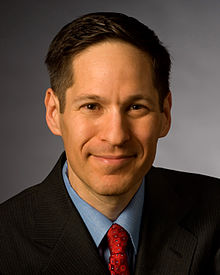
Dr. Thomas Frieden, the former director of the Centers for Disease Control of Prevention, has been arrested on sexual misconduct charges in New York City.

Frieden turned himself in to police in Brooklyn Friday morning after being charged with forcible touching, harassment and third degree sex abuse, all misdemeanors. The charges stem from a complaint filed in July by a 55-year old unnamed woman who alleges the 57-year old doctor grabbed her buttocks without permission in his apartment last October. 

According to STAT, Frieden later apologized to the woman -- a longtime family friend -- and "tried to manipulate her into staying silent by citing his position and potential to save lives around the world."

Fried was arraigned Friday afternoon and released without bail, after a judge ordered him not to contact his accuser and to surrender his passport. He's due back in court October 11.

Frieden did not enter a plea. A spokesperson released a statement saying the incident "does not reflect Dr. Frieden’s public or private behavior or his values over a lifetime of service to improve health around the world.”

Frieden led the CDC from 2009 to 2017 and championed the agency’s controversial opioid prescribing guideline -- calling it an "excellent starting point" to prevent opioid abuse.

Although voluntary and only intended for primary care physicians, the guideline has been widely adopted by insurers, states and healthcare providers – resulting in many chronic pain patients losing access to opioid medication.

“This crisis was caused, in large part, by decades of prescribing too many opioids for too many conditions where they provide minimal benefit," Frieden wrote in a commentary published by Fox News.  “There are safer drugs and treatment approaches that can control pain as well or better than opioids for the vast majority of patients."

DR. THOMAS FRIEDEN

Frieden currently heads Resolve to Save Lives, a program of Vital Strategies, a non-profit health organization that is trying to improve public health worldwide.

Vital Strategies released a statement saying Frieden informed the organization in April about the misconduct allegation. His accuser does not work for Vital Strategies, but the organization hired an investigator to interview employees about Frieden. No inappropriate workplace behavior or harassment was found, according to Vital Strategies CEO Jose Castro.  

“I have known and worked closely with Dr. Frieden for nearly 30 years and have seen first-hand that he has the highest ethical standards both personally and professionally. Vital Strategies greatly values the work Dr. Frieden does to advance public health and he has my full confidence,” said Castro.

Frieden has an extensive background in epidemiology and infectious diseases, and his tenure at the CDC was marked by major efforts to combat the Ebola virus, fungal meningitis, influenza and the Zika virus.

Before his appointment as CDC director, Frieden was New York City’s health commissioner, where he led efforts to ban public smoking and remove unhealthy trans fats from restaurants. Frieden is married and has two children.