FDA Warns Drug Distributor

By Pat Anson, PNN Editor

The U.S. Food and Drug Administration has sent a warning letter to a wholesale drug distributor rebuking the company for its handling of several tampering cases involving oxycodone and other medications.

The letter to the CEO of the McKesson Corporation involves incidents in 2016 when pharmacies notified the company about the tampering and theft of medications it had supplied them with.    

In one such case, a Rite Aid pharmacy in Michigan found that the seal to a bottle labeled as containing 100 tablets of oxycodone had been broken. Inside the bottle a pharmacist found 15 tablets of Aleve, a non-steroidal anti-inflammatory pain reliever.  Two other Rite Aid pharmacies also reported to the company that oxycodone bottles had been tampered with. McKesson investigated the reports and determined the tampering and thefts likely occurred while the bottles were in its possession.  

Similar tampering incidents involved drugs used to treat bipolar disorder, high blood pressure and HIV.

According to the FDA, McKesson did little to identify and quarantine other products in its distribution system that also may have been tampered with and failed to warn other pharmacies that illegitimate products were in the supply chain.

"This is simply unacceptable. A distributor’s failure to have systems in place to investigate and quarantine suspect and illegitimate products within their control is a violation of the law," said FDA commissioner Scott Gottlieb, MD, in a statement.

"But this is even more concerning given that we’re in the midst of a widespread opioid crisis. Opioids that leave the legitimate supply chain could end up being sold illegally, or a patient who was appropriately prescribed these drugs to treat pain may not get the treatment they need or may unknowingly take a medication that’s not meant for them."

The FDA did not say why it waited so long to send the warning letter or notify the public about the 2016 tampering incidents. McKesson is the first company to receive a warning letter under the Drug Supply Chain Security Act (DSCSA), which was enacted by Congress in 2013.

McKesson is one of the largest wholesale drug distributors in the country. It is being sued by dozens of states, cities and counties for its role in the opioid crisis. In 2017, McKesson was fined $150 million for failing to report suspicious orders for oxycodone, hydrocodone and other controlled substances. In 2008, the company agreed to pay $13.25 million in penalties for similar violations.

Guideline Paranoia

By Carol Levy, PNN Columnist

I recently posted an article to an online chronic pain support group about the CDC’s opioid prescribing guideline.

“For treating acute pain, the guideline recommends a quantity no greater than what is needed for the expected duration of pain severe enough to require opioids, specifying that three days or less will often be sufficient and more than seven days will rarely be needed,” the guideline states.

It makes sense to me. And I assumed that would be the response my post would get. The recommendation is only for treating acute pain and acute pain shouldn’t need chronic, long term opioid treatment.

Instead, the replies were quick, angry and knee jerk:

“How dare they decide what and how many we need? This will hurt chronic pain patients.”

“They always come after us. These may be for acute pain patients, but you just know more draconian guidelines are just around the corner for chronic pain patients.”

The CDC guideline does not say, “And no one, even if their acute pain continues longer than 3 or 7 days, will be able to get the pain meds they need.” But that was how it was interpreted.

And then the people replying went one step further: “Soon they will be writing guidelines that even those in chronic pain can only have opioids for a specified period of time and a specific dosage, and not one grain more or one day longer.”

I see this common response and reaction as a major issue. When any new guideline is proposed (and people forget these are guidelines, not absolutes), it is a major catastrophe: “They are coming after us.”

Too often we act in a way that appears akin to addictive behavior. We have to have our opioid medications. And any restriction, even when it is not related to chronic pain, is one restriction too many: “They are going to take away my drugs. Then what will I do?”

We seem to have lost the concept of consideration. No time is taken to think through the new suggestions. Instead it is an immediate jump to: “This will hurt me. I won't be able to get the meds I need.”

For many of us, opioid medication is all that is left or the only option. The idea that someone, especially the government, may rip them from us is truly terrifying.

But I wonder. Maybe if we did not take any and all new guidelines as a frontal attack on us, maybe we would not be seen and referenced so often as a major component and cause of the “opioid epidemic.”

Carol Jay Levy has lived with trigeminal neuralgia, a chronic facial pain disorder, for over 30 years. She is the author of “A Pained Life, A Chronic Pain Journey.”  Carol is the moderator of the Facebook support group “Women in Pain Awareness.” Her blog “The Pained Life” can be found here.

The information in this column should not be considered as professional medical advice, diagnosis or treatment. It is for informational purposes only and represent the author’s opinions alone. It does not inherently express or reflect the views, opinions and/or positions of Pain News Network.

Ambroxol: A Potential New Treatment for Chronic Pain

By A Rahman Ford, PNN Columnist

Researchers say a drug long used in cough syrup and cold medicines shows potential for treating some types of neuropathic pain.

A small study recently published in the journal Headache found that topical administration of ambroxol in a cream could significantly decrease pain in patients with trigeminal neuralgia, a chronic facial condition that can make even routine tasks such as brushing one’s teeth excruciatingly painful. 

In their review of the medical records of five trigeminal neuralgia patients, German researchers reported that all five patients experienced pain reduction with ambroxol 20% cream being applied within 30 minutes of a pain flare, with pain relief lasting from 4 to 6 hours.  In one case, pain was eliminated completely in one week.  

The results were similar to those of previous German studies and were so significant that researchers recommended that ambroxol “should be investigated further as a matter of urgency.”

Similarly, a recent study in the journal Pain Management found that application of topical ambroxol reduced spontaneous pain in several patients with complex regional pain syndrome (CRPS), a little understood nerve condition that causes chronic pain after a significant injury or surgery.  Notably, ambroxol therapy improved several other neuropathy-related conditions in CRPS patients, including edema, allodynia, hyperalgesia, skin reddening, motor dysfunction and skin temperature.

An Old Drug with a New Purpose

With a pharmacological history that can be traced back to Indian ayurvedic medicine, ambroxol was initially approved in 1978 as a medication to break down mucus and make it easier to eliminate by coughing.  It is generally administered in tablet or syrup form. 

Ambroxol is also used to treat a sore throat associated with pharyngitis, thus its potential role as a potent local anesthetic.  The drug’s anesthetic properties stem from its ability to block sodium and calcium channels that transmit pain signals.

Although the idea that ambroxol can treat a sore throat is widely accepted, its application to other forms of pain is more recent.  

Previous studies using animal models of neuropathic pain have been promising.  In a 2005 study, researchers effectively reduced – and in some cases eliminated – chronic neuropathic and inflammatory pain in rats. Indian researchers also found ambroxol effective in treating neuropathic pain in rats, attributing its success to its antioxidative and anti-inflammatory properties.  Unfortunately, human studies are few at this point.

Ambroxol and Fibromyalgia

A 2017 Clinical Rheumatology study showed that ambroxol can play a key role in treating chronic pain associated with fibromyalgia.  As reported by Fibromyalgia News Today, researchers from Mexico added ambroxol to the treatment regimens of 25 fibromyalgia patients, three times a day for one month.  At the end of the study, pain scores decreased significantly and there was also noticeable improvement in sleep disturbances, stiffness and autonomic nervous system dysfunction.  No major adverse events were reported. 

Another 2017 study supported these findings, with the authors concluding that “fibromyalgia treatment with ambroxol should be systematically investigated” because the drug “is the only treatment option used thus far that has the potential to address not just individual but all of the aforementioned aspects of pain.”

Although data on its effectiveness in humans are limited, ambroxol shows great potential in treating painful conditions for which there are currently few safe and effective options.  It is particularly attractive because it has few significant side effects, is not addictive and can be administered topically in some instances.

A. Rahman Ford, PhD, is a lawyer and research professional. He is a graduate of Rutgers University and the Howard University School of Law, where he served as Editor-in-Chief of the Howard Law Journal. He earned his PhD at the University of Pennsylvania.

Rahman lives with chronic inflammation in his digestive tract and is unable to eat solid food.

The information in this column should not be considered as professional medical advice, diagnosis or treatment. It is for informational purposes only and represent the author’s opinions alone. It does not inherently express or reflect the views, opinions and/or positions of Pain News Network.

‘Cannabis Tourism’ Linked to More Fatal Accidents

By Pat Anson, PNN Editor

Has marijuana legalization made driving more dangerous?  There have been conflicting claims over the years that states where cannabis is legal have more car crashes. And one recent study found that over half of medical cannabis users drive while impaired.

A new study adds a little more clarity to the issue.

Researchers at Monash University in Australia looked at traffic fatalities in three U.S. states where recreational cannabis was legalized (Colorado, Washington and Oregon), and in eight neighboring states and British Columbia.

They found there was an average of one additional traffic fatality for every million residents. That may not sound like much, but when you consider there were 27 million people in the affected areas, it adds up to 170 additional deaths in the first six months after legalization.

Many of the additional deaths were attributed to “cannabis tourism” in which people in neighboring states and provinces purchased recreational cannabis in legalized states and then drove home while under the influence.

"The results suggest that legalizing the sale of cannabis for recreational use can lead to a temporary increase in traffic fatalities in legalizing states. This spills over into neighboring jurisdictions through cross-border sales, trafficking, or cannabis tourists driving back to their state of residence while impaired,” says lead author Tyler Lane, PhD, a postdoctoral research Fellow at Monash.

"Our findings suggest that policymakers should consult with neighboring jurisdictions when liberalizing cannabis policy to mitigate any deleterious effects."

Because the increase in fatalities was temporary, Lane believes it could be due to an initial “celebratory response to legalization” that contributes to cannabis tourism. His study was published in the journal Addiction.

Fatalities Drop in Medical Cannabis States

While fatalities rose in states with recreational cannabis, Lane notes that previous research has found a decrease in traffic fatalities in states that legalized medical marijuana. That may be because patients may be substituting cannabis for alcohol and other controlled substances used to relieve symptoms.

“There seem to be differences between medicinal and recreational user consumption patterns. Medicinal users have a tendency to substitute, but recreational users are more likely to treat alcohol and cannabis as complements and use them together,” Lane said in an email to PNN. 

“Because marijuana on its own is less impairing than alcohol, and combined used is much more impairing than either in isolation, it suggests that when people substitute alcohol for cannabis (in the medicinal use context), they will still be impaired, but to a much lower degree than if they were still using alcohol.” 

This “harm reduction role” of medical cannabis was noted in a 2016 Canadian study that found patients reduced their use of alcohol, illicit drugs and prescription drugs when cannabis was taken for medical reasons. 

Medical marijuana is currently legal in 33 states and Washington DC, and ten states allow its recreational use.

Are Most Retired NFL Players Really Addicts?

By Lynn Webster, MD, PNN Columnist

Many of us watched the Super Bowl on Sunday. It was a great defensive game, which means there was a lot of hard-hitting contact. Physical trauma can bring about long-term consequences and that is the subject of a recent New York Times column, "For NFL Retirees, Opioids Bring More Pain" by Ken Belson.

Belson suggests that many retired NFL players become addicted to opioid medication. I don’t know how many former players become addicted, but the summation of players he describes as addicted doesn’t quite add up.

The column cites a recent study published in the Clinical Journal of Sport Medicine that found about 26 percent of retired football players used opioid medication during the past 30 days. Belson suggests that percentage is excessive.

Of course, the players were not addicted just because they used an opioid. Moreover, 26 percent does not seem to be an unreasonable number, given that this is a population with a history of tremendous physical trauma. In fact, it seems like a surprisingly low number given that most former football players experienced enormous physical trauma for years.

Whatever the actual data may be, we can probably attribute the use or misuse of opioids to the fact that these retired players were trying to mitigate severe pain.  

What is Misuse?

The accepted definition of opioid "misuse" is taking an opioid contrary to how it was prescribed, even if it is taken to treat pain. For example, let's say a person is told they can use one hydrocodone three times a day. If that person uses one pill six times a day so they can function (and not to get high), that is considered misusing. However, that is not a sign of addiction. It only reflects the person's desire to escape pain and the therapeutic inadequacy of the prescribed medication. 

Misuse of opioids in the general population is relatively rare, according to a large new study published in the journal Pharmacoepidemiology & Drug Safety. Over 31,000 adults were surveyed about their opioid use, and only 4.4% admitted taking a larger dose or a dose more frequently than prescribed.  

The figure below helps explain the relationships of misuse, abuse and addiction. Some retired football players may misuse their medication, but few will abuse them and even fewer will become addicted. All people with addiction abuse their medication. But people who misuse their medication may not be abusing or addicted to it.  

In his column, Belson cites a 2011 survey by researchers at the Washington University School of Medicine that found over half of former NFL players used opioids during their playing careers and 71 percent misused them.

The same study found that many of these retired players who misused opioids were heavy drinkers. But in his column, Belson reported that "players who abused opioids” were likely to be heavy drinkers.  

Belson uses the words “misuse” and “abuse” interchangeably, as if they have the same meaning. They do not. If Belson means that retired players took opioids in excess of what their doctors prescribed due to uncontrolled pain, that would not be abuse. It would be misuse. If the players were using opioids to get high, that would be abuse. 

Belson mentions one retired player using the same amount of pain medicine as a stage 4 cancer patient and suggests that is an excessive amount. However, the player's need for that amount of opioids should not surprise us. Cancer pain is not more painful than non-cancer pain. People with painful diseases and physical injuries may have pain just as debilitating as a patient dying from cancer.

It is unfortunate, but not shocking, that a retired football player would have as much pain as someone dying of cancer. When someone who does not have cancer uses excessive medication to relieve pain, we are more likely to label that as "abuse." We show more compassion to patients with cancer pain than we do toward anyone else who requires treatment for chronic pain.  

Why We Need Clarity About Our Terms 

Belson writes, "Now, a growing number (of players) are saying the easy access to pills turned them into addicts." That is another statement that gravely concerns me. It is misleading and consistent with the common misunderstanding of what causes addiction or even what addiction is.  

Becoming dependent on opioids, becoming tolerant to opioids, requiring more opioids over time to achieve the same level of pain relief, and experiencing withdrawal if the opioids are suddenly stopped are not necessarily signs of addiction, any more than they would be if the same consequences resulted from taking a blood pressure medication or a sleep aid.  

People frequently write and talk about misuse, abuse and addiction, but many of them don't know what the terms mean.  This has troubling implications for the pain and addiction communities. Mislabeling and misdiagnosing people with addiction leads to harmful policies that adversely affect treatment. It even has legal implications that prevent people in pain or with addiction from accessing appropriate clinical care.  

Severe chronic pain and addiction can devastate lives. But we need to know the differences between misuse of, abuse of, and addiction to medications for the appropriate policies to be implemented. 

Lynn R. Webster, MD, is a vice president of scientific affairs for PRA Health Sciences and consults with the pharmaceutical industry. He is a former president of the American Academy of Pain Medicine and the author of “The Painful Truth: What Chronic Pain Is Really Like and Why It Matters to Each of Us.”

You can find Lynn on Twitter: @LynnRWebsterMD. 

The information in this column should not be considered as professional medical advice, diagnosis or treatment. It is for informational purposes only and represents the author’s opinions alone. It does not inherently express or reflect the views, opinions and/or positions of Pain News Network.

Heart Transplants Surge as Overdoses Increase

By Pat Anson, PNN Editor

One of the more ghoulish and yet beneficial aspects of the overdose crisis is that it has led to a surge in organ transplants. In 2000, only about 1 percent of organ donors were overdose victims. By 2017, when over 70,000 Americans died from drug overdoses, over 13 percent of organ donors were overdose victims.

A new study by researchers at Brigham and Women’s Hospital has documented how the number of hearts available for transplant has increased dramatically, particularly in states like Pennsylvania that have been hard hit by the overdose crisis.  

"In the U.S., the drug crisis is clearly not uniform, and neither is the rate of recovered hearts from drug-intoxication-related deaths," said lead author Mandeep Mehra, MD, the medical director of Brigham's Heart and Vascular Center.

Mehra and his colleagues analyzed CDC data on overdose deaths and from the Organ Procurement and Transplantation Network, and reported their findings in The New England Journal of Medicine.

They found major increases in drug-related deaths and organ harvesting in Pennsylvania, New York, Ohio and other Northeast states, and in Florida and Texas. Overall, the team estimated that 6.24 hearts were recovered for every 1,000 lives lost due to drug intoxication.

NEW ENGLAND JOURNAL OF MEDICINE

Among the 37,232 donors whose hearts were transplanted from 1999 through 2017, the percentage of those who died from overdoses rose from 1.5% to 17.6 percent. And as the number of hearts available for transplant grew, the waiting list for donated hearts began shrinking in 2016. According to the United Network for Organ Sharing, there are currently 45 people in the U.S. waiting for a heart transplant.

"This is a very important outcome indicating that people are now adopting organs from drug-intoxication-related deaths as a viable source for lifesaving donor organs," said Mehra. "Although we support organ donation recovery from this source, those of us in the transplant community also strongly support effective efforts to combat the drug overdose crisis. We must pursue ways to target the crisis while simultaneously looking for new ways to increase the availability of viable donor organs."

There has long been a stigma against using donated organs from overdose victims because the organs may be damaged due to reduced oxygen supply and because drug addicts are more likely to be infected with HIV, hepatitis and other communicable diseases. But those risks have been minimized with modern testing.

The United Network for Organ Sharing requires organ recipients to be made aware of the circumstances of higher risk donations, so they can decide whether or not to accept it. There are over 113,000 Americans currently waiting for an organ donation, including many who have been on the waiting list for years.

FDA: Pain Patients Dependent On Opioids Are Not Addicted

By Pat Anson, PNN Editor

The U.S. Food and Drug Administration has released new guidance to drug makers to streamline the development of buprenorphine products to treat opioid addiction. Commonly known by the brand name Suboxone, buprenorphine has long dominated the market for addiction treatment.

Of importance to pain patients is a statement about the guideline by FDA commissioner Scott Gottlieb, MD, that seeks to clarify the difference between opioid addiction and patients who need opioids for pain relief.

Gootlieb said there is still stigma and misunderstanding – even in the medical and addiction fields – about the difference between opioid addiction and dependence.

“Because of the biology of the human body, everyone who uses a meaningful dose of opioids for a modest length of time develops a physical dependence. This means that there are withdrawal symptoms after the use stops,” Gottlieb said. “A physical dependence to an opioid drug is very different than being addicted to such a medication.

“Addiction requires the continued use of opioids despite harmful consequences on someone’s life. Addiction involves a psychological preoccupation to obtain and use opioids above and beyond a physical dependence. But someone who is physically dependent on opioids as a result of the treatment of pain but who is not craving the drugs is not addicted.”

Someone who is physically dependent on opioids as a result of the treatment of pain but who is not craving the drugs is not addicted.
— Dr. Scott Gottlieb, FDA Commissioner

In recent years new and generic formulations of buprenorphine have been released in tablets, sublingual films, injections and implants, and the FDA is trying to promote the development of more of them.

The guidance released by the agency basically tells drug makers they may be able to submit new drug applications for buprenorphine products without conducting the safety and efficacy trials that are usually required for other medications.

“The guidance we’re finalizing today is one of the many steps we’re taking to help advance the development of new treatments for opioid use disorder, and promote novel formulations or delivery mechanisms of existing drugs to better tailor available medicines to individuals’ needs,” Gottlieb said. “Our goal is to advance the development of new and better ways of treating opioid use disorder to help more Americans access successful treatments.”

There are currently only three drugs approved by the FDA for medication-assisted treatment (MAT) – buprenorphine, methadone and naltrexone. Physicians wishing to prescribe buprenorphine to patients must have a special certification from the DEA and are limited in the number of patients they can treat.

Buprenorphine is an opioid that is also used to treat pain. When combined with naloxone, buprenorphine reduces cravings for opioids and lowers the risk of abuse.

Some addicts have discovered that buprenorphine can also be used to get high or to ease their withdrawal pain from heroin and other opioids. Buprenorphine is such a popular street drug that the National Forensic Laboratory Information System ranked buprenorphine as the third most diverted opioid medication in the U.S. in 2014. 

Federal Prosecutors Warn Top Opioid Prescribers in Wisconsin

By Pat Anson, PNN Editor

Wisconsin’s two U.S. Attorneys have sent letters to 180 physicians, physician assistants and nurse practitioners in the state warning them that their opioid prescribing practices could result in prosecution.

None of the prescribers have been charged with a crime and it’s not clear if any are under investigation or have been linked to overdoses. Copies of the letters were not released and the recipients were not identified.

According to a news release, the letters warn doctors that they are prescribing opioids at “relatively high levels” that could lead to addiction and that “prescribing opioids without a legitimate medical purpose could subject them to enforcement action, including criminal prosecution.”

“We know that for many, addiction began with opioids prescribed by a medical professional,” said Matthew Krueger, U.S. Attorney for the Eastern District of Wisconsin. “By sending these letters, we are asking medical professionals to join the fight against addiction and ensure they prescribe no more opioids than are necessary.”

“Opioid addiction has touched the lives of far too many families in our state,” said Scott Blader, U.S. Attorney for the Western District of Wisconsin. “Medical professionals play a pivotal role in stemming the flow of legal opioids into unlawful channels.”

According to a spokeswoman, the 180 recipients of the warning letters were selected based on a review of Medicare prescription drug claims, which found that they prescribed opioids above the CDC’s highest recommended dose of 90 MMEs (morphine milligram equivalent). 

“They were identified through Medicare data for two years,” Myra Longfield, a public information officer in the Western District of Wisconsin, told PNN. “And from that data, practitioners were identified where they prescribed on average 90 MMEs (or more) per patient per day. That’s the threshold where the CDC and the Wisconsin Medical Examining Board say there is no real evidence to suggest that above that amount has any better effect on chronic pain.” 

The 2016 CDC opioid guideline is voluntary and only intended for primary care physicians. Longfield said warning letters were not sent to pain management physicians, oncologists or those working in hospice or palliative care, where higher opioid doses may be needed to control pain. 

Chilling Effect on Prescribers

Federal prosecutors in Georgia and Massachusetts have sent similar warning letters to high prescribers. While the intent is to urge caution, critics say the letters are likely to intimidate other doctors.

“This will have a totally chilling effect. The abuse of statistics is pathetic. It would only be an ignorant person that would take the top prescribers and say that they are endangering lives,” said Mark Ibsen, MD, a Montana doctor who nearly lost his medical license over allegations that he overprescribed opioids.  

“After they lop off the top prescribing doctors, guess what that leaves? More top prescribing doctors. Until there are none. Soon we will be seeing tattoos on physicians, similar to POWs.”

“This is an egregious overreach and will lead to more deaths not fewer,” said Lynn Webster, MD, a pain management expert and past president of the American Academy of Pain Medicine. “Using the CDC guidelines as a goal post is not what even the CDC recommended. Most opioid addictions do not begin with a legal prescription of opioids. It usually starts long before exposure to a prescription opioid. The major problem is with illegal opioids smuggled in from Mexico and China. 

“I am worried for tens of thousands of patients in Wisconsin. Many of them will be at risk of suicide or seek illegal drugs, where the real harm exists. Sad. Very Sad.”

Last year, the American Medical Association adopted resolutions opposing the “misapplication” and “inappropriate use” of the CDC guideline. The resolutions by the AMA House of Delegates warn that “no entity should use MME thresholds as anything more than guidance” and that physicians should not be disciplined or prosecuted for prescribing opioids at levels above those recommended by the CDC. The AMA said some patients “can benefit from taking opioids at greater dosages” and “such care may be medically necessary and appropriate.” 

Most opioid overdoses in the United States are now linked to illicit fentanyl and heroin, not prescription opioids. In Wisconsin, 916 people died of opioid overdoses in 2017. Most of those deaths involved either heroin or fentanyl.

Compounded Pain Creams Ineffective for Chronic Pain

By Pat Anson, PNN Editor

Compounded topical pain creams work no better than placebo creams and should not be used to treat chronic pain, according to a new study published in the Annals of Internal Medicine.

Researchers at the Walter Reed National Military Medical Center enrolled nearly 400 people with chronic neuropathic, joint or muscle pain in the study. Some received pain creams specially compounded to treat their type of pain, while others received a placebo cream.

The compounded pain creams included a blend of FDA-approved drugs such as ketamine, lidocaine and gabapentin, or a combination of muscle relaxants and non-steroidal anti-inflammatory drugs (NSAIDs). The creams were applied to the affected areas three times a day.

One month after treatment began, researchers found no significant differences in the pain scores of patients who used the real pain creams and those who used the placebo ones.

“We found that specially formulated compounded pain creams provided little benefit in our study participants,” said lead author Steven Cohen, MD, Director of Pain Research at Walter Reed.

“Overall, the response rate was lower than that afforded by stand-alone creams shown to be effective for specific conditions, such as NSAIDs and lidocaine. Considering the increased costs of using a non–FDA-approved and regulated compounded cream rather than a single agent, we caution against routine use of compounded creams for chronic pain.”

While some of the medications in pain creams may be effective when taken orally or intravenously, Cohen and his colleagues say they are not absorbed through the skin in sufficient doses to be effective. Another drawback is their cost, which can reach thousands of dollars.

A recent report from the Office of Inspector General for the Department of Health and Human Services found that over 500 pharmacies that billed Medicare for compounded topical creams had suspiciously high costs. One pharmacy in Florida billed Medicare for $1.8 million in pain creams in 2016.

Medicare spending for compounded creams, gels and ointments has skyrocketed, rising from $13 million in 2010 to $323 million in 2016. Price hikes and a growing number of prescriptions for pain creams drove the increase, the Inspector General’s report found.

Medicare paid an average of $751 per tube of compounded lidocaine and $1,506 for a tube of the NSAID diclofenac. Non-compounded tubes of those same drugs averaged $445 and $128, respectively.

Last year the FDA said it would inspect compounding facilities to assess whether drugs that are essentially copies of FDA-approved medications could be sold commercially at less cost.

Diarrhea Drug Involved in Growing Number of Overdoses

By Pat Anson, PNN Editor

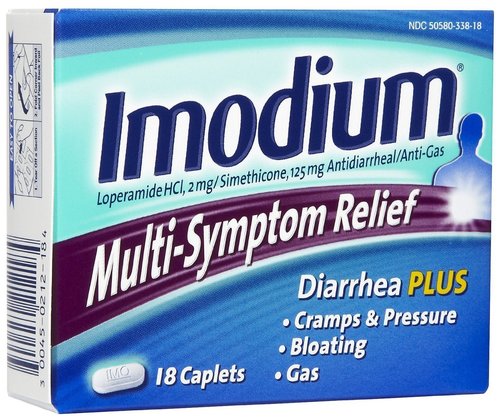
A little over a year ago, the Food and Drug Administration asked Johnson & Johnson and other drug makers to limit the number of anti-diarrhea pills they sell. FDA commissioner Scott Gottlieb, MD, said the “unprecedented and novel action” was needed because Imodium and other over-the-counter formulations of loperamide were being abused by opioid addicts.  

A few of us guffawed at the news as another example of government regulation gone amuck.

But it turns out there is cause for concern.

Researchers at Rutgers University have documented that overdoses of loperamide have been steadily increasing in number and severity, and have even resulted in some deaths.

Their study, published in the journal Clinical Toxicology, found a growing number of people addicted to opioids who are using loperamide to prevent or self-treat withdrawal symptoms. Some are even taking massive doses to get a high similar to heroin, fentanyl or oxycodone.

The New Jersey Poison Control Center has reported several fatalities or near-fatalities from loperamide in the past 12 months.

“When used appropriately, loperamide is a safe and effective treatment for diarrhea – but when misused in large doses, it is more toxic to the heart than other opioids which are classified under federal policy as controlled dangerous substances,” said senior author Diane Calello, MD, executive director of New Jersey Poison Control at Rutgers New Jersey Medical School.

“Overdose deaths occur not because patients stop breathing, as with other opioids, but due to irregular heartbeat and cardiac arrest.”

The researchers reviewed toxicology cases in a national poison control center database from 2011 to 2016, and found a 91 percent increase in loperamide overdoses during that time period.  In 2015 alone, there were 916 cases and two deaths.

Patients who misused loperamide were predominantly young Caucasian men and women. The majority used extremely high doses of loperamide, the equivalent of 50 to 100 two-milligram pills per day.

“Possible ways of restricting loperamide misuse include limiting the daily or monthly amount an individual could purchase, requiring retailers to keep personal information about customers, requiring photo identification for purchase and placing medication behind the counter,” Calello said. "Most importantly, consumers need to understand the very real danger of taking this medication in excessive doses."

Misuse of loperamide is concerning because it is readily available over-the-counter, undetectable in routine drug tests, and can be bought in large quantities online or in retail stores.

In 2017, the FDA added a warning label to loperamide products cautioning consumers not to ingest high doses. Some drug makers are now selling the anti-diarrhea pills in smaller packages and in blister packs that are harder to open.

How Sackler Family Built an OxyContin Fortune

By Christine Willmsen and Martha Bebinger, WBUR

The first nine months of 2013 started off as a banner year for the Sackler family, owners of the pharmaceutical company that produces OxyContin, the addictive opioid pain medication. Purdue Pharma paid the family $400 million from its profits during that time, claims a lawsuit filed by the Massachusetts attorney general.

However, when profits dropped in the fourth quarter, the family allegedly supported the company’s intense push to increase sales representatives’ visits to doctors and other prescribers.

Purdue had hired a consulting firm to help reps target “high-prescribing” doctors, including several in Massachusetts. One physician in a town south of Boston wrote an additional 167 prescriptions for OxyContin after sales representatives increased their visits, according to the latest version of the lawsuit filed in Suffolk County Superior Court in Boston.

The lawsuit claims Purdue paid members of the Sackler family more than $4 billion between 2008 and 2016. Eight members of the family who served on the board or as executives as well as several directors and officers with Purdue are named in the lawsuit.

This is the first lawsuit among hundreds of others that were previously filed across the country to charge the Sacklers with personally profiting from the harm and death of people taking the company’s opioids.

WBUR along with several other media sued Purdue Pharma to force the release of previously redacted information that was filed in the Massachusetts Superior Court case. When a judge ordered the records to be released with few, if any, redactions, Purdue filed two appeals and lost.

The complaint filed by Massachusetts Attorney General Maura Healey says that former Purdue Pharma CEO Richard Sackler allegedly suggested the family sell the company or, if they weren’t able to find a buyer, to milk the drugmaker’s profits and “distribute more free cash flow” to themselves.

That was in 2008, one year after Purdue pleaded guilty to a felony and agreed to stop misrepresenting the addictive potential of its highly profitable painkiller, OxyContin.

At a board meeting in June 2008, the complaint says, the Sacklers voted to pay themselves $250 million. Another payment in September totaled $199 million.

The company continued to receive complaints about OxyContin similar to those that led to the 2007 guilty plea, according to unredacted documents filed in the case.

While the company settled lawsuits in 2009 totaling $2.7 million brought by family members of those who had been harmed by OxyContin throughout the country, the company amped up its marketing of the drug to physicians by spending $121.6 million on sales reps for the coming year. The Sacklers paid themselves $335 million that year.

The lawsuit claims Sackler family members directed efforts to boost sales. An attorney for the family and other board directors is challenging the authority to make that claim in Massachusetts. A motion on jurisdiction in the case hasn’t been heard. That attorney hasn’t responded to a request for comment on the most recent allegations.

Purdue Pharma, in a statement, said the complaint filed by Healey is “part of a continuing effort to single out Purdue, blame it for the entire opioid crisis, and try the case in the court of public opinion rather than the justice system.”

Purdue went on to charge Healey with attempting to “vilify” Purdue in a complaint “riddled with demonstrably inaccurate allegations.” Purdue said it has more than 65 initiatives aimed at reducing the misuse of prescription opioids. The company says Healey fails to acknowledge that most opioid overdose deaths are currently the result of fentanyl.

Purdue fought the release of many sections of the 274-page complaint. Attorneys for the company said at a hearing on Jan. 25 that they had agreed to release much more information in Massachusetts than has been cleared by a judge overseeing hundreds of cases consolidated in Ohio. Purdue filed both state and federal appeals this week to block release of the compensation figures and other information about Purdue’s plan to expand into drugs to treat opioid addiction.

The attorney general’s complaint says that in a ploy to distance themselves from the emerging statistics and studies that showed OxyContin’s addictive characteristics, the Sacklers approved public marketing plans that labeled people hurt by opioids as “junkies” and “criminals.”

Richard Sackler allegedly wrote that Purdue should “hammer” them in every way possible.

Addiction Treatment ‘Attractive Market’

While Purdue Pharma publicly denied its opioids were addictive, internally company officials were acknowledging it and devising a plan to profit off them even more, the complaint states.

Kathe Sackler, a board member, pitched “Project Tango,” a secret plan to grow Purdue beyond providing painkillers by also providing a drug, Suboxone, to treat those addicted.

“Addictive opioids and opioid addiction are ‘naturally linked,'” she allegedly wrote in September 2014.

According to the lawsuit, Purdue staff wrote: “It is an attractive market. Large unmet need for vulnerable, underserved and stigmatized patient population suffering from substance abuse, dependence and addiction.”

They predicted that 40-60 percent of the patients buying Suboxone for the first time would relapse and have to take it again, which meant more revenue.

Purdue never went through with it, but Attorney General Healey contends this and other internal documents show the family’s greed and disregard for the welfare of patients.

This story is part of a reporting partnership between WBUR, NPR and Kaiser Health News

Kaiser Health News (KHN) is a national health policy news service. It is an editorially independent program of the Henry J. Kaiser Family Foundation which is not affiliated with Kaiser Permanente.

Overdose Crisis Will Worsen, But Not Due to Rx Opioids

By Pat Anson, PNN Editor

The opioid crisis will “substantially worsen” in coming years and could result in the overdose deaths of over a million Americans by 2025, according to an eye-opening new study. Because most of the deaths will involve illicit opioids, researchers say limiting the supply of prescription opioids will have only a “modest” effect in reversing the trend.      

The study, published in JAMA Network Open, is based on mathematical models developed by a team of researchers at Harvard Medical School, Boston University School of Medicine, Pennsylvania State University and other academic institutions.

“Our study also highlights the changing nature of the epidemic. The opioid crisis is expected to worsen in the next decade owing to multiple factors,” said lead author Jagpreet Chhatwal, PhD, a researcher at Massachusetts General Hospital.

“First, the number of individuals using illicit opioids is expected to increase substantially. Second, unlike historical trends where prescription opioid use has served as a path to heroin use, more people are directly initiating opioid use with illicit opioids. Third, there has been a rapid increase in illicit opioid lethality, likely mainly driven by the infiltration of the heroin supply with the highly potent synthetic opioid fentanyl.”

Under a “base-case” scenario, with the opioid crisis stabilizing by 2020, researchers project that over 700,000 Americans will die from opioid overdoses from 2016 to 2025. Nearly 80 percent of the deaths will involve fentanyl, heroin and other illicit opioids. Overdoses involving prescription opioids would decrease by about 10% during that period.

JAMA NETWORK OPEN

A “pessimistic” scenario developed by researchers is even more jaw dropping. If the opioid crisis does not stabilize until 2025, they project over 1.2 million Americans will die from overdoses. Over 88% of the deaths will involve illicit opioids.

In either scenario, efforts to reduce the misuse of opioid medication, such as limiting the dose and supply of prescription opioids, will only reduce the number of overdose deaths by 3 to 5 percent.

“State and local governments have instituted several interventions aimed at preventing individuals from exposure to prescription opioids, including a recently proposed goal to lower opioid prescriptions by one-third in the coming 3 years,” said Chhatwal.

“Our study does not devalue these efforts and it is possible that their effect could improve over time, which may ultimately yield a substantial benefit in the long term. However, given the large number of individuals who have already engaged in prescription opioid misuse or illicit opioid use, our study indicates that prevention efforts, in isolation, are unlikely to have the desired level of effect on opioid overdose deaths the near term.”

The researchers say a strong, multi-pronged approach is needed to reduce overdoses, including greater scrutiny of patients for signs of opioid use disorder (OUD).

"It could include implementation of screening for OUD in all relevant health care settings, improving access to medications for OUD such as methadone and buprenorphine, increasing OUD training programs at medical and nursing schools, improving access to harm-reduction services, and controlling the supply of illicit opioids,” they concluded.

Another recent study also predicts that reducing the supply of prescription opioids will have little effect on the overdose rate and could lead to increased use of heroin.   

Pain Management Association Shutting Down

By Pat Anson, PNN Editor

An association of pain management providers that was a leading advocate for patient access to pain care is closing its doors. The board of directors of the Academy of Integrative Pain Management (AIPM) voted unanimously this week to cease operations, largely due to financial problems.  

“This is an incredibly difficult and sad decision,” said Bob Twillman, PhD, AIPM’s Executive Director. “Our message has never been more relevant than now, amid the nation’s opioid crisis, yet we have found it increasingly difficult to maintain the resources needed to sustain our efforts.”

For over three decades, AIPM promoted an “integrative model” of pain care that utilizes a variety of different treatments, including both drug and non-drug therapies.

Although that model has become a standard of pain care, AIPM’s membership has steadily declined due to demographic and other industry trends. With doctors under increasing scrutiny for opioid prescribing, pain management is not an attractive specialty for recent medical school graduates.

“Joining associations like ours just is not a high priority for younger health care providers, and decreased interest in attending in-person educational events has contributed to significantly decreased conference revenues for AIPM,” said W. Clay Jackson, MD, President of the Board of Directors.

The demonization of opioid medication by policymakers and politicians also played a major role, causing many drug makers to limit or drop their support for medical associations and patient advocacy groups.

“My understanding is that the decreased industry support is not limited to the pain space, but it is especially acute here because for many years it was the opioid manufacturers who were the greatest source of funding,” Twillman wrote in an email to PNN. “As recently as five years ago, it would not be unusual for a company to drop nearly $100,000 at a single conference, between big exhibit hall booths, grants for continuing education programs, sponsored meal programs, and items such as bags, lanyards, key cards, etc.

“But when the lawsuits against opioid manufacturers started to ramp up, the logical response from the manufacturers was to withdraw support. After all, if they are being accused of using groups like ours as ‘front organizations,’ then it is completely logical for them to stop any behavior that might be perceived that way.”

A 2018 report by Sen. Claire McCaskill (D-MO) even accused the AIPM and other industry supported groups of playing “a significant role” in starting the opioid epidemic.

“These financial relationships were insidious, lacked transparency, and are one of the many factors that have resulted in arguably the most deadly drug epidemic in American history,” McCaskill's report alleged.

"Sen. McCaskill and the others haven’t spent the necessary time talking to us to understand how we do things and what we have to offer," Twillman said at the time. "It appears that they’ve simply looked at how much money we got from a set of pharma companies, constructed a narrative about what that means, and published it."

Over a five-year period, McCaskill’s report found that AIPM received over $1.25 million in support from opioid makers. But the report failed to mention that AIPM also accepted funding from chiropractors, yoga therapists, acupuncturists and massage therapists.

We’re all very sad at this turn of events, but we’re also very proud of what we accomplished.
— Dr. Bob Twillman

Among other things, those donations helped AIPM host the 2017 Integrative Pain Care Policy Congress, a meeting that united dozens of providers, insurers, patients, researchers and policymakers.

The Congress adopted a consensus definition of integrative pain management that is “person-centered and focuses on maximizing function and wellness.”

Twillman says AIPM — formerly known as the American Academy of Pain Management — had less of a financial cushion than other pain organizations and was not able to adjust to changing times or the backlash against pain management.

“I fear for the future of those organizations, because I'm not sure this set of problems is going to get better, and I don't see the other organizations adapting as quickly as perhaps they should,” said Twillman, who has long stood up for patient rights and been a reliable source of common sense for PNN.

“I very much want to remain in a pain policy position if possible, because that is my real passion,” he said. “We're all very sad at this turn of events, but we're also very proud of what we accomplished, and can only hope that others will pick up the baton and continue the race while we look for ways to keep pursuing our passion.”

Civil Rights Case Gives Hope to Pain Patients

By Richard Dobson, MD, Guest Columnist

People with chronic disabling pain frequently complain that doctors discharge them from their practice because of the medications they take. Sometimes doctors refuse to accept patients who are taking opioid pain medications, even though the medications treat a legitimate medical condition.

There may be hope that such actions will be considered violations of the civil rights of patients.

This week the Civil Rights Division of the Department of Justice (DOJ) signed a formal agreement with Selma Medical Associates, a large primary care practice in Virginia, that may open the door for people with chronic pain to regain their full access to medical care.

Selma Medical refused to schedule a new patient appointment for a man who was taking the addiction treatment drug Suboxone. He filed a civil rights complaint asserting that his rights were violated because has a disability.

According to the complaint, Selma Medical “regularly turns away prospective new patients who are treated with narcotic controlled substances such as Suboxone.”

The DOJ and Selma Medical settled the complaint out-of-court. The full agreement can be read here.

In essence, Selma Medical agreed to stop discriminating on the basis of disability, including opioid use disorder (OUD). The settlement identifies several specific ways that Selma Medical was violating the civil rights of people with disabilities.

“By refusing to accept the Complainant for a new family practice appointment solely because he takes Suboxone, Selma Medical discriminated against him by denying him the full and equal enjoyment of the goods, services, facilities, privileges, advantages, or accommodations of Selma Medical.

By turning away the Complainant and other prospective patients who are treated with narcotic controlled substances, including Suboxone, Selma Medical imposed eligibility criteria that screen out or tend to screen out individuals with OUD.

Further, Selma Medical failed to make reasonable modifications to policies, practices, or procedures, when such modifications are necessary to afford such goods, services, facilities, privileges, advantages, or accommodations to individuals with disabilities.”

In the agreement, Selma Medical agreed to stop discriminating now and in the future. The staff and administration are also required to undergo intensive training on the implementation of the Americans With Disabilities Act (ADA).

Importantly for pain patients, the agreement applies to people taking “narcotic medications” for any reason and is not limited to people who are taking Suboxone for OUD. The agreement does seem to imply that people taking opioid medications also have their civil rights violated if they are refused medical care on the basis of their diagnosis and their use of opioids.

A former staff attorney in the DOJ’s Civil Rights Division agrees.  

“This formal settlement agreement from DOJ affirms that discrimination in access to medical treatment based solely on an individual’s use of a particular medication — in this case, a narcotic controlled substance — may violate the law,” says Kate Nicholson, a pain patient and civil rights attorney who helped draft federal regulations under the ADA.

Anyone who has chronic pain and who is discharged from a practice or refused admission to a medical practice should let the medical staff know that this is a violation of the ADA. Show them the agreement between Selma Medical and the DOJ. Then if the medical practice still refuses care, file a formal complaint with the Office of Civil Rights. Instructions on filing can be found here.

As part of the settlement agreement, Selma Medical had to pay $30,000 to the complainant for “the discrimination and the harm he has endured, including, but not limited to, emotional distress and pain and suffering.” Selma Medical also had to pay a civil penalty of $10,000.

It seems to me that the substance of this agreement gives real hope to the chronic pain community that discrimination based on disability, even if the disability is based on pain, is illegal and violates their civil rights.

Richard Dobson, MD, worked as a physician in the Rochester, New York area for over 30 years, treating and rehabilitating people suffering from chronic pain, mostly as the result of work or motor vehicle accidents.  He is now retired.  

The information in this column should not be considered as professional medical advice, diagnosis or treatment. It is for informational purposes only and represents the author’s opinions alone. It does not inherently express or reflect the views, opinions and/or positions of Pain News Network.

What Should You ‘Tell Your Children’ About Marijuana?

By Roger Chriss, PNN Columnist

Depending on your point of view, the new book “Tell Your Children: The Truth About Marijuana, Mental Illness, and Violence” is either a welcome cautionary tale about cannabis or a reincarnation of the infamous movie Reefer Madness.

Author Alex Berenson, a novelist and former reporter for The New York Times, is clearly no fan of cannabis legalization and the growing hype over its medical use.  

“Marijuana is not medicine. Marijuana and THC-extract products — whether eaten or smoked — are intoxicants and mild pain relievers, like alcohol,” he writes. “Marijuana in the United States has become increasingly dangerous to mental health in the last fifteen years, as millions more people consume higher-potency cannabis more frequently.”

Berenson argues that cannabis causes paranoia and psychosis, with more use leading to greater mental health issues and even violence.

He uses a combination of history and statistics as evidence, often with lurid reporting about cannabis and violent crime in the U.S. and Britain from over a century ago. Berenson describes incidents of psychotic breaks, murderous episodes, and heinous acts of violence that read a bit too much like true crime stories.

“Marijuana causes paranoia and psychosis. Psychosis causes violence. The obvious implication is that marijuana causes violence,” he writes, without offering any evidence linking the two.

Berenson then gives a brief history on the promotion of cannabis in the modern era by groups such as NORML, the Drug Policy Alliance and the magazine High Times. He emphasizes that the cannabis of the 1960s and ‘70s was “near beer” compared to the cannabis of today.

Berenson builds his case on the work of Swedish physician Sven Andréasson, who in the 1980s used data from the Swedish military draft to investigate the connection between cannabis and schizophrenia. Andréasson found that the use of cannabis was strongly correlated with schizophrenia and that the risk was dose-related.

To bolster his argument, Berenson draws on the work of Phil Silva in the Dunedin Multidisciplinary Health and Development Study; Robin Murray at the Institute of Psychiatry in London; and the 2017 National Academies report on cannabis.

The cannabis-schizophrenia connection has been overlooked, in part because of limited data. In Washington state, for example, where recreational cannabis was legalized in 2014, the state health department doesn’t even keep track of schizophrenia cases.

Berenson says legalizing cannabis for medical use is a cagey strategy to protect recreational users and gain public support for full legalization, because it “encourages voters to think of marijuana as something other than an intoxicant.”

“Medical marijuana is a way of protecting a subset of society from arrest,” he wrote, adding that “marijuana simply wasn’t a strong enough painkiller to be effective for most people who truly needed opiates.”

He even suggests cannabis legalization may be exacerbating the opioid crisis.

“What’s gone unnoticed in the discussion over state-by-state changes is the striking correlation between the opiate epidemic and cannabis use at the national level,” he said. “The direct economic benefits of legalization also appear to be vastly overrated.”

Berenson concludes with an ironic argument for more research: “The government should drop its barriers to researching cannabis for medical purposes. The reason is not that marijuana is likely to prove a miracle cure for cancer — or anything else. It’s precisely the opposite. Let’s put unfounded claims to rest, permanently.”

There are reasons to be skeptical of Berenson’s conclusions. He points to a lack of data on trends in serious mental illness as hiding the impact of cannabis on schizophrenia rates. But the lack of data means we don’t really know what is happening. Trends are further obscured by changes in diagnostic criteria, reporting requirements and treatment availability. All of this needs to be carefully teased out in regard to cannabis as a factor in schizophrenia.

Similarly, Berenson recognizes that no research proves cannabis causes psychosis and violence. He points out that such research is not ethically acceptable. But there are other ways to establish causation, including prospective longitudinal studies and natural social experiments such as Canadian legalization. In other words, Berenson may be able to claim he is right some day, but not yet.

Lastly, Berenson ignores the issue of scale. Even if the psychotic breaks and criminal acts he describes are attributable to cannabis, they are still very rare compared to the scale of cannabis use. He needs to establish a base rate and then show that increasing levels of cannabis use are associated with rising rates of psychosis and violent crime. That work remains to be done.

“Tell Your Children” is useful but could have been better. Berenson overreaches in his conclusions and omits important considerations. But he raises relevant questions about the potential mental health risks and social implications of cannabis. “Tell Your Children” may not be essential reading, but for people who are interested in the possible risks of cannabis, it is certainly worth reading.

Roger Chriss lives with Ehlers Danlos syndrome and is a proud member of the Ehlers-Danlos Society. Roger is a technical consultant in Washington state, where he specializes in mathematics and research.

The information in this column should not be considered as professional medical advice, diagnosis or treatment. It is for informational purposes only and represents the author’s opinions alone. It does not inherently express or reflect the views, opinions and/or positions of Pain News Network.