FTC Takes Dim View of Light Therapy Device

By Pat Anson, PNN Editor

Low level light therapy (LLLT) – also known as “laser therapy” – has been touted for years as a treatment for arthritis, neck and back pain, fibromyalgia, neuropathy and even spinal cord injuries.

But in the first case of its kind, the Federal Trade Commission is going to court to get the makers of a light therapy device called the Willow Curve to stop making deceptive claims that it can treat chronic pain.

“When LLLT sellers say their devices will relieve pain, they’d better have the scientific proof to back it up,” Andrew Smith, Director of the FTC’s Bureau of Consumer Protection, said in a statement. “People looking for drug-free pain relief deserve truthful information about these products.”

In a complaint filed in federal court against the inventors and marketers of the Willow Curve, the FTC alleges that Dr. Ronald Shapiro and David Sutton “personally made deceptive claims about the health benefits” of the device and falsely claimed it was approved by the Food and Drug Administration to treat chronic pain, severe pain and inflammation.

Willow Curve is a curved plastic device that delivers low-level light and mild heat to painful areas. It’s been sold online and through retailers and healthcare professionals since 2014, most recently at a price of $799.

In a 2016 commercial, television personality Chuck Woolery said the Willow Curve offers “drug free pain relief for the digital age” and personally promised that “the Curve could change your life.”

Other advertisements tout Willow Curve as “clinically proven” and the “world’s first digital biosensory, biotherapeutic laser smart device” — even though there is no scientific evidence to support those claims, according to the FTC complaint.

The FTC also alleges that Shapiro and Sutton deceptively claimed Willow Curve comes with a “risk free money back” guarantee. In reality, consumers who returned the device had to pay shipping and handling costs, and often did not receive a refund at all or had to wait more than a year to get their money back.

The settlement imposes a $22 million judgment against the defendants, which will be partially suspended if Shapiro and Sutton each pay $200,000. It also asks the judge to issue a permanent injunction to prevent future false advertising of the Willow Curve. The complaint was filed in the U.S. District Court for the Eastern District of Michigan.

White Privilege and People in Pain

By Dr. Lynn Webster, PNN Columnist

I am a beneficiary of white privilege. That doesn't mean I was born into money. On the contrary, I grew up in a poor, uneducated family in a rural community. I felt the world looked down on my family because of our socio-economic circumstances.

As a child, I feared I would never escape poverty or its stigma. The system seemed to favor those with money and education. Yet I was able to climb out of poverty because of a supportive family.

In retrospect, I believe the opportunities that opened up to me were due to more than family support. Although I had good grades in college, my acceptance to medical school may have been due, in part, to where I grew up.

The medical school to which I applied hoped to increase the number of family physicians willing to set up practices in rural communities. Their strategy was to choose students who had grown up in rural areas, assuming they would be likely to return to those communities to practice medicine.

I was never aware of a similar strategy for enticing doctors to practice in inner city or other predominately African American communities. There were no African Americans in my class of 120.

Shortly before entering medical school, I was in a serious car accident. I rolled my car during a thunderstorm on the highway from Lincoln to Omaha, Nebraska. The seat belt I was wearing saved my life, but in doing so, it produced a compression fracture of a lumbar vertebra. I was in excruciating pain until the emergency room physician gave me morphine.

If I had been of a different race, would I have been treated with the same compassion? Research today suggests I probably would not have been.

Myths About Black People and Pain

For centuries, there has been a false belief that blacks could tolerate more pain than whites. In 1851, a prominent southern physician wrote in the New Orleans Medical and Surgical Journal that due to “physical peculiarities of the Negro race,” black slaves were “insensitive to pain when subject to punishment.”

Even today, a young black man who goes to the emergency room with an injury is likely to be treated differently than a young white man. For example, a 2000 Annals of Emergency Medicine article reported that in an Atlanta emergency department, 74% of white patients with bone fractures received an opioid, but only 57% of African American patients with the same condition received the same treatment.

A 2016 study in The Proceedings National Academy of Sciences reported that a significant number of University of Virginia medical students believed there was a biological difference in pain perception between blacks and whites. The study exposed myths such as the common belief that "black people’s nerve endings are less sensitive than white people’s." In fact, 40% of first- and second-year medical students in the study agreed with the statement, "Black people’s skin is thicker than white people’s."

Another way of expressing the same opinion is to say that whites are more sensitive to pain than blacks. These myths are embedded in American culture and have been fomented by institutional racism.

A more recent study found that black children with appendicitis were less likely to be prescribed an opioid for their pain than white children.

Since blacks who are in pain are regarded with greater suspicion than whites, they tend to underplay the intensity of their pain in clinical settings. They are also more inclined than their white counterparts to try to pray their pain away or to consider pain to be a personal failing.

Despite common folklore, African Americans and Hispanics are less likely than white people to abuse prescription opioids. Yet blacks of all ages usually receive less pain medication than their white counterparts. They wait longer in emergency rooms for painkillers and receive less effective pain management when in hospice care.

The disturbing belief that blacks are more tolerant of pain is a form of racism. However, ER doctors who discriminate against blacks may not be racists. Their behavior, instead, may be due to the systemic racism in our culture. The difference is this: A racist acts upon an intent to discriminate based on race or ethnicity. Racism, on the other hand, is when actions are based upon false beliefs.

As Cory Collins writes in Teaching Tolerance, "Having white privilege and recognizing it is not racist."

Racism Isn't Over

On November 4, 2008, Barack Obama was elected as the first African American president of the United States. He said, at the time, "Change has come to America," and many Americans wanted to believe it had. Many hoped the election signaled that, finally, Americans perceived blacks as equal to whites, and racists had lost their influence in this country.

However, according to the Pew Research Center, Americans’ views of racist behavior have become polarized along party and racial lines. In 2019, about 58% of all Americans believed that race relations were bad and unlikely to improve. Then came the killing of George Floyd and the subsequent protests about the racial disparity demonstrated by law enforcement.

Increased awareness of the pervasiveness of institutional racism throughout our culture may be growing, but racism is certainly not over. Research clearly shows that racism, unconscious or not, keeps people of color from getting the pain treatment they need and deserve. White medical students and health care professionals must recognize the role white privilege plays in passive but brutal discriminatory practices, and actively work to rectify and remedy them.

Lynn R. Webster, MD, is a vice president of scientific affairs for PRA Health Sciences and consults with the pharmaceutical industry. He is author of the award-winning book, “The Painful Truth,” and co-producer of the documentary, “It Hurts Until You Die.” You can find Lynn on Twitter: @LynnRWebsterMD

Long-Term Use of Muscle Relaxants Has Tripled

By Pat Anson, PNN Editor

Long-term use of muscle relaxants has nearly tripled in the U.S. since 2005, according to a new study by researchers at the University of Pennsylvania, who say the drugs are often prescribed inappropriately for chronic pain and to older adults.

Skeletal muscle relaxants (SMRs) like carisoprodol (Soma) and metaxalone (Skelaxin) were approved years ago for short-term treatment of muscle spasms and back pain. Researchers believe many doctors are now prescribing the drugs as an alternative to opioids for long-term pain management.

"There are few studies on the short-term efficacy and safety of skeletal muscle relaxants, and almost no data on their long-term effects, so it is very concerning that patients, and particularly older adults, are using these drugs for an extended period of time," said Charles Leonard, PharmD, an assistant professor of Epidemiology at Perelman School of Medicine. "Providers seem to be reaching for them despite incomplete information on their potential benefits and risks."

Medical guidelines generally recommend limiting the use of muscle relaxants to three weeks because they have not been shown to work for muscle spasms beyond that duration. The drugs can also have side effects such as falls, fractures, vehicle crashes, abuse and dependence. Because of those risks, muscle relaxants should be avoided altogether in elderly patients, according to the American Geriatrics Society.

To measure national trends in muscle relaxant prescribing, researchers analyzed the number of office visits that resulted in muscle relaxant prescriptions from 2015 to 2016. They found the number of new prescriptions remained stable at about 6 million per year. But office visits for renewals of muscle relaxant prescriptions tripled -- from 8.5 million in 2005 to 24.7 million in 2016.

Over two-thirds (67%) of the patients getting renewals for muscle relaxants in 2016 were also taking opioid medication, despite an FDA warning that co-prescribing the drugs could lead to respiratory depression and overdose. Older adults accounted for about one in four (22%) office visits for muscle relaxants.

"For older adults, I think the message should be to avoid using muscle relaxants, especially when we consider the side effects and increased risk of falls and fractures, and to find alternatives for pain management," said first author Samantha Soprano, MPH, a research coordinator and student in Penn's Master of Behavioral and Decision Sciences program.

In addition to potential side effects, researchers say muscle relaxants may not be any more effective in managing pain than medications like Tylenol or Advil.

"Muscle relaxants' place in therapy is really limited. Based on most guidelines, they're normally reserved as second- or third-line therapies," Leonard said. "Our findings suggest that prescribers may be reaching for these drugs sooner than that."

The findings are published in JAMA Network Open.

Overdose Deaths Are Rising Again and the Pandemic Is Making It Worse

By Roger Chriss, PNN Columnist

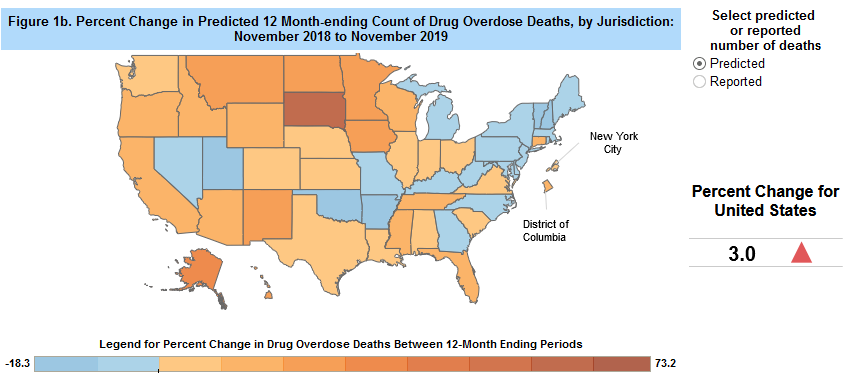
The nation’s overdose crisis seemed to ease a bit in 2018, when fatal drug overdoses dropped 4.1% compared to 2017. This was heralded as a turning point in the crisis, a possible light at the end of the tunnel of overdoses that rose annually for nearly three decades.

But new data from the CDC shows that 2019 saw increases that almost wiped out the drop in 2018. Although provisional, the data shows a 3% increase in overdose deaths between November 2018 and November 2019.

Overdoses are rising but the drugs are largely the same: Illicit fentanyl is involved in the vast majority of deaths, with an uptick in overdoses involving cocaine and other psychostimulants, too. Deaths involving prescription opioids and heroin both fell a little. Overdoses rose in the West, Midwest and South, while declining in New England and Mid-Atlantic states.

SOURCE: cdc

SOURCE: cdc

The early data for 2020 is mixed. Rhode Island’s preliminary data show a 22% increase in drug overdose deaths in the first quarter compared to the same period in 2018. Other states were doing better, at least until March.

Then came the coronavirus pandemic. State-mandated lockdowns, combined with reduced access to addiction treatment and talk therapy, along with loss of work and social support, were quickly seen as a perfect storm of risk factors for substance use problems, relapse and overdose, accidental or otherwise.

And that’s what is happening. Psych Congress reports that drug overdoses are up 16.5% nationwide from January to April 2020. Fatal overdoses rose by 11.4% during that period and nonfatal overdoses by 18.6%. This trend continued in early May, too.

The risks of the pandemic were recognized early. In March, Buzzfeed predicted that fatal overdoses were likely to increase during the pandemic because of disruption to recovery routines and access to treatment.

“The people who were getting help aren’t really getting any help right now at all,” said Danny Pont, who is part of an opioid treatment program in Rhode Island. “I suspect there will be a lot of relapses — and with a lot of relapses, there’s going to be an uptick in overdoses.”

National Public Radio also reported that treatment options are even more scarce during the pandemic, with inpatient and outpatient programs ill-equipped to operate under physical distancing rules.

All of this and more is now happening. The Well Being Trust has forecast an additional 75,000 deaths from overdose, alcohol abuse and suicide resulting from the socioeconomic stress of the pandemic, so-called deaths of despair.

The American Medical Association is trying to “reignite the fight” against the opioid crisis amid Covid-19. The AMA is calling on states to adopt new federal rules for telemedicine prescribing; removing prior authorizations or step therapy for treating opioid use disorder; removing arbitrary barriers on dose, quantity, and refill requirements; and allowing harm reduction strategies.

But the federal and state response to Covid-19 is a fragmented patchwork of policies, according to The Atlantic. The country cannot even agree on whether or not the pandemic exists, let alone if people should wear masks in public or engage in social distancing. And the rapidly shifting outbreaks, hotspots and epicenters of the pandemic make what little agreement there is transitory at best.

Sadly, the American response to the pandemic echoes the response to the overdose crisis. Too little science and too much ideology muddies what should be a clearly focused public health effort. As a result, 2020 may become the worst year for the opioid overdose crisis.

Roger Chriss lives with Ehlers Danlos syndrome and is a proud member of the Ehlers-Danlos Society. Roger is a technical consultant in Washington state, where he specializes in mathematics and research.

CDC Study Finds ‘No Significant Change’ in Use of Rx Opioids

By Pat Anson, PNN Editor

A new study by CDC researchers has a surprise finding, concluding that there has been “no significant change in the use of prescription opioids” over the past decade by U.S. adults.

The study is based on the National Health and Nutrition Examination Survey, in which a nationally representative sample of nearly 20,000 adults is asked every two years about their healthcare and nutrition.

Although the number of opioid prescriptions in the U.S. has dropped 43% since their peak in 2011, the survey found that the use of opioid medication hasn’t changed much at all.  

In 2017–2018, the survey found that 5.7% of U.S. adults used one or more prescription opioids in the past 30 days, compared to 6.2% of adults a decade earlier.

“Between 2009–2010 and 2017–2018, no significant trend in the use of prescription opioids was observed; however, an increasing trend in the use of nonopioid prescription pain medications without prescription opioids was seen,” researchers found.

USE OF PRESCRIPTION PAIN MEDICATIONS BY U.S. ADULTS

SOURCE: CDC

SOURCE: CDC

In 2017-2018, women (6.4%) were more likely to be prescribed opioids than men (4.9%). The use of opioids increased with age, from 2.8% among young adults aged 20–39 to 8.2% for those aged 60 and over.

The use of opioid prescriptions was highest among whites (6.4%), followed by blacks (5.2%), Hispanics (3.4%) and Asian adults (1.4%).

The survey did not ask respondents about the dose of opioids they were prescribed, which may account for the discrepancy with other prescription drug databases.    

A 2018 study by the health analytics firm IQVIA found a significant decline in the number of high dose opioid prescriptions of 90 MME (morphine milligram equivalent) or more. But low dose prescriptions of 20 MME or less remained relatively stable.

While the percentage of Americans using opioid prescriptions has remained relatively flat over the past decade, according to the survey, there was a notable increase in the use of non-opioid prescription pain relievers, which rose from 4.3% in 2009-2010 to 5.7% in 2017-2018.

Migraine drugs, COX-2 inhibitors, and non-steroidal anti-inflammatory drugs (NSAIDs) were classified in the survey as non-opioid prescription pain relievers, but anti-depressants and anti-convulsants were not – even though they are increasingly used to treat pain. The IQVIA study found 67 million prescriptions for the anti-convulsant medication gabapentin (Neurontin) in 2018 — a fact that is not reflected in the CDC findings.

The CDC is currently preparing an update of its controversial 2016 opioid guideline, which has been widely adopted as policy by other federal agencies, states, insurers, pharmacies and many doctors — who have used it as an excuse to take people off opioids or greatly reduce their doses.

The updated guideline – which is expected in late 2021 -- is likely to expand the CDC’s recommendations to include the use of opioids for treating short-term acute pain.

Can a Cuddly Robot Reduce Pain and Increase Happiness?

By Pat Anson, PNN Editor

A cuddly therapeutic robot – designed to look and act like a baby seal – can improve mood and reduce moderate to severe pain in people, according to a new study.

The PARO robot emits seal-like sounds and moves its head and flippers in response to being touched and spoken to. Since its introduction in Japan in 2005, the PARO has become a virtual pet for thousands of people around the world who live in places where real animals are not allowed, such as nursing homes, elder care centers and hospitals.

Since social contact between humans can alleviate pain, researchers at Israel’s Ben-Gurion University (BGU) designed a study to see if the PARO robot could have similar effects in 83 healthy young volunteers.

It’s important to note that anyone with acute or chronic pain was disqualified from participating in the study. Pain was induced in the volunteers by exposing them to a heat probe.

Those who were allowed to touch and pet the PARO rated their pain levels significantly lower than those who had no physical contact with the robot. They also reported significantly higher levels of happiness.

SCIENTIFIC REPORTS

SCIENTIFIC REPORTS

“Another possible explanation of our finding is that the interaction with PARO distracted the participants away from pain. Changing the focus of attention away from painful stimuli was shown to be efficacious in altering pain perception,” wrote lead author Shelly Levy-Tzedek, PhD, who heads the Cognition, Aging & Rehabilitation Laboratory at the Ben Gurion University.

"These findings offer new strategies for pain management and for improving well-being, which are particularly needed at this time, when social distancing is a crucial factor in public health."

To their surprise, BGU researchers also found lower oxytocin levels in those who interacted with PARO compared to those in a control group who did not meet the robot. Oxytocin is known as the “love hormone" because it is elevated in romantic partners or mothers bonding with their children -- so a lower level of oxytocin wasn't expected.

Researchers speculated in the journal Scientific Reports that oxytocin could also be a stress marker and that lower levels of the hormone may facilitate trust and sociability.

“In summary, this study indicates that social touch with PARO robot alleviates pain, increases happiness state and decreases oxytocin levels. Participants with higher perceived ability to communicate with PARO display greater pain alleviation as well as lower oxytocin levels,” researchers said.

A 2017 study also found that touching can have an analgesic effect. Young healthy couples who held hands while being subjected to mild heat felt less pain than those who were not touching or sitting in separate rooms.  

You Can Get PTSD From Poor Healthcare

By Barby Ingle, PNN Columnist

I thought I would be a cheerleader and coach my whole life... and I will, just not physically.

I had to adapt the mental aspects of cheerleading to living with Reflex Sympathetic Dystrophy (RSD), so I found a way to keep cheering despite my physical disabilities. I also had to deal with post-traumatic stress disorder (PTSD) caused by poor treatment from medical providers.

Most people think of PTSD as something people develop during service in the military or in other stressful jobs. But PTSD can come from other traumatic situations, including chronic illness.

According to McMaster University, up to 60% of patients discharged from an ICU will suffer from PTSD. Symptoms can appear months after being hospitalized and may include anxiety, trouble concentrating, recurring flashbacks and nightmares.

My long-term providers have been great, but if I didn’t learn to get my emotions under control (mostly sadness from what I had lost due to RSD), I would not have gotten the care that I needed. I had to have a plan, stay organized, and on-topic when I went to the doctor.

Those are some of the lessons I’ve learned that help me cope with PTSD. I also get psychological help when I need it, rather than avoid the emotional stress, anger, fear and anxiety. I am not perfect at this. but I do recognize that I have PTSD and knowing it is half the battle.

It is important when setting your expectations as a patient to know if your provider is willing to add new treatments and procedures to their practice, so they can grow with your needs. Many providers will only suggest a single treatment because they make a living on that one option.

If they don’t like an alternative treatment, you may hear them say things like, “There is not enough evidence for that” or “You’ll have to do this before we can do that.”

Don’t get mad if your provider doesn’t offer a specific treatment that you want. Find one who does. Creating a supportive medical care team takes time, respect and trust in all of your providers. It is up to the patient to make their team, be involved with their care, and find the right providers.

The healthcare system in the United States is primarily set up for acute care, so navigating your way through it can be a challenge when living with a chronic or rare condition. Americans are taught as children to trust and believe in the white coats. You break a bone, get a strep throat or need stitches, you go to the doctor, get treated and leave.

I had to learn that's not always true when it comes to chronic conditions. Some ER providers don’t know how to help a chronically ill person in an acute care situation. They’re taught to take care of mental health concerns first, then physical ones.

When I changed how I talked with providers and stayed on track for the reasons I was there, I got better treatment. It took me almost three years to figure that out, but it is always possible to learn the tools and grow.

Here are four tips about going to the ER if you have PTSD from poor medical treatment.

  1. Set good expectations for yourself and have a flexible plan in place. If they don’t provide the treatment you need, go to another hospital without a fight or confrontation.

  2. Become aware of what they're saying and doing around you. Make a video or audio recording if that is allowed in your state. You can use it for documentation and to review later.

  3. Improve your sense of self by knowing as much as you can about your chronic condition. Providers will notice if you are knowledgeable.

  4. Keep it simple when dealing with the provider. Just like at a business meeting, if you put too many action items on the agenda, people will tune out or be overwhelmed.

Another tool is to learn about PTSD, how to avoid it, and about being gaslighted for having a chronic illness. Gaslighting is when someone tries to manipulate you and make you doubt yourself in order to do something that they want. I have been successful at skipping the gaslighting over the years. I think others can too, if they have the right tools.

As a patient, you can take control. I approach my healthcare with the attitude that providers are tools for me and that I am responsible for my own care. Being in control can help prevent PTSD and a host of other problems.

Don’t get mad. Go to another provider until you find the care you need. Especially when you feel wronged or not heard.

Barby Ingle lives with reflex sympathetic dystrophy (RSD), migralepsy and endometriosis. Barby is a chronic pain educator, patient advocate, and president of the International Pain Foundation. She is also a motivational speaker and best-selling author on pain topics. More information about Barby can be found at her website. 

What Pain Rules Are You Following?

By Ann Marie Gaudon, PNN Columnist

As part of his pioneering work on behavioural analysis, psychologist B.F. Skinner coined the term “rule-governed behaviour” in 1966.

We all live by rule-governed behaviours, they’re part of our learned history. For example, a young child can be told “never touch a hot stove” and they will not. Most people don’t need to suffer the consequence of being burned by a hot stove because we are able to learn the lesson from our language abilities.

Other rules may include judgments about ourselves, our environment and about others, which can lead to behaviours that make our lives more -- or less -- enjoyable.

When living with chronic pain, our minds give us no shortage of rules. Creating rules about pain is one way that our minds process and react to it. Why? It’s because our minds are always trying to protect us, to keep us safe, alive and as pain-free as possible..

However, the mind doesn’t discriminate and can be maladaptive. Some rules will be very helpful (“I must avoid certain foods due to colitis”) and some will be completely arbitrary and unhelpful (“I must avoid all types of exercise because of a torn rotator cuff”).

The problem with buying into some rules, or treating them as if they were the literal truth, is that we find ourselves going over the same self-defeating tracks over and over again. One simple sentence can take on colossal dimensions.

“Beth” will be our pain patient of the day. She has a torn rotator cuff and has taken on the sole identity of “chronic pain patient” to the exclusion of all other roles in her life. It’s become a real problem. Take a look at the rules Beth has developed for herself due to chronic pain:

“I can’t work if I’m in pain.”

“Feeling pain is unacceptable. I can’t live a good life with that feeling.”

“It simply isn’t fair that I should suffer with this.”

“Exercising will make the pain worse.”

As a result of Beth buying into these rules, what do you think her life has become? If you think that Beth has locked herself up tightly in a “pain chain,” then you are correct. Her suffering has gotten worse from this type of “dirty pain.”

You may have noticed that some of Beth’s rules are patently absurd. There is no fault to be found here. Our minds are rule makers and problem-solving machines – even when the problem is thus far unsolvable (chronic pain). Beth is not yet aware of how her mind’s reactions to her pain are choking off her life, and not yet aware that there are strategies to help her free herself.

As a professional therapist, I would not be telling Beth her rules are true or false, and I would encourage her to do the same. That self-argument would be unproductive: “I am unlovable”…”Yes I am lovable”… “No I am not”… and so on.

A debate like that is not helpful. Instead, I would be asking Beth questions in an attempt to put some metaphorical space between her and her maladaptive rules. You can ask yourself these same questions about your own limiting rules.

Can you identify your overall pain rule and can you name it? Nothing can be done about these restrictions until you become aware of them and can identify them yourself.

Do you notice what happens when you follow this rule? It is highly likely that when you follow the rule your anxiety and distress will go down in the short-term. However, in the long-term, your behaviour will become more and more rigid. You will have much less choice in your life and move far away from a life that you value. Relationships with yourself and others will pay a high price. Your suffering will increase exponentially.

Can you look at this rule in terms of workability? If you continue to follow this rule, is this a workable solution to your suffering? Will this be helpful to you to live a richer, more meaningful life? Are the long-term costs worth the short-term payoff?

Are you prepared to make a choice?  You cannot stop the rule from popping into your mind, but you do have a say in how you respond. Will you follow this rule or choose to do something different? Will you bend or change the rule? Will you be flexible?

Do you notice what happens with your choice? If you choose to follow the rule, where does that take you? If you choose something different, where does that lead to?

This type of self-exploration would be a first step in addressing Beth’s restrictive rules and the consequences of blindly following them. Learning to choose new rules to influence her behaviour is akin to laying down new tracks over the old detrimental ones.

Beth will do well to acquire all of the tools she can to help her to live a better life, alongside the challenges she faces from chronic pain. Psychotherapy is one of those tools.

Ann Marie Gaudon is a registered social worker and psychotherapist in the Waterloo region of Ontario, Canada with a specialty in chronic pain management.  She has been a chronic pain patient for over 30 years and works part-time as her health allows. For more information about Ann Marie's counseling services, visit her website. 

AMA: ‘CDC Guideline Has Harmed Many Patients’

By Pat Anson, PNN Editor

The American Medical Association is urging the Centers for Disease Control and Prevention to make significant changes to its 2016 opioid prescribing guideline to protect pain patients from arbitrary limits and other restrictions on opioid medication.

“It is clear that the CDC Guideline has harmed many patients,” the AMA said in a 17-page letter to the CDC.

The letter was in response to the CDC’s request for public comment as it considers an update and expansion of its controversial guideline. The guideline was only intended for primary care physicians treating chronic pain, but the CDC’s voluntary limits on opioid prescribing have been widely adopted as strict policy by federal agencies, states, insurers, pharmacies and doctors of all specialties.

The guideline has also failed to end the so-called opioid epidemic, which is now largely fueled by illicit fentanyl and other street drugs.  

“The nation no longer has a prescription opioid-driven epidemic. However, we are now facing an unprecedented, multi-factorial and much more dangerous overdose and drug epidemic driven by heroin and illicitly manufactured fentanyl, fentanyl analogs, and stimulants. We can no longer afford to view increasing drug-related mortality through a prescription opioid-myopic lens,” wrote AMA Executive Vice President and CEO James Madara, MD. 

“The nation’s opioid epidemic has never been just about prescription opioids, and we encourage CDC to take a broader view of how to help ensure patients have access to evidence-based comprehensive care that includes multidisciplinary, multimodal pain care options as well as efforts to remove the stigma that patients with pain experience on a regular basis.”

Over 5,300 public comments were submitted to the CDC, most of them from patients who blame the agency for their untreated and poorly treat pain. Tuesday was the deadline for comments to be submitted.

One-Size-Fits-All Restrictions

The AMA’s letter points out that opioid prescriptions were declining long before the CDC guideline was released, falling 33% from 2013 to 2018.  

Many patients cutoff from opioids have had no effective alternatives for pain relief. Some non-opioid therapies recommended by the CDC – such as massage and meditation – are still not fully covered by insurance.    

“In many cases, health insurance plans and pharmacy benefit managers have used the 2016 CDC Guidelines to justify inappropriate one-size-fits-all restrictions on opioid analgesics while also maintaining restricted access to other therapies for pain,” Madara wrote. 

The CDC plans to update and expand its guideline to include recommendations for treating short-term acute pain and tapering patients safely off opioid medication.

Madara said the agency should start by recognizing that pain patients need individualized care, not “one-size-fits-all algorithms and policies that do not take individual patient’s needs into account.”   

“Some patients with acute or chronic pain can benefit from taking prescription opioid analgesics at doses that may be greater than guidelines or thresholds put forward by federal agencies, health insurance plans, pharmacy chains, pharmacy benefit management companies, and other advisory or regulatory bodies,” Madara said. 

The AMA said the CDC Guideline could be substantially improved in three ways:  

  1. Acknowledge that many patients experience pain that is not well controlled, impairs their quality of life, and could be managed with more compassionate patient care.  

  2. Make the guideline part of a coordinated federal strategy to ensure patients receive comprehensive pain care delivered in a patient-centered approach.  

  3. Urge states, insurers, pharmacies and other stakeholders to immediately suspend use of the CDC Guideline as an arbitrary policy to limit, discontinue or taper a patient’s opioid therapy. 

The CDC has been slow to respond to criticism of its 2016 guideline. The agency ignored an early warning from a consulting firm that many patients are “left with little to no pain management options” because “doctors are following these guidelines as strict law rather than recommendation.” The warning came in August 2016, five months after the CDC released its guideline.

It took the agency another three years to publicly admit that many patients were being tapered off opioids inappropriately, putting them at risk of uncontrolled pain, withdrawal and suicide. The agency’s long awaited “clarification” in 2019 had little impact on the problem, because many insurers, pharmacies and doctors still adhere to strict dosing policies. 

Even now, the agency appears to be dragging its feet on making revisions to the guideline, which seem more focused on expanding the recommendations rather than fixing them. The CDC does not anticipate the updated guideline to be ready until late 2021.   

New Drug Relieves Back Pain, But Safety Issues Remain  

By Pat Anson, PNN Editor

An experimental non-opioid pain reliever gives long-term relief for chronic low back pain, but questions remain about joint damage and other side effects from the drug, according to a large new study.

Tanezumab is a humanized monoclonal antibody that targets nerve growth factor (NGF), a protein in the blood that heightens pain sensitivity. Tanezumab binds to NGF and inhibits pain signals from reaching the brain.

In a Phase III study of over 1,800 patients with difficult-to-treat low back pain, participants given an injection of tanezumab once every two months had significantly more pain relief than those given tramadol or a placebo. The study was funded by Pfizer and Eli Lilly, which have spent nearly a decade jointly developing tanezumab as an alternative to opioid medication.

"This demonstration of efficacy is a major breakthrough in the global search to develop non-opioid treatments for chronic pain," said lead author John Markman, MD, director of the Translational Pain Research Program at the University of Rochester Medical Center. "There were also improvements in function linked to the reduction in pain severity."

But this “major breakthrough” is tainted by the fact that about 10% of patients given 10mg of tanezumab had joint pain or other side effects. Seven of them needed total joint replacement surgery. Patients who received 5mg injections of tanezumab had fewer side effects, but less relief from back pain.

NGF inhibitors have previously been linked to a rapidly progressive form of osteoarthritis. But researchers say other methods of treating back pain, such as opioids, non-steroidal anti-inflammatory drugs (NSAIDs) and surgery, have their own safety risks.

"In the future, clinicians may have to weigh the different risks of lumbar fusion surgery, chronic opioid use, or NSAIDs against the unique risks of a rare but rapidly progressive form of joint problem associated with blocking nerve growth factor," said Markman. "I expect that that the tradeoffs between benefit and risk will be different for osteoarthritis than for chronic low back pain."

Tanezumab is currently under review by the Food and Drug Administration as a treatment for moderate-to-severe osteoarthritis (OA), with a decision expected late this year. In a 2019 study of osteoarthritis patients taking a 5mg dose of tanezumab, there was significant improvement in their pain and physical function. But about 6% experienced rapidly progressive osteoarthritis.

Pfizer and Eli Lilly are not currently pursuing tanezumab as a treatment for chronic low back pain (CLBP).  

“Pfizer and Lilly made the decision to prioritize OA based on an assessment of the totality of SC tanezumab data and an initial discussion with the FDA,” a Pfizer spokesman said in an email to PNN. “At this time, regulatory submissions are not planned for tanezumab in patients with moderate-to-severe CLBP. Additional data analyses, and potentially further clinical study, may be required to more fully characterize tanezumab in CLBP patients.”

The new study was published in the journal Pain. Some of its findings had previously been released by Pfizer and Lilly.

New Treatment Significantly Reduces ‘Frozen Shoulder’ Pain  

By Pat Anson, PNN Editor

Preliminary results from a small study show that an experimental treatment for adhesive capsulitis -- also known as “frozen shoulder” – dramatically reduces pain and quickly improves function in patients.

Frozen shoulder occurs when ligaments and connective tissues surrounding the shoulder joint become sore and inflamed. The inflammation gets so painful that many patients have difficulty using their arms. The resulting lack of use makes the shoulder joint even more stiff and inflamed – a vicious cycle that “freezes” the shoulder in place.

About 200,000 people annually in the U.S. develop frozen shoulder, mostly middle-aged adults. Several years ago, I was one of them. The pain was so bad at times, it felt like someone whacked me in the the shoulder with a baseball bat. I had trouble putting on a shirt or sleeping in the same position for more than a few hours.

Frozen shoulder is usually treated with physical therapy, massage, joint injections or pain medication, until the symptoms resolve in a few months or perhaps even years. Thankfully, that’s what happened to me. More serious cases can result in rotator cuff surgery.  

Researchers at the Vascular Institute of Virginia used a less invasive procedure called Arterial Embolization of the Shoulder (AES) to reduce blood flow into the shoulder of 16 patients with adhesive capsulitis. Physicians inserted a catheter through a pinhole-sized incision in the patients' wrists that was used to feed microscopic particles into six arteries leading into the shoulder.

"Patients with frozen shoulder are essentially told to tough it out until their symptoms improve, but considering the significant pain and decreased function many experience, we looked to determine if this treatment model of embolization, already in use in other areas of the body, could provide immediate and durable relief," said lead author Sandeep Bagla, MD, director of interventional radiology at the Vascular Institute of Virginia.

It may sound counter-intuitive, but decreasing the flow of blood into shoulder tissue significantly reduced the patients’ pain and inflammation.

"We were shocked at the profound and dramatic improvement patients experienced in pain and use of their shoulder," says Bagla. "We are early in the investigation of this treatment but are inspired by its effectiveness in reducing pain and range of motion in patients' shoulders."

The treatment was conducted on an outpatient basis and takes about one hour. Nine patients reported minor side effects such as skin discoloration.

The findings were recently presented in a research abstract during a virtual session of the Society of Interventional Radiology. The authors note that AES is still investigational and that conservative therapies for frozen shoulder should still be considered first.

‘You Ruined My Life’: Patients Blame CDC for Poor Pain Care

By Pat Anson, PNN Editor

Nearly 5,400 people have left comments in the Federal Register sharing their experiences and concerns about the quality of pain care in the United States. Tuesday was the final day for people to make public comments, which the Centers for Disease Control and Prevention will consider as it updates and possibly expands its controversial opioid prescribing guideline.

Most of the respondents are patients who blame the CDC for their poorly treated or untreated pain. Although the 2016 guideline was only intended for primary care physicians treating chronic pain, the CDC’s recommended limits on opioid prescribing have been widely adopted as policy by federal agencies, states, insurers, pharmacies and many doctors — who use the guideline as excuse to take people off opioids or greatly reduce their doses.  

“The day the CDC guidelines came out, I was taking 400mg oxycodone and leading a productive life. Then I was taken completely off all my medication. I went through hell and wanted to kill myself,” wrote Wren Lum. “I lost my job because I couldn't work anymore. I could no longer get out of bed. Lost my house because I could no longer pay the mortgage. CDC, you ruined my life.”

“I am not being prescribed the right dose of pain medication and it’s all because of the CDC guidelines. I used to be on three times the amount of oxycodone that I am now on and it’s taken away my ability to walk. I’m only 34 years old. This is devastating to me and my family, and now have such a lack of quality of life,” wrote Holly Letendre.

“I was given opioid medicine for 8 years. I could work, volunteer, socialize, care for my children, my husband, my home, and importantly, myself. I now shower every 10-14 days, it's too painful. When I do, I am curled up in horrendous pain for hours afterwards,” said Donna Johnson. “This is due to the CDC’s guidelines. It was then that doctors became afraid to prescribe, even to compliant patients living happy lives. I want my life back.”

The CDC is planning to update or expand the guideline to include recommendations for treating short-term acute pain and tapering patients safely off opioid medication. It took the agency three years to acknowledge that some patients were being taken off opioids too rapidly, putting them at risk of withdrawal, uncontrolled pain and suicide.

“My life has become miserable. I suffer every day after my doctor cut my dosage by almost 90 percent. Ninety percent! My blood pressure meds have had to be tripled. I have gained weight since I am now for all intents and purposes nearly bedridden,” said Kendal Rice in her comment to the CDC. “You people are just monsters. Every one of you. You certainly are not healers.”

PROP ‘Urgent Action Request’

Thousands of people – mostly pain patients and their loved ones – left comments critical of the CDC guideline. That prompted anti-opioid activists to launch their own campaign in support of the agency.

Dr. Andrew Kolodny, founder and Executive Director of Physicians for Responsible Opioid Prescribing (PROP), emailed an “urgent action request” to supporters last night, urging them to leave their own comments. He claimed without any evidence that the backlash against the CDC was bankrolled by drug companies.

“The CDC has been receiving pressure to weaken the recommendations in its 2016 CDC Guideline,” wrote Kolodny. “Not surprisingly, much of this pressure is coming from pain organizations funded by drug companies and from opioid-dependent pain patients. Many of these patients are fearful and angry because they're having a harder time finding clinicians willing to prescribe opioids aggressively.” 

In a joint letter to CDC Director Dr. Robert Redfield, Kolodny and several PROP members said the guideline was “tremendously helpful” to primary care physicians and has led to “downward trends in inappropriate prescribing.” The letter also claimed that long term use of opioids often makes pain worse and leads to “intolerable negative mood changes” in patients. 

“We know from clinical experience and from controlled studies that opioids are rarely beneficial for chronic pain,” Kolodny wrote. “Now is not the time to reverse the gains of the 2016 guideline. The focus now should be twofold: to find better ways to help people already on opioids and improve access to better means than opioids to treat chronic pain.” 

Alternative Treatments

Many patients say they’ve already tried non-opioid treatments and found them ineffective for severe pain. 

“The majority of antidepressant and anti-seizure medications available today pose just as much a risk for dependency, withdrawal and death as opioids, if not more. Yet these medications are prescribed 1,000 times more and have much more severe side effects and withdrawal effects,” wrote Lois Luesing, who says her 36-year old son is housebound and unable to work because of chronic pain.

“He’s tried numerous available Rx meds, creams, alternative treatments, supplements, patches, etc. and nothing works. The only medication that will work to relieve his pain and give him his life back are opioids, yet we can’t find a doctor to prescribe this life-saving medication for him. It’s not his fault that’s the only thing that works. There are millions of others that this is the same for.”

Some patients have found alternatives that do work.  Although the herbal supplement kratom isn’t even mentioned in the CDC guideline, hundreds of kratom users left comments in the Federal Register asking the CDC not to regulate kratom.  

“Kratom is a life saver for me. I was being personally prescribed opiates for almost 20 years due to chronic pain. Although I always took as directed and never let them ruin my life, there's a very fine line to not go over the edge with them. They are so addictive and pretty dangerous for that matter. Since finding kratom this past year, I've been able to stop taking the opiates,” wrote Michael B. “Please don’t take this wonderful plant away from us. I assure you it will end up destroying many people's lives.” 

An update to the CDC guideline is not expected until late 2021, nearly six years after the initial guideline was released.  The agency has funded a series of new studies on opioid and non-opioid treatments for chronic pain.

The report on opioids was released in April. It concluded that opioids were no more effective in treating pain than nonopioid medication, and that long-term use of opioids increases the risk of abuse, addiction and overdose.

‘Golden Era’ for Migraine Therapy Not Providing Relief  

By Pat Anson, PNN Editor

In recent years there have been many advances in treating and preventing migraine – what some have called a “treatment revolution” in migraine therapy. New oral and injectable drugs block a key protein released during migraine attacks, and a novel smartphone-controlled device uses neuromodulation to help ease migraine pain.

But for many migraine sufferers, the increasingly crowded field in migraine therapy isn’t translating into pain relief or improved quality of life. Many are reluctant to seek treatment or take medication, and feel stigma about having the disease, according to two new studies.

“We are in a golden era for migraine care with the introduction of new therapeutic options for both the acute and preventive treatment of the disease, but if we don't address the need for better education, less stigma and improved access to care, we are falling short," said Eric Pearlman, MD, a senior medical director at Eli Lilly.

A survey released by the National Headache Foundation in recognition of Migraine and Headache Awareness Month found that less than a third (29%) of people with migraine feel that their disease is under control. The online survey of over 1,000 men and women diagnosed with migraine was funded by Biohaven Pharmaceutical.

Many respondents are concerned about side effects from the medications they take, such as brain fog, fatigue and sleepiness. Almost half of respondents (47%) between the ages of 18-59 say side effects have interfered with their ability to go to school or work. Nearly as many (46%) feel anxious about taking medication.

And despite the plethora of new choices available in migraine therapies, nearly two-thirds (65%) of migraine sufferers are still using an old medication -- triptans -- as a treatment for migraine pain.

"We must strive to understand and educate about the impact of this disease on not only physical well-being; but also, emotional and mental health," said Mary Franklin, executive director of National Headache Foundation. "Every person living with migraine has a different experience and we want all to feel confident in their treatment choices; but also know that there are others who understand the real impact of the disease."

The survey asked migraine sufferers about the emotional and mental burden of the disease, and the impact it has on daily life.

  • 77% said they were not able to do the things they wanted to because of migraine attacks 

  • 54% feared they were a burden to family, friends and colleagues

  • 53% say they modified career plans due to migraine

  • 42% were unable to exercise or engage in physical activity

  • 37% feel less productive at work or school

  • 28% feel less able to take care of their children

  • 25% avoid sexual intimacy

The vast majority of respondents (93%) feel misunderstood and that those who don't suffer from migraine don't understand the severity of their disease.

OVERCOME Study

Results from the Biohaven survey were echoed in a large new study of more than 21,000 people living with migraine, which found that less than 30 percent are taking a recommended prescription medication.

"For millions of people living with migraine, the journey to an appropriate treatment program is fraught with gaps," said Susan Hutchinson, MD, scientific advisor to the OVERCOME study. "There are a variety of reasons at play, but it begins with the fact that many may not realize what they are experiencing is a migraine and not just 'another bad headache.'”

The OVERCOME (Observational Survey of the Epidemiology, Treatment and Care of Migraine) study was funded by Eli Lilly. It sought to assess the impact of new treatment options and whether migraine sufferers completed three critical steps in migraine management:

  1. Actively sought care with a healthcare professional

  2. Received a migraine diagnosis

  3. Took a recommended prescription medication

Less than two-thirds (63%) of those who may benefit from acute migraine medication sought treatment from a healthcare provider. Of those, 75% were diagnosed with migraine. Among the diagnosed population, only 59% percent took a recommended drug. Overall, only 28 percent completed all three steps to appropriate care.

The results weren’t much better for OVERCOME respondents who may benefit from a migraine prevention drug. A little over two-thirds (69%) sought care and 79% received a migraine diagnosis. Of those who sought care and received a diagnosis, only 28% wound up taking a preventive medication for migraine. Overall, only 15 percent of this population completed all three steps to appropriate care.

Some migraine sufferers only seek treatment when their pain become unbearable. About 10% of respondents sought care in an emergency room or urgent care clinic setting, where they are less likely to receive an accurate diagnosis or take a recommended medication. 

"Even in light of recent new treatment options in the field of migraine, we still face an uphill battle as too many continue to be underserved," said Robert Shapiro, MD, a scientific advisor to the OVERCOME study. "An important aspect of migraine care that is truly diminished and may contribute to these findings is the stigma felt by many living with the disease. A person's reluctance to seek care or take medication for their migraine can be rooted in the fear of how a friend, employer, or even a loved one may view them for doing so."

Migraine affects about a billion people worldwide and 36 million adults in the United States, according to the American Migraine Foundation. In addition to headache pain, migraine can also cause nausea, vomiting, blurriness or visual disturbances, and sensitivity to light and sound. The World Health Organization classifies migraine as one of the 10 most disabling medical illnesses.

Patients Recover Sooner from Minimally Invasive Back Surgeries

By Pat Anson, PNN Editor

A new study comparing short-term outcomes of minimally invasive lumbar decompression surgeries to minimally invasive spinal fusions found no significant difference in the amount of time patients needed to return to work. But decompression patients were able to drive and stop taking opioid pain medication sooner than the fusion patients.

Researchers at Hospital for Special Surgery (HSS) in New York City found that it took 117 decompression patients a median of three days to discontinue opioid medication, while it took a median of seven days for 51 spinal fusion patients.

It took 88 decompression patients a median of 14 days to resume driving, while it took 18 days for 45 fusion patients.

The findings are noteworthy, according to Sheeraz Qureshi, MD, an HHS spine surgeon, because a standard open spinal fusion generally entails a much longer recovery and slower return to activities than a standard lumbar decompression.

“Our study is the first of its kind to look at return to activities and discontinuation of narcotic pain medication after single-level lumbar decompression or single-level lumbar spine fusion performed with a minimally invasive technique,” said Qureshi, who was senior investigator for the study.

“All the patients in both groups were able to resume driving and return to work within three weeks of surgery. When you compare this time frame to that of standard open spinal fusion surgery, it’s really striking. Patients having a standard spinal fusion could take six months or longer for a full recovery.”

Degenerative conditions of the lumbar spine, such as a herniated disc or spinal stenosis, are common causes of chronic back pain. Patients may consider surgery when conservative treatments such as medication and physical therapy fail to provide relief.

Lumbar decompression surgery involves the removal of a small section of bone or part of a herniated or bulging disc that is pressing on a nerve. Spinal fusion is more extensive surgery, and is performed to stabilize and strengthen the spine. Surgeons join two or more vertebrae together, sometimes using screws and connecting rods.

In recent years, minimally invasive (MI) spine surgery has gained in acceptance and popularity. The technique uses smaller incisions than standard surgery and aims to minimize damage to nearby muscles and other tissues.

Although MI decompressions and MI fusions use the same initial approach to reach the spine with the same size incisions, the fusions are still more extensive surgeries, so pain medication may be needed for a longer period of time, according to Dr. Qureshi.

This study findings were presented at the annual meeting of the American Academy of Orthopaedic Surgeons.

FDA Targets Websites Selling Illicit Opioids

By Pat Anson, PNN Editor

The U.S. Food and Drug Administration is trying to put more teeth into efforts to stop the sale of unapproved or misbranded opioid medications online.

The FDA has launched a pilot program with the National Telecommunications and Information Administration (NTIA) that could result in online pharmacies being blocked or having their domain names suspended for selling illicit opioids. The NTIA is a branch of the U.S. Commerce Department that is responsible for telecommunications and information policy issues.

Under the pilot program, the FDA will notify three internet registries – Neustar, Verisign and Public Interest Registry – when the agency sends a warning letter to a website operator for selling opioids illicitly and the operator does not respond adequately within the required time frame. The internet registries could then voluntarily block or suspend the website domains, which would effectively take them offline.

“Stopping abuse of illegal opioids, including those sold online, has been one of President Trump’s top health priorities. The men and women of FDA have worked tirelessly over the years with the private sector and federal partners, like NTIA, to fight illegal online opioid sales,” Health and Human Services Secretary Alex Azar said in a statement.

For now, according to an FDA spokesperson, the pilot program will not target websites selling kratom, an herbal supplement that the agency considers an opioid.

“Websites selling kratom are not being included in this pilot at this time,” the spokesperson said in an email to PNN. “FDA continues to express concerns about kratom, which affects the same opioid brain receptors as morphine and appears to have properties that expose users to the risks of addiction, abuse, and dependence.”

In recent years, the FDA has sent hundreds of warning letters to rogue online pharmacies that sell counterfeit drugs or illegal medication. When they are caught, the websites often reappear under new domain names or move offshore.

‘Our Best Selling Product’

Sometimes the letters are simply ignored. For example, in September 2019, the FDA sent a warning letter to Euphoria Healthcare, which operates an online pharmacy called “Generic Wellness.” The letter warned Euphoria about selling the opioid tapentadol under the name “Aspadol” – a generic version of Nucynta. The FDA considers Aspadol to be an unapproved and misbranded drug, and gave Euphoria 15 days to respond to the letter or face possible civil or criminal charges.

Nine months later, Generic Wellness not only continues marketing Aspadol, it calls the drug “our best selling product” and claims the company is a “well known online pharmacy for selling FDA approved high quality generic medicines.”

The FDA had better luck with a March 2019 warning letter to the online pharmacy “The Don Rx” for selling misbranded versions of the opioid tramadol. That website has apparently been blocked or is no longer operating.  

The FDA’s new pilot program is apparently the result of meetings the agency had with internet stakeholders and registries to discuss ways to collaboratively stop sales of illicit opioids online. As a result of those meetings, Google began to de-index websites named in FDA warning letters, and social media platforms like Facebook and Instagram redirected users looking to buy opioids to a government run help line.