Genetic Studies Could Pave the Way to New Pain Treatments

By Dr. Lynn Webster, PNN Columnist

Millions of Americans order DNA test kits to determine their ancestries. Knowing where you come from can be entertaining.  However, DNA testing can also help identify your risk of developing some diseases, including chronic pain.

Prenatal testing for genetic disorders is common. But genetic testing is also increasingly used to determine the risk of developing certain diseases or potential responses to specific drugs.

Currently, little is known about how to use genes to make an individual more or less sensitive to pain, or to learn the likelihood that someone will respond in a particular way to an analgesic based on their genetics. The good news is that we are on the cusp of gaining more information about the genes that control pain and pain treatments, and that knowledge should allow us to develop targeted pain therapies.

Most physicians still believe that everyone experiences pain in the same way. Research recently published in Current Biology discovered a gene—the so-called "Neanderthal gene"—that is associated with increased sensitivity to pain. Recognizing that a mutation of a specific gene can influence pain perception may be illuminating for many members of the medical profession.

The Individuality of Pain

Pain specialists have known for a long time that given the same stimulus, some people feel more pain than others. The truth is, there are several genes besides the Neanderthal gene that determine how an individual experiences pain. Some genes increase our sensitivity to pain, while other genes decrease it. Some genes influence how pain is processed, while other genes determine an individual's response to an analgesic.

The ability for an analgesic to provide pain relief in an individual is partially determined by the genetics of the receptor to which the pain medication binds. These genes are different from pain-sensitivity genes. For example, oxycodone may be very effective in relieving pain for one individual, but only partially effective for another.

Optimal pain relief requires recognition that each individual responds uniquely to a given analgesic. Doctors are beginning to provide gene therapy for cancer patients. Advancements in research may someday allow us to do the same for patients with pain.

The array of pain responses to the same stimulus is a major reason why one-size-fits-all dosing of pain medications is flawed. A given dose may leave some patients undertreated and others over-treated. Unfortunately, regulators who set arbitrary dose limits fail to understand or consider this biologic variability. 

Differing clinical responses to pain stimuli and medications underscore the need to individualize therapy. Knowing more about the biology of pain can help us to understand each individual’s response to painful stimuli and the variable response to any therapy.

The Heredity Nature of Pain

How we experience pain is a result of both environmental and genetic features. The genetic factors are what we inherit. Environmental factors — which we develop rather than inherit — include cultural attitudes, emotions, and individual responses to stress. Our personality and life’s experiences are included in the environmental factors that contribute to our experience of pain. Therefore, pain is a result of genetic and environmental interactions. Both can make an individual more or less sensitive to stimuli or analgesia. It is a complex and dynamic process.

The so-called Neanderthal gene is not a new discovery but was newly recognized in Neanderthals. The discovery is interesting, because it implies the gene has an evolutionary purpose. The gene is known as SCN9. There are several pain syndromes associated with the genetic mutations of the SCN9 gene, including some types of back pain and sciatica. Mutations of this gene can result in the total absence of pain or a heightened pain expression. The type of mutation determines the phenotype (or personal characteristics) of our response to a painful stimulus.

The Genetics of Analgesia

It is unclear how Neanderthals benefited biologically from increased pain sensitivity. As we know, acute pain elicits an alarm and is considered protective. It teaches us to avoid dangers that can threaten our life, and prevents us from walking on a broken leg until it heals sufficiently to bear our weight.

Evolution may not have been concerned about the effects of chronic pain. The Neanderthals' limited life expectancy, and the fact that their survival depended on strong physical conditioning, may have made chronic pain a non-issue. Chronic pain may have made survival difficult, or even impossible, for the Neanderthals.

The recent discovery that Neanderthals had the SCN9 gene should not be surprising, given the fact that modern humans shared a common ancestor with Neanderthals. The Neanderthal gene study is of particular interest to me, because I am working with several companies that are exploring potential drugs to affect the function of the SCN9 gene. The companies have different approaches, but they all are trying to find a way to dial down an individual's sensitivity to painful stimuli.

Since the SCN9 gene can be responsible for the total absence of all pain, as well as several extreme forms of pain, it may be reasonable to target the SCN9 gene to modulate pain.

My hope is that manipulation of the SCN9 gene will reduce pain sensitivity, making it easier to control pain by adjusting the dose and type of drug we prescribe.

It is possible one or more drugs that target the SCN9 gene will be available within the next 4-6 years. If that occurs, it could be game changer for people in pain. We can then thank our Neanderthal ancestors for the evolutionary gift. 

Lynn R. Webster, MD, is a vice president of scientific affairs for PRA Health Sciences and consults with the pharmaceutical industry. He is author of the award-winning book, “The Painful Truth,” and co-producer of the documentary, “It Hurts Until You Die.” You can find Lynn on Twitter: @LynnRWebsterMD

Avoiding Medical Care During Pandemic Could Mean Life or Death

By John Glionna, Kaiser Health News

These days, Los Angeles acting teacher Deryn Warren balances her pain with her fear. She’s a bladder cancer patient who broke her wrist in November. She still needs physical therapy for her wrist, and she’s months late for a cancer follow-up.

But Warren won’t go near a hospital, even though she says her wrist hurts every day.

“If I go back to the hospital, I’ll get COVID. Hospitals are full of COVID people,” says Warren, a former film director.

“Doctors say, ‘Come back for therapy,’ and my answer is, ‘No, thank you.’”

Many, many patients like Warren are shunning hospitals and clinics. The coronavirus has so diminished trust in the U.S. medical system that even people with obstructed bowels, chest pain and stroke symptoms are ignoring danger signs and staying out of the emergency room, with potentially mortal consequences.

A study by the Centers for Disease Control and Prevention found that emergency room visits nationwide fell 42% in April, from a mean of 2.1 million a week to 1.2 million, compared with the same period in 2019.

A Harris poll on behalf of the American Heart Association found roughly 1 in 4 adults experiencing a heart attack or stroke would rather stay at home than risk getting infected with the coronavirus at the hospital. These concerns are higher in Black (33%) and Hispanic (41%) populations, said Dr. Mitchell Elkind, president of the American Heart Association and a professor of neurology and epidemiology at Columbia University.

Perhaps even more worrisome is the drastic falloff of routine screening, especially in regions hit hard by the virus. Models created by the medical research company IQVIA predict delayed diagnoses of an estimated 36,000 breast cancers and 19,000 colorectal cancers due to COVID-19’s scrambling of medical care.

At Hoag Memorial Hospital Presbyterian in Newport Beach, California, mammograms have dropped as much as 90% during the pandemic. “When you see only 10% of possible patients, you’re not going to spot that woman with early-stage breast cancer who needs a follow-up biopsy,” said Dr. Burton Eisenberg, executive medical director of the Hoag Family Cancer Institute.

Before the epidemic, Eisenberg saw five melanoma patients a week. He hasn’t seen any in the past month. “There’s going to be a lag time before we see the results of all this missed care,” he said. “In two or three years, we’re going to see a spike in breast cancer in Orange County, and we’ll know why,” he said.

Dr. Farzad Mostashari, former national coordinator for health information technology at the U.S. Department of Health and Human Services, agreed. “There will be consequences for deferring chronic disease management,” he said.

“Patients with untreated high blood pressure, heart and lung and kidney diseases are all likely to experience a slow deterioration. Missed mammograms, people keeping up with blood pressure control — there’s no question this will all cause problems.”

In addition to fear? Changes in the health care system have prevented some from getting needed care.

Many medical offices have remained closed during the pandemic, delaying timely patient testing and treatment. Other sick patients lost their company-sponsored health insurance during virus-related job layoffs and are reluctant to seek care, according to a study by the Urban Institute.

A study by the American Cancer Society’s Cancer Action Network found that 79% of cancer patients in treatment had experienced delays in care, including 17% who saw delays in chemotherapy or radiation therapy.

“Many screening facilities were shuttered, while people were afraid to go to the ones that were open for fear of contracting COVID,” said Dr. William Cance, chief medical and scientific officer for the American Cancer Society.

Falling Through the Cracks

And then there are patients who have fallen through the cracks because of the medical system’s fixation on COVID-19.

Dimitri Timm, a 43-year-old loan officer from Watsonville, California, began feeling stomach pain in mid-June. He called his doctor, who suspected the coronavirus and directed Timm to an urgent care facility that handled suspected COVID patients.

But that office was closed for the day. When he was finally examined the following afternoon, Timm learned his appendix had burst. “If my burst appendix had become septic, I could have died,” he said.

The degree to which non-COVID patients are falling through the cracks may vary by region. Doctors in Northern California, whose hospitals haven’t yet seen an overwhelming surge of COVID-19 cases, have continued to see other patients, said Dr. Robert Harrington, chairman of the Stanford University Department of Medicine and outgoing president of the American Heart Association. Non-COVID issues were more likely to have been missed in, say, New York during the April wave, he said.

The American College of Cardiology and American Heart Association have launched campaigns to get patients to seek urgent care and continue routine appointments.

The impact of delayed care might be felt this winter if a renewed crush of COVID-19 cases collides with flu season, overwhelming the system in what CDC Director Robert Redfield has predicted will be “one of the most difficult times that we’ve experienced in American public health.”

The health care system’s ability to handle it all is “going to be tested,” said Anthony Wright, executive director of Health Access California, an advocacy group.

‘Sabbatical from Bad Habits’

But some patients who stay at home may actually be avoiding doctors because they don’t need care. Yale University cardiologist and researcher Dr. Harlan Krumholz believes the pandemic could be reducing stress for some heart patients, thus reducing heart attacks and strokes.

“After the nation shut down, the air was cleaner, the roads were less trafficked. And so, paradoxically, people say they were experiencing less stress in the pandemic, not more,” said Krumholz, who wrote an April op-ed in The New York Times headlined “Where Have All the Heart Attacks Gone?” “While sheltering in place, they were eating healthier, changing lifestyles and bad behaviors,” he said.

At least some medical experts agree.

“The shutdown may have provided a sabbatical for our bad habits,” said Dr. Jeremy Faust, a physician in the division of health policy and public health at Boston’s Brigham and Women’s Hospital. “We’re making so many changes to our lives, and that includes heart patients. If you go to a restaurant three times a week or more, do you realize how much butter you’re eating?”

While some patients may be benefiting from a COVID-19 change of regimen, many people have urgent and undeniable medical needs. And some are pressing through their fear of the virus to seek care, after balancing the risks and benefits.

In March, when the virus took hold, Kate Stuhr-Mack was undergoing a clinical trial at Hoag for her stage 4 ovarian cancer, which had recurred after a nine-month relapse.

Members of her online support group considered staying away from the facility, afraid of contracting the virus. But Stuhr-Mack, 69, a child psychologist, had no choice: To stay in the trial, she had to keep her regular outpatient chemotherapy appointments.

“We all make choices, so you have to be philosophical,” she said. “And I thought it was far more risky not to get my cancer treatment than face the off-chance I’d contract COVID on some elevator.”

Kaiser Health News, a nonprofit health newsroom whose stories appear in news outlets nationwide, is an editorially independent part of the Kaiser Family Foundation.

Misleading Data and Bias in Canadian Opioid Reporting

By Marvin Ross, Guest Columnist

It is sometimes said that there are lies, damned lies and statistics. That prophetic statement, often mistakenly attributed to British Prime Minister Benjamin Disraeli, explains the complete confusion in the minds of the public about the use of opioid medication.

By conflating data on prescribed opioids with illicit opioids – an apples to oranges comparison -- the average person has no real understanding of the value of opioid pain relievers. How often do we hear people say they refuse to take pain medication for fear of becoming addicted?

One Canadian agency that confuses, conflates and even admits that its data is misleading is the Canadian Centre on Substance Use and Addiction (CCSA). The reports they publish suggest that prescribed opioids are a major problem to be avoided. They are out of step with some of the provincial coroners and federal agencies such at the Public Health Agency of Canada and Health Canada.

Let's first look at what these other agencies report.

Last month, British Columbia reported its highest number of illicit drug deaths ever, nearly 6 deaths per day, with the vast majority involving fentanyl and its analogues. In neighboring Alberta, 127 of the 142 deaths in the first quarter of 2020 involved fentanyl. Neither province talks about deaths from prescribed opioids, as the main issue is illicit drugs.

While fentanyl is a prescribed drug and has many legitimate uses, only 5% of all opioids prescribed in Canada is fentanyl. Given its frequency in overdoses, it must come from illegal sources.

The Public Health Agency divides their overdose statistics into those involving patients with prescribed opioids and those with substance abuse problems.  Prescribed opioids accounted for 0.02% of total hospitalizations, while for the substance abuse population it was 0.04% of hospitalizations.

There are distinct differences in age between the two groups. People in the prescribed group were usually men and women aged 60 and older. For those with substance abuse problems, the most prevalent age group is 20 to 39 years of age. It is well known that illicit drug use is more prevalent in younger people, as this data demonstrates.

Health Canada tracks reported adverse drug reactions for prescriptions and finds that analgesics are the least likely drugs to result in an adverse event. Only 1.8% of all adverse reactions involve pain medications.

Confusing Illicit Opioids with Legitimate Opioids

These statistics all demonstrate that the problem is illicit drug use and not valid prescribed opioids given to patients in pain. In contrast, the CCSA conflates legitimate and illicit opioids, and provides a totally biased picture of what is happening.

Their July 20 report is entitled “Prescription Opiods” with no mention of illicit opioids. But then they provide data that really pertains to the illicit kind.

In 2017, 11.8% of Canadians were prescribed opioids, down from 13% in 2015. Little changed was the proportion of patients who used their prescriptions for non medical uses, which is 3 percent. So, 97% of patients prescribed opioids used them properly.

CCSA.jpg

Despite that, Canada, like the United States, introduced draconian prescribing guidelines to control the 3% and, of course, that negatively impacted the 97%.

There were nearly 16,000 overdose deaths in Canada between 2016 and 2019, according to the CCSA report, with emergency room visits for opioid poisoning doubling for the 25-44 age group. Given this is a report about prescription opioids, the impression the naive reader would get is that deaths and hospital visits all pertain to legally prescribed opioids.

Next, the CCSA points out that, while the number of opioid prescriptions in Canada has fallen, 5.5% of those taking them can still become addicted. That estimate for addiction is low, but there is other research suggesting that it is even lower. In keeping with their anti-opioid bias, they state that prescription “opioids can also produce a feeling of well-being, relaxation or euphoria (“high”).”

What people who take opioids for pain experience is a decrease in pain or no pain at all, if they are lucky. That's it – there’s usually no high and no euphoria. Addicts take these drugs for its high.

They then move on to talk about the healthcare costs associated with the use of opioids, but again do not differentiate between prescribed and illicit. This leaves the reader with the impression that anyone who takes opioids for any reason is costing the health system extra for adverse events, hospitalizations, overdoses and deaths.

In fact, they are mostly talking about illicit uses as the data they provide is not dissimilar to the data provided by the Public Health Agency or Health Canada. To hammer home the CCSA’s deception, the very next section deals with driving under the influence of prescription drugs.

In 2018, two prominent health experts completed a review of all the independent health agencies funded by Health Canada and recommended that three of them had outlived their usefulness. One of those was the Canadian Centre on Substance Use and Addiction, which they recommended be abolished. For some reason, it still exists.

I asked CCSA to explain their misleading statistics and it took them almost three weeks to respond. Research and policy analyst Samantha King, PhD, admitted the data is misleading unless readers take a deep dive into the footnotes.

“We are aware that for some of the data captured in the summary, including hospitalizations due to opioid poisonings and opioid-related deaths, there is no ability to differentiate between legal or illegal sources of opioids that are causing these harms. For this reason, these sections only refer to opioids in general and contain footnotes where appropriate, highlighting the limitations of the data,” King wrote to me in an email.

So, why call the report “Prescription Opioids” when, unlike coroners and other federal agencies in Canada, you cannot differentiate between illicit opioids and legitimate ones? All I can say is that it is fortunate that Canada's handling of the Covid-19 Pandemic is being handled by the Public Health Agency and not CCSA.

Marvin Ross is a medical writer and publisher in Dundas, Ontario. He is a regular contributor to the Huffington Post.

The Wisdom of CRPS: Making My Final Cancer Treatment Decision

By Cynthia Toussaint, PNN Columnist

A year ago when I got my triple-negative breast cancer diagnosis, the second dreadful thought that ran through my head – perhaps worse than the Big C – was that for any chance at survival I had to once again enter the horrific world of western medicine, a system that for decades had brought me only misery when it came to Complex Regional Pain Syndrome (CRPS).

After five months of researching and contemplating what might be my most hopeful and least harmful treatment strategy, I began chemotherapy with a healthy level of trepidation. While chemo torture can only be described as indescribable, I was stunned and pleased to do well out of the gates. In fact, my tumor disappeared during week one.

In all, I miraculously completed 17 chemo infusions while escaping lethal complications, only because my integrative doctor, Dr. Malcolm Taw, kept a check on my oncologist’s over-treatment. Let it be known that when some people die from “complications of cancer,” they’re really dying from doctors taking that lethal risk due to money and/or hubris. A personal example is the week my infusion nurse refused to administer chemo because my blood count was so low she was afraid I’d get an infection and die.

My oncologist’s goal for me was 18 infusions, a ridiculously high number that I began questioning when I hit twelve. My hair was already growing back, while my body was rabidly flushing the drugs out of my system (don’t ask).

I couldn’t find anyone, in person or on the internet, who’d done more than 12 infusions. Scarier, an oncologist who filled in one morning shared with me that at no time in his career had he seen someone order so many.

My guess is that because my oncologist and the massive health system she works for are aggressively working to prove this chemo regimen is a keeper, 18 would seal the deal for their final report.   

CYNTHIA TOUSSAINT

CYNTHIA TOUSSAINT

I reluctantly marched on with this needless torture for one reason. My oncologist fed me a steady diet of fear, western medicine at its best.

To keep me in line, I dealt with verbal assaults like, “Your cancer’s going to grow right back if you take a week off.” Another was the golden oldie, “I don’t like your questions!” And after the last infusion went south, I was speared with, “All of my other patients want to live.”

The reason I didn’t graduate at the top of my chemo class of one was that, while driving home from number 17, my hands and feet felt like they were bursting into flames while fireworks popped. When John got me upstairs to our condo, he took a picture of the beet-red appendages, my expression frighteningly pale.

After being hideously ill for four days, which is typical as side-effects are cumulative, one afternoon I played the piano for a few minutes and out of nowhere my CRPS, mixed with chemo and my new friend, neuropathy, appeared without mercy in my wrists and hands. As of this writing, five weeks later, I’ve had little let up. While my idiot oncologist never took my CRPS seriously, I’m suffering at a level 9-10 pain and laboring to navigate a world built for people with hands.

So much for number 18, which broke my heart. I’m a goal-oriented gal, and desperately wanted closure for trauma release. At infusion centers, people get to know each other, who lives and who doesn’t, and it’s a big deal when a patient completes their chemo course. The nurses do a hip-hip-hurrah, ring a bell and everyone gets to say goodbye and good luck. I gave it my crazy-strong best, but as usual, CRPS made my decision.

And it would make my next.

Despite not getting the last infusion in, I hit a home run. No, a grand slam. Confirmed with follow-up imaging, I’d achieved a clinical “Complete Response” – the best I could do and hope for. Turns out I’m what they call a “super responder.”

Standard of care dictates that with triple-negative cancer, complete response or not, surgery is mandated (lumpectomy and lymph node removal) to confirm all microscopic malignancies are gone.

This knowing had been looming like a dark cloud since my diagnosis. CRPS and surgery don’t make good bedfellows, as the cutting and tissue extracting tends to fire up nerves that can spark a full-blown CRPS flare. My past has taught me my flares can last a month. Or a lifetime.  

Still deeply influenced by my doctor’s fear-mongering, I kept coming back to surgery despite its risks and my gut telling me to go another way. For once in my life, I wished I’d been well enough to do all the goddamn treatments without having to work around my never-ending pain. Bottom line, I wanted my best shot at living.

But live how? After surgery, would I be left with a life worth living?

The pulsating, burning pain in my hands and wrists provided this answer too. My body told me, unequivocally, that surgery would leave me with the mother-of-all pulsating burning pain. Body-wide and never ending. 

Traumatized that I couldn’t make this big decision, my life-partner, John, reminded me that CRPS has made all of my decisions for me. It didn’t allow me to have a child. I still can’t marry John after 40 years. And it eviscerated my career, one I still yearn for every day. I’m angry that my disease boxes me into corners and knee-caps me at every turn.

Even so, I left fear behind and went toward the light. John and I found three studies, including a meta-analysis, that support de-escalating treatment for triple-negative complete responders. While still early and controversial, these studies show that women who choose active surveillance in lieu of surgery post-chemo live just as long and well -- dare I say even better -- than those who go under the knife.

My integrative doctor, and even my surgeon, are strongly backing my decision – as does my pain doctor who wryly commented, “I don’t see any reason to poke the bear.” 

I’m damn certain that the decision I’ve made to forego surgery will be the standard of care in 15 to 20 years – and that I’m the future. I know deep inside that my CRPS, for all of its hell and fury, is pointing me into a smarter, wiser decision than the one fear would have driven me to. 

This “super responder” is in remission, and moving on…              

Cynthia Toussaint is the founder and spokesperson at For Grace, a non-profit dedicated to bettering the lives of women in pain. She has lived with Complex Regional Pain Syndrome (CRPS) and 15 co-morbidities for nearly four decades. Cynthia is the author of “Battle for Grace: A Memoir of Pain, Redemption and Impossible Love.” 

Top of Form

Can the Chronic Pain Community Unite Before It’s Too Late?

By Peter Pischke, Guest Columnist

What’s the quiet thing often left unsaid in the chronic pain community? An inconvenient truth that some patients and advocates would rather ignore?

Ed Coghlan touched on it when he closed his nearly decade-old blog, the National Pain Report, with a warning.

“In covering the chronic pain community, in addition to meeting hundreds of really interesting people, it is also evident how the community’s fractious nature holds it back,” Coghlan wrote. “Rivalries, which from where I sit look rather petty, prevent a unified voice for truly addressing solutions in fixing a broken health care system that simply does not work for the chronically ill.”

The truth is the pain community is too often the source of hate and weaponized toxicity. Not just against anti-opiate crusaders, but against each other. It’s a self-inflicted problem that may be the most significant handicap to putting together a united front to convince society to end opioid prohibition.

How bad is the problem? To find out, I interviewed over a dozen patients and leaders in the pain community. Included in this group are medical and academic professionals, civil rights activists and patient advocates. Most requested anonymity.

All agreed that there is an enormous problem of toxic behavior plaguing the movement, in which certain advocates target each other with vitriol and purity tests. The stories shared with me include death threats, stalking, harassment, theft, heckling at conferences and plagiarism.

This toxicity, unfortunately, doesn't stop with them. Mirroring the broader political culture online and following the examples set by strident advocates, some patients engage in rumor mills, back-biting and social media mobbing.

The backbiting does not go unnoticed. For some lawmakers and healthcare providers, the pain community is a by-word for crazies, especially online.

“They see the inner fighting, they see what's going on,” says pain patient and activist Jonelle Elgaway. “They also see that we're not united in any way. They ask me, ‘I see the cancer community, and none of that happens in it, does it?’”

Unintended Consequences

Sadly, some prominent advocates are willing to use the vilest attacks against their perceived enemies. They are often sent scattershot, aimed not only at anti-opioid organizations like Physicians for Responsible Opioid Prescribing (PROP), but people who lost loved ones to addiction and pain sufferers deemed insufficiently dedicated to the cause.

As one prominent physician told us, the vitriol creates unintended consequences that only reinforce the stigma that "patients are crazed addicts" – which hurts our ability to persuade leaders in government and medicine that pain patients need help.

Many of those we talked with have been victims of this hate firsthand. Some have staked their personal and professional reputations defending patients, sacrificing careers, relationships, finances and even their family’s well-being to fight for patient rights. One person sold their house so they could continue doing advocacy work. Another burned almost all of their professional relationships to stand up for patients.

Often working quietly behind the scenes, in places like Congress and the CDC, they are the community's most effective warriors. The recent gains we’ve seen, such as the American Medical Association finally taking a strong stand against the CDC opioid guideline, would not have happened without them. Yet, for their sacrifice, the community has rewarded them with bile.

The toxicity is so intimidating that few we spoke to were willing to go on the record. Many are more afraid of the pain community than they are of the news media or organizations like PROP.

The problem also affects our ability to get prominent people to support our cause. Elgaway points out that anytime a celebrity opens up about having chronic pain, unless they meet a purity test for opioids, they are attacked. For example, when actress Kristen Chenowith joined in a marketing campaign for Belbuca, she became an instant target on social media

“Everybody on Twitter kind of jumped on her. She’s famous and she could have been somebody that maybe could have helped us. And I understand you don't agree with her supporting this drug, but you can't jump on everybody that's trying to do something,” Elgaway said. “You know people are going to be afraid of us. They’re going to go back and tell people that chronic pain community is crazy.”

This circular firing squad reinforces negative stereotypes about pain patients, and pushes advocates and potential allies away. It also creates deep fractures in the community, making its most effective leaders too afraid or unwilling to collaborate. Too often, advocates are more concerned with marking turf and tearing each other up, instead of engaging with decisive action that might create real change. How can a coalition grow if every newcomer is pushed away?

This kind of behavior is foolhardy. Some advocates act as if they are the dominant force on the cusp of winning. But the reality is that despite millions of patients losing access to effective pain care, most Americans are still unaware of the pain crisis. What they do know is the story of the opioid crisis. And the media, government and many medical institutions are still invested in that narrative. 

Losing Focus

So why are patients and advocates doing this? I spoke to Dr. Terri Lewis to understand why the pain community can be so hostile, especially online. She told us the negativity reminds her of people “going through the stages of grief."

“It’s a group of folks who may not realize it, but they use social media to shout into the well and hear their voice echo back to them,” Lewis said.

Another factor Lewis points out is that there’s a fundamental cultural clash between pain patients and medicine. The world of medicine and research is slow, while patients want immediate solutions. When you watch doctors, researchers and regulators at a medical conference, the slowness of the process can seem like an infuriating betrayal. As a friend told me, “To them this is just academic, but to us this is our lives.” 

It is natural that pain patients feel angry at the world. They're often mistreated, denied medication and ostracized from society.

But just because we can understand why patients act badly doesn’t mean that behavior should be excused. Nor does it undo the substantial damage it does to the cause.

Dr. Forrest Tennant, a well-respected pain specialist who has sacrificed much for his patients, is concerned that some advocates have forgotten what’s most important.  

It’s a group of folks who may not realize it, but they use social media to shout into the well and hear their voice echo back to them.
— Terri Lewis, PhD

“I'd call for people to try to respect the other person's views. Do the Golden Rule: Do unto others what you'd have them do unto you. I know it sounds simplistic or awfully silly. This is a no-brainer to treat other people kindly,” Tennant said. “We are trying to help people with some very serious diseases that are going to end up with short lives, and we've lost focus on who we are trying to help." 

It isn’t easy to admit mistakes. Everyone makes them, including me.  What matters is that we learn from them and try not to let our egos get in the way. Community heroes like Dr. Red Lawhern encourage reflection and repentance.

“Remember, you can be amazed how much can get done if you don't care who takes the credit," says Lawhern. "Begin with an attitude of humility and the sense that it's not about you.”

Barby Ingle of the International Pain Foundation likens the pain community to a jigsaw puzzle. Every piece is different and sometimes its hard to find where they fit, but to complete the puzzle you need every piece.

“If you want to be the biggest help for yourself and other patients, do what you can do to help those you can help and know that there will be some who don’t want help or believe another way is best. It doesn’t make them not part of the pain community,” Ingle says. “Find or create your niche and work to make a difference, fulfil your goals, and be the best you can be. Be good to yourself and be good to others --even if you disagree.”

If the pain community really wants change, every patient and advocate must self-evaluate and adjust their behavior. We must stop aiming our guns at each other and learn to agree to disagree.

At the end of the day, whatever our disagreements, if we can improve pain care and get meds back for patients, nothing else should matter. We must stop being the community that people fear, and become an inclusive community that welcomes people to join our cause.

Peter Pischke is a freelance journalist and host of the Happy Warrior Podcast. Peter is also a disability activist and chronic pain patient living with intractable pain due to chronic pancreatitis.

This column is for informational purposes only and represents the author’s opinions alone. It does not inherently express or reflect the views, opinions and/or positions of Pain News Network.

Over-the-Counter Pain Relievers Involved in Growing Number of Suicides

By Pat Anson, PNN Editor

One of the reasons opioid prescriptions have been reined in over the last few years is concern that some patients may use the drugs to take their own lives. One study estimates that up to 30% of fatal opioid overdoses are suicides.

But the risk of suicide is greater with over-the-counter (OTC) pain relievers. According to an analysis of nearly 550,000 calls to U.S. poison control centers from 2000 to 2018, the number of suicide calls involving acetaminophen, ibuprofen and other OTC analgesics rose 57 percent.

Children between the ages of 6 and 19 accounted for about half of those calls, and females represented 73% of cases among individuals of all ages.

“Because they are easy to purchase and can help alleviate a variety of symptoms, many families have over-the-counter pain relievers readily available in their homes, often in large quantities,” said Alexandra Funk, PharmD, co-author of the study and director of the Central Ohio Poison Center at Nationwide Children’s Hospital.

“Unfortunately, the easy access to these medications is likely a big part of the reason that they are used in suicide attempts and deaths. The fact that they are being used more often with more serious outcomes is cause for concern.” 

The study, published in Pharmacoepidemiology and Drug Safety, found that nearly half (48%) of the OTC analgesic calls to poison control centers involved acetaminophen alone, followed by ibuprofen (33%), and aspirin (19%). Acetaminophen accounted for nearly two-thirds (65%) of the 1,745 deaths that were reported.

Rates of suicide-related cases involving acetaminophen and ibuprofen increased significantly during the study period, while the rate of aspirin cases decreased. About a third of the calls involved exposure to multiple substances, and those cases were twice as likely to result in hospitalization or death.

“The top three substance categories associated with suicide-related exposures in the US are antidepressants, OTC analgesics, and antipsychotics, and of these, OTC analgesics are the only one readily available without a prescription or other restrictions,” researchers found. “With suicide-related exposures involving OTC analgesics increasing in the US, more effective interventions are clearly needed to reduce injuries and deaths from this cause.”

One way to reduce the risk if suicide is to regulate the sale of OTC pain relievers by requiring single dose packaging – also known as blister packs. Rather than emptying a bottle of pills, each individual tablet would have to be punched out of the package.

“Because suicidal ingestion is often a highly impulsive act, this would deter overdoses by limiting the amount of medication that can be extracted at one time,” said Gary Smith MD, senior author of the study and director of the Center for Injury Research and Policy at Nationwide Children’s Hospital. “In addition, the U.S. should follow the lead of other countries that have successfully reduced suicidal ingestions of these medications by limiting the package size and quantity that can be purchased by an individual at one time.”

According to another recent study of calls to poison control centers, gabapentin (Neurontin) and the muscle relaxer baclofen are also involved in a growing number of suicides and attempted suicides.  

Suicide is the 10th leading cause of death in the U.S. Over 48,000 Americans took their own lives in 2018.

Neanderthal Gene Makes Us More Sensitive to Pain

By Pat Anson, PNN Editor

The popular image of Neanderthals is that they were brutish and primitive hunter-gatherers who scratched out an existence in Eurasia 500,000 years ago. That may be a bit unfair. Anthropologists say Neanderthals were more intelligent than we give them credit for, lived socially in clans, and took care of each other. They also co-existed for tens of thousands of years with modern humans, competing for food and sometimes interbreeding before the Neanderthals were driven to extinction.

Neanderthals may have had the last laugh though, because we’ve inherited a gene from them that makes some of us more sensitive to pain, according to a new study published in the journal Current Biology. The gene affects the ion channel in peripheral nerve cells that send pain signals to the brain.

“The Neandertal variant of the ion channel carries three amino acid differences to the common, ‘modern’ variant,” explains lead author Hugo Zeberg, a researcher at the Max Planck Institute for Evolutionary Anthropology in Germany. “While single amino acid substitutions do not affect the function of the ion channel, the full Neandertal variant carrying three amino acid substitutions leads to heightened pain sensitivity in present-day people.”

Zeberg and his colleagues say about 40% of people in South America and Central America have inherited the Neanderthal gene, along with about 10% of people in East Asia. Using genetic data from a large population study in the UK, they estimate that only about 0.4% of present-day Britons have the full Neanderthal variation of that specific gene.

“The biggest factor for how much pain people report is their age. But carrying the Neandertal variant of the ion channel makes you experience more pain similar to if you were eight years older,” said Zeberg.

The Neanderthal ion channel in peripheral nerves is more easily activated by pain, which may explain why modern-day people who inherited it have a lower pain threshold. Exactly how the gene variation affected Neanderthals back in the day is unknown.

“Whether Neandertals experienced more pain is difficult to say because pain is also modulated both in the spinal cord and in the brain,” said co-author Svante Pääbo. “But this work shows that their threshold for initiating pain impulses was lower than in most present-day humans.”

It’s possible the heightened sensitivity to pain acted as an early warning system for Neanderthals, alerting them to injuries and illnesses that needed attention. Neanderthals lived a hard life. About 80% of Neanderthal remains show signs of major trauma from which they recovered, including attacks by bears, wolves and other large animals.

Neanderthals made extensive use of medicinal plants. The remains of a Neanderthal man in Spain with a painful tooth abscess showed signs that he chewed poplar tree bark, which contains salicylic acid, the active ingredient in aspirin.  

‘First, Do No Harm’ Doesn’t Mean ‘No Rx Opioids’

By Dr. Lynn Webster, PNN Columnist

Many physicians say their ethical duty is to "First, do no harm." This principle is often mentioned in the context of prescribing opioids. Some people even believe that prescribing opioids to treat people in pain violates the Hippocratic Oath, because, they say, a doctor’s first obligation is not to do anything that could make things worse for a patient.

However, that is a flawed oversimplification of the "First, do no harm" directive.

As N.S. Gill writes in Thoughtco, many people believe that “First, do no harm” is a quotation from the Hippocratic Oath. They are mistaken. More importantly, the creed does not say that doctors must never provide a clinical intervention that might trigger some degree of harm. If physicians had to live by such a code of ethics, they would be unable to offer almost any medical treatment, since they all carry some risk of harm.

As the Harvard Health Blog points out, ensuring that you always "do no harm" would mean no one would ever have lifesaving surgery. Doctors wouldn’t be able to order CT scans, MRIs, mammograms, biopsies or other tests that can turn up false positives; draw blood for fear of bruising or provide vaccines that may cause side effects. Even aspirin is a potentially dangerous treatment for some people. To avoid risk altogether, doctors would have to limit themselves to Band-aids and soothing words.

The Double Effect Philosophy 

“First, do no harm” isn’t about standing by helplessly while someone suffers needlessly. It is an ideal that is better explained by the principles embedded in the philosophy of the Double Effect. 

According to the Stanford Encyclopedia of Philosophy, the Double Effect doctrine means that an action is acceptable if harm occurs in the course of trying to make a positive difference. An intent to do good or help must be the underlying motive. However, the intention to do good by itself is insufficient. The possible good from the action must sufficiently outweigh the potential for harm. 

Often, the Double Effect guideline is used to explain why physicians prescribe opioids even knowing they can pose risk to patients. Doctors prescribe opioids -- sometimes at very high doses -- with the intent to relieve pain (which is “to do good”), because there are few other options available or affordable, and the risk of harm is manageable for most patients. 

This trade-off in decision-making is true for all medications and interventions, not just for opioids. Opioids are not evil agents, despite their checkered reputation among some laypeople, physicians and lawmakers. 

Not Using Opioids Can Causer Harm

Most patients nearing the end of their lives, their families and clinicians who treat terminally ill patients place a priority on a peaceful, pain-free death. Opioids are frequently necessary to fulfill that desire, despite their potential to hasten death. 

Providing opioids to ease end-of-life suffering passes the Double Effect test, but it is still controversial. Furthermore, end-of-life-care is only one area for which some experts question the use of opioids. Some people believe that opioids should never be prescribed because of the harm they may cause, regardless of their potential benefits to patients. 

But not using opioids can also cause harm. In an American Journal of Law and Medicine scholarly essay this month, Kate Nicholson and Deborah Hillman argue that there is a special duty to a subgroup of patients who are already receiving opioids: doctors must not harm them with forced tapering.  

There is also harm, Nicholson and Hillman say, in not treating pain in patients. Based on a Human Rights Watch study, they believe that doctors who deny patients the care they need "in an effort to protect their licenses or stay under the radar of law enforcement" may be violating their patients' human rights. 

Nicholson and Hillman point out that "First, do not harm" has a different meaning for policymakers than for physicians. Policymakers have a responsibility to ensure that society isn't harmed by opioids. However, the authors contend that policymakers have an even greater duty to "do no harm" by respecting the doctor/patient relationship when considering the societal impact of opioid prescribing.  

The patient's need for pain medication, they believe, should be prioritized over society's need for protection against the harm that misused or diverted opioids can cause. 

Our Ethical Responsibility to Patients 

As physicians, we are trained to heal. We become healthcare professionals because we want to provide compassionate care to the sick, the frail, and the dying. We swear an oath to use our best judgment to evaluate the risks and potential benefits in all interventions. Intending to do good, even knowing that adverse effects can occur with every intervention, is our ethical responsibility. 

A mischaracterization of the phrase “First, do no harm” must not prevent providers from caring for people, or prevent policymakers from allowing physicians to treat their patients. That treatment must include providing patients with medication that can adequately provide pain relief with acceptable risk.  

The physician's ethos must always be based on what is best for the patient when all factors are considered -- not on arbitrary guidelines that impose a one-size-fits-all philosophy.  

This column has been revised and updated from a version that appeared in the Salt Lake Tribune on December 10, 2017.

Lynn R. Webster, MD, is a vice president of scientific affairs for PRA Health Sciences and consults with the pharmaceutical industry. He is author of the award-winning book, “The Painful Truth,” and co-producer of the documentary, “It Hurts Until You Die.” You can find Lynn on Twitter: @LynnRWebsterMD

CDC Appoints New Opioid Workgroup for Guideline Update

By Pat Anson, PNN Editor

The Centers for Disease Control and Prevention has named a diverse group of physicians, academics and patients to an “Opioid Workgroup” that will advise the agency as it works on an update and possible expansion of its controversial opioid prescribing guideline. Several advisors on the 23-member workgroup also advised the agency during the 2015-2016 guideline process.

Notably lacking on the new panel are any members of Physicians for Responsible Opioid Prescribing (PROP), a small but influential group of radical anti-opioid activists who played an outsized role in drafting the original guideline.

Although voluntary and only intended for primary care physicians treating chronic pain, the guideline’s recommended limits on opioid prescribing were quickly adopted as policy by other federal agencies, dozens of states, insurers, pharmacies and doctors of all specialties.  As a result, many pain patients who took opioids safely for years were cutoff or tapered to lower doses, leading to uncontrolled pain, withdrawal and, in some cases, suicide.

Not until last year did the CDC publicly acknowledge the “misapplication” of the guideline and promise to make changes – although the process is unfolding slowly. An update to the guideline is not expected until late 2021, nearly six years after the initial guideline was released. It is expected to include new recommendations for the treatment of acute, short-term pain.  

‘Opioids Gave Me a Life’

There are two pain patients in the workgroup, who have contrasting experiences with opioid medication.

One is Kate Nicholson, a civil rights lawyer and patient advocate who took opioids for several years while disabled with severe back pain. Nicholson declined to talk with this reporter about her appointment to the workgroup, but shared her personal experience with the medical use of opioids in a 2017 PNN guest column.

“As soon as I took opioids, I improved. I wasn’t foggy or especially euphoric. In fact, the opposite happened, space opened in my mind and I could work again.  I also never developed a tolerance, requiring more medication for the same level of pain relief,” Nicholson wrote. “Opioids did not heal me. Integrative treatment over a long period of time did.  But opioids gave me a life until I could find my way to healing. Importantly, they allowed me to continue to work.”  

In a 2019 op/ed in The Los Angeles Times, Nicholson said the CDC guidelines should be revised because they were being treated  as “one-size-fits-all mandates” that were harmful to patients.

“The agency needs to revise its guidelines to recommend that physicians not abandon pain patients or engage in ‘forced tapering.’ The CDC should also study and address any unintended consequences of its 2016 guidelines, as it promised to do,” she wrote.

The other patient on the panel is Travis Rieder, PhD, Director of the Bioethics Masters Program at Johns Hopkins University. Rieder severely injured his foot in a motorcycle accident in 2015 and became dependent on opioids while recovering from surgery.

Rieder has written a book and several articles on his experience with chronic pain and the difficulty he had getting off opioids. He also became frustrated with the healthcare system and how it often abandons patients to pain, addiction or both.

“I represented one of the medical community’s most distressing dilemmas: a patient in obvious severe pain but begging for medication that is killing tens of thousands of people a year. The fact that different doctors, in different moments, treated me in radically different ways is completely unsurprising. Because no amount of public hand-wringing or blunt policy tools is going to make it clear what to do with patients like me. We’re a problem, and there’s no obvious solution,” Rieder wrote in his book, “In Pain: A Bioethicist’s Personal Struggle with Opioids.”

‘Clear Need’ for More Specific Guidelines

The other 18 members of the workgroup bring a mix of mostly academic and medical experience to the table.

At least five members of the panel advised the CDC during the drafting the 2016 guideline. They include the chair of the workgroup, Christina Porucznik, PhD, a professor of public health at the University of Utah, who chaired the opioid workgroup in 2016. Chinazo Cunningham, MD, Anne Burns, RPh, and Mark Wallace, MD, are also returning members of the workgroup. They are joined by Jeanmarie Perrone, MD, was a peer reviewer for the 2016 guideline.

In 2018, Perrone called for even more prescribing guidelines.

“There is a clear need for further impactful guidelines similar to the CDC guidelines that outline more specific opioid and non-opioid prescribing by diagnosis," said Perrone, a professor of Emergency Medicine and director of Medical Toxicology at Penn Medicine.

A new addition to the workgroup is Beth Darnall, PhD, a pain psychologist at Stanford University, who has drawn some controversy in the pain community for her studies about “catastrophizing” — a clinical term used to describe patients who are anxious, angry or feel helpless about their pain. She recently began an effort to find another term for catastrophizing.

Darnall, who has advocated against forced opioid tapering, expressed concern about the misapplication of the CDC guideline in a 2019 op/ed published by The Hill.

“Health-care organizations and states have cited the CDC guideline as a basis for policies and laws that extend well beyond its intended purpose. The guideline has been wrongly cited to substantiate proposed dose-based opioid prescribing policies that fail to account for the medical circumstances of the individual patient,” wrote Darnall. “We need flexible policies that provide meaningful access to comprehensive pain care and do not myopically focus on opioid dose reduction policies.”

‘Vast Improvement’ Over Previous Workgroup

The fact that we even know who is on the new workgroup is a small step forward in transparency for the CDC, which refused to disclose the names of any of its advisors when a draft version of the opioid guideline was released in 2015.

Only when threatened with a lawsuit and a congressional investigation did the CDC make the names public. They included Dr. Jane Ballantyne, President of PROP, along with PROP board members Dr. Gary Franklin and Dr. David Tauben. PROP founder and Executive Director Dr. Andrew Kolodny and PROP member Dr. David Juurlink also participated in a “Stakeholder Review Group” for the CDC.

“This group is a vast improvement over the 2016 Guideline group. There are several people here who I know, and who I trust to act as strong patient advocates,” said Bob Twillman, PhD, former Executive Director of the Academy of Integrative Pain Management. “All in all, this is a much better panel, and I'm confident it will produce a much better result for people with pain.”

Twillman cited Burns, Darnall, Wallace and Christine Goertz as workgroup members who would “keep patients in the center of the discussion.”

“The only other member I really know is Jeanmarie Perrone, who, while not a member of PROP, certainly could be. She and I have shared presentation opportunities a couple of times before, and she is very much in the anti-opioid crowd,” said Twillman.

“The new Workgroup constitutes a major improvement over the workgroup involved in drafting the 2016 guideline. That group included a number of well-connected people passionately opposed to the use of opioids in management of chronic pain,” said Stephen Nadeau, MD, a professor of Neurology at the University of Florida College of Medicine.

“Although the new Workgroup membership does not include such people, one could well question the inclusion of several people academically invested in pharmacological or non-pharmacological alternatives to opioid treatment, particularly in the complete absence of comparative effectiveness studies of such treatments.  One could also question the inclusion of surgeons, emergency room physicians, and pharmacists, who do not manage chronic pain.”

More Stakeholders Sought

CDC is seeking additional input from pain patients, caretakers and healthcare providers who will serve as “stakeholders” during the guideline development process. The agency is planning to speak with 100 stakeholders by phone or online for 45-60 minutes “to listen to personal perspectives and experience” related to pain care. The CDC has already obtained written comments from nearly 5,400 people, most of them pain patients.

If you’re interested in being a stakeholder, further information can be found here. The CDC is taking applications until August 21.

The CDC has also funded a series of new studies on opioid and non-opioid treatments for chronic pain. The report on opioids was released in April by the Agency for Healthcare Research and Quality. It concluded that opioids were no more effective in treating pain than nonopioid medication, and that long-term use of opioids increases the risk of abuse, addiction and overdose. At least three PROP members served as experts and peer reviewers during the drafting of that report.

FDA Approves Capsaicin Patch as Treatment for Diabetic Neuropathy

By Pat Anson, PNN Editor

Millions of patients with diabetic peripheral neuropathy live with burning or stinging pain in their hands and feet. In what could be called a case of fighting fire with fire, the U.S. Food and Drug Administration has approved the first use of a medicated patch made with capsaicin – the spicy substance that makes chili peppers hot – as a treatment for diabetic neuropathy.

The Qutenza skin patch is made by Grünenthal and contains 8% capsaicin, which acts on pain receptors in the skin by desensitizing and numbing nerve endings.

“Pain associated with diabetic neuropathy is an extremely challenging condition to diagnose, treat and manage effectively, which has a significant quality of life impact for many patients,” said David Simpson, MD, a Professor of Neurology at the Icahn School of Medicine. “In addition, patients are dissatisfied with unresolved pain and the side effects associated with current systemic treatments.”

A 2015 study found that Qutenza worked faster than pregabalin (Lyrica) in treating neuropathic pain, providing relief in 7.5 days, compared to an average of 36 days in patients taking pregabalin. Patients who used Qutenza were also more satisfied with their treatment and had fewer side effects.

That same year the European Commission approved Qutenza as a treatment for diabetic neuropathy, but it took another five years for the FDA to give its approval for the same condition. The patch was initially approved by the FDA in 2009 for treating post-herpetic neuralgia, a complication from shingles.

“Painful diabetic peripheral neuropathy has a significant impact on the day-to-day lives of millions of individuals, and we believe Qutenza can be a much-needed non-opioid treatment option for these patients,” Jan Adams, Grünenthal’s Chief Scientific Officer, said in a statement. “This expanded indication of Qutenza in the U.S. is an exciting milestone in our efforts to make Qutenza available to even more patients in need worldwide.”  

A big catch is that the patch shouldn’t be applied at home and should only be used sparingly. According to its warning label, Qutenza should be applied by a doctor or healthcare professional, who should be wearing a face mask and gloves to protect themselves in a well-ventilated area. Up to four patches can be applied on the feet for up to 30 minutes, a procedure that can be repeated every three months. The most common side effects are redness, itching and irritation of the skin where the patch is applied.

Qutenza has gotten mixed reviews from patients, who warned that capsaicin can cause painful burning sensations.

“Qutenza really does work. I did have very intense burning,” a patient posted in a review on Drugs.com. “The pain can be mind blowing but it does subside and a cool fan helps. Don't let your pets near the area as it will burn them. I have had multiple Qutenza and… it lasts up to 3 months plus. Don't apply yourselves. Use a health professional as it does burn.”

“Although I was informed about this treatment and how your body might react to it, my case spiraled out of hands,” another patient wrote. “The medics had to call a team to manage my situation. The pain was so much that without a shred of doubt words simply can not explain.”

Diabetic neuropathy is a progressive and debilitating complication of diabetes that affects more than 5 million Americans. Patients typically experience numbness, tingling or stabbing sensations in their hands and feet. More severe cases can result in foot ulcers, amputations and other complications.

How Public Health Failed to Stop Coronavirus Pandemic

By Roger Chriss, PNN Columnist

The pandemic is not going well in the United States, except possibly for the coronavirus. The U.S. is seeing record levels of new confirmed cases, and deaths are back up to almost 1,000 daily. Projections based on positivity rates and hospitalization levels suggest a long summer of illness and death, followed by even more in the autumn.

Several websites are using COVID-19 data to compile visual “dashboards” of what’s happening in states and counties around the nation.

Covid Act Now classifies most of the South as having an “active or imminent outbreak,” while the Covid Exit Strategy marks the entire South and much of the West as having “uncontrolled spread.”

Axios summarizes the nation’s response to COVID-19 with the headline “We blew it.”

“America spent the spring building a bridge to August, spending trillions and shutting down major parts of society. The expanse was to be a bent coronavirus curve, and the other side some semblance of normal, where kids would go to school and their parents to work,” wrote co-authors Dan Primack and Nicholas Johnson.

“The bottom line: We blew it, building a pier instead.”

COVID EXit STRATEGY

COVID EXit STRATEGY

The bleak situation is clearly visible in county-level maps of the country. The Harvard Global Health Institute’s Covid dashboard marks almost all of Florida red. Most counties in the South are also red, and only a handful of counties around the nation are green.

The STAT News preparedness dashboard shows that many counties, particularly in the South and West, are completely unprepared to handle a surge of Covid-19 cases.

Despite all this, there is no nationally coordinated response. As Prevent Pandemics notes in a new report, the U.S. has no standards for collecting and reporting local or national data on COVID-19. As a result, the information is “inconsistent, incomplete and inaccessible in most locations.”

“Particularly in the absence of a clear national vision, strategy, leadership, or organization, it is crucial to establish standardized, timely, accurate, interlinked, comparable, and informative dashboards for every state and county in the US. This is required to improving our control of the virus and maximizing our chance to get our children to school in the fall, ourselves back to work, our economy restarted, and to prevent tens of thousands of deaths,” the report concludes.

The Trump administration has handed over management of Covid-19 to states, as if the virus confines itself within state borders or mutates when crossing them. The White House and some governors have even blamed the current surge on increased testing, though this is mathematically impossible, according to STAT News.

Cities and states are also competing against each other for scarce medical resources like N95 masks and drugs like remdesivir, and disagreeing about public health measures like face coverings and quarantining visitors from hard-hit areas.

Waiting for a Vaccine

The pandemic response in the US seems to be to soldier through until a vaccine becomes available. There is rapid progress with vaccine development, including promising results in Phase I trials from Moderna, Oxford-AstraZeneca, and CanSino. Phase III trials are getting underway, meaning that data should be available by year’s end. If all goes extremely well, large-scale deployment of one or more vaccines could be underway by summer, 2021.

But the coronavirus is well underway now. The Covid Tracking Project shows testing, cases and hospitalizations surging upward week after week, with deaths expected to follow.

0_All+Key+Metrics.jpg

The virus is spreading fast enough that the U.S. could reach herd immunity levels before widespread deployment of a vaccine. This means hundreds of millions of Americans exposed. Even if the rate of serious illness is only 5% and of death is 0.5%, that is still millions of people affected.

Johns Hopkins reports the U.S. has the third highest death rate in the world, behind only the United Kingdom and Chile.

The pandemic will keep going until we stop it. As journalist Debora Mackenzie notes in the book, Covid-19: The Pandemic That Never Should Have Happened: “Science didn’t actually fail us. The ability of governments to act on it, together, did.”

The U.S. has indeed failed and will continue to fail until it develops a coherent public health strategy.

Roger Chriss lives with Ehlers Danlos syndrome and is a proud member of the Ehlers-Danlos Society. Roger is a technical consultant in Washington state, where he specializes in mathematics and research. 

U.S. Pain Foundation Pockets $210,000 from Insys Therapeutics

By Pat Anson, PNN Editor

The U.S. Pain Foundation has decided to keep over $210,000 leftover from a controversial co-pay prescription drug program funded by Insys Therapeutics, a disgraced Arizona drug maker blamed for the overdose deaths of hundreds of pain patients.

The funds have been designated as “unrestricted grant revenue” by the Connecticut based-charity, which at one time claimed to be the nation’s largest non-profit advocacy group for pain patients. The decision to keep the money, which was being held in an escrow account, reverses a previous pledge by U.S. Pain in 2018 that it “will not accept funding from Insys going forward.”

“It has been determined that the funds may be used for charitable purposes consistent with the tax-exempt purpose of USPF in assisting people living with chronic pain. Going forward these funds will be allocated for such purposes,” U.S. Pain disclosed in a recent audit statement. “The escrow reserve of $210,974 was reversed in 2019 and the unrestricted funds were recorded as unrestricted grant revenue.”

Insys and U.S. Pain launched the “Gain Against Pain” program in 2016 with $2.5 million donated by the company. The stated goal of the co-pay program, which was administered by NeedyMeds, was to help patients obtain medication for breakthrough cancer pain.

But the program was apparently only used to generate prescriptions for Subsys, an expensive and potent fentanyl spray that was Insys’ flagship product. A four-day supply of Subsys can cost nearly $24,000.

The Gain Against Pain program was shut down in 2018 after Insys executives were charged with racketeering, fraud, bribery and other criminal charges over their marketing of Subsys. Insys filed for bankruptcy in 2019 and its founder sentenced to 66 months in prison.

Subsys.png

Controversy over the co-pay program and other financial irregularities also led to the resignation of Paul Gileno, the founder and CEO of U.S. Pain. Gileno later pleaded guilty to charges of fraud and tax evasion, and served a few months in federal prison.

“We now know that Insys Therapeutics advanced this program using predatory practices and were assisted in doing so by U.S. Pain Foundation via access to the vulnerable populations served by that organization,” said Stefanie Lee Berardi, a patient advocate and grant writer who worked in nonprofit management.

“Nonprofits receiving large charitable donations have a duty to ensure the source of those funds is both legal and ethical before those funds are accepted. Once the funds are accepted, it is very difficult to give those funds back.”

The $210,000 in leftover co-pay funds would be a significant amount of money for most charities. U.S. Pain had over $1.4 million in revenue according to its 2019 tax return, about 30% less than the year before. The charity also disclosed in its audit statement that it received $92,805 this year from the federal government’s Payroll Protection Loan Program.

Questionable Spending

Under Gileno’s leadership, there was virtually no oversight of spending at U.S. Pain, which used donated funds to pay for highly questionable purposes, such as operating a money-losing bakery, loans to Gileno’s brothers and a family vacation to Universal Studios in Florida. The charity now has a chief financial officer and a new board of directors, and says it has other safeguards in place to prevent further fraud.

U.S. Pain CEO Nicole Hemmenway, who was vice-president and board chair under Gileno, did not respond to a request for comment for this story.

The charity’s audit statement indicates the $210,974 was received in two checks from NeedyMeds and had not been spent or earmarked for any program. Classifying the funds as unrestricted grant revenue means they can be used for any purpose – not just helping cancer patients.

“What I am really not understanding is why U.S. Pain chose to accept these as unrestricted funds, rather than to a restricted fund that would help individuals and families who were harmed by Insys’ co-pay program,” Berardi said in an email.

“Given that they haven’t yet done so, it is now imperative that they clearly define how those monies will be used. It is still possible for them to do the right thing. Should they choose to, they may find that they can mitigate the reputational harm sustained as a result of unethical and illegal business practices for which their CEO went to prison and an irresponsible board of directors who failed to meet their duty of care.”

Another critic believes U.S. Pain should donate the money to another charity.

“Given what has come out about both Insys and the U.S. Pain Foundation, the ethical thing to do would have been to give the money to a nonprofit organization that provides treatment for opioid use disorder,” said Adriane Fugh-Berman, MD, Director of PharmedOUT, a program at Georgetown University that seeks to expose deceptive marketing in the healthcare industry.

Co-pay prescription drug programs – also known as co-pay charities – are ostensibly designed to help needy patients pay for prescription drugs. But in recent years, several major pharmaceutical companies have paid heavy fines to settle fraud allegations that they used co-pay programs to steer Medicare patients to their high-priced drugs.

The assistance programs typically pay only a small amount for the prescriptions, with the rest of the cost picked up by Medicare. Federal anti-kickback laws prohibit drug companies from making any kind of payment to induce Medicare patients to purchase their drugs.


Good Attitude Improves Effectiveness of Yoga and Physical Therapy

By Pat Anson, PNN Editor

Yoga is a four-letter word for a lot of chronic pain patients, who are often urged to try yoga or physical therapy to ease their pain. Many pain sufferers believe exercise will only make their pain worse.

But a new study by researchers at Boston Medical University found that people with chronic lower back pain are more likely to benefit from yoga and physical therapy if they have a positive attitude about exercise.

The study involved 299 mostly low-income patients with chronic lower back pain who took weekly yoga classes or had physical therapy for 12 weeks. They were compared to a control group who had “self-care” – which consisted of reading a handbook on self-management strategies for back pain, such as stretching and strengthening exercises.

Nearly half (42%) of those who had yoga or physical therapy responded to the treatment, while only 23% of those in the self-care group had improvement in their pain and physical function.

Interestingly, participants who continued taking pain medication during the study were more likely to benefit from yoga (42%) than those who had physical therapy (34%) or self-care (11%).

"Adults living with chronic low back pain could benefit from a multi-disciplinary approach to treatment including yoga or physical therapy, especially when they are already using pain medication,' said lead author Eric Roseen, DC, a chiropractic physician at Boston Medical Center.

Another important finding from the study, which was published in the journal Pain Medicine, is the effect that “fear avoidance” can have on patient outcomes.

Among the participants who had less fear of exercise, 53 percent responded to yoga, 42 percent responded to physical therapy and 13 percent responded to self-care. In contrast, participants who had a high fear of exercise usually had a poor response, regardless of what therapy group they were in.  

Other factors that appeared to improve patient response were a high school education, higher income, employment and being a non-smoker.

"Focusing on a diverse population with an average income well below the U.S. median, this research adds important data for an understudied and often underserved population," said Roseen. "Our findings of predictors are consistent with existing research, also showing that lower socioeconomic status, multiple comorbidities, depression, and smoking are all associated with poor response to treatment."

It doesn’t take a lot of time to benefit from exercise. A 2017 study found that just 45 minutes of moderate physical activity a week improved pain and function in patients with osteoarthritis.

A few weeks of yoga significantly improved the health and mental well-being of people suffering from arthritis, according to a 2015 study at Johns Hopkins University.

Pilot Study Finds Cannabis Helpful in Treating Sickle Cell Pain

By Pat Anson, PNN Editor

Cannabis may be an effective way to reduce acute and chronic pain in patients with sickle cell disease, according to a small pilot study published in JAMA Network Open.

Sickle cell is a genetic disease that affects about 100,000 people in the U.S., mostly of African or Hispanic descent. Their red blood cells are rigid and sickle-shaped, which causes blockages in blood vessels, starves tissues and organs of oxygen, and causes periods of intense pain.

Researchers at UC Irvine and UC San Francisco enrolled 23 adult sickle cells patients in a placebo-controlled study to see if inhaled cannabis could be a safe adjunct to opioid medication in treating sickle cell pain. Most patients continued to use opioids during the course of the five-day trial. Participants inhaled either vaporized cannabis or a placebo three times a day. The cannabis had an equal ratio of CBD and THC – the psychoactive ingredient in cannabis.

As the five-day study period progressed, patients who inhaled cannabis reported that pain interfered less and less with their daily activities, such as walking and sleeping, and there was a significant drop in how much pain affected their mood. The decline in pain levels was not considered statistically significant, however.

Although the findings were mixed, researchers say their pilot study should pave the way to larger clinical studies of cannabis as a treatment for sickle cell pain.

"These trial results show that vaporized cannabis appears to be generally safe," said Kalpna Gupta, PhD, a professor of medicine at UCI Irvine's Center for the Study of Cannabis. "They also suggest that sickle cell patients may be able to mitigate their pain with cannabis—and that cannabis might help society address the public health crisis related to opioids. Of course, we still need larger studies with more participants to give us a better picture of how cannabis could benefit people with chronic pain."

Opioid medication has been the primary treatment for sickle cell pain. But with many physicians now reluctant to prescribe opioids due to fears of addiction, overdose and government prosecution, sickle cell patients have been left with fewer options.

“In the current climate of increased awareness of the ongoing opioid epidemic, it would have been encouraging if this study had demonstrated decreased use of chronic analgesics during the active cannabis vaporization phase,” researchers concluded. “Our study’s small sample size and short duration may have contributed to the inability to demonstrate decreased opioid use among participants receiving the active drug compared with the placebo.”

Of the 33 U.S. states that have legalized medical cannabis, only four have included sickle cell disease as a qualifying condition. That forces many sickle cell patients to obtain cannabis from unapproved sources.

"Pain causes many people to turn to cannabis and is, in fact, the top reason that people cite for seeking cannabis from dispensaries," Gupta said. "We don't know if all forms of cannabis products will have a similar effect on chronic pain. Vaporized cannabis, which we employed, may be safer than other forms because lower amounts reach the body's circulation. This trial opens the door for testing different forms of medical cannabis to treat chronic pain."

A recent small study in Israel found that very low “microdoses” of inhaled THC can significantly reduce chronic pain in patients with neuropathy, radiculopathy, phantom limb pain or Complex Regional Pain Syndrome (CRPS).

Honoring Black Pioneers in Medicine

By Dr. Lynn Webster, PNN Columnist

There have been countless Black pioneers in the medical profession, but few of us know their names or the contributions they made. This column acknowledges the impact these men and women have had on healthcare, despite the inequalities they faced in pursuing their vocations.

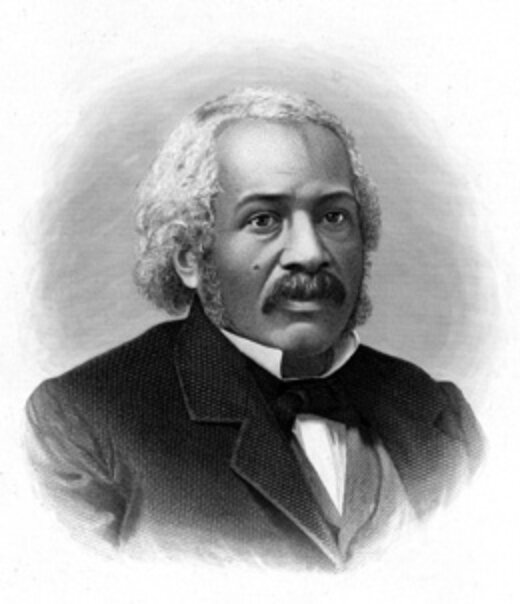
DR. JAMES MCCUNE SMITH

DR. JAMES MCCUNE SMITH

In 1837, James McCune Smith graduated from the University of Glasgow in Scotland, becoming the first African American to earn a medical degree.

Dr. Smith had been denied access to an American medical school, so he was forced to seek his medical career overseas. According to the University of Glasgow website, Smith was a noted abolitionist, educator, scholar and "one of the foremost intellectuals in 19th century America of any race."

Besides graduating at the top of his class, Smith was also the first Black to run a pharmacy in the United States.

In 1847, David Jones Peck became the first African American student to graduate from a U.S. medical school, receiving his degree from Rush Medical College in Chicago. 

Rebecca Lee Crumpler was the first Black woman to receive a degree from a medical school in America. That was in 1863.

Alexander Augusta was the first Black to be commissioned as a medical officer in the Union army during the Civil War. He was the "surgeon in charge" (in other words, the director) of the Contraband Hospital in Washington, DC.

Biddy Mason was a former slave not formally trained in medicine, but she helped deliver hundreds of babies as a midwife in Los Angeles in the 1860’s. Mason was also an entrepreneur and philanthropist, who donated generously to charity and helped establish the first black church in the city.

In 1879, Mary Mahoney was the first Black woman to be awarded a nursing degree. She is also credited as one of the first women in Boston to vote after the 19th Amendment was ratified.

Daniel Williams was one of the first physicians of any color to perform a successful open-heart surgery. In 1893, he opened Provident Hospital in Chicago, the first interracial and Black-owned hospital.

BIDDY MASON

BIDDY MASON

In 1895, Robert Boyd co-founded the National Medical Association. This is the oldest and largest organization representing Black physicians and healthcare professionals in the United States. Dr. Boyd served as its first president.

Vivien Thomas, the grandson of a slave, worked as a laboratory assistant rather than as a doctor. Yet, in the 1940s, he created a surgical technique to correct the congenital heart malformation that causes blue baby syndrome. His white associate, Dr. Alfred Blalock, received the credit.

Charles R. Drew established large-scale blood banks at the beginning of World War II and saved thousands of lives. He also created the first bloodmobiles. The Charles R. Drew University of Medicine in Los Angeles is named after him. Over 80 percent of its students are from communities of color.

William Hinton, who received his medical degree from Harvard in 1912, was the first Black physician to teach at Harvard Medical School. He developed the Hinton test to diagnose syphilis and wrote Syphilis and Its Treatment, the first medical textbook published by a Black physician.

DR. RICHARD PAYNE

DR. RICHARD PAYNE

The world of doctors who specialize in pain management is small, because it is a relatively new specialty. That means only a limited number of Black physicians have focused on treating patients with pain in the modern era. Richard Payne was among those pain specialists.

In 2006, Payne was Professor Emeritus of Medicine and Divinity at Duke University Divinity School and held the John B. Francis Chair at the Center for Practical Bioethics. An internationally recognized expert in palliative care, Payne devoted his career to making palliative care standard practice for people with late-stage illness. He was the first African American to become president of the American Pain Society.

In 2019, Patrice Harris became the first African-American woman to be elected president of the American Medical Association. Dr. Harris has been chair of the AMA’s Opioid Task Force since its inception in 2014.

You may have heard some of these names before; others, you may be hearing for the first time. In any case, these men and women saved the lives of thousands of Americans at a time when racial discrimination was a legal, acceptable part of U.S. culture.

Skin Color Still Matters

We may tell ourselves that skin color no longer matters. We may take for granted the fact that the Black pioneers in healthcare laid the foundation for people of all races to be able to make their own contributions to the medical world. But recent history does not support that perspective.

In 2017, a white woman walked into a clinic in Ontario, Canada and demanded that a white doctor be found to treat her sick son. She was escorted out of the building by security and, presumably, continued her search for that elusive white doctor. The "Karen" video of the incident went viral.

Just this month in STAT News, Dr. Ruth Shim explained that she is leaving organized psychiatry because of its structural racism. She wrote about experiencing "countless microaggressions" as a Black leader in the psychiatric community. She also expressed her belief that the American Psychiatric Association seems to have unwritten policies to deliberately "impede progress toward achieving racial equity."

In another STAT News article last January, Uché Blackstock wrote about why Black doctors are leaving their jobs as faculty members at academic medical centers. Blackstock felt compelled to resign from her job because she "could no longer stand the lack of mentorship, promotion denial, and work environments embedded in racism and sexism." It was a difficult decision for her to make, since there were few Black role models among the faculty. However, she found the workplace toxic, oppressive and racist.

"If academic medical centers and their leaders cannot adequately support Black students and promote Black faculty," Dr. Blackstock wrote, "then they will continue to leave."

We've come a long way since 1837, when James McCune Smith became the first African American doctor. Jim Crow laws have been abolished and schools — in theory, anyway — have been integrated. Recently, we’ve seen a huge wave of support for the Black Lives Matter movement.

Still, only 5 percent of physicians in the United States are Black, despite the fact that the population includes more than double that number of African Americans. That needs to change, but it is important to understand that parity representation in the medical profession alone would be insufficient. To honor the contributions of Black pioneers in medicine, we need to recognize their contributions to science and society, regardless of skin color.

Lynn R. Webster, MD, is a vice president of scientific affairs for PRA Health Sciences and consults with the pharmaceutical industry. He is author of the award-winning book, “The Painful Truth,” and co-producer of the documentary, “It Hurts Until You Die.” You can find Lynn on Twitter: @LynnRWebsterMD