
The PAIN GAME: How Pain Medicine Was Criminalized

By Dr. Lynn Webster

“What happened?”

It’s the most basic question you can ask about the opioid crisis. Yet for more than two decades, most of the answers the public has been given have been pre-packaged: Greedy drug companies, corrupt “pill mill” doctors, desperate patients, and a heroic legal system swooping in to clean up the mess.

What almost no one has seen is what was happening inside those prosecutions as they unfolded; in the homes of the accused physicians, in the war rooms of their defense teams, in the quiet panic of the patients who depended on their care.

That’s what makes The PAIN GAME so extraordinary.

More than twenty years ago, filmmaker Erica Modugno Dagher did something journalists almost never do: she embedded herself at the center of an unfolding legal, medical, and political firestorm and started asking, with a genuinely open mind, “What happened?” 

Then she kept the camera rolling for two decades.

Writer and editor Amy Bianco, who now authors The PAIN GAME on Substack, has taken that trove of footage, documents and human stories, and begun unpacking how the legal system — especially the DEA and federal prosecutors — systematically confused pain medicine with crime, and how that confusion still harms patients today.

If you want to understand why doctors are afraid to treat pain, and why patients are still paying the price, I’d urge you to start with Bianco’s first episode. It’s one of the most important stories you’ve never heard.

Targeting Doctors

The origin of The PAIN GAME runs through the work of political scientist Ronald Libby, PhD, whose 2007 book The Criminalization of Medicine: America’s War on Doctors” documented a wave of prosecutions in which physicians were recast as criminals. 

Instead of tackling the hard work of healthcare reform or rational drug policy, federal and state authorities went after doctors who billed heavily to Medicare and Medicaid, especially those caring for poor and disabled patients with complex pain.

According to Libby, the logic was simple and brutal:

  • High billing = “fraud and abuse”

  • High opioid prescribing = “drug dealing”

Under that lens, the DEA and U.S. attorneys didn’t need to understand the nuances of chronic pain, palliative care, or Ehlers–Danlos syndrome. They just needed numbers: prescription counts, morphine milligram equivalents, and outlier billing profiles. 

The more a physician’s practice reflected the grim reality of caring for very sick people, the more suspicious they looked on a spreadsheet.

By the early 2000s, news outlets were saturated with stories of “pill mills” flooding communities with OxyContin. Those stories had a ready-made villain and an easy fix: prosecute the doctor, shut down the clinic, and declare victory.

But as The PAIN GAME shows from the inside, it didn’t add up.

A Camera Inside the Crackdown

Because Libby had earned the trust of embattled clinicians, that trust extended to Erica. She was invited into defendants’ homes, their lawyers’ strategy sessions, back-hall conversations at medical and legal conferences, and even the corridors of Congress.

Crucially, she went in without an agenda. There was no narrative she needed to confirm and no “pill mill” caricature she had to deliver. She simply watched and listened as doctors, patients, lawyers, and advocates tried to understand why the government had suddenly turned medicine into a crime scene. That is what makes the series riveting.

Amy’s first episode on Substack tells this origin story from the inside. She weaves in her own path through the pain world, including her friendship with chronic pain advocate Siobhan Reynolds, founder of the Pain Relief Network, and her own diagnosis with Ehlers–Danlos syndrome. She then patiently walks readers through what the footage and documents reveal.

What emerges is not a defense of every prescribing decision ever made. It is something more unsettling: a portrait of a legal system that decided it was easier to dramatize a few high-profile prosecutions than to grapple with the real drivers of overdose and despair.

When the DEA Writes Medical Policy

Once you see these cases from the inside, the larger pattern comes into focus.

Prosecutors leaned on cooperating witnesses, often people who themselves had been charged, to transform complex medical practices into simple crime stories.

DEA agents and auditors treated prescribing volume as guilt, with almost no capacity to distinguish a high-complexity referral practice from a storefront drug operation.

The media, fed a steady diet of press releases and perp walks, amplified the “drug dealers in white coats” narrative until it hardened into common sense.

And while those courtroom dramas played out, something quieter, and more damaging. was happening across the country.

Doctors who were never criminally charged saw colleagues indicted or their offices raided — which led them to decide that continuing to treat high-risk patients simply wasn’t worth taking the chance. 

Pharmacists also grew skittish about filling legitimate prescriptions. Medical boards and hospital systems imposed rigid rules, less in the service of good medicine than to signal compliance and to distance themselves from the crisis that had been miscast in the public eye.  

The overdose crisis surged forward in the meantime, driven increasingly by illicit fentanyl and a volatile street supply that no prosecution could touch. Prescribing plummeted, while overdose deaths soared.

This is the great irony The PAIN GAME helps expose: The very tools we were told would “fix” the crisis — aggressive DEA enforcement against prescribers — did little to curb overdoses. But they have been devastatingly effective at making it harder for people in pain to get care.

Why The Pain Game is Timely Today

You cannot reconstruct this history by looking backward. Many of the key players are gone. The media environment has only grown more hostile toward anyone who challenges the standard narrative about opioids. The raw fear that Libby detected in the early 2000s has turned into a kind of enforced silence.

That’s why Bianco’s work on The PAIN GAME is so valuable. She and Erica were there as it happened. I have learned that they turned over every page in their research: trial transcripts, medical records, internal memos, and obscure legal filings. They followed the story from exam rooms and courtrooms all the way to Capitol Hill, and they never stopped asking, “What actually happened here?”

If you care about pain medicine, civil liberties, or the rule of law, you’ll find The PAIN GAME both captivating and deeply sobering. It shows, in human terms, how we let a criminal justice narrative substitute for real health policy, and how that mistake still shapes the lives of patients and clinicians today.

The first episode is your entry point into that world. Read it. Sit with it. And then, if you find yourself thinking, No one ever told this part of the story, hit the subscribe button on Amy Bianco’s Substack.

We cannot undo the damage that has been done, but we can tell the truth about how it happened. The PAIN GAME is one of the few places where that truth is being documented, carefully and courageously, in real time.

Lynn R. Webster, MD, is a pain and addiction medicine specialist and serves as Executive Vice President of Scientific Affairs at Dr. Vince Clinical Research, where he consults with pharmaceutical companies.

Dr. Webster is the author of the forthcoming book, “Deconstructing Toxic Narratives -- Data, Disparities, and a New Path Forward in the Opioid Crisis,” to be published by Springer Nature.

Winter Taught Me a Better Way to Cope with Chronic Pain

By Crystal Lindell

We’ve already had our first snowfall here in northern Illinois. Regardless of the official day winter begins next month, the first snow marks the start of winter for us.

And when you have chronic pain, the season brings with it cursed gifts, offering both a time of guilt-free rest and more days of ache.

During the summer, there’s a guilt that accompanies any days spent inside, even if you’re doing it because your pain is too intense to allow for anything else. Watching TV all day makes me feel like I am personally wasting the warm weather and sunshine.  

But that is not the case in winter. Instead, the long nights and cold days allow me to embrace the comfort of staying in, curled up under layers of blankets. 

I already have my Christmas tree up, and the warm glow makes being a couch potato seem almost magical.

And since the sky turns midnight blue at 5 pm, it suddenly feels almost natural to go to bed early. 

These are things my chronic pain-riddled body enjoys year-round. But in the winter, societal expectations allow me to indulge in the impulse to take full rest days or even rest weeks, without feeling the summertime angst about it.

The change in seasons also brings with it lots of changes in barometric pressure, which means all those cozy evenings come with a downside.

My body always knows when it’s about to snow, or sleet or both. It also feels every temperature change as it happens. Anytime it goes from -10 degrees to 40 and back again, my ribs feel it. 

The result is often multiple days spent with the type of excruciating pain that barely even responds to opioid pain medication.

Over the years, I have found that the only treatment that works for those pain flares is to accept them. I can’t stress myself out about it, because it only serves to escalate the pain. So I have to try to stay as calm as possible. My body can’t handle activity under those circumstances.

Which brings me back to those guilt-free rest days that winter supplies in ample amounts. And embracing things instead of trying to fight them.

Growing up in the Midwest, I was often taught that winter was a season to be fought and denied. Just a few months that we all had to endure until the “real” weather came back. Most people here spend the winter complaining, cursing, and just trying to survive.

A few years ago, I took a trip to Montreal, Canada in January, and witnessed an entirely different approach. Despite the fact that the holiday season was well behind us, the city was filled with winter festival activities, ice statues, colorful lights, and just a general sense that the dark and cold days were actually a good thing.

The experience has since shaped my own approach to the coldest months of the year. I do my best to appreciate the gifts that gray days and eternal nights bring. It’s a time for all of us to rest, refocus, and embrace the downtime the cold weather affords us.

Embracing pain has the same effect. When you learn to let it exist, it is paradoxically easier to keep it confined to smaller flare ups.

Weather forecasters predict many of us are in for a particularly harsh winter this year, with more snow and colder temperatures. 

But that doesn’t mean it has to be a slog.

When we take the winter season as it is, it can bear its gifts of rest and time. And who among us doesn't need more of both?

Low-Glutamate Diet Linked to Fewer Migraines 

By Pat Anson

A diet low in glutamate significantly reduced migraines in U.S. veterans with Gulf War Illness, according to a new study that documents for the first time that a reduction in migraine symptoms is linked to changes in the brain.  

Glutamate is an amino acid used in food additives like monosodium glutamate (MSG), which is widely used in processed food and soups as a flavor enhancer. Previous studies have shown that a low glutamate diet reduces pain and other symptoms from fibromyalgia.   

Researchers at Georgetown University Medical Center observed a “big, big decrease” in migraines in 40 veterans with Gulf War Illness a month after they were put on a low-glutamate diet. Like fibromyalgia, Gulf War illness causes an array of musculoskeletal, gastrointestinal, and neurologic symptoms, including migraines. It is thought to be caused by exposure to toxic chemicals during the war.

“More than half of the Gulf War veterans had migraines before the diet, and that dropped to under 20% after following the diet for one month,” said senior author Ashley VanMeter, PhD, Professor of Neurology at Georgetown University School of Medicine. “So it was a very significant drop.”

In addition to fewer migraines, veterans on the low-glutamate diet also had significant reductions in widespread body pain, fatigue, mood issues, and cognitive dysfunction. 

Findings from the study were recently presented at the annual meeting of the Society for Neuroscience in San Diego. The research, funded by the U.S. Department of Defense, grew out of a collaboration with Kathleen Holton, PhD, a nutritional neuroscientist at American University, who has been researching the low-glutamate diet as a way to manage neurological conditions. 

In addition to food additives, glutamate occurs naturally in foods like tomatoes, cheese, mushrooms and nuts. Glutamate acts as a neurotransmitter in the brain and is believed to stimulate nerve cells that process pain signals. 

In the Georgetown University study, researchers used brain scans to compare differences in the visual cortex – the part of the brain that processes visual information – in patients with Gulf War Illness and a group of healthy patients. Those with Gulf War Illness had a thicker right visual cortex and were more likely to report migraines than the healthy control group. 

But after being put on a low glutamate diet, the brain scans of Gulf War Illness vets showed a significant reduction in cortical thickness.

Holton says the findings support the theory that glutamate may damage nerve cells, causing a repetitive cycle of neuroinflammation and oxidative stress in the brain. 

“We think this is one of the reasons people who are susceptible to dietary glutamate tend to have prolonged symptoms over time,” said Holton.  

Thickening of the visual cortex is common among migraine sufferers, especially those whose migraines occur with aura, or visual disturbances. That raises the question of whether a low-glutamate diet could be an inexpensive treatment option for patients with migraine or fibromyalgia..  

“This is a very doable diet,” VanMeter said. “It’s a healthy diet, it’s not that hard to follow, and it’s a very low-cost way of treating what for some individuals is a chronic and debilitating condition.” 

Holton noted that the study also adds to a growing body of evidence about how processed foods impact health.

“This speaks to the fact that diet can not only make us sick, but can also acutely treat our symptoms,” she said.

The FDA considers MSG to be “generally recognized as safe,” although some people are sensitive to it and experience short-term, mild symptoms, such as headache, numbness, flushing, tingling, palpitations, and drowsiness.

“Over the years, FDA has received reports of symptoms such as headache and nausea after eating foods containing MSG. However, we were never able to confirm that the MSG caused the reported effects,” the agency says.

Chronic Pain Raises Risk of High Blood Pressure

By Pat Anson

Having untreated or poorly treated chronic pain is known to raise the risk of serious health problems, including high cholesterol, elevated pulse, arteriosclerosis, and heart attack..

So it should come as no surprise that chronic pain also increases the risk of high blood pressure, according to a new study by the American Heart Association, which found that the extent and location of the pain may determine the level of risk. 

Someone with chronic widespread body pain, for example, has a 74% higher risk of developing high blood pressure; while chronic headaches are associated with a 22% higher risk and chronic back pain has a 16% higher risk.

“The more widespread their pain, the higher their risk of developing high blood pressure,” said Jill Pell, MD, Professor of Public Health at the University of Glasgow in the UK and lead author of the study published in the journal Hypertension.

“Part of the explanation for this finding was that having chronic pain made people more likely to have depression, and then having depression made people more likely to develop high blood pressure. This suggests that early detection and treatment of depression, among people with pain, may help to reduce their risk of developing high blood pressure.”

Pell and her colleagues analyzed over 13 years of health data from more than 200,000 adults enrolled in the UK Biobank Project. Participants completed a baseline questionnaire that asked if they had experienced pain in the last month that interfered with their usual activities. 

They also noted if the pain was in their head, face, neck/shoulder, back, stomach/abdomen, hip, knee, or all over their body. If they reported pain, they indicated whether pain persisted for more than three months.

Depression was measured based on participants’ responses to questions about the frequency of a depressed mood, disinterest in activities, restlessness or lethargy. Inflammation was measured with blood tests for C-reactive protein (CRP).

At the end of the study period, nearly 10% of all participants developed high blood pressure, which is considered a blood pressure measurement higher than 130/80 mm Hg or 140/90 mm Hg.

Compared to people with no pain, people with short-term acute pain had a 10% greater risk of high blood pressure, while those with chronic localized pain had a 20% higher risk.

When comparing sites of pain, there was a wide variation in risk levels:

  • 74% higher risk for chronic widespread pain

  • 43% higher risk for chronic abdominal pain

  • 22% higher risk for chronic headaches

  • 19% higher risk for chronic neck or shoulder pain

  • 17% higher risk for chronic hip pain

  • 16% higher risk for chronic back pain

Depression and inflammation accounted for 11.7% of the association between chronic pain and high blood pressure.

The findings highlight the need for good pain management to prevent or reduce the risk of hypertension and other health problems.

“When providing care for people with pain, health care workers need to be aware that they are at higher risk of developing high blood pressure, either directly or via depression. Recognizing pain could help detect and treat these additional conditions early,” Pell said.

Pain Relievers Can Cause High Blood Pressure

Another consideration is the need for further studies on the role of pain medicine in high blood pressure. Ibuprofen and other nonsteroidal anti-inflammatory drugs (NSAIDs) may increase blood pressure and worsen pre-existing hypertension. They can also interfere with the effectiveness of some blood pressure medications. 

The effect is more pronounced with some NSAIDs over others. Aspirin, for example, appears to have less effect on blood pressure than naproxen, which can cause the body to retain salt and water, leading to fluid buildup and hypertension. 

Opioids can cause both low and high blood pressure, depending on the dose and duration of use. Sudden discontinuation of long-term opioid use is associated with increased blood pressure

“Chronic pain needs to be managed within the context of the patients’ blood pressure, especially in consideration of the use of pain medication that may adversely affect blood pressure,” said Daniel Jones, MD, Dean and Professor Emeritus at the University of Mississippi School of Medicine.

One limitation of the study is that participants were middle- and older-aged adults who were mainly white and of British origin – therefore the findings may not apply to people from other racial or ethnic groups, or who live in other countries.

Other contributing factors is that participants reporting pain were more likely to be women, have an unhealthy lifestyle, larger waists, higher body mass index (BMI), more long-term health problems, and live in areas with higher unemployment, lower home and car ownership, and more overcrowding.

Shame on Me 

By Rochelle Odell 

Why a headline like “Shame on Me”? 

I have lived with Complex Regional Pain Syndrome (CRPS), an intractable and painful nerve disease, for nearly 34 years. 

And I used my fear of a pain flare to avoid getting a colonoscopy. 

For four years, I thought I had hemorrhoids. They are painful, irritating and embarrassing. After all, who wants to bend over for your primary care doctor to examine them?

Yes, she said, I definitely have hemorrhoids. So I let the symptoms ride.

Parts of this column are a bit graphic. However, there’s a good reason why I’m sharing them. I don’t want you to make the same mistakes I did. 

In January of this year, after spending three days on the toilet feeling like I was trying to expel whatever was in my bowels (along with the bowels themselves), a large mass emerged. 

I saw my doctor again and she said it was hemorrhoids that had become very swollen and were bleeding.

Coupled with my CRPS, they made my pain even worse. Pain at a level I had never experienced before. It never lets up, never. 

Lest we not forget, adult diapers have become my new norm as the mass is on the rectum/sphincter, so I am now stool incontinent. Oh joy. 

ROCHELLE ODELL

This is a topic rarely discussed, but once it is brought up, I learned I am not the only one. When one discusses this, I learned others also suffer from the same problems – the same pain, the same embarrassment, and the same wearing of diapers.

My CRPS pain reached a new high and, of course, my one prescribed pain medication became a joke. It's a higher dose than many receive these days, but it basically only works for 30-45 minutes before waning.

My PCP added a new glitch to my stress level, when she sold out to an insurance company and became a private equity provider. How long would her practice continue? Not long. She retired at the end of August. 

Like most patients when we find a good provider, we do not want to lose them. Ever. I liked Dr. Powell a lot, and saw her for eight years. Being a black doctor, I believe all she had to endure to get where she did helped her be a better doctor. All her patients gave her five star reviews. 

My first question to her was did she still have autonomy when it comes to treating her patients, ordering tests, and speciality referrals? I believe that question surprised her as few people know about private equity and fewer understand the ramifications. 

She did order a referral for me to see a surgeon for a hemorrhoidectomy. Not a surgery I was looking forward to, after all it would be a whole new team that I had to bare my toosh to. So I delayed making that appointment. Shame on me. 

By June, the mass I had named George had grown. I had no choice, I had to see the surgeon. He also said the mass was hemorrhoids, no mention of anything more serious. So, the surgical procedure was scheduled. 

Not one mention of cancer, he hadn't ordered any scans or tests, so silly me thought I had a big, bleeding hemorrhoid. 

The day before the scheduled surgery, I was given the option of drinking two bottles of magnesium citrate or Golightly, a prescription laxative. I opted for the magnesium citrate, because it sounded less disruptive to my bowels. Shame on me.

Please do what I didn't, which is read about the many adverse effects that magnesium citrate can cause and did cause in me. It is not a harmless laxative.  After half the first bottle, my ears began ringing and my heart started skipping all over. It went downhill from there. I truly felt like I was going to die.

The magnesium citrate did not even do the bowel cleanse. Kept waiting for the explosion I had heard and read about. I could barely move the rest of the afternoon and my pain was creeping up.

Mind you, I haven't been eating much these last few months. I was close to 200 pounds three years ago, the heaviest I have ever been. But eating caused very painful bowel movements and I lost my appetite due to the increased pain.

I came out of anesthesia to learn the surgeon had only performed a biopsy. My pain level was approaching a 10 when he told me the bad news.

“You have cancer,” he said, matter of factly. 

I learned it is adenocarcinoma, the most common of all cancers that starts in mucous membranes, like the bowels/rectum. It totally surprised, even shocked me.  

My PCP had ordered the Cologuard test about three years ago, after I flippantly told her I don't do colonoscopies. And of course I tossed out the Cologuard order. Shame on me.  

I was sent home after the biopsy, still reeling from the magnesium citrate, and in excruciating pain. My sweet friend Stella, who has been a godsend, took me to the hospital and back home after I was discharged. I was in so much agony by the time we got home that I screamed into my pillow.

Stella urged me to call 911 and I finally did. I was taken to my local hospital where I was treated very well, and given strong doses of IV Dilaudid to manage the pain. The ER doctor ordered a CT scan, where the cancerous mass was glaring for all to see. 

Oh yeah, they had to change my diaper every hour or so, and by this point everybody and their relatives had seen my bottom. So much for being embarrassed. 

I was transferred back to the hospital where the biopsy was done and got another CT scan. I spent three days in the hospital before I was transferred to a skilled nursing facility for two weeks to gain strength and try to bring my pain under control. 

Both facilities provided adequate pain management including a fentanyl patch, oxycodone and Dilaudid. For those two weeks, I still experienced symptoms from the magnesium citrate. Never again.

I had to leave my pain management group because they don't do palliative or hospice care, and they would not add any additional pain medication. With how badly cancer patients are being treated these days, I was so afraid my meds would be reduced. But so far so good 

Because I need a portacath for imagery tests, it took four months to get an MRI scheduled at a university medical center in my area. Then I learned a doctor changed it back to another facility where they have no one to access my portacath. 

I just shake my head at this level of incompetence. I have explained multiple times why I must have it at the university medical center. I normally have no issues with an MRI, because I am not claustrophobic. But because of George, I cannot lay flat on my back and must be sedated through the portacath.

I have not fully acknowledged the cancer diagnosis. Like today, when speaking to my oncology office, I ended up crying out of frustration. These senseless delays could ultimately cause my death.  

A PET scan found a couple of small growths on each lung, so I am now waiting for the appointment for a biopsy. In the past, I have had scar tissue show up on my chest X-rays due to my asthma and I am praying it's not lung cancer. 

I have done my best to exclude sugar from my diet, as sugar feeds cancer. I have lost so much weight, I’m down to 113 pounds. I can't remember the last time I was this small. My body has lost almost all the fat it had, my ribs and collarbone stand out, glaring in the mirror at me. 

Chemotherapy and radiation haven't even started yet, and the expected weight loss from the chemo, well, I have no idea where it will come from. There is no more fat.

Living alone frightens me now. No, it terrifies me. I had to rehome one of my two dogs, because I can no longer care for myself and two dogs.

I have a whole new set of medical terminology to learn. Patients must navigate and fight for every part of needed care, when the last thing we want to do is be on the phone daily with insurance and one's Medicare provider.

I have also learned oncologists haven't heard of CRPS, a disease known to be triggered by chemotherapy. 

I am tired, don't want to talk on the phone, and believe I shouldn't have to.  My friend Stella has taken over calling and explaining all the issues. 

My pharmacy is causing me grief now, it won't cover my full oxycodone dose, so I spent over 20 minutes on the phone talking to the pharmacist. He isn't taking on new patients on opioids because his wholesaler is supposedly giving him grief. I told him I understand his position. 

In closing, please don't be like me. Don't use feeble excuses to not get a colonoscopy or let embarrassment keep you from having your doctor examine your toosh.  

What I tried to delay for dumb reasons has actually caused my pain to worsen. 

Shame on me.

Does 7-OH Actually Work for Pain?

By Crystal Lindell

I have some bad news for pain patients: 7-OH is the new pain reliever we’ve been searching for.

It’s about as effective at treating pain as a mild opioid pain reliever, with almost no risk of an overdose if used wisely. And best of all, you can buy it the same way you buy alcohol and tobacco: Over-the-counter. No doctor or prescription required.

So why is this bad news? Well, multiple government agencies are working on making 7-OH illegal, including the FDA. Some states, like Florida, have already banned it, while in California, they’re taking it off store shelves.

While those efforts would be benign if 7-OH was just another snake oil treatment, they quickly turn dire when we’re talking about a substance that actually helps pain patients, many of whom have lost access to prescription opioids.

For those unfamiliar, 7-OH is short for 7-hydroxymitragynine, an alkaloid that occurs naturally in kratom in trace amounts. Some kratom vendors now sell concentrated versions of 7-OH to boost its potency as a pain reliever and mood enhancer.

One of my relatives credits 7-OH with giving him back the ability to play with his daughter. 7-OH has done for him what Advil never could: it helped his back pain so much that it allowed him to be a better father.

Another one of my friends credits 7-OH with allowing him to stay off street fentanyl. Seriously. It’s that effective at treating his pain and alleviating long-term opioid withdrawal symptoms.  

Another friend of mine who has been living in constant fear of losing access to her prescription hydrocodone says 7-OH has eased those fears. Because she now knows that if the unthinkable happens, she will still have access to pain relief. 7-OH works really well at treating her pain and lifting her mood. 

While opioid pain relievers can cause drowsiness, many people report that 7-OH actually gives them a small burst of energy – just as kratom does. 

My friends have told me that a small dose of 7-OH works about as good as 5 mg of hydrocodone, while larger doses rival the effectiveness of oxycodone.

When taken alone, 7-OH also doesn’t cause the same respiratory depression that large doses of opioids can, which means it doesn’t carry the same risk of overdose. Most deaths attributed to 7-OH actually involve other substances, such as alcohol or street drugs. 

There are definitely downsides to 7-OH though. 

One is that it does cause physical dependence pretty rapidly, especially if you take 7-OH on a regular basis. So, if you try to stop taking it abruptly, you may feel more irritable, have trouble sleeping, and you may have other symptoms like a restless leg. The best way to deal with that is to slowly taper off it if you want to stop using it. 

Second, a lack of regulations around 7-OH also means that you may have to trial and error your way into finding a reliable brand you can trust. For example, some brands put additives in the tablets that cause bad headaches, and some brands don’t put as much 7-OH into their tablets as they claim, making them ineffective.

The third major downside to 7-OH is that it’s expensive. Smoke shops and online retailers sell a 5-pack of chewable 7-OH tablets for at least $50, while one tablet sells for about $10. Insurance won’t pay for it.

Each chewable tablet is made to be broken into sections, and the packaging usually says that either a fourth or half a tablet can be considered one dose. 

However, how much you take depends greatly on your personal tolerance levels. Some people I know take a half tablet as a dose. But others I know take far less – about 1/16th of a tablet – because that’s more than enough to relieve their pain.

Unfortunately, one dose only lasts about four to six hours, which means you may need multiple tablets if you need to use it all day. You can see how fast that can add up financially when each tablet is $10. 

Part of me wishes that pharmaceutical companies would work on developing pain relievers that use 7-OH, and their advancements would help address safety issues by making doses more uniform. But my fear is that they would also make the 7-OH medication available only by prescription, thereby killing one of its best features: accessibility.  

If you are a chronic pain patient who’s looking for something over-the-counter to treat your pain, it might be worth giving 7-OH a try. 

And if you’re a government official trying to ban it, well, all I can say is, please don’t. Pain patients get relief from 7-OH – and one day, you may need it too.

Medicare May Stop Paying for Peripheral Nerve Blocks  

By Pat Anson

A public comment period will end soon on a proposal that could dramatically limit coverage of peripheral nerve blocks (PNB) and nerve ablation procedures for Medicare patients suffering from chronic nerve pain.

A PNB generally involves the injection of an anesthetic or corticosteroid into an injured area to block the transmission of pain signals. Under the proposal, all PNBs and nerve ablation procedures would no longer be covered for any pain condition, and the number of steroid injections and radiofrequency ablation procedures for nerve pain and trigeminal neuralgia would be limited.    

Five Medicare administrative contractors (MACs) representing 24 states made the proposal in September and public comments will be accepted until November 22. MACs are private insurers that process Medicare claims and determine what coverage is “reasonable and necessary.” 

In this case, they’ve determined that PNB’s and other nerve procedures have little or no benefit, and “therefore are not considered medically reasonable and necessary.” If approved, the proposal could be adopted by MACs in other states and become de facto Medicare policy nationwide.

Not surprisingly, there is opposition to the MAC proposal from healthcare providers who perform the procedures, who claim denial of coverage would force millions of chronic pain patients “to turn to opioids or less effective treatments.”       

“For decades, chronic pain patients have received treatment from PNBs and ablation techniques that provide rapid and durable pain relief, enhance function and quality of life, and decrease reliance on systemic pain medications, including opioids,” said Patrick Giam, MD, President of the American Society of Anesthesiologists. 

“We urge Medicare to consider the compelling clinical and functional evidence that supports coverage of PNBs and related procedures.” 

“Unless the MACs want more Americans to be unable to work, reliant on opioids, and suffering in pain, it’s hard to understand their motivation here,” Tricia Pendergrast, MD, an anesthesiology resident at the University of Michigan, wrote in a recent STAT News op/ed 

“Eliminating peripheral nerve block coverage will not result in meaningful cost savings from these patients, and may lead to more frequent emergency department and clinic visits, increased use of opioids and other pharmacologic interventions.” 

As an alternative to injections and nerve blocks, the MAC proposal suggest the use of anti-depressants, gabapentin, topical lidocaine and transcutaneous electrical nerve stimulation (TENS) as first-line treatments for neuropathic pain.

Pregabalin, tramadol, capsaicin patches, Botox injections, and psychotherapy would be considered second-line treatments. 

Opioids should only be considered as a third-line treatment, according to the MAC proposal, “as a last resort.”

Another effort to limit coverage of chronic pain treatments for Medicare patients begins in January. That is when Medicare is launching a 6-year pilot program in six states that will use artificial intelligence (AI) to review prior authorization claims for epidural steroid injections, cervical fusions, spinal cord stimulators, arthroscopic knee surgery, and other pain treatments. 

Medicare considers the treatments to be “low value,” potentially unsafe, and ripe for fraud and wasteful spending. 

The Wasteful and Inappropriate Service Reduction Model will cover Medicare patients in New Jersey, Ohio, Oklahoma, Texas, Arizona, and Washington who seek treatment for chronic pain, impotence, incontinence, and burns or wounds needing skin and tissue substitutes. 

Can Self-Hypnosis Relieve Hot Flashes?

By Crystal Lindell

A new study suggests that self-administered hypnosis significantly reduces hot flash symptoms for women going through menopause.

While previous research has shown that hypnosis can relieve hot flashes, depression, PTSD and even some types of chronic pain, those studies mainly focused on hypnosis given by a professional in a clinical setting.

The results from this study are noteworthy because they show that hypnosis can be effective even if it’s self-administered.

Hot flashes can cause sweating, discomfort, anxiety, fatigue, and sleep interference. Up to 80% of older women report hot flash symptoms from menopause, which can persist for 4 to 7 years.

The study, which was published in JAMA Network Open, included 250 postmenopausal women. One group received self-administered hypnosis, while the other group received a placebo “sham” hypnosis. 

Participants in the hypnosis intervention were given educational material on the use of hypnosis for the treatment of hot flashes and were asked to listen to 20-minute audio-recorded hypnosis sessions daily for 6 weeks. The audio recordings included hypnotic relaxation methods and mental imagery for “coolness” to counteract the “hot” sensations.

Those receiving the placebo hypnosis were asked to listen to white noise audio recordings labeled as “hypnosis” for 20 minutes each day. They were also given the same educational material.

Participants in both groups completed a daily diary on the frequency and severity of their hot flashes.

The results were striking. After six weeks, the hypnosis group experienced a significantly greater reduction in hot flash scores vs. the sham group (53.4% vs 40.9%).

The hypnosis group also reported a greater reduction in daily interference from hot flashes (49.3% vs 37.4%), and greater perceived benefits (90.3% vs 64.3%) compared with the sham hypnosis group.

“Self-administered clinical hypnosis was shown to be an effective, clinically significant intervention for the treatment of hot flashes due to its efficacy in reducing hot flash scores (ie, frequency and severity) by more than half and yielding improvements in participants’ perception of their quality of life,” wrote lead author Gary Elkins, PhD, a Professor of Psychology and Neuroscience at Baylor University.

While hormonal changes are the root cause of menopausal hot flashes, environmental factors can also play a role. According to the Mayo Clinic, hot flash triggers include hot weather or warm environments; wearing heavy clothing; drinking caffeinated or alcoholic beverages; eating spicy foods; feeling stressed; drinking hot beverages; taking hot showers or baths; and smoking cigarettes.

The wide range of triggers, including “feeling stressed” may help explain why hypnosis would be effective at treating hot flashes. And since stress is also a trigger for chronic pain flares, there are definitely implications here for the chronic pain community. 

Of course, there is always the fear that doctors will take too much from studies like this, and will use the results as a reason to deny patients treatments like medication. 

Ideally though, this type of research will instead be used to broaden the treatment options for various health conditions, offering the possibility to pair non-traditional treatments like hypnosis with more traditional options like pain medication. 

If a treatment works and it’s accessible, then it’s worth trying — even if that treatment is hypnosis. 

Central Sensitization and Hyperalgesia Are Bogus Medical Terms

By Dr. Forest Tennant

Some 15 years ago, “central sensitization” was a term I first started seeing when I was editor of Practical Pain Management. It was defined as experiencing a pain level above what was normally expected from arthritis, fibromyalgia, neuropathy, and other peripheral (outside the brain) pain conditions. 

When central sensitization was present, it was an indication to more aggressively treat the pain with opioids and/or other measures. Unfortunately, this simple, well-meaning term has been transformed by some unscrupulous practitioners to imply that patients with central sensitization don’t need opioids or other treatment.

Central sensitization also became synonymous with the term “hyperalgesia” – meaning the patient was overreacting or feeling too much pain for their condition. What’s more, opioids were supposedly the cause of hyperalgesia, so they need to be stopped. 

Let’s be very clear. Neither “central sensitization” nor “hyperalgesia” are bonafide medical conditions. A medical condition is one in which there is a common set of symptoms and physical findings, and the condition can be confirmed by a diagnostic test such as an MRI or blood test. 

Central sensitization and hyperalgesia are bogus medical conditions that can’t be objectively identified, quantified, or diagnosed. They are simply terms that sound scientific and authoritative, when in reality they have become fraudulent terms used to justify withholding opioids and other treatments.

It is time patients, families, and physicians reject these terms and the medical practitioners who use them.

Central sensitization is not to be confused with the term “central pain.” This is a serious condition that more likely than not requires opioids, along with great care and concern on the part of the medical practitioner.

“Central pain” initially referred to the emergence of pain after a stroke. Strokes can wipe out and destroy brain tissue that contain opioid receptors and the normal biologic apparatus which shuts down and relieves pain. One especially severe post-stroke pain condition is known as the Dejerine-Roussy Syndrome, which damages the thalamus. 

Opioid drugs, sometimes in high or unusual formulations, are required for post-stroke central pain.

Although central pain was first associated with strokes, it soon became appropriate to include brain tumors, hydrocephalus, and scarring from meningitis infections, since these conditions can also wipe out brain tissue and cause pain.

In recent times, central pain has come to include those pain patients who have developed neuroinflammation and tissue destruction in the brain concomitantly with a peripheral pain problem that may involve the joints, muscles, nerves, or spine.

It is interesting to note that central pain in the past was often called “secondary pain” as it tends to occur after someone has developed a peripheral pain condition. 

The first investigator to elucidate peripheral pain conditions with brain tissue destruction was Apkarian in 2004.He and his colleagues found decreased prefrontal gray matter deficiencies in the brain scans of persons with chronic back pain. 

Since that time, a plethora of brain scan and glial cell studies have found that persons with a peripheral pain condition may experience brain inflammation involving glial cells and tissue destruction — akin to what occurs after a stroke. 

Bona fide central pain is clinically typical and obvious. It is characterized by constant (24/7) pain and high pulse rates, hypertension, episodes of excess sweating, and cold hands and feet.

Prescription opioids, including long-acting opioids, may be required to control bonafide central pain. In addition to opioids, central pain has what is called descending pain, which requires dopamine stimulating drugs to adequately control it. 

The cause of central pain that accompanies or follows the development of a peripheral pain condition is now believed to be related to an autoimmune process and/or viral reactivation, especially from the Epstein-Barr virus.

In summary, central sensitization and hyperalgesia are not bonafide medical conditions. To use these bogus labels to justify the withholding of medications is unscientific, fraudulent and inhumane. 

These terms and the practitioners who use them should be summarily rejected. Central pain is a serious condition characterized by severe constant pain which often requires opioids for pain control. 

Forest Tennant, MD, DrPH, is retired from clinical practice but continues his research on the treatment of intractable pain and arachnoiditis. Readers interested in learning more about his research should visit the Tennant Foundation’s website, Arachnoiditis Hope. You can subscribe to its research bulletins here.   

The Tennant Foundation gives financial support to Pain News Network and sponsors PNN’s Patient Resources section. 

OTC Pain Relievers Just as Effective as Opioids After Wisdom Tooth Removal

By Pat Anson

A combination of acetaminophen and ibuprofen works just as well as a low dose of opioids in relieving pain in men and women after wisdom tooth removal, according to a new study in JAMA Network Open

The research builds on a previous study of over 1,800 patients, which compared the effectiveness of 400 mg of ibuprofen and 500 mg of acetaminophen to 5 mg of hydrocodone and 300 mg of acetaminophen in the first three days after surgery. That dose of hydrocodone is the equivalent of 5 morphine milligram equivalents (MME), which is considered a low dose under medical guidelines.

"We wanted to determine whether the pain medication's effects were consistent in males and females separately," lead author Janine Fredericks Younger, DMD, an associate professor at Rutgers School of Dental Medicine, said in a press release.

 "And what we found is that in both subgroups (males and females), the non-opioid was superior for that first day and night, and then no worse than the opioid for the rest of the post-op period."

Researchers performed a gender-specific analysis because women often report higher pain levels after surgery, raising questions about whether pain medications work differently for each sex.

"There's obviously different biological mechanisms, different hormones involved," said Cecile Feldman, DMD, Dean of Rutgers School of Dental Medicine and senior author of both studies. "But results confirm that the analgesic effect for both groups is the same."

Pain levels were low whether patients took acetaminophen-ibuprofen or the hydrocondone-acetaminophen combination. Pain ratings over three days were slightly lower for female patients taking non-opioids than those on the low dose of hydrocodone (2.83 vs 2.98). The same was true for male patients (2.24 vs 2.37).

Patient satisfaction and sleep quality were also slightly better in the non-opioid group, which also experienced less pain interference with daily activities.

"The results actually came in even stronger than we thought they would," Feldman said. "We expected to find the non-opioid to be non-inferior, so that at least it was no worse than opioids. We were surprised to see that it was actually superior." 

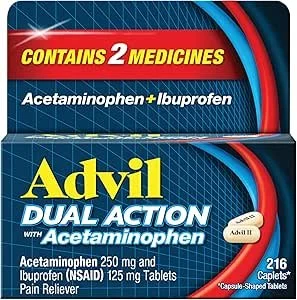
The first FDA-approved over-the-counter pain reliever that combines acetaminophen with ibuprofen was Advil Dual Action, although the doses are somewhat different than what was used in the Rutgers study.

Each capsule contains 250 mg of acetaminophen and 125 mg of ibuprofen, with up to six capsules per day recommended for toothaches, headaches and “minor aches and pain.”

Patients are cautioned not to take Advil Dual Action with other products containing acetaminophen, as that can cause liver damage. Acetaminophen overdoses are involved in hundreds of deaths and over 50,000 emergency room visits in the U.S. annually.

Wisdom tooth extraction is performed about 3.5 million times a year in the United States. Dental surgery is often the first exposure that a patient has to prescription opioids, although their use after dental procedures has declined in recent years as fears grew about opioid addiction.

Last year the American Dental Association (ADA) released new guidelines recommending that nonsteroidal anti-inflammatory drugs (NSAIDs) such as ibuprofen be taken alone or in combination with acetaminophen as first-line treatments for acute dental pain in adults and adolescents aged 12 and older. 

NSAIDs and acetaminophen work differently, with NSAIDs reducing pain and inflammation in damaged tissue, while acetaminophen acts in the central nervous system to block pain signals that are not caused by inflammation. Taking the two together is believed to boost their analgesic effect. 

The ADA says opioids should only be used when NSAIDs and acetaminophen don’t relieve pain enough or when NSAIDs are contradicted due to health issues, such as a patient having cardiovascular problems or a bleeding ulcer.     

The risk of long-term opioid use after a tooth extraction is relatively rare. A large study of over 70,000 teens and young adults who had their wisdom teeth removed found that only 1.3% were prescribed opioids long-term after their initial prescription by a dentist. 

"We feel pretty confident in saying that opioids should not be prescribed routinely for dental procedures," Feldman said. "Our non-opioid combination really should be the analgesic choice."

Arachnoiditis: My Not-So-Rare Disease

By Julie Titone

I first heard the word “arachnoiditis” from the spine surgeon who performed my lumbar fusion. This was a virtual office visit. I leaned into my laptop screen to say: “That sounds like a spider.”

“Yes,” he replied.

He had identified the source of my unexpected post-op pain: arachnoiditis, a chronic inflammatory disease that’s even creepier than it sounds. Its symptoms usually arise after spinal trauma due to surgery, injury or commonly prescribed injections. 

More doctors and patients should know about this small chance of a very big problem.

Arachnoiditis is so far incurable, difficult to treat, and can get worse over time. Patients experience lower body numbness and stinging pain that, at its worst, is likened to hot water dripping down the legs. The disease can lead to paralysis and bladder dysfunction. While arachnoiditis is said to be rare, it could simply be under-diagnosed.

The arachnoid is a membrane with a webbed appearance, hence its spidery name. It is part of the sheath that encloses the spinal fluid. Arachnoiditis is the inflammation of that easily annoyed membrane. 

Sometimes it causes free-floating spinal nerves to stick together and become locked down by scar tissue. This is known as adhesive arachnoiditis, the kind I’m describing here.

No one knows how many spinal surgeries result in arachnoiditis, but a common estimate is 3 to 6 percent. Propelled in part by the deteriorating backs of boomers like me, there were more than 340,000 such surgeries in 2023 in the United States. 

Just 4% of that adds up to 13,600 people suffering from arachnoiditis in a single year in a single country. The number doesn’t include cases that emerge after spinal injections of anesthesia or steroids, or after accidents that damage the spine.

‘They Stuck Me Eight Times’

Sara Lewis was a young Florida nurse when, on New Year’s Eve in 2008, she required an emergency Caesarean section. Attempts to give her anesthesia before the surgery did not go well.

“They stuck me eight times to get the spinal block in,” she recalled. 

Lewis left the hospital with a baby boy and excruciating pain. She went back to work, eventually switching to a less-demanding job. By 2014, she couldn’t work at all and didn’t yet have a proper diagnosis. By 2017, she had qualified for disability benefits. Lewis is only 44.

Many women choose epidurals to ease pain during normal vaginal deliveries. Unlike a spinal block, an epidural delivers anesthesia in a space outside the spinal fluid sac. Even that approach poses risk when done poorly.

Arachnoiditis sufferer Steve Lovelace would like women to consider that pain relief during childbirth might not be worth risking a lifetime of suffering. “I know so many women who have children and are in so much pain during what should be the most joyful part of their life,” he said.

Lovelace’s agony started with a freak tree-cutting accident in 1982 on an Oklahoma family farm. His 20-year-old torso was crushed, causing debilitating injuries that required multiple surgeries. 

Now 63 and medically retired from a radiology career, the pioneering para-triathlete has teamed up with Lewis to create the YouTube podcast Arachnoiditis Unfiltered. Given what they endure, they are remarkably chipper co-hosts. Their goals: awareness, prevention and a cure.

Lori Verton aims for those goals, too. Verton lives near Ontario, Canada. In 1999, she was driving out into the dark on a mission to buy milk for her kids. She was injured when her car hit a deer. When her whiplash symptoms didn’t improve, her doctor ordered a spinal tap.

“While I was on the table, I felt my left thigh go numb, my left foot drop, I was incontinent. I knew immediately something was wrong,” she recalled. “They said, ‘We’ve bruised some nerves, it will heal.’”

Heal it did not. She was increasingly disabled by pain and estimates it took five years and a dozen doctors to diagnose arachnoiditis. Largely bedridden at age 42, she went on disability. Having worked as a physiologist and medical researcher, Verton pondered how to put her skills to use. That led to the creation of the Arachnoiditis and Chronic Meningitis Collaborative Research Network.

‘No One Knew Anything About It’

Forrest Tennant, a retired physician, is widely associated with arachnoiditis. The disease is the focus of his small foundation and Arachnoiditis Hope website. 

I watched a video in which Dr. Tennant said one hallmark of arachnoiditis patients is they are always moving. I thought: Ah, he knows us. With pain focused on lower backs, buttocks and legs, many arachnoiditis patients can’t sit comfortably. Nor, if they can stand, can they stay in one spot for long. Some can barely sleep.

I asked Dr. Tennant what spurred his interest in the disease. He said it was the number of people with the same symptoms who were coming into his pain clinic, and the high suicide rate among them. 

“I found out no one was interested in the disease, no one knew anything about it. Patients were so grateful for any help they could get,” he told me.

Dr. Tennant said doctors from around the world contact him, seeking treatment advice. I don’t doubt it. I’ve read journal articles written by doctors from Poland, Brazil and China, scouring the medical literature for anything they can find on the subject. The authors of a recent case study described the literature on the disease as “vague and outdated.”

Dr. Tennant doesn’t dispute the value of injections for spinal pain, but said they can set people up for trouble, especially if they are repeated. He’s seen patients who had as many as 20 epidurals. 

When we talked, I added up my own spinal intrusions. The first was a Caesarean. My preemie baby was arriving upside down and backward, so there seemed no alternative to spinal anesthesia there. 

The second instance was a steroid injection aimed at reducing chronic pain that arose after hip replacement. It was a Hail Mary treatment that didn’t help. 

Finally, in 2024, I had that single-level lumbar fusion. Four doctors had predicted dire health consequences if I didn’t get my spine reinforced. One physician confirmed my arachnoiditis diagnosis. As that surgeon was leaving the exam room he turned and said, “What would bother me is not knowing.” 

In other words, not knowing why I developed arachnoiditis after my back surgery. Most patients don’t.

More Can Be Done

There’s a crying need for research into the causes of arachnoiditis. I find it hard to muster hope for significant advancement in the U.S., where federal health budgets have been slashed. 

Still, there’s much that could be done to prevent and identify the disease. Medical schools could call attention to arachnoiditis as a possible cause of pain. Patients could be asked routinely about their history of spinal injections and counseled on the risks of doing more. All radiologists could be trained to spot arachnoiditis. 

There could be a diagnostic code specific to the disease, making it easier to document and study. Spine surgeons, who know that arachnoiditis is consigning some patients to a lifetime of pain, could lead the charge to determine its cause.

Meanwhile, I’m depleted by stories like Matt’s. The 38-year-old Michigan man asked me not to share his last name, afraid that his disability could lead to job discrimination. 

On July 18, 2023 – he’ll never forget the date – Matt was given steroid injections on both sides of a bulging disk. His back pain immediately increased. Then it spread. Now, he said, “I pretty much avoid doing everything else I used to do in my life, because it hurts.”

As I cope with arachnoiditis, I ponder how to spread the word about it. Maybe this disease needs a simpler name. It definitely could use a champion – so far, no celebrity has joined forces with arachnoiditis patients. If only Spiderman would come to our rescue.

Julie Titone is a former newspaper journalist who also worked in academic and library communications. She is retired and lives in Everett, Washington. Julie’s website is julietitone.weebly.com.

This column first appeared in her Substack blog and is republished with permission. 

Eli Lilly Will Use AI to Speed Up New Drug Development

By Crystal Lindell

Eil Lilly is hoping its next major pharmaceutical breakthrough comes via artificial intelligence (AI). The company recently announced a partnership with NVIDIA, which makes high-performance computer chips that are essential for AI.

Lilly said the two companies “will work to build the most powerful supercomputer owned and operated by a pharmaceutical company.”

That supercomputer will power what Lilly calls “an AI factory” that will be used to run millions of experiments so it can test potential medicines, speed up drug development, and improve clinical trials. 

“Lilly is shifting from using AI as a tool to embracing it as a scientific collaborator," said Thomas Fuchs, Senior VP and Chief AI Officer at Lilly.

"By embedding intelligence into every layer of our workflows, we're opening the door to a new kind of enterprise: one that learns, adapts and improves with every data point. This isn't just about speed, but rather interrogating biology at scale, deepening our understanding of disease and translating that knowledge into meaningful advances for people.”

Lilly hopes to leverage the supercomputer to shorten drug development from years to months, which would help get new medicines to people faster.

For example, with advanced medical imaging, scientists can get a clearer view of how diseases progress, so they can develop new biomarkers for more personalized care.

"The AI industrial revolution will have its most profound impact on medicine, transforming how we understand biology," said Kimberly Powell, Vice President of Health Care at NVIDIA. "Modern AI factories are becoming the new instrument of science — enabling the shift from trial-and-error discovery to a more intentional design of medicines.”

One of the advantages of using AI in drug development is that it reduces the need for testing new medicines on animals, which has long been a sore point for animal rights activists.

"We are getting to the point where we don't actually need to do that (animal testing) anymore,"  Patrick Smith, President of Drug Development at Certara, told Reuters.

Analysts say AI-driven approaches to drug development could cut costs and timelines in half, which could lead to lower drug prices. It currently takes over a decade and $2 billion to bring a new drug to market.

NVIDIA and Lilly did not disclose financial terms of the deal. Lilly said some of NVIDIA’s equipment has already arrived at its Indianapolis data center. Lilly expects the supercomputer to be online by January.

Weight Stigma Deters Women From Seeing Doctors

By Crystal Lindell

It’s been happening since I hit puberty, and it never stopped. At every doctor’s appointment I get hit with some version of the infamous question: “Have you thought about trying to lose some weight?”

Sometimes the tone is nice, most of the time it’s condescending.

And my answer is always the same. Yes, I have tried to lose weight.. Of course, I f***ing have. I’m not allowed to exist in our society without constantly thinking about trying to lose weight.

The doctors talk to me like I just woke up in this body yesterday. Like the only thing I needed to finally lose weight was a rude conversation with them.  

The snide comments, dismissive attitude, and annoyed tone as they read your weight aloud are enough to make you want to avoid the doctor all together.

And now a new study puts some data behind that experience.

A team led by researchers at the University of Minnesota found that weight-related stigma does deter women from seeking medical care.

For the study, which was recently published in Medical Research Archives, the researchers surveyed nearly 400 women. The team only studied women because they experience weight stigma more often than men.

They asked participants if they experienced any shaming triggers during medical visits and if there were ways doctors could use to avoid those triggers.

Unsurprisingly, they found women often delay care because of the stigma of being weighed. Nearly a third said they had refused to be weighed at a medical appointment.

Only one in seven (14.2%) reported having positive feelings in healthcare settings, while nearly two-thirds (65.1%) felt negative emotions, using words like “scary,” “embarrassed,” and “disrespected.”

"Stop treating women as if they did something wrong for being heavier,” one woman said.

"I see people discriminated against because of their weight," said another.

"I really appreciate when providers focus on health behaviors rather than just weight," another woman said. 

The study authors suggest that doctors consider when it’s medically necessary to weigh patients. Other simple ways to help ease patient discomfort about weight include:

  • Making it clear that being weighed is optional

  • Posting a sign above the scale that weight does not determine health

  • Not using BMI to determine whether someone is overweight.

  • Having furniture and equipment that accommodates all body sizes

“These factors are ones that healthcare systems and providers have direct control over and can remedy to improve healthcare experiences and health outcomes,” said co-author Elizabeth O'Neill, PhD, an associate professor of social work at Washburn University. “Weight-inclusive practices can make a meaningful difference in women’s healthcare satisfaction and utilization.”

The researchers hope their findings will be used to implement policy and procedure changes in healthcare to create an environment that is welcoming for all people, regardless of how much they weigh.

Why Exercise Should Be Your First Treatment for Osteoarthritis

By Clodagh Toomey

Stiff knees, aching hips and the slow grind of chronic joint pain are often accepted as an unavoidable part of getting older. But while osteoarthritis is the world’s most common joint disease, experts say the way we treat and prevent it is badly out of step with the evidence.

The best medicine isn’t found in a pill bottle or an operating theatre – it’s movement. Yet across countries and health systems, too few patients are being guided toward the one therapy proven to protect their joints and ease their pain: exercise.

Exercise is one of the most effective treatments for chronic, disabling joint conditions such as osteoarthritis. Yet very few patients actually receive it.

Research across health systems in Ireland, the UK, Norway and the United States shows the same pattern: fewer than half of people with osteoarthritis are referred to exercise or physiotherapy by their primary care provider. More than 60% are given treatments that guidelines do not recommend, and around 40% are sent to a surgeon before non-surgical options have even been tried.

To understand why those figures are so troubling, it helps to understand what exercise does for joints. Osteoarthritis is by far the most common form of arthritis, already affecting more than 595 million people worldwide.

According to a global study in The Lancet, that number could approach one billion by 2050. Longer life expectancy, increasingly sedentary lifestyles and rising numbers of overweight or obese people are driving the trend.

Yet people who exercise regularly are physically and biologically protecting themselves from developing the disease and from suffering its worst effects.

The cartilage that covers the ends of our bones is a tough, protective layer with no blood supply of its own. It relies on movement.

Like a sponge, cartilage is compressed when we walk or load a joint, squeezing fluid out and then drawing fresh nutrients back in. Each step allows nutrients and natural lubricants to circulate and maintain joint health.

That is why the old idea of osteoarthritis as simple “wear and tear” is misleading. Joints are not car tires that inevitably grind down.

Osteoarthritis is better understood as a long process of wear and repair in which regular movement and exercise are critical to healing and to the health of the entire joint.

A Disease of the Whole Joint

We now know osteoarthritis is a whole-joint disease. It affects the joint fluid, the underlying bone, the ligaments, the surrounding muscles and even the nerves that support movement.

Therapeutic exercise targets all these elements. Muscle weakness, for instance, is one of the earliest signs of osteoarthritis and can be improved with resistance training. There is strong evidence that muscle weakness increases the risk of both developing the disease and seeing it progress.

Nerve and muscle control can also be trained through neuromuscular exercise programmes such as GLA:D® (Good Life with osteoArthritis: Denmark) for hip and knee osteoarthritis. Usually delivered in supervised group sessions by physiotherapists, these programmes focus on movement quality, balance and strength to improve joint stability and rebuild confidence.

Significant improvements in pain, joint function and quality of life have been recorded for up to 12 months after completing the programme.

Exercise is good medicine for the whole body: it has documented benefits across more than 26 chronic diseases. In osteoarthritis, it helps not only by strengthening cartilage and muscle but also by tackling the inflammation, metabolic changes and hormonal shifts that drive the disease.

Obesity is a major risk factor for osteoarthritis, and not merely because of the extra mechanical load on joints. High levels of inflammatory molecules in the blood and in joint tissues can degrade cartilage and accelerate disease.

For osteoarthritis, regular activity can counter this at a molecular level, lowering inflammatory markers, limiting cell damage and even altering gene expression.

Exercise First, Surgery Later

Currently there are no drugs that modify the course of osteoarthritis. Joint replacement surgery can be life-changing for some people, but it is major surgery and does not succeed for everyone.

Exercise should be tried first and continued throughout every stage of the disease. It carries far fewer side effects and brings many additional health benefits.

Osteoarthritis is not simply a matter of “worn out” joints. It is shaped by muscle strength, inflammation, metabolism and lifestyle.

Regular, targeted exercise addresses many of these factors at once – helping to protect cartilage, strengthen the whole joint and improve overall health. Before considering surgery, movement itself remains one of the most powerful treatments we have.

Clodagh Toomey, PhD, is a Physiotherapist and Associate Professor in the School of Allied Health at the University of Limerick in Ireland.

This article originally appeared in The Conversation and is republished with permission.

Opioid Prescribing Down Significantly for U.S. Nursing Home Residents

By Pat Anson

Opioid prescribing to U.S. nursing home residents declined significantly over the past decade, the latest sign that efforts to limit access to opioid medication are impacting patients who need them for pain relief.

Researchers at University of California San Francisco (UCSF) looked at health data for nearly 3 million Medicare beneficiaries and found that the likelihood of nursing home residents receiving a prescription opioid fell from 48% in 2011 to 33.5% in 2022. 

The chances of a resident receiving a high daily dose above 50 morphine milligram equivalents (MME) also declined, from 25.1% to 21.9%. 

Over half of nursing home residents have chronic pain from arthritis, osteoporosis, degenerative disc disease and other age-related conditions. The average age of residents in this study was 84.

“We weren’t expecting to see a decline, especially for people who are actually reporting high incidence of chronic pain,” first author Ulrike Muench, an associate professor at UCSF School of Nursing, told the San Francisco Chronicle. “It might be a good thing that opioids are used less, but at the same time it raises concerns about potentially untreated pain for individuals who are in need of pain medications.”

The study is believed to be the first to examine opioid prescribing to nursing home residents after the release of the CDC’s 2016 opioid guideline. Although that voluntary guideline was intended only for patients being treated for chronic pain by primary care providers, it essentially became the default guideline for all patients and doctors of every specialty.

Opioid prescriptions to nursing home residents were falling even before the CDC guideline was released, with the decline affecting every racial and ethnic group. 

Opioid Prescribing to U.S. Nursing Home Residents

JAMA INTERNAL MEDICINE

“These reductions parallel national patterns in primary care and may reflect implications of opioid-related policies, such as the 2016 Guideline, extending beyond their intended setting. Some residents may have benefitted from opioid reductions, but others may face barriers to adequate pain control,” researchers reported in JAMA Internal Medicine.    

“We also observed that minoritized residents were consistently less likely to receive opioids and higher daily MMEs, suggesting that prescribing decisions may not be based solely on clinical need.”

White nursing home residents were significantly more likely to be prescribed an opioid for pain than residents who are Black, Hispanic, Asian or Native American, even though minority residents are more likely to have severe pain.   

Previous studies have also documented declines in opioid prescribing to cancer patients, as well as seriously ill patients in palliative or hospice care  – groups that were supposed to be exempt from the CDC guideline.