CDC Needs to Obey the Law

By Mary Maston, Guest Columnist

I am a chronic pain patient. I do not hold a law degree, and quite frankly with the pain I am always in, reading complicated law jargon makes my head ache. That being said, I was blessed with common sense.

The way that the CDC is holding secret meetings about the agency's proposed opioid guideline  is a direct violation of federal law. This has been pointed out by Mark Chenoweth of the Washington Legal Foundation, as well as other professionals that are better versed than I.

The real question here is how long are they going to be allowed to get away with it?

“Workgroup meetings are not open to the public,” a CDC spokesperson told Pain News Network, referring to two meetings recently held in secret by a newly appointed advisory group.

The Federal Advisory Committee Act (FACA) says differently:

(1) Each advisory committee meeting shall be open to the public.

(2) Except when the President determines otherwise for reasons of national security, timely notice of each such meeting shall be published in the Federal Register, and the Administrator shall prescribe regulations to provide for other types of public notice to insure that all interested persons are notified of such meeting prior thereto.

(3) Interested persons shall be permitted to attend, appear before, or file statements with any advisory committee, subject to such reasonable rules or regulations as the Administrator may prescribe.

I have yet to see President Obama, CDC director Tom Frieden or anyone else claim “national security” is the reason these meetings are not open to the public. But I know why they want to do this behind closed doors. They know that the guidelines are wrong and have upset millions of people with hundreds of incurable diseases and conditions that are already struggling under heavy scrutiny. They don’t care about that and continuously turn a deaf ear to those who are pleading for them to stop what they are doing.

Are they even going to read and take to heart over 4,300 comments left mostly by actual patients and caregivers of chronic pain patients on regulations.gov? Do you want to know why more comments weren’t left and why many were written anonymously? It’s because many people are terrified to go against the government and they are afraid of retaliation. They already have such a difficult time finding a doctor that is willing to prescribe opioids that they don’t want to do anything to further rock the boat.

If you join any support group for any chronic illness – just pick one – there are hundreds of them, it won’t take long to realize that overprescribing is not the issue. Join my group, where pain is grossly undertreated, if treated at all, and it’s a daily discussion by a multitude of people from all sorts of backgrounds. Overprescribing may have been an issue in the past, but not anymore. The DEA made sure of that.

The CDC and the addiction specialists that helped draft the guidelines don’t care that in their efforts to save thousands of people from addiction they are sentencing millions of pain patients to a life of agony. They’ve admitted that the overdose numbers that they spout off as validation for their actions aren’t correct, but they continue to use them as a scare tactic to advance their agenda. You can’t lump heroin users in with legitimate patients who take their medications responsibly. This is flat out lying and it is fraud.

“We have heard some concerns about the process. We’ve done a lot, but want to be sure there will be no concern about the final guidelines when released,” said Debra Houry, MD, director of the CDC's National Center for Injury Prevention and Control, who is the administrator who oversaw development of the guidelines.

Some concerns? Is this woman for real!?! They obviously had the intent to release the guideline in its original form with no thought of the millions of people it would impact so drastically. They intended to just roll with it and to hell with the consequences to people in pain. The Veterans Administration is already being required to follow the guidelines. How many post war veterans do we have that have sustained life altering injuries in battle? “Just take a Tylenol or Aleve. You’ll be fine.”

Some members of Congress think this entire covert process by the CDC is dirty, that’s why they are opening an investigation into their practices and the process by which they appointed the initial advisory panel. 

It’s about time, but it isn’t enough. I hope Congress also addresses how the CDC continues to conduct itself. It’s obvious to me and many others that have voiced “some concerns” that legal action needs to be taken against those who have intentions to knowingly and willingly hurt more people than they help, and breaking the law while doing it.

Tom Frieden and Debra Houry are allowing this circus to continue. They need to be held accountable and replaced. Enough is enough.
Mary Maston suffers from a rare congenital kidney disease called Medullary Sponge Kidney (MSK), along with Renal Tubular Acidosis (RTA) and chronic cystitis. She is an advocate for MSK and other chronic pain patients, and helps administer a Facebook support group for MSK patients.

The information in this column should not be considered as professional medical advice, diagnosis or treatment. It is for informational purposes only and represents the author’s opinions alone. It does not inherently express or reflect the views, opinions and/or positions of Pain News Network.


Power of Pain: How to Boost Your Mental Health

Barby Ingle, Columnist

Let’s face it. Living with any chronic illness is very difficult. When it also involves pain, we are bound to experience changes in our personality, mood, and mental health.

It is hard to admit that we are depressed, snap at others, and take our physical pain out on them. My husband and I spend a lot of time helping others in pain. He has said to me that if I dealt with my pain like some other people do, we would never make it. 

When I first met my husband, I had just come out of a 10 year marriage to someone else. I knew what I wanted -- to figure out what my pain was and get a cure to fix it. I had no intention of dating, let alone getting remarried. 

I have a degree in social psychology and was able to keep in mind that no matter how horrible I felt, it was not the person I was with who was at fault. It wasn’t my fault either. Sometimes things are just because they are. I made a conscious effort to go above and beyond, be thankful, and to never snap at anyone helping me or choosing not to help me, as was the case with my ex-husband. 

I also realized that I needed some tools to cope with my new life. I needed professional help and guidance. Anyone facing the challenges of chronic pain will have “situational depression.” It is normal and common. Who would not be depressed after going from healthy to disabled?

Not only that, but chronic pain affects the limbic system in our brain, where mood is processed. I found that my anxiety and depression rose along with all the other things I was losing. It was very easy to snap at others around me or blame my situation on others. 

The tools I learned through cognitive behavior therapy helped get all of those feelings under control. I saw a few counselors as well as going to group counseling with others who were facing similar situations. I looked at it as an attitude tune-up to remind me of the life tools we need for our mental capacities to function to their best ability. 

Tools that I found most helpful were setting goals, getting organized, spending time outside, meditating, not to sweat the small stuff, and finding my purpose. The “Who am I?” question was where I started. One of the best exercises a counselor had me do was write down who I was. 

I had lost everything, my job, my husband, my house, and my driving privileges. I had trained my whole life to be a cheerleader. I was head coach of a division IA university and owner of a cheer/dance training company. It was my dream and it was all shattered. 

I had the hardest time starting the assignment. What I was since I could remember was a cheerleader. That was all I was, all I knew, all I wanted to be. I couldn’t go back into the counselor’s office with nothing on my paper. But I felt as if I was nothing. I had lost my purpose and doctors were telling me I would never get it back, even though they couldn’t give me a proper diagnosis. 

I called my psychologist and said, “I am failing again, I don’t know where to start, I am nothing anymore.”

He said, “Let’s start with your faith.” 

“I am Catholic,” I told him. “Okay, write that down,” he said. “What do you like most about yourself?” 

“My teeth” I replied. He said, “Write down, I have good teeth.”

I began to see where this was going. I began to look at all the things in my life that I am. 

I am more than this pain I am in. I am more than one thing. I realized that all my life, I had one goal and one dream, but I was so much more. When I was done, I ended up with 78 things on my list of who I am. 

I learned that I am not just a pain patient, I am well rounded and I am unique. We are all unique. Most importantly, I learned I was still a cheerleader. I was just going to have to change how I achieved and continued my purpose. Who I am and what my purpose is are two separate things that intertwine, but my purpose doesn’t define me. 

I encourage people who are having trouble after developing pain to write down their goals. Write down your purpose. Write down who you are. Use it as a reminder to yourself in your toughest moment that you still are! You are important. You count. You matter. 

You can accomplish your goals. The how, when, why, and who will help are yet to be determined, but you now have something to work for. 

Take on the smaller tasks first. Whatever boulder gets in your way is passable. Don’t think I have to go through this, but how can I get past this. Over, under, around, walk, bus, train, plane, there is a way. If it is too big in the moment, break it down even more. 

You don’t have to change your dreams and goals, but you have to find a new way to accomplish them that is not necessarily the easy path. We will all have personal failures, but it’s not over until you give up. That is just part of the path you are taking. 

Let go of the worry and stress of not accomplishing what you want in a specific time frame. Just getting parts done is an accomplishment in itself. No one is perfect, even the healthiest person on earth. Live for the positivity of life and for your own mental health.

Barby Ingle suffers from Reflex Sympathetic Dystrophy (RSD) and endometriosis. Barby is a chronic pain educator, patient advocate, and president of the International Pain Foundation. She is also a motivational speaker and best-selling author on pain topics.

More information about Barby can be found at her website. 

The information in this column should not be considered as professional medical advice, diagnosis or treatment. It is for informational purposes only and represent the author’s opinions alone. It does not inherently express or reflect the views, opinions and/or positions of Pain News Network.

Glenn Frey Dies From RA and Colitis Complications

By Pat Anson, Editor

Guitarist and singer Glenn Frey – a founding member of the Eagles – died today at the age of 67 from complications caused by rheumatoid arthritis, colitis and other illnesses all too familiar to many chronic pain sufferers. Frey died in New York City, where he was recovering from recent intestinal surgery.

Many of his fans had no idea Frey’s health problems were so serious – but they had been building.

“Glenn fought a courageous battle for the past several weeks but, sadly, succumbed to complications from Rheumatoid Arthritis, Acute Ulcerative Colitis and Pneumonia,” Frey’s family and former bandmates said in a statement in the Eagles’ website.

“Words can neither describe our sorrow, nor our love and respect for all that he has given to us, his family, the music community & millions of fans worldwide.”

Frey had been battling diverticulitis and other intestinal problems for several months.

courtesy eagles.com

courtesy eagles.com

In November, the Eagles postponed several concerts so Frey could have surgery. A statement released at the time said Frey "has had a recurrence of previous intestinal issues, which will require major surgery and a lengthy recovery period."

According to the Crohn’& Colitis Foundation of America, arthritis may affect as many as 25% of people with ulcerative colitis.

The Eagles' statement was accompanied by the lyrics from Frey's “It’s Your World," from the Long Road Out of Eden album:

It's your world now
My race is run
I'm moving on
Like the setting sun
No sad goodbyes
No tears allowed
You'll be alright
It's your world now
 

Frey formed the Eagles in 1971 with drummer Don Henley. The band went on to sell over 120 million albums worldwide. The Eagles broke up in 1980 and Frey had a very successful solo career, before reuniting with the Eagles in 1994.

"He was like a brother to me; we were family, and like most families, there was some dysfunction. But the bond we forged 45 years ago was never broken," singer Don Henley said in a statement reported by TMZ.

 "We built something that has lasted longer than anyone could have dreamed. But Glenn was the one who started it all. It will be very strange going forward in a world without him in it. But I will be grateful, every day, that he was in my life. Rest in peace, my brother. You did what you set out to do, and then some."

Why I’m Afraid to Go to My Pain Clinic

By Staci Dangerfield, Guest Columnist

I have an appointment to see my pain management clinic today and I am afraid.

I am always afraid before these appointments. I am afraid I'll once again be told that I am ineligible for pain medication. I am afraid that I'll again be pressed to do trigger point injections, despite their proven inefficiencies.

I am afraid that I'll be taken off one or more antidepressants and placed on others. Though I admit I am depressed, my depression has little to do with actual hormonal or emotional imbalances and a whole lot more to do with being in constant and relentless pain.

I am afraid that I will once again be passed on to a nurse practitioner or, as happens usually, a student nurse. I have yet to meet with a doctor.

I am worried that my attempts to convey my symptoms will be met with skepticism and just as often absolute negation. I feel like I am taunted by the school yard bully: "Lose weight, exercise, use positive thinking, rest more, sleep less, be more social” and so on and so on. My tears and sobs scoffed at, to the point I am distraught, giving credence to the antidepressant regime.

I am afraid that asking once again for narcotic and opioid pain relief, a proven and effective treatment for me, will lead to the “drug seeker” label. I am afraid that the moment the treatment room door closes, I will once again face dehumanization and my legitimate diagnosis becomes a game of Russian roulette.

STACI DANGERFIELD

STACI DANGERFIELD

How much more pain can I accept before I really do lose my mind and those antidepressants that I now do not need will become my lifeline to sanity, as I force my body to endure the radically painful sub-existence the doctors took an oath to prevent? Up, up, and up those dosages go until I am no longer capable of articulating my physical pain. Not that the pain goes away, mind you, because I am emotionally too numb to fight the pain.

I once read that pain is your body's way of telling you something is wrong. So why is my body being ignored in favor of shutting down my pain receptors and as a byproduct my entire emotional spectrum?

I am afraid of having to tell the pain center that my dentist ordered me 15 Norco pills because I have a massive abscess in my tooth. Today is my pain clinic appointment and tomorrow I will have three teeth extracted. Will I be punished for accepting the precious pain relief the dentist offered?

I didn't ask my dentist for pain relief. He saw my pain. He assessed how badly I needed relief and he ordered a minimal amount of medication to last the week of antibiotics, until the extraction could be done. I am afraid of the response from the pain clinic. Like a bad girl who knows she'll be severely punished.

More than anything, I am afraid of going back to the pain clinic with hope. Hope that this time there will be time to hear me. Hope that this time I will be treated humanely and with compassion. Hope that there will be a dialog of options that includes treatment of my physical pain. Hope that I will leave that clinic with a sense of peace, with a prescription for my pain. Hope that tomorrow I can wake up with a little less pain and a bit of anticipation for a better day. Hope that government stays out of my doctor’s office.

More than anything else, I want to not be afraid. I want to believe that hope is an option again.

Staci Dangerfield suffers from fibromyalgia, neuropathy, chronic fatigue, post-traumatic stress syndrome, severe anxiety, degenerative disc disease and chronic migraines. Staci lives in Alabama with her family.

Pain News Network invites other readers to share their stories with us.  Send them to:  editor@PainNewsNetwork.org

The information in this column should not be considered as professional medical advice, diagnosis or treatment. It is for informational purposes only and represents the author’s opinions alone. It does not inherently express or reflect the views, opinions and/or positions of Pain News Network.

Medical Marijuana May Reduce Migraine Headaches

By Pat Anson, Editor

New research is adding to the growing body of evidence that medical marijuana can be used to treat migraine headaches.

In a small study of 121 migraine patients by researchers at the Skaggs School of Pharmacy and Pharmaceutical Sciences at the University of Colorado, 103 patients reported a significant decrease in the number of migraine headaches they had every month. The frequency of headaches dropped from an average of 10.4 to 4.6 per month. Most patients used more than one form of marijuana and used it daily. The study was published in the journal Pharmacotherapy.

"There was a substantial improvement for patients in their ability to function and feel better," said senior author Professor Laura Borgelt, PharmD. "Like any drug, marijuana has potential benefits and potential risks. It's important for people to be aware that using medical marijuana can also have adverse effects."

Fifteen of the patients reported marijuana use had no impact on their headaches, while three said they had more headaches.

The study looked at patients treated at Gedde Whole Health, a private medical practice in Colorado that utilizes medical marijuana for a variety of conditions. Inhaled marijuana appeared to be the favorite method for treating acute migraines, while edible cannabis, which takes longer to be absorbed into the body, helped prevent headaches.

bigstock-The-words-medical-marijuana-su-17121803.jpg

Exactly how cannabis relieves migraines is not fully understood. Natural cannabinoid receptors in the brain, connective tissues, and the immune system appear to have anti-inflammatory and pain-relieving properties. These cannabinoids also seem to affect neurotransmitters like serotonin and dopamine.

"We believe serotonin plays a role in migraine headaches, but we are still working to discover the exact role of cannabinoids in this condition," Borgelt said.

“We have had numerous patients finding results with migraines and the use of cannabis,” said Ellen Lenox Smith, a Pain News Network columnist who is a caregiver to medical marijuana patients in Rhode Island.

“We just had a woman out at the house a few days ago that was suffering will full body Reflex Sympathetic Dystrophy (RSD) and when she took one hit on a vaporizer of day meds, you could actually see the forehead relax and had headache relief immediately. When it is right for you, the results are amazing.” 

A 2013 study on rodents published in The Journal of Neuroscience found that triptans – a drug widely prescribed to treat migraine – appear to activate cannabinoid receptors just as marijuana does.

A 2007 study published in the European Journal of Critical Pharmacology found that migraine patients possessed significantly lower levels of endogenous cannabinoids than healthy control subjects.

A Pained Life: Accepting Help is Not a Weakness

By Carol Levy, Columnist

A few days ago I was walking with my friend, Jean. She had her cane in one hand and a wheeled bag in the other. As we approached the stairs going down to the walkway I asked, "Can I take the bag?"

"Oh, no. I'm fine," Jean said.

No, she wasn't. It was an additional burden to manage the bag, as well as the cane. How silly of her, I thought. It would be so much simpler if she'd let me help her.

It did not immediately occur to me that I had done the exact same thing only a few days earlier, when someone offered to help me.

I have neck and back problems. As a result, I should not be lifting anything heavy, which definitely includes the two 42-pound bags of cat litter I had bought.

I put on my neck brace. Grunting and groaning under my breath in case, heaven forbid, someone should come by and acknowledge my struggle, I pulled the bags out of the car.

Then I took the wheeled little platform I have for moving something heavy or unwieldy, put one bag on it, got on my knees and pushed it to the door. I went back to the car, got out the second bag and repeated my performance. Next I lifted them to get them up and over the door jam. Breathing heavily and already in pain, I readied myself to start rolling them end-over-end, like a Slinky, but going up stairs instead of down, to my third floor apartment.

I rarely see my neighbors but suddenly, out of nowhere, a man appeared. Without a word he picked up one of the bags and hefted it up onto his shoulder.

"Oh no," I said. "That's okay. I'm fine. I can get it upstairs. Thanks anyway."

Luck and kindness were with me, since logic and intelligence were not. He just looked at me and continued to carry it up the stairs to my front door. He then got the other bag and carried that up to my door.

After lifting or carrying something heavy, which sometimes can be merely five pounds or so, I am exhausted. Often I end up having to lie down, sometimes for hours, to get over it. But accept help? Say "Yes, thank you." when someone offers? Oh no. That is a fate worse than death.

What is it about accepting help? Is it an admission of weakness, of giving up control? Is saying, “Yes, I need help” a ceding of independence?

For me, and for my friend Jean, once we talked about it, we realized, at least for us, that is exactly what it is. We prefer to struggle, hurt and harm ourselves rather than accept help. Rather than swallow our false pride.

It is said pride goes before the fall.

We both were silly, preferring to take the chance of a literal fall. We blinded ourselves, unable to see the offering of a hand, and the acceptance of it as a gift -- a gift to the person who offers help when we acknowledge their kindness by saying, “Yes. Thank you.”

It can also be a gift to ourselves, if we see the “Yes. Thank you” not as a weakness or giving up control, but as a strength.

It takes courage to say, “Thank you. I can use your help.”

Carol Jay Levy has lived with trigeminal neuralgia, a chronic facial pain disorder, for over 30 years. She is the author of “A Pained Life, A Chronic Pain Journey.”  Carol is the moderator of the Facebook support group “Women in Pain Awareness.” Her blog “The Pained Life” can be found here.

The information in this column should not be considered as professional medical advice, diagnosis or treatment. It is for informational purposes only and represent the author’s opinions alone. It does not inherently express or reflect the views, opinions and/or positions of Pain News Network.

Experimental Painkiller Leaves Six Hospitalized

By Pat Anson, Editor

Six men have been hospitalized in France after being sickened during a clinical trial of an experimental painkiller. One victim has been declared brain-dead and four others are in critical condition.

(Update: The man who was brain-dead has died, according to local media reports.)

The Phase I trial of the drug has been suspended and all 90 participants have been urged to contact a hospital.

According to reports, the experimental drug being developed by the Portuguese company Bial inhibits a brain enzyme that degrades endogenous cannabinoidsthat are produced naturally by the brain to relieve pain.

By degrading the enzyme called FAAH, Bial hopes to develop compounds that increase brain levels of cannabinoids for use as anti-depressants or pain relievers.

French health officials say the unidentified drug “does not contain cannabis or any derivative of cannabis.”

"We were informed that five participants showed severe symptoms. Following the best international medical practices, they were immediately transferred by the company responsible for conducting the clinical trial to observation at the University Hospital of Rennes, being currently under permanent medical supervision," Bial said in a statement.

Phase I trials are usually conducted to prove the safety of a drug, while the effectiveness of a drug is tested in Phase II and III clinical studies.

The men who were hospitalized were all given multiple doses of the drug, starting January 7. Three days later they started developing neurological symptoms. Two people who were given a harmless placebo developed no symptoms.

“It is definitely the product that is responsible,” said Gilles Edan, head of neuroscience at Pontchaillou Hospital in Rennes, where the men are being treated. She said there is no anti-dote to the drug and its effects could be “irreversible.”

The trial in Rennes was being conducted by Biotrial, a firm that conducts early clinical trials in France and Newark, New Jersey. In France, volunteers can earn nearly $5,000 for participating.  

According to the Daily Mail, Biotrial is able to fast-track early patient studies by “combining the favourable regulatory environment in Western Europe with fast and efficient patient recruitment in Eastern Europe.” 

 “Our thoughts go out to the volunteers and their families. We are working hand in hand with the Health Authorities to understand the cause of this accident,” the company said in a statement.

“The trial has been conducted in full compliance with the international regulations and Biotrial’s procedures were followed at every stage throughout the trial, in particular the emergency procedures for the transfer of subjects to the hospital.”

Montana Doctor’s License to Be Suspended

By Pat Anson, Editor

The Montana Board of Medical Examiners voted unanimously Thursday to suspend the medical license of Dr. Mark Ibsen for unprofessional conduct, the latest chapter in a three year investigation into Ibsen’s opioid prescribing practices. A final order on the board’s ruling still needs to be drafted and voted on again. Ibsen has said he will appeal the decision.

The medical board accepted almost all of the recommendations made in a proposed order by Michael Fanning, Special Assistant Attorney General to the Montana Department of Labor and Industry, but it refused to consider lengthy allegations that Ibsen has “destructive psychological and behavioral issues.”

Ibsen was one of the last doctors in Montana willing to prescribe opioid pain medication to new patients, including many who drove hundreds of miles to see him. While that made Ibsen a folk hero of sorts in the pain community, it also attracted the attention of investigators who thought he was overprescribing opioids, and raising the risk of addiction and overdose.

“Opioid deaths are frighteningly common with one source estimating one death for every 500 opioid prescriptions written in America,” Fanning wrote in his 62-page proposed order, without citing a single case where Ibsen’s prescribing practices led to someone’s death or injury.

The case against Ibsen largely centered on nine pain patients and the incomplete records he kept on their treatment.

MARK IBSEN, MD

MARK IBSEN, MD

“Dr. Ibsen’s charts did not contain satisfactory evidence that he attempted more conservative care short of chronic opioid therapy,” Fanning wrote. “While the charts include occasional references to mental or behavioral health and rare references to interventional services, there was no consistent evidence that the more conservative option had been attempted and failed before continuing opioid therapy.”

Ibsen’s charts also did not include records of a written or oral contract with patients about their opioid use, which is a common requirement in pain management. Fanning said Ibsen also overlooked “red flags” in a patient’s behavior that could indicate signs of opioid abuse or diversion.

Last year a hearing officer recommended that Ibsen be put on probation for 180 days, but Fanning went much further, asking the board to suspend Ibsen’s medical license indefinitely. The board spent over seven hours reviewing the case and over 6,000 documents admitted as evidence before making its decision.  

“I just want to say that nothing has made me feel more ashamed to say that I am a Montanan born and raised than this kangaroo court in action,” said Gary Snook, who suffers from Arachnoiditis, a painful and disabling spinal cord disorder caused by botched spinal injections. He now gets medical treatment in California.   

“I am appalled by the total lack of understanding of the treatment of pain by these doctors. No wonder Montana has one of the highest disability rates in the nation,” Snook said in an email to Pain News Network.

“Overreaching is far too gentle a term for what occurred here. It felt like a witch hunt,” said Terri Lewis, PhD, a rehabilitation specialist and patient advocate.  “No doubt Dr. Ibsen, like many, has flaws, but holding this physician to a standard of perfection which exists in neither law nor practice makes no sense.  Maybe they will assign him a scarlet ‘O’ to wear on his chest.

“This is signal in the noise of our public confusion about the management of chronic pain.  This hearing process provides a good deal of insight into the conditions of care, or lack thereof, that both clinicians and patients find so challenging and threatening.”

One board member – who voted to suspend Ibsen’s license -- praised Ibsen for his compassion toward patients and said she hoped he would apply to have his license reinstated if he submits to professional oversight..

Publicity about the case and financial problems forced Ibsen last month to close his Urgent Care Plus clinic in Helena. Ibsen was arrested in November, not for opioid prescribing, but for a misdemeanor domestic assault charge. He has pleaded not guilty.

Long Term Opioid Use May Cause Depression

By Pat Anson, Editor

Long term use of opioid pain medication raises the risk of developing depression, according to a large new study published in the Annals of Family Medicine.

Researchers at St. Louis University analyzed data from over 100,000 patients treated by the Veterans Health Administration and two private healthcare systems and found that about 10 percent of them developed depression after using opioids for more than 30 days.

All of the patients were new opioid users being treated for arthritis, back pain, headache, musculoskeletal pain or neuropathic pain, who had not been diagnosed with depression before starting opioid treatment.

"Findings were remarkably consistent across the three health care systems even though the systems have very different patient characteristics and demographics," said lead author Jeffrey Scherrer, PhD.

In all three patient populations, longer duration of opioid analgesic use was associated with new-onset depression after controlling for pain and daily morphine equivalent doses.”

Scherrer believes the depression may be caused by changes in brain regions associated with reward and pleasure, as well as lower testosterone levels caused by opioids.  

“Patients and providers should be aware of all pros and cons before initiating a medication and our research supports discussing depression,” he said.  “In addition to common practice of screening for depression at initiation, our study supports repeated screening for depression during the course of opioid therapy. Certainly not all patients will develop depression. However new onset depression certainly complicates pain management, not to mention the burden of the disease itself. "

One of the co-authors of the study is Mark Sullivan, MD, who is a board member of Physicians for Responsible Opioid Prescribing (PROP), an advocacy group funded by Phoenix House, which operates a chain of addiction treatment centers.

“Certainly chronic pain is associated with depression. How much of a role opioids might contribute is I still think somewhat unclear. Our population is aging and not everything is amenable to surgery or injections. NSAIDs are not without risk especially in an older population,” wrote David Smith, MD, Children’s Hospital of Wisconsin, in a comment about the study on the Annals of Family Medicine website.

“There are not other good options for pain control. For example, tramadol is a weak opioid and has a number of side effects. There is a lot more that could be done with physical therapy and exercise but by themselves they are not sufficient in many cases. Although I think we need to address the misuse of narcotics, we need to be very careful not to throw out a very useful treatment for an aging population.”

One recent study found that about one in five patients with lower back pain suffer from depression.

Another study found that opioids are significantly less effective if a patient with low back pain suffers from depression or anxiety.


CDC Still Holding Secret Meetings on Opioid Guidelines

By Pat Anson, Editor

A newly appointed advisory committee to the Centers for Disease Control and Prevention (CDC) has met twice in recent meetings that were not open to the public, Pain News Network has learned, a possible violation of federal open meetings law.

The committee of outside advisors – which the CDC calls a “Workgroup” – was appointed to review the agency’s controversial opioid guidelines, which discourage primary care physicians from prescribing opioids for chronic pain.

“Workgroup meetings are not open to the public,” said CDC spokesperson Courtney Leland in an email to PNN. “CDC anticipates the workgroup will meet four times. Two meetings have been held to date and two are scheduled in the coming weeks.”

Ironically, the opioid guidelines were put on hold and the new workgroup was appointed after widespread complaints about the CDC’s lack of transparency and secrecy in developing the guidelines. None of the agency’s prior meetings about the guidelines were open to the public either.

“It sounds like the CDC hasn’t learned what a federal advisory committee is,” said Mark Chenoweth, general counsel to the Washington Legal Foundation (WLF), a pro-business group that threatened to sue the agency for its “culture of secrecy” and “blatant violations” of the Federal Advisory Committee Act (FACA).

In November, the WLF sent a letter to CDC Director Tom Frieden warning that the agency “was required to comply with each of the numerous obligations that FACA imposes on such committees – including open all meetings to the public,” as well as publicly releasing minutes of the meetings and documents provided to advisory committees.

The new 10-member workgroup was appointed by the agency’s Board of Scientific Counselors (BSC) last week. Critics say a previous workgroup called the “Core Expert Group” had too many members biased against opioids, including one who had a financial conflict of interest. None of its meetings were open to the public.

“CDC developed its Draft Guideline with considerable input from an improperly established federal advisory committee,” said WLF chief counsel Richard Samp. “Any new, properly constituted committee should be directed to take a fresh look, rather than simply being asked to judge the existing proposal. In the absence of such a fresh look, any final guidance document issued by CDC will be tainted inescapably by the major role played in its formation by an illegally constituted federal advisory committee.”

Unlike the previous workgroup, the new advisory committee has broader experience in pain management, pharmacy, and primary care practice. One member is a longtime advocate for pain patients. Two were members of the original Core Expert Group, and two others were part of a "Stakeholder Review Group" that also advised the CDC. A complete list of members for the new workgroup can be found here.

The workgroup’s two meetings were held via conference call and an online meeting platform, according to Leland. The group’s chair is expected to present a report to the BSC on January 28. That short schedule suggests the new panel is only reviewing the work of the old one and is not initiating guidelines of its own.

Further information about the January 28 conference call, which is open to the public, can be found here. Ninety minutes have been set aside for public comments, with a maximum of two minutes per speaker.

Online Public Comment Period Ends

Meanwhile, today was the deadline for the public to submit online comments about the CDC’s draft guidelines. Over 4,000 comments have been received, many opposing the guidelines as being too restrictive, while others wish they were stronger.

The passionate and sometimes painful stories shared by commenters demonstrate the toll opioids can take, both when they are denied patients who need them and when they are abused.

“My son Luke was polite, popular, multi-sport, all-star athlete,” wrote Stacy Watson, who said her teenage son started taking opioids for a sports injury, but became addicted to painkillers and then heroin.  “Seemingly overnight, he became one of the hundreds of thousands of teens in our country addicted to prescription (Rx) painkillers. His life CHANGED & SO DID OUR FAMILIES. He went from being the person I described above to a stranger; the addiction devoured him and our family. It has been heartbreaking. He is 28 years old and now sits in a prison cell.”  

“My wife suffered from chronic pain. It was so heartless that you tied the hands of her doctors to prescribe the pain medication that she needed,” wrote Charles Martens. “You were not the ones that watched her suffer day in and day out until the day she died. Have some mercy and knock this restrictions crap off. Let the Doctors be Doctors for gosh sake.”

You can read more comments here.

Although the CDC’s voluntary guidelines are meant for primary care physicians, many experts say they will quickly be adopted by many prescribing doctors, medical societies and regulatory agencies. As Pain News Network has reported, under a recently enacted federal spending bill the Veterans Administration will be required to adopt them.

As many as 11 million American take opioids daily for chronic pain. Many pain patients report they already have trouble obtaining opioids or getting their prescriptions filled by pharmacies.

The Danger of Treating ER Patients as Drug Seekers

By Emily Ullrich, Columnist

Recently the news has been covering the story of Barbara Dawson, a Florida woman who was arrested after she refused to leave a hospital that would not treat her for abdominal pain. While being escorted from the hospital in handcuffs, she collapsed in the parking lot and later died.

For many of us who are chronic pain patients, this kind of treatment is all too familiar. More often than not, when doctors see that we are on pain medications, they automatically assume that we are drug addicts and that we are “drug-seeking” just by going to the hospital. 

Personally, I have so many of these experiences, that I couldn't possibly list them all. Last year, I was hospitalized for upper abdominal pain. I had been to the emergency room earlier that week for the same issue, so the doctor told me he was admitting me, “Because otherwise you'll just keep coming back.”

On my first day after being admitted, I was given no pain control and was taken off of my muscle relaxers. I got no sleep. I was told there was absolutely nothing wrong, and they couldn't find any reason to keep me. I overheard my nurse speaking to another nurse, saying that my liver enzymes were in the thousands.

I questioned the doctor, who was in the process of discharging me, about my liver enzymes. He asked how I knew about this. I claimed that I had asked the nurse, because I could tell he was angry and I didn't want to get her in trouble, although I had every right to know this potentially life threatening information. At that point, he felt pressured to keep me and try to figure out what was wrong.

Because they weren't treating my pain, my blood pressure was high and I was at risk of heart attack or stroke. Instead of treating my pain, they put me on two different blood pressure medications.

At one point, I was taken to another floor for an abdominal scan. I was in so much pain I was trembling. A nurse said, “So, you're an addict. When's the last time you used?”

I was dumbfounded. I replied that I was absolutely not an addict and asked why she said this.

“Oh, maybe I used the wrong terminology,” the nurse said. “You've been on pain meds for a long time, right?”

I said yes and she said, “Well, okay. You can't deny that, then. I just used the wrong word, sorry.”

I was suddenly acutely aware of the frequent misuse of the term “LTDU” (long term drug user), which is applied to many of us who take pain medications.

Upon transfer from my room to the exam room, I was given my medical records to hold. I opened and read them. Not surprisingly, I saw multiple remarks about “drug seeking behavior.” The nurse told me I was not allowed to read my own records. I said, “I'm allowed to hold them, but not read them? They're mine!”

“Yes. Well, it's hospital policy,” she replied.

I was hospitalized a second time last year, for the same issue, plus bradycardia. The admitting doctor was nasty to me, saying,  “I am admitting you, but you will not be given one drop of pain medication other than Tylenol.”

Eventually, I was given a small dose of pain medication, but I was still trembling and vomiting the pain was so bad; yet the doctors refused to raise my dosage. I called the nurse, who got me a patient controlled pain pump. This was slightly more helpful, but when I let them know that the dosage was not controlling my pain, they took it away entirely. The gastrointestinal team came in and talked to me, but never came back.

I was discharged within three days, with no answers. Over those three days, I was told by one nurse, “If you call me every time it's time for your medication, you are called a ‘clock watcher,’ which we consider a form of drug-seeking.”

I was again gobsmacked. Later, another doctor came in and said, “We have no reason to believe you're in pain.”

I said, “Why would I go through all of this just to get a mediocre amount of pain medicine?! I'm not drug-seeking, I'm relief-seeking!”

The doctor said, “Well, there's not much difference.”

During this second stay, I had to call the charge nurse and often the patient advocate, just to get minimal pain control. Every time, I pointed out their sign, which said “If your pain is not relieved within 30 minutes, please tell your nurse. Our goal is to treat patients with respect and dignity.”

I pointed this out so many times that instead of heading their own policies, they literally changed the sign! They came in and screwed a new sign to the wall, which mentioned nothing about pain care or patient rights.

In August of 2014, before the two events described above, I had my gallbladder removed. I was already on pain medications for chronic pain and I expressed concern to the doctor that my pain after surgery would not be adequately controlled. He said, “Don't worry. You'll get your precious Percocet. One prescription, that's it!”

I was hurt and offended that he was treating me this way, as though I would have an organ removed just to get pain medicine! But, it got worse. As I was waking up from surgery, my eyes were not yet open, and I heard one nurse say to another, “The doctor said she's going to claim she's in pain, but just get her out of here.”

I opened my eyes and declared, “I heard you!” They both grew silent, and pretended that never happened.

This past August, on my 40th birthday, I landed in the ER again. Again, I had severe upper abdominal pain and was told that, “Nothing is wrong, and you will not be given narcotic medication.”

I asked the doctor to look at my liver enzymes. He saw that they were extremely elevated, and gave me a dose of pain medicine. The next thing I knew, the admitting doctor was in the room, telling me that I was “getting what I wanted” and I was going to be admitted. She introduced herself, and then proceeded to verbally steam roll me, telling me that I would not receive pain medications while I was in “her hospital.” She told me that I was already “unnecessarily on pain medicines.”

I questioned her, but she curtly cut me off. “I see that you have a bunch of 'garbage pail diagnoses,'” she said.

I was furious. I asked if she even knew what some of them where, and if she knew better than the doctors from “her” hospital who had made those diagnoses. She rolled her eyes, and continued with her speech on the lack of treatment I would receive while admitted.

I said, “So, I'm being admitted for pain control and further testing, but I won't receive pain control beyond the medications I currently take?”

“That is correct,” she said, her snide attitude seething. I told her that it was my 40th birthday and the last place I wanted to be was in the hospital, but I really wanted some answers. She just stared at me. I decided that I would take my chances, and go home. If this was any indication of the abusive treatment I was in for if I stayed, I wanted no part of it.

I was discharged with a diagnosis of intractable abdominal pain. Three weeks later, I looked at my online medical records, and noticed that my diagnosis had been changed to “narcotic withdrawal.”

Four years ago, I developed a severe kidney infection. I was deemed a drug-seeker by numerous ER's, without any testing for my symptoms. Eventually, a doctor took me seriously, but by then, I was developing sepsis, and my life was in danger. You can read the full story here.

Even during this horrible incident, I was taken off my regular pain medication and was given a tiny dose of IV pain medicine, equivalent to about half of my home medications. The nurses watched me writhe and cry in pain all day and night, until I spent two days in and out of consciousness. They argued with the doctor on my behalf and I argued with him, but nothing changed. I was still supposedly “drug seeking.”

I could go on and on, but I think by now you get the point. Our lives are in danger, on the off chance that doctors may accidentally give medicine to someone who is trying to get high. This is absolutely unacceptable.

Also, I'm not sure how much validity is behind their theory. It seems to me that if someone wanted to get high, buying drugs off the street would be much easier and cheaper. Like most of us who take pain medication to treat our pain, I do not feel any euphoria, just a little relief.

How is this kind of behavior in line with a doctor's Hippocratic oath to “First, do no harm?” It seems the oath is now “First, judge and abuse.”

Emily Ullrich suffers from Complex Regional Pain Syndrome (CRPS/RSD), Sphincter of Oddi Dysfunction, Carpal Tunnel Syndrome, Endometriosis, chronic gastritis, Interstitial Cystitis, Migraines, Fibromyalgia, Osteoarthritis, Periodic Limb Movement Disorder, Restless Leg Syndrome, Myoclonic episodes, generalized anxiety disorder, insomnia, bursitis, depression, multiple chemical sensitivity, and Irritable Bowel Syndrome.

Emily is a writer, artist, filmmaker, and has even been an occasional stand-up comedian. She now focuses on patient advocacy for the Power of Pain Foundation, as she is able.

The information in this column should not be considered as professional medical advice, diagnosis or treatment. It is for informational purposes only and represents the author’s opinions alone. It does not inherently express or reflect the views, opinions and/or positions of Pain News Network.

FDA Committee Approves New Drug Implant

By Pat Anson, Editor

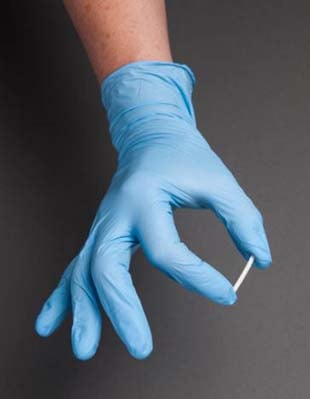
An advisory committee to the U.S. Food and Drug Administration has approved a new drug delivery system to treat opioid addiction – an implant that could potentially be used to treat chronic pain and other diseases that require steady doses of medication.

The FDA’s Psychopharmacologic Drugs Advisory Committee voted 12 to 5 in favor of the new drug application for Probuphine, a tiny implant about the size of a matchstick that contains buprenorphine, a drug already used to treat addiction that currently only comes in pills and oral film strips. The FDA is expected to make a final decision on Probuphine next month.

“You can never be 100 percent sure of anything,” said Sunil Bhonsle, CEO and president of Titan Pharmaceuticals (NASDAQ: TTNP), which partnered with Braeburn Pharmaceuticals in developing the implant. “The data clearly shows that this product can be of benefit to this patient population. And we hope the FDA will approve it.”

COURTESY BRAEBURN PHARMACEUTICALS

COURTESY BRAEBURN PHARMACEUTICALS

Once implanted under the skin, Probuphine is designed to deliver a steady dose of buprenorphine for six months. Buprenorphine is a weaker opioid that’s long been used as an addiction treatment drug sold under the brand name Suboxone. While it reduces cravings for opioids, buprenorphoine can also be abused and is prized by addicts as a street drug that can ease withdrawals pains from heroin.

The advantages of an implant are many. The dosage is controlled and there’s hardly any risk of abuse, diversion, or accidental overdose. Users also never have to remember to take a pill.

Probuphine’s path to the marketplace hasn’t been a smooth one. Braeburn and Titan were stunned in 2013 when the FDA denied approval of the implant and asked for a new clinical study proving Probuphine’s effectiveness in treating opioid addiction.

The results of a six month, double-blind clinical trial on 177 patients, found that the implant was more effective than buprenorphine film strips in treating addiction. The implant’s insertion and removal were "generally well tolerated," although nearly one in four patients had a "mild" adverse event at the implant site.

Several members of the FDA's advisory committee, including its chairwoman, voted against approval, saying there was not enough evidence of Probuphine’s effectiveness after six months.   

"New treatment options for the millions of patients and their families suffering from opioid addiction are desperately needed, and we appreciate the Committee's comprehensive review of Probuphine," said Bhonsle. “There are many applications for this technology and I think the medical community is now more in tune with looking at long-term delivery technology in the chronic disease setting. So I think it’s probably accurate to say the time is right to expand the use of these technologies to different settings.”

Bhonsle says Titan is already looking at ways the implant can be used to treat Parkinson’s disease and hypothyroidism, adding that chronic pain could also be treated with an implant.

“Clinical studies will need to be done to establish the ability, but the drug levels can certainly be delivered that are going to be beneficial for treating chronic pain,” he told Pain News Network.    

Survey Finds Most Doctors Favor CDC Guidelines

By Pat Anson, Editor

Chronic pain patients and their doctors appear to be on opposite sides of the fence when it comes to controversial guidelines for opioid prescribing being drafted by the Centers for Disease Control and Prevention (CDC).

An email survey of over 1,600 doctors found that 87 percent of them “would welcome and use” the CDC guidelines, which discourage primary care physicians from prescribing opioids for chronic pain. The survey was conducted by SERMO, a social network for healthcare providers.

Less than six out of ten doctors (59%) believe opioids should be used to treat chronic non-cancer pain. About half said they knew someone personally who has suffered from addiction to opioids.  

In personal comments, several doctors said they believed some patients were “doctor shopping” for opioids.

“It is often impossible to know whether a patient is drug seeking, and it's hard to deny them pain meds simply because my gut tells me so,” wrote one oncologist.

“I am frequently approached by patients with ‘acute’ complaints of pain. Since these patients are usually unknown to me, it is difficult to tell if these are truly ‘acute’ issues versus drug seeking,” said an urgent care physician.

“While there are some patients that need pain medications there are several that have now become addicted and I think physicians need more training in not only how to prescribe pain meds properly but also how to cut back appropriately as well,” wrote an internal medicine specialist.

“Physicians are the gateways to drugs. They have the prescription pad and ultimately they are the ones who make the call. They should be at the frontline of this epidemic and adequate education is required,” said a neurologist.

Asked what they thought was the “most important tactic" to curb opioid abuse, this is how doctors voted:

  • 43% of doctors support broader use of prescription drug monitoring programs (PDMPs)
  • 20% support more education for physicians on proper opioid prescribing
  • 14% support increased access to addiction treatment programs
  • 14% support more education for patients at risk of addiction
  • 7% support increased access to Naloxone, a drug used to reverse the effects of an opioid overdose
  • 2% support needle exchange programs

A large majority of doctors (82%) favor PDMP’s, but only 63% said they were registered with their state’s PDMP.

A survey of over 2,000 patients by Pain News Network and the Power of Pain Foundation found very different attitudes about the CDC’s opioid guidelines. Nearly 90% are worried they won’t be able to get opioid pain medication if the guidelines are adopted. A similar number believe the guidelines discriminate against pain patients and will be harmful to them.

How the CDC Misclassifies Opioid Overdoses

By Denise Molohon, Guest Columnist

I think the minute anyone without bias or personal agenda began reading through the CDC's proposed guidelines for opioid prescribing, they must seriously question many things.

Chief among them, the highly suspect "low to very low quality" evidence being presented to support their "strong recommendations," but also their dangerously skewed data; which ultimately could leave millions of chronic pain sufferers critically ill, without sound medical treatments, and with little to no quality of life.

In a recent CDC Morbidity and Mortality Weekly Report (MMWR) on drug and opioid overdose deaths, I found myself doing the exact same thing -- seriously questioning the data. In 2014, the report found that 28,647 people died of drug overdoses involving opioids, including heroin, a 14 percent increase over the previous year. 

However, the CDC admits in the MMWR, that "some overdose deaths may have been misclassified and the data has limitations.” I wondered how much was misclassified? Exactly what data has limitations and why?

I believe the American people have a right to transparency and full disclosure, not flawed data that is often presented in a confusing manner, such as the following qualifiers in the MMWR:

“At autopsy, toxicological laboratory tests might be performed to determine the type of drugs present; however, the substances tested for and circumstances under which the tests are performed vary by jurisdiction.”

“The percent of overdose deaths with specific drugs identified on the death certificate varies widely by state.”

"Approximately one fifth of drug overdose deaths lack information on the specific drugs involved. Some of these deaths might involve opioids."

 “Heroin deaths might be misclassified as morphine because morphine and heroin are metabolized similarly, which might result in an underreporting of heroin overdose deaths.”

 If heroin deaths are being misclassified as morphine, which results in the "underreporting" of heroin overdose deaths, then wouldn't the opposite also hold true? That there is "over-reporting" of morphine deaths, which are then misclassified as prescription opioid deaths? 

According to the Washington Post, CDC Director Tom Frieden admitted some heroin overdose deaths were counted twice!

Another egregious misclassification, which I find grossly unjustified, is the following:

"Historically, CDC has programmatically characterized all opioid pain reliever deaths (natural and semisynthetic opioids, methadone, and other synthetic opioids) as ‘prescription’ opioid overdoses."

On the surface this statement doesn't appear too concerning. Until you begin to take a closer look at what has been happening over the last 3-5 years with heroin and illicit fentanyl overdose deaths, and how both illegal and legal opioids have been lumped together into one category.

All opioid pain reliever deaths are counted as “prescription” opioid overdoses. Why?

“Natural opioids” includes those heroin deaths that were misclassified as morphine related overdose deaths, which no doubt contributed in some degree to that 14% increase in opioid overdose deaths in 2014.

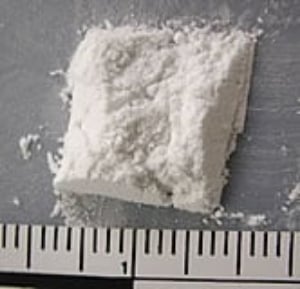
But how many of these heroin deaths were misclassified? We may never know. The DEA reported last year in its National Heroin Threat Assessment Summary that, “Many medical examiners are reluctant to characterize a death as heroin-related without the presence of 6-monoaceytlmorphine (6-MAM), a metabolite unique to heroin, but which quickly metabolizes into morphine.  Thus many heroin deaths are reported as morphine-related deaths."

illicit fentanyl seized in ohio

illicit fentanyl seized in ohio

“Synthetic opioids” includes not only prescribed fentanyl, which is a potent pain reliever, but illicit fentanyl overdoses,  which have skyrocketed over the last two years. Because most medical examiners and coroners did not routinely test for fentanyl in 2014, many illicit fentanyl/heroin overdose deaths were also probably counted as prescription opioid overdoses. 

Medical examiners and coroners are just now beginning to test for fentanyl because of the sharp rise in overdose deaths in the U.S. and Canada. Both the CDC and the DEA issued advisories about illicit fentanyl overdoses last year, but we don’t know exactly how many deaths there were.

Why is the data about opioid overdoses so flawed and what is the government doing about it?

A federal agency called the Substance Abuse and Medical Health Services Administration (SAMHSA) brought together groups of experts four times in 2003, 2007, 2010, and again in 2013. All agreed uniform standards and definitions were needed for classifying opioid-related deaths. Guidelines were developed in July 2013 by SAMHSA to provide uniform standard procedures for medical examiners, coroners and other practitioners.

The CDC is not only aware of these guidelines, but it recently recommended medical examiners and coroners in all states implement them “to ensure death reports are complete and accurate.”

“It is especially important to include the word ‘fentanyl’ on the death certificate when the drug is a contributing cause of death,” the CDC said in a Health Advisory distributed on October 26, 2015.

Why fentanyl? Based on reports from states and drug seizure data, a substantial portion of the increase in synthetic opioid deaths appears to be related to increased availability of illicit fentanyl, which is often combined with heroin or even sold as heroin.

David J. Hickton, U.S. attorney for western Pennsylvania and co-chair of the Justice Department's National Heroin Task Force, told the Washington Post that "fentanyl and more potent heroin appear to have contributed to the 2014 spike in fatal overdoses."

According to the DEA's National Heroin Threat Assessment Summary, the overwhelming number of fentanyl overdose deaths are not attributable to pharmaceutical fentanyl but rather illicit fentanyl.

“There have been over 700 overdose deaths reported, and the true number is most likely higher because many coronersoffices and state crime laboratories do not test for fentanyl or its analogs unless given a specific reason to do so,” the report warns. "While pharmaceutical fentanyl (from transdermal patches or lozenges) is diverted for abuse in the United States at small levels, this latest rash of overdose deaths is largely due to clandestinely-produced fentanyl, not diverted pharmaceutical fentanyl."

Note that the DEA is making a critical distinction between an illegal drug and a legal prescription drug. Why isn’t the CDC doing this?

In my opinion, for the CDC to lump all opioids together as "prescription" opioids or as "pain relievers" shows a highly dangerous bias, an unwillingness to address the soaring number of heroin and fentanyl overdoses, and a lack of competence in taking a responsible leadership role.

If the CDC can’t be counted on to clearly report on the data, sources and causes of overdose deaths, how can we trust their opioid prescribing guidelines?

Denise Molholon.jpg

Denise Molohon was disabled with Adhesive Arachnoiditis after multiple spinal surgeries.

Denise is a strong supporter and patient advocate for ASAP, the Arachnoiditis Society for Awareness & Prevention. She and her family live in Indiana.

The information in this column should not be considered as professional medical advice, diagnosis or treatment. It is for informational purposes only and represents the author’s opinions alone. It does not inherently express or reflect the views, opinions and/or positions of Pain News Network.

Doctor's License May Be ‘Suspended Indefinitely’

By Pat Anson, Editor

The Montana Department of Labor and Industry is recommending that the medical license of Mark Ibsen, MD, be suspended indefinitely by the state Board of Medical Examiners for unprofessional conduct.

Ibsen has been at the center of a long-running debate in Montana over the prescribing of opioid pain medication. State investigators say Ibsen overprescribed opioids, kept poor records and risked the health of his patients, while supporters say he is one of the few doctors left in the state willing to treat chronic pain patients. The Board of Medical Examiners is scheduled to meet Thursday to decide Ibsen's fate.

“Opioid deaths are frighteningly common with one source estimating one death for every 500 opioid prescriptions written in America,” wrote Michael Fanning, Special Assistant Attorney General to the Montana Department of Labor and Industry.

But in his 62-page proposed order, Fanning dos not cite a single case where Ibsen’s prescribing practices led to someone’s death. Instead he focuses on Ibsen’s alleged emotional instability and poor record keeping.

“Dr. Ibsen’s charts did not contain satisfactory evidence that he attempted more conservative care short of chronic opioid therapy,” Fanning wrote. “While the charts include occasional references to mental or behavioral health and rare references to interventional services, there was no consistent evidence that the more conservative option had been attempted and failed before continuing opioid therapy.”

Fanning also said Ibsen overlooked “red flags” in a patient’s behavior that could indicate signs of opioid abuse or diversion, such as multiple requests for early refills of prescriptions, seeing multiple doctors, and multiple lost medications. Ibsen’s charts also did not include records of a written or oral contract with some patients about their opioid use.

Fanning’s proposed order also includes references to “erratic and unprofessional behavior” by Ibsen reported by a former spouse and medical associates. One psychological profile of Ibsen said he suffers from bipolar disorder and narcissism, and that Ibsen “fails to accept responsibility, projects blame onto others and believes that others have conspired against him.”

mark ibsen, md

mark ibsen, md

The state medical board is under no obligation to accept Fanning’s recommendation of indefinite suspension of Ibsen’s license. Last year the board rejected a proposed order from a hearing officer that Ibsen be put on probation for 180 days.

"I don't think I've had fair treatment in three years with the board of medicine. They've rewritten the evidence and are redefining reality," Ibsen told Pain News Network. "I haven't been treated fairly at all. They continue to accuse me of horrible and heinous things for people that I've helped. And there's been no one harmed by anything that I've done."

Ibsen has become something of a hero to pain patients, not only in Montana, but around the country. Many have trouble finding a doctor willing to prescribe opioids.

"I've become quite an advocate for the downtrodden pain patients. I promote medical marijuana as an exit strategy for people on opiates. I may be upsetting the status quo," said Ibsen.

Publicity about his case and financial problems recently forced Ibsen to close his Urgent Care Plus clinic in Helena. Ibsen was arrested in November, not for opioid prescribing, but for a misdemeanor domestic assault charge. He has pleaded not guilty.

Under Fanning's proposed order, Ibsen would be eligible to have his medical license reinstated, provided he was under "perpetual monitoring" by a professional assistance program. Ibsen says he will appeal if his license is restricted.