
12 Gifts of Knowledge About Chronic Pain

By Pat Anson, PNN Editor

Are you looking for a special gift for a loved one over the holidays? How about a gift to yourself?

Every year we like to feature 12 books that help explain what causes chronic pain, possible ways to treat it, and the impact chronic pain has on society. Our list of books is not comprehensive — no list can be on such a complicated subject — but you or a loved one may learn something you didn’t know before.

These and other books can be found in PNN’s Suggested Reading section. I recently added books on spinal surgery, arachnoiditis, knee pain, illicit fentanyl, low dose naltrexone, meditation, fibromyalgia and CBD.

Click on the book's cover to see price and ordering information. PNN receives a small amount of the proceeds -- at no additional cost to you -- for orders placed through Amazon. As an Amazon Associate, we earn from qualifying purchases.

Taming Chronic Pain by Amy Orr

Scientist and pain sufferer Amy Orr offers practical advice learned from her own journey with chronic pain. “Feeling broken” after years of pain, Orr researched the physical and psychological effects of chronic pain, and shares what she learned in this blunt and sometimes humorous handbook. Orr believes the key to taming chronic pain is to make small changes in your life and become skilled at your body’s response to them.


The Origin of Disease by Carolyn and Christian Merchant, MD

The authors look at the origins of chronic illness by exploring their own family histories and recent research linking many diseases to pathogens and infections. The book challenges many of the concepts of Western medicine by looking at what actually causes diseases and how to cure them — as opposed to just managing their symptoms.

Handbook to Live Well with Adhesive Arachnoiditis by Dr. Forest Tennant

Dr. Forest Tennant, the world’s foremost expert on adhesive arachnoiditis (AA), published this handbook to explain the major causes and symptoms of AA, a progressive disease of the spinal cord. Tennant has successfully used hormone therapy and other groundbreaking treatments to stop the progression of AA, and offers a way forward for intractable pain patients to live well through self-care, exercise, good nutrition, medication and supplements.

Tender Points by Amy Berkowitz

This memoir by Amy Berkowitz details her experiences with fibromyalgia, which she developed as a young woman after a flashback to being sexually assaulted as a child. Berkowitz became convinced of a connection between the rape and her chronic illness, and found support online with other women who shared similar experiences. Berkowitz also recounts how she was mistreated — or not treated — by the healthcare system.

Fentanyl, Inc. by Ben Westhoff

Investigative journalist Ben Westhoff takes a close look at illicit fentanyl and other synthetic opioids, how they are manufactured in China and then smuggled into the United States — where they are now involved in over two-thirds of drug overdose deaths. Westhoff says U.S. drug policy is in “shambles” and poorly equipped to stop the synthetic drug trade, which requires sweeping new public heath initiatives.

The Criminalization of Medicine: America’s War on Doctors by Ronald Libby

This 2008 book remains just as relevant today as it was a decade ago. Author Ronald Libby says U.S. doctors have been turned into criminal scapegoats for the failures of the healthcare industry and the war on drugs. Doctors are prosecuted, fined and harassed by law enforcement for simple billing and record-keeping mistakes, or for treating pain with drugs that non-experts consider excessive or inappropriate.

Do You Really Need Spine Surgery? by Dr. David Hanscom

Retired spine surgeon and PNN columnist Dr. David Hanscom believes most spine operations are unnecessary and often have poor outcomes for patients. Hanscom says back pain is usually the result of normal, age-related conditions that can be addressed through physical therapy and other non-surgical methods.

Saving My Knees by Richard Bedard

In this e-book, journalist Richard Bedard shares his long journey of healing from chronic knee pain. Physical therapy and medication didn’t help and Bedard was fearful of surgery, so he started educating himself about knee pain. He learned that damaged cartilage can be healed and strengthened by simple, daily exercises.

The LDN Book by Linda Elsegood

People around the world are discovering that low doses of naltrexone (LDN) can be used to treat fibromyalgia, autoimmune diseases, chronic fatigue and depression. So why isn’t this affordable and effective drug used more widely? Linda Elsegood of The LDN Research Trust wrote this book to help educate doctors and patients about the untapped potential of naltrexone, which is currently only approved for the treatment of addiction.

Healing with CBD by Eileen Konieczny and Lauren Wilson

You’ve heard the hype about CBD. But does cannabidiol (CBD) really provide pain relief?

This book separates CBD facts from fiction by explaining what CBD is, the science behind it, where to buy quality CBD products, and potential treatments for many common ailments.

Mindfulness-Oriented Recovery Enhancement by Eric Garland

University of Utah professor Eric Garland, PhD, has developed a mindfulness training program to treat both pain and opioid dependence. It teaches people how to savor enjoyable experiences, enhance positive emotions, and stop focusing on their physical and emotional pain. Disrupting these negative habits helps people refocus their lives on more positive ways of thinking, which significantly reduces stress, opioid cravings and pain.

Chronic Pain the Drug-Free Way by Phil Sizer

Author Phil Sizer teaches pain management courses for Pain Association Scotland with an emphasis on using self-management skills such as positive psychology, cognitive behavioral therapy, stress reduction and even humor to relieve pain. Sizer has some off-beat suggestions for patients, such as “punking” pain management rules and avoiding “bubble vampires” — people who suck the energy out of you.

If there is a book or publication that's helped you manage or better understand chronic pain, let us know.
CDC Considering ‘Update or Expansion’ of Opioid Guideline

By Pat Anson, PNN Editor

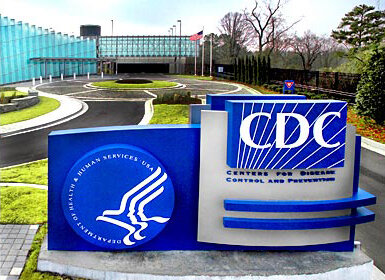
When the Centers for Disease Control and Prevention released its controversial opioid prescribing guideline in March 2016, it pledged to study the impact of the guideline on patients, doctors and pain treatment in the United States.

“CDC is committed to evaluating the guideline to identify the impact of the recommendations on clinician and patient outcomes, both intended and unintended, and revising the recommendations in future updates when warranted,” the agency said.

Three and a half years later, after widespread reports of patient suffering, abandonment and suicide, the CDC may finally be getting around to an update. But it may not be what patients and doctors were hoping for.

In a meeting next week of the Board of Scientific Counselors (BSC) for the CDC’s National Center for Injury Prevention and Control (NCIPC), guideline co-author Dr. Deborah Dowell is scheduled to give a 30-minute presentation entitled “Background for Updating the CDC Guideline for Prescribing Opioids.”

According to the agenda for the December 4 meeting in Atlanta, Dowell’s presentation will be preceded by an update from NCIPC Director Dr. Debra Houry, who oversaw development of the opioid guideline. Presentations are also planned on overdose prevention and the formation of an “Opioid Workgroup.”

“CDC is scheduled to give a background presentation for a potential update/expansion of the CDC Guideline,” Courtney Lenard, a CDC spokesperson, said in an email to PNN. “CDC will also request that NCIPC’s BSC establish an Opioid Workgroup to provide expert input and observations on a possible update or expansion of the guideline.”

Public pressure has been building on the CDC to clarify the guideline — but not to expand it. Although voluntary and only intended for primary care physicians treating chronic pain, the guideline’s recommended limits on opioid prescribing have been widely adopted as policy by federal agencies, state governments, insurers, pharmacy chains and many doctors.

The guideline has also been applied to short-term acute pain situations, such as patients being treated for post-surgical pain or emergency room trauma. Last year, CDC Director Dr. Robert Redfield said he wanted the agency to develop opioid prescribing guidelines for acute pain and to use a new enhanced data system to track overdoses in hospital emergency rooms.

“I hope this does not become CDC Prescribing Guideline 2.0. In the original CDC Guideline, the identity of the key expert group was unknown, there were concerns over conflict of interest and secrecy, and legislatures or regulatory agencies eventually adopted the guideline and treated it as gospel despite the limitations stated in the report,” said Stephen Ziegler, PhD, a Professor Emeritus at Purdue University.

Last year the American Medical Association took a stand against the “misapplication” and “inappropriate use” of the guideline -- and adopted a resolution stating that some patients “can benefit from taking opioids at greater dosages than recommended by the CDC.”   

In April, the Food and Drug Administration warned that many patients were being tapered off opioids inappropriately, putting them at risk of withdrawal, uncontrolled pain and suicide. That was followed days later by a pledge from Redfield to re-evaluate the guideline and “clarify its recommendations.”

A clarification is long overdue. In a PNN survey early this year of over 6,000 pain patients and healthcare providers, an overwhelming majority said the guideline was harmful to patients and should be revised.

“Cannot understand or know why the CDC will not speak out on the harm done to undertreated, denied and abandoned patients,” one patient told us.

“The guidelines were written in secret, and the carnage that we predicted has come to pass,” said an emergency medicine physician.

“They should be revoked. People are suffering and committing suicide due to inability to tolerate suffering. This is inhumane,” another provider wrote. “It blemishes CDC’s reputation.”

CDC Funding AHRQ Studies

Instead of getting input from doctors and patients on the impact of the guideline, the CDC appears to be focused on more research to help expand its use. PNN has learned that the CDC is funding three new studies on the effectiveness of opioid and non-opioid therapies — essentially doubling down on previous research that found little evidence that opioids are effective for chronic pain.    

“CDC is funding the Agency for Healthcare Research & Quality (AHRQ) through an interagency agreement to conduct systematic reviews of new scientific evidence that has been published since the Opioid Prescribing Guideline was released,” said CDC’s Lenard. “The reviews will evaluate the effectiveness and comparative effectiveness of opioids, non-opioid pharmacologic therapy, and nonpharmacologic therapy for chronic and acute pain.

“Results of these reviews will help CDC determine whether evidence gaps have been addressed and if the Opioid Prescribing Guideline should be updated or expanded. If a Guideline update or expansion occurs, the development process would include consideration of findings from the systematic reviews and an additional public comment period through the Federal Register once an update or expansion is drafted.”

All three AHRQ studies were awarded on the same day – at an estimated cost of $1.1 million – to the Pacific Northwest Evidence-based Practice Center at Oregon Health & Science University, which is headed by Dr. Roger Chou, one of the co-authors of the CDC guideline.

As PNN has reported, Chou is a primary care physician and longtime researcher who has publicly aligned himself with Physicians for Responsible Opioid Prescribing (PROP), an influential anti-opioid activist group that seeks drastic reductions in the use of opioid medication.  

Chou recently co-authored an article with PROP President Dr. Jane Ballantyne and PROP board member Dr. Anna Lembke that encourages doctors to consider tapering “every patient receiving long term opioid therapy.”

Chou also consulted with PROP founder Dr. Andrew Kolodny and other PROP members for Oregon Pain Guidance, an advisory group that claims opioid tapering “will improve the quality of life for the majority of patients.”

DR. ROGER CHOU

It is not clear if PROP members are also involved in the three AHRQ studies, as they were in drafting the CDC guideline. But critics say Chou’s continuing association with PROP raises questions about his impartiality as a researcher.

“For years, we have called out a ‘False Narrative’ that prescription opioids drive the current overdose crisis; current data shows this is demonstrably false,” said Dr. Chad Kollas, a palliative care specialist in Florida. “We have not done as well calling out a “Hidden Narrative,” where PROP-affiliated physicians have wrongly influenced and encouraged the misapplication of federal policy in a way that has systematically harmed vulnerable patients in pain. We must call out their conflicts of interest loudly now.”

As a matter of policy, AHRQ does not release conflict of interest statements or disclose the names of its consultants, investigators and peer reviewers until after its reports are finalized. The AMA is recommending that the agency end that policy.

“We would suggest that AHRQ publish the list of all those involved in any aspect of the report… to help remove any perception of potential conflict,” Dr. James Madara, the AMA’s Executive Director and CEO, wrote in a letter to AHRQ. The letter also urges the agency to clearly state that the opioid epidemic was not fueled by prescription opioids and that its research should not be used to justify tapering.

Draft versions of the three AHRQ studies have been completed and were recently posted for 30 days on the agency’s website. They were removed after a public comment period ended, which is another AHRQ policy. Fortunately, PNN was able to obtain copies before the draft reports were withdrawn from public view.

What did Chou and his researchers conclude? The three draft reviews support many of the same conclusions as the CDC guideline — hardly a surprise since Chou helped write the guideline.

“For patients with chronic pain, opioids are associated with small beneficial effects versus placebo but are associated with increased risk of short-term harms and do not appear to be superior to nonopioid therapy. Evidence on intermediate-term and long-term benefits remains very limited and additional evidence confirms an association between opioids and increased risk of serious harms,” one draft says. 

“Findings of this review, with expansion of scope to include short-term trials, support the recommendation in the 2016 CDC guideline that opioids are not first-line therapy for chronic pain and to preferentially use nonopioid alternatives.”    

The AHRQ expects to release final versions of the three pain management reports in early 2020. A list of experts and informants will be released at that time, along with any conflicts of interest. 

Still unclear is what the CDC will do with the reports and what kind of “update or expansion” the agency is considering for its opioid guideline.

U.S. Life Expectancy Still Declining

By Pat Anson, PNN Editor

After decades of progress with Americans living longer and healthier lives, a disturbing new study has documented how life expectancy in the U.S. has declined for three consecutive years.

The drop in life expectancy was most pronounced in young and middle-aged adults. Starting in 2014, midlife mortality increased across all racial groups, largely due to drug overdoses, alcohol abuse, suicide, and chronic illnesses such as hypertension and diabetes. Researchers said prescription opioids were more of a symptom than a cause of premature deaths.

In 2014, Americans were expected to live to 78.9 years of age. By 2017, the average life expectancy had fallen to 78.6 years.

The U.S. now has the worst midlife mortality rate among 17 high income countries, even though it spends more on healthcare per capita than any other nation.  

“This is an emergent crisis. And it is a uniquely American problem since it is not seen in other countries. Something about life in America is responsible,” lead author Steven Woolf, MD, reported in a Special Communication published in JAMA.

The largest increases in midlife mortality occurred among adults with less education and those living in rural areas.  Changes in life expectancy were greatest in upper New England, the Ohio Valley, and Appalachia – regions where economic distress, lower social mobility and the so-called epidemic of despair contributed to rising rates of suicide and drug and alcohol abuse.

“While it’s a little difficult to place the blame on despair directly, the living conditions causing despair are leading to other problems,” said Woolf, who is director emeritus of the Center on Society and Health at Virginia Commonwealth University. “For example if you live in an economically distressed community where income is flat and it’s hard to find jobs, that can lead to chronic stress, which is harmful to health.”

While life expectancy increased in a handful of Western states, midlife mortality rose in Ohio and West Virginia – states often called ground-zero of the opioid crisis.  A sharp increase in opioid overdoses came in three waves; starting with the introduction of OxyContin and the overuse of prescription opioids in the 1990s, followed by increased heroin use, and then the emergence of illicit fentanyl – which triggered another wave of opioid overdoses starting in 2013.

“However, the increase in opioid-related deaths is only part of a more complicated phenomenon and does not fully explain the increase in midlife mortality rates from other causes, such as alcoholic liver disease or suicides. Opioid-related deaths also cannot fully explain the U.S. health disadvantage, which began earlier (in the 1980s) and involved multiple diseases and nondrug injuries,” Woolf said.

The tsunami of fentanyl overdoses has yet to dissipate. According to a new study by the Massachusetts Department of Public Health, 93% of opioid related overdoses in the state in the first nine months of 2019 involved fentanyl. Deaths involving prescription opioids such as oxycodone and hydrocodone peaked in 2014 and are now linked to only about 10% of overdose deaths in Massachusetts.

Hold the CBD and Pass the Gravy

By Pat Anson, PNN Editor

You can now buy cannabis-infused juice, beer, popcorn, gummies, breakfast cereal, and just about every food and drink imaginable with CBD or even THC.  

But you know things are getting out of hand when a company starts selling cannabis-infused turkey gravy – just in time for Thanksgiving.

KIVA Confections – a California company that makes a line of cannabis chocolates and edibles -- has introduced a “groundbreaking” turkey gravy infused with 10mg of THC, the psychoactive compound in marijuana. Thanksgiving dinner will never be quite the same.

“Awkward family dinner conversation? In just under 15 minutes you’ll start feeling the effects, so you can sit back, relax, and let the holiday cheer wash over you,” said Kiva in a tongue-in-cheek blog post

The company plans to introduce a cannabis-infused hot cocoa mix by Christmas.  

KIVA CONFECTIONS

FDA Warns CBD Companies

Federal health officials are finally blowing the whistle on cannabis marketing. The Food and Drug Administration has issued warning letters to 15 companies for illegally selling and marketing cannabis infused products.

Ironically, the FDA’s focus is not on THC, but on cannabidiol (CBD), the seemingly harmless and over-hyped compound in cannabis associated with many health claims. The FDA has revised a Consumer Update to more clearly state that CBD is not recognized as safe for use in human or animal food.

“We remain concerned that some people wrongly think that the myriad of CBD products on the market, many of which are illegal, have been evaluated by the FDA and determined to be safe, or that trying CBD ‘can’t hurt.’ Aside from one prescription drug approved to treat two pediatric epilepsy disorders, these products have not been approved by the FDA,” Amy Abernethy, MD, FDA Principal Deputy Commissioner, said in a statement.

“We recognize the significant public interest in CBD and we must work together with stakeholders and industry to fill in the knowledge gaps about the science, safety and quality of many of these products.”

What most concerns the FDA is that CBD is being marketed as a treatment for chronic pain, arthritis, depression, addiction, anxiety and other medical conditions with no clinical evidence that it actually works.

Red Pill Medical of Phoenix, one of the companies that received a warning letter, claims CBD can cure cancer.

“We’ve seen CBD kill prostate cancer cells, kill colon cancer cells…there’s just thousands of anecdotal stories on the internet where people have cured themselves when they were told they had weeks or months to live using CBD,” Red Pill claims in a promotional video.

Another company, Whole Leaf Organics of Los Angeles, was warned about selling CBD products for pets.

“Beneficial and safe for both people and animals, CBD has been known to reduce inflammation, assist with chronic fatigue, alleviate joint and muscle pain, and help in regards to the management of stress and anxiety,” Whole Leaf claims on its website.

One company was warned about marketing CBD products for infants and children, while another was warned about selling CBD for food-producing animals such as chickens and cows.

This isn’t the first time the FDA has warned cannabis companies to be more discerning in their marketing. Similar warning letters were sent in March to three companies for making unsubstantiated health claims about their CBD oils, extracts and edibles.

One of the companies, NutraPure, now has a disclaimer on its website stating that its products “have not been evaluated” by the FDA and “are not intended to diagnose, prevent, treat, or cure any disease.” As PNN reported, however, that didn’t stop a NutraPure representative from recommending the company’s hemp oil to this reporter as a treatment for fibromyalgia.

The FDA says it will “explore potential pathways” for CBD products to be marketed legally and would be providing an update in coming weeks.

In the meantime, pass the gravy.

Cannabis Cuts Headache and Migraine Pain in Half

By Pat Anson, PNN Editor

Inhaled cannabis can significantly reduce both headache and migraine severity, according to a large new study that looked at patients who self-reported their symptoms. But researchers say the effectiveness of cannabis diminished over time, as patients used larger doses for pain relief and appeared to develop a tolerance to the drug.

Researchers at Washington State University analyzed data from the Strainprint app, which allows patients to track their symptoms while using medical cannabis. Data was collected from nearly 2,000 patients who used the app almost 20,000 times to track their headache and migraine pain before and after inhaling cannabis by smoking or vaping. The cannabis was obtained from licensed medical cannabis distributors in Canada.

"We were motivated to do this study because a substantial number of people say they use cannabis for headache and migraine, but surprisingly few studies had addressed the topic," said lead author Carrie Cuttler, PhD, a WSU assistant professor of psychology. "We wanted to approach this in an ecologically valid way, which is to look at actual patients using whole plant cannabis to medicate in their own homes and environments.”

The study, published online in the Journal of Pain, is the first to use data from headache and migraine sufferers using cannabis in real time. Previous studies have asked patients to recall the effect of cannabis use in the past.

Cuttler and her colleagues found that self-reported headache severity fell by 47.3 percent and migraine severity declined by 49.6 percent. Cannabis concentrates, such as cannabis oil, produced a larger reduction in headache severity than cannabis flower.

There was no evidence that cannabis caused "overuse headache," a pitfall of opioid medication and other pain relievers that can make headache pain worse over time. However, researchers did see patients using larger doses of cannabis over time, indicting they may be developing tolerance.

There was no significant difference in pain reduction among cannabis strains that were higher or lower in levels of tetrahydrocannabinol (THC) and cannabidiol (CBD). Since cannabis is made up of over 100 cannabinoids, the finding suggests that different cannabinoids or organic compounds like terpenes may play a central role in headache and migraine relief.

Cuttler acknowledged the limitations of using an app to collect data, since it relies on a self-selected group of people who may already anticipate that cannabis will work to alleviate their symptoms. It was also not possible to use a placebo control group.

"I suspect there are some slight overestimates of effectiveness," said Cuttler. "My hope is that this research will motivate researchers to take on the difficult work of conducting placebo-controlled trials. In the meantime, this at least gives medical cannabis patients and their doctors a little more information about what they might expect from using cannabis to manage these conditions."

PNN columnist Mia Maysack, who suffers from chronic migraine and cluster headache, reluctantly agreed to try cannabis after her first cluster headache lasted 54 straight days. Mia said she “almost instantaneously felt better.” Now she uses cannabis regularly.

“It helps me combat nausea, cultivate an appetite, gives a slight boost in morale, and get quality rest,” Mia wrote in a column. “Cannabis works for me about half the time.  But that goes deeper than a glass half empty or half full.  It's a matter of having a resemblance of a life or not.”   

Criminalizing Pregnant Women for Drug Abuse Is a Terrible Idea

By Dr. Lynn Webster, PNN Columnist

According to Guttmacher Institute, nearly half the states in the United States are willing to punish pregnant women in order to spare their babies the agony of being born with Neonatal Abstinence Syndrome (NAS). Ironically, their efforts are having the opposite effect.

Twenty-three states and the District of Columbia have passed legislation that criminalizes substance abuse during pregnancy. Additionally, 25 states and the District of Columbia require healthcare providers to report expectant mothers who may be illegally using substances. In 8 states, pregnant women who are suspected of substance abuse must also undergo drug testing.

The huge number of babies born to mothers dependent on opioids has driven policymakers to find ways to deter pregnant women from abusing opioids.

But new research points out there are unintended consequences to criminalization. And it provides lawmakers insight on how to create more effective policies that result in positive, not punitive, outcomes.

A study published recently in the journal JAMA Network Open examined 4.6 million births in the U.S. from 2000 to 2014. During this time, the diagnosis of NAS increased seven fold.

The study was conducted by the RAND Corporation, a nonprofit research institute that analyzed 8 states with punitive policies for drug-abusing pregnant women. The research was funded by the National Institute of Drug Abuse.

According to a RAND press release, Arkansas, Arizona, Colorado, Kentucky, Massachusetts, Maryland, Nevada and Utah adopted either punitive penalties for drug use during pregnancy or policies that required health care providers to report pregnant women with suspected illegal substance use.

RAND researchers found that the annual rate of NAS increased in the 8 states, from 46 cases per 10,000 live births to 60 cases per 10,000 after punitive policies were enacted. That is an alarming 30% increase in NAS cases.

This is not the first study that has shown political efforts to curb opioid addiction and overdoses have not had a positive impact. We have seen the harm associated with forced tapers and dose limits adversely affecting millions of pain patients.

It is hard to understand why these destructive policies are put in place, but it may be because policymakers are misinformed or biased. Regardless, it reflects a systemic flaw for governments to fail to evaluate the efficacy and outcomes of the very policies they create.

Addiction Is a Disease, Not a Crime

How best to address addiction has long been the subject of debate. For example, a state hospital in South Carolina illegally obtained the diagnostic tests of pregnant women in an effort “to obtain evidence of a patient's criminal conduct for law enforcement purposes” (this was the case of Ferguson v. Charleston).

Unfortunately, some people still believe that addiction is a volitional or character flaw that should be recognized as criminal behavior rather than a disease.

Indisputably, addiction is a complicated, life-threatening disease. Treating people with the disease as criminals is the worst possible approach. Most experts in the substance abuse treatment community have known this for years. Fortunately, the RAND Corporation has now provided evidence of how this applies to babies born to women who abuse opioids. 

Typically, lawmakers do not evaluate the impact of the policies they pass. There have been many policies over the past few years that were implemented by state legislatures, healthcare organizations and insurance companies that were intended to reduce harm from opioids. Almost no one has attempted to measure their effectiveness or unintended consequences.

Fortunately, in this case, we have an exception. We have a unique opportunity as a result. The RAND study should provide policymakers with insights on how to more effectively address the problem of substance abuse during pregnancy.

Threatening to punish a pregnant women does not decrease the number of women who abuse drugs. However, it does scare many of them away from seeking the treatment they need and can deter pregnant mothers from seeking prenatal care.

Pregnant women who are opioid-dependent frequently use other illegal substances that risk the health of their babies. There should not be more barriers for pregnant women to receive prenatal care. Infants born after exposure to opioids often require prolonged hospitalizations to manage their needs, with those cumulative costs totaling more than $500 million, according to the RAND study. More importantly, babies with NAS suffer needlessly.

It should go without saying that every policymaker wants to solve problems and not create additional harm for new mothers or to babies born to them. Hopefully, this study will be used as it is intended: to help create policies that actually reduce harm from opioids. 

Lynn R. Webster, MD, is a vice president of scientific affairs for PRA Health Sciences and consults with the pharmaceutical industry. He is the author of the award-winning book, “The Painful Truth,” and co-producer of the documentary, It Hurts Until You Die.”

You can find Lynn on Twitter: @LynnRWebsterMD.

Opinions expressed here are those of the author alone and do not reflect the views or policy of PRA Health Sciences or Pain News Network. 

Medical Cannabis Not Recommended for Chronic Pain in UK  

By Pat Anson, PNN Editor

It was a little over a year ago that the UK’s Home Secretary announced that medical cannabis would be legalized in Britain and become available by prescription – a move that was cheered by cannabis activists.

“This is a major victory for our campaign and will mean a lot of people will have a much better quality of life,” said Clark French, a multiple sclerosis patient.

It turns out the celebration was premature. After a lengthy review, the UK’s National Institute for Health and Care Excellence (NICE) recently recommended to the National Health Service (NHS) that medications containing cannabidiol (CBD) only be used to treat epilepsy, multiple sclerosis and chemotherapy-induced nausea.

CBD was not recommended as a treatment for chronic pain, at least not yet.

“There is evidence to suggest that CBD reduces chronic pain,” NICE said. “However, where cannabis-based medicinal products reduced chronic pain, the benefit is small and economic analysis shows that this compares poorly with the high costs of (CBD products).”

Cannabis medications containing THC were also ruled out, even when combined with CBD.  Most cannabis products contain at least trace amounts of THC, the psychoactive ingredient in cannabis.

NICE said further research was needed to see if CBD can be used to treat fibromyalgia, neuropathy and cancer pain. It recommended that patients suffering from those conditions should only use CBD if they are part of a clinical trial.

One cannabis activist called the NICE guideline “a massive missed opportunity.”

“It is particularly devastating that there is no positive recommendation that the NHS should allow prescribing of whole-plant medical cannabis containing both CBD and THC in appropriate cases of intractable childhood epilepsy,” Millie Hinton, from the patient advocacy group End Our Pain, told The Guardian. “This restrictive guidance is condemning many patients to having to pay for life-transforming medicine privately, to go without, or to consider accessing illegal and unregulated sources.”

According to a recent survey, up to 1.4 million adults in the UK are self-medicating with illegal cannabis products.

The one big winner in the NICE report is GW Pharmaceuticals, the UK based company that developed Epidiolex and Sativex, two cannabis-based medicines that are used to treat childhood epilepsy and muscle spasms caused by multiple sclerosis. NICE had previously rejected Epidiolex because of its high cost, but is now recommending it.

“This is a momentous occasion for UK patients and families who have waited for so many years for rigorously tested, evidenced and regulatory approved cannabis-based medicines to be reimbursed by the NHS,” said Chris Tovey, GW’s Chief Operating Officer. “This is proof that cannabis-based medicines can successfully go through extensive randomised placebo-controlled trials and a rigorous NICE evaluation process to reach patients.”

Last year, the FDA approved the use of Epidiolex in the U.S. to treat seizures caused by two rare forms of childhood epilepsy, Lennox-Gastaut syndrome and Dravet syndrome. The initial list price per patient was $32,500 a year.

Medical cannabis has been approved in 33 U.S. states and Washington DC, but the qualifying conditions vary from state to state. Click here for a list of qualifying conditions in each state.

FDA Approval Gives New Hope to Patients With Rare Genetic Disease

By Pat Anson, PNN Editor

Lisa Kehrberg was once frightened about her future. For years the retired family practice doctor and mother of two would suffer severe bouts of unexplained abdominal pain, headaches and nausea that would leave her hospitalized for weeks at a time.

“I was doubled over, rocking, vomiting and crying with the worst pain of my life. Worse than labor, appendicitis, or anything else I'd experienced. It was a hot, burning pressure that was like lava and hot razor blades filling up my abdomen,” Lisa recalled.

She was eventually diagnosed with a rare genetic disease called acute intermittent porphyria, which causes toxic molecules to build up in the body. The same disease killed Lisa’s brother in 2011. And she thought the same fate awaited her.

“One of the most common causes of death from porphyria is suicide. This isn't surprising. I always wonder how people who are sick like me keep surviving. To live in continuous excruciating pain every minute of every day with no end in sight is quite the challenge,” Lisa wrote in a 2016 column for PNN.

It was about that time that Lisa entered a clinical trial program. Every four weeks she’d travel to Houston from her home near Chicago for injections of an experimental drug. Over time, her symptoms began to improve and the porphyria attacks that used to occur monthly became less frequent.

LISA KEHRBERG, MD

Like other participants in clinical studies, Lisa wasn’t allowed to talk publicly about the drug she was getting – until now.  

The Food and Drug Administration has just approved the use of Givlaari (givosiran) for the treatment of adult patients with acute hepatic porphyria (AHP). Approval was granted based on results from placebo controlled trials involving 94 porphyria patients. Those who received Givlaari experienced 70% fewer porphyria attacks compared to patients receiving a placebo.  

“Prior to getting givosiran I was bed-bound for close to 6 months straight from severe muscle weakness and paralysis issues. I no longer have paralysis and most of the muscle weakness has resolved,” Lisa said in an email. “The rate of new attacks has decreased greatly, finally giving my nerves a chance to heal after 22 years of attacks and 6 years of back-to-back attacks.”

“These attacks occur suddenly and can produce permanent neurological damage and death,” Richard Pazdur, MD, director of the FDA’s Oncology Center of Excellence, said in a statement Wednesday. “Prior to today’s approval, treatment options have only provided partial relief from the intense unremitting pain that characterizes these attacks. The drug approved today can treat this disease by helping to reduce the number of attacks that disrupt the lives of patients.”

The FDA approved Givlaari under its breakthrough therapy, priority review and orphan drug designations, which provide incentives to companies in the development of drugs for rare diseases. Approval was granted to Alnylam Pharmaceuticals, which expects Givlaari to be available to healthcare providers by the end of the year.

There are about 3,000 people diagnosed with active porphyria in the U.S. and Europe. Due the wide array of symptoms the disease has, it can take years before an accurate diagnosis is made.

“The FDA approval of Givlaari is an important milestone for our community, as we now have a new treatment option for adults living with acute hepatic porphyria,” said Kristen Wheeden, Executive Director of the American Porphyria Foundation.

Image courtesy of Alnylam Pharmaceuticals

“AHP can have a profound impact on the lives of patients and their families. Porphyria attacks are associated with severe, incapacitating pain, often requiring hospitalization for management. In addition, many patients struggle on a daily basis with chronic symptoms related to their disease. The approval of Givlaari is exciting for our community.”

Lisa Kehrberg isn’t out of the woods just yet. She has permanent nerve damage from years of porphyria attacks. But her future is a lot brighter than it was.  

“For newly diagnosed patients, I strongly believe this treatment has the ability to stop the progression of the disease and will allow patients to lead a normal, functional life,” she says. 

Biogen Accused of Price Gouging for New MS Drug

By Pat Anson, PNN Editor

FDA approval of a new multiple sclerosis (MS) drug has resulted in a big payoff for one company and sharp criticism from a patient advocacy group.

Last month the FDA approved Vumerity (diroximel fumarate) for the treatment of relapsing-remitting and secondary-progressive MS, as well as management of clinically isolated syndrome (CIS), neurologic symptoms that can be an early sign of MS — a chronic and progressive disease that attacks the body’s central nervous system.

Vumerity was jointly developed by Biogen and Alkermes. Under the terms of their operating agreement, FDA approval triggered a clause in which Biogen paid Alkermes $150 million for the worldwide commercial rights to Vulmerity, along with a share of future royalties.

Biogen said it would account for the Alkermes payment by amortizing its cost “over the expected useful life of the product.” It then announced the price of Vumerity – at a wholesale acquisition cost (WAC) in the U.S. of $88,000 per year. Biogen claimed that was “the lowest annual WAC price for oral MS disease-modifying therapies.”

MS drugs are notoriously expensive, but the $88,000 price tag for Vumerity brought a rare rebuke from the National Multiple Sclerosis Society, which released a statement that basically accused Biogen of price gouging.

“Vumerity is an efficacious and tolerable treatment option for people with relapsing MS, but being priced only $500 lower than the least expensive oral disease modifying treatment, does not show the commitment to affordable access that we had hoped,” said Bari Talente, executive vice president of advocacy for the National MS Society.

“We know that high wholesale acquisition cost (WAC) prices for MS disease modifying treatments put a heavy burden on people with MS. Too many are forced to take on high out-of-pocket costs, navigate through complex systems, and face varied and unpredictable decisions by public and private payers and pharmacy benefit managers.”

The statement points out Biogen has steadily escalated the price of another MS product, Tecfidera, by $40,000 since its launch in 2013. A year’s worth of treatment with Tecfidera now costs nearly $95,000.

“We urge Biogen to publicly commit to keeping price increases lower than the rate of inflation,” Talente said.

A recent study found that prices of several MS drugs have soared over the past decade, to an average of nearly $76,000 per patient annually.

“The pharmaceutical and biotechnology industries claim that the high prices reflect the expense of research and development and need to incentivize continued innovation. These claims are never backed up with transparent data,” said Daniel Hartung, PharmD, and Dennis Bourdette, MD, in an editorial in JAMA Neurology. “These drugs have long since recouped any cost of drug development, yet their prices have continued to rise.

“What is driving this increase is uncertain. However, the simplest explanation is that pharmaceutical and biotechnology companies increase prices because they can, they do it to increase their profit margins, and there are few limits on what they can charge.”

Biogen Involved in Illegal Co-Pay Charity

Biogen is one of three companies accused by federal prosecutors of paying a Florida-based charity to operate an illegal co-pay assistance program that helped Medicare patients buy high-priced MS drugs. The payments are considered kickbacks under a federal law that prohibits companies from subsidizing Medicare patients.

In a settlement announced Wednesday, The Assistance Fund (TAF) agreed to pay $4 million to resolve claims that it acted as a conduit for kickbacks from Biogen, Novartis and Teva Pharmaceuticals.

“Pharmaceutical companies and foundations cannot undermine the Medicare program through the use of kickbacks disguised as routine charitable donations. TAF operated as a vehicle for specific pharmaceutical companies to pay kickbacks at the ultimate expense of the American taxpayers who support the Medicare program,” said U.S. Attorney Andrew Lelling.

The DOJ has been cracking down on co-pay charities and the companies that fund them. Over $840 million in fines and penalties have been collected from eight pharmaceutical companies (United Therapeutics, Pfizer, Actelion, Jazz, Lundbeck, Alexion, Astellas and Amgen) to resolve allegations that they used third-party foundations to funnel kickbacks to patients.

Little Evidence to Support Rescheduling of Tramadol

By Roger Chriss, PNN Columnist

The consumer watchdog group Public Citizen has petitioned the FDA and DEA to “upschedule” the opioid painkiller tramadol. The DEA set tramadol as a Schedule IV drug in 2014, and the petition urges moving it to a more restrictive Schedule II, on the same risk level as hydrocodone and oxycodone.

The petition claims that tramadol is “an increasingly overprescribed, addictive, potentially deadly narcotic.” But the basis for this claim and the assumption that upscheduling will help are problematic.

The CDC reports that there were approximately 1,250 fatal overdoses involving tramadol in 2017, the most recent year for which data is available. Like most fatal overdoses, tramadol deaths often involve multiple drugs, so it’s hard to draw any conclusions from those deaths.

Tramadol is complex, with a highly variable patient response. Some patients have such a strong negative reaction to the drug that they refuse to take it again. Others find it too sedating at high doses or too weak to provide adequate pain relief. Abuse, addiction and overdose can also occur with tramadol.

Recently Harvard Health looked at a JAMA study on the risks of using tramadol versus other pain relievers. Tramadol was found to have a higher risk of death than anti-inflammatory medications such as naproxen (Aleve), while people treated with codeine had a similar level of risk.

“However, because of the study’s design, the researchers could not determine whether tramadol treatment actually caused the higher rates of death. In fact, the patients for whom tramadol is prescribed could make it look riskier than it truly is,” said Robert Shmerling, MD, an editor at Harvard Health.

Unintended Effects of Upscheduling

Understanding the effects of upscheduling is tricky. In 2014 the DEA reclassified hydrocodone (Vicodin) from Schedule III to the more restrictive Schedule II. The reclassification accelerated a trend that was already underway – hydrocodone prescriptions had been falling since 2011.

But there were unintended consequences to upscheduling. A recent University of Texas study found that decreases in hydrocodone prescribing after its rescheduling “were larger in patients being treated for cancer.”

Anotherr study found that upscheduling led to a substantial decrease in hydrocodone prescribing in hospital emergency departments, but that was offset by an increase in prescriptions for codeine and anti-inflammatory drugs.

Upscheduling hydrocodone has also had a negligible effect on overdoses, which are largely caused by illicit fentanyl, heroin and other street drugs, as well as non-opioid medications such as Xanax.

Similarly, predicting the impact of new prescription opioids is difficult. Breathless warnings about the opioid Zohydro, which was approved as a Schedule II drug in 2014, proved false. “There was no great surge of overdoses” after Zohydro was introduced, as Chris MacGreal wrote in his book “American Overdose.”

Fears about opioids are also delaying the introduction of safer medications. The experimental opioid NKTR-181 has less abuse potential than traditional opioids, but its approval is uncertain because the FDA has stopped all advisory committee meetings on opioid analgesics.

Public Citizen ignores all this. It also fails to mention other actions the FDA could pursue, from making naloxone into an over-the-counter drug to improving access to medication-assisted therapy for opioid use disorder. There’s no petition to have the DEA “nix the wavier” for buprenorphine (Suboxone) to make it more widely available or to have the federal government promote the Pain Management Best Practices Inter-Agency Task Force report.

Finally, there’s no call to monitor outcomes. As PNN has reported, opioid tapering has had tragic unintended consequences. And a new Cochrane review on the effects of educational and regulatory efforts targeting prescribers was unable to draw any conclusions “because the evidence is of very low certainty.” The authors could find only two relevant studies that assessed prescribing policies adopted in the 1990’s.

There are good reasons to be cautious about tramadol. But there are probably better ways than upscheduling to reduce risks and improve outcomes. As a result, Public Citizen's petition seems quite narrow and unlikely to help with the overdose crisis.

Roger Chriss lives with Ehlers Danlos syndrome and is a proud member of the Ehlers-Danlos Society. Roger is a technical consultant in Washington state, where he specializes in mathematics and research.

This column is for informational purposes only and represents the author’s opinions alone. It does not inherently express or reflect the views, opinions and/or positions of Pain News Network.

Experts Warn Rx Opioids Being Denied to Breast Cancer Patients

By Pat Anson, PNN Editor

Patients with advanced breast cancer are being denied opioid pain medication due to lack of supply in poor countries and a backlash against opioid addiction in the United States, according to experts at an international conference on breast cancer recently held in Lisbon.

In a session agreeing to new guidelines for treating breast cancer, oncology experts at the Advanced Breast Cancer Fifth International Consensus Conference also called for better access to a group of anti-cancer drugs called CDK4/6 inhibitors. The drugs help breast cancer patients live longer and improve their quality of life, but are often not available.  

The guidelines also warn that cancer patients should not have limits placed on their access to adequate pain control.

“Patients with advanced breast cancer can suffer pain and other symptoms, particularly towards the end of their lives. We need to ensure that appropriate pain medications and other symptom interventions are available to them,” said conference co-chair Eric Winer, MD, Director of Breast Cancer Program at Dana-Farber/Harvard Cancer Center in Boston.

“We acknowledge that the misuse of opioids is a big problem, particularly in the United States, but we need to make sure that in trying to deal with this problem we do not interfere with pain management in cancer patients. In addition, in some low- and middle-income countries, such as some in Africa, there are problems with patients being able to access any form of pain relief, and this needs to be addressed urgently.”

The panel of experts also called for more research into the use of cannabis for managing pain and other symptoms in patients with advanced breast cancer. But they cautioned that cannabis should not replace pain relievers that have been proven to work.

“The panel encourages research on the potential role of cannabis to assist in pain and symptom control but strongly stresses that it cannot replace proven medicines, such as morphine, for adequate pain control,” the guideline state.

Over two million new cases of breast cancer are diagnosed worldwide ever year, and there are about 600,000 deaths annually from the disease.

Confusion Over CDC Guideline

Although the CDC’s 2016 opioid guideline is only intended for primary care physicians treating non-cancer pain, the recommendations include patients “who have completed cancer treatment, are in clinical remission, and are under cancer surveillance only.”  

Experts say the CDC’s inclusion of cancer survivors is a mistake because it is not uncommon for cancer pain to persist long after the cancer is treated.  The CDC’s recommendations also conflict with cancer treatment guidelines that suggest doctors use both short and long-acting opioids when treating flares from cancer pain. The CDC recommends against long-acting opioids because of the potential risk of addiction.

The conflicting recommendations have caused confusion for oncologists and pharmacists, and agony for cancer patients not getting proper pain relief.

Earlier this year, a Rite Aid pharmacist refused to fill an opioid prescription for a California woman with Stage 4 terminal breast cancer.  April Doyle posted a tearful video online about her experience at the pharmacy that went viral. The pharmacist and a Rite Aid manager later apologized to Doyle for the incident.  

Rx Drug Databases Linked to Heroin Deaths  

By Pat Anson, PNN Editor

Prescription drug monitoring programs (PDMPs) in the U.S. are often promoted as critical tools in preventing opioid abuse and addiction. But a new study suggests that some PDMPs may be having the unintended effect of driving pain patients to street drugs such as heroin.

PDMPs in 49 states (the one exception is Missouri) allow physicians and pharmacists to consult a drug database to see if patients are “doctor shopping” or getting too many opioid prescriptions. The databases are also used by law enforcement agencies to identify doctors who prescribe high levels of opioid medication.  

A team of researchers reported in the International Journal of Drug Policy that there was a “consistent, positive, and significant association” between the adoption of PDMPs and fatal heroin overdoses. By the third year of a state adopting a PDMP, there was a 22% overall increase in heroin fatalities.

The increase was not uniform across all PDMPs.  States with “Proactive” PDMPs, which are more likely to flag suspicious activity by doctors and patients and report them to law enforcement, had a slight decline in heroin overdoses, while states with weaker PDMPs had significant increases in heroin deaths.

“The study just shows that heroin is an alternative to prescription pain medicine,” says John Lilly, DO, a Missouri physician who opposes PDMPs. “The harder it is to get prescription pain medicine, the more heroin deaths and presumably heroin use occurs. Market forces at work. Heroin is not the big alternative. It’s illicit fentanyl.”

It's not the first time researchers have found mixed results on the effectiveness of PDMPs. A 2018 study also found an increase in heroin deaths associated with PDMPs, along with a decline in overdoses linked to prescription opioids.

"It's pretty striking that this is the second study where we have found that PDMPs with robust features such as sending unsolicited alerts about outlying prescribing and dispensing patterns to PDMP users, and providing more open access to PDMP data, are associated with a small decline in opioid overdose deaths," said senior author Magdalena Cerdá, DrPH, an associate professor and director of the Center for Opioid Epidemiology and Policy at NYU Langone Health.

"In our prior study we found that these types of PDMPs were associated with a decline in prescription opioid overdose deaths, and this new study suggests Proactive PDMPs may also have a downstream protective effect on heroin overdose risk."

Cerdá and her colleagues believe PDMPs that aggressively flag and report suspicious activity will help stop inappropriate prescribing sooner and better identify patients in need of addiction treatment, preventing their transition to heroin. 

“To the best of our knowledge, this study is the first to identify specific classes of PDMP characteristics that are most strongly associated with changes in rates of fatal heroin poisonings,” said lead author Silvia Martins, MD, an associate professor of epidemiology at Columbia Mailman School of Public Health. “We believe those authorized to access the data should be trained to protect individual privacy and confidentiality and ensure that it is used only to improve care for the patient.”

DEA Sues Colorado for Access to PDMP

Patient privacy is at issue in an unusual lawsuit filed last week by the Drug Enforcement Administration against Colorado’s Board of Pharmacy. The DEA subpoenaed the board to release patient data from Colorado’s PDMP to assist in the investigation of two pharmacies. But the state refused to comply, citing privacy concerns.

“The Department of Regulatory Agencies is committed to combating the opioid epidemic that remains a devastating issue for many Colorado communities,” spokeswoman Jillian Sarmo said in an email to the Colorado Sun. “We continue to work with our partners in other agencies in this fight, but we have an obligation to do so in a targeted and thoughtful manner that ensures the privacy of the hundreds of thousands of individual patients in the state whose personal prescription records have no connection to any criminal activity and whose disclosure has no relevance to any criminal investigation.”

Also named in the DEA lawsuit is Appriss, Inc., a private company that Colorado and dozens of other states use to collect and maintain their PDMP data. If a federal judge rules in favor of the DEA in Colorado, it could set a legal precedent that would force Appriss to release prescription data from other states.

“We are taking this action as part of our office’s efforts to aggressively pursue law enforcement investigations of anyone who may be breaking the law,” U.S. Attorney Jason Dunn said in a statement.  “We are disappointed with the refusal to comply with these lawful subpoenas, a refusal that has forced us to seek aid from the court in getting the information we need to carry out important law enforcement investigations aimed at combating the prescription drug abuse epidemic.” 

A recent study undermines much of the association between overdoses and prescription opioids that are obtained legally. Researchers say only 1.3% of overdose victims in Massachusetts had an active prescription for the opioid that killed them — meaning PDMPs would have little value in preventing the other 98.7% of deaths.

Patients on Rx Opioids Often Tapered at Risky Levels

By Pat Anson, PNN Editor

Tens of thousands of pain patients on long term opioid therapy have been cutoff or tapered to lower doses more rapidly than recommended, putting them at risk of withdrawal, uncontrolled pain and suicide, according to a large new study.

The study, published in JAMA Network Open, is one of the first to assess the impact of the 2016 CDC opioid guideline and other measures aimed at reducing opioid prescribing.

Researchers at University of California Davis reviewed the prescription records of over 100,000 patients on stable opioid doses from 2008 to 2017.

The percentage of patients who were tapered rose significantly during the study period -- from 10.5% in 2008 to 22.4% in 2017 – especially for patients on relatively high daily doses that exceeded 90 MME (morphine milligram equivalent).

“Opioid tapering has become increasingly common among patients using long-term opioids, particularly among patients taking higher doses and since the publication of the CDC opioid prescribing guideline,” researchers found.   

SOURCE: JAMA NETWORK OPEN

“Our results also suggest that many patients undergo tapering at rapid maximum rates. The downstream effects of opioid tapering on pain, withdrawal, mental health, and overdose risk warrant careful evaluation.”

Federal guidelines recommend a gradual dose reduction of about 10% per month. But researchers found that tapering for nearly one in five patients exceeded that level and some were tapered at rates six times higher than recommended. The average dose reduction overall was 27.6% per month.

"Tapering plans should be based on the needs and histories of each patient and adjusted as needed to avoid adverse outcomes," said study author Alicia Agnoli, MD, an assistant professor of family and community medicine at UC Davis. “Unfortunately, a lot of tapering occurs due to policy pressures and a rush to get doses below a specific and sometimes arbitrary threshold. That approach can be detrimental in the long run."

Too rapid tapering can have devastating consequences on patients and their families. Such was the case for Bryan Spece, a 54-year old Montana man who committed suicide after his dose of oxycodone was abruptly reduced by 70 percent. The pain clinic that tapered Spece said it was following the CDC guideline.

"He was the last person anyone would have thought to take his own life. He was just not that guy," a family member told PNN. "I know he was in a lot of pain and in a very dark spot."

Women More Likely to Be Tapered

Although men are twice as likely as women to die from an opioid overdose, UC Davis researchers found that tapering rates for women were about 13% higher than men, which they attribute to a possible sex bias.

“When considering dose tapering for patients, clinicians may fear that a recommendation of tapering may prompt angry or even violent responses, particularly from male patients. Such perceptions may be associated with a sex bias among clinicians, manifesting as a greater willingness to initiate tapering among women than men,” researchers said.

Although patients who survive an opioid overdose are at substantial risk of overdosing again, the study found that less than one in four patients (23.4%) with recent overdoses were tapered by their prescribers.

Researchers hope to build on the study further to develop best practices for dose reduction.

"Ultimately, we want to clarify the effects of tapering on patients and how to help them taper to maximize benefits and minimize risks," said lead author Joshua Fenton, MD, a professor of family and community medicine at UC Davis. "We expect this line of research will have important implications for how physicians manage and monitor patients who are undergoing opioid tapering."

The Food and Drug Administration first warned in April that many pain patients were being tapered inappropriately, putting them at risk of serious harm. That was followed a few days later by a pledge from CDC Director Robert Redfield, MD, to evaluate the impact of the agency’s opioid guideline and to “clarify its recommendations.”

Seven months later, not a single word of the CDC guideline has been changed or clarified. Outside of an editorial published in the New England Journal of Medicine, the CDC has made no effort to publicize or widely disseminate warnings to doctors not to taper patients too rapidly.

Not until last month – three and a half years after the CDC guideline was released – did the Department of Health and Human Services publish a 6-page guide for doctors on how to taper patients. The guide encourages prescribers to collaborate with patients and “obtain patient buy-in” before starting a tapering program.

EPA Decision Will Stifle Animal Research on New Pain Treatments

By Dr. Lynn Webster, PNN Columnist

People in pain rely on scientific advances to find safer, more effective alternatives to opioids. Animal research is key to many of our advances in drug development.

But a recent announcement from the Environmental Protection Agency threatens to change that -- by inhibiting science’s ability to replace opioids and create new life-saving pain interventions.

EPA administrator Andrew Wheeler announced in September the agency's decision to "significantly curtail its reliance on the use of mammals in toxicological studies conducted to determine whether environmental contaminants have an adverse impact on human health."

The EPA plans to reduce funding for most mammal studies by 30% by 2025 and eliminate them altogether by 2035.

The agency also announced that five universities would receive $4.25 million in federal funding to develop alternatives to reduce or replace the use of animals in research.

Ostensibly, Wheeler worries about the potential mistreatment of animals used in testing. But Natural Resources Defense Council (NRDC) scientist Jennifer Sass believes he may be politically motivated.

“The Trump administration appears to be working on behalf of the chemical industry and not the public,” Sass said in an NPR interview.

Most likely, the American Chemistry Council, which represents chemical companies, would prefer to eliminate mammal studies that could prove the toxicity of their products. Wheeler, however, claims he hasn't talked to "a single chemical company about this."

According to The New York Times, the American Lung Association, the American Heart Association, and the American Medical Association disagree with Wheeler's strategy. Lab-grown cells and computer modeling can reduce the need for animal testing. But Penelope Fenner-Crisp, a former senior official at the EPA, believes 2035 may be too soon to ban all animal studies.  

"There's currently no substitute for [testing] some of the more complex and sophisticated toxicities, such as the effect of chemicals on animals' reproductive systems," she said.

The NRDC, an environmental advocacy group, also opposes the EPA's plan to ban animal testing on the grounds that it could make it harder to identify toxic chemicals and protect human health.

Animal research has played a key role in developing many new technologies, including MRIs, ultrasounds, CT scans, and new surgical techniques. It has also played an integral role in the development of vaccines, pain relievers and other medications, as well as life-saving emergency care.

“Virtually everything a doctor, nurse, veterinarian, veterinary technician, paramedic, or pharmacist can give the injured or sick was made possible by animal research," says Dr. Henry Friedman, a neuro-oncologist who leads the opposition to the EPA decision.

Dr. Friedman says sophisticated computers can be helpful in many areas of scientific research, but they "can't predict everything a new drug will do once inside you." He also maintains that laboratory animals are treated humanely under strict guidelines.

Speaking of Research, an international advocacy group that supports the use of animal research, believes the EPA's plan endangers human, animal and environmental health.

"This directive flies in the face of the EPA’s mission to 'protect human health and the environment' and 'to ensure that national efforts to reduce environmental risks are based on the best available scientific information.' Animal-based research and testing is critical for understanding how new chemicals and environmental substances affect human and non-human animals," the organization said in a statement.

Many of us in the scientific community oppose the EPA’s decision because it could slow drug development and threaten our ability to find safer and more effective treatments for pain, addiction and other diseases. If the EPA decision is sustained, it will be a major obstacle to the advancement of medical science.

Lynn R. Webster, MD, is a vice president of scientific affairs for PRA Health Sciences and consults with the pharmaceutical industry. He is the author of the award-winning book, The Painful Truth,” and co-producer of the documentary,It Hurts Until You Die.”

You can find Lynn on Twitter: @LynnRWebsterMD.

Opinions expressed here are those of the author alone and do not reflect the views or policy of PRA Health Sciences or Pain News Network.

Chronic Pain Often Leads to Frailty in Older Mexican Americans

By Pat Anson, PNN Editor

A new study has found that leaving chronic pain untreated or poorly treated can have serious health consequences for senior citizens. Older Mexican Americans who suffer from pain are 1.7 times more likely to become frail, according to findings published in the Journal of Pain.

Frailty is characterized by unintentional weight loss, weakness, exhaustion or slowness in older adults. Chronic pain is a risk factor for frailty in all older adults, but not enough is known about the relationship between pain and frailty in older Latino populations, the fastest growing segment of older adults in the United States.

To learn more about it, researchers at the University of Texas Medical Branch, Galveston, followed over 3,000 Mexican Americans aged 65 or older. Data was collected from 1995 to 2013.

At the start of the study, participants were asked if they experienced pain in the previous month. Social, health and demographic data were also collected, such as age, sex, marital status, literacy, mental health, disability and medical conditions. Those categorized as frail were not included in the study.

Eighteen years later, 41 percent of the participants who reported pain were considered frail. Old age, hip fractures, depression and disability were also associated with higher odds of becoming frail.

Researchers say older Mexican Americans are particularly prone to frailty because they often have poor access to medical care. They are also nearly twice as likely as non-Hispanic whites to suffer from type 2 diabetes, a leading cause of peripheral neuropathy.

“Older Mexican Americans are an underserved population with disparities in healthcare access and delivery and health risks associated to their demographic group,” said Eliseo Pérez-Stable, MD, Director of the National Institute on Minority Health and Health Disparities. “This study identifies the need to effectively manage pain in Latino populations by culturally appropriate interventions.”

Women in the study who had higher levels of education or higher mental agility scores were found to have less risk of becoming frail.

“The relationship between social determinants, diabetes, physical function, mobility, frailty and pain in older Mexican Americans is complex and poorly understood,” said Kenneth Ottenbacher, PhD, the study’s principal investigator. “Early assessment and better pain management may prevent early onset of frailty in this group.”

The study was funded by the National Institutes of Health.