My Migraine Journey: From Electrodes to Cannabis

By Gabriella Kelly-Davies, PNN Columnist

The room swirled as my eyes fluttered open, and I could feel something tight around my neck. It felt like a vice, making it difficult to swallow. The antiseptic smell was familiar, but I couldn’t quite place it. Struggling to focus my eyes, I heard a voice I knew well — it was Ben, a doctor at the hospital where I worked as a physiotherapist.

“How do you feel?” Ben said, shining a bright torch into my eyes.

“Where am I?”

“You’re in emergency. An ambulance brought you here. You were lying on the side of the road, unconscious.”

Ben told me the ambulance officers had received reports of cyclists being pushed off their bikes at the quieter end of the beach. They assumed that’s what had happened to me.

That day, my twenty-fourth birthday, heralded the onset of a life of migraine attacks.

Gabriella Kelly-Davies

Gabriella Kelly-Davies

During the 1990s, I regularly traveled around Australia for work while studying business at night. In the plane as I read my textbooks, a pain like an electric shock would shoot up the back of my neck and head.

It lasted for several minutes, then a deep ache started in the base of my skull. The pain eventually spread upwards, fanning out until it covered the entire back of my head and temples.

All too soon, the pain I experienced while flying became more regular and was most severe after sailing and playing my piano or cello. Cycling and tennis also triggered it.

In 1996, I started a job in Parliament House, Canberra as a policy adviser to a senior politician. Mid-morning, I would feel shooting pains running up the back of my head, accompanied by waves of intense nausea. Soon afterwards, a deep ache in the base of my skull started, quickly spreading up over my head and into my temples. My eyes felt gritty, as if they were full of sand, and I yearned for them to explode to release the mounting pressure inside them.

Often when the pain was at its worst, I couldn’t think of the words I wanted to say, infuriating some colleagues. Sometimes I couldn’t string two words together coherently. My mouth refused to form the words I wanted to say, as if the messages weren’t getting through from my brain to the muscles in my face.

The Merry-Go-Round

Returning to Sydney in 1999, I despaired of ever being free of pain and nausea. I consulted an endless round of specialists and health professionals, but none of them helped much. I felt overwhelmed by head and neck pain and a general sense of ever-increasing pressure inside my head and eyes. I fantasized about boring a hole through the base of my skull with an electric drill to release the tension.

Between 2000 and 2005, I progressively stopped doing all the things I most loved because they triggered migraine attacks. My goal became getting through a day of work, returning home and lying in a dark room with a series of ice packs under my neck.

Anxiety about being stigmatized and the intolerance I perceived in some colleagues at work prevented me from admitting I was in pain. Instead, I worked like a Trojan to ensure I maintained a high level of performance and no one could accuse me of using pain as an excuse to under-perform.  

While on the endless merry-go-round of seeking solutions, I ended up at the Michael J. Cousins Pain Management and Research Centre in Sydney. Dr. Cousins and a team of health professionals assessed me. They diagnosed occipital neuralgia, a form of headache that can activate migraine attacks. I had chronic pain, a malfunction in the way the nervous system processes pain signals.

The team suggested an experimental treatment. It involved implanting tiny electrodes into the back of my head and neck to block the pain signals from traveling along the nerves in my head. I agreed to the surgery and afterwards; I had fewer migraine attacks than previously. I even had a few completely pain-free days.

One year later, I felt something sharp sticking out from the base of my skull. My pain specialist discovered an electrode wire protruding through the skin. Tests revealed the electrodes were infected, so they were removed. Afterwards, migraine attacks returned in full force.

Three months later, new electrodes were implanted, but they didn’t work as well, possibly because scar tissue blocked transmission of the electric current. Still, overall I was better than before the initial surgery. I worked full time and sang in a choir at Sydney Opera House.

Disappointingly, disaster struck in 2008. A superbug infected the electrodes, forcing my doctor to remove them. Once the infection cleared and the electrodes were re-implanted, they were only partially successful, and my life returned to its pre-electrode state.

Multidisciplinary Pain Management

A significant turning point occurred in 2009 when I participated in a three-week multidisciplinary pain management program. Each day, a team of pain specialists gave lectures on topics such as chronic pain and how it differs from acute pain. The physiotherapists started us on a carefully graded exercise program, and a psychologist taught us cognitive behavioural therapy techniques to help us change the way we thought about and dealt with pain. Surprisingly, the exercises didn’t cause a flare-up and at last I felt as if I was making progress.

The pain management program taught me to stop catastrophizing and to believe I had the power to change how I reacted to pain. For years, I practiced the stretches and strengthening exercises every night after work. I also applied the psychological techniques, and they became central to my daily routine.

Twelve years later, I continue to live with migraine. I’ve tried several migraine preventatives, but none helped. Eight months ago, I started taking medicinal cannabis and it has significantly reduced the frequency and severity of migraine attacks.

Over the years I’ve learned to reduce the impact of migraine on my life by using techniques such as mindfulness meditation and carefully paced exercise that turn down the volume of pain signals racing through my malfunctioning nervous system.

Chronic pain is complex and difficult to treat but it is possible to live well with pain. I encourage you to do a multidisciplinary pain management program and continue your search for approaches that reduce the impact of pain on your life.  

Gabriella Kelly-Davies is a biographer and studied biography writing at the University of Oxford, Australian National University and Sydney University. She recently authored “Breaking Through the Pain Barrier,” a biography of trailblazing Australian pain specialist Dr. Michael Cousins. Gabriella is President of Life Stories Australia Association and founder of Share your life story.
The Fentanyl Exposure Myth Must End

By Roger Chriss, PNN Columnist

There is a pervasive belief that exposure to even a speck of illicit fentanyl can be immediately life-threatening. The most recent example is a story from USA Today.

“Dramatic body camera footage shows that a sheriff’s deputy in California nearly died after being exposed to fentanyl at an arrest last month,” the story begins, explaining that Deputy David Faiivae collapsed after finding a “white substance” in the trunk of a suspect’s car on July 3.

Faiivae appears to be revived by his training officer with a nasal spray of naloxone, an anti-overdose medication. The body camera video of the incident was so dramatic, the San Diego County Sheriff’s Department turned it into a training video:

There are reasons to be cautious with stories like this. Fentanyl is a potent synthetic opioid responsible for tens of thousands of overdose deaths, but experts say it’s not nearly as dangerous as it is often portrayed.

"You can't just touch fentanyl and overdose," Ryan Marino, medical director for toxicology and addiction at University Hospitals in Cleveland told NBC News. "It doesn't just get into the air and make people overdose.

"We have a lot of scientific evidence and a good knowledge of chemical laws and the way that these drugs work that says this is impossible."

Casual contact with fentanyl is not generally life-threatening. As Marino explains in a guide for first responders, fentanyl powder is not absorbed through the skin and powdered opioids do not aerosolize.

This is a well-founded view. Drs. Lewis Nelson and Jeanmarie Perrone wrote in STAT News that “there is clear evidence that passive exposure to fentanyl does not result in clinical toxicity.”

But stories of passive exposure to fentanyl being life-threatening are becoming more common. Google Trends shows a rapid uptick from 2017 onward after media coverage of an Ohio patrol officer supposedly overdosing on fentanyl after brushing a bit of powder from his shirt.

According to a 2020 study in the International Journal of Drug Policy, there were 551 news articles in 48 states about casual contact with fentanyl from 2015 to 2019. The reports received about 450,000 Facebook shares, potentially reaching nearly 70 million people.

“Fueled by misinformation, fentanyl panic has harmed public health through complicating overdose rescue while rationalizing hyper-punitive criminal laws, wasteful expenditures, and proposals to curtail vital access to pain pharmacotherapy,” the study found.

If passive exposure to fentanyl were as risky as media and law enforcement suggest, wouldn’t there be a flood of bodies from illicit drug operations? Drug labs do not operate with robust safety measures and street dealers handle drugs in ways that would make passive exposure inevitable. Deaths result when fentanyl is ingested, not from casual contact.

The misperceptions of passive exposure risks are impacting law enforcement, emergency services and medical care. As a result, pharmacy professor Lucas Hill joined with Marino and others to write an open letter this week to media outlets called “Retraction Request for Dangerous Drug Misinformation.”

“We are issuing this letter to request a retraction and correction of your recent article which perpetuates a myth: that casual contact with potent synthetic opioids such as fentanyl poses a health risk to first responders. This is dangerous misinformation that can cause harm both to people who use opioids and to members of the law enforcement community. We greatly appreciate your cooperation in addressing this error.”

The letter is the latest attempt to reduce the harms of media misinformation about drugs. But as with so many things involving drugs, mythology drives too much of the media and law enforcement narrative.

Roger Chriss lives with Ehlers Danlos syndrome and is a proud member of the Ehlers-Danlos Society. Roger is a technical consultant in Washington state, where he specializes in mathematics and research.   

The Ever Changing Rules of CRPS

By Cynthia Toussaint, PNN Columnist

Two weeks ago, writhing at a level 10 pain, struggling to position my heating pad just right for a moment of relief, I told God that if it was time to take me, that was okay.

I thought I knew the rules of Complex Regional Pain Syndrome. After nearly four decades of trying to sidestep the burning torture, making every attempt to not poke the bear, I was confident I’d cracked the code enough to ward off any long-term flare. The kind that makes you think about dying.

But a shot of emotionally heightened experience, a jigger of COVID vaccine, and a splash of post-chemo recovery combined to turn the rules on their head. I think.

No question, I needed to see my mom. Due to my bout with aggressive breast cancer, a once-in-a-century pandemic, toxic family members and my mom’s advanced Alzheimer’s, I hadn’t seen her in a year and a half. When COVID loosened and I discovered she’d been placed in a nursing facility, a window of opportunity opened for a possible visit without seeing family members that harm and hurt.

The heavens opened and I got to spend a glorious day with an angel disguised as my mom.

But before that, wheeling up to the facility, my profound dread leapt to the nth degree, fearful that I might be facing a firing squad made up of familial cruelty. That, along with the emotional elation of time together with Mom – loving each other through her scattered cognition – sent waves of arousal through my nervous system, sparking over-the-moon pain as my partner, John, and I made our six-hour return trek to LA.

Over the next days, then weeks, as my pain maintained its grip, I knew in my gut this flare was something altogether new and terrible. But why? As I learned long COVID was inciting cytokine storms of pain and fatigue, and that many of my vaccinated sisters in pain were experiencing epic flares, I postulated that the vaccine (which had already re-erupted chemo side-effects) was probably the secret sauce for my exquisite agony. 

Without a doubt, this is the worst CRPS flare I’ve had in 35 years – and that one from the Reagan 80’s left me using a wheelchair to this day. Imagine my fear of what I might lose this go around. I’ll tell you, it’s soul-shaking.

In the past when I’ve experienced bad flares, my doctors have encouraged me to temporarily go up on gabapentin (Neurontin), a nerve medication I’ve taken for many years with good results. Because I despise taking drugs and never trust the “temporary” part, I’ve always resisted increasing the dose. That is, until now. Truth be told, a month into this flare, it took only a nudge from my doctor to increase my daily gabapentin in-take by 300mgs.

What a mistake. Fair to say, while the increase lowered my pain level by about three points, a HUGE improvement, the side effects were scorched-earth. I was wiped out to the point of being barely functional. This “never-a-napper” was falling asleep mid-day and I would wake with dementia-level disorientation. John had to remind me what day it was, where I lived, and what was happening in our lives.

I also suffered with suicidal ideation, compulsive thoughts, depression, joint pain, constipation, blurry vision and spatial difficulties. I’d traded one hell for another.

On the fourth night, I turned in bed and woke to the room (or was it my head?) spinning. The vertigo alerted me to the fact that if I continued this drug increase, I’d likely fall – and that could be catastrophic.

The next morning, with my doctor’s consent, I went off the extra gabapentin and, in its place, started Alpha Lipoic Acid. I took this supplement during chemo to ward off neuropathy, and it did the trick without side effects. Okay, to be fair, I wasn’t aware that it made my urine smell like burning tires as the chemo drugs masked that little nugget. Sorry, John.

That night, I experienced my worst pain ever, but, again, why? Even more confusing, I woke with honest-to-goodness relief, the last thing I expected. In fact, for the first time in weeks, I didn’t describe my morning swim as torture. As of this writing, the relief is holding, though threatening to return to the “I’m ready to die” level. But now, I have a taste of hope.

Still, I’m exhausted, scared and confused.

This is the essence of CRPS. It can come and go with little apparent cause. It can hide and seek, and its rules of engagement are ever shifting, ever evolving. It’s a devil that pokes its white-hot pitchfork of torture whenever, wherever it feels the urge. It’s crazy-making.

For all this madness, for all the uncertainty about my hell flare, these things I know for sure.

I did the right thing by getting the vaccine. COVID, or one of its variants, would (still might) kill me. I’m also doing my part to end this pandemic.

Chemo saved my life. While I’m betting it’s playing a hand in my current suffering, and will most likely present unknown damage down the line, I would not be alive without it.  

I was right to see my beautiful mother. I don’t know how much time either of us has, as I’m still a few years from “free-and-clear.” For my remaining days, I’ll always recall her reaction upon recognizing me, crying out my name and holding me so very tight. As my wonderful friend, Irene, reminds me, Mom and I have an epic love.  

Mom taught me to love myself, too. And I do. Completely. That love extends unconditionally to my CRPS, as it’s a part of me as much as anything is.

39 years into my dance with this mercurial disease, I doubt I’ll ever get ahead of it as its mystery and misery run too deep. Still, I can love it completely without complete understanding.

Cynthia Toussaint is the founder and spokesperson at For Grace, a non-profit dedicated to bettering the lives of women in pain. She has lived with Complex Regional Pain Syndrome (CRPS) and 20 co-morbidities for nearly four decades, and became a cancer survivor in 2020. Cynthia is the author of “Battle for Grace: A Memoir of Pain, Redemption and Impossible Love.”

Pioneering Neurologist and CRPS Expert Remembered

By Pat Anson, PNN Editor

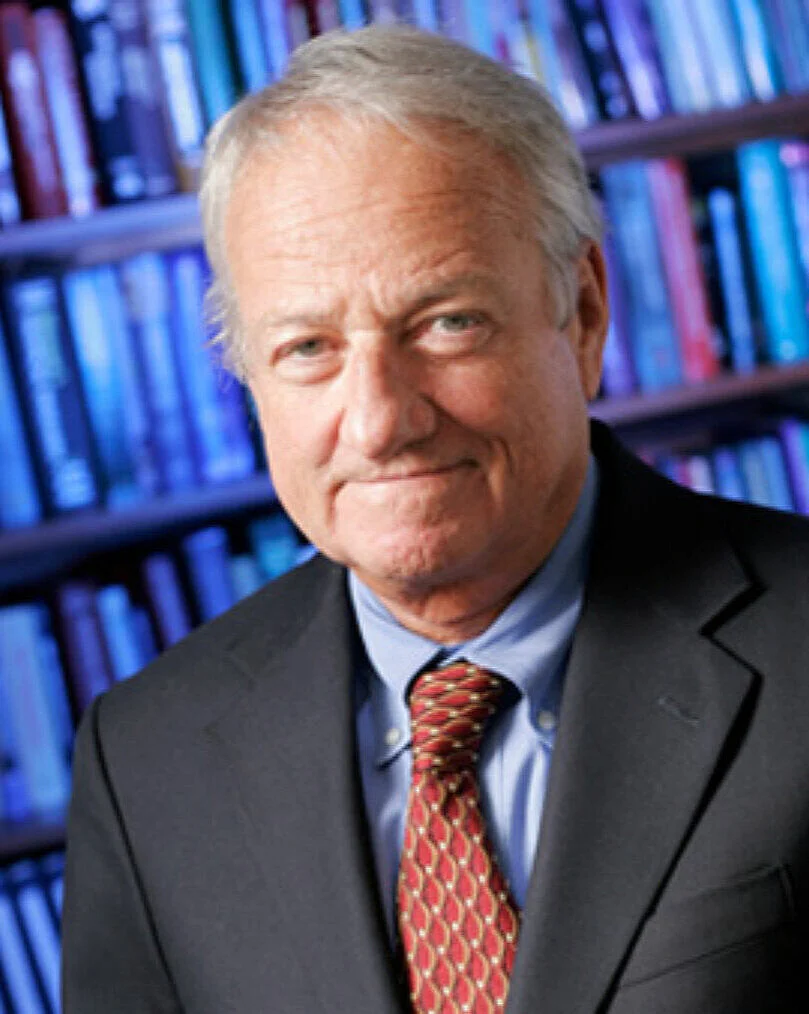
A pioneering neurologist who helped develop new treatments for Complex Regional Pain Syndrome (CRPS) has died. Robert Schwartzman, MD, passed away last week at the age of 81.

Dr. Schwartzman was an emeritus professor and former chair of the Department of Neurology at Drexel University College of Medicine in Philadelphia. He also taught and practiced medicine at Thomas Jefferson University, University of Texas Health Science Center, San Antonio and the University of Miami. He mentored hundreds of residents and colleagues, and authored several reference books on neurology.

The primary focus of Schwartzman practice and research was chronic pain, particularly CRPS (also known as Reflex Sympathetic Dystrophy or RSD), a chronic and severe pain syndrome affecting the nervous system.

At Jefferson University, Schwartzman founded the first CRPS clinic in the U.S. and pioneered the use of ketamine as a treatment for CRPS and other pain conditions.

“I met Dr Schwartzman in 2007 at a pain conference and joined the wait list to see him as my provider for RSD. I was finally able to so do in 2009. I shared what I learned with as many people as I could and continue to this day,” says PNN columnist Barby Ingle, founder and president of the International Pain Foundation. His impact will live on through patients like me.”

DR. ROBERT SCHWARTZMAN

DR. ROBERT SCHWARTZMAN

Ingle wrote about her first experience as a patient of Schwartzman in a PNN column. She went into the hospital in a wheelchair, but was able to walk out a week later after a series of ketamine infusions. She continues to get infusions regularly.

“He was a brilliant doctor and world expert on Reflex Sympathetic Dystrophy who's training and 40+ years of research help teach other providers who have also gone on to help millions of patients,” Ingle said in an email. “He will forever live in my heart as he is the provider who got me from my wheelchair and bed bound to walking and living life to my fullest. I will continue sharing his pioneering works and receiving his protocol for my infusion therapy. He is a treasure to our whole community.”   

“I didn't know him personally but I knew and respected his pioneering work,” says Lynn Webster, MD, past president of the American Academy of Pain Medicine. “He challenged our thoughts and understanding about how to treat the devastating disease of CRPS.  

“Dr. Schartzman took us into unexplored areas of how to treat a crippling disease. His work inspired me and countless others who have tried to implement his treatment approach for our own patients. He has given us a legacy of research that will be the foundation on which new discoveries about the mechanism and cure for CRPS will occur. The passing of Dr. Schwartzman is a huge loss for science and humanity.”

Schwartzman retired from clinical practice in 2013 and moved to Marco Island, Florida. Funeral arrangements are private. His family requests that any donations in his memory be made to any Florida wildlife or conservation charity.

Sales Reps Assist Surgeons During Implant Operations

By Fred Schulte, Kaiser Health News

Cristina Martinez’s spinal operation in Houston was expected to be routine. But after destabilizing her spine, the surgeon discovered the implant he was ready to put in her back was larger than he wanted to use — and the device company’s sales rep didn’t have a smaller size on hand, according to a report he filed about the operation.

Dr. Ra’Kerry Rahman went ahead with the operation, and Martinez awoke feeling pain and some numbness, she alleges. When Rahman removed the plastic device four days later and replaced it with a smaller one, Martinez suffered nerve damage and loss of feeling in her left leg, she claims.

Martinez is suing the surgeon, implant maker Life Spine Inc., and its distributor and sales representatives, alleging their negligence led to her injuries because the right part wasn’t available during her first surgery. All deny wrongdoing. The case is set for trial in November.

The lawsuit takes aim at the bustling sales networks that orthopedic device manufacturers have built to market ever-growing lines of costly surgical hardware — from spinal implants to replacement knees and artificial hips commonly used in operations. Sales in 2019 topped $20 billion, though covid-19 forced many hospitals to suspend elective surgeries for much of last year.

Device makers train sales reps to offer surgeons technical guidance in the operating room on the use of their products. They pay prominent surgeons to tout their implants at medical conferences — and athletes to offer celebrity endorsements. The industry says these practices help ensure that patients receive the highest-quality care.

But a KHN investigation found these practices also have been blamed for contributing to serious patient harm in thousands of medical malpractice, product liability and whistleblower lawsuits filed over the past decade.

Some patients allege they were injured after sales reps sold or delivered wrong-size or defective implants, while others accuse device makers of misleading doctors about the safety and durability of their products. Six multi-district federal cases have consolidated more than 28,000 suits by patients seeking compensation for injuries involving hip implants, including painful redo operations.

In other court actions, patients and whistleblowers repeatedly have accused device companies of failing to report injury-causing defects to federal regulators as required — or of doling out millions of dollars in illegal kickbacks to surgeons who agreed to use their products. Device makers have denied the allegations and many such cases are settled under confidential terms.

‘Inundated With New Implants’

At least 250 companies sell surgical hardware, and many more distribute it to doctors and hospitals across the country. Spine companies alone obtained more than 1,200 patents for devices in 2018, according to an industry report. Many come to market through a streamlined Food and Drug Administration process that approves their use because they are essentially the same as what is already being sold.

“In orthopedics, we are inundated with a multitude of new implants that debut each year,” Dr. James Kang, chairman of the orthopedic surgery department at Brigham and Women’s Hospital, remarked at a Harvard Medical School roundtable discussion published in 2019.

Kang said surgeons often rely on industry “reps” in the operating room for guidance because it is “usually burdensome and difficult” for surgeons to know “all of the intricate details and nuances” of so many products.

Martinez’s lawsuit says the process went awry during her 2018 spinal fusion in Houston, an operation in which an implant is inserted into the spinal column to replace a worn or damaged disc.

Martinez was under anesthesia, with her spine destabilized, when Rahman discovered the Life Spine surgical kit did not contain any implants shorter than 50 millimeters, or about 2 inches. That was too large, according to the complaint. Martinez, a former day care worker, blames her injuries on the redo operation, which replaced the implant with a 40 mm version Life Spine supplied later.

Through his lawyer, Rahman declined to comment. In court filings, the surgeon has denied responsibility. His operating notes, according to court pleadings, say he had ordered “all lengths available” of the implant through a Life Spine distributor and its sales reps. In a June court filing, Rahman contends the “small area of leg numbness experienced by Ms. Martinez was a known complication of the first surgery … and was not the result of any alleged negligence.”

In the court filing, Rahman also argues it was “appropriate” for him to rely on the sales reps and hospital staff to “inform him as to whether all materials and equipment needed for surgery were available.”

Illinois-based Life Spine also denies blame. In court filings, it says the sales reps initially ordered a sterile kit that included only implants from 50 mm to 55 mm long, which it duly shipped to Houston.

At the time of Martinez’s operation, Life Spine was the target of a sealed whistleblower lawsuit accusing it of paying improper consulting fees and other kickbacks to more than 60 surgeons who agreed to use its wares. Court records in the whistleblower case identify Rahman as one of the company’s paid consultants, although he and the other surgeons were not named as defendants.

Life Spine and two of its executives settled the matter in 2019 by paying a total of nearly $6 million. An orthopedic surgery expert hired by Martinez for her suit faulted Rahman for not making sure he had the right gear “prior to the start of surgery,” according to his report. The expert also criticized the sales rep for failing to bring “all available lengths to the procedure or to inform Dr. Rahman that the necessary implants were not available,” court records show. The sales rep and distributor denied any blame, arguing in court filings that they “met all applicable standards of care.”

Frenzied Competition for Sales

Major device makers train a corps of sales agents, some recruited right out of college, to cultivate and work closely with surgeons — one likened the relationship to a caddy and an avid golfer. Duties can include lugging 20-pound sets of surgical hardware to the operating room, assuring it is sterile and knowing its specifications, though the reps are not required to have medical training or credentials.

Stryker, one of the nation’s top four spine implant manufacturers, spends what it calls “a significant amount of time and money” to train reps. When hired, they typically “shadow” other reps for three to six months, then attend a 10-day intensive “Spine School” and other training. In all, the company said in a court filing, it typically takes eight to 18 months, often longer, to develop “long-term relationships” with customers.

For those who do, the jobs can pay handsomely. Veteran reps who influence which brands of hardware surgeons select command salaries and bonuses that can stretch into the low six figures and beyond, court records show.

The market is so hotly competitive that device makers typically require reps to sign contracts that prohibit them from working for a rival company in the same territory for a year or more — and aren’t shy about suing to fend off raids on their staffs, court records show.

In 2019, DePuy Synthes sued an Alabama sales rep who jumped ship, blaming him for stealing away accounts “worth millions of dollars practically overnight.” An arm of health care giant Johnson & Johnson, DePuy Synthes filed at least two dozen similar suits from 2014 through the end of 2020, court records show. Most, including the case of the Alabama sales rep, have been settled under confidential terms.

Some companies have spent lavishly to poach experienced sales agents — practices that can violate business conduct laws. One allegedly paid a New York sales pro a “staggering, seven-figure signing bonus.” Another is said to have dangled an $800,000-a-year job as “director of surgeon education,” while a gambit to make inroads in the Phoenix market dubbed “Sun Devil” guaranteed a branch manager a $500,000 annual salary, court records show. Another promised a sales agent $900,000 paid out over three years.

Whistleblowers and government investigators have argued for years that so much money changing hands can lead to kickbacks or other marketing schemes that corrupt medical judgment and endanger patients. Some injury suits also have blamed sales reps and distributors for staying mum about product deficiencies they observed in the operating room. These cases often are settled with no admission of wrongdoing.

Sometimes, surgeons help promote implants at medical meetings and other gatherings. Orthopedic surgeons and neurosurgeons received a total of about $511 million in industry consulting fees from 2013 through 2019 and nearly $300 million more for “serving as faculty or speaker” at industry-sponsored events, a KHN analysis of government data found.

Dozens of lawsuits have taken aim at Indiana device maker Biomet’s advertising a hip replacement for “younger, more active patients” that showcased Olympic gold medal gymnast Mary Lou Retton. One ad says “Mary Lou lives pain-free, and so should you.” Yet Retton suffered painful heavy-metal poisoning requiring the implant’s removal and sued the company for damages, according to court records. Retton said she and Biomet settled the suit in 2019 under confidential terms.

Defects Ignored or Downplayed

Whether touted by renowned surgeons or celebrities, orthopedic surgery marketing materials stress quick improvement in a person’s quality of life. That proves true for most patients. Yet researching how often implants fail or cause life-changing injuries — and which brands have the best safety records — can be daunting.

The FDA requires device makers to advise the agency of information “that reasonably suggests” a device they sell “may have caused or contributed to a death or serious injury or has malfunctioned” in a way that could recur. The FDA posts the reports on a public website, with the caveat that they may convey “incomplete, inaccurate, untimely, unverified, or biased data.”

KHN found that thousands of malpractice and product liability lawsuits have accused device marketers of concealing or downplaying hardware defects, leaving patients and their doctors in the dark about possible risks. In many cases, these claims are bolstered by company records, or actions by state or federal regulators.

In 2019, for instance, DePuy Synthes paid $120 million to settle a lawsuit filed by 46 state attorneys general; the suit accused the company of advertising that a replacement hip it sold lasted three years in 99.2% of operations, when it knew of data showing that 7% had failed within that time. The company did not admit wrongdoing in settling the case.

British device company Smith & Nephew faces a federal civil proceeding comprising nearly 1,000 injury suits, including one that says the company “underreported and withheld” notices of malfunctions and “willfully ignored the existence of numerous complaints about [its] failures.”

An expert hired by the patients cites a company audit showing “significant adverse events” were logged from two days to 142 days late, while a corporate memo circulated among executives to push sales was titled “Milk the Cash Cow,” according to court records. Smith & Nephew has denied the allegations and in one court paper called the expert’s opinions “speculative.”

John Saltis is suing spinal device company NuVasive over its handling of his complaint that a screw holding his spinal implant in place snapped in May 2016, about 17 months after his operation.

Saltis, 68, was two hours into his workday as a toolmaker at General Electric in Rutland, Vermont, when he felt sharp pain in his neck and shoulder, bad enough to send him to the hospital emergency room. X-rays revealed the screw had broken and, according to Saltis, fractured vertebrae in the process.

Saltis said the San Diego-based device company told the FDA the incident caused no harm. But Saltis said he has lingering numbness and pain in his right hand. As a result, he said, his lifestyle has “changed dramatically.”

“I miss things like bowling and playing toss with my grandkids,” he said.

Hans Pennink for KHN

Hans Pennink for KHN

In 2019, Saltis sued NuVasive without a lawyer, hoping to show the $600 screw was defective. In a court filing, NuVasive said Saltis is arguing “the screw is defective because it broke.” That’s not good enough, according to NuVasive, which argues that Saltis must show the screw was “unreasonably dangerous” to press his claim. In late June, a federal judge agreed and dismissed the suit, though she allowed Saltis to amend his complaint, which he is pursuing. The case is pending.

A Push for Change as Pandemic Eases

As hospitals resume elective operations stalled by the coronavirus, some industry critics see an opportunity to rethink orthopedic surgery practices — from sales to tracking of injuries.

Some want to keep industry reps out of operating rooms and place tighter restrictions on their access to hospitals. They say the current system needlessly drives up health care costs and exposes patients to risks such as infection from extra people in the operating room.

Sales reps say their technical knowledge and skills make operations safer for patients and note that many surgeons enjoy the security of having them present in the operating room. Reps also say they perform tasks that hospitals would need to hire additional personnel to do, such as keeping track of device inventories.

“The industry has embedded reps into the supply chain, and it is a hard culture to break,” said Itai Nemovicher, president of the Orthopaedic Implant Co., which seeks to produce lower-cost implants.

Yet guidelines for “reentry” after covid put out by AdvaMed and the American Hospital Association say medical device reps should deliver “services, information and support remotely whenever possible.” The guidelines advise hospitals to use videoconferencing gear when it “does not compromise patient safety or privacy.”

Dr. Adriane Fugh-Berman, a professor of pharmacology and physiology at Georgetown University, said device reps are viewed as part of the operating room team even though they are there to sell products.

“That is pretty horrifying from a patient’s point of view,” said Fugh-Berman. “Relying on sales reps in the OR is appalling. We need to come up with a better system.”

Greater transparency might have helped Little Rock, Arkansas, resident Christopher Paul Bills. He sued Consensus Orthopedics, the maker of a hip implant system that he alleged failed and sent metal through his hip joint that his surgeon said in 2016 looked “as if a bomb had gone off.” An Australian registry that tracks outcomes of operations identified the implant as having a “higher number” of hip failures compared with other manufacturers, according to the suit.

Bills underwent four operations and spent more than a year in the hospital and in rehabilitation, costs borne by Medicare and private insurance.

“Mr. Bills was left with no right hip at all and his surgeon does not plan to install a replacement hip,” the suit says. Bills uses an electric scooter to get around and hopes to graduate to hand-held crutches. “Since his right leg is useless, he will require a vehicle with hand-controls to drive,” according to the suit. The company disputed Bills’ claims and denied its hip system had any defects.

The case ended in 2019 when Bills died of cancer unrelated to his operations, said his lawyer, Joseph Saunders. “He never did get justice,” Saunders said.

Kaiser Health News is a national health policy news service. It is an editorially independent program of the Kaiser Family Foundation, which is not affiliated with Kaiser Permanente.

Who Gets Rx Opioids and Who Doesn't

By Pat Anson, PNN Editor

Although opioid prescriptions in the U.S. have fallen by 40% since 2011 and now stand at their lowest level in 20 years, it’s still common to see claims that opioids are “overprescribed.”  

“Doctors And Dentists Still Flooding U.S. With Opioid Prescriptions” was the headline used by National Public Radio for an in-depth look at opioid prescribing practices.

“Public data, including new government studies and reports in medical literature, shows enough prescriptions are being written each year for half of all Americans to have one,” NPR reported in 2020. “Patients still receive more than twice the volume of opioids considered normal.”

A new study by the CDC gives some much-needed context to the myth that opioid prescriptions are flooding America. Over the past decade, the so-called flood has turned into a trickle for the vast majority of chronic pain patients – the people most in need of effective analgesia.  

The CDC study, which is based on the 2019 National Health Survey, found that only about one in five chronic pain patients – 22.1 percent – had used a prescription opioid in the past 3 months. In other words, it is “normal” for pain patients not to get opioids. 

A previous study that looked at opioid prescriptions in 2010 found that 36.4 percent of patients with chronic non-cancer pain were prescribed an opioid.  While there are differences in methodology between the two studies, the data seems to confirm that there has been a shift in prescribing practices over the past decade. Pain patients are significantly less likely to get an opioid prescription today than they were in 2010.

The new CDC study is also the first to take a deep dive into the demographic and socioeconomic characteristics of opioid recipients -- how age, sex, insurance, income, education and other factors make patients more or less likely to take opioid medication. Considering how much attention has been paid to opioid prescribing over the last decade, it’s surprising no one has looked into this before.

Researchers found that you are more likely to use prescription opioids if you are female, aged 45-64, unemployed, live in a rural area, and a Medicaid or Medicare beneficiary.  Being Black, White, a non-veteran, and living below the federal poverty level also makes you more likely to take a prescription opioid.

YOU ARE MORE LIKELY TO TAKE Rx OPIOIDS IF YOU ARE ...

SOURCE: CDC

Conversely, you are less likely to take prescription opioids if you are male, aged 18-29, employed, a military veteran, privately insured, and live in a household at least 200% above the federal poverty level. Being Hispanic, uninsured, having a college degree, and living in a large metropolitan area also makes you less likely to use opioid medication.   

YOU ARE LESS LIKELY TO TAKE Rx OPIOIDS IF YOU ARE ...

SOURCE: CDC

The CDC study did not look what type of chronic pain condition a patient had or how long they had it. It’s possible the condition itself led to someone becoming unemployed, disabled and poor, or that some other factor is at work. Military veterans, for example, have high rates of chronic pain but get fewer prescriptions because the Veterans Administration strongly discourages the use of opioids.

Researchers also relied on patient “self reports” and did not compare their answers with prescription records. Given the stigma association with opioids, it’s possible some patients may have answered “no” to opioid use, when in fact they used the drugs.

No study is without limitations, but this one shows some clear disparities between who uses opioid prescriptions and who does not. Poverty, lack of education and unemployment may have more to do with pain, drug use and “overprescribing” than policy makers and anti-opioid zealots have been willing to admit.

The Overdose Crisis Is Misunderstood

By Roger Chriss, PNN Columnist

As U.S. opioid lawsuits wind down with multi billion dollar settlements, there are increasing calls for more measures to address the overdose crisis. The calls range from further tightening opioid prescribing practices to legalizing cannabis and other drugs, all in the hope of stemming the rising tide of addiction and overdoses.

The standard view of the crisis is of a simple system, described in mechanistic terms like supply and demand or “stock and flow.” There are a handful of policy levers, and pulling on a lever will hopefully create a proportional change in the crisis.

Obviously, this approach hasn’t worked. The U.S. has reduced opioid prescribing by over 40% and seen no improvements in overdoses. By contrast, Germany is the world’s second-largest user of prescription opioids and does not have an opioid crisis.

Many U.S. states have legalized cannabis, in part as a solution to the crisis. But in the wake of cannabis legalization there are even more overdose fatalities, to such an extent that cannabis is now viewed as possibly making the opioid crisis worse.

There are also claims that prohibition is the problem and that full drug legalization is the remedy. But the legal status of tobacco and alcohol can hardly be called a public health success.

Drug abuse does not occur in a social or technological vacuum. The development of the hypodermic syringe helped morphine and heroin become street drugs, the cigarette rolling machine enabled the modern tobacco disaster, and the advent of the vape pen and synthetic cannabinoids is causing new public health problems.

The Crisis Is Not an Epidemic

All of this suggests that the current understanding of the overdose crisis is mistaken. We’ve been treating the crisis as if it were an “epidemic” caused by a single pathogen, spread through one form of transmission, and treatable with one intervention. But the overdose crisis is not an epidemic in the strict sense of the word.

Instead, it is better to think of the world of drugs as resembling a tropical country with an abundance of parasites and pathogens. Such a country is beset with viral, bacterial and fungal threats coming from a vast variety of sources. With each season the threats shift, and over the years the threats change. But they are always there, and must always be addressed.

In such a country there is no one policy lever or regulatory dial that will control outcomes. Such a country is a highly complex nonlinear dynamical landscape that is very sensitive to small changes in fundamentally unpredictable ways. Moreover, the landscape will offer up novel threats and surprises far more frequently and less predictably than intuition would suggest.

As a result, even a small change in policy can easily have unexpected effects downstream, often unintended and maybe even tragic. For instance, public health policy meant to reign in prescribing for chronic pain has impacted cancer and palliative care. And tapering patients has resulted in more mental health crises and overdoses.

This conceptual difference means that simple solutions like fentanyl test strips or urine drug testing will not end the crisis. They may help on the margins, but to expect more is to misunderstand the nature of the crisis. And even if a bold stroke does help, it only does so briefly. And then the landscape offers new challenges that must be spotted swiftly and addressed adroitly.

The world of drugs can only be managed through comprehensive efforts at prevention, monitoring and treatment with support from local communities and society at large. Countries without an overdose crisis are notable not only for doing many things the U.S. does not, but also for pursuing their efforts consistently year after year.

The overdose crisis will keep evolving as more drugs are developed and delivered to an ever-changing world of drug use. Neither lawsuits nor legalization address the core of the crisis. In the U.S. there are too many charismatic crusaders brandishing simple solutions. But in public health there are very few heroes who understand the complex nature of the problem.

Roger Chriss lives with Ehlers Danlos syndrome and is a proud member of the Ehlers-Danlos Society. Roger is a technical consultant in Washington state, where he specializes in mathematics and research.   

Why Covid Infections Leave Some Patients in Chronic Pain

By Gabriella Kelly-Davies, PNN Columnist

Around the world many people who have recovered from even mild episodes of COVID-19 are presenting to doctors with unrelenting headaches, persistent and intense muscle and joint pain, and other forms of chronic pain that mimic conditions such as fibromyalgia.

Professor Gregory Dore, from the University of New South Wales’ Kirby Institute, is studying the health of people recovering from COVID-19. Known as ADAPT, the study started enrolling patients last year at St. Vincent’s Hospital in Sydney during the first wave of the pandemic in Australia. Most of the patients reported mild or moderate COVID symptoms.

One aspect of the ADAPT study is looking at neurological markers that reflect inflammation in the nervous system. The results aren’t public yet, but Dore says the findings are consistent with neuro-inflammation, which can appear in conditions such as persistent headache and nerve pain.

“We are seeing many patients with headaches so severe they require an MRI,” Dore said. “Headache can be part of the acute illness, but it is also persisting in many patients months after they recovered from the initial infection. It’s much more prevalent than in the general population.”

Dore is surprised by the number of “long haul” COVID patients who are presenting with ongoing neurological conditions four and eight months after they recovered from the initial infection.

“This was a pretty healthy group,” he said. “Most of the people we saw in the first wave of COVID were coming back from overseas. They were doing things like skiing and traveling and were a healthy bunch. I initially thought most people would have recovered by six months, but it seems to be ongoing. Immunology tells us there could be an ongoing immune response that is causing the neurological conditions, including pain.”

Neurological Infections

Dr. Daniel Carr, a prominent American pain specialist at Tufts University School of Medicine, says there are three primary mechanisms underpinning chronic pain after an acute COVID infection.

One is a direct attack by the virus on a variety of tissues such as nerves, the spinal cord and brain. Another is overactive inflammatory cascades attacking the body’s tissues and organs. This means one area of inflammation can ignite another in a continuous chain reaction and spread throughout the body. The third way is excessive blood clotting provoked by the virus, which may lead to gangrene, limb amputation and phantom limb pain.

Professor Bart Morlion, former president of the European Pain Federation and Director of the Leuven Center for Pain Management in Belgium, agrees. In the rehabilitation centre at his hospital, he is seeing patients with three forms of chronic pain following an acute COVID infection. Nerve pain is common because if the virus attacks the spinal cord, it can leave the patient with scarring of the spinal cord and intractable pain.

“I’ve seen patients who developed paraplegia because of an acute inflammation of the spinal cord induced by COVID-19, which is comparable to what we see in paraplegic patients after spinal cord injury,” Morlion explained. “There are also cases of encephalitis, meaning the virus infected brain tissue.”

The same is true when the COVID infection triggers a stroke. Patients can develop chronic nerve pain or widespread pain throughout the body, which is difficult to manage.

Morlion has seen several patients who have secondary pain problems after a COVID infection. Some patients developed thromboembolism – a closure of their arteries and small blood vessels – and developed gangrene in their limbs. To save their lives, surgeons had to amputate their arms or legs.

“We have patients in rehabilitation who lost both legs and arms because of COVID,” Morlion said, “and they have developed phantom limb pain.”

COVID patients who stayed in intensive care on a ventilator for an extended period are also ending up with chronic pain conditions. Morlion has treated many patients who’ve developed a painful infection of the small fibres in the nervous system. Patients who lay flat their stomachs while in intensive care to enhance their breathing are also developing chronically painful shoulders and elbows because of damage to the joints and nerves.

“If an intensive care nurse had to take care of five patients who required turning every few hours, then it happens that for instance, the elbow isn’t protected enough, leading to ‘park bench syndrome’ where the patient gets a chronically numb and painful little finger, because of the prolonged pressure on their elbow,” Morlion said. “Turning itself is always a risk for nerve and joint damage because these patients are floppy and can’t move into a comfortable position.”

COVID is also intensifying pre-existing pain conditions. One-fifth of the world’s population live with chronic pain, and Morlion is seeing many of these patients in his pain centre because their previously well managed chronic pain has increased by orders of magnitude after recovering from an acute COVID infection.

Dr. Marc Russo, an Australian pain physician, believes that special research units need to be set up to enable doctors to collect data on chronic pain conditions so dedicated treatments can be designed.

“We need one in Sydney and another in Melbourne that are multidisciplinary and include a pain physician, immunologist, infectious disease physician, rehabilitation physician and nursing case manager,” he said.

Chronic pain was already one of the major causes of disability before COVID-19, but it looks like the pandemic has swelled the number of people living with intractable pain. Our health systems must invest in the multidisciplinary pain management services needed to ease the  suffering caused by the multiple pain conditions resulting from COVID infection.

Gabriella Kelly-Davies is a PhD student at Sydney University who lives with chronic migraine.

Gabriella is the author of “Breaking Through the Pain Barrier,” a biography of her physician, Dr. Michael Cousins, who co-founded Painaustralia and is a world renowned expert in pain management.

Study of Fibromyalgia Drug Continues Despite Disappointing Results

By Pat Anson, PNN Editor

New Jersey-based Tonix Pharmaceuticals says it will proceed with a Phase 3 study of a drug to treat fibromyalgia, despite disappointing results that caused the company to stop enrolling new patients.

Based on an interim analysis of the first 337 participants enrolled in the RALLY study, an independent data monitoring committee found that TNX-102 SL was unlikely to demonstrate a statistically significant improvement in pain compared to placebo. No issues were reported on the safety of the drug.

The finding of the monitoring committee is somewhat surprising, because Tonix recently reported results from another Phase 3 study, which found that TNX-102 SL significantly reduced pain compared to placebo and also improved sleep, fatigue and function in fibromyalgia patients.

“We are surprised and disappointed that the interim analysis did not support continued enrollment in this Phase 3 RALLY study, especially considering the previous Phase 3 RELIEF study, which had a similar design and achieved statistical significance on the primary endpoint,” said Seth Lederman, MD, President and CEO of Tonix. “These results underscore the difficulty in managing and treating fibromyalgia.”

Lederman said the company would continue its Phase 3 trial with the patients who are already enrolled and report the results in the fourth quarter of 2021. It will then determine its next steps.

TNX-102 SL is a sublingual tablet formulation of cyclobenzaprine hydrochloride, a muscle relaxant and anti-depressant that’s being evaluated as a daily bedtime treatment for fibromyalgia. The goal is to see if TNX-102 SL helps fibromyalgia patients sleep better.  In addition to fibromyalgia, TNX-102 SL is also being considered as a treatment for post-traumatic stress disorder (PTSD), alcohol use disorder and agitation in Alzheimer’s disease.

Fibromyalgia is a poorly understood disorder characterized by widespread body pain, fatigue, poor sleep and depression. The National Institutes of Health estimates about 5 million Americans have fibromyalgia. Most people diagnosed with fibromyalgia are women, although men and children can also be affected.

The FDA has approved only three drugs to treat fibromyalgia; the antidepressants duloxetine (Cymbalta) and milnacipran (Savella), and the anti-seizure medication pregabalin (Lyrica). Many fibromyalgia patients say the drugs are ineffective and have unwelcome side effects. A recent analysis found little evidence to support the long-term use of any medication or therapy to treat fibromyalgia.

Opioid Tapering Raises Risk of Overdose and Mental Health Crisis

By Pat Anson, PNN Editor

Taking a patient off opioid medication or reducing their dose – a practice known as opioid tapering – significantly raises the risk of a non-fatal overdose or mental health crisis, according to a large new study.

Researchers at University of California Davis looked at medical and pharmacy claims for over 113,000 patients on long-term opioid therapy at a dose of at least 50 morphine milligram equivalents (MME) per day. About 25% of those patients were tapered.

The study findings, published in JAMA, show that tapered patients were 68% more likely to be treated at a hospital for opioid withdrawal, drug overdose or alcohol intoxication, and they were twice as likely to have a mental health crisis such as depression, anxiety or suicide attempt.

“Our study shows an increased risk of overdose and mental health crisis following dose reduction. It suggests that patients undergoing tapering need significant support to safely reduce or discontinue their opioids.” said first author Alicia Agnoli, MD, an assistant professor at UC Davis School of Medicine. “We hope that this work will inform a more cautious and compassionate approach to decisions around opioid dose tapering.”

Agnoli and her colleagues found that patients on high daily doses who were tapered rapidly were more likely to overdose or have a mental health crisis.

“I fear that most tapering patients aren’t receiving close follow-up and monitoring to make sure they’re coping well on lower doses,” said senior author Joshua Fenton, MD, professor and Vice Chair of Research in the Department of Family and Community Medicine at UC Davis.

The UC Davis study is the largest to date to examine the impact of tapering on patients. Previous studies were generally small, poor quality or limited in scope.

“The paper is well done,” says Stefan Kertesz, MD, an associate professor at the University of Alabama at Birmingham School of Medicine, who is currently leading a study of pain patient suicides. Kertesz said it’s important to remember that people on high opioid doses are usually quite sick. Any abrupt discontinuation of therapy for them is going to be risky.

“People who have been on opioids at a relatively high dose are people who have significant risk. They have significant risk of bad things happening. Whether that’s due to the opioids or not is debatable,” Kertesz told PNN. “This is a group of people who often have high medical morbidity, high disability and high psychological vulnerability. Those risks remain after opioids are stopped or maybe become even worse.”

‘My Life Has Been Ruined’  

The 2016 CDC opioid guideline led to significant increases in tapering, as many doctors, pharmacies, insurers and states adopted its recommendation to limit opioids to no more than 90 MME a day — in many cases even smaller doses.

Three years after the guideline’s release, the Food and Drug Administration warned doctors to be more cautious about tapering after receiving reports of “serious harm in patients who are… suddenly having these medicines discontinued or the dose rapidly decreased.”   

In a recent PNN survey of over 3,600 pain patients, nearly 60% said they were taken off opioids or tapered to a lower dose against their wishes. Nearly every respondent who was tapered said their pain levels and quality of life were worse.

“My life has been ruined by the involuntary opioid medicine taper I have been forced to undergo. I spend so much more time in severe pain, in bed. I no longer can participate in most activities with friends and family. I am so unhappy,” one patient told us.

“I was force tapered to 2/3 of my pain medications. I had been on the same dosage for 8 years without problems. Eight months after being tapered, I developed AFib (atrial fibrillation) and I believe it was due to stress and anxiety of under treated pain,” wrote another patient.

“My pain management doctor tapered my meds by 80% and I had no choice but to accept it.” said another patient. “I have declined so much due to CDC Guidelines that I have become completely homebound and have lost any chance I had for quality of life.”

“I was rapidly tapered without monitoring or concern for my health, pain level, mental health or ability to function,” another patient wrote. “The CDC guideline is completely responsible for increased stigma, patient abandonment, reduced access to care, increase in disability, forcing patients to the black market and to much more affordable but dangerous heroin, and sadly to suicide because the suffering is too great.”

CDC Guideline Revision

The CDC has acknowledged its 2016 guideline caused “unintended harms” and is now in the process of revising its recommendations. But the current draft revision contains the same dose thresholds as the original guideline. That’s drawn criticism from the Opioid Workgroup, an independent panel advising the CDC on the guideline update.

“Many workgroup members voiced concern about the dose thresholds written into the recommendation. Many were concerned that this recommendation would lead to forced tapers or other potentially harmful consequences,” the workgroup said in in a report last month.

In crafting its original guideline, the CDC relied on several researchers and advisors who were critical of opioid prescribing practices. One of them is Roger Chou, MD, a primary care physician who heads the Pacific Northwest Evidence-based Practice Center at Oregon Health & Science University. Chou is not only one of the co-authors of the 2016 guideline, he’s currently involved in efforts to revise it.

As PNN has reported, Chou has numerous ties to Physicians for Responsible Opioid Prescribing (PROP), an anti-opioid activist group that publicly advocates for forced tapering. In 2019, Chou co-authored an op/ed with PROP President Dr. Jane Ballantyne and PROP board member Dr. Anna Lembke that encourages doctors to consider tapering “every patient receiving long term opioid therapy.”

Chou also belonged to a state task force in Oregon that recommended a mandatory opioid tapering policy for Medicaid patients.  

“I can’t tell you whether the tapers I do in my practice are voluntary or involuntary,” Chou told The Bend Bulletin in 2019. “I don’t think there’s anything compassionate about leaving people on drugs that could potentially harm them.”

In a 2017 tweet, PROP founder Andrew Kolodny, MD, challenged the idea that anyone was being harmed by opioid tapering.

“Outside of palliative care, dangerously high doses should be reduced even if patient refuses. Where exactly is this done in a risky way?” wrote Kolodny. “I’m asking you to point to a specific clinic or health system that is forcing tapers in a risky fashion. Where is this happening?”

The UC Davis study appears to have answered Kolodny’s question. It’s happening everywhere.

“This study adds to a growing body of retrospective cohort studies that have identified harms associated with opioid tapering,” lead author Marc Larochelle, MD, wrote in a JAMA editorial that urged tapering policies be reconsidered.

“It is increasingly clear that opioid tapering needs to be approached with caution. In almost all cases, rapid or abrupt discontinuation should be avoided.”

KOLODNY FORCED TAPERING.jpg

How to Recognize and Treat Intractable Pain Syndrome

By Forest Tennant, PNN Columnist

About one year ago we launched our Intractable Pain Syndrome (IPS) Research and Education Project to bring awareness, diagnosis and treatments to persons who have this merciless condition. Much has been learned in the past year. 

Our original impetus and investigation of chronic pain revealed that some rare patients transform from a state of periodic pain to constant, never-ending pain. Once this constant intractable pain begins, patients often deteriorate, become reclusive, have a shortened life, and some may even commit suicide. Why and how this transformation occurs remained a mystery for many years. 

A major research advance in the past year is the role of autoimmunity, which is the presence of antibodies in the blood that attack one’s own tissues. Autoimmunity is so universal in IPS that we now believe that autoimmunity, plus excess electrostimulation from a disease or injury,  to be the root cause of transformation from simple chronic pain to IPS.  

Recognition of IPS 

The number one challenge in managing and controlling chronic pain is to determine if a person has transformed from simple chronic pain to IPS. Although the scientific documentation is quite sound, there is some resistance in the medical community to the discovery that chronic pain can cause a profound biologic change in multiple bodily systems. These changes may be called “alterations” or “complications,” but the fact is that a chronic pain condition can morph into IPS with cardiovascular, endocrine, and autoimmune manifestations.

The table below shows some of the differences between IPS and simple chronic pain:

The Importance of an IPS Diagnosis

The most common complaint that we receive from persons with IPS is that they can’t get enough opioid and other pain relief medications. The federal government, state medical boards, malpractice insurance carriers, and other health insurers often restrict the number of pills and dosages that can be prescribed and dispensed. As a result, many pain clinics and specialists will only do interventional procedures such as injections or implant stimulators, and will only prescribe limited amounts of opioids, if any.

In order to obtain opioids and some other drugs, particularly benzodiazepines, persons with IPS will need diagnostic tests and a specific, causative diagnosis to prove they have a legitimate medical disorder that will permit their physician to prescribe limited amounts of opioids and benzodiazepines. The major causes of IPS are:

  • Adhesive Arachnoiditis

  • Connective tissue or collagen disorder (Ehlers Danlos Syndrome)

  • Stroke or traumatic brain injury

  • Arthritis due to a specific cause

  • Neuropathy due to a specific cause (CRPS, cervical, autoimmunity)

Less prevalent, but serious causes of IPS are sickle cell disease, porphyria, pancreatitis, abdominal adhesions, interstitial cystitis, and lupus. 

Your primary diagnosis will have to be validated by MRI, X-ray, biopsy, and/or photographs. Medical records must document the diagnosis. You should have a hard copy and hand-carry a set of your records to all medical appointments.

These diagnoses will not usually be acceptable to obtain opioids because they are too “non-specific” or general:

  • Failed back syndrome

  • Degenerative spine

  • Fibromyalgia

  • Central pain

  • Headache

  • Neuropathy.

How to Cope with Opioid Restrictions

Most local physicians are still able to prescribe two weak opioids: tramadol and codeine-acetaminophen combinations. While weak, they are better than nothing, and you may be able to build a pain control program with one or both medications.

If you have good medical records that document the causes and complications of your IPS, some medical practitioners will prescribe these opioids: 

  1. Hydrocodone-acetaminophen (Vicodin, Norco) 3-4 a day 

  2. Oxycodone-acetaminophen (Percocet) 3-4 a day 

  3. Oxycodone alone, 2 to 3 a day

You may be able to boost the potency of opioids with what is called potentiators and surrogates. These drugs and supplements have opioid-like effects known in pharmacology as “opioid activity.” They can be taken separately between opioid dosages, or they can be taken at the same time, to make your opioid stronger and last longer.

  • Kratom

  • Palmitoyethanolamide (PEA)

  • Cannabis/CBD

  • Taurine

  • Amphetamine Salts (Adderal)

  • Tizanidine

  • Methylphenidate (Ritalin) 

  • Clonidine

  • Diazepam 

  • Carisoprodol

  • Ketamine

  • Oxytocin

Although the restrictions on opioids and benzodiazepines are perhaps unfair and an over-reach for legitimate persons with IPS, there are steps you can take to function with these restrictions.

One is to build a comprehensive, healing, and tailor-made program that will allow you to cope with fewer opioids and benzodiazepines. We’ve written previously about the importance of an IPS nutrition program. Pain relief medications are not very effective unless you have good nutrition.

There are also exercises and physical measures you can take that enhance pain control, such as walking, arm and leg stretching, water soaking, deep breathing, rocking, and gentle bouncing. Supplements can also be taken to help suppress inflammation and autoimmunity, regenerate nerve tissue and provide some pain relief.

Forest Tennant is retired from clinical practice but continues his research on intractable pain and arachnoiditis. This column is adapted from newsletters recently issued by the IPS Research and Education Project of the Tennant Foundation. Readers interested in subscribing to the newsletter can sign up by clicking here.

The Tennant Foundation gives financial support to Pain News Network and sponsors PNN’s Patient Resources section.   

Covid Renews Interest in Radon Health Mines

By Katheryn Houghton, Kaiser Health News

Twice a year, Brian Tichenor makes the 1,200-mile drive each way from his home in Kansas to a defunct uranium mine in Montana, where he takes an elevator 85 feet below the surface to sit amid radioactive radon gas to ease the pain from his chronic eye condition.

“I found it like I think a lot of people do,” said Tichenor, 67. “It’s a point of desperation with conventional treatment.”

While radon is commonly known as a hazardous gas removed from basements, people in pain travel to Montana and pay to breathe, drink and bathe in its radioactive particles. The travelers view the radon exposure as low-dose radiation therapy for a long list of health issues.

But the Environmental Protection Agency and the World Health Organization, among others, blame the gas as the second-leading cause of lung cancer.

Although cancer doctors use radiation as a front-line treatment to destroy dangerous cells, its role in the U.S. in low doses for other ailments is disputed. The pandemic has recharged that debate as clinical trials across the world test whether low doses of radiation can help treat covid-19 patients.

Katheryn Houghton (KHN)

Katheryn Houghton (KHN)

But radon gas isn’t the same radiation U.S. doctors use, radiation experts caution. Radon is just one of the radioactive chemical elements and, because it’s a gas, it can be inhaled, making it particularly dangerous. Sitting in a radon-filled room and targeted radiation treatment in a medical facility are as different as “chalk and cheese,” said Brian Marples, a professor of radiation oncology at the University of Rochester.

“In clinical therapy, we know exactly what the dose is, we know exactly where it’s going,” he said.

Marples said much of the argument for radon’s therapeutic use relies on historical reports, unlike evidence-based research on clinical radiation. Still, some radiation experts are split on what level of radon should be deemed dangerous and whether it could have positive health effects.

Another concern: The radon treatment in the mines is largely unregulated. The Montana Department of Public Health and Human Services doesn’t have the authority to permit or license the mines, though department spokesperson Jon Ebelt said the adverse health risk from exposure is well known. The EPA also doesn’t have the power to mandate limits on radon.

‘Fountain of Youth’

Nonetheless, each year travelers head to western Montana, where four inactive mines flush with radon are within 11 miles of one another near the rural communities of Basin and Boulder. Day passes range from $7 to $15. The gas naturally forms when radioactive elements in the mountains’ bedrock decay.

Outside the Merry Widow Health Mine, a billboard-like banner announces “Fountain of Youth. FEEL YOUNG AGAIN!” Inside its tunnels, water seeps from the rock walls.

Those who want full immersion can slip into a clawfoot tub filled with radon-tainted water. People soak their feet and hands in water or simply sit and work on a puzzle. On a bench sits a printout of a Forbes article on clinical trials that show low-dose radiation could be a treatment for covid-19.

To owner Chang Kim, 69, his business is a mission, especially for those with chronic medical conditions such as arthritis or diabetes. Those who swear by radon therapy say that, in low doses, a little stress on the body triggers the immune system to readapt and reduces inflammation.

“The people coming to the mines, they’re not stupid,” Kim said. “People’s lives are made better by them.”

He learned about the mines 14 years ago when he and his wife, Veronica Kim, lived in Seattle and a connective tissue disease crumpled Veronica’s hands and feet. Traditional medicine wasn’t working. After two sessions a year in the mines ever since, Veronica smiles when she shows her hands.

Katheryn Houghton (KHN)

Katheryn Houghton (KHN)

“They’re not deformed anymore,” she said, adding she’s been able to cut down on her use of meloxicam, a medication to reduce pain and swelling.

Tichenor said going to a mine with radon over six years has been one of the few things to calm his scleritis, a disorder that causes pain he describes as ice picks stabbing his eyes. As for its potential danger, he said radon treatment is just like any medication: Too much can cause harm. He and other radon users point to European countries such as Germany, where the therapy may be controversial but doctors still can prescribe radon treatments for various conditions that insurance may even cover.

(For another look inside the Merry Widow Health Mine, see this 2016 PNN story)

How Much Radiation Is Safe?

In the U.S., the EPA maintains that no level of radon exposure is risk-free even though everyone encounters the element in their lives. The agency notes radon is responsible for about 21,000 lung cancer deaths every year. It recommends that homeowners with radon levels of 4 picocuries per liter or more should add a radon-reduction system. By contrast, the owners of Montana’s oldest radon therapy mine, Free Enterprise Radon Health Mine, said their mine averages around 1,700.

Monique Mandali said the federal guidelines are “a bunch of baloney.” Mandali lives in Helena, about 40 minutes from the mines, and tries to fit in three sessions at Free Enterprise a year — 25 hours of exposure spread out over 10 days for arthritis in her back.

“People say, ‘Well, you know, but you could get lung cancer.’ And I respond, ‘I’m 74. Who cares at this point?’” she said. “I’d rather take my chances with radon in terms of living with arthritis than with other Western medication.”

Antone Brooks, formerly a U.S. Department of Energy scientist who studied low-dose radiation, is among those who believe the federal government’s no-level-of-radon-exposure stance goes too far. He pointed to research that indicates low doses of radiation potentially turn on pathways within bodies that could be protective. Though what’s considered a “low dose” depends on who’s talking.

“If you want to go into a radon mine twice a year, I’d say, OK, that’s not too much,” he said. “If you want to live down there, I’d say that’s too much.”

In the early 1900s, before antibiotics were popularized, small doses of radiation were used to treat pneumonia with reports it relieved respiratory symptoms. Since then, fear has largely kept the therapeutic potential of low-dose radiation untapped, said Dr. Mohammad Khan, an associate professor with the Winship Cancer Institute at Emory University. But amid the pandemic, health care providers struggling to find treatments as hospital patients lie dying have been giving clinical radiation another look.

So far, the trials Khan has led show that patients who received targeted low-dose radiation to their lungs got off oxygen and out of the hospital sooner than those without the treatment. Khan said more research is necessary, but it could eventually expand clinical radiation’s role for other illnesses.

“Some people think all radiation is the same thing, that all radiation is like the Hiroshima, Nagasaki bombs, but that’s clearly not the case,” Khan said. “If you put radiation in the hands of the experts and the right people — we use it wisely, we use it carefully — that balances risk and benefits.”

The logo for Free Enterprise Radon Health Mine is a miner skipping with crutches in the air. Roughly 70 years ago, a woman said her bursitis disappeared after visiting the mine several times. Thousands of others followed suit.

“We believe in it,” said Leah Lewis, who co-owns the mine with her husband, Ryan Lewis, and has relied on it to help treat her Crohn’s disease.

The couple live on-site and grew up in Boulder, going into the tunnels just as their 5-year-old daughter does now. Her husband’s great-grandfather owned the mine, and the business has been in the family ever since.

“Not one person has come back and said they’ve gotten lung cancer here,” Ryan Lewis said. “If they did, they would shut us down so fast.”

Aside from a billboard outside Helena, the family doesn’t really advertise the business. Clients tend to find them. Like many companies, Ryan Lewis said, Free Enterprise took a hit last year as people canceled plans because of the pandemic. Before that, he said, the business broke about even, adding that radon can be “a hard sell.”

But he said the family of cattle ranchers plans to keep it running as long as it doesn’t cost them money.

“The land is an investment, and we want to keep it in the family,” he said. “And there are a lot of people who use this, and there’s some responsibility there.”

Kaiser Health News is a national health policy news service. It is an editorially independent program of the Kaiser Family Foundation, which is not affiliated with Kaiser Permanente.

Rx Drug Monitoring Programs Are Making Overdose Crisis Worse

By Pat Anson, PNN Editor

Prescription drug monitoring programs (PDMPs) have long been touted as a key weapon in the war on drugs. With the recent addition of Missouri, all 50 U.S. states now have PDMPs, allowing physicians and pharmacists to consult a database to see if patients might be abusing opioid medication or other controlled substances. Law enforcement agencies also use the databases to see if doctors are “overprescribing” opioids. 

But a new study by the Reason Foundation, a libertarian think tank, has found that PDMP’s may be making the opioid crisis worse by forcing patients to turn to street drugs. A record 93,331 Americans died of drug overdoses in 2020, with the vast majority of deaths linked to illicit fentanyl, not prescription opioids.

“This study’s analysis finds that the outcomes of PDMP implementation are far less beneficial than the popular support for this policy suggests,” the report found. “Black market overdoses from heroin and fentanyl dramatically increase following PDMP adoption. It appears that surges in illicit opioid overdose deaths follow PDMP implementation, with no clear reduction in deaths, which is the stated intent of the intervention.”   

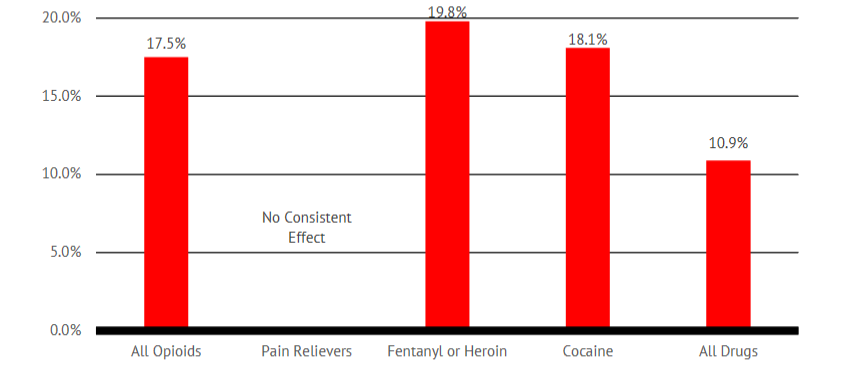
Co-authors Jacob James Rich and Robert Capodilupo found that states reduced their opioid prescribing rates by an average of 7.7% after implementing a PDMP. But reduced prescribing had “no consistent effect” on overdose deaths. Instead, the study found strong evidence that PDMPs actually caused opioid death rates to increase by 17.5 percent. Fentanyl, heroin and cocaine overdoses all rose sharply.

“As PDMPs enable doctors to identify patients who may be doctor shopping to acquire opioids for non-medical use, doctors will likely stop prescribing opioids to them. Yet these are the very patients who are likely addicted and who will turn to illicit providers to fuel their habits,” the study found.

Percent Increase In Overdose Rates After PDMP Adoption

SOURCE: REASON FOUNDATION

SOURCE: REASON FOUNDATION

‘Like Playing Russian Roulette’

A recent PNN survey of over 3,600 pain patients found that it was common for patients to be taken off opioids or tapered to lower doses against their wishes. A small minority of patients – about nine percent -- said they turned to illegal drugs as an alternative to opioid medication.

“Tapering long term higher dose patients is a barbaric practice that causes suffering so great that going to the black market for relief is the only option besides ending one’s life,” one patient told us. “People want to live so they will turn to the streets where they encounter counterfeit pills and/or much cheaper heroin, made with fentanyl. They aren't wanting to die. They are trying to live again.”

“I've had to seek medication from the black market & risk arrest & death just to be able to walk & leave my bed,” another patient wrote. “Perhaps I too will end up dead one day from street pills made from illicit fentanyl since I can't obtain access to a safe supply from a trusted manufacturer.”

“I'm not a criminal by nature, and I know that it's illegal to buy drugs off the street, but when pain gets so bad I can actually feel the desperation take over and seek relief wherever I can find it,” said another patent. “If it gets too bad I do sometimes have to find that guy on the street and purchase a 100mg morphine, or something, and just hope that it's not containing a lethal dose of fentanyl or something else. It's kinda like playing Russian roulette.”

“I couldn't stand the pain level anymore. After 3 years suffering so bad, I tried the streets. Found illegal fentanyl. The dealer said it was heroin but I found out what it really was because I overdosed and almost died,” said another pain sufferer. “I learned my lesson! Never again.”

The Reason Foundation estimates that it costs about $500,000 annually for each state to operate a PDMP. While that’s relatively inexpensive, the report said it was “counterproductive” to spend any money on a program that may actually contribute to more deaths. It recommends that states scrap their PDMPs and spend the money on addiction treatment.

“Millions of taxpayer dollars are spent nationwide on the administration of these ineffective programs each year,” the report found. “After terminating all PDMP policies, the revenue spent currently on prescribing interventions should be reappropriated to subsidizing opioids for proven treatments like medication-assisted treatment (MAT) with drugs like buprenorphine and methadone, and allowing Medicaid to cover addiction treatment services.”

Previous studies have also concluded that PDMPs may be causing more harm than good. A 2018 study found that PDMPs were driving some patients to the black market for cheap drugs like heroin. A 2019 study reached the same conclusion, saying there was a “consistent, positive, and significant association” between PDMPs and heroin overdoses.

PDMP’s are also associated with abrupt opioid discontinuation, according to a recent study in the American Journal of Preventive Medicine. Patients on long-term opioid therapy living in states with robust PDMPs were more likely to have their doses cut without tapering.

Nearly 60% of Americans Live with Pain

By Pat Anson, PNN Editor

Nearly 60 percent of U.S. adults have some type of short or long-term pain, according to a new CDC report that found the prevalence of pain steadily increases with age and is highest among adults aged 65 and older. Being female, white or poor also increased the likelihood of pain.

The CDC study is based on data from the 2019 National Health Interview Survey, in which participants were asked if they felt pain “some days,” “most days” or “every day” in the last 3 months.

Back pain (39%) was the most common site for pain, followed by pain in the hips, knees or feet (36.5%); hands, arms and shoulders (30.7%); and head pain (22.4%). About ten percent of those surveyed said they had abdominal or dental pain.

U.S. Adults With Pain in Last 3 Months

SOURCE: cdc

SOURCE: cdc

“Overall, nearly three in five adults (58.9%) experienced pain of any kind in the past 3 months in 2019,” researchers reported. “Location-specific pain, such as back, neck, arm, and hip pain is associated with short- and long-term health effects, ranging from minor discomfort to musculoskeletal impairment, diminished quality of life, and escalating health care costs.”

Household income appears to play a role in pain prevalence. Nearly 45% of people living in a household below the 2019 federal poverty level ($25,750 for a family of four) reported having back pain. For people with household income at least 200% higher, the rate of back pain was 37.6 percent. The association between pain and poverty was similar for people with pain in their upper and lower limbs.

The study findings are similar to the so-called “deaths of despair” first reported in 2015 by Princeton researchers Angus Deaton and Anne Case, who found that financial and emotional stress caused by unemployment and stagnant incomes may be behind the reduced life expectancy of middle-aged white Americans.

Between 1999 and 2013, the mortality rate for middle aged whites rose by 2 percent, coinciding with an increase in fatal overdoses. No other race or ethnic group saw such an increase in mortality. The rising death rate for whites was accompanied by more suicides and substance abuse, as well as increases in joint pain, neck pain, sciatica and disability.

One critic of the “deaths of despair” theory is Andrew Kolodny, MD, the founder of Physicians for Responsible Opioid Prescribing (PROP).  Kolodny in a recent webinar claimed that overdoses were driven by drug addiction, not socioeconomic factors.

“The deaths of despair framing, while provocative, is unlikely to explain the main sources of the fatal drug epidemic and that efforts to improve economic conditions in distressed locations, while desirable for other reasons, are not likely to yield significant reductions in drug mortality,” Kolodny said.

Kolodny and at least three other PROP board members have been well-paid expert witnesses in opioid litigation cases – lawsuits that depend on a public narrative that excess opioid prescribing led to the overdose crisis, not mental health problems or economic disparity. Maintaining that narrative is becoming harder, with opioid prescribing at 20-year lows and overdose deaths at record highs, fueled in part by economic and social issues exacerbated by the covid pandemic.

Spread of Delta Variant ‘Going to Get Worse’

By Liz Szabo, Kaiser Health News

Upon first inspection, the mutations in the highly contagious delta covid variant don’t look that worrisome.

For starters, delta has fewer genetic changes than earlier versions of the coronavirus.

“When people saw that the epidemic in India was driven by delta, they did not suspect it would be so bad or overtake other variants,” said Trevor Bedford, an evolutionary biologist at the Fred Hutchinson Cancer Research Center.

But those expectations were wrong.

Delta has kept some of the most successful mutations found in earlier variants, but also contains new genetic changes that enable it to spread twice as fast.

Delta is more dangerous in many ways. It has an incubation period of four days, rather than six, making people contagious sooner. When the pandemic began, people spread the original coronavirus to an average of two or three people. Today, people infected with delta infect six people, on average.

As of this week, the delta variant had caused at least 92% of the new infections in the United States, according to covariants.org, a research firm in Bern, Switzerland.

Although delta isn’t necessarily any more lethal than other variants, it can kill huge numbers of people simply because it infects so many more, said Dr. Eric Topol, founder and director of the Scripps Research Translational Institute.

Scientists have sequenced delta’s mutations but are still trying to understand their significance, said Angela Rasmussen, a virologist at the University of Saskatchewan’s Vaccine and Infectious Disease Organization. “When we see the same mutations appearing repeatedly and independently, that suggests they’re important,” Rasmussen said.

Scientists have the best understanding of mutations on the so-called spike protein — which sticks out from the surface of the virus like a club — and which have been studied the most intensely because of its serious ramifications, Rasmussen said. The coronavirus uses the spike protein to enter human cells, and changes in the spike can help the virus evade antibodies.

Scientists believe one of the most important areas of the spike is the receptor-binding domain, the specific part of the protein that allows the virus to latch onto a receptor on the surface of our cells, said Vaughn Cooper, a professor of microbiology and molecular genetics at the University of Pittsburgh. Receptors are like sockets or docking stations that allow proteins to interact with the cell. Once the virus gains entry to the cell, it can cause havoc, hijacking the cell’s genetic machinery and turning it into a virus-making factory.

Delta’s Worrisome Mix

Delta’s rapid spread is particularly surprising given it lacks two mutations that made earlier variants so scary.

Delta doesn’t have the N501Y spike mutation found in the alpha, beta and gamma variants, which enabled them to invade cells more successfully than the original virus. That mutation changed one amino acid — a building block of proteins — in the receptor-binding domain.

Delta also lacks the E484K mutation, which has made the gamma variant so worrisome. This genetic change, sometimes called “Eek,” allows the virus to spread even among vaccinated people.

Scientists use the Greek alphabet to name variants of concern. “The ‘D’ in delta stands for ‘different’ and a ‘detour’ to a different genomic mutation path,” Topol said. “But it doesn’t mean ‘doom,’” he said, noting that existing covid vaccines remain mostly effective against the delta variant.

Vaccines protect people from covid by providing them with antibodies that attach themselves to the spike protein, preventing the virus from entering cells. By dramatically reducing the number of viruses that enter cells, vaccines can prevent people from developing severe disease and make them less infectious to others.

Delta does share mutations with other successful variants. Like all the identified variants in circulation, delta contains a spike mutation called D614G, sometimes known as “Doug,” which became ubiquitous last year.

Scientists think Doug increases the density of spike protein on the surface of viral particles and makes it easier for the virus to enter cells.

Delta also has a spike mutation called P681R, which closely resembles a mutation in the alpha variant that appears to produce higher viral loads in patients, Cooper said. People infected with delta have 1,000 times more virus in their respiratory tract, making them more likely to spread the virus when they sneeze, cough or talk.

The P681R mutation, also found in the kappa variant, is located at the beginning of a part of the genome called the furin cleavage site, Cooper said.

Furin is a naturally occurring human enzyme that gets hijacked by the coronavirus, which uses it to slice the spike protein into the optimal shape for entering the cell, Rasmussen said. The new mutation makes that sculpting more efficient, Rasmussen said.

Another delta mutation — also found in kappa and epsilon — is called L452R. Experiments suggest this mutation, which also affects the receptor-binding domain, acts to prevent antibodies from neutralizing the virus, Cooper said.

These mutations appear to be more formidable as a team than alone.

The genetic changes “are certainly doing something, but why that combination makes the delta variant more fit is not entirely obvious,” Bedford said. “Putting them together seems to matter.”

Delta also has developed genetic changes not seen in other variants.

One such spike mutation is called D950N. “This might be unique,” Cooper said. “We don’t see that anywhere else.”

The D950N mutation is different than other mutations because it’s located outside the receptor-binding domain in an area of the coronavirus genome that helps the virus fuse with human cells, Cooper said. Fusing with human cells allows the coronavirus to dump its genetic material into those cells.

This mutation could affect which types of cells the virus infects, potentially allowing it to harm different organs and tissues. Mutations in this region are also associated with higher viral loads, Cooper said.

Delta also contains mutations in a part of the spike protein called the N-terminal domain, which provides a “supersite” for antibodies to latch onto the virus and prevent it from entering cells, said Dr. Hana Akselrod, an infectious diseases specialist at the George Washington University School of Medicine & Health Sciences.

Mutations in this region make monoclonal antibodies less effective in treating covid and increases the delta variant’s ability to escape vaccine-generated antibodies, Akselrod said. That may explain why vaccinated people are slightly more likely to become infected with delta, causing mostly mild illness but allowing them to transmit the virus.

Delta’s Future Course

Scientists say it’s impossible to predict exactly how delta will behave in the future, although Topol said, “It’s going to get worse.”

Topol noted that delta outbreaks tend to last 10 to 12 weeks, as the virus “burns through” susceptible populations.

If the United States continues to follow a pattern seen in the United Kingdom and the Netherlands, infections could rise from the current seven-day moving average of 42,000 cases to 250,000 a day. Yet Topol said the United States is unlikely to suffer the high death rates seen in India, Tunisia and Indonesia because nearly half the population here is fully vaccinated.

While some studies have concluded that the Johnson & Johnson vaccine stimulates strong and persistent antibodies against delta, a new report found that antibodies elicited by one shot may not be enough to neutralize delta. Authors of that study, from the New York University Grossman School of Medicine, suggested a second dose may be needed.

Two doses of the Pfizer-BioNTech vaccine protect 94% of people from any symptomatic infection by the alpha variant, compared with 88% against the delta variant, according to a new study in the New England Journal of Medicine. Two doses of the AstraZeneca vaccine protect 75% of people from alpha and 67% from delta.

Cooper said covid vaccines offer remarkably good protection. “I will always celebrate these vaccines as the scientific achievements of my lifetime,” he said.

The best way to slow down the evolution of variants is to share vaccines with the world, vaccinating as many people as possible, Bedford said. Because viruses undergo genetic changes only when they spread from one host to another, stopping transmission denies them a chance to mutate.

Whether the coronavirus evolves more deadly variants “is totally in our hands,” Cooper said. “If the number of infections remains high, it’s going to continue to evolve.”

By failing to contain the virus through vaccination, wearing masks and avoiding crowds, people are allowing the coronavirus to morph into increasingly dangerous forms, said Dr. William Haseltine, a former Harvard Medical School professor who helped design treatments for HIV/AIDS.

“It’s getting better, and we’re making it better,” he said. “Having half the population vaccinated and half unvaccinated and unprotected — that is the exact experiment I would design if I were a devil and trying to design a vaccine-busting virus.”

Kaiser Health News is a national health policy news service. It is an editorially independent program of the Kaiser Family Foundation, which is not affiliated with Kaiser Permanente.