FDA Head Calls for ‘Aggressive Regulatory Action’ on Opioids

By Pat Anson, PNN Editor

In the wake of a highly critical report on 60 Minutes, the head of the Food and Drug Administration has pledged that drug companies will be required to prove that opioid medications are effective long-term in treating chronic pain and do not cause addiction.

“We are going to impose a mandate on existing products… to answer the question that people have been posing for years: whether you have declining efficacy, and whether that declining efficacy can lead to addiction,” FDA Commissioner Scott Gottlieb, MD, told The Washington Post.

60 Minutes reported on Sunday that the FDA caved into lobbying by the pharmaceutical industry in 2001 by changing the warning labels on OxyContin and other opioid medications to indicate they were effective for “daily, around-the-clock, long-term (use).” Critics say there is no good evidence to support that claim.

“You're using high-dose, long-duration opioids when they've never been designed to do that. There's no evidence that they're effective. There's extreme evidence of harms and deaths when you use them,” said Ed Thompson, the president and founder of drug maker PMRS.

What 60 Minutes and most media outlets fail to report is that there are no good long-term placebo-controlled studies for any pain relievers, including non-opioid medications like Lyrica and Cymbalta or over-the-counter drugs like acetaminophen.

Most clinical studies for pain relievers are limited to a few weeks duration because longer studies that use placebos to treat severe pain are considered unethical.

Gottlieb declined a request from 60 Minutes for an interview, but told The Washington Post on Monday that the FDA would require drug makers to conduct new research on “all immediate, long-acting and extended-release opioid tablets taken by patients outside of health-care settings.” Studies would not be required for intravenous opioids used in hospitals to treat acute pain.
“It’s regrettable we didn’t do this many years ago,” Gottlieb said.

On Tuesday, Gottlieb doubled down on the agency’s mea culpa in a lengthy, 4,094 word essay that pledged the FDA would “learn from past mistakes” and take “a much more aggressive approach to regulatory action” involving opioids.

“In this epidemic, waiting for the accumulation of definitive evidence of harm left us a step behind a crisis that was evolving quickly,” Gottlieb said.  “We don’t want to look back five years from now, at an even larger crisis, with regret that there were more aggressive steps that we could have taken sooner.

“To reduce the rate of new addiction we need to reduce exposure to opioids. This means rationalizing prescribing, which in turn means that not only must we take steps to make sure fewer prescriptions for opioids are written, but also that when these drugs are prescribed, it’s for a dose and duration of use that comports closely with the clinical circumstance and the medical need of the patient.”

The FDA is already working with the National Academies of Science, Engineering, and Medicine to develop new opioid prescribing guidelines by the end of the year for medical conditions such as tooth extractions and outpatient surgeries.

The new recommendations would not replace the controversial 2016 CDC guideline, but would supplement it. The CDC guideline takes a one-size-fits-all approach to chronic pain -- pain that lasts longer than three months -- and doesn't distinguish between pain from fibromyalgia, arthritis, neuropathy or other medical conditions.  

Gottlieb said the FDA would also take steps in the first half of 2019 to introduce “blister packs” of opioids with a limited supply of one or two days for treating short-term, acute pain.

Opioid prescriptions have declined substantially since 2012, yet overdoses continue to soar, fueled in large part by illicit fentanyl, heroin and counterfeit medications. The Trump Administration is seeking to reduce opioid prescriptions by another third over the next three years.

If you haven’t already, this would be a good time to participate in PNN’s survey on the CDC guideline. We’re asking pain patients, as well as doctors and other healthcare providers, how the guideline has affected them and whether it should be revised. To take the survey, click here.


Counterfeit Pill Lab Exposed in BBC Report  

By Pat Anson, PNN Editor

Counterfeit prescription drugs have emerged as a worldwide problem – from fake “Mexican Oxy” sold in United States to bogus cancer drugs recently found in Turkey, Argentina and Switzerland.

This week a chilling BBC documentary took viewers inside a dingy underground lab in the UK where counterfeit Xanax pills are made – often laced with illicit fentanyl and other dangerous chemicals.

One dealer bragged to BBC reporter Livvy Haydock that he could make 42,000 Xanax pills in three hours.

"I import the raw ingredients and chemicals needed and then I press the tablets with a tablet press machine,” he said.

"I've been doing this for many years and I've never been at the point where I can produce and supply enough to meet the demand for my product. I'm always turning away customers.”

BBC ‘INSIDE BRITAIN’S BLACK MARKET”

The fake anti-anxiety pills are manufactured in a converted cement mixer and tested on volunteer “guinea pigs” before being sold on the street, often to teenagers.

"They're taking that risk, they're paying the money. I'll make it and I'll do it as best as I can and I'll give a good service and provide a good product and the rest is on them," the dealer said.

He boasted that overworked customs officials send him warning letters when his shipments are seized, but they rarely tell police.

"I've had plenty of packages stopped from customs to addresses. A lot of the time you just receive a letter saying it's been seized,” he explained. “"They don't really follow it up. Sometimes they do, but the majority of the time they don't.”

A similar problem exists in the United States, where the Postal Service processes and delivers nearly half of the world’s mail. Postal inspectors can’t even open suspicious packages without a search warrant.

“Drug traffickers have familiarized themselves with and exploited vulnerabilities in the Postal Service network,” a recent Inspector General report warned. “Individuals can now order nearly any type of illicit drug online and have it delivered to a location of their choosing, all from the comfort of their own home.

“These illicit purchases often rely on mail shipment companies, including the Postal Service, to deliver products to customers as they provide greater opportunities for anonymity than other delivery options, such as human couriers.”

The Inspector General recommended that Congress pass legislation to give postal inspectors legal authorization to open and inspect domestic packages suspected of carrying illicit drugs.

According to the World Health Organization, the counterfeit drug market is worth $200 billion worldwide, with almost half of the fake and low-quality medicines sold in Africa. Up to 300,000 people may die from pneumonia and malaria every year due to substandard medications primarily made in China, India, Pakistan and the United Kingdom.

Putting a Pin into Pain

By Pat Anson, Editor

As a social media platform, Pinterest is best known as a place to share recipes or get tips about fashion and home decorating — topics that appeal to its core audience of women.

But over the years Pinterest has quietly evolved into a surprisingly good place to learn about chronic pain and to network with others in the pain community, according to researchers at Virginia Commonwealth University. Their study, “Pinning to Cope: Using Pinterest for Chronic Pain Management,” was recently published in the journal Health Education & Behavior.

“We’re seeing that Pinterest is being used by patients to really support each other, to provide information for each other, and to just find an outlet for dealing with chronic pain,” said Jeanine Guidry, PhD, who studies social media and mobile technology.

Guidry and co-author Eric Benotsch, PhD, a psychology professor at VCU, analyzed 502 posts on Pinterest about chronic pain and found – not surprisingly -- that nearly all referred in some way to the severity of pain.

But rather than just complaining about their pain, many of the posters shared or “pinned” positive tips on self-care and pain management, along with tips for caregivers and friends. About 18% of the posts used humor as a coping mechanism.

“Our findings show that, first of all, people are talking about chronic pain on Pinterest,” Guidry said. “But second of all, our findings show that the vast majority of posts were by individuals.”

Relatively few of the posts originated with healthcare or public health organizations, and researchers said there was “cause for concern” about the lack of information from reputable health sources. A key finding was that posts about chronic pain on Pinterest have a higher level of user engagement than most other healthcare topics.

“Knowing that this conversation about chronic pain is taking place on Pinterest, health communication professionals should consider using Pinterest [more] because they can really reach out to the people who are trying to manage chronic pain,” Guidry said.

Pinterest has about 250 million active users and 80 percent of them are women. Guidry says the social media platform could be leveraged more to communicate with pain sufferers.

“Is it the biggest platform for these kind of topics? No, but it’s obvious it’s being used,” she said. “And it’s an outlet we should use as health communicators.

“When you look at these Pinterest posts, you see people trying to manage pain and trying to help each other and trying to provide support to each other. That is something that could be turned into an effective tool for health care providers and for communicators.”

Guidry said the study’s findings are encouraging because they suggest that people with chronic pain are posting about healthy coping mechanisms and other people are engaging with them.

“Chronic pain posts have a strong presence on Pinterest, and health care professionals should both consider utilizing the platform in order to reach a population they might not otherwise reach, as well as broadening this field of study to determine a clearer picture of the potential uses of this and other social media platforms,” she said.

To visit PNN on Pinterest, click here.

The Impact of Chronic Pain on Family

By David Hanscom, MD, PNN Columnist

I have long asked the spouses and partners of my chronic pain patients to participate in the “Direct Your Own Care” project — my step-by-step method that allows patients to take control of their treatment plan.

One reason is that partners of chronic pain patients also experience suffering. They have their own broken dreams, disappointments and often just feel bad -- because their partner is feeling bad. This is not primarily psychological. The human brain has “mirror neurons” that are stimulated by others’ behavior. If one partner is having a bad day, there is a good chance that the other’s day is not going to be great, either.

So, when the patient’s partner is snippy, critical or hostile, the patient tends to feel worse, too. The region of the brain that elicits a bad mood is stimulated. Conversely, if one partner is in a great mood, the other tends to be happier.

That is why— indirectly for my patients’ sake and directly for that of their partners — I believe it is vital that both partners learn tools such as expressive writing and adding more play into their lives to restore a joyful life.

Unfortunately, it is often remarkably difficult to convince other members of the household to engage in these tools. If you care for your family member, why would you not try to do as much as possible to help him or her heal?

I ran across a study in the journal Pain that partially explains why. Researchers had 105 patients with chronic back pain and their spouses keep an electronic diary for two weeks on their interaction with each other. Spouses were asked to observe and record the patient’s pain behavior (such as complaining or grimacing), while patients were asked about any criticism or hostility they received from their spouse.   

The following observations were made:

  • Patient’s pain increased for over three hours when they felt hostility or were criticized

  • Patient’s pain behavior consistently created a negative reaction from their partner

  • These interactions were consistent. The conclusion was that long-term negative interactions not only cause more pain, they erode relationships and quality of life

This finding is similar to what has been found in depression research. Depressed patients act in ways that cause rejection from others, which in turn exacerbates the depression.

There is no question that chronic pain is a family issue. The couples’ study doesn’t even take into account the damage an angry person in chronic pain can inflict on his close relationships. The family unit can become a living hell and seem like a hopeless situation.

Fortunately, like the patient’s condition, the family dynamic can get better with the right tools. It did with me.

Anger and Relationships

In addition to stimulating the nervous systems of those close to you through the mirror neuron effect, there are additional problems created by chronic pain in the household. Most of them stem from the understandable problem that when someone is trapped by pain, he or she is chronically angry and upset. Members of the family become targets in many ways. 

First, there is often a lot of complaining about the pain, medical care and the frequent mistreatment that patients in pain experience. We have found that many, if not most patients in pain, discuss their problems daily. Family members become worn-down by this, but the patient usually doesn’t understand the depth of their despair. Although the family is concerned and upset that their loved one is suffering, they are frustrated by their inability to help. In medicine, the term we use for this is “compassion fatigue.”

Secondly, peace, love and joy are crushed and replaced with an angry energy. Family members are often targets of sharp orders and criticism. The patient may demand that their physical needs be met by the family. At the same time, the person in pain may emotionally withdraw and become isolated even while being in the middle of a lot of bustling activity. Family life just isn’t as much fun.

Third, the essence of successful relationships is being aware of the needs of those around you. This is true in any arena, but especially critical in the family. Lack of awareness is the essence of abuse and anger is the ultimate manifestation of it. You can’t see the needs of others because you are blinded by your own angry energy.

So, instead of the home being a place of safety, it can become dangerous. When a family member is triggered by an angry patient and becomes hostile or critical, then the patient becomes more upset and it all becomes like a giant ping-pong game. This the opposite of what you would want, where a happy person creates the opposite contagious reaction. And where is the end point?

Since anxiety and anger are unconscious survival reactions that are much stronger than the conscious brain, they aren’t subject to rational control. How many of us have ever solved a disagreement in the middle of an argument? It never happens.

Healing Energy

We have discovered that family dynamics are such a powerful force in keeping people in pain, that medical interventions may have a limited effect. Conversely, we have also found out that the family can be a remarkably healing energy for everyone involved – and it happens quickly.

The path to this healing energy is the topic for another article. But the starting point goes like this:

The first thing I ask is that every adult family member living at home immerse themselves in the healing process. That means actively engaging in the exercises that calm down the nervous system. You can see them outlined on my website.

Second, I tell patients never to discuss their pain – ever -- except with their medical team. Talking about pain reinforces the pain circuits and is frustrating to those who care about you, but can’t help. I also tell patients that they can’t complain about anything.

Third, I want the family to reminisce about the most enjoyable times in their relationships. What were the fun times? Discuss them in detail and stick with the conversation. Try to feel it.

The final and most challenging step is not bringing the pain home with you. I tell patients, “When you walk through the door, you’ll make a commitment to never bring pain back into the house.”

The intention is not to ignore pain or pretend it doesn’t exist, but to create a safe haven in your living space. I want patients to take the positive energy generated by the conversation about the best times in their relationship into the home and keep it there.

If you have to argue or fight – take it outside. Every person in the household has the right to relax and feel safe in the confines of their home.

Dr. David Hanscom is a spinal surgeon who has helped hundreds of back pain sufferers by teaching them how to calm their central nervous systems without the use of drugs or surgery.

In his book Back in ControlHanscom shares the latest developments in neuroscience research and his own personal history with pain.

The information in this column should not be considered as professional medical advice, diagnosis or treatment. It is for informational purposes only and represents the author’s opinions alone. It does not inherently express or reflect the views, opinions and/or positions of Pain News Network.

Prevalence of Chronic Pain Increasing

By Lynn Webster, MD, PNN Columnist

According to the Centers for Disease Control and Prevention, opioid prescribing quadrupled from 1999 to 2010. Some policymakers suggest that the amount prescribed in 1999 was appropriate and should remain static, and that any prescribing above the 1999 level exceeds the amount required to meet the needs of people in pain.

Perhaps, but it is important to understand that pain was vastly undertreated in the 1990s and there was a clear need to find effective treatment for pain patients. At least some of the increase in opioid prescribing would also seem logical, based on the greater number of people in pain.

According to the National Institutes of Health (NIH), the number of American adults suffering from at least one painful condition increased substantially from 120.2 million in 1997 to 178 million in 2014 – about 41 percent of the adult population. These numbers are from a comprehensive analysis of 18-year trends in the rates of noncancer pain, recently published in the Journal of Pain. 

 Aging Population

The NIH report may make you wonder why there are more people in pain now than there were in 1999. Here are some possible explanations.

Our aging population includes an ever-increasing number of elderly people. Baby boomers, who make up the largest demographic of society, recently began to enter their 70s. That is the decade during which we begin to experience a much greater prevalence of arthritis, spinal pain, obesity, surgical operations and cancer.

Mortality rates for cancer continue to decline, thanks to better treatments. More than 40% of cancer survivors now live longer than 10 years. That is good, of course, but many cancer survivors experience treatment-related chronic pain. 

Aging increases the likelihood that people will experience chronic pain. More than half of all adults older than 65 experience arthritic pain of the spine and other joints. For more age-related statistics regarding arthritis, click on this U.S. government PubMed abstract, the CDC's arthritis information page or the Arthritis Foundation’s website.  

In all age groups, the U.S. has an obesity epidemic (according to the CDC and the Journal of the American Medical Association) which can lead to diabetes. Obesity causes increased load on the back and joints, causing chronic pain. In addition, more people have peripheral neuropathy caused by diabetes. 

Finally, there is the problem of chronic post-surgical pain, which we began to recognize around the turn of the century. The incidence of chronic pain after major surgery is estimated to lie between 20% and 50%. Relatively minor operations, such as inguinal hernia repair or a C-section, seem to lead to this problem in approximately 10% of patients. This is an annuity that will keep growing as more operations occur every year.  

The increased prevalence of chronic pain has probably contributed to a greater number of opioid prescriptions. In addition, we have historically failed to recognize that pain deserves to be treated.

Alternative therapies like massage and acupuncture have not been widely available due to lack of insurance coverage. Thus, many people in chronic pain have not had access to any therapy except opioids. This can partially explain why there was an increase in the amount of opioids prescribed from 2001 to 2014.  

Undertreated Pain

Quadrupling the amount of opioids prescribed over several decades may sound excessive, unless we consider the growing number of people who were undertreated and in severe pain, year after year.  

Additionally, we must recognize opioids have not been distributed equally. It is possible that more opioids have been prescribed than appropriate for some patient populations, while other patients have been denied access to any pain treatment. 

A major shift in opioid prescribing began several years ago and by all accounts is accelerating. Between 2013 and 2017, the amount of opioids prescribed declined by 22%. The people most affected by the decrease appear to be those who reported benefit from opioid therapy.  

The amount of opioids that should be prescribed will remain open to debate. But millions of Americans have been -- and continue to be -- denied access to pain treatment, and there should be no debate about the fact that failure to treat severe pain is unacceptable.   

Everyone in the health care system and policymakers should be concerned about the NIH report on the prevalence of chronic pain. The dramatic increase in the number of people with chronic pain warrants our examination of all polices and resources to ensure that this population is receiving the care they need and deserve.  

Lynn R. Webster, MD, is a vice president of scientific affairs for PRA Health Sciences and consults with the pharmaceutical industry. He is a former president of the American Academy of Pain Medicine and the author of “The Painful Truth.”

You can find Lynn on Twitter: @LynnRWebsterMD. 

The information in this column should not be considered as professional medical advice, diagnosis or treatment. It is for informational purposes only and represents the author’s opinions alone. It does not inherently express or reflect the views, opinions and/or positions of Pain News Network.

Do Rx Opioids Really Increase Risk of Fatal Accidents?

By Pat Anson, PNN Editor

A recent study published in JAMA Network Open made headlines when it claimed that use of prescription opioids more than doubled the risk of causing a fatal car accident.  

Researchers at Columbia University Mailman School of Public Health looked at death certificates and toxicology tests on drivers involved in over 18,000 fatal two-vehicle accidents from 1993 to 2016. They found that 1,467 of the “crash initiators” tested positive for hydrocodone, morphine, oxycodone or other prescription opioids.    

The researchers reported their findings as “compelling evidence that use of prescription opioids by drivers is a significant contributing factor” in fatal crashes, which was a dog whistle for media outlets like CNN to warn, “Opioid epidemic spilling over onto roads.”

It turns out the evidence was not so compelling after all.

Like many states, Maryland faces growing rates of opioid abuse and addiction. But when researchers looked at opioid-related crashes in Maryland from 2006 to 2017, they found no significant increase in fatal accidents.

“The fact that opioid crashes in Maryland over the last 10 years have been more or less steady was a surprise,” Johnathon Ehsani, PhD, a professor at the Johns Hopkins Bloomberg School of Public Health told The Washington Post.

That is striking, because Maryland is one of those states that has been quite severely affected by the overall opioid epidemic.”

Ehsani and his colleagues took another look at the toxicology data and realized it was misleading. The reason was simple: Because hospitals and first responders often give opioid medication to patients injured in accidents, autopsies will detect those opioids in patients who later die from their injuries. In other words, the drivers may not have been under the influence of opioids before the crash.

When researchers only looked at a sub-sample of drivers who died at the scene, they found that the use of prescription opioids was “considerably lower than those who died hours or days following the crash.”

“We applied a stricter definition than our other colleagues did,” said Ehsani, who published his findings in the less prominent journal Accident Analysis & Prevention. “We were more conservative in our case definition.”

The JAMA study apparently over-counted the number of opioid-related crashes by not differentiating between drivers who died at the scene and those who died after getting medical treatment with opioids.

"When determining the prevalence of opioid use in a population, it can be tricky to untangle the two circumstances," says Ehsani. "Thinking differently about the way in which researchers count cases has implications that can offer policymakers and public health professionals more meaningful results."

No one is suggesting that it’s okay to drive a vehicle while impaired by opioids. But it’s also not okay for researchers and prominent medical journals to use flawed data to suggest that patients using prescription opioids are more likely to cause fatal accidents.

In Maryland, they found just the opposite may be true.

“It could be that a number of people who are impaired by opioids choose not to drive,” Ehsani said. “It could be that there is some self-selection going on in that population or it could be that some of those who are most seriously impaired are unable to or don’t have access to a vehicle to drive.”

New Non-Opioid Drug Effective in Treating Low Back Pain

By Pat Anson, PNN Editor

Pfizer and Eli Lilly have announced positive results from a large Phase 3 study evaluating an experimental non-opioid pain reliever as a treatment for chronic low back pain.

Patients receiving 10 mg injections of tanezumab showed statistically significant improvement in back pain at 16 weeks compared to placebo. A lower dose of tanezumab 5 mg was not as effective. Over 1,800 people with chronic low back pain in North America, Europe and Asia participated in the study.

Tanezumab is a humanized monoclonal antibody that targets nerve growth factor (NGF), a protein that increases in the body because of injury, inflammation or chronic pain. Tanezumab binds to NGF and inhibits pain signals from muscles, skin and organs from reaching the brain.

"This study demonstrates the potential of tanezumab to treat individuals suffering from moderate-to-severe chronic low back pain who have been unable to achieve relief with currently available medicines," said Ken Verburg, Pfizer’s tanezumab development team leader.

“This is one of the longest studies conducted to date in chronic low back pain. We look forward to further analyzing these results, and believe the data from this study will support our planned future global regulatory submissions in chronic low back pain."

Pizer and Eli Lilly have also reported positive findings in evaluating tanezumab for the treatment of osteoarthritis. The Food and Drug Administration granted “fast track” designation to tanezumab in 2017 to help speed its development.

Tanezumab has a history of safety concerns. Clinical studies were halted in 2010 after Pfizer reported some osteoarthritis patients receiving the drug had worse symptoms and needed joint replacement surgery. Another safety issue arose in 2012 when tanezumab caused adverse changes in the nervous system of animals.  Most clinical studies of tanezumab did not resume until 2015.

In the current study, rapidly progressive osteoarthritis (RPOA) was observed in 1.4 percent of patients receiving tanezumab and 0.1 percent of patients in the other treatment groups. Joint fractures and total joint replacements were experienced in 0.4 percent and 0.7 percent of tanezumab-treated patients, respectively, while none were observed in the other treatment groups.

In addition to back pain, the ongoing Phase 3 program for tanezumab includes studies in osteoarthritis pain and cancer pain due to bone metastases.

A New Psychological Treatment for Chronic Pain

By Ann Marie Gaudon, PNN Columnist

Cognitive behavioural therapy (CBT) has dominated the field of psychological treatment for chronic pain for the last three decades. Studies have shown that it is effective, yet some researchers say CBT also has its limits and could be improved upon.

As CBT treatment approaches continue to evolve, what is noteworthy is a departure from the logic of everyday thinking. “Suffering” is not seen as pathology, but rather as inherent in the human condition. We don’t want it and we don’t like it, but suffering is inescapable.

Following this principle, the utility of “normal thinking, analyzing, and problem-solving” is called into question. Our brains have evolved into powerful problem-solvers that serve very well with things are external to us. For example:

Problem: your car malfunctions and no longer starts. If you have the knowledge and skills, you find the problem and repair the car. Problem solved. If you do not have the skills, you find someone who does and repairs it for you. Problem solved.

But chronic pain is an internal problem that cannot be easily solved. No matter the effort from our powerful problem-solving brains, doctors and patients often cannot work it out. For a sufferer to spend a lifetime attempting to analyze and logically think their way to being pain-free can be a lifetime spent in futility.

Acceptance and Commitment Therapy

Newer psychological approaches such as Acceptance and Commitment Therapy (ACT) are guided by the premise that we cannot change the pain we’re left with, so let’s change our response to that pain. ACT was outlined in a 2014 article in the journal American Psychologist.

ACT differs notably from traditional CBT in method. Rather than challenging and changing thoughts, ACT seeks to reduce their influence over our behaviour. This core treatment process is called “psychological flexibility,” which is the ability to contact the present moment fully and consciously, based on what the situation affords.

In other words, we act on our long-term values rather than short term impulses, thoughts and feelings. I have a personal example of this:

“Knowing that I love to dine out and see live theatre, my partner reserved an evening of these as a surprise birthday present for me. After the reservations were made, I endured a serious back injury, which makes sitting for long periods particularly painful. He offered to cancel immediately, but I stopped him.

My thoughts told me, ‘Don’t go! You’ll be in more pain. Stay home and protect yourself!’

I applied a few of the many skills I have learned through ACT and was able to hold these thoughts lightly, and essentially not buy into them. I committed to continue with the dinner and theatre plans, and accept the pain in the service of my value of nurturing a social life. Result: my pain was not in charge -- I was.”

Why would one choose these strategies? It’s because thoughts and emotions tend to be unreliable indicators of long-term value. They ebb and flow constantly and we have little control over them. If we act based solely on them, we can lose out on experiences that bring true meaning and vitality to our lives.

In my case, I could have held onto my thoughts tightly and isolated myself at home with my pain, but instead I chose not to buy into those thoughts, to be willing to have the pain (acceptance), and commit to an experience which brought richness to my life. I knew my evening out would not reduce or eliminate my pain. I chose to do something of value to me -- the pain came along for the ride.

The catch is that unhelpful thoughts and emotions can dominate without a person even being aware of them. This results in “psychological inflexibility,” which leads to rigid, ineffective behaviour. If I let my thoughts run the show, the result would have been that I isolated myself at home with my pain and likely more suffering. Other positive behaviours and experiences would have been essentially blocked from me. No thank you.

Evidence to support ACT for chronic pain continues to grow, and its efficacy is about the same as CBT at this point. This is no small feat, considering CBT has been the gold standard for decades.

There are at least six randomized controlled trials which support the use of ACT for chronic pain. Most show ACT increases the acceptance of pain, along with improvements in anxiety, depression, and reductions in disability. This psychological flexibility significantly improves life satisfaction, disability, emotional distress and fear of movement.

It will be interesting to see future studies as ACT continues to advance and helps us find new and different ways “to act successfully in the world.”

Ann Marie Gaudon is a registered social worker and psychotherapist in the Waterloo region of Ontario, Canada with a specialty in chronic pain management.  She has been a chronic pain patient for over 30 years and works part-time as her health allows. For more information about Ann Marie's counseling services, visit her website.

The information in this column should not be considered as professional medical advice, diagnosis or treatment. It is for informational purposes only and represents the author’s opinions alone. It does not inherently express or reflect the views, opinions and/or positions of Pain News Network.

Should the CDC Opioid Guideline Be Revised?

By Pat Anson, PNN Editor

Carol Levy’s recent column (see “Guideline Paranoia”) drew quite a response from PNN readers, many of them offended by Carol’s contention that pain sufferers complain too often about the CDC’s 2016 opioid prescribing guideline.

“Maybe if we did not take any and all new guidelines as a frontal attack on us, maybe we would not be seen and referenced so often as a major component and cause of the opioid epidemic,” Carol wrote.

Those were fighting words to many pain sufferers who’ve been cutoff from opioid medication or had their dose reduced since the guideline came out. Dozens of patients commented on Carol’s column.

“Sounds a bit like blaming the victim for getting upset,” said Jen Saeger. “We ARE being targeted and having our medication taken away because these CDC guidelines have been taken as law. This isn’t overreacting, this is happening all over the country.”

“This woman needs to be educated about what is actually happening. We aren't overacting,” said Teresa. “Does she not know pain patients are being tapered or have completely lost their pain meds? Has she not heard of the suicides that are occurring in the chronic pain community?”

“Once these guidelines were released my pain doctor cut my medications by nearly 50% as well as many of his other chronic pain patients. He also showed me a letter from the CDC exclaiming that he was writing too many prescriptions for narcotic pain killers,” said Joe Allio. “So when they say this was a suggested guideline and not a mandate, IT'S A BIG FAT LIE!!!!! What I saw in this letter was nothing short of a threat!”

“The policymakers are the ones that need to be reminded that these are just guidelines,” wrote Vickie Tway. “You might especially want to let the DEA know this as they are running roughshod over physicians and causing those who DO want to help intractable pain patients to give up their profession for fear of being raided and facing criminal charges for doing their jobs.”

“The problem is that (doctors), pharmacies and insurance companies are using those said guidelines against chronic pain patients. Whether that's who they were intended for or not. CPP are having their meds cut back or cut off because of this hysteria and the new guidelines,” said Tracey Morales. “Until the CDC makes a statement to set this right people are going to continue suffering.”

CDC ‘Committed to Evaluating the Guideline’

PNN readers are better informed and more knowledgeable about the CDC guideline than most Americans. And they’re right when they say that the guideline was only supposed to promote a dialogue between primary care physicians and patients about the risks of opioid therapy.  The recommendations were never meant to be mandatory rules for everyone to follow, yet they’ve been widely adopted by other federal agencies, states, insurers, pharmacies and throughout the U.S. healthcare system.

Within months of the guideline’s release, CDC was warned by its own public relations consultants that “some doctors are following these guidelines as strict law” and that “pain patients who have relied on these drugs for years are now left with little to no pain management.”

In a joint letter to the CDC last year, over 200 healthcare providers warned the agency that many patients were being abandoned or forcibly tapered off opioids, and some were turning to suicide or illegal drugs to escape from their pain.

“Within a year of Guideline publication, there was evidence of widespread misapplication of some of the Guideline recommendations,” the letter warns. “These actions have led many health care providers to perceive a significant category of vulnerable patients as institutional and professional liabilities to be contained or eliminated, rather than as people needing care.”

The CDC pledged three years ago to “revisit this guideline as new evidence becomes available.”

“CDC is committed to evaluating the guideline to identify the impact of the recommendations on clinician and patient outcomes, both intended and unintended, and revising the recommendations in future updates when warranted.”

Will the CDC keep its pledge? The agency did not immediately respond to a request for comment on what it was doing to assess the impact of guideline or whether it would be revised.

(Update: On February 28th — 9 days after we asked — the CDC sent PNN a brief statement indicating it has “several studies underway with external researchers” evaluating the impact of the guideline on opioid prescribing and patient outcomes.

“CDC is commissioning a chronic pain systematic review by the Agency for Healthcare Research & Quality (AHRQ) to determine what new scientific evidence has been released since the CDC Guideline was released in March 2016. The chronic pain systematic review is underway now,” said CDC spokesperson Courtney Lenard.

“The review will evaluate the effectiveness and comparative effectiveness of non-opioid pharmacologic therapy and pharmacologic (opioid and non-opioid) therapy for chronic pain, considering the effects on pain, function, quality of life, and adverse events.”

The statement gave no indication when the review and other studies would be completed.)

How has the guideline affected you and should it be revised? If you’re a patient or healthcare provider, you can help shape the debate by taking our survey. Either click here or on the banner above.

We’ll release the survey results on March 15th, the third anniversary of the guideline’s release.   

CDC: Opioid Prescriptions Drop in 3 of 4 U.S. Counties

By Pat Anson, PNN Editor

The Centers for Disease Control and Prevention has released another study documenting how prescriptions for opioid medication have fallen dramatically in recent years. The study partially credits the CDC’s own guideline for the drop in opioid prescribing, but makes no mention of the suffering and suicides of pain patients who’ve been cut off from opioid medication.

Researchers at the CDC’s National Center for Injury Prevention and Control – which developed the agency’s controversial 2016 guideline -- looked at opioid prescribing trends nationally from 2015 to 2017.

They found significant declines in high dose opioid prescribing and in the average daily dose, which fell from 48.1 MME (morphine milligram equivalent) to 45.2 MME, a 6% decline. The guideline recommends that doses not exceed 90 MME except in rare instances.

Nearly 3 out of 4 counties experienced a reduction of 10% or more in the amount of opioids prescribed – the counties colored green in the map below. Relatively few counties, primarily in the Midwest and northern Rockies, had a 10% or more increase in opioid prescribing – counties that are marked in orange.

JAMA INTERNAL MEDICINE

“The reduction in opioid prescribing that began in 2012 has accelerated in the United States. The amount of opioids prescribed decreased an average of 10.0% annually with reductions in 74.7% of counties from 2015 to 2017,” CDC researchers reported in JAMA Internal Medicine.

“Recent reductions could be related to policies and strategies aimed at reducing inappropriate prescribing, increased awareness of the risks associated with opioids, and release of the CDC Guideline for Prescribing Opioids for Chronic Pain—United States, 2016. Despite reductions in prescribing, opioid overdose rates continue to increase and are driven largely by illicitly manufactured fentayl.”

A similar CDC study in 2018 also documented a decline in prescriptions, but made no effort to measure the guideline’s impact on patients and whether it had improved the quality of their pain care or worsened it.  There is only a brief acknowledgement that both studies are limited by “the inability to determine the appropriateness of opioid prescriptions” -- a belated and backhanded admission by the CDC that its guideline is built on the false premise that it knows what an appropriate dose is.

Had the CDC looked in its own Twitter feed touting the latest study, it could have found insight from patients on the guideline’s effect on the quality of pain care.

“Yea this is why my wife has been bedridden for over 2 YEARS now as her doctor does NOT BELIEVE in pain medication.  And when we call all the other practices in the area its more of the same response. Either we don't prescribe opioids or we don't take pain patients,” one poster wrote.

“Let's not forget skyrocketing suicide and patients turning to the streets for relief. Good job you now have a #OpioidCrisis of your own making,” another poster wrote.

“When the numbers of a drug are more meaningful than the human lives they help. So caught up in numerical reduction people who once had managed pain are forced to suffer or #SuicideDueToPain. I guess this makes you folks very proud, to kill off the disabled,” said another.

“And here we see the CDC touting what they think is a great thing. Ironically of course they are likely NOT tracking how many patients committed suicides after being forcibly tapered for no medical reason,” said Dave Wieland, a pain patient and advocate.

“And you can bet they are NOT tracking how many patients who had been able to work on their stable medication dosage, have now been forced to apply for disability after having their medication also taken away for no medical reason. Oh yea that's right the CDC doesn't care about those things.”

When the CDC released its guideline nearly 3 years ago, it pledged to “revisit this guideline as new evidence becomes available" and to evaluate its impact on doctors and patients.

How has the CDC guideline affected you? As the third anniversary of the guideline approaches, PNN is conducting a new survey of patients and healthcare providers. Is the guideline working as intended?

Click here to take the survey, which should only take a few minutes.

CBD Is Now Regulated and That May Be a Good Thing

By Roger Chriss, PNN Columnist

The legal status of cannabidiol (CBD) is changing. Once classified exclusively as a Schedule I drug under the Controlled Substances Act, CBD is now legal under federal law. And this means regulation.

The 2018 Farm Bill removed hemp from Schedule I. Hemp is a strain of marijuana with very low levels of THC, but high amounts of CBD.  This has opened the door to a legal market for CBD products, including food and supplements. But there’s a catch. The FDA has strict regulations about CBD being used in dietary supplements or promoted as medical treatments.

“It’s unlawful under the FD&C Act (Federal Food, Drug, and Cosmetic Act) to introduce food containing added CBD or THC into interstate commerce, or to market CBD or THC products as, or in, dietary supplements, regardless of whether the substances are hemp-derived,” FDA commissioner Scott Gottlieb, MD, said in a December 2018 statement.

“Among other things, the FDA requires a cannabis product (hemp-derived or otherwise) that is marketed with a claim of therapeutic benefit, or with any other disease claim, to be approved by the FDA for its intended use before it may be introduced into interstate commerce. This is the same standard to which we hold any product marketed as a drug for human or animal use.”

 The FDA has a FAQ page about cannabis that answers some basic questions:

"Can products that contain THC or cannabidiol (CBD) be sold as dietary supplements? A. No."

"Is it legal, in interstate commerce, to sell a food to which THC or CBD has been added? A. No."

The FDA has reason to be concerned. Product quality for CBD products is iffy at best. An investigation by the NBC affiliate in Miami (see “Patients Are Being Duped”) found that 20 of 35 CBD products tested had less than half the amount of CBD advertised on the label. Some samples had no CBD at all.

Other recent analyses have found THC, pesticides, synthetic cannabinoids and toxic solvents in CBD products.

Moreover, a lack of regulatory oversight has led to an abundance of false, misleading or unsubstantiated claims. A recent review of CBD in the Journal of Clinical Pharmacology found that “CBD has been touted for many ailments for which it has not been studied, and in those diseases with evaluable human data, it generally has weak or very weak evidence.”

There is a lot of research on CBD going back years. The FDA’s approval of the CBD-based drug Epidiolex for rare childhood seizure disorders and a 2018 review that found potential for treating multiple sclerosis symptoms are important indicators of CBD’s medical value. At the same time, researchers have found no benefit in treating spinal cord injury, Crohn’s disease and osteoarthritis.

Yet CBD is now being widely promoted as a wellness product, and added to everything from coffee and pastries to bath oils and mascara. So it is not surprising that the FDA is concerned that people may be duped or put at risk.

The FDA is not alone in this. The New York City Department of Health has banned CBD products from being sold in bars and restaurants. Maine, New York, and Ohio are also banning CBD edibles.

For medically complicated people with chronic illness, regulation could be beneficial. At present these patients face significant risks with CBD products. Tainted CBD may cause unexpected allergic reactions or drug interactions. And contaminated CBD could trigger a positive result on a urine drug test, a common part of pain management amid the opioid crisis. Regulatory oversight could help reduce these risks. 

The legal and regulatory landscape surrounding CBD is shifting quickly. The FDA and state government agencies are watching closely and starting to intervene. This may flush out bad actors in the CBD marketplace and improve product quality and reliability. A stable marketplace with reliable products may be a net gain for the people who stand to benefit the most from CBD.

Roger Chriss lives with Ehlers Danlos syndrome and is a proud member of the Ehlers-Danlos Society. Roger is a technical consultant in Washington state, where he specializes in mathematics and research.

The information in this column should not be considered as professional medical advice, diagnosis or treatment. It is for informational purposes only and represents the author’s opinions alone. It does not inherently express or reflect the views, opinions and/or positions of Pain News Network.

Advocating for Migraine and Headache Research

By Mia Maysack, PNN Columnist

This week I had the privilege of attending the 12th annual “Headache on the Hill” lobbying event in Washington, DC, which is organized by the Alliance for Headache Disorders Advocacy (AHDA). This was my second time being involved and I plan to attend for as many years as possible.

Headache on the Hill is a two-day engagement that began with a briefing for over 160 advocates who traveled to Washington from around the country. This is when we heard from experts and learned how to strategize, focus on what we want to achieve, and get an opportunity to engage and ask questions.  

Early the next morning we had a headache policy forum breakfast and heard from Rep. Andy Harris, MD (R-Maryland), who lives with cluster headaches and is passionate about our cause.

“If we have to drag the federal government kicking and screaming into a modern age on treatment of pain syndromes, including headache pain syndromes, migraine, cluster headaches - we'll do it and I'll be there with you every step of the way," Harris said.

After breakfast, we all joined together to venture as a group to Congress to meet with our representatives and shares our stories on the struggles we face as migraine and headache sufferers.

ALLIANCE FOR HEADACHE DISORDERS ADVOCACY

Most important is the need of more funding for research on headache disorders. Only through research do we possess a chance at ever understanding all the layers of this complex medical problem.

Headache disorders affect more than 90% of Americans and cost the economy $31 billion every year in lost productivity, yet less than 1% of the budget for the National Institutes of Health (NIH) is spent on headache and migraine research.

We are not attempting to suggest that our cause is more worthwhile than others. We're merely pointing out that we are on severely unequal ground. How is it that so many millions of Americans are enduring migraines and headaches, yet it is the least funded field of medical research? 

We know that chronic migraine is the second leading cause of global disability and cluster headache has the deserved reputation of being "the most severe pain that humans can experience." I have endured both in some form every day for almost 20 years straight.

Is there a logical reason why 59% of Americans impacted by chronic migraine who seek refuge in emergency departments receive opioid medication? Opioids can worsen the severity and frequency of migraines. Meanwhile, we have to fight for other treatments such as oxygen therapy, which has been proven to assist in decreasing cerebral blood flow and lessen the pain of cluster headaches. Oxygen is natural, has no side-effects and is non-habit forming, which are the approaches the NIH should be investing in.

Breath work and mindfulness meditation have also changed the game for me personally and I am grateful to declare that discipline in those practices has led to an overall heightened sense of awareness, which actually helps me with coping.

We've recently been fortunate enough to have several injections introduced as preventative treatments for migraine. That’s a great start -- though many of us are unable to gain proper access to these expensive treatments due to our circumstances.

The bottom line is that by showing up in D.C. and by advocating every chance we get in regular everyday life, we can make progress in raising awareness and funding for more research. Our efforts during Headache on the Hill were well received. Advocates from over 40 states attended, our meetings were empowering and there was empathy for our stories.

I am extraordinarily grateful to the members of Congress that made time to meet with us, the advocates who were alongside me for this adventure, and everyone who has or will participate in Headache of the Hill. 

Mia Maysack lives with chronic migraine, cluster headaches and fibromyalgia. Mia is the founder of Keepin’ Our Heads Up, a Facebook support group, and Peace & Love Enterprises, a wellness coaching practice focused on holistic health.

The information in this column should not be considered as professional medical advice, diagnosis or treatment. It is for informational purposes only and represents the author’s opinions alone. It does not inherently express or reflect the views, opinions and/or positions of Pain News Network.

Health Is the Wealth We Need

By Barby Ingle, PNN Columnist

I recently came across an interesting quote on Instagram about the four types of wealth. The quote goes like this:

“There are 4 types of wealth:

  1. Financial wealth (money)

  2. Social wealth (status)

  3. Time wealth (freedom)

  4. Physical wealth (health)

Be wary of jobs that lure you in with 1 and 2, but rob you of 3 and 4.”

The quote is meant as advice for people looking for employment and the types of jobs they should seek. But I look at it from the health perspective, since that is my biggest challenge in life.  I want health wealth. Financial, social and time wealth are often dependent on our health wealth. Without health we are limited in what we can do.  

People planning to have a child wish for a healthy baby. We also wish for long and healthy lives. We don’t always get to choose our health or even learn how to achieve it. I believe one way to help this would be putting more emphasis on health education in school.

It is hard to have good social wealth when your health is poor. You can’t participate in as many social outings or events, and you may have a poorer attitude about your living situation if you have a chronic pain condition. Belonging to a social group, maintaining friendships, being actively engaged in a positive productive way, and even being married all raise your social wealth.

Maintaining financial wealth is more straightforward. You either have money or you don’t. But even when you have money, you are often working on making, getting or winning more. Most of us would love to be millionaires, but even on relatively modest incomes of $75,000, studies show that people are happier.

Now take the average income of someone disabled by pain. Our households typically bring in less than $30,000 and many single disabled people are living on less than $15,000 a year. It is difficult to climb out of a financial rut with poor health and medical bills needing to be paid.

I know chronic pain patients who work, but due to poor health they are not able to take jobs that are high paying or sustainable long-term. Missing work due to illness, brain fog due to pain, depression, anxiety and painsomnia all affect our ability to be productive in a standard work environment. And it is often more difficult for a company hire you due to extra liability or disability costs made to accommodate you.

Even when your own health is good and you are taking care of someone who is disabled, it affects your finances through the type of jobs you take, health insurance, medical bills and supporting the rest of the family.

My husband has lost multiple jobs because my health care and insurance costs were too high for his employers. They found or invented reasons to let him go, such as missing too much work because he had to take time off to drive me to appointments. One company fired him for entering the parking lot without scanning his badge at the guard gate on the way in, a common practice in the mornings when the line to enter the lot was long.

For all of the reasons above, I believe that health wealth is the most important when it comes to living life to the fullest. It takes the most effort and action of all four types of wealth.

We strive to improve our health wealth so that we can live better lives. We don’t have the luxury of waiting for retirement to enjoy ourselves, so we must find and create moments when we can use our time and social wealth. They are the two most easily obtainable when living with chronic illness and striving for health wealth.

Barby Ingle lives with reflex sympathetic dystrophy (RSD), migralepsy and endometriosis. Barby is a chronic pain educator, patient advocate, and president of the International Pain FoundationShe is also a motivational speaker and best-selling author on pain topics.

More information about Barby can be found at her website. 

The information in this column should not be considered as professional medical advice, diagnosis or treatment. It is for informational purposes only and represents the author’s opinions alone. It does not inherently express or reflect the views, opinions and/or positions of Pain News Network.

‘Mexican Oxy’ Flooding U.S. Black Market

By Pat Anson, PNN Editor

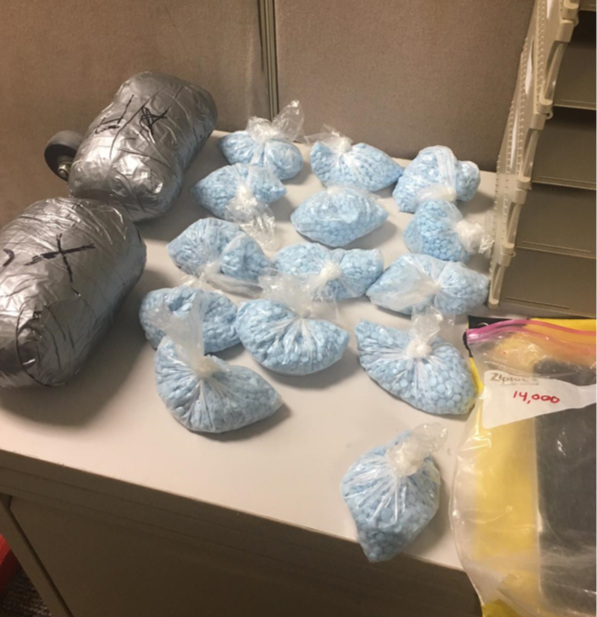
New York City police and DEA agents have announced the seizure of 20,000 counterfeit oxycodone pills made with illicit fentanyl. The pills, which have an estimated street value of $600,000, are blue in color and stamped “M” on one side and “30” on the other, making them virtually indistinguishable from prescription oxycodone.

The fentanyl pills are believed to have originated in Mexico. Known on the street as “Mexican Oxy,” the highly potent counterfeit pills are often cheaper and easier to obtain than pharmaceutical-grade oxycodone. Black market 30 mg oxycodone pills sell on the street for $9 to $30 each and are surfacing around the country.

“If you take prescription pills that did not come directly from a pharmacy, you are risking your life,” said New York City Special Narcotics Prosecutor Bridget Brennan. “Throughout New York City, we have seen a spate of cases involving tens of thousands of potentially lethal fentanyl pills masquerading as oxycodone.

“Just because black market pills have the same color and design as legitimate pills, it does not mean they are safe. The ingredients and potency are all unknown, and minuscule amounts of fentanyl can cause overdose or death. Consuming a counterfeit pill is akin to playing Russian Roulette.”

Overdose deaths in New York City are at record-high levels and fentanyl is involved in over half of them. Fentanyl is a synthetic opioid 50 to 100 times more potent than morphine. A customer accustomed to taking oxycodone would not necessarily have the tolerance to ingest illicit fentanyl without suffering an overdose.

DEA PHOTO

Fentanyl powder is typically produced by illicit labs in China and then smuggled into the U.S. through Mexico. The powder is transformed into tablets by pill presses purchased online and then sold by drug traffickers. Four arrests in New York were made in connection with the latest seizure.

“These arrests highlight a growing trend in illicit street drugs which increases the risk of drug overdose,” said DEA Special Agent in Charge Ray Donovan. “Traffickers are mass producing pseudo-pharmaceutical pills made of heroin, fentanyl and other illicit drugs in makeshift laboratories throughout New York City. These pills attract users because they are more convenient and less conspicuous; but users should beware because they are unregulated and lethal.”

Fentanyl Seizures at Mexican Border

Mexican Oxy is also blamed for a rash of overdoses in Arizona, where fentanyl deaths have tripled in recent years.

“It’s the worst I’ve seen in 30 years, this toll that it’s taken on families,” Doug Coleman, DEA Special Agent in Charge of Arizona told the Associated Press. “The crack (cocaine) crisis was not as bad.”  

Last month, the U.S. Border Patrol announced its biggest fentanyl seizure ever — over 250 pounds were found in a truckload of cucumbers at a border crossing in Nogales, Arizona.

Most of the fentanyl was in powder form and over two pounds were made up of pills. Together, they had the potential to kill millions of people.  

Just because black market pills have the same color and design as legitimate pills, it does not mean they are safe.
— Bridget Brennan, NYC Narcotics Prosecutor

Most of the fentanyl seized by law enforcement is found hidden inside vehicles at official border crossings around Nogales and San Diego, according to the AP. Smaller shipments of fentanyl are sent directly to the U.S. from China through the mail. The Postal Service’s Inspector General recently reported that over 90 percent of illegal online pharmacies use the mail to ship illicit drugs.

The Postal Service is prohibited from opening packages without a search warrant and is obligated to accept inbound international mail. This makes it more difficult for postal inspectors to identify and track packages suspected of containing illicit drugs. By comparison, private carriers are able to open and inspect packages and can track shipments from beginning to end.

The Inspector General recommended that Congress pass legislation that would give postal inspectors authorization to open and inspect domestic packages suspected of carrying illicit drugs.

Study Finds Vagus Nerve Stimulation Delays Pain Signals

By Pat Anson, PNN Editor

Neuromodulation devices that stimulate a key nerve in the neck – the vagus nerve --- have shown potential in treating a variety of chronic pain conditions, including migraines and autoimmune diseases. A new study helps us understand how the devices work.

Researchers studying post-traumatic stress disorder (PTSD) found that vagus nerve stimulation appears to dampen and delay how the brain responds to pain signals.

"It's thought that people with certain differences in how their bodies -- their autonomic and sympathetic nervous systems -- process pain may be more susceptible to PTSD," said Imanuel Lerman, MD, a pain management specialist and associate professor at the University of California San Diego School of Medicine. “And so we wanted to know if we might be able to re-write this 'misfiring' as a means to manage pain, especially for people with PTSD."

UC SAN DIEGO HEALTH

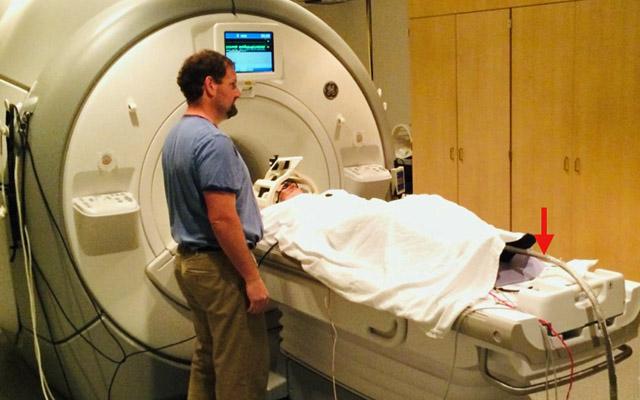
Lerman and his colleagues at Veterans Affairs San Diego Healthcare System used functional magnetic resonance imaging (fMRI) to get a look at the brains of 30 healthy volunteers after a painful heat stimulus was applied to their legs.

Half were treated with vagus nerve stimulation (VNS) for two minutes -- via electrodes placed on the neck – before the heat stimulus. The other half received a mock stimulation.

Researchers found that VNS delayed the response to heat stimulus in several areas of the brain known to be important for sensory and emotional pain processing. These pain-related brain regions were activated ten seconds later than participants who received sham stimulation. Volunteers who received VNS also sweated less in response to the heat.

“Not everyone is the same -- some people may need more vagus nerve stimulation than others to achieve the same outcomes and the necessary frequencies might change over time -- so we'll need to personalize this approach," said Lerman, who reported his findings in the journal PLOS ONE.  "But we are hopeful and looking forward to the next steps in moving this approach toward the clinic."

The next step for researchers is to conduct a clinical study of VNS on military veterans in the San Diego area. They want to determine if at-home vagus nerve stimulation can reduce emotional pain and neural inflammation associated with PTSD. People with PTSD often have intrusive memories, negative thoughts, anxiety and chronic pain. It is usually treated with psychotherapy, anti-depressants and anti-anxiety medications.

The Food and Drug Administration has approved VNS for the treatment of pain caused by cluster headache and migraine. A handheld device – called gammaCore –  is currently available by prescription for $600 to treat those conditions. 

The Feinstein Institute for Medical Research recently reported that VNS significantly reduced pain and fatigue associated with lupus, an autoimmune disease that damages joints, skin and internal organs. In a small pilot study, lupus patients who were treated with VNS for five minutes daily had a significant decrease in pain and fatigue after just five days.

An implanted vagus nerve stimulator is also being tested for the treatment of rheumatoid arthritis.