How to Successfully Taper Off Medication – From Someone Who’s Actually Done It

By Crystal Lindell

The problem with tapering off a medication is that, before you even start, you first have to get past all the cultural messaging that tells you that going cold turkey is the morally superior method.

Often framed as a worthy struggle that “cleanses” the body of an addictive drug and the “sin” of needing it, cold turkey is frequently depicted as the narrative arc in movies and TV shows. Someone abruptly stops taking a drug, endures the immense suffering of withdrawal, and magically comes out the other side “fixed.”

That’s not real life though.

In my experience, slow tapering is the far superior way to successfully stop taking a medication long-term. I have found it works best for multiple types of drugs, ranging from opioids to antidepressants like Cymbalta, and even caffeine.

But “tapering” is a very broad term that can mean different things to different people. It’s something I myself had to figure out through years of personal trial and error.

So, here are three real-world tips for tapering off a medication that will actually work. Or at least they have for me and the people I know.

Just a quick reminder though, I am not a doctor. I am just a patient with lived experience. If you are able to talk to a doctor for help, you should do so.

1. Go Slower Than You Think You Need To

Tapering is a slow process. I have found it works best to drop your dose over a longer period of time than you first expect.

While it may be tempting to try to do it over the course of say, a week, you’re a lot more likely to stick with it if you taper slowly over something like 6-8 weeks.

I know, I know. It sounds like forever. But think of it as similar to weight loss. If you try to lose 20 pounds in the first week, you’re going to fail. It will be too overwhelming and you’ll end up quitting before you even lose that first pound. 

You’re a lot more likely to actually lose 20 pounds over 15-20 weeks, without rebounding by gaining the weight back.

The same is true with tapering off medication.

For example, if you are trying to go off 40 mg of hydrocodone, go down to 35 mg for at least 1-2 weeks or even longer. Then go down to 30 mg for at least another 1-2 weeks. And so forth and so on.

Trust me, it will be so much easier to stick with it, and so much easier on your body.

2. Taper Both Dose and Time

This was the biggest revelation for me, the first time I tapered off hydrocodone. You have to slowly taper down both the dose and the amount of time between those doses.

For example, if you are on three 10 mg pills a day, and you want to go down to two 10 mg pills, you should not taper down by taking them every 12 hours instead of 8.

Rather, it usually works better to take the reduced 20 mg of hydrocodone across three doses during the day, as that makes it much easier to tolerate.

Which brings me to a subsection of this tip: Consider cutting pills in half, or thirds, or whatever you need. A lot of pills will break in half using your hands, but if not, you can use a pill cutter or a knife. 

And if a pill can be cut in half, you can use that to come up with good doses as you taper.

Unfortunately, some medications come in capsules, like Cymbalta, which you can’t cut in half. For that medication, I actually opened the capsules and dumped out the tiny beads a little more each time as I tapered the dose. Most doctors and pharmacists advise against this practice, but it’s the only method that I found to be effective, because the lowest dose of Cymbalta is too high to get off of cold turkey. 

You can read more about how I took myself off Cymbalta here.

3. It’s Okay to Backtrack and Take a Break

It can feel like failure if you have to stop the tapering process or go slower than you planned — but it’s not. Just attempting the whole thing in the first place is itself a victory.

Whether or not you decide to attempt again, at least you have learned things only experience can teach you.

So, if you get started on a taper and you realize it’s too overwhelming or things are moving too fast, it’s okay to linger at a dose for a while until you’re ready.

In fact, it’s usually okay to taper back up to your original dose, as long as you do it slowly. Just keep in mind that for a lot of medications —and especially opioids — your tolerance level resets a lot quicker than most people realize.  So don’t jump back up too fast, or you could risk an overdose. 

You can read more tips for going off opioids here.

There’s so much about tapering off medications that a lot of people cannot fully understand until they go through it themselves. Make sure to give yourself lots of grace, and ignore anyone who tries to criticize your attempts – especially if they don’t have any personal experience in the matter.

All of these tips can go a long way toward making the whole process more tolerable and more successful. 

It may take time to find what works best for your body, but as long as you keep at it, you’ll figure out what works best for you.  

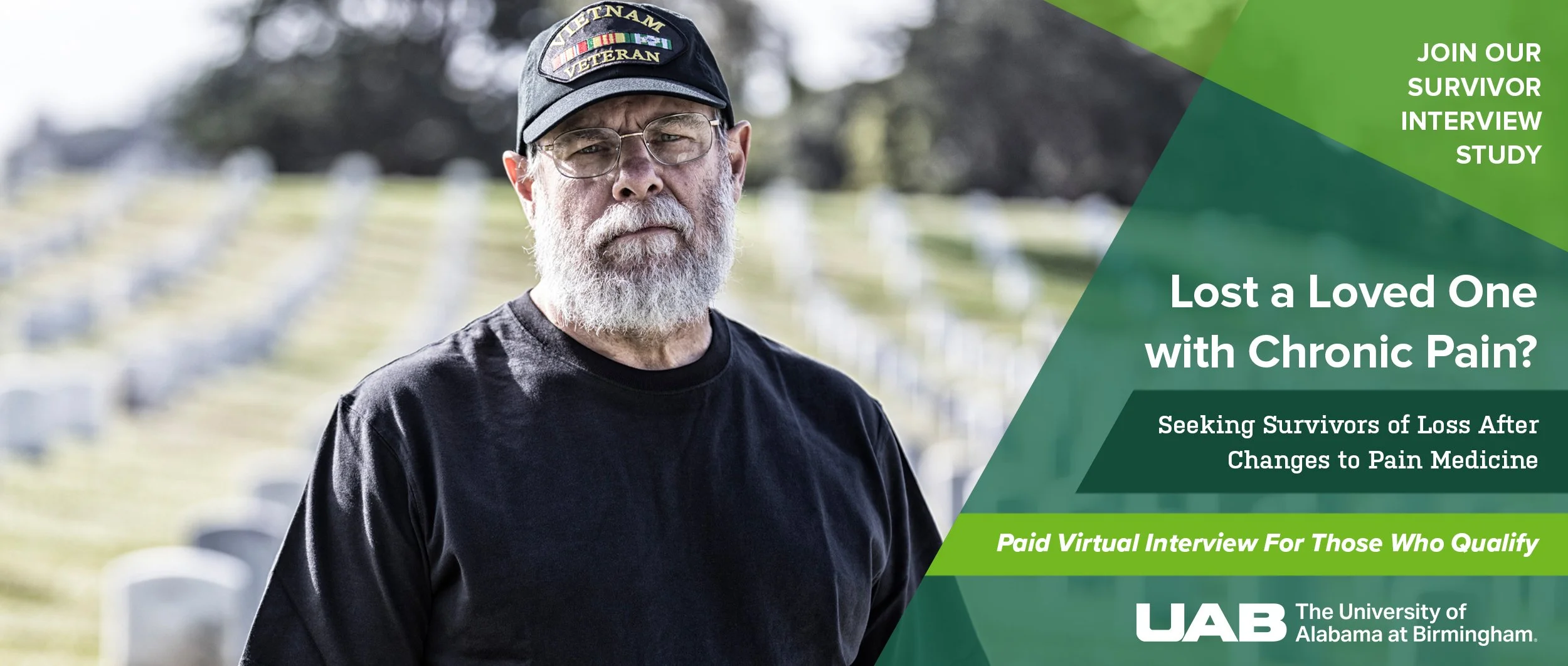
If you lost a loved to suicide after a change in their prescription pain medication, please consider participating in a survey to help researchers learn more about these tragic situations. Click here or on the banner below for more information.
Chronic Pain and Suicide: Three Ways to Recognize and Reduce Risk 

By Dr. Thomas Rutledge

Suicide is a cause of death that haunts the living in perpetuity. After a suicide event, those left behind are tormented by questions:

"Could I have done something?"  "What did I miss?" "How could this happen?" "Was it my fault?" 

Even the best answers fail to return the person lost, and natural grief is often compounded with unnecessary blame.

Discussions about suicide prediction and prevention primarily focus on known risk factors such as mental illness and suicidal ideation. 

In comparison, far less attention is paid to another common contributor to suicide present among a staggering 24.3 percent of the adult U.S. population. That makes this risk factor as prevalent as clinical depression, yet far more likely to be overlooked due to suicide stereotypes.

This unheralded suicide risk factor is chronic pain. In this post, we'll dive into three specific ways that chronic pain increases suicide risk, practical signs by which to recognize the patterns, and general strategies to help.

The Perfect Storm for Suicide

More than perhaps any other medical condition, chronic pain poisons the emotional well of what it means to be human. Although people differ in countless ways, our similarities are even more striking. Across time and cultures, for example, people universally share fundamental needs for meaning, interpersonal connection, safety, contribution, personal growth, and adventure, as articulated famously in psychological theories such as Maslow's hierarchy.

Many medical conditions compromise our ability to fulfill these fundamental human needs. Emotional struggles and mental health conditions are often a result of a medical condition impairing a person's ability to function in an important human need domain. Yet what makes chronic pain uniquely psychologically damaging is that it doesn't impact just a single human need. Chronic pain jeopardizes all of them.

As a psychologist who specializes in helping U.S. military veterans living with chronic pain, my aim is to share three of the most common patterns I see where pain becomes an existential threat.

1. Pain Without Purpose

One of the most profound ways that chronic pain increases suicide risk is by taking away a person's North Star for living. Like a sailor at sea without stars or a compass to guide them, chronic pain can remove the sense of purpose that allows people to endure in the face of suffering. Without sufficient purpose, pain becomes unbearable.

Scenarios: A retiree whose pain leaves them mostly housebound, estranged from friends, and increasingly unable to live independently. A veteran living on disability who has lost any sense of mission or way to contribute. A young adult whose pain condition limits opportunities for work, isolates them from others, and undermines their belief in a worthwhile future.

Characteristic thinking: "What's the point?" "Why go on this way?" "I feel like giving up."

Solutions: Based on the person's own values and lived experiences, explore flexible ways to reconnect them with their sources of meaning. Retirees may volunteer or consult in an area of interest. Former athletes may coach. Veterans may engage with military organizations and causes. Parents may become involved with youth activities. And, due to the staggering advances in technology that enable online and virtual participation, developing meaning-oriented lifestyles with chronic pain has never been more practical or lower cost.

2. Suffering in Solitude

No relationship is 100 percent safe from the corrosive effects of chronic pain. Chronic pain can ruin once-strong marriages, corrupt lifelong friendships, and erode the parent-child bond. Even as the person with chronic pain may need more social support in light of their condition, they frequently experience less in both quantity and quality.

Scenarios. There are two classic versions of this scenario. In the first, other people pull away or drift apart over time. In the second, the person living with chronic pain themselves retreats from others, usually because they feel like a burden or that they are holding other people back.

Characteristic thinking: "I'm useless this way." "I'm no good to anybody like this." "They would be better off without me."

Solutions: Consider all options for rebuilding a healthy social network. Although in-person activities may be best, virtual options—phone calls, text messaging, even multiplayer virtual reality or video games—may be good starting points. Aim, where possible, for relationship settings and activities where the person is an active contributor and teammate, where they can give as much or more than they receive. 

Because men often struggle more with forming new relationships, explore options where an activity of interest is the centerpiece, while in a setting where social interactions can spontaneously occur.

3. Loss of Self

Chronic pain can not only steal purpose and corrode personal relationships, it can even threaten personhood and self-image. What are the psychological consequences when chronic pain leaves a person adrift from the core values and ways of living that enable their sense of self?

Scenarios: A person whose pain took away a career that previously gave them a sense of worth and identity. A middle-aged parent struggling with chronic pain and whose grown children have left home. A veteran who spent their military career serving the greater good, who now has nothing but memories. A young adult whose pain condition took away the plan and future they envisioned for themselves.

Characteristic thinking: "I don't know who I am anymore." "I feel lost." "I'm just a disability now."

Solutions: Help people grieve the self they've lost while building a new one. Post-traumatic growth examples through stories, movies, and relatable people can be powerful mental seeds to help people see themselves as a human phoenix—capable of rising from the ashes in a new form—instead of as a person permanently broken by pain and loss. 

As in every hero's journey, people need not just examples but also guides and mentors to construct a new sense of self. A sense of self where their chronic pain helps them help others, view themselves as a survivor and not a victim, recognize hidden personal strengths, and find healthy ways to live their highest values.

Thomas Rutledge, PhD, is a Professor of Psychiatry at UC San Diego and a staff psychologist at the VA San Diego Healthcare System.

This post originally appeared in Psychology Today and is republished with permission from the author.

If you lost a loved to suicide after a change in their prescription pain medication, please consider participating in a survey to help researchers learn more about these tragic situations. Click here or on the banner below for more information.
How Chronic Pain Steals Your Time

By Crystal Lindell

Chronic pain is a thief. It steals your health, relationships, money, motivation, and time.

This week, so far, it has taken one full day away from me. My Tuesday was stolen.

That’s when my fiancé and I were supposed to go visit his relatives, who live about 2 hours away. But as soon as I woke up, I knew we weren’t going to make it. 

It was a bad pain day. Gray, dull, and full of inflammation.

The intercostal neuralgia in my ribs was flaring up, and I was having a hard time sitting upright. It was all I could do to keep myself out of bed long enough to brush my teeth.

Still, I tried to resist.

I told myself I just needed time to let my morning meds kick in. That, maybe, the weather would ease, and so would my pain.

But by 10:30 a.m. I knew I was going to have to tell my fiancé the verdict: there was no way I was going to be able to make that trip.

Thankfully, he didn’t hesitate. Just a quick and comforting “Okay.” And then he called his relatives to tell them we needed to reschedule for later in the week.

But I couldn’t help but feel disappointed and a little guilty. I hate having to cancel plans, and I hate worrying about what others will think when I do.

I was also frustrated with the realization that everything else I had planned for the week was now going to be squashed together or canceled.

Because having a bad pain day doesn’t suddenly mean that I have less to do. It just means I have less time to do it.

There were points in my life when my pain was so poorly managed that it would steal a lot more than one day of the week from me. Sometimes, it would take all seven.

And when those weeks happened, it was all too easy to blame myself. I should have pushed through it, been tougher, gotten it done.

It doesn’t help when other people make you feel guilty. After all, it is a lot easier to call someone “lazy” than it is to sympathize with their health struggles. 

A saying I often repeat to myself in those times is something my mom would always say to me when I was growing up: “All you can do is all you can do.”

I say it a lot because I still don’t always believe it. I have to constantly remind myself that my limits are actually my limits.

Beyond the guilt though, there’s also the sadness that comes when chronic pain steals your time. How many days do I have left on this earth, and how many of them will chronic pain take? How many holidays? How many more Tuesdays?

And how much time have I already lost to my pain?

It’s not fair. I want my time to be mine. I want to use it how I want to use it. 

The right pain medications give me a lot of my time back, and that’s why I treasure them so much. It’s why I work so hard to advocate for pain patients to have access to them. Because we all deserve to keep as much of our time as possible. 

In the end, all we can do is all we can do. But that doesn’t mean we shouldn’t get as much help doing it as possible. 

Moderate Cannabis Use Linked to Better Cognition in Older Adults

By Pat Anson

As cannabis use grows among older adults, researchers are beginning to focus on the effects – good and bad — on aging brains.

A recent study found that 18.5% of Americans adults aged 50 to 64, and 5.9% of adults over the age of 65 reported using cannabis products in the past year. About one in four used cannabis for medical purposes.

“More older adults are using cannabis. It's more widely available and is being used for different reasons than in younger folks – such as for sleep and chronic pain,” said Anika Guha, PhD, a clinical psychologist and researcher at the University of Colorado Anschutz Medical Campus. 

“Plus, people are living longer. We have to be asking, ‘What are the long-term effects of cannabis use as we continue to age?’” 

Guha is the lead author of a study, recently published in the Journal of Studies on Alcohol and Drugs, that analyzed the brain scans and cognitive test results of over 26,000 UK adults between the ages of 40 and 77. 

Researchers found larger brain volumes and better cognitive function among middle aged and older adults who used cannabis, especially those who used it moderately. .

“We did see that for many of our outcome measures, moderation seemed to be best. For the brain regions and cognitive tests that demonstrated an effect, the moderate-use group generally had larger brain volumes and better cognitive performance,” Guha explained.  

Moderate use of cannabis was associated with better performance in learning, processing speed, short-term memory, and cognition than non-users. 

Guha was surprised by the extent of the positive findings, but also cautious about interpreting them. Cannabis research is difficult due to the wide range in potency and different forms of ingestion for cannabis products.

Guha and her team are particularly interested in brain regions that have more cannabinoid receptors – called CB1s – which are more likely to be impacted by cannabis use. 

“Some studies will just say there was an impact of cannabis on overall gray (brain) matter. However, we wanted to take a more nuanced approach by looking at effects on specific brain regions, especially those with high CB1 receptor density, as well as on cognitive processes like memory, which is, of course, very relevant to aging,” Guha explained.

“For example, the hippocampus was one of the regions we looked at since it contains many CB1 receptors and plays an important role in memory, especially as we age, and is also implicated in dementia.”

Brain volume has a tendency to shrink as we age, due to atrophy and neurodegeneration. The decrease is often associated with reduced cognitive function and increased dementia risk. 

Cannabis use was associated with reduced volume in only one part of the brain – the posterior cingulate – which helps process memory, learning, and emotion. 

“I think the main takeaway is that the story is nuanced. It’s not a case of cannabis being all good or all bad. I think sometimes people have seen my poster on this project or they see the headline and they say, "Great, I'll just use more cannabis." But it’s more complicated than that,” Guha said. “There’s so much more to explore.”  

Most medical organizations still take a dim view of cannabis. The American College of Physicians (ACP) released a new guideline last year that recommends against the use of medical cannabis.

The ACP said physicians should warn patients that the harms of cannabis outweigh its potential benefits. Medical cannabis may produce small improvements in pain, function and disability, but the ACP warns it could lead to addiction and cognitive issues, as well as cardiovascular, gastrointestinal and pulmonary problems.

Can Fentanyl Be ‘Rewired’ to Make It Safer?

By Pat Anson

Scientists at Scripps Research have found a way to change fentanyl’s molecular structure to reduce the risk of overdosing, while at the same time preserving its pain-relieving properties. 

The findings, published in the ACS Medicinal Chemistry Letters, suggest that next-generation synthetic opioids could have less risk of addiction, respiratory depression, and death. 

Fentanyl has been used safely and effectively for over 50 years as a surgical analgesic, and by patients with severe pain from cancer and other intractable pain conditions. Only in the past decade has illicit fentanyl emerged as a potent and deadly street drug that fueled the U.S. overdose crisis.

That has given fentanyl a bad name – and led to efforts to “rewire” fentanyl and other opioids to make them safer, but still effective as pain relievers.

“For decades, the pharmaceutical industry has been constrained by the assumption that major structural changes to opioids would eliminate their analgesic properties,” says senior author Kim Janda, PhD, Professor of Chemistry at the Skaggs Institute For Chemical Biology. 

“Our research has identified a different possibility—that fundamental structural redesign can preserve pain relief while improving safety.”

Janda and his colleagues used a medicinal chemistry strategy known as “bioisosteric replacement,” a method used to redesign molecules to have different effects than the original molecules. 

To engineer the change in fentanyl, scientists replaced the central ring structure of fentanyl molecules with an entirely different one called “2-azaspiro[3.3]heptane.” The new compound doesn’t bind as much to nerve receptors in the brain that regulate breathing. 

When the redesigned fentanyl was tested on laboratory mice, the team arrived at a dose that remained effective as an analgesic, while the mice “appeared normal with no indication of distress or signs of acute toxicity.” 

Slowed breathing in the mice occurred only at very high doses and was temporary, with breathing returning to normal within 25-30 minutes. The new analog has a short half-life of about 27 minutes – the amount of time it takes for the liver to metabolize and break down the drug. Other medicines have a long half-life of several hours or even days — which makes them potentially more toxic.

“Finding ways to preserve the analgesic properties of the synthetic opioids without encumbering the perils of respiratory depression could help derisk the toxicity associated with synthetic opioid use while providing a new conduit for pain management,” says Janda.

The research appears promising and may someday benefit pain patients, but it overlooks the fact that illicit fentanyl is involved in most overdoses. The drug cartels and street dealers that sell it will have little interest in changing the chemical structure of illicit fentanyl to make it safer.

Food: The Daily Challenge for People With Chronic Pain

By Crystal Lindell

One of the biggest hurdles many people with chronic pain face is finding something to eat. It’s literally a daily challenge that has to be solved.

Personally, it’s something I struggled with even before I started having chronic pain in my right ribs.

Finding food three times a day just isn’t easy. Anyone who tells you it’s easy probably has someone else who cooks for them, and does all the shopping and clean-up.

The temptation is to eat out, but that gets expensive fast – especially if you use delivery apps like DoorDash. So, over the years I have become an expert at feeding myself, even when I feel like crap and have no money.

In fact, these days I’m even a vegan, living in a small town in the Midwest, so the option to eat out most days doesn’t even exist.

Below are some realistic tips for feeding yourself even when you’re sick, broke, and a bad cook.  

Level 1: Heat-and-Eat Meals

The first goal in feeding yourself is to avoid fast food and food delivery apps. Almost everything you get at the grocery store is going to be healthier and cheaper.

To avoid the strain of food preparation and cooking, look for anything that just needs to be opened and heated. This can include frozen meals and pizzas; canned meals like beef stew and ravioli; and refrigerated meals from grocery store deli sections.

When I first made it my goal to avoid eating out, I would literally stock my freezer with 14 frozen dinners each week. One of my friends commented that my refrigerator looked like an ad for Lean Cuisine. They aren’t cheap, but they are easy and they can offer a lot of variety.    

Frozen and prepared foods tend to be more expensive than fresh food at the grocery store, but they are all significantly cheaper than DoorDash. 

Level 2: Easy Cooking

When I say easy cooking, I mean easyyyyy cooking. So easy, you can do it on bad pain days.

If you can master this category, meals are also exponentially cheaper than prepared grocery food.

In this level I would include easy to prepare meals like spaghetti noodles with a jar of sauce, quesadillas, and cereal with a side of toast (warm toast really elevates the experience from sad and cold to warm and comforting). This level also includes sandwiches, whether it’s peanut butter and jelly or lunch meat.

There are weeks when I go days at a time living on vegan cheese quesadillas. For these, I simply put a non-stick pan on the stove, heat up a plain tortilla, add cheese, fold it over and eat. I dip it in vegan sour cream, hot sauce, or even add some microwaved vegan steak if I have any on hand. Voilà! A perfectly satisfying meal.

The trick to this category is to find meals you can make that don’t require you to chop a single thing. However, they may require you to pull out a pan. 

If you have the energy to chop something, even better!  Tomatoes and onions tend to make most things taste better.

For these meals, the microwave is still your best ally. There are a lot of foods usually cooked on the stove that can be cooked faster and easier in the microwave. So, if I’m adding some vegetables to my pasta, I will put the steam-in-the-bag version in the microwave first so they don’t have to be cooked on the stove top. Or if I’m adding vegan meatballs to sauce, I’ll heat them in the microwave first.

I firmly believe that a mix of Level 1 and Level 2 cooking can get most people through most days of the month when needed.  

Level 3: Meal Prep

That brings us to the most difficult level of chronic pain cooking: Meal Prep.

For this category, you will probably need to chop things, and you may need to dirty multiple pots and pans.

The shopping, cooking, and the clean-up are both more extensive, but if you can pull it off, the rewards can last for weeks.

When I have a good pain day, I try to use some of my time in the morning to make a large dish, whether that’s a soup, chili, or a casserole. There’s no rule that says you have to cook dinner at dinnertime. 

And I always triple the recipe so that I can eat leftovers for days. I’ll even make enough to freeze portions of it, essentially making my own frozen dinners.

Midwest cooking has a lot to offer for this category because our winters often make it hard to go to the grocery store more than once a week.

For example, chili is an especially great recipe in this category because you can do the whole thing with cans of beans and cans of tomatoes mixed with a chili seasoning packet in the crockpot. I add dried lentils to mine to give it a meaty texture, but you can also add something like cooked ground beef if you have the energy to make that on the stove top

I also love making vegan pot pie (I use chickpeas instead of chicken), potato soup, or a large batch of enchiladas.

I also have a bread machine, so when I have the energy, I like to throw the ingredients in there so I can have fresh, homemade bread for a few days. When I don’t want to deal with that, a loaf of $2 French bread from the grocery store bakery also hits the spot.

Eating three meals a day takes a lot of effort, and it’s understandable that a lot of people with chronic pain don’t have the physical or mental energy needed for cooking. But that doesn’t mean you have to eat out for every meal. Or starve yourself.

The trick is to forgive yourself for taking kitchen shortcuts, start off easy, and to find just a couple go-to homemade meals that you can make on autopilot. That’s more than enough. Then it’s just a matter of bon appétit! 

Microcurrent Therapy: The Healing Electrical Stimulation You’ve Never Heard Of

By Madora Pennington

If you suffer from chronic muscle or soft tissue pain, a physical therapist or doctor may have recommended you get a TENS unit.

A traditional TENS (Transcutaneous Electrical Nerve Stimulation) device sends a low-voltage current through an injured area of the body, attempting to disrupt pain signals and stimulate endorphins, the body’s natural painkillers. The reviews of TENS are mixed. Some people experience relief from TENS, but many do not. 

There is another kind of TENS that few patients and providers know about called microcurrent therapy (MCT). These devices deliver an electric current so small, the user might not feel anything. That’s because the current approximates the body’s own energy flows. The goal of MCT therapy is not to block pain sensation, but to encourage actual healing.

The human body itself is a complex electrochemical machine. Your cells generate low levels of electricity through chemical reactions called “biocurrents” -- which power bodily functions, regulate nerve signaling, boost cellular growth and energy, reduce inflammation, and so on. When body tissue is damaged, it produces an altered current that doesn’t work as well. 

Stimulating the body with an external microcurrent accelerates tissue repair, wound healing, and muscle recovery. In short, it speeds healing by assisting with energy at the cellular level. The current from a traditional TENS, while low, is still much higher than the electrical currents the body runs on, so it does not improve the electrical functioning of cells. 

For me, I never felt much benefit from a traditional TENS. So when I read articles about microcurrent therapy, I wanted to try it. I asked my physical therapist, and she had never heard of anything but a traditional TENS current, even though she is a recent graduate of a doctoral program, and an excellent PT. 

I checked the various TENS units I already own, and none had the capacity to produce a microcurrent.

John Hubacher, President and CEO of Pantheon Research, a biomedical instrument manufacturing company, thinks microcurrent therapy may have gotten left behind because it was unclear why it worked so well. Without a clear mechanism for physiological action, it’s hard to get studies done. But now research is emerging that shows that MCT has the potential to change a cell's physiological processes.

Microcurrents have been shown to improve skin ulcers, varicose veins, and wound healing. It is also being used for cosmetic purposes as a “natural facelift” to tighten and tone skin, stimulate facial muscles, and boost collagen and elastin production. There are practically no side-effects, and it can be safely used in elderly populations.

Combining microcurrent therapy with exercise can be very helpful. Microcurrent used before and after a workout improves fat breakdown and reduces muscle soreness. Mice with atrophied muscles experienced muscle regrowth from the application of microcurrent therapy.

A 2025 paper remarked that this low-risk, powerfully therapeutic and inexpensive technology is grossly underutilized due to lack of awareness, even though studies support that it improves pain and function in many musculoskeletal conditions.

“Despite a growing body of evidence highlighting its therapeutic potential, MIC (MTC) therapy remains underutilized across many areas of medicine. Its subsensory, low-intensity electrical currents offers a non-invasive, pain-free alternative to traditional electrotherapies like TENS, without triggering muscle contraction or discomfort,” wrote lead author Sarahrose Jonik, MD, a Resident of Internal Medicine at Penn State College of Medicine.

“MIC therapy shows promise as an adjunctive modality capable of supporting tissue repair, reducing inflammation, and modulating pain, particularly in complex, chronic, or refractory conditions.” .

After an internet search, I bought the InTENSity 12 made by Compass Health. It looks and operates like a typical TENS and costs about the same, but produces a microcurrent. Like a TENS device, it has sticky pads that you attach to the skin near the area you want to work on. 

I first used the InTENSity 12 on an area around my hip that is constantly tight. There, my muscles overwork to compensate for an old knee injury. It is an area I always have to work on and have had much physical therapy for.

The microcurrent absolutely melted the tension like no stretching, heat, massage, or trigger point release ever came close to doing. I did some stretching afterwards. The area released even more deeply and completely. My formerly hyperactive muscles stayed soft and easy to stretch for days. 

Using the microcurrent TENS on other painful areas caused by other old injuries and a neuropathy flare, I felt relief that lasted for days. It left me wondering if this extra power, when delivered at the same level at which my cells operate, caused healing that my body was not doing on its own. 

You Might Have Chronic Pain If…

By Crystal Lindell

Back in the 90s, comedian Jeff Foxworthy had this whole bit about, “You might be a redneck if…”  

He’d start off with a funny description and then make the obvious conclusion, like: “If you ever cut your grass and found a car… you might be a redneck.”

It was an in-joke among people who proudly saw themselves as rednecks. Foxworthy wasn’t laughing at them, he was laughing with them — because he portrayed himself as one of them.

Whether or not a rich comedian was ever authentically a redneck is a debate for another day. But regardless, I very much am a member of the chronic pain community, and as such, I think there’s a few of these I could share.

So without further ado:

  • If your favorite breakfast is coffee and pain pills… you might have chronic pain.

  • If you have ever wanted to argue with a pharmacist… you might have chronic pain.

  • If you need at least 24 hours notice to leave the house… you might have chronic pain.

  • If you know exactly how long you can go without showering… you might have chronic pain.

  • If your favorite outfit is pajamas… you might have chronic pain.

  • If you think your “Dr. Google” search results are more valuable than your doctor’s degree… you might have chronic pain.

  • If the words “Have you tried yoga?” trigger your PTSD… you might have chronic pain.

  • If you have ever slept for 24 hours and then woken up and needed a nap… you might have chronic pain.

  • If your medical bills are higher than the GDP of a small country… you might have chronic pain.

  • If your “desk” is just your bed with a pillow propped up behind you… you might have chronic pain.

  • If you have ever had to diagnose yourself… you might have chronic pain

  • If you currently have a 500-count bottle of ibuprofen at home — and another one in the car… you might have chronic pain.

  • If your idea of a perfect date night is sitting at home under a heated blanket while watching Lord of the Rings … you might have chronic pain.

  • If your favorite food is THC gummies… you might have chronic pain.

  • If you ever used up all of your sick days in the month of January… you might have chronic pain.

  • If you use more dry shampoo than regular shampoo… you might have chronic pain.

  • If you ever hoped that a test actually showed you had cancer, so that then you’d at least have an explanation… you might have chronic pain.

  • If your most worn accessory is some sort of medical brace… you might have chronic pain.

  • If all your shoes have arch support… you might have chronic pain.

  • If your entire social media feed is posts about surviving chronic pain… you might have chronic pain.

  • If you have ever worn the same outfit for 5 days in a row… you might have chronic pain.

If you can relate to any of these… you might have chronic pain.

Here’s hoping today is one of your good pain days. 

And if you have any “You might have chronic pain if…” examples that you’d like to share, we’d love to read them in the comments. 

Medicare Pilot Program Could Deny Coverage of Pain Treatments 

By Grace Mackleby and Jeff Marr

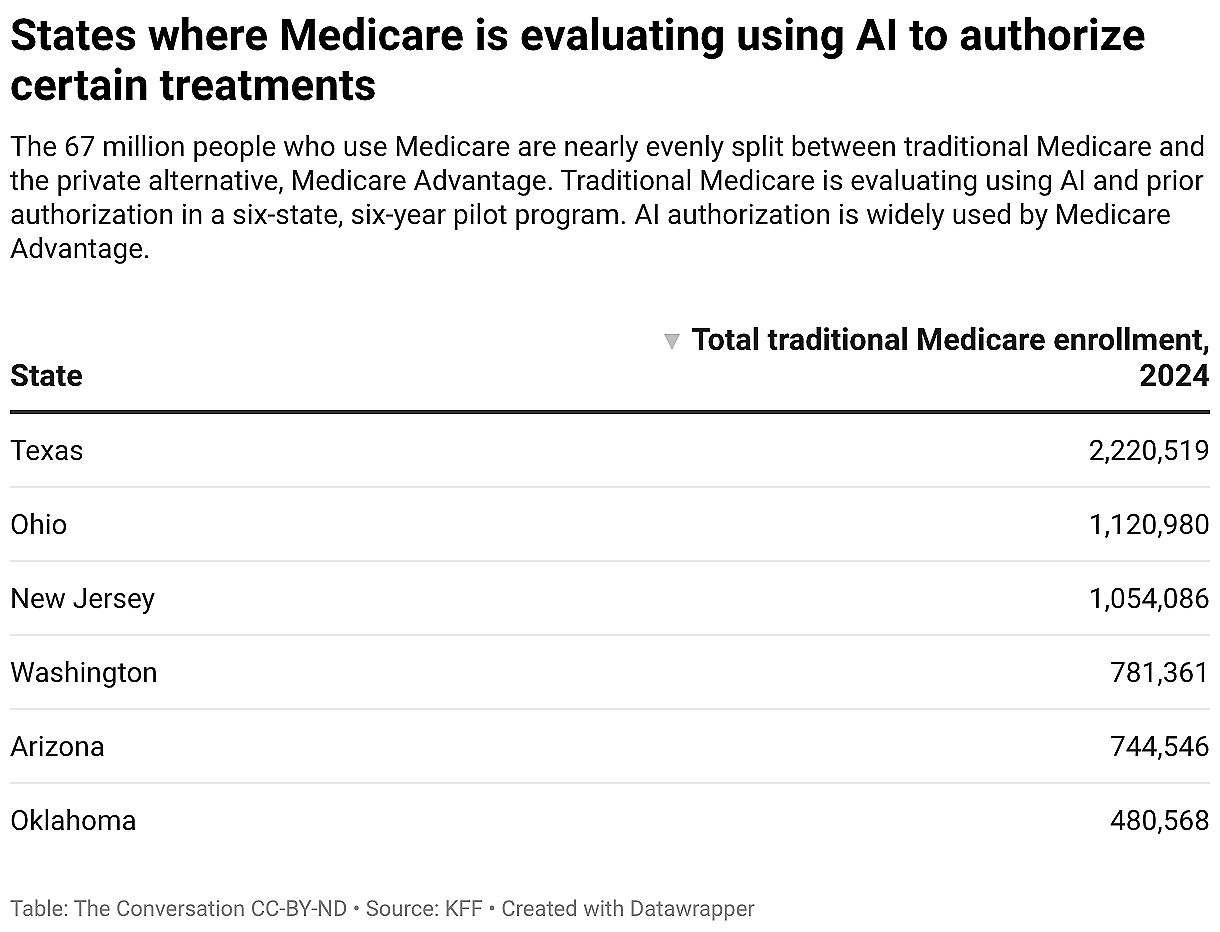
Medicare has launched a six-year pilot program that could eventually transform access to health care for some of the millions of people across the U.S. who rely on it for their health insurance coverage.

Traditional Medicare is a government-administered insurance plan for people over 65 or with disabilities. About half of the 67 million Americans insured through Medicare have this coverage. The rest have Medicare Advantage plans administered by private companies.

The pilot program, dubbed the Wasteful and Inappropriate Service Reduction Model, is an experimental program that began to affect people enrolled in traditional Medicare from six states in January 2026.

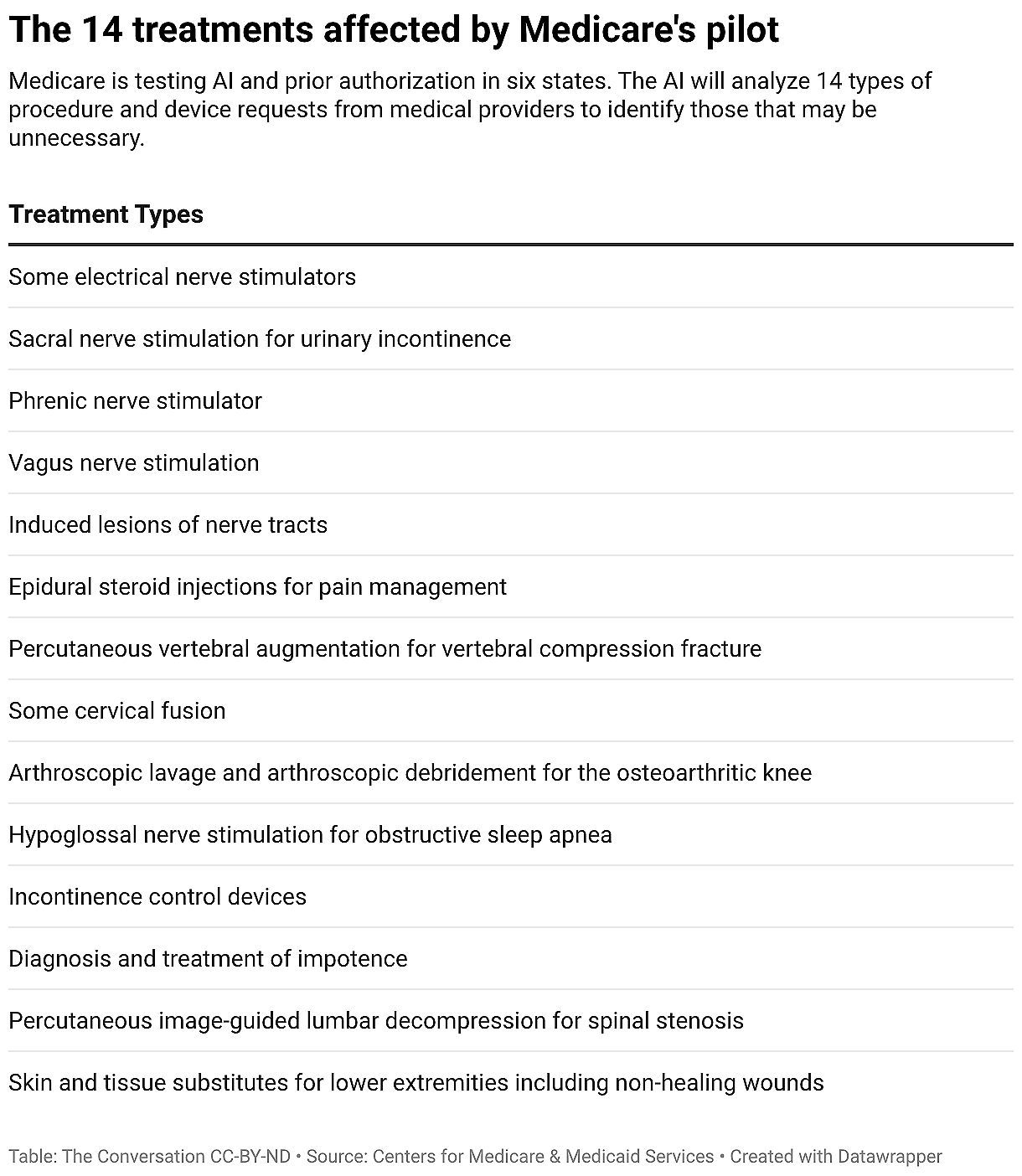
During this pilot, medical providers must apply for permission, or prior authorization, before giving 14 kinds of health procedures and devices. The program uses artificial intelligence software to identify treatment requests it deems unnecessary or harmful and denies them. This is similar to the way many Medicare Advantage plans work.

As health economists who have studied Medicare and the use of AI in prior authorization, we believe this pilot could save Medicare money, but it should be closely monitored to ensure that it does not harm the health of patients enrolled in the traditional Medicare program.

Prior Authorization Required

The pilot marks a dramatic change.

Unlike other types of health insurance, including Medicare Advantage, traditional Medicare generally does not require health care providers to submit requests for Medicare to authorize the treatments they recommend to patients.

Requiring prior authorization for these procedures and devices could reduce wasteful spending and help patients by steering them away from unnecessary treatments. However, there is a risk that it could also delay or interfere with some necessary care and add to the paperwork providers must contend with.

Prior authorization is widely used by Medicare Advantage plans. Many insurance companies hire technology firms to make prior authorization decisions for their Medicare Advantage plans.

Pilots are a key way that Medicare improves its services. Medicare tests changes on a small number of people or providers to see whether they should be implemented more broadly.

The six states participating are Arizona, New Jersey, Ohio, Oklahoma, Texas and Washington. The 14 services that require prior authorization during this pilot include steroid injections for pain management and incontinence-control devices. The pilot ends December 2031.

If the Centers for Medicare & Medicaid Services, which administers Medicare, deems the pilot successful, the Department of Health and Human services could expand the program to include more procedures and more states.

An Extra Hurdle for Providers

This pilot isn’t changing the rules for what traditional Medicare covers. Instead, it adds an extra hurdle for medical providers before they can administer, for example, arthroscopic treatment for an osteoarthritic knee.

If Medicare issues a denial rather than authorizing the service, the patient goes without that treatment unless their provider files an appeal and prevails.

Medicare has hired tech companies to do the work of denying or approving prior authorization requests, with the aid of artificial intelligence.

Many of these are the same companies that do prior authorizations for Medicare Advantage plans.

The government pays the companies a percentage of what Medicare would have spent on the denied treatments. This means companies are paid more when they deny more prior authorization requests.

Medicare monitors the pilot program for inappropriate denials.

‘Low Value’ Treatments Targeted

Past research has shown that when insurers require prior authorization, the people they cover get fewer services. This pilot is likely to reduce treatments and Medicare spending, though how much remains unknown.

The Centers for Medicare & Medicaid Services chose the services targeted by the pilot because there is evidence they are given excessively in many cases.

If the program denies cases where a health service is inappropriate, or of “low value” for a patient’s health, people enrolled in traditional Medicare could benefit.

But for each treatment targeted by the pilot, there are some cases where that kind of health care is necessary.

If the program’s AI-based decision method has trouble identifying these necessary cases and denies them, people could lose access to care they need.

The pilot also adds to the paperwork that medical providers must do. Paperwork is already a major burden for providers and contributes to burnout.

AI’s Role

No matter how the government evaluates prior authorizations, we think this pilot is likely to reduce use of the targeted treatments.

The impact of using AI to evaluate these prior authorizations is unclear. AI could allow tech companies to automatically approve more cases, which could speed up decisions. However, companies could use time saved by AI to put more effort into having people review cases flagged by AI, which could increase denials.

Many private insurers already use AI for Medicare Advantage prior authorization decisions, although there has been limited research on these models, and little is known about how accurate AI is for this purpose.

What evidence there is suggests that AI-aided prior authorization leads to higher denial rates and larger reductions in health care use than when insurers make prior authorization decisions without using AI.

Winners and Losers

Any money the government saves during the pilot will depend on whether and how frequently these treatments are used inappropriately and how aggressively tech companies deny care.

In our view, this pilot will likely create winners and losers. Tech companies may benefit financially, though how much will depend on how big the treatment reductions are. But medical providers will have more paperwork to deal with and will get paid less if some of their Medicare requests are denied.

The impact on patients will depend on how well tech companies identify care that probably would be unnecessary and avoid denying care that is essential.

Taxpayers, who pay into Medicare during their working years, stand to benefit if the pilot can cut long-term Medicare costs, an important goal given Medicare’s growing budget crisis.

Like in Medicare Advantage, savings from prior authorization requirements in this pilot are split with private companies. Unlike in Medicare Advantage, however, this split is based on a fixed, observable percentage so that payments to private companies cannot exceed total savings, and the benefits of the program are easier for Medicare to quantify.

In our view, given the potential trade-offs, Medicare will need to evaluate the results of this pilot carefully before expanding it to more states – especially if it also expands the program to include services where unnecessary care is less common.

Grace Mackleby, PhD, is a research scientist of Health Policy and Economics at the University of Southern California. She is also a visiting scholar at the University of Utah Department of Population Health Sciences in Salt Lake City.

Jeff Marr, PhD, is an Assistant Professor of Health Services, Policy, and Practice at Brown University. His current work focuses on Medicare, prior authorization, and the use of AI in healthcare. 

This article originally appeared in The Conversation and is republished with permission.

Can Long-Term Opioid Use Be Predicted Before Surgery?

By Pat Anson

Patients on Medicaid and those who have a history of anxiety, mood disorders, or benzodiazepine use are significantly more likely to use opioids long-term after surgery, according to a new analysis.

The study, published in the journal Pain Medicine, could provoke fresh debate over whether opioid addiction can be predicted, and whether risk assessments unfairly stigmatize patients and affect how they are treated.

“Identifying who is at risk before the first incision is made is a critical step in combatting the opioid crisis,” said lead author Yoonjae Lee, DNP, a second-year PhD student at the University of Pennsylvania’s School of Nursing..

“Our findings provide a roadmap for clinicians to implement targeted interventions, ensuring that high-risk patients receive enhanced monitoring and alternative pain management strategies.”

Lee and her colleagues analyzed data from 27 clinical studies to see what raises the risk of patients new to opioids becoming long-term users after surgery. 

They found that “opioid-naïve” patients with Medicaid coverage and those with a history of taking benzodiazepine anti-anxiety medication had 77% higher odds of developing new persistent opioid use (NPOU). 

Patients with a history of depression or other mood disorders had 24% higher odds, while those with anxiety had a 17% higher risk of persistent opioid use.

Based on these findings, researchers say every patient should be screened before surgery for the risk of long-term opioid use, so that changes can be made in their treatment.

“Minimizing the development of NPOU requires a thorough preoperative medication review, as our findings indicated that certain drugs including antidepressants, muscle relaxants, anticonvulsants, and sedatives are linked to a higher risk of NPOU. Among these risk factors, preoperative benzodiazepine use stands out as the strongest,” researchers concluded.

“With respect to clinical implications, clinicians should adopt a comprehensive and individualized approach to assessing and managing these predictive factors in each surgical patient, given the complex interaction of multiple factors affecting the development of NPOU. Although insurance status cannot be changed, mood disorders, anxiety, and benzodiazepine use can be modified preoperatively.” 

The idea of pre-screening surgery patients is similar to female patients being screened for potential opioid misuse through a questionnaire called the Opioid Risk Tool. In some cases, the questionnaire has been used as an excuse to deny opioids to women who have a history of childhood sexual abuse.

Penn Nursing researchers may have an exaggerated notion of just how common long-term opioid use is after surgery. They cited a study claiming that “up to 65% of patients” continue to use opioids 90 days after surgery, a “significant postoperative complication” that leads to higher healthcare costs, as well as opioid misuse, diversion, overdose and addiction.

That’s a misleading reference to a 2024 analysis, which found that 2% to 65% of surgery patients are at risk of long term opioid use. That assessment is based on a review of over 30 clinical studies, which came up with a wide range of estimates on the risk of persistent opioid use. The Penn Nursing study only cited the higher 65% estimate, while ignoring the lower ones. 

Other studies have found that surgery patients rarely misuse opioids or become long-term users. A large 2018 Harvard Medical School study found that only 0.6% of patients had signs of opioid misuse after surgery.

A large 2016 study in Canada put the risk of long-term opioid use after one year at only 0.4% of surgery patients. “Our study thus provides reassurance that the individual risk of long-term opioid use in opioid-naive surgical patients is low,” researchers reported.

Neither the Canadian or Harvard study were included in the Penn Nursing analysis because researchers didn’t include studies conducted prior to 2019.

It’s fairly common for patients to need pain management for months after surgery. Post-operative pain becomes chronic in about 10% to 50% of surgery patients, depending on the type and invasiveness of the surgery. That’s why opioids and other analgesics are essential in post-op care. 

UK researchers say “great efforts must be made to provide effective post-operative pain relief for a long enough period” to prevent acute post-op pain from becoming chronic.

The Penn Nursing study was funded by the National Institutes of Health.

How Should the U.S. Regulate Medical Marijuana? 

By Chris Meyers

Medical marijuana could soon be reclassified into a medical category that includes prescription drugs like Tylenol with codeine, ketamine and anabolic steroids.

That’s because in December 2025, President Donald Trump signed an executive order to reschedule marijuana to a less restricted category, continuing a process initiated by President Joe Biden in 2022.

Currently, marijuana is in the most restrictive class, Schedule I, the same category as street drugs like LSD, ecstasy and heroin.

For years, many researchers and medical experts have argued that its current classification is a hindrance to much-needed medical research that would answer many of the pressing questions about its potential for medicinal use.

In January 2026, Republican Senators Ted Budd, of North Carolina, and James Lankford, of Oklahoma, introduced an amendment to funding bills trying to block the rescheduling, claiming that it “sends the wrong message” and will lead to “increased risk of heart attack, stroke, psychotic disorders, addiction and hospitalization.”

As a philosopher and drug policy expert, I am more interested in what is the most reasonable marijuana policy. In other words, is rescheduling the right move?

Broadly speaking, there are three choices available for marijuana regulation. The U.S. could keep the drug in the highly restricted Schedule I category, move it to a less restrictive category or remove it from scheduling altogether, which would end the conflict between state and federal marijuana laws.

As of January 2026, cannabis is legal in 40 of 50 states for medical use and 24 states for recreational use. Rescheduling would only apply to medical use.

Let’s examine the arguments for each option under the Controlled Substances Act, which places each prohibited drug into one of five “schedules” based on proven medical use, addictive potential and safety.

Drugs classified as Schedule I – as marijuana has been since 1971, when the Controlled Substances Act was passed – cannot be legally used for medical use or research, though an exception for research can be made with special permission from the Drug Enforcement Administration. Schedule I drugs are believed to have a high potential for abuse, to be extremely addictive and to have “no currently accepted medical use.”

As a Schedule I drug, marijuana has been more tightly controlled than cocaine, methamphetamine, PCP and fentanyl, all of which belong to Schedule II.

Option One: Keep the Status Quo 

Some policy analysts and anti-marijuana activists argue that marijuana should remain a Schedule 1 drug.

A common objection to rescheduling it is the assertion that 1 in 3 marijuana users develop an addiction to the drug, which stems from a large study called a meta-analysis.

A careful reading of that study reveals the flaws in its conclusions. The researchers found that about one-third of heavy users – meaning those who use marijuana weekly or daily – suffered from dependence. But when they looked at marijuana users more generally – meaning people who tried it at least once, the way addiction rates are normally measured – they found that only 13% of users develop a dependency on marijuana, which makes it less habit-forming than most recreational drugs, including alcohol, nicotine and caffeine, none of which are scheduled under the Controlled Substances Act.

Further, if the 1-in-3 figure were accurate, then marijuana would be more addictive than alcohol, crack cocaine and even heroin. This defies both common sense and well-established studies on the comparative risk of addiction.

Critics of rescheduling also deny that there is convincing evidence that marijuana or its compounds have any legitimate medical use. They cite research like a 2025 review paper that assessed 15 years of medical marijuana research and concluded that “evidence is insufficient for the use of cannabis or cannabinoids for most medical indications.”

This claim is problematic, however, given that the Food and Drug Administration has already approved several medicines that are based on the same active compounds found in marijuana. These include the drugs Marinol and Syndros, which are used to treat AIDS-related anorexia and chemotherapy-induced nausea and vomiting. Both of these contain delta-9-tetrahydrocannabinol, or THC, the substance that is responsible for the marijuana high.

If the active ingredients of marijuana have legitimate medical use as established by the FDA, then it stands to reason that so must marijuana.

Option Two: Move Marijuana to Schedule III

Moving marijuana to schedule III would make it legal at the federal level, but only for medical use. Recreational use would remain federally prohibited, even though it is legal in 24 states as of early 2026.

The most obvious benefit to rescheduling, noted above, is that it would make research on marijuana easier. The system of cannabinoid receptors through which marijuana confers its therapeutic and psychoactive effects is crucial for almost every aspect of human functioning. Thus, marijuana compounds could provide effective medicines for a wide variety of ailments.

Contrary to the 2015 review mentioned earlier, studies have shown that cannabis is effective for treating nausea and AIDS symptoms, chronic pain and some symptoms of multiple sclerosis, as well as many other conditions.

Rescheduling could also improve medical marijuana guidance. Under the current system, medical marijuana users are not provided with accurate, evidence-based guidance on how to use marijuana effectively. They must rely on “bud tenders,” dispensary employees with no medical training whose job is to sell product. 

If cannabis were moved to Schedule III, doctors would be trained to advise patients on its proper use. On the other hand, medical schools need not wait for rescheduling. Given that many people are already using medical marijuana, some medical experts have argued that medical schools should provide this training already.

Rescheduling, however, is not without complications. To comply with the law, medical marijuana programs would have to start requiring a doctor’s prescription, just like with all other scheduled substances. And it could be distributed only by licensed pharmacies. That might be a good thing, if marijuana is as dangerous and addictive as critics claim. 

But advocates of medical marijuana might be concerned that this would increase costs to the consumer and restrict access. That concern might be mitigated, however, if health insurance companies are required to cover the costs of medical marijuana once it is rescheduled.

In addition, it is unclear how rescheduling would affect state-level bans on medical marijuana. Generally speaking, states cannot legally restrict access to pharmaceuticals that have been approved by the FDA. However, this principle of federal preemption is currently being challenged by six states claiming they have the authority to restrict access to the abortion medication mifepristone.

Option Three: Unschedule Marijuana

The debate over rescheduling ignores a third option: that marijuana could be removed entirely from the Controlled Substances Act, giving states the authority to allow medical marijuana to be distributed without a prescription.

Some of the objections to rescheduling come from marijuana advocates. Given that marijuana is safer and less addictive than alcohol – which is not scheduled under the Controlled Substances Act – a case could be made for removing it entirely from the list of scheduled substances and allowing states to legalize it for recreational use, as many states have already.

In fact, many drugs as, or more powerful than, marijuana are also not scheduled. For example, most over-the-counter cough medicines contain dextromethorphan, a hallucinogenic dissociative, which in large doses causes effects similar to PCP.

Removing marijuana from the list of controlled substances would also decriminalize the drug. Over 200,000 Americans were arrested for marijuana in 2024, over 90% of them for mere possession.

At the moment, the third option seems very unlikely. Although over 60% of Americans are in favor of full marijuana legalization, it lacks support in Congress.

Medical marijuana rescheduling looks likely to occur in 2026. After all, it has been proposed by both Biden and Trump. Whether it is the right move, only time will tell.

Chris Meyers, PhD, is an Adjunct Professor of Philosophy at George Washington University. 

This article originally appeared in The Conversation and is republished with permission.

Medicine for the Soul: Friends Are Important When You Have Chronic Pain

By Crystal Lindell

Every month before book club, I count out some pain pills.

I have to make sure I have a dose to take before I leave the house, so that they will be fully working when I arrive. And I have to make sure I have another dose to bring along – in case things run late and my pain starts to creep back before I make it home.

Without doing that, I know there’s no way I’d be able to physically endure the hours-long social interaction – even if that social interaction is literally just sitting on the couch and talking about a book. That’s just how my life is with the type of chronic pain I have. 

And it’s a social interaction that I absolutely love, by the way. In fact, I love it so much that I sacrifice both before and after every meet-up to make sure I can show up for it.  

On the day of a book club meeting, I also have to cut back on things like chores so that I can make sure I have the energy to shower, get dressed and put on makeup before I leave the house. While I’m sure the group wouldn’t mind if I showed up disheveled, I would.  

And I have to plan my schedule after the book club to allow time for me to go to bed early, because I know I’ll need to. Being alert and upright for a few hours is that hard on my body. 

Living with chronic pain means all my friendships require planning, extra work, and usually pain medication. It’s a level of effort that would make it easy, even understandable, to give up on the whole ordeal. But I don’t.

The priorities each day for me with chronic pain are basic hygiene, nutrition, housework, and maybe earning some money. All of that usually only leaves time and energy for one other thing: Sleep.  

Driving somewhere to get coffee with an old friend just doesn’t feel as urgent. Especially if you’re also in a romantic relationship or taking care of loved ones who themselves have health problems.

And making new friends? Forget about it!  

But please trust me when I tell you that “maintaining friendships” and even “making new friends” truly is just as crucial as taking a shower and doing the dishes – especially when you have chronic pain.

I have only been in this book club for about a year now, and most of the people in it are completely new friends to me. But I’m so glad that I have prioritized going, even when my physical pain is especially bad. 

Meeting with them always enriches my spirit in ways I can’t predict. 

That’s the thing about friendships: They are literally medicine in and of themselves. Often comforting, rejuvenating, and even healing.

In fact, a few months ago, during the book club meeting we played a game where we each anonymously wrote three compliments about everyone else in the group. And then we each got to hear what the others said about us.

The things everyone said about me were like medicine for my soul. For weeks afterward, when I felt like the physical pain was too much, I would think of those compliments. And they would help me mentally to endure it.

It’s the kind of thing that makes counting out pills before we meet more than worth it.

The Most Dangerous Drug in Canada Is Not Prescription Opioids

By Pat Anson

The most dangerous drug in Canada doesn’t require a prescription. You can’t smoke, vape, snort, or inject it. It doesn’t come in a pill, patch or edible.

It’s responsible for as many as 18-thousand deaths every year in Canada and can result in a lifetime of addiction. It ruins marriages, families, friendships and careers, and costs society about $20 billion a year in added healthcare expenses and lost productivity.

Yet it is readily available in most stores and can be purchased by anyone over the age of 19. In some provinces, the age limit is 18.

By now you’ve probably guessed that I’m talking about alcohol.

A new report by the Centre for Addiction and Mental Health (CAMH) found that alcohol causes more harm in Canada overall than any other drug — ranking well above tobacco, illicit fentanyl, cocaine, cannabis, methamphetamine and, yes, prescription opioids.

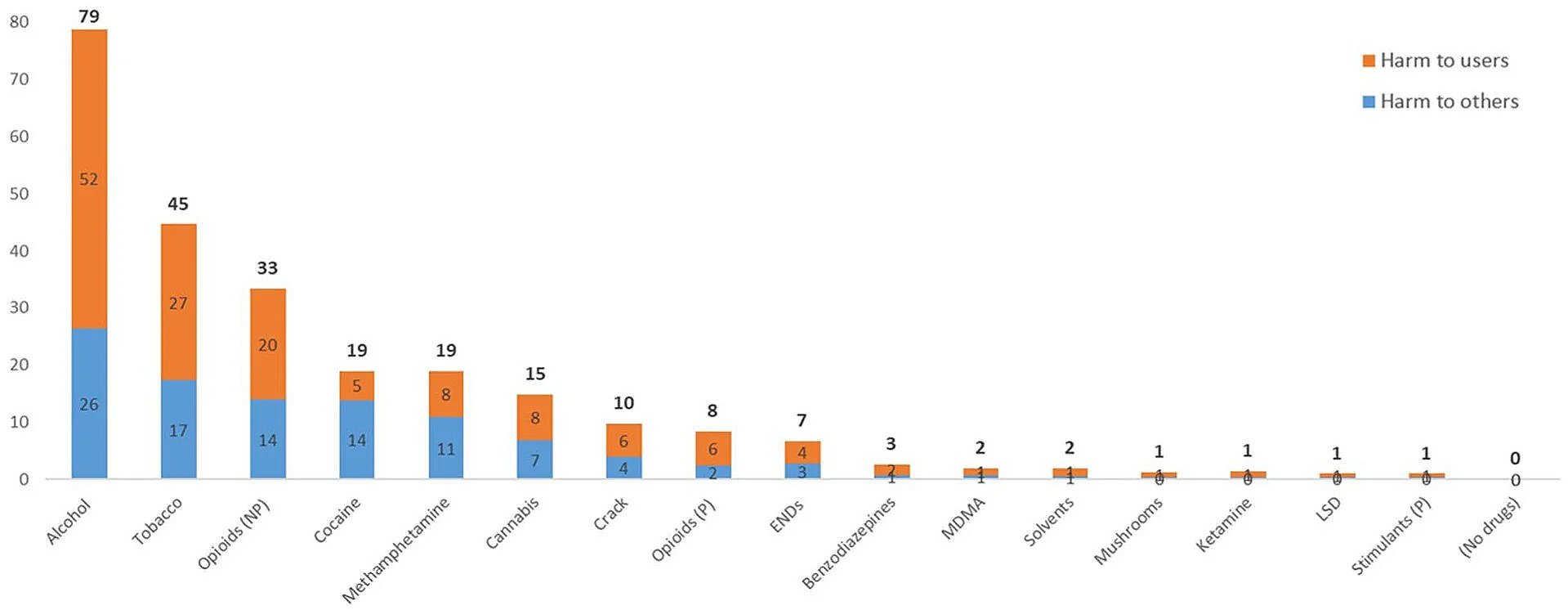
CAMH put together a diverse panel of 20 experts in public health, epidemiology, addiction, criminology, psychology and public policy to assess the short and long-term impact of 16 commonly used psychoactive drugs. In addition to the direct “harm to users” – such as addiction and overdose – they evaluated the indirect “harm to others” – families, communities and society at large.

“This is the first time this approach has been used to assess drug harms in Canada, and it gives us a much more complete picture than we had before,” said Jean-François Crépault, Senior Policy Advisor at CAMH and lead author of the study published in the Journal of Psychopharmacology. 

“When we look at harm to people who use drugs and harm to others together, alcohol clearly stands out. Our findings highlight a major gap between the harms linked to alcohol and the way it is currently regulated in Canada.”

Based on a ranking system of 0 to 100, with zero meaning no harm and 100 being the most harmful, alcohol was given a score of 79, followed by tobacco (45) and non-prescription opioids (33). The latter category includes illicit fentanyl, xylazine, and other opioid-based street drugs.

Cocaine (19), methamphetamine (19), cannabis (15) and crack (10) are next, with “prescription opioids” (8) ranked as the eighth most harmful drug category.

Even that ranking is a bit misleading, as it includes morphine, oxycodone and other pharmaceutical opioids that are diverted and used without a prescription – which probably should be counted as non-prescription opioids.

Prescription opioids were ranked so low in terms of harm, they barely beat out ENDs (7), an acronym for electronic nicotine delivery systems, more commonly known as vapes or e-cigarettes.

Most Harmful Drugs in Canada

JOURNAL OF PSYCHOPHARMACOLOGY

The finding that alcohol causes the most harm aligns with previous studies in the United Kingdom, the European Union, Australia and New Zealand.

In the United States, a recent study that used a slightly different methodology ranked alcohol as the 5th most harmful drug, behind illicit fentanyl, methamphetamine, crack and heroin. Prescription opioids ranked as the 7th most harmful drug in the U.S.

Experts say these studies point to a clear need for government drug policies to better align with the actual harm that a specific drug causes – and not be based on laws, guidelines, class action lawsuits, or whatever drug hysteria is popular at the moment. 

Despite all the harm it causes, no one talks about banning alcohol, yet natural leaf kratom and the kratom extract 7-OH are being demonized as “gas station heroin” and “legal morphine” that should be banned. Never mind that there is little solid evidence they are dangerous when used appropriately. Neither substance made the “harmful” list in Canada, United States, or anywhere else.

“The key message here is that harm is not just about what a drug does to the body,” said Crépault. “How a drug is regulated shapes who uses it, how it is used, and how much harm it causes. Evidence-based policy can significantly reduce harm, and governments have a real opportunity to use regulation to protect public health.”

Three Clichés That Help Me Get Through Bad Pain Days

By Crystal Lindell

As the old cliché goes: clichés are clichés for a reason. They tend to convey a lot of fundamental truth about the world and life itself.

While dealing with chronic pain for more than a decade now, I have come to appreciate certain clichés in ways that I couldn’t before I got sick and lived to tell the tale.

They may sound corny, but below are three clichés that I have found really do help me get through a day with chronic pain: 

Cliché #1: This Too Shall Pass

When I first started having chronic pain, flares felt eternal. I genuinely worried that the pain would last forever. Any relief felt like an impossible dream.  

But eventually, the pain would ease a bit. Over time, I was also able to find calming techniques, as well as pain medications and supplements that helped relieve my symptoms. 

Even during the worst pain flares, I take heart in knowing that it too shall eventually pass.

It goes both ways too. On the other side of this equation, I’m also now significantly more aware of just how fleeting my health truly is. While the bad pain flares will pass, that also means the good days will pass as well – making it that much more important to savor them.

As it turns out, losing your health is the best way to finally learn how to appreciate the good days.

Cliché #2: Other People’s Opinions Don’t Matter

This concept is, for me, the simplest and yet the most difficult to truly internalize. 

But when you have chronic pain, you have to learn to ignore other people’s opinions about what you’re going through. And trust me, people will rush to share their opinions with you as much as possible, whether you ask for them or not.

You have to tune it out though, otherwise you’ll just fall into a dark despair of guilt and impossible standards.

I also have realized that what people say they would do if they were in pain, and what they would actually do are two very different things. 

People love to say they would never take opioids, or that they would just use yoga to “cure” their chronic pain. But I have been dealing with my own pain long enough now to see those same people eventually have to put their money where their mouth is, and they always fail their own test.

People who are the most judgmental of your choices are also the first to crack under the pressure that pain causes. It then becomes clear that most of their judgmental comments are reflections of their own issues, rather than anything to do with you.  

People claiming they would never use opioids are trying to convince themselves of that, as opposed to making a statement about your choices. 

And people who quickly say they’d just do yoga to cure their pain are trying to mentally process the fear they have at the thought of ending up like us. It’s a coping mechanism that allows them to think that even if it did happen to them, they’d be fine.

If you’re struggling with chronic pain, it’s good to remember you’re doing the best that you can, under the circumstances. Whether or not other people agree is irrelevant.

Cliché #3: The Best Days of Your Life Haven’t Happened Yet

This cliché is honestly the most magical for me, and it has truly helped me get through some rough patches in my own life.

When you’re drowning in chronic pain, it’s easy to spiral physically and emotionally, and to assume that nothing good will ever happen to you again. But take it from me, good things will still happen.

When I first developed chronic pain in 2013, I still had not met the love of my life, I’d never had a cat, and I had never gone to Paris. In the years since though, I met my fiancé; I acquired six cats (all of whom I’m obsessed with); and I have been to Paris not once, but TWICE!

There are incredible things in store for you, too — and that’s worth hanging around for. 

While none of these clichés can cure chronic pain, they do make it a little easier to endure. And sometimes, that little extra is all you need to make an extraordinary life. 

If you have any clichés that you find helpful, I’d love for you to drop them in the comment section below. After all, we could also use a little life advice, especially when that advice has been tried and tested by people strong enough to survive chronic pain.

CDC Opioid Guideline Raised Cost of Pain Care

By Pat Anson

The CDC’s 2016 opioid prescribing guideline not only had disastrous consequences for many pain patients, but raised the cost of treating them in primary care practices, according to a new analysis.

Researchers at the University of Wisconsin-Madison studied the budget impact of four different strategies used at primary care clinics to comply with the guideline, which strongly encouraged doctors to reduce opioid prescribing. 

The strategies primarily relied on prescriber education, evaluations and auditing to see if the clinics were successful in reducing the use of opioids. Whether patient safety and pain relief improved were not part of the study.

The cost per clinic for implementing the strategies ranged from $4,416 to $8,358, with prescriber education being the cheapest approach. However, while education alone cost less upfront, the clinics that used it had the largest increases in downstream expenses, such as greater use of urine drug tests (UDTs), treatment agreements, and depression screening. That made it the most costly approach overall.       

The 2016 guideline recommended that doctors limit daily opioid doses to no more than 90 morphine milligram equivalents (MMEs), conduct regular drug testing of patients, and have patients sign “pain contracts” promising to follow their doctor’s treatment plan.

The CDC’s recommendations were not only costly and burdensome to providers, according to researchers, but resulted in “no significant decrease” in MME for patients on long-term opioid therapy. Patients on opioid therapy for less than 3 months saw their doses decline by 6%. 

“In summary, from 2016 to 2022, no evidence emerged showing that UDTs were effective in improving long-term outcomes such as decreased overdoses or better pain management,” wrote lead author Andrew Quanbeck, PhD, an Associate Professor in the University of Wisconsin's Department of Family Medicine and Community Health.

“Over time, treatment agreements and UDTs have emerged as low-value care that imposes significant costs for primary care physicians and patients. Results suggest that health systems have an opportunity to shift focus from costly surveillance tools to inexpensive, holistic screening for pain, function, and quality of life and careful initiation of opioids for new patients.”  

The study, published in the Annals of Family Medicine, is one of the few to analyze the long-term impact of the original CDC guideline.  

It’s important to note that the CDC updated its guideline in 2022 to give more “flexibility” to doctors prescribing opioids. However, many of the agency’s 2016 recommendations were so stringently adopted by states, healthcare systems, insurers, and even law enforcement agencies that they remain unchanged – even though there were many reports of patients being harmed by them.

“It is clear that the CDC Guideline has harmed many patients,” the American Medical Association wrote in a 2020 letter to the CDC. “In many cases, health insurance plans and pharmacy benefit managers have used the 2016 CDC Guidelines to justify inappropriate one-size-fits-all restrictions on opioid analgesics while also maintaining restricted access to other therapies for pain.”

The Food and Drug Administration also warned the CDC guideline was causing “serious harm” to patients, including forced tapers, uncontrolled pain, psychological distress and suicide.    

In a 2022 PNN survey of over 2,500 patients and providers, nearly 85% said the CDC should not have created guidelines for opioid prescribing and pain treatment. Over 93% said the guidelines made the quality of pain care in the United States worse.