New Spinal Discs Grown from Stem Cells

By Steve Weakley

Scientists have moved a step closer to being able to replace degenerated spinal discs with new ones grown in a laboratory from a patient’s own stem cells.

Spinal discs are soft tissues that cushion the vertebrae and enable our backs to conform and perform the tasks of everyday movement. Over time, the discs can wear out and cause the bones of the spine to rub together and pinch nerves. This disc degeneration is one of the leading causes of back pain.

University of Pennsylvania researchers reported in the journal Science Translational Medicine that they have successfully grown and implanted replacement discs made from the stem cells of goats. The cells were grown in a laboratory in a disc shaped form and then implanted into the necks of goats.

After 8 weeks, MRI’s showed that the replacement discs functioned just as well or better than the goats’ original cervical discs. The implanted discs were left in for 20 weeks and became part of the animals’ own tissue.

Researchers told Medical News Today that this was a major step forward from previous experiments in which they implanted discs into rat tails. Goat discs are more comparable to humans in size, structure and function.

"I think it's really exciting that we have come this far, from the rat tail all the way up to human-sized implants," said co-senior author Harvey Smith, MD, a professor of Orthopaedic Surgery at the Hospital of the University of Pennsylvania.  

"Using a true tissue-engineered motion-preserving replacement device is not something we have yet done in orthopaedics. I think it would be a paradigm shift for how we really treat these spinal diseases and how we approach motion sparing reconstruction of joints.”

Current treatments for degenerative discs include spinal fusion or artificial implants.  Both have limited benefits and usually cannot restore full functionality. Artificial implants also break down and have be replaced.

"The current standard of care does not actually restore the disc, so our hope with this engineered device is to replace it in a biological, functional way and regain full range of motion," said co-senior author Robert Mauck, PhD, a professor for Education and Research in Orthopaedic Surgery.

"This is a major step, to grow such a large disc in the lab, to get it into the disc space, and then to have it to start integrating with the surrounding native tissue. That's very promising."

The researchers say the next step is longer and more extensive tests on goats, before working on a bioengineered human model.  If those tests are successful, they eventually hope to test the implants in human trials.

"We have every reason to be optimistic, and if it works, we can change the way we think about treating some of these disc diseases," said Smith.

Rising Overdoses Show CDC Guideline Not Working

By Pat Anson, PNN Editor

Rising suicides and drug overdose deaths led to another decline in U.S. left expectancy last year, according to two sobering reports released by the Centers for Disease Control and Prevention.

Americans born in 2017 are expected to live 78.6 years, about one month less than those born in 2016. Life expectancy has fallen or remained flat in the U.S. for three consecutive years. The UK is the only other country in the industrialized world where life expectancy is dropping.

“Tragically, this troubling trend is largely driven by deaths from drug overdose and suicide. Life expectancy gives us a snapshot of the Nation’s overall health and these sobering statistics are a wakeup call that we are losing too many Americans, too early and too often, to conditions that are preventable,” CDC director Robert Redfield, MD, said in a statement.

Redfield, who almost lost a son to a drug overdose, has been nearly invisible since becoming CDC director in March. He has previously called the opioid epidemic “the public health crisis of our time” and pledged to “bring this epidemic to its knees.”

So far, the CDC’s strategies, including its controversial 2016 opioid prescribing guideline, are not working. As PNN has reported, the guideline may even be contributing to the rising number of suicides and overdoses.

Over 70,200 people died of a drug overdose in 2017 – the highest number on record and nearly a 10 percent increase from 2016. Deaths involving illicit fentanyl and other synthetic, mostly black market opioids surged 45 percent, while deaths involving natural or semisynthetic opioids, mostly painkillers such as oxycodone and hydrocodone, remained flat.  The rate of heroin deaths also remained unchanged.

SOURCE: CDC

CDC researchers noted that their data is flawed. Drug overdose deaths often involve multiple drugs, and “a single death might be included in more than one drug category.” A death “involving” a specific drug also doesn’t mean that drug was the cause of death. It only means the drug was present at the time of death.  The competency of medical examiners and coroners who complete death certificates can also vary widely from state to state.

The CDC reported that over 47,000 people committed suicide last year, nearly 4 percent more than in 2016. Suicide is the 10th leading cause of death among all age groups – and the 2nd leading cause of death among adolescents and young adults aged 10 to 34.

Reports Ignored Role of Antidepressants, ADHD Drugs

The CDC reports did not explore the role of drugs used to treat depression, anxiety and attention deficit hyperactive disorder (ADHD) in either suicides or overdoses.

According to a recent study by the Substance Abuse and Mental Health Services Administration (SAMHSA), Xanax, Valium, Adderall and other psychotherapeutic drugs were involved in more overdoses in 2016 than prescription opioids.

A report this week from the Research Abuse Diversion and Addiction Related Surveillance System (RADARS), which tracks illicit drug use nationwide, underscores that emerging trend. RADARS found that the abuse of ADHD stimulants now exceeds the abuse of prescription opioids by Americans aged 19 or younger. The rising trend in “intentional exposures” to stimulants – which includes suicide – began in 2010 and is accelerating.    

PEDIATRIC CASES OF UNINTENTIONAL EXPOSURE (SOURCE: RADARS)

“There have been more pediatric exposures involving stimulants than pediatric exposures involving natural/semi-synthetic opioid analgesics in every quarter since 4th quarter 2014. The increase appears to be driven by exposures where the intent of the patient was suicide,” the RADARS report found. 

“Multiple factors may contribute to the observed increase in suspected suicide exposures. The increase may reflect overall increases in suicides in the United States. It may also be a result of increases in stimulant misuse.” 

In the 2nd quarter of 2018, there were 822 reported cases of intentional exposure to stimulants among young people, while there were 503 cases involving opioid analgesics.

New Therapy Helps Improve MS Symptoms

By Pat Anson, PNN Editor

An experimental stem cell therapy developed by Australian researchers is showing promise in treating patients with progressive multiple sclerosis (MS), the most difficult-to-treat form of the autoimmune disease.

MS is a chronic and incurable disease which attacks the body’s central nervous system, causing numbness, difficulty walking, paralysis, loss of vision, fatigue and pain. Most patients go through periods of remission before the condition worsens and turns into secondary progressive MS. In primary progressive MS, the disease steadily gets worse from the start, with no periods of remission.

Scientists at the University of Queensland extracted immune cells from patients who had either primary or secondary progressive MS. The cells – known as T-cells – were then “trained” in a laboratory to target and kill cells infected with the Epstein Barr virus.

When the altered T-cells were injected back into the bloodstream of 10 patients, seven said their symptoms improved. They had more energy, improved concentration, slept better, and had improved vision and balance. There were no serious side effects.

The Epstein Barr virus (EBV) has long been associated with MS, which is why the researchers targeted it. The virus also causes infectious mononucleosis, a glandular fever known as “mono.”

“Although this was an uncontrolled study, our finding of a substantial relationship between clinical response and EBV reactivity and polyfunctionality of the T-cell product, of which both the patients and examining neurologists were unaware, suggests that the clinical benefit might be due to the T cell therapy,” researchers reported in the journal JCI Insight.

“Our data add to the mounting evidence for a pathogenic role of EBV infection in MS. Because T-cells access all CNS (central nervous system) compartments, T-cell therapy targeting only EBV-infected B cells is a treatment modality that could offer favorable safety and durable efficacy.”

This was a Phase I trial, where the primary goal of researchers is to make sure a treatment is safe to use. More advanced studies with a larger number of patients are needed to see how well altered T-cells actually work on MS.

Is My Life Worth Anything to Doctors and Politicians?

By Beth Sweet, Guest Columnist

I keep a journal and usually write about my symptoms and medical appointments. But today I vented and afterwards realized this might be something I should share.

I'm doing really bad with writing lately. It's just so hard to find the motivation to do anything. Between pain, exhaustion, migraines and IBS every day, I feel like crap! I'm so sick of feeling like this. I just want to feel like a normal human being again and not wake up every day realizing that isn't going to happen.

Lately I've been wondering if I even have fibromyalgia or if I was misdiagnosed. We have tried so many treatments for it and none of them work. I feel like a guinea pig half the time. Do doctors even know what they are doing?

I've tried over 19 medications and treatments. So far, the only thing that helps is what all the doctors say isn't recommended for fibro and that's oxycodone. I'm in my own body, know what I feel, and what works. But I'm too afraid to ask my doctor for a therapeutic dose instead of a bare minimum dose that only gets me a few hours of relief a day.

All because of this damned opioid epidemic!

They freak out about addicts overdosing on opioid medication, but addicts will find a fix even without prescriptions. What about chronic pain patients who are killing themselves because they can't get treatment for their pain?

I wish the politicians and lawmakers could suffer from chronic pain for a while and get treated like we are. I bet then the laws would change! I don't think they could survive it.

BETH SWEET

I'M SICK OF PAIN! Sick of crushing, aching, searing, cramping, stabbing, stiff, radiating, grinding, burning, tingling, constant pain. When I sit, stand, walk or lay in one position for too long. Headaches and migraines over half the month. PAIN ALL THE TIME!

But I can't ask a doctor for what I know works because everyone is in a panic about opioids. I am on the lowest possible dose. I get just enough for 4-6 hours of relief a day! God forbid I have a flare that makes it nearly impossible to move and lasts for days. It's not fair!

I want to go to church.

I want to go to my kids’ events

I want to be able to earn an income and be a functioning member of society

I want to not have my kids feel like they must take care of me. It's supposed to be the other way around!

I want to get well, but that's never going to happen. I must live with the fact that I am going to feel like crap on varying levels for the rest of my life.

Think about that. If someone told you that from this moment until the day you die you are going to be in pain, exhausted and unable to lead a normal life. That we don't know how to cure you or even if there is a cure. We aren't even sure what's wrong with you. We've tried everything and none of it has worked. Maybe it's all in your head.

How would that make you feel? Frustrated? Hopeless? Pissed? Sad?

And what if those same people who told you they don't fully understand your illness will not give you the one drug that gives you relief because "it's not an approved treatment for your diagnosis." They’ve already admitted knowing very little about it anyway!

What if they treated you like a drug addict because you asked for a medication that finally gives you some pain relief?  I have no problem getting medication for my thyroid, insulin resistance, anemia, IBS or any of my other health issues. But God forbid I ask for treatment for chronic pain.

I don't take those meds to get high. I don't even understand how people do, they don't affect me that way. I take them to get some of my life back. Is my life worth anything to these doctors and politicians?  I'm 38 and a hermit because of my pain and health issues. I've been sick for years and getting worse.  

I want to make something clear. I'm not going to kill myself. I have my family to live for. Even when my life feels worthless, I think of them. But not every chronic pain paint has that because this illness causes isolation and hopelessness. And no, we aren't in pain because we are depressed. We are depressed because we are in pain. There is a difference, so please stop giving us antidepressants to use as pain meds!

Stop ignoring chronic pain patients. Some are at the point where they can't take the pain anymore and the doctors that could save their lives are too concerned with the opioid epidemic to help!

I hope to find a doctor someday that thinks my life is worth living.

Beth Sweet lives in Michigan.

Pain News Network invites other readers to share their stories with us. Send them to editor@painnewsnetwork.org.

The information in this column should not be considered as professional medical advice, diagnosis or treatment. It is for informational purposes only and represents the author’s opinions alone. It does not inherently express or reflect the views, opinions and/or positions of Pain News Network.

Scoring Goals With Your Goals

By Barby Ingle, PNN Columnist

When it comes to living with chronic pain and illness, the way we motivate ourselves and achieve goals can change. I know it did for me.

There are two types of goals: mastery and performance. Before I had a chronic illness, I was performance oriented. I was wrapped up in demonstrating my competence and abilities, especially when it came to my job. Suddenly that was not possible anymore. I had to adapt, change and learn how to master by goals if I was going to manage the chronic pain portion of my life. That’s where I am now.

Knowing someone’s goals helps us understand what motivates them and predict if there is a likelihood of achieving and sustaining their goals. It can also help us decide if we have a similar goal that can be worked on together, if we should partner with them or if we should move on to someone else.

In a doctor-patient relationship, if a doctor can’t help you achieve your goals with the tools and resources they have to offer, then it’s probably time to find a new doctor.

Performance oriented goals (also known as ego goals) are characterized by the belief that success is the result of superior ability. Performance oriented individuals seek to outperform others and demonstrate their ability.

When patients are working to complete this type of goal, they’re often concerned about how they will be judged relative to others. An example of this would be a patient who wants their doctor to love them the most and call them their “best” patient. They are competing against other patients in a game with only one winner.

I believe mastery goals will prove to be more effective in the long run. Mastery goals are also known as learning goals. They are goals where the person is focused on learning, mastering tasks, self-improvement and developing new skills. An example of a master-oriented goal would be organizing your medical records.

When a chronic pain patient masters a skill at their own pace and level – not competing with others --- it increases their resilience, quest for knowledge and enjoyment of life. One of my favorite quotes is “Winners don’t always win, but they never give up.” When we become mastery goal setters, we can accomplish more without societal pressures and take our time knowing that we will make mistakes and its okay.

Setting a mastery goal starts with taking a moment to think about what you want to accomplish over the next few weeks or months. Is there something you have been wanting to try? Something that will take you longer than others who are healthier? Are you up for that challenge?

Ask yourself what you want to learn. Then make it a learning goal. You do this by being specific. Don’t just say, “I want to organize my medical records.” Do you want your records in notebooks, on a computer, a USB, or in your patient portals? Do you want to update or correct your records” and send copies to your doctors? Do you want to start from today and only do new records or go back and organize everything?

Remember, your goal should be achievable in a few weeks or months. Otherwise you are setting yourself up for failure. Decide on a goal that is attainable. What past skills do you have that can help you out? Think through your goal to make sure it is realistic. Are you able to work on multiple goals at the same time or do you need to break this one down further to make it doable? Think about your current abilities and how they will help you achieve your goal.

How will you measure your success? Decide at the start how you will measure your progress. Try to organize five pages of medical records a day or do whatever you can. On some days you’ll accomplish more than others.

Ready to “goal” for it? Share in the comment section below what your goal will be in 2019. Sharing your goal can help you stay motivated. I wish each of you well on your goals and success in accomplishing the activities you set out to accomplish!  

Barby Ingle lives with reflex sympathetic dystrophy (RSD), migralepsy and endometriosis. Barby is a chronic pain educator, patient advocate, and president of the International Pain FoundationShe is also a motivational speaker and best-selling author on pain topics. More information about Barby can be found at her website. 

The information in this column should not be considered as professional medical advice, diagnosis or treatment. It is for informational purposes only and represents the author’s opinions alone. It does not inherently express or reflect the views, opinions and/or positions of Pain News Network.

Faulty Medical Devices Blamed for Thousands of Deaths

By Pat Anson, PNN Editor

The U.S. Food and Drug Administration said today it would take steps to modernize and improve its oversight of medical devices in the wake of a scathing new report that found faulty devices were responsible for over 83,000 deaths and 1.7 million injuries worldwide in the last decade.

The “Implant Files” project, a year-long joint investigation by the International Consortium of Investigative Journalists (ICIJ) and over 50 media partners, found that the FDA approved many devices with little clinical testing and rarely pulled them off the market when problems arose.

Spinal cord stimulators have some of the worst safety records among the 4,000 devices tracked by the FDA, the ICIJ found. Stimulators are implanted near the spine and send electric currents to block pain signals from reaching the brain. The devices are often touted as safer alternatives to opioid pain medication and about 60,000 are now implanted annually.

But a review of FDA data found over 500 deaths and 80,000 injuries involving stimulators since 2008. Patients reported being shocked or burned by the devices and many had them removed.  

“I thought I would have a wonderful life,” a disabled 45-year old South Carolina man told the Associated Press. “But look at me.”

Jim Taft’s doctor told him a spinal cord stimulator would cloak the chronic pain in his severely injured right arm and make him “good as new.” But a wire in the device broke and after an operation to repair it, Taft said it shocked him so many times he had trouble sleeping and fell down a flight of stairs. The stimulator was removed within a year of being implanted and Taft is now bedridden.  

“This is my death sentence,” Taft said from his bed. “I’ll die here.”

Outdated FDA Review Process

Artificial hips, pain pumps, spinal disc replacements and hundreds of other devices were also found to be faulty, raising concern about the level of scrutiny they received before going on the market.   

“In contrast to drugs, many surgical innovations are introduced without clinical trial data or centrally held evidence,” Professor Derek Alderson, president of the Royal College of Surgeon, told The Guardian.  “This is a risk to patient safety and public confidence.”

FDA commissioner Scott Gottlieb, MD, said his agency would modernize its “outdated” 40-year old review process for medical devices.

“The new technology that we’re seeing holds tremendous public health promise for patients. But with the advances also come new complexities that can make the review of safety and effectiveness more challenging,” Gottlieb said in a statement.

“Advances in material science, digital health, 3D printing and other technologies continue to drive an unparalleled period of invention in medical devices. It’s vital that the FDA’s regulatory approach continue to evolve and modernize to safely and efficiently advance these opportunities. Not only must we keep pace with this complexity and innovation, but we must also stay ahead of the new and evolving risks that sometimes accompany this progress.”

Gottlieb said about 20% of medical devices are based on technology that is more than 10 years old. He said the FDA would consider releasing a list of those devices in order to stimulate the use of newer technologies.

“To be clear, we don’t believe devices that rely on old predicates are unsafe, or that older devices need to be removed from the market. However, we believe that encouraging product developers to use more modern predicates would give patients and their doctors a choice among older and newer versions of a type of device,” Gottlieb said.

Do you have a medical device and want to check its safety record? The ICIJ has a database of over 70,000 recalls, safety alerts and safety notices in 11 countries. You can search by the device name or manufacturer by clicking here.

Ignoring the Evidence in Canada

By Marvin Ross, Guest Columnist

For those of us north of the border who are defending against the assault on pain patients, it was very gratifying to see the American Medical Association come out against the “inappropriate use” of the CDC guideline on opioid prescribing.

Sadly, we cannot hope that the Canadian Medical Association (CMA) will do the same. The CMA embraced the Canadian guideline – which is modeled after the CDC’s -- and argued for better evidence on the safety and efficacy of prescription opioids.

Sadly, how Canadian officials evaluate evidence is suspect. Jason Busse, the chiropractor who chaired the Canadian guideline, contends that no randomized controlled trials (RCTs) have been done on opioids that follow patients for longer than six months. He tweeted that to me after I challenged him on the results of an analysis that concluded that “to dismiss trials as ‘inadequate’ if their observation period is a year or less is inconsistent with current regulatory standards.”

I pointed out that multiple published studies and over 1.6 million patients maintained on doses over 200mg MME (morphine milligram equivalent) disprove his claim opioids don’t work long term.

Busse’s reply was, “Yes - the CDC guideline excluded all trials of less than 1 year duration. The Canadian guideline did not. Nonetheless, there are no RCTs of opioids that follow pts. For more than 6 months.”

He did not reply to my comment that Prozac was approved for use based on trails of only 12 weeks duration and that many patients take anti-depressants for years. It has always seemed strange to me that McMaster University, which led the development of the Canadian guideline, is the home to evidence based medicine. One of the co-ordinators of the guideline is Dr. Gordon Guyatt, who is credited as the one who brought evidence based studies to the world.

The most flagrant avoidance of evidence is by Health Canada, which continues to insist that high rates of opioid prescribing is one of the main causes of the opioid crisis. Ann Marie Gaudon, a columnist for PNN, has been attempting to find out what evidence Health Canada has to make that claim.

Not only have they not responded to her query, but her call to their office at the end of October resulted in one of the most bizarre phone calls ever heard. Syndicated radio show host Roy Green devoted two episodes to what can only be described as a “Who's on First” discussion with a government official.

Health Canada now mandates that every prescription issued for an opioid carry a sticker and a leaflet warning of addiction risks. A total wasted effort. The evidence that prescriptions opioids are a significant part of the problem is lacking.

The Ontario Drug Policy Research Network just released a database that disproves claims that prescriptions are a major cause of opioid overdoses. It shows that opioid prescriptions in Ontario have been declining for years, as they have in the United States.  About two-thirds of the opioid prescriptions written in 2015 were for patients over the age of 45 and less than 2 percent were for fentanyl.

Contrast those stats to information put out by this same agency on opioid deaths. Accidental overdoses among those 15 to 44 accounted for nearly 60% of opioid deaths. And the most common opioid involved in overdoses was fentanyl – most of it illicit and obtained on the black market.

It would be very refreshing if governments and regulators in Canada actually looked at their own data before cracking down on prescriptions for legitimate pain sufferers. That may be too much to expect, but one can always hope.

Marvin Ross is a medical writer and publisher in Dundas, Ontario. He has been writing on chronic pain for the past year and is a regular contributor to the Huffington Post.

Pain News Network invites other readers to share their stories with us. Send them to editor@painnewsnetwork.org.

The information in this column should not be considered as professional medical advice, diagnosis or treatment. It is for informational purposes only and represents the author’s opinions alone. It does not inherently express or reflect the views, opinions and/or positions of Pain News Network.

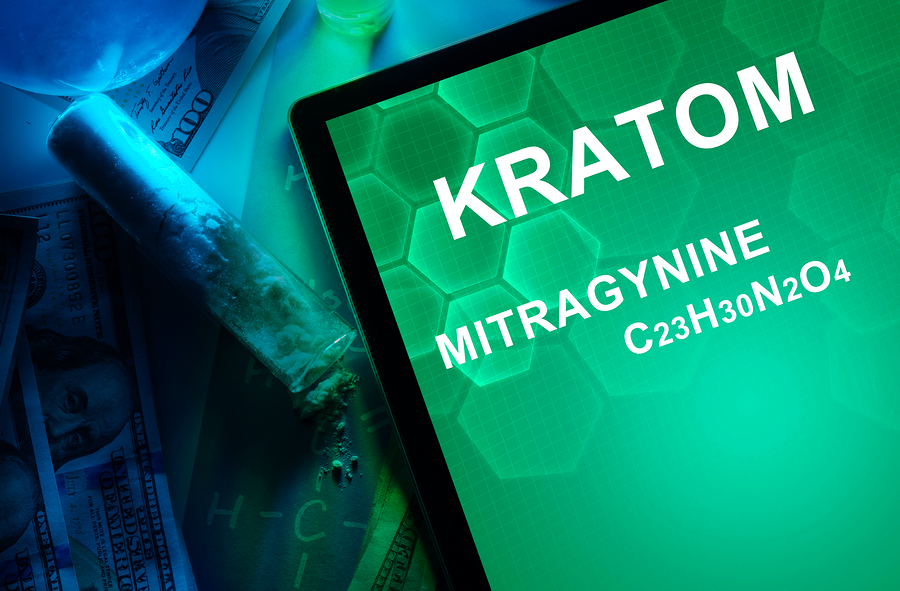
Is Kratom Being Spiked With Other Drugs?

By Pat Anson, PNN Editor

It’s no secret that illicit fentanyl has become a scourge on the black market. The potent synthetic opioid – about 100 times stronger than morphine --  is now involved in over half of U.S. overdoses. Fentanyl is being found in a wide variety of street drugs, including heroin, meth, cocaine and marijuana, and it is increasingly used in the manufacture of counterfeit painkillers and other fake medications.  

“As traffickers have expanded into the sale of fentanyl-containing counterfeit pills, the scope of users who were exposed to fentanyl increased significantly; the prescription pain reliever misuser population is almost ten times that of the heroin user population,” a recent DEA report warns. “The presence of fentanyl-containing counterfeit pills in an area is increasingly associated with spikes in overdose deaths.”

Although there is no hard evidence that drug dealers are mixing fentanyl with kratom to boost its potency, some in the kratom community think it is inevitable that someone will try. There have already been cases of kratom products being adulterated with hydrocodone and other opioids.

“I don’t know that there’s been a case of fentanyl in kratom, but since that’s what they are finding in everything else and that is the most dangerous drug out there now, it stands to reason that someone who would spike kratom with hydrocodone would now spike it with fentanyl either wittingly or unwittingly,” said Jane Babin, PhD, a molecular biologist and consultant to the American Kratom Association (AKA), an advocacy group for kratom vendors and consumers.

Like other dietary supplements, kratom products are essentially unregulated and there are little or no quality controls.

In an effort to change that, this week the AKA officially launched a good manufacturing practice (GMP) program, which will require producers of kratom products to meet strict manufacturing standards verified by a third-party auditor if they want to be certified by the AKA.  

"The AKA GMP Standards Program will help reassure the public and demonstrate to the FDA, DEA, lawmakers, and others that the kratom industry is acting responsibly," AKA president Dave Herman said in a statement. 

"The AKA GMP Standards Program will also protect kratom consumers from unscrupulous vendors who produce kratom products using sloppy manufacturing procedures that allow for contamination, and equally important the standards program will exclude vendors who deliberately adulterate kratom products to boost their effect by adding dangerous and sometimes deadly substances like fentanyl or morphine." 

In recent years, millions of Americans have discovered kratom, which has been used in southeast Asia for centuries as a natural stimulant and pain reliever. Kratom is widely available online and in smoke shops, but the quality of what’s being sold and where it comes from is often unknown – even by the people selling it.

“The stuff that’s sold as kratom in the United States cannot be reliably proven to be kratom,” Edward Boyer, MD, a Professor of Emergency Medicine at Harvard Medical School, recently told PNN.  “There is evidence to suggest that some of the kratom sold in the United States is adulterated to make it more potent, to make it more powerful.”

Boyer says some kratom products have been found to contain artificially high levels of 7-hydroxymitragynine, one of the naturally occurring alkaloids that make kratom act on opioid receptors in the brain. Manufacturers may also be lacing kratom with opioids and other drugs.

“One theory is that some unscrupulous vendors may be spiking kratom with something more potent to drive business. It may be even more prevalent than we know, which could account for some of the reports on Reddit and Blue Light (online message boards) that say kratom is addictive and it does lead to euphoria,” Babin said in an email.

A handful of states have already banned kratom and there is speculation that the DEA will soon try again to schedule it as a controlled substance, something the agency backed away from in 2016 after a public outcry. The FDA has recently mounted a public relations campaign against kratom, what the AKA calls a “shadow ban” that has led to kratom shortages.

Could the AKA’s effort to improve the quality of kratom products backfire by giving ammunition to federal regulators who want a nationwide ban?

“That kratom may be adulterated is not a reason to ban it.  There are reports all the time of dietary supplements, even ones sold by reputable companies like GNC and Vitamin Shoppe, are adulterated with prescription drugs, banned substances and who knows what else,” says Babin.

“The other thing to consider is that if kratom is banned, demand may lead to a black market.  It will likely be smuggled in and/or products not containing kratom will be sold as kratom and those may be spiked with other substances, including fentanyl.”

Lessons from 'American Overdose' on the Opioid Crisis

By Roger Chriss, PNN Columnist

The book “American Overdose: The Opioid Tragedy in Three Acts” by Chris McGreal takes a hard look at the opioid crisis. The book focuses on the legal and political side of the crisis, along with a history of Purdue Pharma and OxyContin, and a detailed description of pill mills and rogue pharmacies in Appalachia.

“It is a tragedy forged by the capture of medical policy by corporations and the failure of institutions in their duty to protect Americans,” is how McGreal describes the genesis and evolution of the crisis.

The book highlights the massive collusion and corruption in communities in West Virginia and Kentucky, leading to the Williamson Wellness Center and other pill mills that were protected by law enforcement, ignored by state and federal regulators, and encouraged or exploited by drug manufacturers and distributors.

McGreal also traces the history of Purdue and the Sackler family, and how their efforts to improve pain management led to the creation of the blockbuster drug OxyContin. He explains how Purdue’s marketing claims “proved to be demonstrably false, including an assertion that addiction is rare when opioids are taken under a doctor’s care.”

However, McGreal does not depict Purdue as a lone bad actor. Instead, federal and state dysfunction and disinterest contributed to the crisis. “The FDA wasn’t the only one to drop the ball. A clutch of federal agencies with long names have responsibility for combating drug addiction and overdose,” he wrote. And they all failed.

The failure was both systemic and systematic. As the crisis unfolded, local law enforcement had to contend with “indifference and what they regarded as the political cowardice of the system.” Perhaps more important than the cowardice and corruption was greed, not just corporate greed but also local greed for the money brought in by pill mills: “The businesses did good. You had pharmacies that were doing really good.”

The problem soon extended far beyond Appalachia. Among the earliest and biggest pill mills was American Pain, set up in 2007 near Fort Lauderdale, Florida by twin brothers Chris and Jeff George – neither of whom had medical training.

Opioid addiction also rose across the nation because of cultural factors, writes McGreal. In Utah, “the dominance of the conservative Church of Latter-day Saints appeared to be a cause of addiction, not a deterrent” because of the church’s “toxic perfectionism.”

Government agencies and officials were encouraged to ignore it all. Florida Sen. Marco Rubio’s office wasn’t interested in pursuing pill mills and the “political leadership within Florida wasn’t much better.”

Rudy Giuliani, Eric Holder, and James Comey all helped Purdue, according to McGreal, by delaying investigations of the company as addiction and overdose rates rose rapidly in the 2000’s.

The CDC’s involvement is described as delayed and dysfunctional. "Until 1998 the United States used a classification system lumping heroin, morphine, and prescription opiate deaths together," McGreal points out. Even when CDC researcher Len Paulozzi documented rising trends in overdose deaths, no one paid serious attention until Thomas Frieden, MD, became director. Even then, serious flaws remain in how the CDC reports on overdose deaths.  

Anti-opioid activists Andrew Kolodny, MD, founder of Physicians for Responsible Opioid Prescribing (PROP), and PROP President Jane Ballantyne, MD, sounded warnings about opioids, but offered little in the way of solutions outside of cutting off prescriptions. Many of their warnings proved to be unfounded, in particular with the opioid analgesic Zohydro. The drug was approved by the FDA amid dire warnings of a major spike in addiction and overdoses, but “there was no great surge of overdoses because of Zohydro.”

“FDA officials don’t like Kolodny. They characterize him as unreasonable and difficult. One described him as a ‘complex character’,” McGreal writes.

Similarly, the 2016 CDC opioid prescribing guideline is described as too late to be useful. McGreal looks closely at the debate about the CDC guideline and recommendations from the 2017 opioid commission set up by President Trump. But despite these much-touted steps, “little changed on the ground for states desperate for treatment facilities and help with the social costs of the tragedy.”

The book concludes on a pessimistic note, captured in a comment from Nathaniel Katz, MD, about opioid addiction and overdose: "I don’t really see any prospect for intelligent policy in this area in the United States.”

McGreal summarizes his ideas with an indictment of American culture.

"In large parts of the United States, opioids were popular because they were a fix. A fix for emotional pain. A fix for failing bodies. A fix for struggling to make it in a society that promises so much, and judges by what is achieved, but turns it back on so many of those who fail to live up to that promise," he writes.

If “American Overdose” offers lessons, it is that the opioid crisis is a result not only corporate greed but also American culture; in particular politicians, regulators and a broader medical industry with agendas contrary to the public good. The book is an origin tale of the opioid crisis that offers little hope for the future.

Roger Chriss lives with Ehlers Danlos syndrome and is a proud member of the Ehlers-Danlos Society. Roger is a technical consultant in Washington state, where he specializes in mathematics and research.

The information in this column should not be considered as professional medical advice, diagnosis or treatment. It is for informational purposes only and represents the author’s opinions alone. It does not inherently express or reflect the views, opinions and/or positions of Pain News Network. 

Opioid Hysteria and the Demonizing of Dsuvia

By John Burke, Guest Columnist

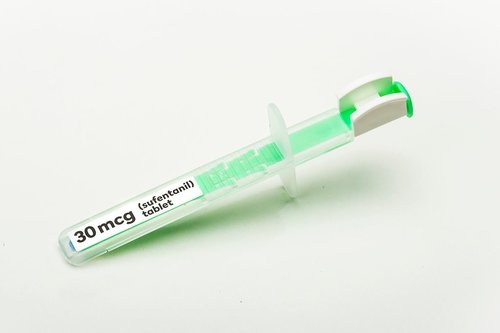
Recently the FDA approved a new sublingual formulation of sufentanil -- called Dsuvia -- for the management of moderate to severe acute pain in hospital-like settings. This would include surgical centers and emergency departments.

When the FDA announced this approval, several so-called experts claimed that Dsuvia – which is a potent opioid – would worsen the already out of control opioid problem. They said it would quickly find its way to the streets of America and kill even more of our citizens addicted to opioids. They can’t imagine why the FDA would approve such a killer drug!

Dsuvia was originally developed by AcelRx Pharmaceuticals, in cooperation with the U.S. Department of Defense, to treat battlefield wounds. The single dose formulation is designed to enter your body and provide pain relief faster than the traditional intramuscular injections that are now standard in treating traumatic injuries.

I can only imagine the horrendous wounds that are present on the battlefield. Offering faster pain relief seems like a great option, to say the least!  

ACELRX PHARMACEUTICALS

Dsuvia will also be used in our nation’s emergency departments and other healthcare facilities to offer faster pain relief to patients who suffer traumatic injuries. The drug will not be available in retail pharmacies or for most prescribers to order up for a patient. Doctor shoppers, script scammers and others that prey on retail pharmacies will have no access to this pain reliever. Those involved in armed robberies or burglaries of retail pharmacies will also have zero access.

Who will have access to Dsuvia are healthcare employees -- nurses, doctors and other medical professionals who already have access to a whole host of opioid drugs. There is no question that Dsuvia could potentially be a target of a small group of professionals who suffer from addiction problems. However, the illegal diversion and sale of this specific medication seems less likely in healthcare facilities.

Dsuvia will be more easily identified when it is diverted due to its limited availability and usage. Addicted healthcare employees will likely opt for more commonly used opioids like morphine and hydromorphone rather than a rarely used medication that will be easily missed when diverted.

The other part of this equation, that was either not considered by critics or didn’t suit their narrative, is that diversion inside healthcare facilities virtually always involves self-addiction. This means that even if an opioid is stolen by an employee inside one of these facilities, it will rarely make it to the street and cause more deaths.  

AcelRx has already developed a Risk Evaluation and Mitigation Strategy (REMS) involving RADARS, a nationwide drug abuse surveillance system, to monitor any diversion of Dsuvia and provide quarterly reports to law enforcement. In the interest of full disclosure, I am on the Scientific Advisory Board of RADARS.

Dsuvia has great potential to provide quick relief to trauma patients in a focused setting. Its diversion potential, especially to the public, is almost nil. Demonizing a drug without any real knowledge of its legal distribution and potential for diversion is irresponsible to say the least.

The drug problem in America primarily involves street drugs such as heroin, illicit fentanyl, and more recently crystal methamphetamine and cocaine. Even as the prescribing of opioids has dropped over 30% in recent years, drug deaths continued to rise. The reason is the increased supply of street drugs supplied by cartels that continue to profit from our nation’s addiction.

Put the blame where it belongs, and don’t ostracize a legitimate new pain drug that any of us might need in an emergency.

John Burke spent nearly 50 years in drug and law enforcement in southwestern Ohio. John is a former president of the National Association of Drug Diversion Investigators and is the president and founder of the International Health Facility Diversion Association, a non-profit devoted to the issues surrounding the diversion of controlled substances from healthcare facilities.

The information in this column should not be considered as professional medical advice, diagnosis or treatment. It is for informational purposes only and represent the author’s opinions alone. It does not inherently express or reflect the views, opinions and/or positions of Pain News Network.

FDA Warns About Unapproved Drugs in Pain Pumps

By Pat Anson, PNN Editor

The U.S. Food and Drug Administration is warning patients and healthcare providers about serious complications that can occur when using medications not approved for use with intrathecal pain pumps. The agency says it has received “numerous reports” of pump failures, dosing errors, infections and other safety issues.

Pain pumps are implanted under the skin, usually near the abdomen, and deliver medication through a catheter directly into spinal fluid to treat chronic pain. They require a healthcare provider to periodically refill the pump with pain medication. The pumps are generally used as a last resort for patients whose pain is not adequately managed by oral medication, surgery and other treatments.

Currently, there are only two FDA-approved medications for intrathecal pain pumps; Infumorph (a morphine sulfate solution) and Prialt (a sterile solution).

Drugs approved for intrathecal administration must meet additional safety standards because the spinal cord and brain tissue are highly sensitive to preservatives or infectious organisms such as bacteria or viruses.

The FDA has found that some patients are being treated with medications that are not approved for pain pumps – including hydromorphone, bupivacaine, fentanyl and clonidine – as well as compounded medications.

One reason patients may not be using Infumorph is that it is currently listed on the FDA’s drug shortage list. Some patients may also believe the unapproved drugs are more effective, although the FDA says they are still too risky.  

“While medical devices, such as implanted pumps that deliver medication directly into the spinal fluid, have the potential to play an important role in treating pain, their use must be judicious and their instructions for use must be carefully followed. This is especially true when it comes to implantable pumps that deliver analgesic medicine directly into the nervous system,” FDA Commissioner Scott Gottlieb, MD, said in a statement.

The FDA says the failure rate of the pumps more than doubles when unapproved medications are used. Some drugs may contain preservatives that can damage the pump tubing or cause corrosion. Dosing errors can also occur because the software on pain pumps is only designed to calibrate doses with approved medications.

“FDA acknowledges that some patients being treated for pain may not be adequately managed by medicines approved for use with these pumps; however, the use of medicines not approved with the implanted pumps are associated with additional risks,” the agency said. “The FDA recommends that health care providers review the implanted pump labeling to identify the medicines and medicine concentrations approved for use with the specific pump.”

Patients and providers who experience an adverse event with an implanted pump or suspect one is having problems are encouraged to file a voluntary report through MedWatch, the FDA Safety Information and Adverse Event Reporting program.

Is Palliative Care an Option for Chronic Pain Patients?

By Rochelle Odell, PNN Columnist

Most of us have heard about 2016 CDC Opioid Guideline, which is supposed to be a voluntary guideline for primary care physicians treating non-cancer pain.

What has happened? In the span of two years the guideline has seemingly become law. Countless pain patients have made the trek to their doctor dreading the thought that their lifeline -- opioid pain medication – will be reduced or even discontinued.

Pain patients are often forced into surgical procedures such as epidural steroid injections or implants of spinal cord stimulators and other medical devices. The implants and injections all too often create more problems than they help. I know because I have had three different stimulators implanted and removed, as well as two pain pumps. The devices ultimately damaged my spine, compounding my Complex Regional Pain Syndrome (CRPS). 

Many of us are told if we do not undergo these invasive procedures our opioid medication will be stopped.  We are then forced to find a new physician for pain medication, a search that is often futile.

What happened to “patient driven healthcare” and freedom of choice in the so-called opioid epidemic? Is there anything patients can do?

Yes, we can request our physician determine if we meet the requirements for palliative care, which is specifically exempt from the CDC guideline.

Palliative care is often confused with end-of-life or hospice care, but imminent death is not a requirement for palliative care. The CDC defines palliative care in a way that many chronic and intractable pain patients would qualify for:

“Palliative care is defined… as care that provides relief from pain and other symptoms, supports quality of life, and is focused on patients with serious advanced illness. Palliative care can begin early in the course of treatment for any serious illness that requires excellent management of pain or other distressing symptoms for cancer.”

The World Health Organization (WHO) takes a similar broad view of palliative care:

“Palliative care is an approach that improves the quality of life of patients and their families facing the problem associated with life-threatening illness, through the prevention and relief of suffering by means of early identification and impeccable assessment and treatment of pain and other problems, physical, psychosocial and spiritual.”

According to WHO, palliative care should include “a support system to help patients live as actively as possible” and “enhances quality of life.”

If these palliative care conditions are met, does it mean we are safe from having our opioid medication cutoff? Not necessarily. but it’s an option we should ask our doctors about.

Therein lies a possible roadblock. Too many physicians, nurses and healthcare organizations still associate palliative care with cancer and other diseases where the only outcome is death. 

The Alliance for the Treatment of Intractable Pain (ATIP) is working to enhance and clarify the definition of palliative care to include those suffering from chronic, intractable pain that may not be terminal. Cancer pain isn't necessarily different or anymore painful than the pain suffered by CRPS patients. Our pain is often worse, as there is no end in sight. The pain lasts a whole lifetime and we do not get better.

A case in point regarding the confusion over palliative care. A friend of mine was told that she qualified for palliative care. Great, one might think.  Her pain medication is still being prescribed, but her physician is afraid of losing his license and will not continue to prescribe her current dose or increase it. She will have to find a new pain management physician, assuming she can find one. 

I have been requesting for over two months that I be evaluated for palliative care, but my own pain management group "does not do palliative care." My case manager told me palliative care is only meant to keep the patient out the hospital.

My primary care physician's office has been working on my request and recently a doctor from Home Health Care came to my home to evaluate me. Not for palliative care, but for Transitional Care Management (TCM), a term I had not heard of. 

TCM is very much like palliative care in that the patient receives care from any needed medical specialty. A support system is put in place and whatever specialist I need to see will be covered.  The physician who did the evaluation based it not only on my medical records but by interviewing me and going over all my physical and mental health requirements. He noted I had been on high dose opioids and anti-anxiety medication and functioned with both them. He also recommended that my opioid medications be increased.

Will they be increased? I don't know yet, but a Home Health Care nurse will now be coming to my home on a regular basis. Unless I am unconscious and basically on death's door, I will not go to an emergency room for treatment. I refuse to wait hours on end only to be treated like a drug seeker. The nurse will come to my home and give me opioid medication if I need it. That is a definite plus and something I will not abuse.

These two avenues of palliative care and transitional care management appear to be a chronic pain patient's only options. Many doctors may not initiate either one. It is often the patient or patient's family who must push for care. Being alone and with no help means I will have to do more research and seek care even if it means contacting my physician's office multiple times. It’s the only option I have.

Rochelle Odell resides in California. She’s lived for nearly 25 years with Complex Regional Pain Syndrome (CRPS/RSD).

The information in this column should not be considered as professional medical advice, diagnosis or treatment. It is for informational purposes only and represents the author’s opinions alone. It does not inherently express or reflect the views, opinions and/or positions of Pain News Network.

Drug Price Hiked 600% to Capitalize on Opioid Crisis

By Pat Anson, PNN Editor

A U.S. Senate report and 60 Minutes are highlighting how a Virginia drug maker exploited the opioid crisis by substantially raising the price of an overdose recovery drug and passing much of the cost to taxpayers.

The report by the Senate Subcommittee on Investigations found that Kaleo, a privately-owned pharmaceutical company, raised the price of its naloxone auto-injector Evzio by over 600% to “capitalize on the opportunity” of a “well established public health crisis.” As a result, the report estimates the U.S. government paid over $142 million in excess costs to Kaleo.

Naloxone is usually administered by injection or in a nasal spray to quickly reverse the effects of an opioid overdose. Syringes containing naloxone typically cost about $15 each, but Kaleo’s two-dose Evzio injector now sells for over $4,000. The original price was $575.

“Naloxone is a critically important overdose reversal drug that our first responders have used to save tens of thousands of lives,” subcommittee chairman Sen. Rob Portman, R-Ohio, said in a statement. “The fact that one company dramatically raised the price of its naloxone drug and cost taxpayers tens of millions of dollars in increased drug costs, all during a national opioid crisis no less, is simply outrageous.”

“We raised the price to improve access to this product,” Kaleo CEO Spencer Williamson told 60 Minutes. “The big misperception is that by raising the price of Evzio we reduce the access to this product. The exact opposite is true.”

Prescriptions for Evzio increased substantially after the price increase, but largely because Kaleo urged its sales department to have doctors sign prior authorization forms for patients stating that “Evzio was medically necessary.” Under that language, Medicare had no choice but to pay for Evzio at nearly full price.

When it was approved by the Food and Drug Administration in 2014, federal health officials called Evzio a “more user-friendly version” of naloxone because the injector gives verbal instructions on how to use it and can be administered by anyone.  Evzio was given fast-track status by the FDA and approved in less than 15 weeks without an advisory committee hearing.

“The approval of this product is great,” Andrew Kolodny, MD, founder and Executive director of Physicians for Responsible Opioid Prescribing (PROP) told Medscape at the time.

Kaleo began raising the price for Evzio the following year. By 2018, the average cost of an injector for Medicare patients was nearly $4,100. The cost for patients who pay in cash or are covered under private insurance is similar, but they make up only a fraction of Evzio sales as most insurers refuse to pay for the injectors.  As a result, Medicare and Medicaid payments account for an oversized portion of Kaleo’s revenue.

The company claims Evzio has saved over 5,500 lives since it was introduced and that “we have never turned an annual profit on the sale of Evzio.”

Naloxone has rapidly gone mainstream in recent years as public health officials and politicians have reacted to the opioid crisis by spending billions of dollars on addiction treatment and overdose prevention. Naloxone rescue kits are now routinely carried by police, firefighters and paramedics or given to heroin and opioid addicts to keep at home.

Naloxone is not usually prescribed to patients taking opioids for pain relief, although a 2016 study suggested it should be. The CDC opioid guideline also encourages physicians to prescribe naloxone to pain patients – even those on relatively modest doses.

“Providers should incorporate into the management plan strategies to mitigate risk, including considering offering naloxone when factors that increase risk for opioid overdose, such as history of overdose, history of substance use disorder, or higher opioid dosages (≥50 MME), are present,” the guideline states.

Over the years, Kaleo has donated hundreds of thousands of free Evzio injectors to first responders, schools, hospitals and addiction treatment clinics. STAT News has reported that the naloxone in many of the injectors was just months away from expiring.

According to ProPublica, in 2016 Kaleo paid nearly $950,000 to pain management doctors and addiction treatment specialists for consulting, promotional speaking, travel, lodging, and food and beverage expenses.  

Learning to Cope With Loss

By Mia Maysack, PNN Columnist

There has never been an employment situation that has not been impacted by my chronic migraines, fibromyalgia and other health conditions. I'm a worker bee but pushing myself too hard for too long while trying to keep up has resulted in my inability to pursue aspirations that are not physically feasible.

The realization of not being able to live up to who you feel like you are is a tough one. A person cannot refrain from asking: What is wrong with me?

All the while, outsiders ask the same question, most with a hinge of disbelief pertaining to "invisible illness."

She looks and seems fine. Is anything really wrong with her?

In that regard, I've chosen to no longer stress over occasionally needing to wear my sunglasses indoors.

At least people can see those!

It can be a difficult concept to understand, how someone can seem fine one day, then be bedridden for the duration of any given week. Things we may have been able to do, even just the day before, vary moment by moment.

I’ve sensed an undertone of judgement regarding what taking proper care of myself looks like. A few examples of what I mean: 

“Must be nice to lie around in bed all day!”

“You’re still sick?”

“I have headaches too, but still manage to….”

In an effort to alleviate the pressure of these expectations, I've gotten to the point that I do my absolute best to avoid making commitments or plans. I only make them with those who understand my need for sudden disappearances, last minute cancellations, awkward positioning and random yoga stretches.

One of the greatest gifts I've ever given myself is taking good care of and putting myself first. Despite what seems to be a popular belief, that doesn’t mean trips to a day spa or an exotic beachfront. Pursuing self-care for me is the difference between being somewhat functional or a dungeon dweller.

Every time my health interferes with whatever I had my sights on, it’s like ripping gauze off a wound that’s not yet healed. It reopens its own spectrum of painful emotions, often leading to guilt over missing out and all those our absence is impacting. It’s a double-edged sword in a battle I seemingly cannot win.

It can be frustrating, but inward compassion is imperative. Think of it this way: When we know someone we care about is feeling unwell, what do we do? We offer support, advise them to rest, take the time they need, and do whatever is necessary for the sake of their health and healing.

We as chronic pain warriors deserve the same compassion, empathy, respect and self-care. I've learned over the years that forgiveness, patience and grace for ourselves is just as important as having that capacity for others.  

My experience has mostly been a lonesome one. Never once have I had a medical professional ask me how I am coping with these heavy burdens that are anticipated to be lifelong. I have still not been able to fully comprehend the gravity of what that diagnosis means.

It has been an excruciating process to get to where I am now. There's no guide book for this stuff, we gotta just keep trying until we find a way to make all of this serve us -- as opposed to the other way around.

I prefer now to find the positive in changes as they come, not worry about them until they do, and neglect the urge to over-analyze them long after they've arrived.  For me, it’s all about finding the joy, beauty and blessings in the given. There is always something to be appreciated and admired.

We must remain true to ourselves, even through and despite the turmoil of chronic pain. It may not reflect the vision we once had, but there’s no need to look back.  We are not headed in that direction anymore.  

Mia Maysack lives with chronic migraine, cluster headaches and fibromyalgia. Mia is the founder of Keepin’ Our Heads Up, a Facebook advocacy and support group, and Peace & Love, a wellness and life coaching practice for the chronically ill.

The information in this column should not be considered as professional medical advice, diagnosis or treatment. It is for informational purposes only and represents the author’s opinions alone. It does not inherently express or reflect the views, opinions and/or positions of Pain News Network.

Is FDA ‘Shadow Ban’ Causing Kratom Shortages?

By Pat Anson, PNN Editor

The American Kratom Association (AKA), an advocacy group for kratom vendors and consumers, came out with an alarming bulletin this week.

“BREAKING: FDA Commissioner Scott Gottlieb is shutting down kratom supplies shipments to the United States. The AKA is running out of time and resources to make sure we can secure the supply chain for you to purchase kratom,” read the post on the AKA’s Facebook page.

The bulletin claimed the FDA was trying to “criminalize kratom users” and then launched into a fundraising appeal asking supporters to “dig deep and send a contribution right now” to the AKA to support its lobbying efforts.

At best, the AKA’s bulletin was premature. At worst, it was misleading. Gottlieb is certainly no friend of kratom, but he’s not issued orders shutting down imports of kratom, an herbal supplement long used as a stimulant and pain reliever in southeast Asia.

The FDA declared an “import alert” for kratom in 2012 and again in 2014 – long before Gottlieb became commissioner – authorizing the seizure of dietary supplements containing kratom. Several large shipments were confiscated as a result of the alert, but clandestine imports of kratom into the U.S. continued largely unchecked.

Kratom has since become widely available online and in many smoke shops, and millions of Americans have discovered kratom can be used to self-treat their chronic pain, anxiety, depression and addiction.

AKA president Dave Herman told PNN the bulletin was based largely on anecdotal reports from a handful of vendors who had kratom shipments confiscated in recent months.  

“I’m sure some of them don’t want to talk about it, but I’ve talked to at least four or five that said their stuff has been grabbed,” Herman said. “I know of one vendor that had a hundred tons literally confiscated.

“We feel from day one that commissioner Gottlieb has been running a shadow ban. It’s clearly an attempt to ban and they’re using any and all portals to do that. But can I hand you a piece of paper (from FDA) that says, ‘We’re doing it?’ No.”

Herman said some kratom vendors are down to a few weeks supply.  

“There’s a lot of fear about what’s going on out there,” he said.

Kratom Demonized

Inflammatory rhetoric and scare tactics have become increasingly common in the escalating debate over kratom.

Gottlieb publicly calls kratom an “opioid” – even though its active ingredients are alkaloids -- while claiming there is “no evidence to indicate that kratom is safe or effective for any medical use.” Last year, the FDA claimed dozens of fatal overdoses were associated with kratom, while admitting nearly all of the deaths involved other drugs and “could not be fully assessed.”

Several kratom products were recalled earlier this year during an FDA and CDC investigation of a small salmonella outbreak associated with the herb. Although the source of the outbreak was never identified and only about 200 people were sickened, Gottlieb said “anyone consuming kratom may be placing themselves at a significant risk of being exposed to salmonella.”

More recently, Ohio health officials have claimed kratom produces a “heroin-like high” and was being used intravenously by drug addicts – a notion that most kratom users found preposterous.

“Who the hell is injecting kratom? These people are out of their minds,” one reader told us.

The FDA did not directly respond to a request for comment on the AKA’s bulletin, only saying that “certain kratom products and importers” were targeted in its 2012 import alert. But Herman says it is clear to him what’s happening in 2018. “It’s a full demonization. I don’t think there is any doubt about that,” he said.

Herman believes federal health officials may be trying to avoid scheduling kratom as a controlled substance, something the DEA tried and failed to do in 2016 after a public outcry.  Scheduling kratom would require a public comment period and likely get Congress involved, which the FDA can avoid with a “shadow ban.”

“It’s a concerted effort. There is a (kratom) shortage out there. The shortage didn’t exist previously,” Herman said. “The range I’ve heard of any (vendor) inventory is the highest is 6 months and the lowest is two weeks. There’s definitely a movement there and its harder and harder to get the product into the country.”

When asked if the AKA bulletin could incite fear and lead to hoarding and price increases, Herman was circumspect.

“Some people will stock up. Some won’t,” he said. “How people react, I can’t anticipate. I don’t know the answer to that. I do know that’s there’s a shortage of product. And I think prices have already risen, best as I can tell.”