Over 15 Million Americans Prescribed Gabapentin Despite Warnings

By Pat Anson

The use of gabapentin (Neurontin) continues to soar in the United State, often for chronic pain and other health conditions the drug is not approved to treat, according to a new analysis by CDC researchers.

In 2024, gabapentin was the fifth most prescribed drug in the U.S., with prescriptions nearly tripling since 2010, according to findings published in the Annals of Internal Medicine. The number of patients prescribed gabapentin reached 15.5 million in 2024, up from 5.8 million in 2010.

Gabapentin was originally developed as an anti-convulsant. It was first approved by the FDA as a treatment for epilepsy and later for neuropathic pain caused by shingles. But it is also routinely prescribed off-label for depression, ADHD, migraine, fibromyalgia, bipolar disorder, cancer pain, postoperative pain, and many other conditions.

Off-label prescribing is legal and, in some cases, appropriate. But for gabapentin it has reached extreme levels, with studies estimating the drug is prescribed off-label up to 95% of the time. Gabapentin has been used to treat so many different health conditions that a drug company executive called it “snake oil.”

"This study highlights a slowed, but continued, increase in gabapentin dispensing from retail pharmacies in the United States," wrote lead author Gery Guy Jr., PhD, of the CDC National Center for Injury Prevention and Control. "As gabapentin dispensing continues to increase, particularly among older populations, prescribing physicians and advanced practitioners should be alert to the potential adverse effects of gabapentin."

Side effects from gabapentin include mood swings, depression, dizziness, fatigue and drowsiness.  A recent study found that gabapentin raises the risk of dementia.

Gabapentin has also become a street drug, after drug users found it can heighten the effects of heroin, cocaine and other illicit substances. Nearly 10% of overdose deaths in 2020 involved gabapentin, with most of those deaths also involving illicit opioids. A recent analysis of drug tests found gabapentin in over 13% of urine samples that tested positive for fentanyl.

“Although gabapentin alone is infrequently involved in fatal overdose, serious breathing difficulties may occur in patients with respiratory conditions or those using gabapentin in combination with opioids,” said Guy.

The CDC has a checkered history with gabapentin. The agency’s 2016 opioid prescribing guideline promoted gabapentin and its sister drug pregabalin as non-opioid alternatives for neuropathic pain, without any mention of their possible side effects.

The CDC’s revised 2022 opioid guideline is a bit more cautious. It says gabapentin can produce “small to moderate improvements in chronic pain and function,” but can also cause blurred vision, cognitive effects, sedation, and weight gain.

Medical experts say doctors need to do a better job warning patients about the side effects of gabapentin, and the medication should be stopped if a patient reports little or no benefit. They also think medical guidelines have exaggerated the effectiveness of gabapentin and should be revised.

Cannabis Extract Provides ‘Superior Pain Relief’ Compared to Opioids

By Pat Anson

A German pharmaceutical company has released the results of two late-stage clinical trials, showing that a cannabis extract called VER-01 significantly reduces chronic lower back pain. The full spectrum extract, derived from cannabis sativa, provided better pain relief to patients in a head-to-head comparison with low doses of opioids.

Vertanical hopes to get regulatory approval of VER-01 in Europe and with UK regulators in 2026. If granted, VER-01 would be the first cannabis-based medicine approved for use in treating chronic pain. Another study of VER-01 is planned in the U.S. next year, which would be a step towards getting FDA approval.

Findings from the two Phase 3 studies were published separately in the journals Nature Medicine and Pain & Therapy.

“These findings provide powerful evidence that VER-01 could in the future transform how we care for patients with chronic lower back pain,” co-author Charles Argoff, MD, Professor of Neurology at Albany Medical College and past president of the American Academy of Pain Medicine, said in a press release.

“The results of the Phase 3 studies bring hope to millions living with chronic pain that VER-01, once approved, may provide effective pain relief without the risks and harms associated with existing therapies.”

Chronic lower back pain (CLBP) affects more than half a billion people worldwide and is the leading cause of disability. Current treatment options for CLBP are typically limited to physical therapy and non-steroidal anti-inflammatory drugs (NSAIDs), which often don’t work.

In the Phase 3 study, 820 patients with CLBP were given either a placebo or VER-01 over 12 weeks. Those who received the extract had an average pain reduction of 1.9 points on a zero-to-ten pain scale. After six months, pain intensity decreased by 2.9 points, which was sustained over 12 months. Participants also reported improvements in neuropathic pain, sleep quality and physical function.

The other Phase 3 study involved 384 patients with CLBP, who received either VER-01 or opioids for six months. Opioid doses started with a mean daily average of nearly 27 morphine milligram equivalents (MME) and were titrated up to an average of nearly 32 MME, a dosage range that would be considered low or moderate. Opioid options included tramadol, oxycodone, hydromorphone, morphine, and transdermal fentanyl or buprenorphine.

VER-01 was more effective in relieving pain than opioids, especially for patients with severe pain. The average pain reduction with VER-01 was 2.5 points on the pain scale, compared to 2.16 points with opioids. Patients taking VER-01 also had better sleep quality and were less likely to be constipated.

VER-01 was generally well tolerated in both studies, with no evidence of dependence or withdrawal. Side effects such as dizziness and nausea were mild and short-term. Although it contains THC, the main psychoactive substance in cannabis, patients did not become “high” or intoxicated. Each dose of VER-01 contained 2.5 mg of THC, as well as cannabinoids, terpenes and other bioactive compounds that were administered twice daily.

“This study provides robust evidence that VER-01 offers better tolerability, as well as superior pain relief and sleep quality compared to opioids in patients with CLBP. These findings highlight its potential as a promising new pharmacological option within a multimodal treatment approach that could fundamentally shift the paradigm in the treatment of chronic pain,” researchers concluded.

It approved, VER-01 would be sold under the brand name Exilby and be taken orally in drops. Vertanical is also studying VER-01 as a pain treatment for patients with osteoarthritis and peripheral neuropathy.

Research into the pain-relieving properties of cannabis has been slow in the U.S., in large part because of marijuana’s status as an illegal Schedule 1 controlled substance. Although the DEA allows more cannabis to be used for research purposes, the agency has dragged its feet about reclassifying marijuana as a Schedule 3 substance that could be used for medical purposes. Until marijuana is rescheduled, VER-01 is unlikely to get FDA approval. 

How Opiophobia Paved the Way for Tylenol Hysteria

By Crystal Lindell

The dirty little secret about alternatives to opioids is that they are all mostly bullshit.

They’re expensive, sometimes outright dangerous, and perhaps worst of all, ineffective.

So when doctors are telling you that you don’t need opioids to treat your pain, what they are really saying is that you don’t need pain treatment at all.

And that’s exactly the message that people are getting from the Trump administration’s recent guidance to avoid taking Tylenol while pregnant.

Specifically, the administration is now advising women not to use acetaminophen — which goes by the brand name Tylenol — for pain and fever during pregnancy due to claims that it raises the risk of their babies developing autism. 

Aside from the fact that science behind this claim is not definitive, the other major problem is that there is no safe alternative to acetaminophen that a woman can take for pain and fever while pregnant. Over-the-counter pain relievers like aspirin and ibuprofen can damage the kidneys of unborn babies.

President Trump admitted as much during the press conference about the new guidance, putting the onus on pregnant women to “tough it out” by not taking Tylenol

“Sadly, first question, what can you take instead? It's actually, there's not an alternative to that,” Trump said. “And as you know, other medicines are absolutely proven bad. I mean, they've been proven bad, the aspirins and the Advils and others, right?

“But if you can't tough it out, if you can't do it, that's what you're going to have to do. You'll take a Tylenol, but it'll be very sparingly.”

That’s a genuinely inhumane response to the pain pregnant women often endure, because what he’s really saying is that you just should not treat pain while pregnant. It’s also on-brand messaging for an opiophobic country that’s been dismissing everyone’s pain for almost a decade now.

As it turns out, when you tell people that their pain doesn’t deserve to be treated by opioids, then it’s a quick path to the idea that pain shouldn’t be treated by other substances, be they cannabis or kratom or Tylenol. 

In the end, it all really comes down to a fundamental question of whether or not pain is worthy of treatment.

And unfortunately, for many healthcare professionals and government officials, the answer is a resounding “no.” They do not believe that pain is worthy of treatment – as long as it’s not their pain. Because, make no mistake, when these types of policies come out, that’s exactly who they apply to: other people.

They know that they themselves will get to use opioids if and when the time comes that they need them for their own pain. And they don’t expect to have a pregnancy themselves, so of course they don’t care if pregnant women can’t have their pain treated.

It's why Trump can so dismissively say "there's no downside in not taking it." He means there is no downside to him if you don’t take Tylenol.

But for pregnant women, there most certainly is a downside. Failing to treat fever and significant pain can pose serious risks to both the mother and baby, resulting in miscarriages, birth defects, depression, infections and high blood pressure.

Enduring untreated pain can wear you down in ways you can’t even predict. It will destroy your sleep, steal your hope, and even make you mean. When it’s your pain, you’ll do anything to make it stop.

Pain is a medical condition on its own, and “toughing it out” is not an effective treatment. Until we as patients and voters demand better, I fear both the government and our healthcare system will continue chipping away at the pain treatments we still have — until there is literally nothing left but silent prayers and fleeting wishes.

Many Older Adults With Chronic Pain and Poor Health Can Regain Wellness

By Pat Anson

“You’re not getting older, you’re getting better.”

There’s some truth behind that cliché about growing old, according a novel study in Canada that found many older adults in poor health -- due to chronic pain and other chronic conditions -- can fully recover within just a few years.

“This isn’t just a story of resilience — it’s a roadmap for how we can help more older adults recover and thrive,” says first author Mabel Ho, PhD, a researcher at the Factor-Inwentash Faculty of Social Work at the University of Toronto. “Our findings highlight the powerful role of modifiable lifestyle and psychosocial factors in shaping healthy aging trajectories.”

Ho and her colleagues followed 8,332 respondents who were 60 years of age or older and in poor physical or mental health. Nearly one in five (18.7%) had chronic pain so severe it was considered disabling, while others had chronic illnesses such as diabetes, heart disease, hypertension, arthritis and osteoporosis.

Not surprisingly, many of the participants also felt depressed, unhappy, slept poorly, and led isolated lives with few social connections.

Their baseline health status at the start of the study was then compared to their physical and mental health after 3 years, to assess whether they had achieved “optimal well-being” – meaning they had no disabling pain, discomfort or limitations on daily activities, as well as good mental health, happiness and life satisfaction.

The research findings, published in PLOS One, show that nearly one in four older adults regained optimal well-being within just three years.

The researchers then sought to identify what factors increased the likelihood that older adults could recover their physical and mental health. Those who reported strong psychological and emotional wellness at the outset of the study were over five times more likely to achieve the high bar of “optimal well-being” when compared to those who struggled with their mental health.

Other factors significantly associated with recovery include a healthy body weight, regular physical activity, good sleep, not smoking, and participating in social activities.

“It’s incredibly encouraging to see that with the right supports and lifestyle, many older adults can reclaim full health, happiness, and independence -- even after serious health challenges,” says Ho.

The study suggests that age-related policies and programs should prioritize physical and mental wellness, to help show that recovery is not only possible for older adults, but common.

“Too often, the focus in aging research and geriatric practice is on decline and disability,” says senior author Esme Fuller-Thomson, PhD, Director of the Institute for Life Course & Aging at the University of Toronto. “Our findings disrupt that narrative. Older adults can and do bounce back—and we need to build systems that support recovery.”

By the end of the study, over 19% of those who had chronic disabling pain had achieved optimal well-being, while nearly 10% of those whose daily activities were limited progressed to no limitations. Over 12% of those who rated their physical health as poor to fair at the start of the study achieved a full recovery.   

Other factors strongly associated with optimal well being were higher education, home ownership, higher income, marriage, and having someone to show love and affection.

“We want this study to reshape how society views aging,” added Ho. “With the right environment, resources, and supports, older adults don’t just survive after struggling with health or well-being issues— they thrive.”

The study did not evaluate what medications or therapies helped older adults recover their health.

I Used to Believe 'Good' Health Insurance Was Actually Good. I Was Wrong

By Crystal Lindell

Chronic pain is not a patient teacher— especially when you combine it with a private health insurance system. 

I first developed debilitating chronic pain in 2013, and I’ve been learning to live with it ever since. Over the last 12 years, I’ve been forced to learn a lot about the realities of what it’s like to live in a country with a mostly private healthcare system.

While I am currently among the lucky few who are able to mostly manage my pain with daily opioid medications, I am also now among the 26 million people in the United States who don’t have any health insurance. As a result, I pay for all of my doctor visits and prescriptions in cash.

It wasn’t always this way though. 

When I first got sick, I had what I would have described as “good health insurance” through my job. I kept that insurance until I was laid off in 2022. But in those nine years, even with that insurance, I still managed to rack up more medical debt that I could ever pay off in my lifetime. 

Until I actually needed my insurance and learned how it works, I really did believe that having it would somehow shield me from drowning in medical debt.

I was wrong.

It turns out that even with good health insurance, you can still rack up thousands or even tens of thousands of dollars in medical bills pretty quickly — even without being hospitalized or undergoing surgery.

Having health insurance means you likely pay a relatively small co-pay for routine appointments — which is good when all you need are the routine appointments.

But the minute you start needing medical tests, specialist care, physical therapy, prescriptions, and ER visits? All bets are off.

It’s partly because many of those things are not covered by co-pay programs. They fall under extremely high deductible programs that can require you to spend thousands of dollars out of your own pocket before insurance kicks in. 

Co-pays can also add up fast when you need to see a different doctor every other week, and all of them prescribe you a different name-brand prescription and a different long-term treatment.

For example, if you have a $50 co-pay for every physical therapy appointment and you need physical therapy three times a week for 12 weeks – that’s suddenly $1,800 right there. 

Or if you need a prescription that doesn’t have a generic available, it can literally be hundreds of dollars each month just for a co-pay.

The first few years I had chronic pain, I was desperate for answers and help, so I saw every specialist I could and got every medical test and treatment that was offered to me. It made sense at the time. After all, wasn’t that the whole point of why I was paying hundreds of dollars a month in premiums for my good health insurance?

But the thing about all those doctor visits and treatments is that nobody ever discusses cost with you beforehand. Instead, you only find out when you get an enormous bill in the mail weeks or even months later. 

Suddenly, the simple X-ray means you somehow owe $3,000. 

I was not making much money at the time, and I make even less money now because I’ve had to scale back my life to accommodate my chronic pain. So a lot of those medical bills just ended up with medical collection agencies, which destroyed my credit. 

The frustrating thing is that most of the money I owe was for doctors who missed my eventual diagnosis of Ehlers-Danlos Syndrome, and for treatments that weren’t nearly as effective as cheap generic hydrocodone. 

But it didn’t matter that I was misdiagnosed or how little help I got from those treatments, because I still ended up with thousands of dollars of medical debt all the same.

I always say, everyone loves their private health insurance, right up until they actually need to use it. Then they find out just how little it actually covers.

We can do better in this country. Even incremental changes to regulations around insurance companies and medical billing practices would make a huge difference. And of course, there’s always the option of universal health care, which could be modeled after similar programs that most developed countries around the world already have. 

We have the most expensive healthcare system in the world, nearly $5 trillion annually or $14,570 per person. Much of its is spent on administration and insurance billing.

Nobody deserves to end up with thousands of dollars of medical debt just because they got sick. We must do better, because only then can patients focus on what really matters: Getting better.

How the Curves in Your Spine Cause Back Pain

By Dan Baumgard

Over 60% of us will suffer from lower back pain at some point in our lives. Without question, it’s the leading cause of disability across the globe.

Your spine is comprised of 33 bones known as vertebrae, which are stacked one on top of the other. The resulting column is divided into five segments: cervical (in the neck), thoracic (at the same level as the chest), lumbar (at the level of the abdomen) and sacral (connecting with the pelvis). The fifth, the coccyx, is located at the very bottom of the spine (the tailbone) – and is very painful when injured.

The vertebrae are connected by multiple joints, including discs which allow the spine to move in multiple directions. Though we might think the spine should appear straight, it naturally curves forward and backwards so it can perform all of its important functions.

But many conditions can cause the spine to curve more than it should. This can not only lead to pain, but potentially a whole host of other health troubles too.

Dowager’s Hump

The spine also supports the weight of the body, protects the spinal cord and helps the body to bend, flex and twist. The thoracic region attaches to the ribs and naturally curves backwards – this curve is known as the thoracic kyphosis.

But sometimes, the curve of the thoracic kyphosis becomes more accentuated and visible – often as a result of osteoporosis (where bones become weaker), age-related changes to the back muscles and vertebrae, or long-term poor posture.

The medical name for this condition is hyperkyphosis, though it’s sometimes referred to as “dowagers hump” as it’s around two to four times more common in women.

A stooped posture with rounded shoulders (or “hunchback” appearance) is typically a sign of hyperkyphosis.

In some cases, it may become so extreme as to impact breathing since the chest can’t inflate properly. It can also affect swallowing since the neck becomes more horizontal and the gullet potentially narrowed.

Dowager’s hump

And of course pain and stiffness typically arise. This is a common theme for most patients with abnormal curvature of the spine, as the vertebrae lose their ability to move, and nerves arising from the spinal cord can become compressed.

Scoliosis

Another type of deformity that can occur in the spinal column affects not only how it bends forward and backwards, but also side-to-side.

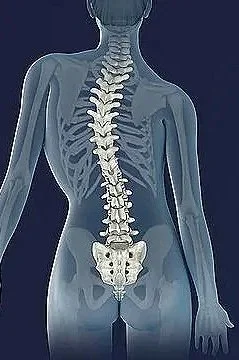
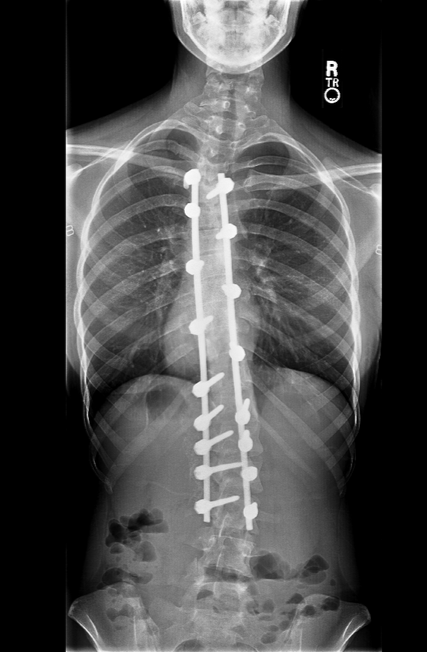
Scoliosis occurs when the vertebrae either curve sideways, rotate in relation to each other, or collapse. This produces a variety of different deformities, ranging in size and severity.

The underlying causes of scoliosis are widespread. Sometimes bones can become deformed as a result of trauma, cancer or an infection (such as tuberculosis).

Scoliosis can also be present from birth, or arise from neurological disorders in early years – such as cerebral palsy.

As well as back pain, patients may also notice postural signs as scoliosis evolves. Their shoulder blades or ribcage can stick out more, and clothes may fit differently on their body.

SCOLIOSOS

Slipped and Fused Spines

Individual vertebrae in any part of the spine can sometimes also become displaced as a result of trauma, wear and tear, or certain health conditions (such as osteoporosis).

This means that instead of standing in a regular stack, a vertebra slips forward, and out of line. This condition is given the long and practically unpronounceable name, spondylolisthesis.

In doing so, this displacement can trigger nerve compression. If the sciatic nerve – the largest in the human body – gets compressed, it can lead to symptoms of sciatica. These are namely pain, pins and needles, or numbness in the back of the leg or buttock.

The vertebrae in the lower back can sometimes also fuse abnormally together. A condition called ankylosing spondylitis can trigger inflammation in the spinal joints and discs, which then harden over time. Another name for the condition is bamboo spine, since the now rigid and inflexible column resembles a tough stalk of bamboo.

FUSED SPINE

Managing Back Pain

Managing these conditions – and the pain they cause – will depend largely on the size of the deformity and what has caused it in the first place. Even a small spinal deformity can be significant.

For scoliosis for instance, braces to correct the spine as it grows may work to manage small defects in younger patients. But corrective surgery is often required to fix larger deformities and those which don’t respond to bracing.

Taking account of posture and bone health can also help prevent developing a spinal problem later in life. Using exercise to build a strong back and shoulders and avoiding slouching are solid measures, too. Managing associated conditions such osteoporosis with diet, medication and resistance training can also help.

Surgical intervention may be required in other situations – for instance, to decompress nerves that have become trapped or squashed.

Your spine is truly an architectural wonder. It’s far from a straight and rigid column – and capable of more than you’d ever expect. But this unique structure can lend itself to problems, especially when natural curves become deformities. The age-old adage “strengthen your back, strengthen your life” is a motto we should all be regularly reminded of, and to seek medical advice accordingly should back pain arise.

Dan Baumgardt is a medically-qualified clinical neuroscientist and anatomist. He is Senior Lecturer in the School of Psychology and Neuroscience at the University of Bristol

This article originally appeared in The Conversation and is republished with permission.

Trump: ‘Don’t Take Tylenol If You’re Pregnant’

By Pat Anson

The Trump administration is advising women not to use acetaminophen (Tylenol) for pain and fever during pregnancy due the risk of their babies developing autism. About two-thirds of expectant mothers in the United States use acetaminophen.

Speaking at the White House, President Trump and Health and Human Services Secretary Robert F. Kennedy also linked childhood immunization shots to rising rates of autism, which now affects about 1 in 31 American children.

“They pump so much stuff into those beautiful little babies, it's a disgrace. I don't see it. I think it's very bad. They're pumping -- it looks like they're pumping into a horse. You have a little child, a little fragile child and you get a vat of 80 different vaccines, I guess, 80 different blends and they pump it in,” Trump said in a rambling statement that veered from Tylenol to vaccines and back again.

“And I will say there are parts of the world that don’t take Tylenol. I mean, there’s a rumor. And I don’t know if it’s so or not, that Cuba, they don’t have Tylenol because they don’t have the money for Tylenol and they have virtually no autism.”

Cuba does in fact have autism, although at low rates. It also has limited supplies of acetaminophen, which is known as paracetamol outside the U.S.

Acetaminophen is one of the most widely used over-the-counter pain relievers in the world, and medical professionals generally consider it one of the safest ways to relieve pain and fever. High fevers during pregnancy have been associated with birth defects and miscarriages, while poorly treated pain can lead to depression, insomnia and other harms to pregnant women.

The FDA warns expectant mothers not to take other over-the-counter pain relievers, such as aspirin and ibuprofen, because they can damage the kidneys of unborn babies.

The UK’s National Health Service (NHS) maintains that it is safe for pregnant women to use paracetamol. “Paracetamol is the first choice of painkiller if you're pregnant or breastfeeding. It's been taken by many pregnant and breastfeeding women with no harmful effects in the mother or baby,” the NHS says on its website.

Kenvue, the maker of Tylenol, also disputes any link between acetaminophen and autism.

“We believe independent, sound science clearly shows that taking acetaminophen does not cause autism. We strongly disagree with any suggestion otherwise and are deeply concerned with the health risk this poses for expecting mothers,” the company said in a statement.

In recent years, a handful of studies have linked the use of acetaminophen by pregnant women to autism, Attention-Deficit Hyperactivity Disorder (ADHD), and hyperactivity in children, although the evidence is not conclusive. A large 2021 study in Europe found that women who took acetaminophen while pregnant were 19% more likely to have children with autism.

“Today, the FDA will issue a physicians’ notice about the risk of acetaminophen during pregnancy and begin the process to initiate a (warning) label change. HHS will launch a nationwide public service campaign to inform families and protect public health,” Kennedy said.

“HHS wants to encourage physicians to exercise their best judgment and the use of acetaminophen for fevers and pain in pregnancy by prescribing the lowest effective dose for the shortest necessary duration and only when treatment is required.”    

‘Outright Lies and Dangerous Advice’ 

The FDA’s current warning label for acetaminophen cautions people about the risk of liver damage and other side effects, but does not specifically warn pregnant women about using the pain reliever. The agency said in 2015 that the evidence was “too limited” to justify such a warning.  

“The announcement on autism was the saddest display of a lack of evidence, rumors, recycling old myths, lousy advice, outright lies and dangerous advice I have ever witnessed by anyone in authority in the world claiming to know anything about science,” Arthur Caplan, PhD, founding head of the Division of Medical Ethics at NYU’s Grossman School of Medicine told The New York Times.

One of the reasons autism rates have risen in the U.S. is that its definition changed. Once considered extremely rare, a task force added Asperger’s syndrome to the list of autistic conditions, which resulted in a surge of new cases. Over the next decade, autism rates surged from 1 in 2,500 children to 1 in 31.

“The rapid rise in autism cases is not because of vaccines or environmental toxins, but rather is the result of changes in the way that autism is defined and assessed — changes that I helped put into place,” Dr. Allen Frances, a psychiatrist who led the task force, wrote in a recent op/ed in The New York Times.

“Our intentions were good, but we underestimated the enormous unintended consequences of adding the new diagnosis. The resulting explosion in cases included many instances of overdiagnosis — children were labeled with a serious condition for challenges that would better be viewed as a variation of normal. It also sowed the seeds of conspiracy theories and anti-vaccine beliefs as people wondered how to explain the rising cases.”

An FDA statement today also cautioned about drawing too many conclusions about links between autism and acetaminophen.

“It is important to note that while an association between acetaminophen and neurological conditions has been described in many studies, a causal relationship has not been established and there are contrary studies in the scientific literature,” the FDA said in a press release.

“It is also noted that acetaminophen is the only over-the-counter drug approved for use to treat fevers during pregnancy, and high fevers in pregnant women can pose a risk to their children. Additionally, aspirin and ibuprofen have well-documented adverse impacts on the fetus.”

‘We Are Rookies’: Chaos and Confusion as Vaccine Skeptics Control CDC Panel

By Arthur Allen and Renuka Rayasam, KFF Health News

Public health officials watched with dread as a panel shaped by the Trump administration took up an agenda to begin dismantling six decades of vaccination development and progress.

But while the result seemed foretold, the debate was far from unanimous.

The Advisory Committee on Immunization Practices, or ACIP, met at a satellite campus of the Centers for Disease Control and Prevention because the agency’s headquarters were still smashed up from a deadly gun attack last month by a man who said the covid vaccine had made him depressed and suicidal.

Health and Human Services Secretary Robert F. Kennedy Jr. has made it clear he wants the panel to change the CDC’s childhood immunization schedule, which establishes, sometimes with legal authority, which vaccines are to be mandated, paid for, and administered by states, insurers, and doctors across the country.

Kennedy fired the 17-member panel in June and has so far restocked it with 12 people, including outspoken critics of vaccination. On Sept. 18, the new panel’s discussions reflected its thin expertise and ignorance of how the vaccination schedule came to be. Scientific questions answered decades ago were asked as if they were brand-new.

“We are rookies,” said biostatistician Martin Kulldorff, the committee’s chair, noting many “technical issues that we might not grasp as of yet.”

Paul Offit, director of the Vaccine Education Center at Children’s Hospital of Philadelphia, watched the telecast anxiously.

“It reminds me when as children we would have a mock United Nations meeting,” he said. “This would be like that, except we would have actually made decisions for the United Nations.”

In one key vote, the committee came close to recommending that COVID-19 shots only be available by prescription. Kulldorff broke a 6-6 tie by voting against the proposal as chair.

The ACIP panel then voted unanimously in favor of a process called “shared clinical decision making,” in which patients are encouraged to speak to a doctor, nurse or pharmacist before getting their COVID shots.

"In the prior seasons of COVID, we've had routine vaccine access — you or I could go to our pharmacy or doctor's office and just get our vaccine, it was encouraged as a routine recommendation," said Jen Kates, director of global health and HIV policy at KFF.

‘Recycled Anti-Vax Talking Points’

Kennedy’s CDC accomplished what 30 years of public health attempts to fight anti-vaccine sentiment hadn’t: a head-to-head comparison of evidence and arguments. But while the winner was clear in the eyes of most experts, some doubted the result would be good.

“The whole purpose of the people on this committee is to circulate these old recycled anti-vax talking points,” said Sean O’Leary, a professor of pediatrics at the University of Colorado who previously was a liaison from the American Academy of Pediatrics to ACIP.

On Friday morning, he said, a colleague had a mother in his practice who refused the measles, mumps, and rubella vaccine “because she heard something bad in the news about it last night.”

Until now, public health owned places like ACIP, while vaccine foes and skeptics dominated social media. At this meeting, the skeptics had moved onto public health’s turf — where sometimes flimsy arguments and expertise were exposed.

Pharmacist Hillary Blackburn, for example, asked why children needed two measles, mumps, and rubella shots. ACIP began recommending a second shot in 1989 during a deadly measles outbreak. The two-shot regimen provided more than 95% immunity and led to the virtual elimination of measles from the United States. This year under the Trump administration more than 1,400 cases have been reported, mostly in unvaccinated people.

In one noteworthy gaffe, ACIP member Retsef Levi, a Massachusetts Institute of Technology operations management professor, misinterpreted data from a graph showing declines in hepatitis B in the United States since the 1980s. While rates had fallen in older groups, Levi said, cases in babies hadn’t declined substantially since 2005, when he inaccurately said a birth dose was first recommended.

“Where’s the argument to vaccinate even younger children at all,” he said. “Where is the benefit?”

In fact, the recommendation for a newborn shot began in 1991 and was reinforced and expanded in 2005. The first generation of hepatitis B-vaccinated babies are well into their 30s now.

“As time goes on,” CDC scientist Adam Langer patiently explained, “the people who benefited from the change in policy at the very beginning of the policy are moving into different age groups.”

Kulldorff, Levi, and committee member Evelyn Griffin, a gynecologist, also suggested that vaccines shouldn’t be recommended unless they are tested in placebo trials, which would require certain children not to be vaccinated — a practice considered unethical.

Kulldorff began the meeting defiantly. He did not mention the CDC shooting, but disparaged former agency officials Kennedy had forced out and challenged nine former CDC directors to a debate.

He also asked if anyone in the audience would eat a hot dog laced with thimerosal, the mercury-containing preservative the committee banned from influenza vaccines at its last meeting. (No one has ever offered thimerosal as a condiment, but years of study showed the minuscule amounts in vaccines did no harm).

At the June meeting, HHS censored a CDC appraisal of thimerosal while inviting an anti-vaccine activist to present an error-filled criticism of the substance. But on Sept. 18 the panel got what looked like straight science from CDC professionals.

As the committee prepared to debate ending a 34-year-old ACIP recommendation for babies to get a dose of the hepatitis B vaccine at birth, CDC career scientists Langer and John Su presented evidence of the vaccine’s safety and benefits.

Langer also laid out the history of the fight against hepatitis B — including the failed effort to control the disease by vaccinating people most at risk, including people who use drugs, sex workers, and pregnant women who tested positive for the virus. Years of trial and error showed that in the U.S., at least, it was necessary to vaccinate newborns to really knock down the disease.

Levi, who frequently mentions the vaccination status of his own six children, challenged the idea that a healthy baby from a “normal” household — one with no history of drug use or prostitution — needed the vaccine.

Cody Meissner, one of three panel members who put up a spirited defense of the status quo in the hepatitis debate, noted that when it comes to vaccination campaigns, “the more we try and define a target group to vaccinate, the less successful we are.” Meissner, a Dartmouth College professor, has published studies of vaccines and the diseases they fight since the 1970s.

Long-observed tropes of vaccine skepticism were abundant on the first day of the meeting. Levi praised a 2004 study from Guinea-Bissau, an outlier that suggested that babies, especially females, were more likely to die if they got a hepatitis B shot. Other panelists said the study, performed in a poor country with high infant mortality where children got an outdated vaccine, wasn’t relevant. But more studies were needed in general, Levi said. “We sit here with very lousy evidence,” he said.

Nurse Vicky Pebsworth of the National Vaccine Information Center, which opposes all vaccine mandates, frequently brought her own selective research into the meeting. She read off the names of studies other panelists hadn’t received to back her arguments that vaccines under discussion were not safe.

But while “too many, too soon” is a common anti-vaccine refrain, Judith Shlay from the National Association of County and City Health Officials, which had a nonvoting chair at the meeting, used it to support the current schedule. She pointed out that the panel’s debate over a combination measles, mumps, rubella, and varicella shot for children would result in a separate shot for the virus that causes chickenpox, adding to the number of inoculations on the childhood schedule.

“Some parents want to have fewer injections,” she said.

With an 8-3 vote at the end of the day, the committee nonetheless recommended separate vaccinations for MMR and chickenpox.

Everyone seemed puzzled about what had transpired with an ensuing vote on whether the Vaccines for Children Program, which pays for more than half of childhood vaccinations, should respond to ACIP’s new recommendation. The panel revoted on the issue on Sept. 19.

Nor could anyone provide a clear answer as to what prompted the committee’s discussion and planned vote on the birth dose of hepatitis B vaccine, since there was no new evidence suggesting any harm from it.

Two of Kennedy’s senior aides, both vaccine skeptics, pushed the hepatitis B discussion onto the ACIP schedule, according to testimony at a Sept. 17 Senate hearing by former CDC chief medical officer Debra Houry, who resigned to protest administration policies.

ACIP member Robert Malone, who has claimed that mRNA vaccines are dangerous, said hepatitis B was on the agenda because it is given to newborns at birth and of special concern to parents newly awakened to vaccine doubt. He appeared to nod off during a CDC staff presentation on the safety of the hepatitis B shot.

Vaccination of babies has always triggered parents. The 19th-century poet Alexander Hope Hume described evil vaccinators who turned “the rosy darling” who “crows with glee” into “a wailing infant” whose every vein “ferments with poison.”

The agenda item was not really about the merit of the hepatitis B vaccine, Malone acknowledged.

“The signal that is prompting this is not one of safety; it’s one of trust,” he said.

But in the end, the committee reconsidered what would have been its first drastic move to reverse a successful U.S. vaccination campaign. It postponed its vote on the hepatitis B birth dose.

KFF Health News is a national newsroom that produces in-depth journalism about health issues.  

Former Secretary of Veterans Affairs Calls for ‘Opioid-Free VA’

By Crystal Lindell

An alarming new column in The Hill is advocating for an opioid-free Veterans Affairs health system by 2030 – a move that would leave countless veterans and their families without effective pain relief.

Headlined “Whiskey, tobacco, and pain pills: The VA can be an opioid-free health system,” the op/ed was written by David Shulkin, MD, who was Secretary of Veterans Affairs in the first Trump administration, and the VA’s Under Secretary of Health in the Obama administration.

His opening line gets straight to the point he’s trying to make: “There is a time for everything. Now is the time for the Department of Veterans Affairs to go opioid-free.”

His column is promoting a dangerous message, and I fear that Shulkin’s credentials will lead people to take his stance seriously. It’s especially abhorrent because veterans are more likely to have chronic pain and have suicide rates twice as high as civilians, often due to poorly treated pain.

The VA and Department of Defense medical guidelines already discourage opioids from being prescribed for chronic pain, especially for younger patients of military age. The guidelines only allow for short-acting opioids to be prescribed for short-term acute pain.  

Shulkin frames opioids as a sort of magic-spell curse that can ruin lives after just one dose:

“The real opportunity lies in preventing opioid initiation,” Shulkin wrote. “The VA’s comprehensive, integrated system makes it uniquely positioned to lead the nation in eliminating opioid use and become the first opioid-free health system in the country. While it would be inappropriate to abruptly discontinue opioids for current chronic users, the VA could immediately begin limiting opioids for acute pain and adopt new alternatives. 

Shulkin claims that over half of veterans receive opioids for post-operative acute pain, as though that number is too high. But having opioid medication after surgery isn't just common practice, it's the most humane response. And there’s little evidence it leads to opioid addiction.

In fact, I’d go so far as to say that the fact that only half of veterans get opioids post-op is probably too low. Of course, I couldn’t fact check Shulkin’s numbers because the link he uses to validate his claim about how many veterans receive opioids post-op doesn’t even work. It just goes to a “404 error” page not found.  

Shulkin also claims that “roughly 10 percent” of veterans develop opioid addiction after surgery. But the link provided for that misleading claim takes you to a large meta-analysis study of over 4 million chronic pain patients around the world (mostly civilians), which has no relevance to how many U.S. veterans become addicted after surgery.

As noted in the headline to his column, Shulkin also compares opioids to alcohol and tobacco, citing the fact that VA doctors used to recommend both to patients to help make them “more comfortable.”  

“Just as we no longer prescribe alcohol or allow tobacco on VA campuses, the day will come when we look back and wonder why opioids were ever part of routine care,” he writes. 

Of course, there are glaring differences between opioids and those two substances: Opioids require a prescription, while alcohol and tobacco can be bought over the counter. They’re also involved in many more deaths than prescription opioids. 

To be frank, if patients could go out and purchase hydrocodone as easily as they can buy whiskey or a pack of cigarettes, I wouldn’t have a problem with what Shulkin is saying. Patients lacking a prescription from the VA would still have the option to treat their pain how they saw fit — whether or not a doctor approved of the methods would be irrelevant. 

Unfortunately, that’s not the case. And as such, trying to make the VA opioid-free within five years is inhumane. 

‘Additional Advances Are Emerging’

Of course, since Shulkin is advocating for zero opioid prescriptions, one might assume that he would at least offer a list of reasonable non-opioid pain relieving alternatives. But here too, his evidence is lacking. 

His first suggestion is a selective sodium channel blocker called Journavx (suzetrigine), which was recently approved by the FDA, even though it’s no more effective than a low dose of Vicodin. 

According to Yale Medicine, Journavx has very specific limitations. It’s "not a cure-all" and is only meant for moderate-to-severe acute pain, which is short-term pain after trauma or surgery. 

"This means, based on the current evidence, that it would likely be used primarily in the hospital setting and only for a few days," says Robert Chow, MD, a Yale Medicine anesthesiologist and pain management specialist.

Shulkin says "additional advances are emerging” for other non-opioid alternatives, including drugs targeting peptide-receptors that “appear to provide effective pain relief.”

So to recap, Shulkin wants the entire VA system – which provides healthcare to over 8 million military service members, veterans and their families – should go opioid free because we now have one sodium channel blocker and "additional advances are emerging."

Shulkin admits "it would be inappropriate to abruptly discontinue opioids” for long-term patients on opioids. But something tells me that such a warning would be ignored if the VA ever actually did go "opioid free," given the fact that many veterans have already been abruptly tapered off opioids.

I suspect that if Shulkin ever needed opioids for his own pain, he would not hesitate to take them. His is the type of column that is only written about other people’s pain – and other people’s pain is always easy to endure. 

I hope that his proposal is ignored and ridiculed as the nonsense it is. But after witnessing opiophobia for the last decade, I worry that the opposite will happen, and that policymakers will take Shulkin’s ideas seriously. 

Opioids aren’t just helpful – for many veterans they are necessary. And any medical professional advocating for their elimination should not be working in medicine at all. 

If we want to make the world a better place, we need to take pain seriously and treat it as the grave condition it often is. That means giving patients access to opioids when they need them. 

Early Receipt of Opioids Reduces Hospitalization of Children with Sickle Cell Disease

By Pat Anson

Early administration of opioids for pain relief in emergency departments significantly reduces the chances of a child with sickle cell disease being hospitalized, according to a large new study published in JAMA Pediatrics. 

Sickle cell disease (SCD) is a genetic disorder that causes red blood cells to form in a crescent or sickle shape, which creates painful blockages in blood vessels. About 100,000 Americans live with sickle cell disease, primarily people of African or Hispanic descent.

It’s not uncommon for someone with SCD to visit an ER a few times each year due to pain or complications such as anemia, stroke, infection and organ failure. Many patients with SCD feel stigmatized when they visit an ER, where their pain is not taken seriously and they are seen as drug seekers. That delays their treatment, even though medical guidelines recommend early treatment with opioids and other pain relievers.    

“If we can stabilize and treat patients’ pain, they won’t need to be admitted to the hospital, where they would miss school, their families would miss work, and it’s disruptive to their lives,” said co-author Elizabeth Alpern, MD, Professor and Vice Chair in the Department of Pediatrics at Northwestern University Feinberg School of Medicine.

Alpern and her colleagues reviewed over 9,000 ER visits by 2,538 children with an uncomplicated SCD pain flare between 2019 and 2021. Their findings offer some of the first evidence that faster pain management with opioids can lead to better outcomes for pediatric SCD patients.

Children who received their first opioid dose within 60 minutes of arrival in the ER were 15% less likely to be hospitalized. The odds of hospitalization dropped even further when a second dose was administered within 30 minutes of the first. 

“We were able to statistically show that if patients receive a timely first dose of opioid medications and a timely second dose of opioid medications, we could drastically reduce the number of hospital admissions within this population,” said co-author Jacqueline Corboy, MD, Assistant Professor of Pediatrics in the Division of Emergency Medicine at the Feinberg School of Medicine. “This is the first study that shows concrete evidence, so this is really important.” 

The study was a collaborative effort among 12 pediatric hospitals. Two smaller, single-site studies showed no association between early receipt of opioids and lower odds of hospitalization.

SCD patients have few alternatives to opioids for pain relief. Last year Pfizer took the sickle cell medication Oxbryta off the market over concerns that it could be causing deaths and other complications. A 2022 study also found that SCD patients given corticosteroids are more likely to be hospitalized with severe pain.

Compared to other chronic illnesses, SCD has received little attention from researchers and pharmaceutical companies, resulting in a lag in the development of new treatments. Until 2018, only one drug was approved by the FDA to treat sickle cell patients. Bone marrow and stem cell transplants are currently the only curative therapies for SCD.

How Trump’s False Claim That 300 Million People Died From Drugs Impacts Pain Patients

By Crystal Lindell

President Donald Trump recently claimed that "300 million people died” from drug-related causes last year.

If that were true, it would mean that nearly the entire population of the United States – 342 million people –  died from a drug overdose in 2024.

Trump’s claim is so absurd, that it’s difficult to know what he was trying to say or what he may have meant.

The comment came during a Q&A with reporters, when he was asked about the U.S. strike on a supposed drug-smuggling boat off the coast of Venezuela, an attack the president of Venezuela called "illegal."

"What's illegal are the drugs that were on the boat and the drugs that are being sent into our country. And the fact that 300 million people died last year from drugs. That's what's illegal," Trump said.

In a community note on X/Twitter, the site’s fact checkers noted that 62 million people worldwide died from all causes in 2024, which “makes it impossible for 300 million people to have died of one single cause.” 

Obviously, the real numbers for drug-related deaths are significantly lower than 300 million. In reality, there were about 80,000 U.S. overdose deaths in 2024. Globally, 600,000 deaths were attributed to drug use in 2019, the most recent data available.

The World Health Organization reported there are 3 million deaths annually due to alcohol and drug use. But a majority of those — 2.6 million — were attributed to alcohol consumption.

So, Trump may have seen the “3 million” and misremembered it as "300 million," while also ignoring the fact that most of those deaths were related to alcohol.

It’s also possible he meant 300-thousand drug deaths. The president has actually used that number in the past, while adding that he doesn’t believe the overdose numbers the government produces. .

“We don’t want drugs killing our people. I believe we lost 300,000. You know, they always say 95, 100,000. I believe they’ve been saying that for 20 years. I believe we lost 300,000 people last year,” Trump said earlier this month. 

Regardless of where the “300 million” statistic came from, it’s troubling that Trump said it at all, and that there was little correction from the media. There also doesn’t seem to have been any correction from the White House, as far as I can tell.

Slips like this aren’t just annoying, they have very real implications – especially for pain patients – who already know what happens when prescription opioid deaths are exaggerated. The supply of opioid pain medication gets cut.

When people hear it from the president or White House, it carries weight. 

The Trump administration is not alone in this. In 2016, during the Obama administration, the CDC and the White House Office of National Drug Control Policy released three different estimates in one week on the number of Americans that died from prescription opioids. The numbers ranged from a low of 12,700 to a high of 17,536 deaths in 2015.

Aside from the fact that it literally impacts government policies, the wildly inflated numbers also affect how people respond to them in their day-to-day lives..

While medical professionals and policy makers might recognize that “300 million” or “300 thousand” deaths is an exaggeration, they also may assume that it can’t be that too far off if the president is saying it. 

Such a toll would be catastrophic and signal that the U.S. overdose crisis is getting worse, when the actual number of drug deaths is declining.

This false information perpetuates the idea that all opioids, both legal and illegal, are an extremely deadly problem and need to be restricted.  

Then, when a doctor who saw the clip of Trump on the news goes to treat a patient, he may think twice before writing a hydrocodone prescription because he vaguely remembers something about millions of people overdosing.

Loved ones of patients in pain can also be negatively swayed by such fake statistics. For example, say a mother is prescribed 5 mg doses of Norco for cancer pain. Their adult child may assume that even such a low dose has the potential to be deadly, because of what the president said, and they may discourage their mom from taking it.

Ideally, the White House Communications Office would issue some sort of correction of Trump’s statement. But seeing how this happened a few days ago, and they have yet to address it, I assume such a correction is unlikely to ever happen. And they’re hoping we’ll all forget about it.

Any single drug-related death is too many, and we absolutely should be looking into policies that address overdoses in ways that are proven to help. But when advocates have to instead spend time combating misinformation, it just takes time and resources away from the real problem.

Opioids do cause deaths, but they also give millions of people their lives back by alleviating their pain and allowing them to actually function. 

When we only focus on one side of the equation — especially when that focus is marred by widely inaccurate information — the result is just more pain and suffering.

Medicare Pilot Program Will Use AI To Decide If Pain Treatments Are Worth the Cost    

By Pat Anson

Medicare patients in six states who need epidural steroid injections, cervical fusions, spinal cord stimulators, arthroscopic knee surgery and other treatments for chronic pain will soon have their prior authorization requests reviewed by artificial intelligence (AI) to decide whether the treatments are worth the cost.

The Centers for Medicare & Medicaid Services (CMS) is launching a 6-year pilot program on January 1, 2026 called the Wasteful and Inappropriate Service Reduction Model --- known as “WISeR” for short.

WISeR will cover Original Medicare patients in New Jersey, Ohio, Oklahoma, Texas, Arizona, and Washington who seek treatment for chronic pain, impotence, incontinence, and burns or wounds needing skin and tissue substitutes.

WISeR will review over a dozen treatments that CMS considers low-value, potentially unsafe, or suspicious because of prior reports of fraud and wasteful spending. The low-value treatments alone cost Medicare nearly $6 billion in 2022.

“CMS is committed to crushing fraud, waste, and abuse, and the WISeR Model will help root out waste in Original Medicare,” CMS Administrator Dr. Mehmet Oz said in a press release. “Combining the speed of technology and the experienced clinicians, this new model helps bring Medicare into the 21st century by testing a streamlined prior authorization process, while protecting Medicare beneficiaries from being given unnecessary and often costly procedures.”

Under traditional or Original Medicare, most covered services do not require prior authorization, but Medicare Advantage (MA) plans often do. For that reason, CMS is partnering with private MA plans that have more experience using AI and other advanced technologies to process prior authorization requests. If a request is denied by WISeR, the agency says it will then be reviewed before a final decision “by licensed clinicians, not machines.”

CMS claims that WISeR will “expedite decision making” and not change coverage for traditional Medicare beneficiaries, who “retain the freedom to seek care from their provider or supplier of choice.”

Those providers, however, will be incentivized with higher Medicare payments if they participate in WISeR and show they can reduce the use of low value treatments and help lower Medicare spending.  

Pain treatments that will be reviewed under the WISeR Model include these procedures:

  • Electrical Nerve Stimulation  

  • Deep Brain Stimulation for Essential Tremor and Parkinson's Disease

  • Vagus Nerve Stimulation

  • Surgical Removal or Ablation of Nerves

  • Epidural Steroid Injections (excluding facet joint injections)

  • Percutaneous Vertebral Augmentation (PVA) for Vertebral Compression Fractures

  • Cervical Fusions  

  • Arthroscopic Surgery for Knee Osteoarthritis

  • Percutaneous Image-Guided Lumbar Decompression for Spinal Stenosis

Many of these treatments have already drawn scrutiny for being ineffective or costly. Studies have found that spinal cord stimulation, for example, has no benefit for back pain; while epidural steroid injections, nerve blocks and nerve ablation have been found to have little or no benefit.

‘Perverse Incentives’

Not surprisingly, the WISeR Model has drawn criticism from physicians who perform the procedures, who decry the use of AI and algorithms to make healthcare decisions.

“We firmly believe that (WISeR) will jeopardize patient access to care, create more administrative burdens for physicians, offer perverse payment incentives for third-party vendors, and represent a substantial reversal of progress toward this Administration’s goal of prioritizing patients over paperwork,” a coalition of 23 neurosurgeon organizations wrote in a letter to Dr. Oz.

“Decision criteria to be used by participating vendors — including algorithms, scoring models, and evidence-based guidelines — remain a “black box,” leaving stakeholders with little to no insight into how prior authorization determinations will be made.”

Patient rights groups and some politicians say WISeR will create new roadblocks for Medicare patients needing treatment.

“While prior authorization is often described as a cost-containment strategy, in practice it increases provider burden, takes time away from patients, limits patients’ access to life-saving care, and creates unnecessary administrative burden,” Rep. Ami Bera (D) and Rep. Suzan DelBene (D) said in a recent letter to Dr. Oz.

“The use of prior authorization in Medicare Advantage shows us that, in practice, WISeR will likely limit beneficiaries’ access to care, increase burden on our already overburdened health care work force, and create perverse incentives to put profit over patients.”

About 12% of prior authorization denials by Medicare Advantage insurers were appealed in 2023, and more than 80% of them were overturned, according to the Center for Medicare Advocacy.

An HHS Inspector General's report in 2018 found “widespread and persistent” problems involving denials of care by Medicare Advantage. Another report in 2022 found 13% of denied requests actually met Medicare’s rules and should have been approved.

“(WISeR) is) a backdoor way of putting everybody in a Medicare Advantage plan,” Carrie Graham, executive director of the Medicare Policy Initiative told Cleveland.com. “It’s a first step to getting rid of, or downgrading, the freedom that traditional Medicare provides.”

It’s Rare for Chronic Pain Patients to Overdose on Opioids

By Neen Monty

The Penington Institute is an Australian non-profit public health and drug policy research organization. Its core mission is to study drug use “in a safe, considerate and practical way. We seek solutions, not scapegoats. We strive for positive outcomes, not negative stereotypes.”

A most worthy cause.

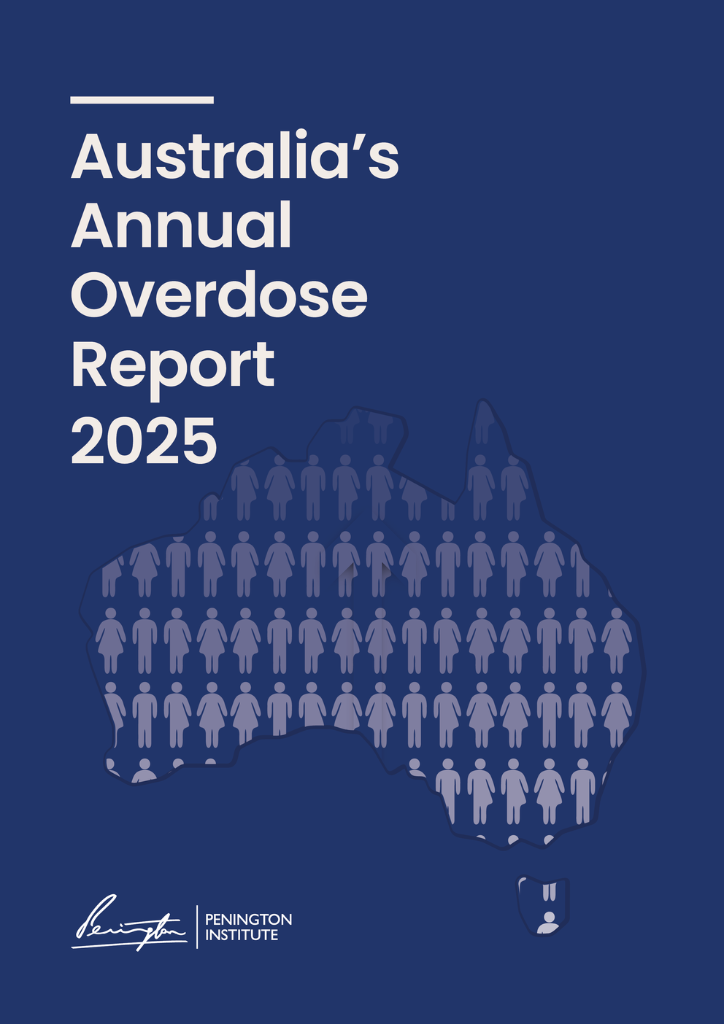
Each year, Penington releases Australia’s Annual Overdose Report, the country’s most comprehensive study of overdose trends and impacts. I am not against the work of the Penington Institute. On the contrary, they serve a very necessary purpose and have a noble goal.

However, for several years running, they have demonized chronic pain patients and twisted the statistics to inflate the harms of prescription opioids. And this is generally what I write about. To correct the record.

Here’s the download page to Penington’s 2025 report. It documents how many overdoses and what substances were involved. The report relates to data from the 2023 calendar year. Paging through it, something jumped out at me immediately.

Naturally, I jumped straight to the ‘Opioids’ section. There is a table, with key facts. One of these key facts is:

“From 2019-2023, there were 163 unintentional drug-induced deaths involving pharmaceutical opioids as the sole drug type.”

That’s an average of nearly 33 people who died accidentally every year when pharmaceutical opioids were the sole drug type. 33 people. In a country with 27.4 million people.

Does that sound like an opioid crisis to you? Does that sound like a reason to deny tens of thousands of patients access to safe and effective pain relief?

Do you know what immediately occurred to me when I realised that less than 50 people per year die from prescription opioid overdose?

I remembered this 2023 report from the Therapeutic Goods Administration (Australia’s version of the U.S. Food and Drug Administration), justifying their changes to paracetamol scheduling. That’s acetaminophen for those of you in the U.S.

Paracetamol pack sizes were reduced to 16 tablets per packet and supermarkets could only sell two packs per person. Larger packs were only available at pharmacies, and some required a pharmacist’s approval.

Do you know why they made paracetamol harder to get?

Because 50 Australians were dying every year from paracetamol overdoses, with rates of intentional overdose highest among adolescents and young adults.

There was an outcry when the changes came into effect. Chronic pain patients were again being harmed by policy because a different patient group was overdosing.

Because 50 people die of paracetamol overdoses per year in Australia.

Do you get what I am saying?

Paracetamol is still available over-the-counter in Australia, albeit in smaller pack sizes. And yet opioids are almost impossible to access.

Fewer Australians die from prescription opioid overdoses than from paracetamol overdoses. This was true long before any changes were made in opioid scheduling in 2020, making opioids much harder to get.

Opioid prescribing was already declining in 2020, so there was no need to change opioid prescribing practices. Certainly no medical need. In fact, this policy change caused a great deal of harm to those who live with constant, severe pain, and has had no benefits. For anyone.

Please think about it. Reflect upon it. Make it make sense. How is this anything other than a witch hunt?

Paracetamol kills more people than prescription opioids, yet it’s still available over the counter. And doctors are torturing people who live with painful, progressive and incurable diseases, by denying us access to safe and effective pain relief.

Because 33 people die of prescription opioid overdoses every year. While 50 people die of paracetamol overdoses.

Does Australia have an opioid crisis? No.

Does Australia have a prescription opioid crisis? Also no!

We never had a prescription opioid crisis. And we were never heading for one. Prescription opioid overdoes have been falling in Australia since 2018. Check the statistics.

Unlearn what you have been told and learn the true statistics.

There was no need to make changes in 2020. Yet those changes caused interminable suffering to people who live with constant, severe pain from illness or injury.

Most chronic pain patients are still suffering. Many have died.

Does this seem fair to you? Does this seem right? Does it seem reasonable?

Does any of this seem like good policy?

To be clear, I am not saying that opioids should be available over-the-counter. Please do not twist my words to imply that.

Opioids for severe, daily pain should be managed as they were before 2020. By general practitioners who know their patients well.

There should be no dose ceilings because there is no evidence that dose ceilings reduce overdoses and death. GPs are more than capable of prescribing an appropriate dose and duration to manage severe chronic pain.

Instead, chronic pain patients in Australia are forced to go to a pain management specialist, who barely knows them and rarely understands their pain.

People who live with severe, daily pain from disease and injury have a right to pain relief. We need help.

And this year’s Penington report shows that we are not the ones who are overdosing.

It is time to restore access to safe and effective pain relief for those who desperately need it. Chronic pain kills far more often than the opioids prescribed for chronic pain do. Patients die from heart attacks, strokes, hypertension, and other stress-induced conditions when their pain is not treated.  

The true cause of most overdose deaths is polypharmacy: multiple drugs, both legal and illegal, that are often mixed with alcohol.

Targeting people who live with painful, progressive and incurable diseases and injuries, denying us access to pain medication, is never going to reduce overdoses by illicit drug users. They are two different patient populations.

It is not chronic pain patients who are overdosing.

Neen Monty is a patient advocate in Australia who lives with rheumatoid arthritis and Chronic Inflammatory Demyelinating Polyneuropathy (CIDP), a progressive neurological disease that attacks the nerves.

Neen is dedicated to challenging misinformation and promoting access to safe, effective pain relief. She has created a website for Pain Patient Advocacy Australia to show that prescription opioids can be safe and effective, even when taken long term. You can subscribe to Neen’s newsletter on Substack, “Arthritic Chick on Chronic Pain.”

Experimental Implant Could Dispense Drugs Inside Joints During Arthritis Flares

By Crystal Lindell

Researchers in the UK are developing an artificial cartilage that could dispense anti-inflammatory and pain relieving medications from within joints during an arthritis flare-up.

The gel-like material, developed by a team at the University of Cambridge, has been designed to respond to changes in pH, a measure of acidity. During flare-ups, arthritic joints become inflamed and slightly more acidic than the surrounding tissue.

As acidity increases, the polymer implant becomes softer and more jelly-like, triggering the release of drug molecules within the joint. In theory, researchers say the drugs would be released precisely where and when they are needed, providing more effective and continuous relief.

“These materials can ‘sense’ when something is wrong in the body and respond by delivering treatment right where it’s needed,” said Stephen O’Neill, PhD, a postdoctoral researcher at Cambridge. “This could reduce the need for repeated doses of drugs, while improving patient quality of life.”

The research was reported in the Journal of the American Chemical Society

The polymer material was developed by a research group in the Department of Chemistry at Cambridge that specializes in designing and building unique materials for a range of potential applications.

“For a while now, we’ve been interested in using these materials in joints, since their properties can mimic those of cartilage,” said lead author Oren Scherman, PhD, Director of the Melville Laboratory for Polymer Synthesis. “But to combine that with highly targeted drug delivery is a really exciting prospect.”

Clinical trials are needed before the material can be used in patients. Researchers say their next steps will be to test the materials in living organisms to evaluate their performance and safety. 

If successful, that could lead to a new generation of responsive biomaterials capable of treating a variety of chronic diseases. The gel could be adapted for placement in different parts of the body.

“It’s a highly flexible approach, so we could in theory incorporate both fast-acting and slow-acting drugs, and have a single treatment that lasts for days, weeks or even months,” said O’Neill.

While it is incredible to see these new advances in pain treatment, it’s also imperative that researchers make sure that they are actually better than the current treatments available. They also need to make sure that the implants are relatively easy to remove in the case of complications.

In the research paper, the authors suggest the implants could be used for rheumatoid and osteoarthritis pain. However, both of those diseases can cause widespread joint pain, so it remains unclear if material needs to be implanted in multiple joints to be effective.

And if the implants can be effective “for days, weeks or even months,” how would they be re-loaded with medication or even fully replaced? Such a process could be very taxing for patients, especially if it requires a trip to the hospital or a doctor’s office each time.

In the original Jurassic Park movie, the character Dr. Ian Malcolm says, “Your scientists were so preoccupied with whether they could, they didn't stop to think if they should.”

I hope these researchers heed that advice. 

Balancing the Risks and Benefits of Kratom

By David Kroll

David Bregger had never heard of kratom before his son, Daniel, 33, died in Denver in 2021 from using what he thought was a natural and safe remedy for anxiety.

By his father’s account, Daniel didn’t know that the herbal product could kill him. The product listed no ingredients or safe-dosing information on the label. And it had no warning that it should not be combined with other sedating drugs, such as the over-the-counter antihistamine diphenhydramine, which is the active ingredient in Benadryl and other sleep aids.

As the fourth anniversary of Daniel’s death approaches, a recently enacted Colorado law aims to prevent other families from experiencing the heartbreak shared by the Bregger family. Colorado Senate Bill 25-072, known as the Daniel Bregger Act, addresses what the state legislature calls the deceptive trade practices around the sale of concentrated kratom products artificially enriched with a chemical called 7-OH.

7-OH, known as 7-hydroxymitragynine, has also garnered national attention. On July 29, 2025, the U.S. Food and Drug Administration issued a warning that products containing 7-OH are potent opioids that can pose significant health risks and even death.

As kratom and its constituents are studied in greater detail, the Centers for Disease Control and Prevention and university researchers have documented hundreds of deaths where kratom-derived chemicals were present in postmortem blood tests. But rarely is kratom deadly by itself. In a study of 551 kratom-related deaths in Florida, 93.5% involved other substances such as opioids like fentanyl.

I study pharmaceutical sciences, have taught for over 30 years about herbal supplements like kratom, and I’ve written about kratom’s effects and controversy.

One Name, Many Products

Kratom is a broad term used to describe products made from the leaves of a Southeast Asian tree known scientifically as Mitragyna speciosa. The Latin name derives from the shape of its leaves, which resemble a bishop’s miter, the ceremonial, pointed headdress worn by bishops and other church leaders.

Kratom is made from dried and powdered leaves that can be chewed or made into a tea. Used by rice field workers and farmers in Thailand to increase stamina and productivity, kratom initially alleviates fatigue with an effect like that of caffeine. In larger amounts, it imparts a sense of well-being similar to opioids.

In fact, mitragynine, which is found in small amounts in kratom, partially stimulates opioid receptors in the central nervous system. These are the same type of opioid receptors that trigger the effects of drugs such as morphine and oxycodone. They are also the same receptors that can slow or stop breathing when overstimulated.

In the body, the small amount of mitragynine in kratom powder is converted to 7-OH by liver enzymes, hence the opioid-like effects in the body. 7-OH can also be made in a lab and is used to increase the potency of certain kratom products, including the ones found in gas stations or liquor stores.

And therein lies the controversy over the risks and benefits of kratom.

‘No Currently Accepted Medical Use’

Because kratom is a plant-derived product, it has fallen into a murky enforcement area. It is sold as an herbal supplement, normally by the kilogram from online retailers overseas.

In 2016, I wrote a series of articles for Forbes as the Drug Enforcement Administration proposed to list kratom constituents on the most restrictive Schedule 1 of the Controlled Substances Act. This classification is reserved for drugs the DEA determines to possess “no currently accepted medical use and a high potential for abuse,” such as heroin and LSD.

But readers countered the DEA’s stance and sent me more than 200 messages that primarily documented their use of kratom as an alternative to opioids for pain.

Others described how kratom assisted them in recovery from addiction to alcohol or opioids themselves. Similar stories also flooded the official comments requested by the DEA, and the public pressure presumably led the agency to drop its plan to regulate kratom as a controlled substance.

But not all of the stories pointed to kratom’s benefits. Instead, some people pointed out a major risk: becoming addicted to kratom itself. I learned it is a double-edged sword – remedy to some, recreational risk to others. A national survey of kratom users was consistent with my nonscientific sampling, showing more than half were using the supplement to relieve pain, stress, anxiety or a combination of these.

Natural Leaf Powder vs Concentrated Extracts

After the DEA dropped its 2016 plan to ban the leaf powder, marketers in the U.S. began isolating mitragynine and concentrating it into small bottles that could be taken like those energy shots of caffeine often sold in gas stations and convenience stores.

This formula made it easier to ingest more kratom. Slowly, sellers learned they could make the more potent 7-OH from mitragynine and give their products an extra punch. And an extra dose of risk.

People who use kratom in the powder form describe taking 3 to 5 grams, the size of a generous tablespoon. They put the powder in capsules or made it into a tea several times a day to ward off pain, the craving for alcohol or the withdrawal symptoms from long-term prescription opioid use.

Since this form of kratom does not contain very much mitragynine – it is only about 1% of the powdered leaf – overdosing on the powder alone does not typically happen.

That, along with pushback from consumers, is why the Food and Drug Administration is proposing to restrict only the availability of 7-OH and not mitragynine or kratom powder. The new Colorado law limits the concentration of kratom ingredients in products and restricts their sales and marketing to consumers over 21.

Even David Bregger supports this distinction. “I’m not anti-kratom, I’m pro-regulation. What I’m after is getting nothing but leaf product,” he told WPRI in Rhode Island last year while demonstrating at a conference of the education and advocacy trade group the American Kratom Association.

Such lobbying with the trade group last year led the American Kratom Association to concur that 7-OH should be regulated as a Schedule 1 controlled substance. The association acknowledges that such regulation is reasonable and based in science.

Potential Use as Medicine

Despite the local and national debate over 7-OH, scientists are continuing to explore kratom compounds for their legitimate medical use.

A $3.5 million NIH grant is one of several that is increasing understanding of kratom as a source for new drugs.

Researchers have identified numerous other chemicals called alkaloids from kratom leaf specimens and commercial products. These researchers show that some types of kratom trees make unique chemicals, possibly opening the door to other painkillers.

Researchers have also found that compounds from kratom, such as 7-OH, bind to opioid receptors in unique ways. The compounds seem to have an effect more toward pain management and away from potentially deadly suppression of breathing. Of course, this is when the compounds are used alone and not together with other sedating drugs.

Rather than contributing to the opioid crisis, researchers suspect that isolated and safely purified drugs made from kratom could be potential treatments for opioid addiction. In fact, some kratom chemicals such as mitragynine have multiple actions and could potentially replace both medication-assisted therapy, like buprenorphine, in treating opioid addiction and drugs like clonidine for opioid withdrawal symptoms.

Rigorous scientific study has led to this more reasonable juncture in the understanding of kratom and its sensible regulation. Sadly, we cannot bring back Daniel Bregger. But researchers can advance the potential for new and beneficial drugs while legislators help prevent such tragedies from befalling other families.

David Kroll, PhD, is a Professor of Natural Products Pharmacology & Toxicology in the Department of Pharmaceutical Sciences at the University of Colorado Anschutz Medical Campus.

This article originally appeared in The Conversation and is republished with permission.